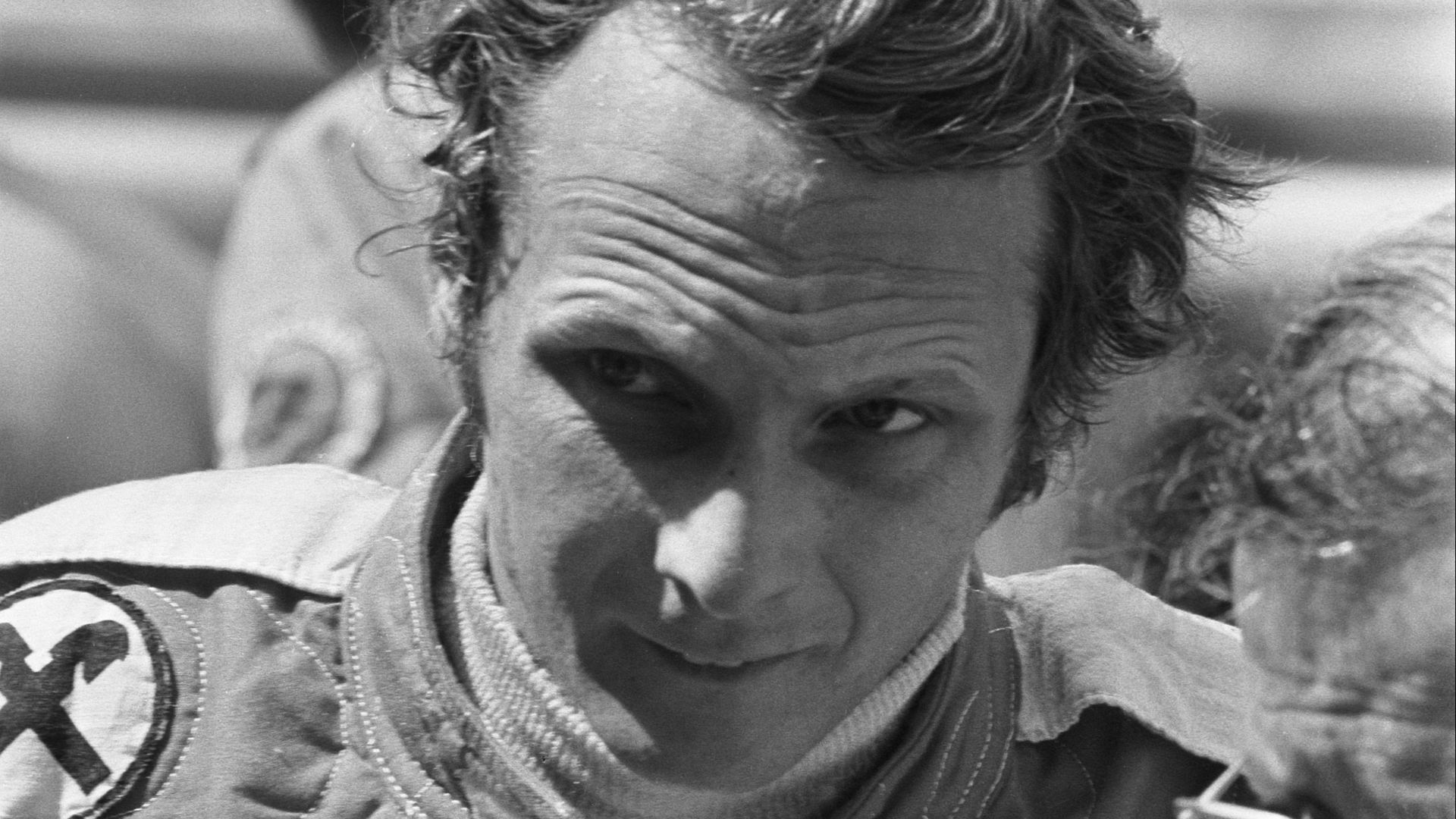
 Bert Verhoeff for Anefo on Wikimedia
Formula One in the mid-1970s was still a sport where drivers accepted, in a quiet and unspoken way, that some of them would not survive a full season. Circuits like the old Nürburgring Nordschleife had barely any real safety barriers, medical response times were slow, and cars carried fuel tanks that could turn a minor crash into something catastrophic. Drivers talked about the odds the way people talk about weather, something to plan around rather than fight.
Niki Lauda understood those odds better than most, and in August of 1976 he came about as close as a person can come to losing everything without actually dying. What happened afterward, the return to the car weeks later and the championship that followed the next season, is one of those stories that sounds embellished until you check the dates and realize none of it needed exaggeration.
The Crash That Should Have Ended Everything
On August 1, 1976, during the second lap of the German Grand Prix, Lauda's Ferrari suffered a suspension failure at high speed on the Nordschleife, sending the car off the track and into an embankment before it burst into flames and came to rest in the middle of the circuit. Several drivers behind him, including Arturo Merzario, Guy Edwards, Brett Lunger, and Harald Ertl, stopped their own cars in the middle of a live race to pull him from the wreck, working through fire and a locked helmet strap while fuel continued to burn around them.
Lauda was conscious through most of it, which made the injuries worse in a strange way, since he later described being fully aware of the flames reaching his face before help arrived. The fire burned away much of his hair, damaged one ear, and scarred his scalp and eyelids, while toxic fumes from the burning fuel and bodywork did serious damage to his lungs and blood. At the hospital, his condition was considered severe enough that a priest was brought in to administer last rites.
Doctors did not expect a quick recovery, and nobody around him was talking about racing again that season. Lauda later said the fear of dying frightened him less than the fear of what he would look like afterward, a detail that stuck with people covering the story because it was such an unusually honest thing for a driver in that era to admit out loud.
Back In The Car Six Weeks Later
Lauda missed only two Grands Prix, the Austrian round and the Dutch round, before returning for the Italian Grand Prix at Monza on September 12, 1976, just six weeks after the crash. His bandages were still fresh enough that they soaked through with blood during the race, and photographs from that weekend, showing his scarred face barely healed, became some of the most reproduced images in the sport's history.
He qualified respectably and finished fourth, a result that would have been unremarkable in any other context and became remarkable purely because of what his body had been through to get there. Reporters at the time noted that he could barely turn his neck inside the cockpit and that changing gears caused visible pain, yet he kept pace with drivers who had spent the previous six weeks doing nothing but train and rest.
The comeback did not erase the championship math working against him. James Hunt, driving for McLaren, had closed most of the points gap during Lauda's absence, and the title fight that had looked settled in midsummer was suddenly open again with only a handful of races left.
The Championship Nobody Expected
The 1976 season came down to the final race in Japan, run in torrential rain and standing water on the track, conditions that Lauda judged too dangerous given his injuries and withdrew after two laps. Hunt finished third, enough to take the championship by a single point, 69 to 68, and Lauda's decision to pull out was criticized by some in the press as a loss of nerve, even though most drivers privately admitted they understood exactly why he did it.
Ferrari and Lauda carried that unfinished business into 1977, and this time there was no late-season collapse. He won three Grands Prix that year and finished on the podium often enough to build a points lead that never seriously came under threat, clinching the World Championship at the United States Grand Prix in October with two races still left on the calendar.
He walked away from Ferrari before those final two races were even run, unhappy with how the team had handled the fallout from his Japan withdrawal the year before, and signed with Brabham for the following season. The title stood regardless, a second championship earned less than fifteen months after a crash most people assumed would end his career, and in some tellings his life, along with it.