Make Sure to Stay on Top of These
Some car parts just seem like they’re out to frustrate you by failing at the most inopportune moments, while other parts will last what feels like forever without a problem. So with that in mind, here are the parts that are most likely to fail first, and the parts that will last a surprisingly long time.
1. Tires
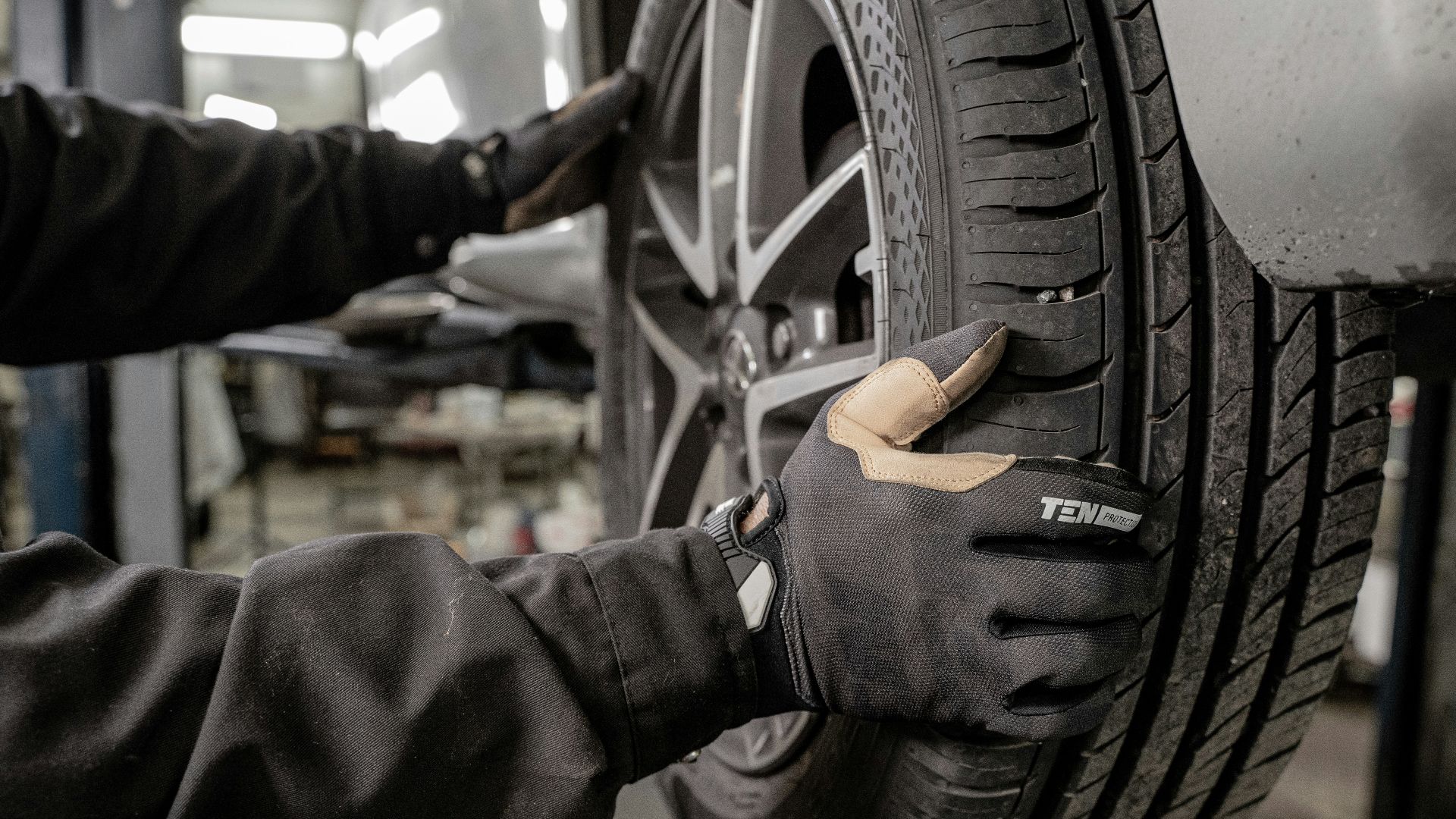
Tires are constantly rubbing against the road. This means they are always wearing down. Incorrect pressure, alignment, and driving conditions can decrease their lifespan. Balding tires have less traction, making you more likely to skid. Rotating, inflating, and replacing tires at the right time can prolong their lifespan.
 Jimmy Nilsson Masth on Unsplash
2. Air Filter
An air filter prevents dust and other contaminants from entering your engine, allowing it to run more efficiently and for longer periods of time. Air filters are made of paper or synthetic material that becomes naturally clogged over time and requires frequent replacement. The frequency of your replacements will greatly depend on the driving conditions in your area and the amount of dust in the air. Yearly replacement (particularly in dusty regions) is an easy task to adopt to help your engine run more effectively.
 Isabela Kronemberger on Unsplash
3. Starter Motor
The starter motor's job is to crank the engine when you start the car. Worn internal parts or loose electrical connections can cause intermittent starting. The usual symptoms are clicking noises or an inability to crank. Repair or replace the starter motor if you experience these symptoms.
4. Timing Belt
Your timing belt controls the motion of your engine's valves and pistons. It is one of the most important parts on your car. If it breaks, your engine can suffer catastrophic damage in a matter of seconds. The vast majority of timing belts should be replaced every 60,000 to 100,000 miles depending on your car. Symptoms that should not be ignored include ticking noises, misfires, or rough starting.
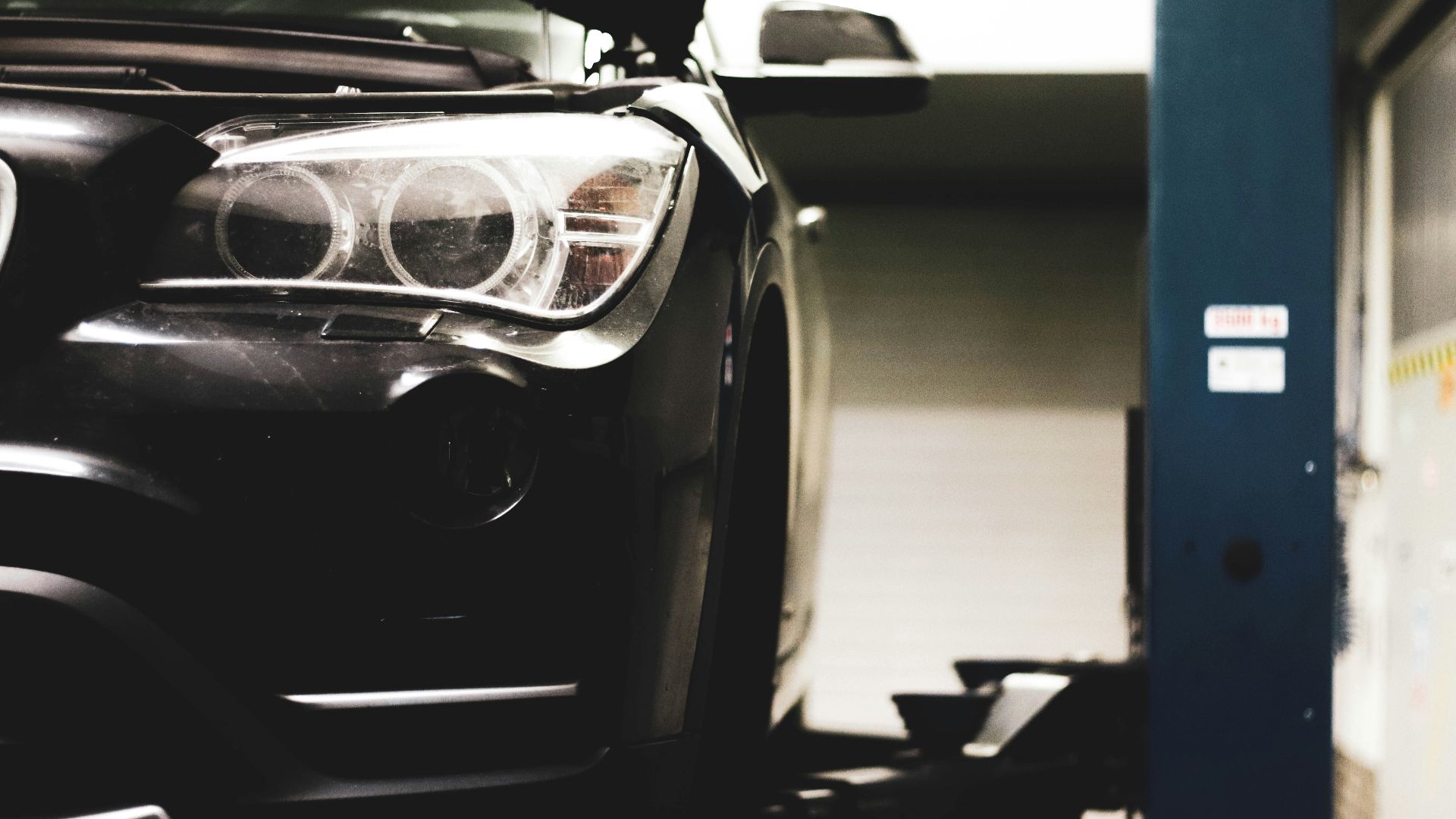
5. Batteries
Car batteries are one of the most frequently failing parts in a vehicle. This is particularly true when you have extreme hot or cold temperatures. Batteries provide the energy to turn your engine and power your electronics. Over time, chemical reactions inside your battery will degrade it. Frequent short trips, leaving lights on, or just age can accelerate this process. Check the health of your battery to avoid sudden failure, and budget to replace it every three to five years.
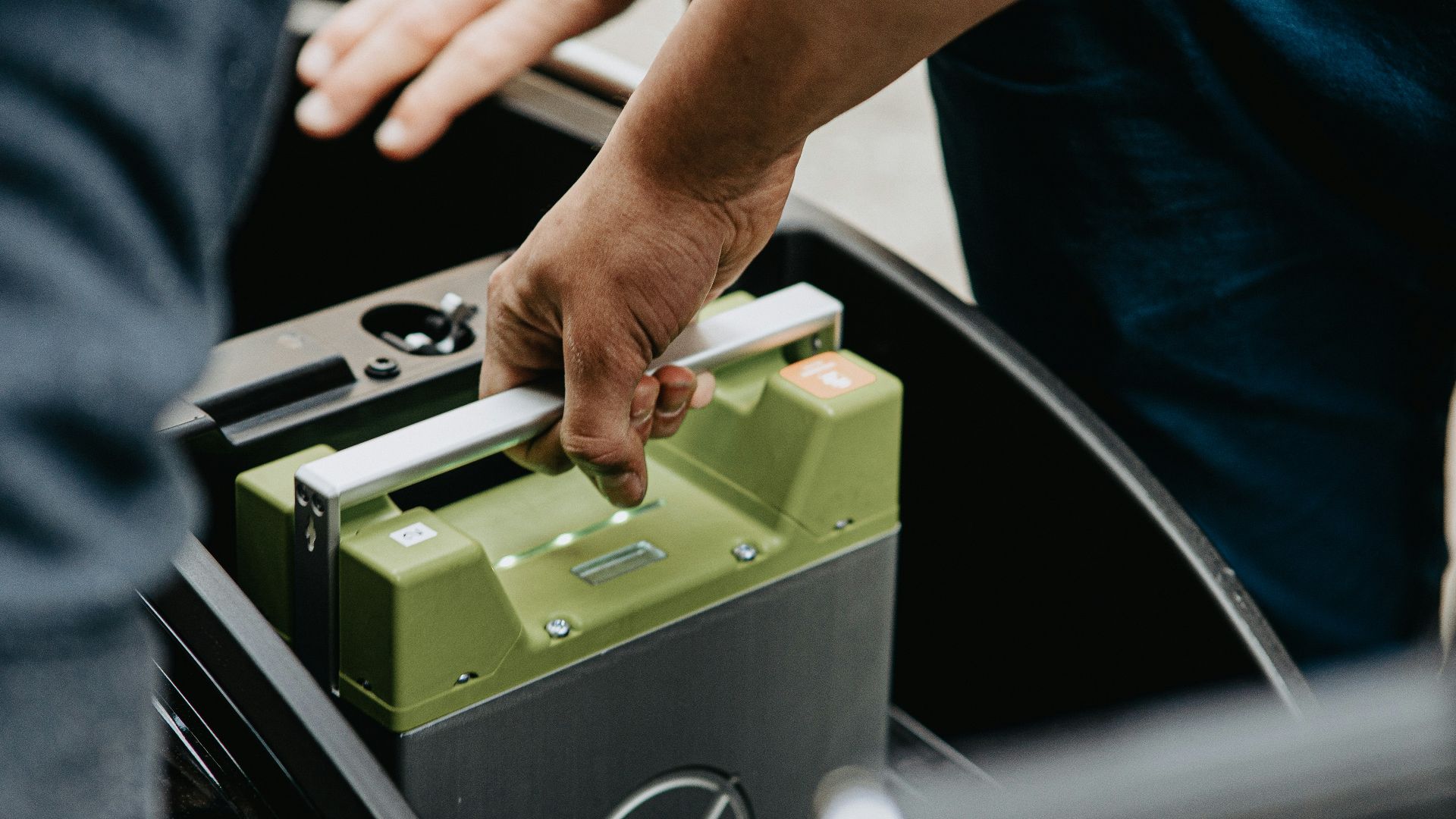
6. Alternator
The alternator charges your battery and provides power to the electrical systems when driving. Alternators last about five to six years, but they are often wrongly blamed for electrical issues. For this reason, we recommend testing before purchasing a replacement. A bad alternator can cause dim lights, electrical flickers, or a vehicle that will not stay running.
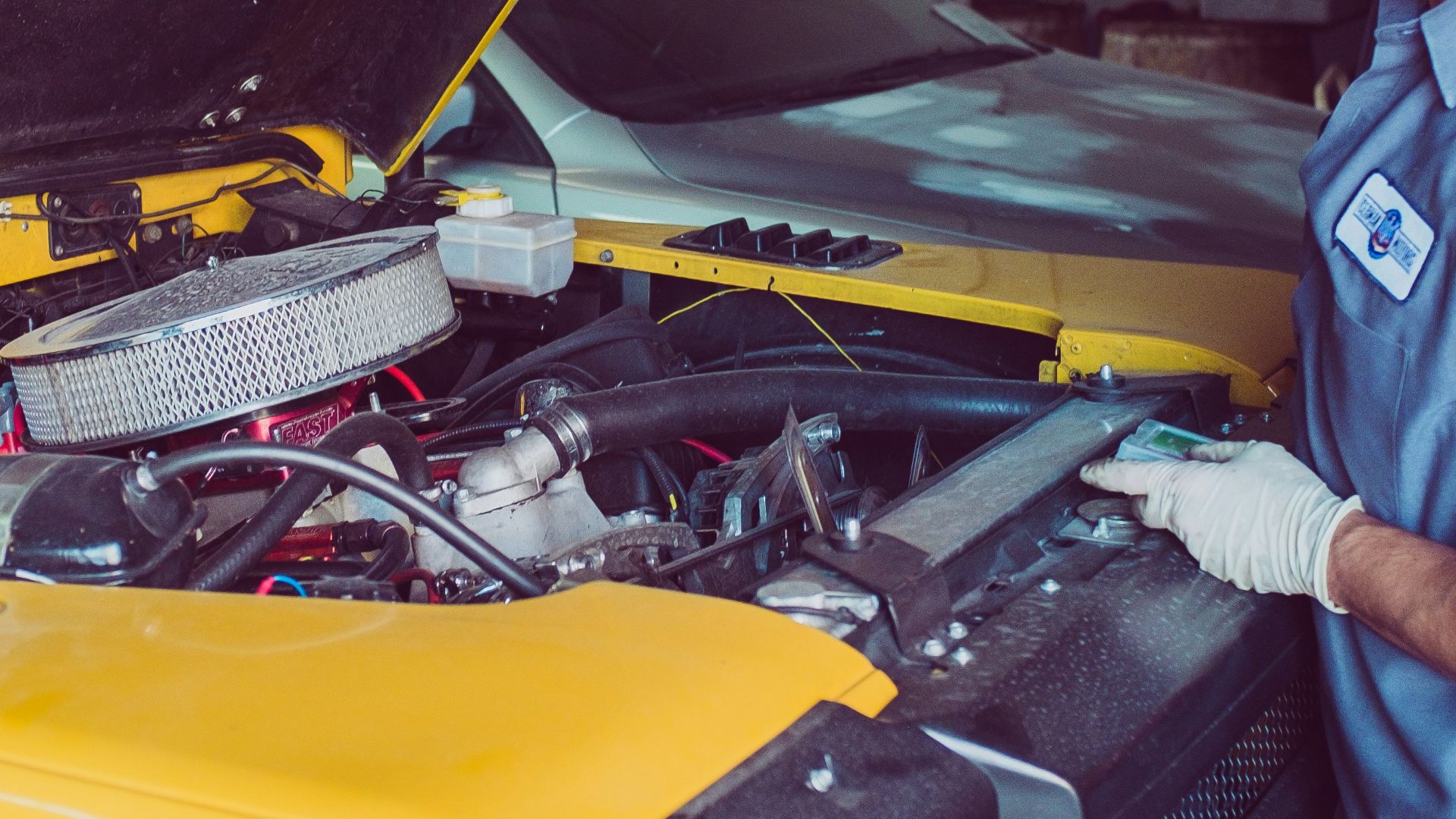
7. Brake Pads
Brake pads are crucial to your safe stopping ability, and they slowly wear down each time you brake. Most pads should be replaced every three to five years, but heavy vehicles or city driving may shorten that time. When they’re too thin, you’ll hear squealing or grinding as the metal makes contact. Don’t wait to replace them, or your brakes could fail and you could damage your rotors, which is much more expensive.
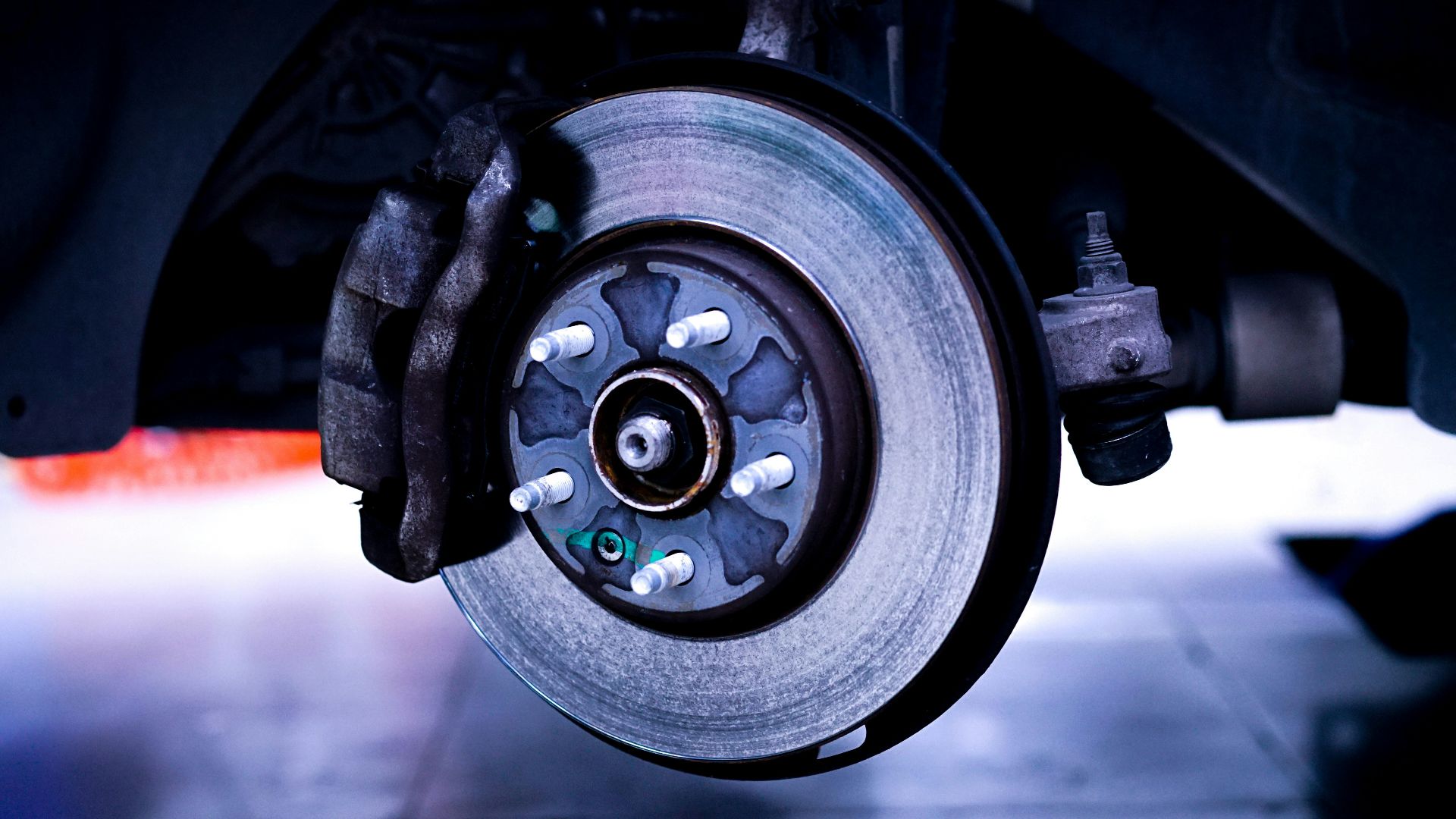
8. Fuel Pump
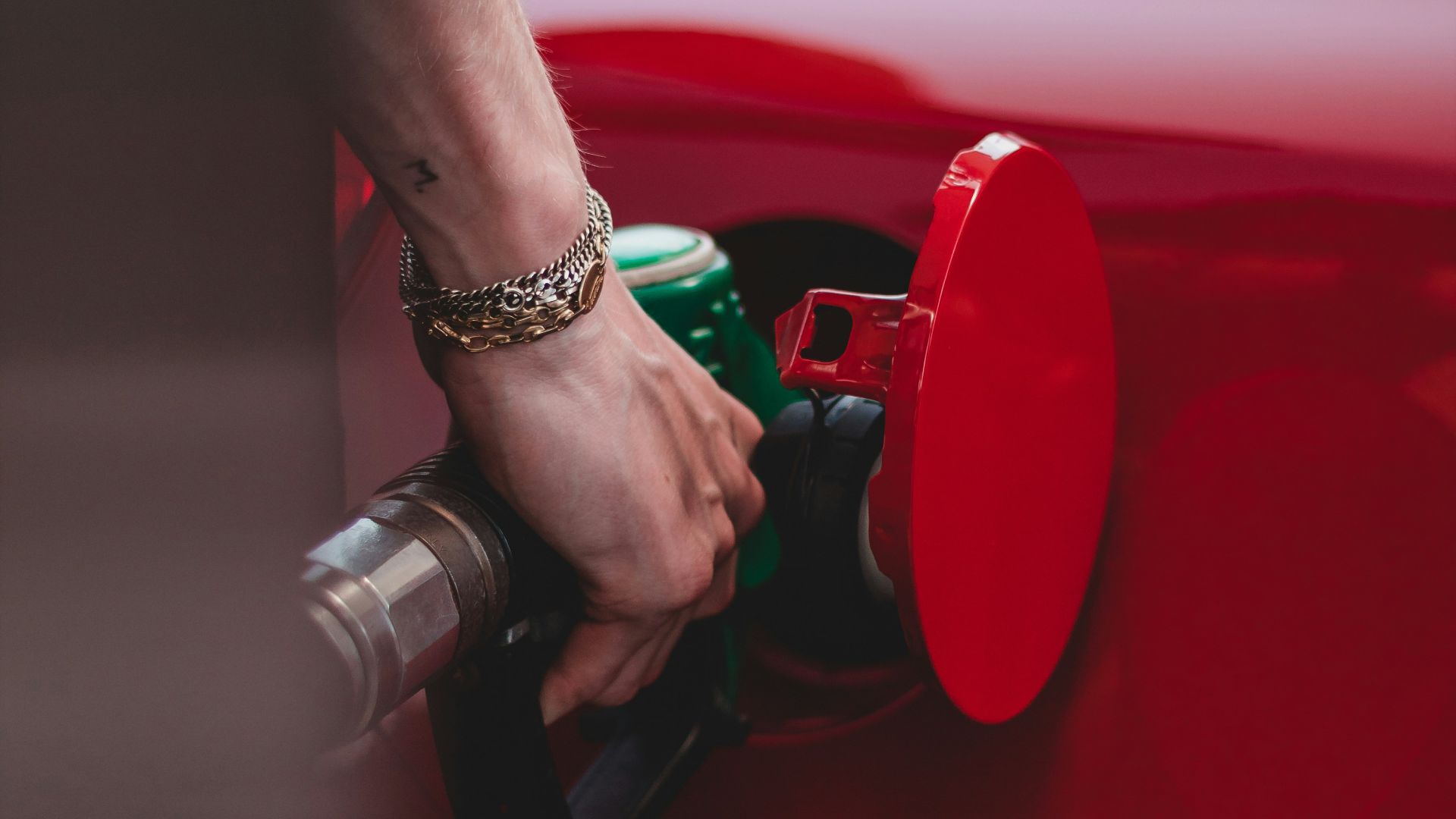
The fuel pump delivers gasoline from the tank to your engine at the proper pressure. If it fails, your engine will sputter, stall, or not start at all. Common causes of failure are contaminated fuel, overheating, or frequently running the tank down to empty. Always keeping at least a quarter tank of fuel and general fuel system maintenance will help avoid early pump failure.
9. Windshields
Windshields often become cracked or chipped due to flying debris, temperature changes, or abrupt impacts. Chips might also spread quickly, obstructing visibility and weakening structural integrity. Repairing damage in its early stages may help to avoid a complete replacement. Windshields that are severely cracked should be replaced.

10. Clutch Wear
The clutch in manual transmission vehicles enables smooth gear shifting but inevitably wears out over time. This wear is due to the friction involved in the clutch's operation with repeated use. Accelerated wear can be caused by aggressive driving, stop-and-go traffic, or heavy towing. Signs of a worn clutch include slipping, rough shifting, or strange noises during gear changes. Regular inspections and careful driving can extend the life of the clutch.
Now that we talked about parts that fail first, here are 10 you don’t have to worry about as much.
1. Body Panels
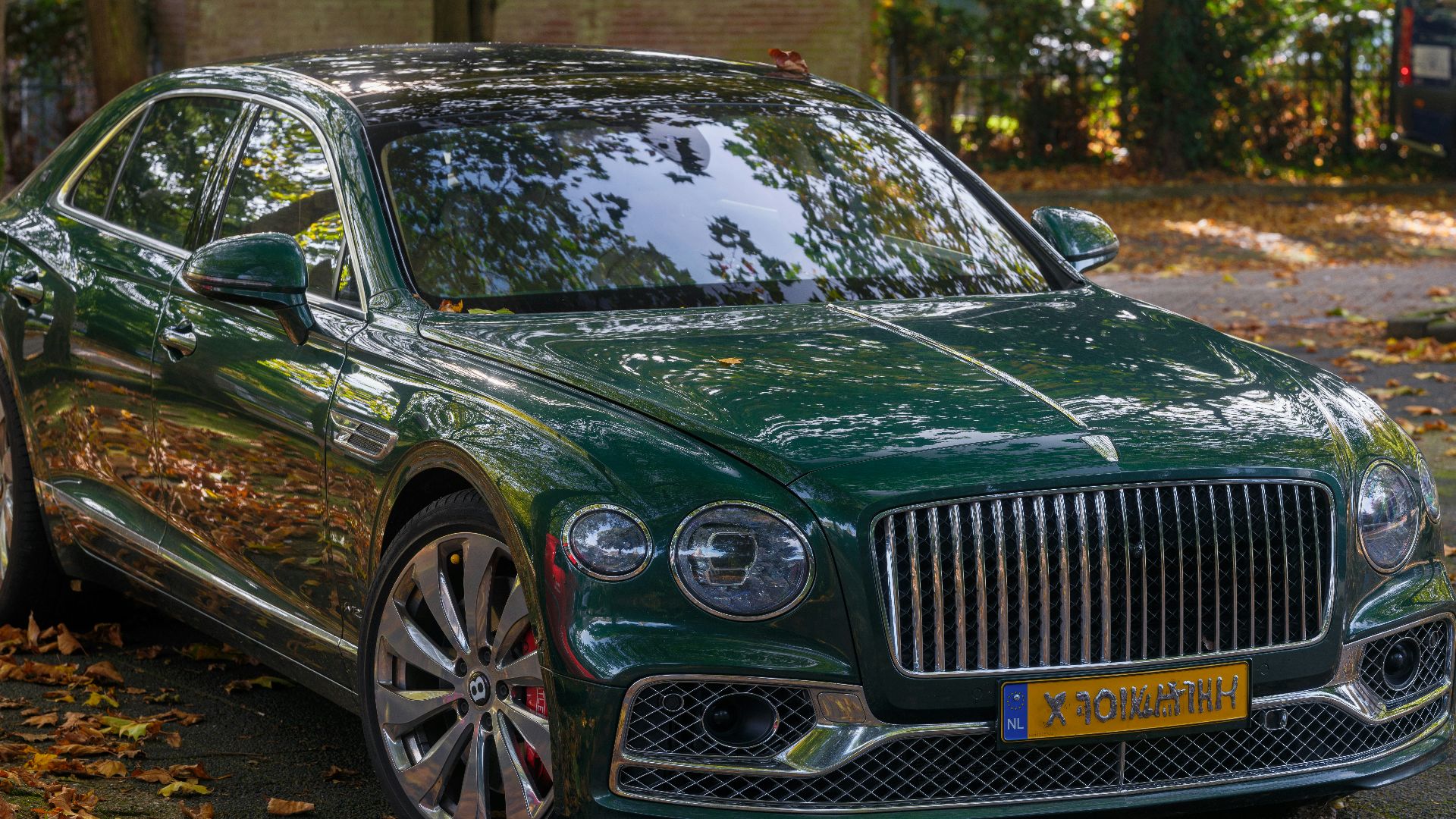
Contemporary galvanized steel body panels have excellent corrosion resistance and can last for 15–30 years or more. If the coatings are intact, they are unlikely to rust. Regular washing and waxing should prevent contaminants from degrading the coating. If these conditions are met, the panels should last for the life of the car without replacement.
2. Fuel Tank
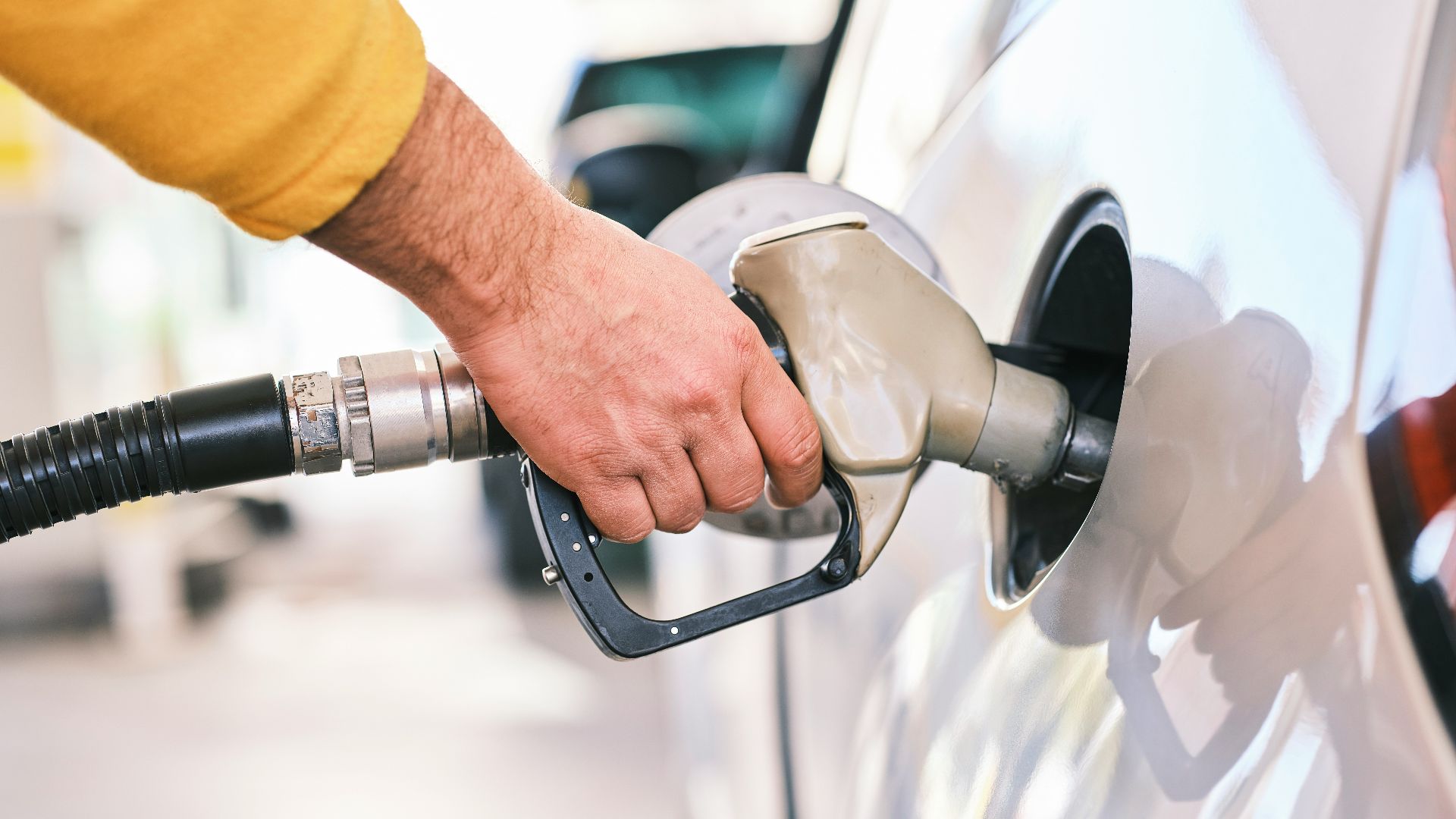
Plastic tanks today are virtually indestructible and inherently rustproof, and therefore are expected to last the life of the vehicle. In addition, molded tanks have no seams to corrode or split. The few that fail are due to physical damage, not age. Under normal driving conditions, a plastic tank will easily last many decades.
3. Manual Transmissions
Manual gearboxes are mechanically simple and very strong. They are often the last part to wear out, if properly used. The gears and shafts run in a constant bath of lubricating fluid, minimizing wear. Damage is generally only the result of abuse, such as grinding gears or clutch riding. If driven properly, a manual transmission can be relied upon to last hundreds of thousands of miles.
 Jimmy Nilsson Masth on Unsplash
4. Exhaust System
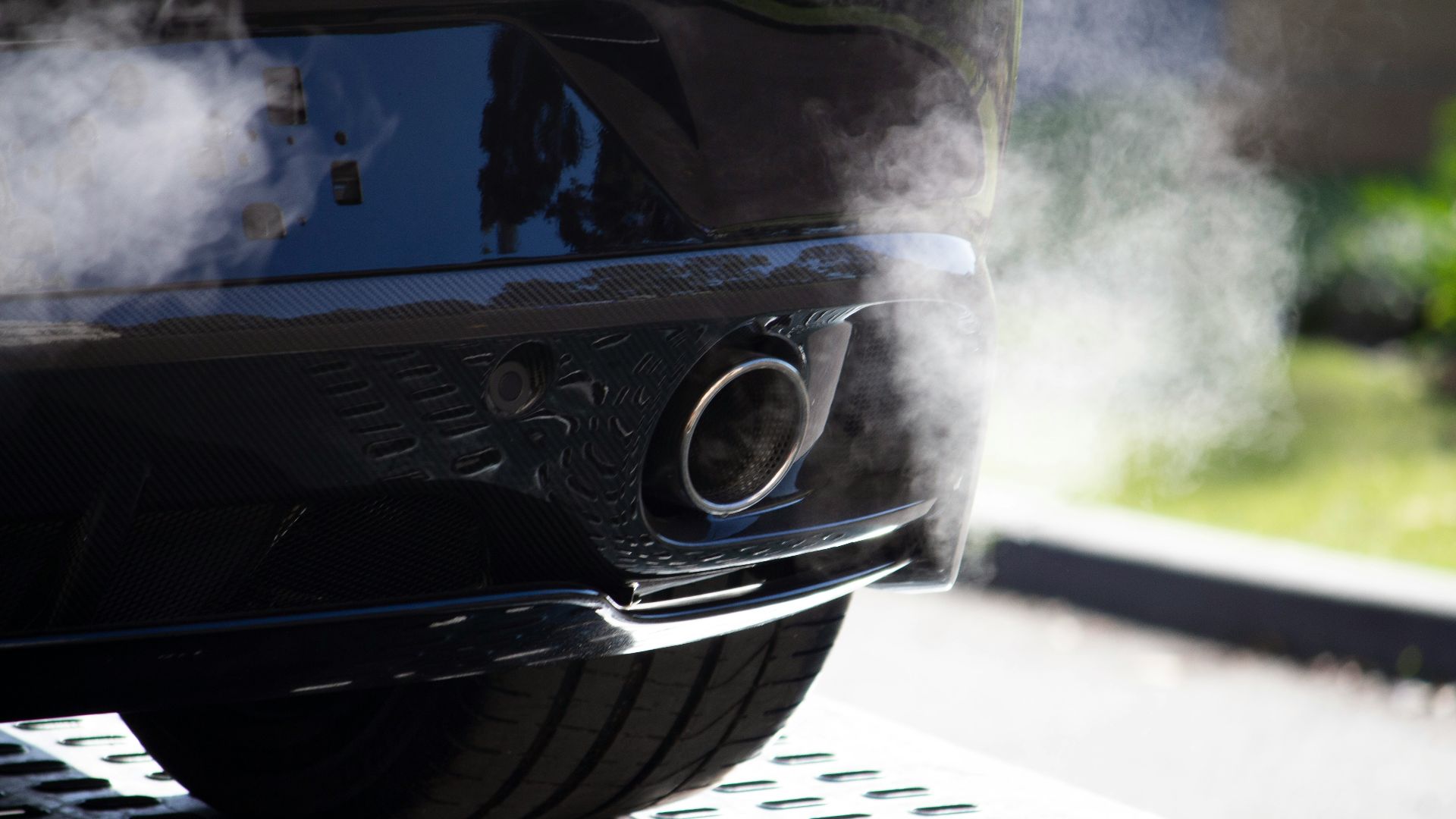
Stainless steel exhausts are far more resistant to rust than their mild-steel predecessors and, if properly maintained, can last 15–20 years or more. The high chromium content of stainless steel means that it will not corrode even when left standing in a wet or salty atmosphere. Failures are more likely to be the result of impact damage or gasket leaks than rust. Stainless exhausts, given a little love and care, can be a true life part.
5. Coil Springs
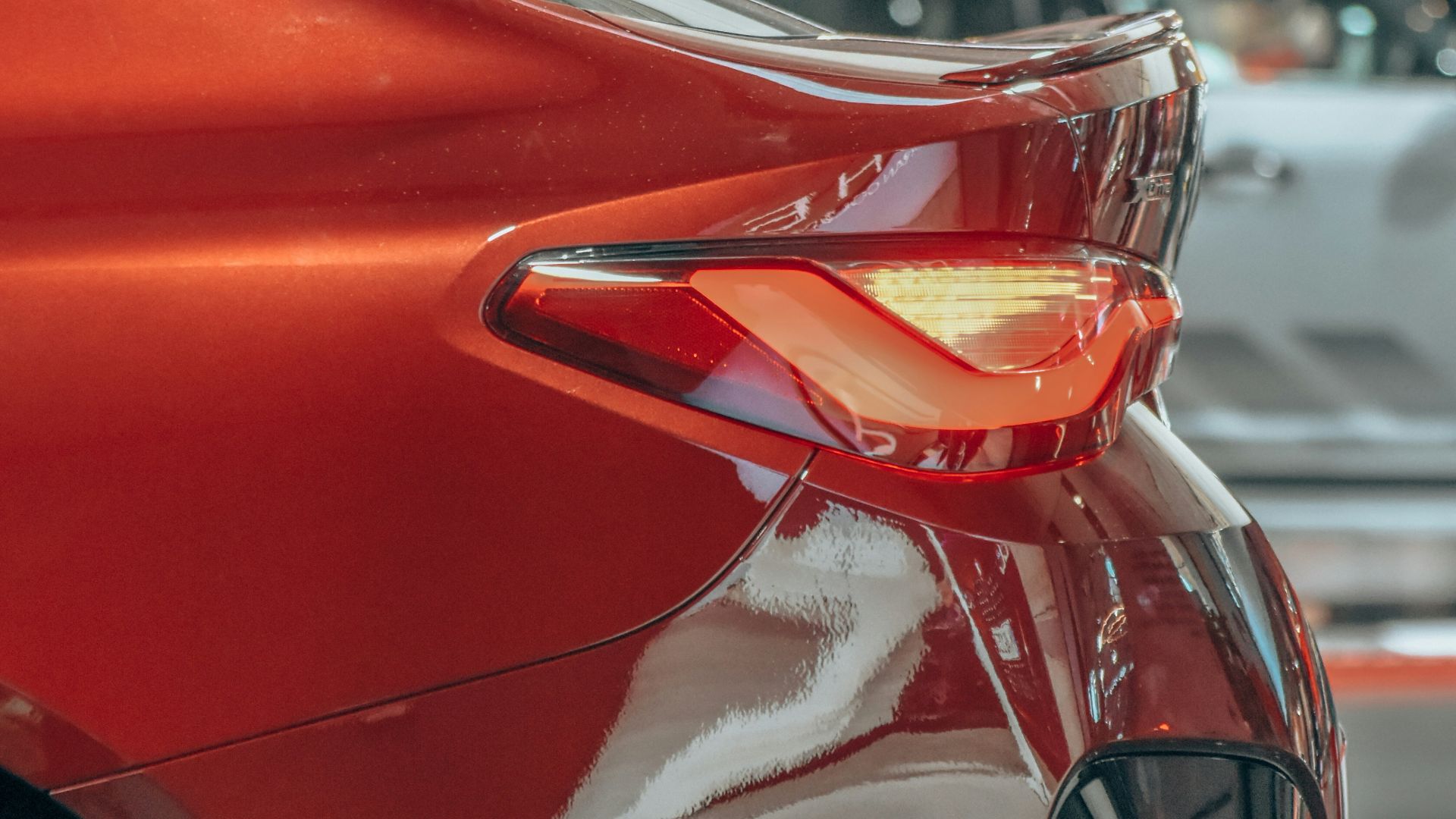
Coil springs are made of hardened steel, which will usually hold up under repeated compressions for hundreds of thousands of miles. Coil springs rarely break unless corrosion rots the metal away. Areas with a lot of road salt are most likely to have broken coil springs. Under normal driving conditions, coil springs are good for the life of the car.
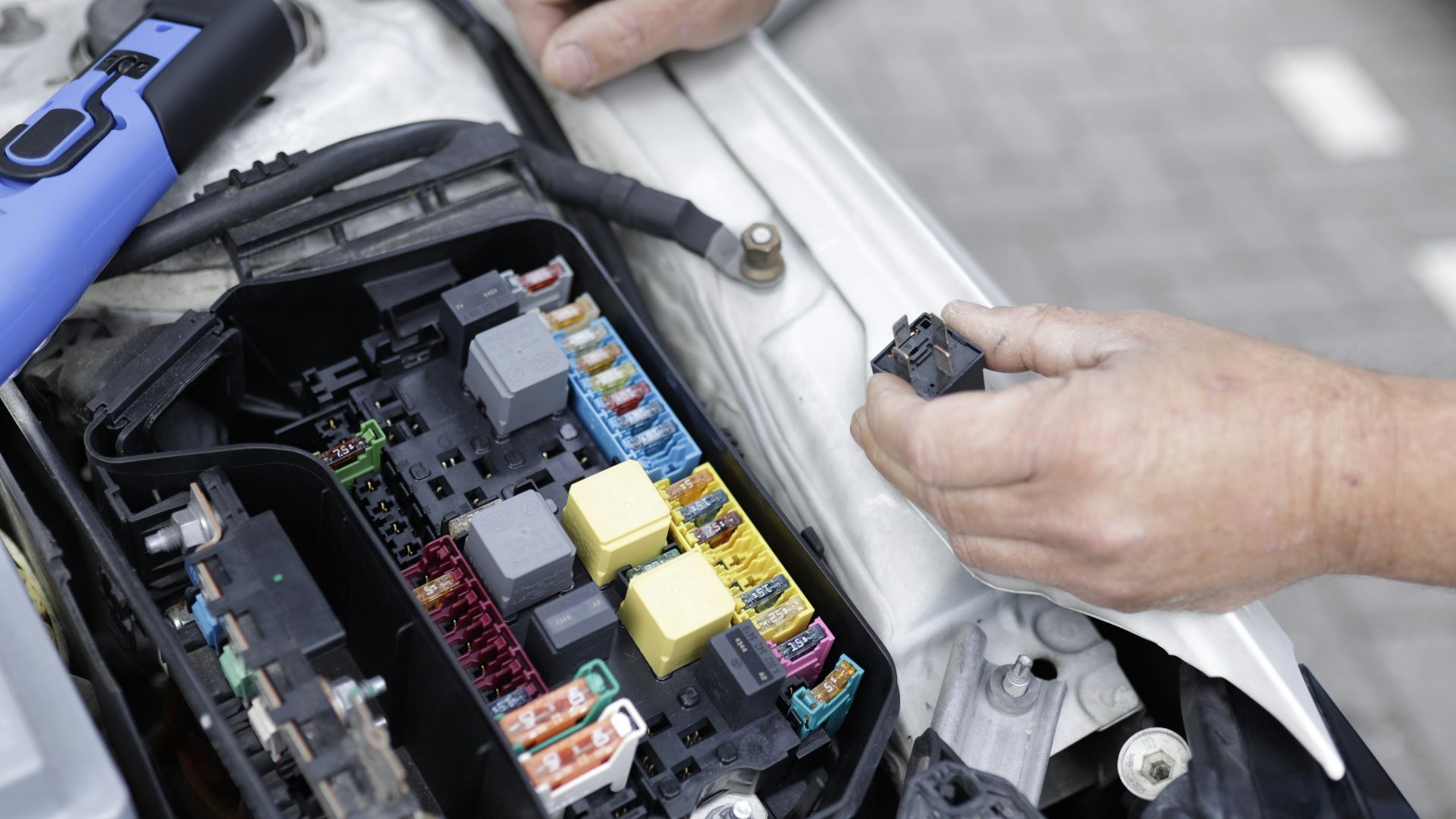
6. The Chassis
The chassis is the main structural body of the vehicle and can have an extremely long lifespan of many decades if it is kept rust-free and does not suffer severe collision damage. The chassis is made of very heavy, strong steel that is designed to be able to handle stresses many times over that which it normally experiences. Breakages and failures are therefore rare and usually only result from major accidents or long-term rust. The frame will usually outlive most other components of the car if it is well undercoated and kept rust-free.
7. Engine Block
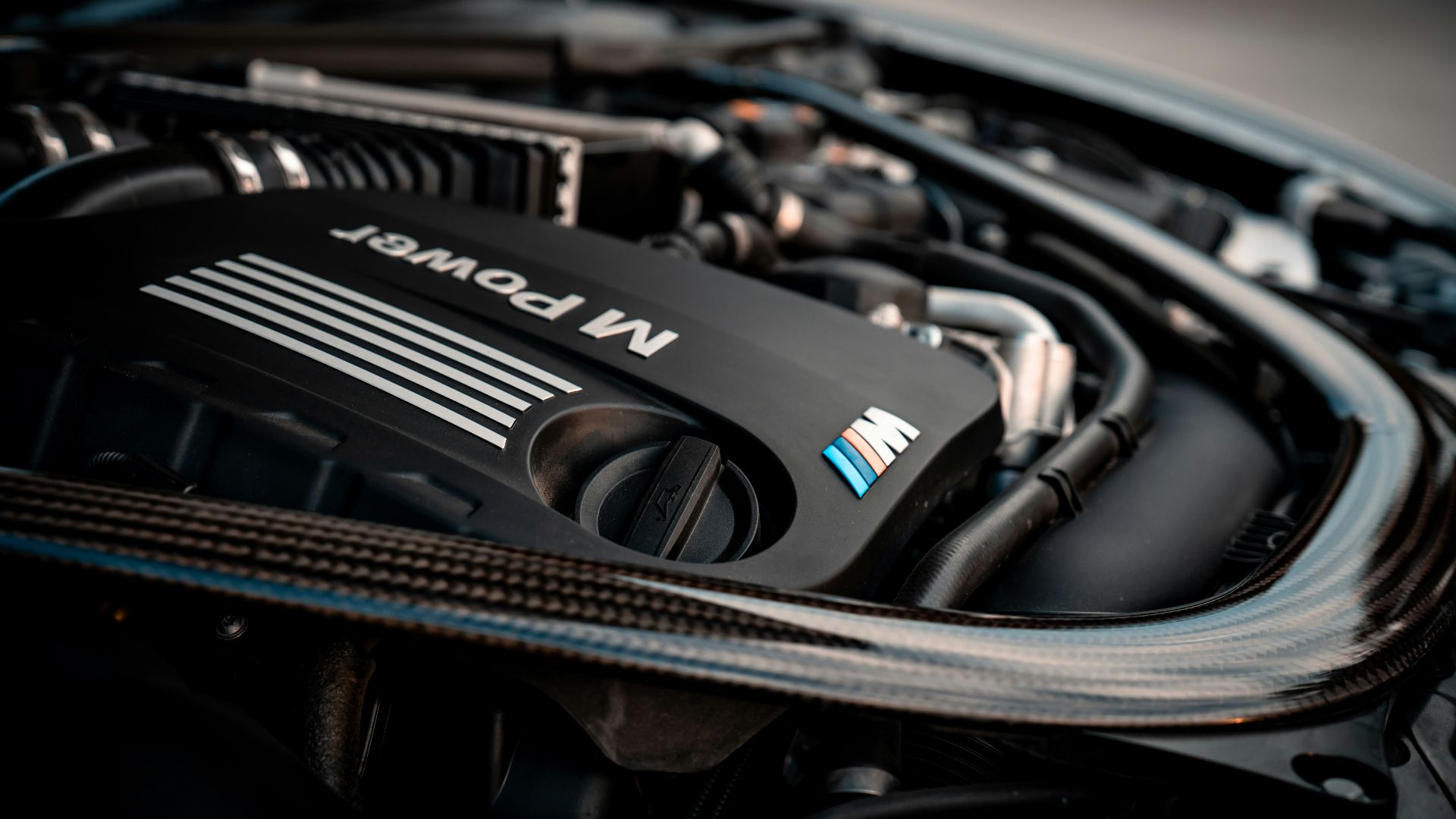
Transmission and engine block housings are made of heavy metal because they must endure extreme heat, pressure, and vibration. Housings can last hundreds of thousands of miles because they seldom wear. It is almost always the moving parts inside that break. The outside can crack or be damaged by extreme overheating or physical impact, but if properly maintained, the housings themselves are, in effect, lifetime items.
8. Driveshafts
The steel driveshaft of a rear-wheel-drive car will last well over 200,000 miles if the universal joints are kept in good condition. The driveshaft has little or no internal wear, as it contains no complicated internal moving parts. Problems are usually due to worn U-joints and not failure of the driveshaft tube. Lubrication and periodic joint replacement can make a driveshaft last the life of a vehicle.

9. Radiators
Today's radiators, with corrosion-resistant aluminum cores and robust plastic end tanks, are rated to last 150,000-200,000 miles. Radiators normally only fail if coolant maintenance is neglected, overheated, or broken from collision damage. The coolant passages can last indefinitely if the coolant is changed regularly. Some radiators will last much longer than their all-metal predecessors with proper maintenance.
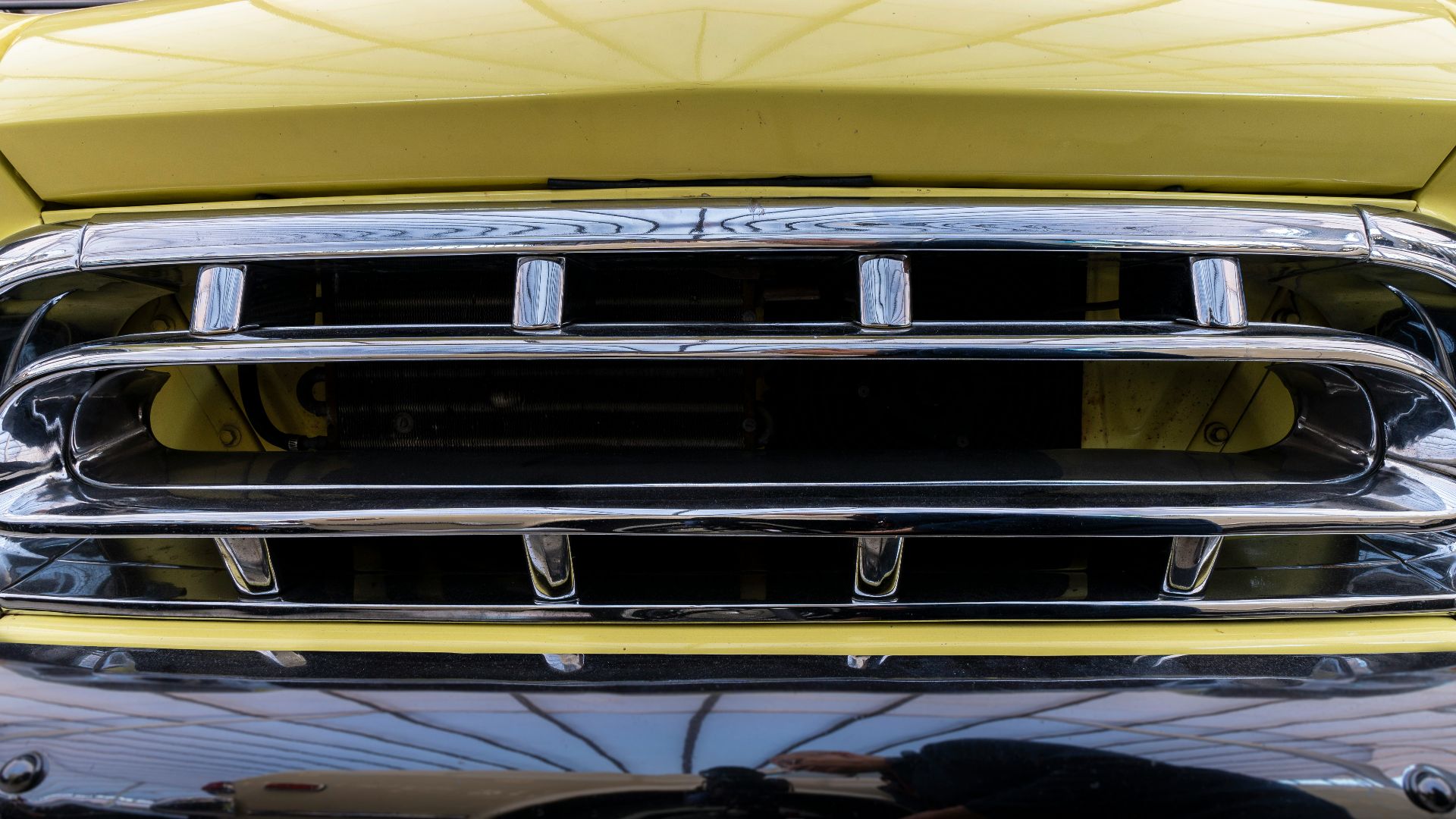
10. A/C Condenser
Mechanical wear is not a factor in the service life of these A/C components. The compressor clutch and its internal mechanisms, as well as the condenser and evaporator, usually only fail due to outside corrosion or contamination from road debris, or due to leaks on connected refrigerant lines and associated components. If kept clean and damage-free, they should last as long as the car.