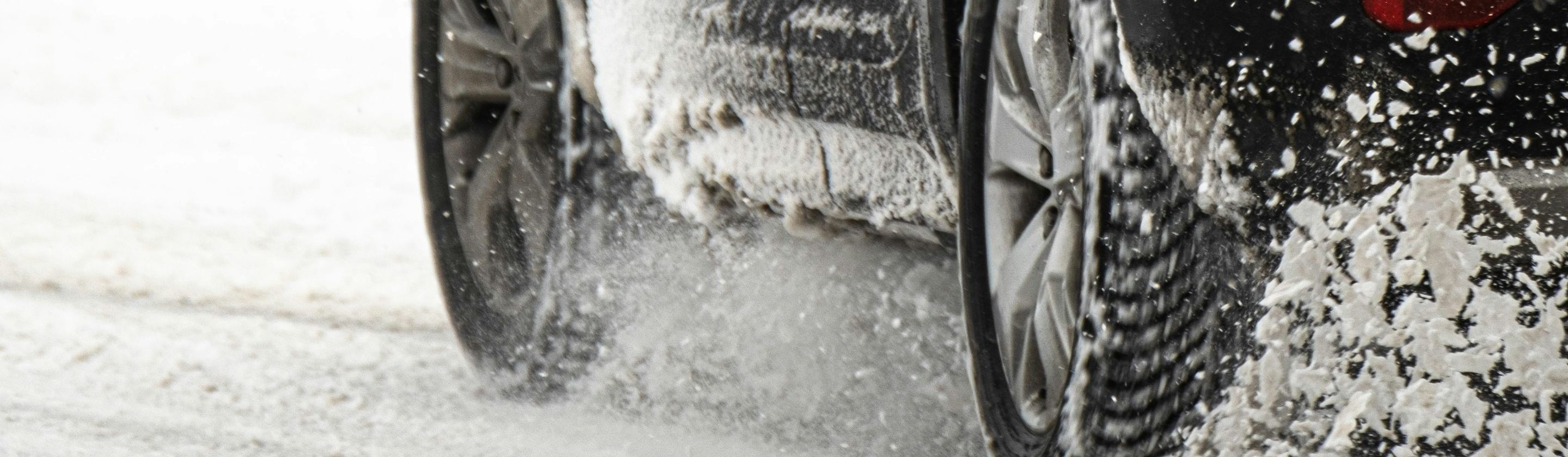
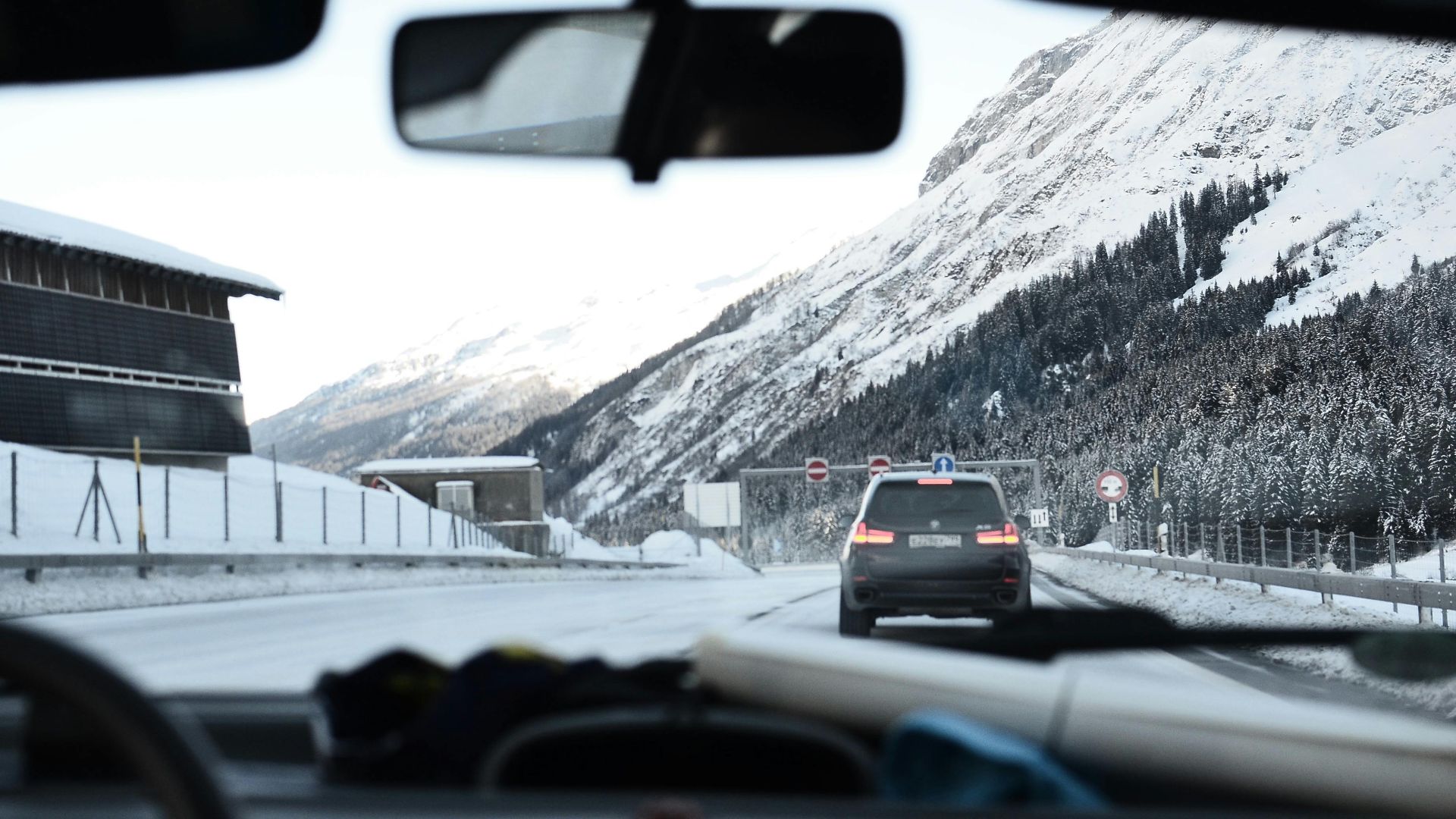
When the temperatures fall and the snow starts piling up on the roads, it's easy to prefer staying indoors to hopping into your car for a potentially slippery drive. But not so fast—even if it's a smarter choice to avoid trekking out on icy roads, it's still a good idea to go for an occasional cruise around the neighborhood, especially if it's still safe to. Why? Read on, and we'll break down why you should want to drive more in the winter.
Practice Makes Perfect
Most people prefer staying indoors during the wintertime because excessive snowfall and freezing temperatures can make the roads treacherous. But when it's still within safe limits to head out, we believe you should get up and go. For one, winter driving helps you build more confidence and allows you to better understand how to handle icy conditions. It also teaches you the right (and wrong) way to prepare your car for the cold season, so you're not accidentally using the wrong tires or forgetting to top off your fluids, such as antifreeze. Over time, as you gain more experience and get accustomed to winter driving, you'll find that navigating snowy roads isn't so difficult or impossible.
Keep Your Car Functioning Well
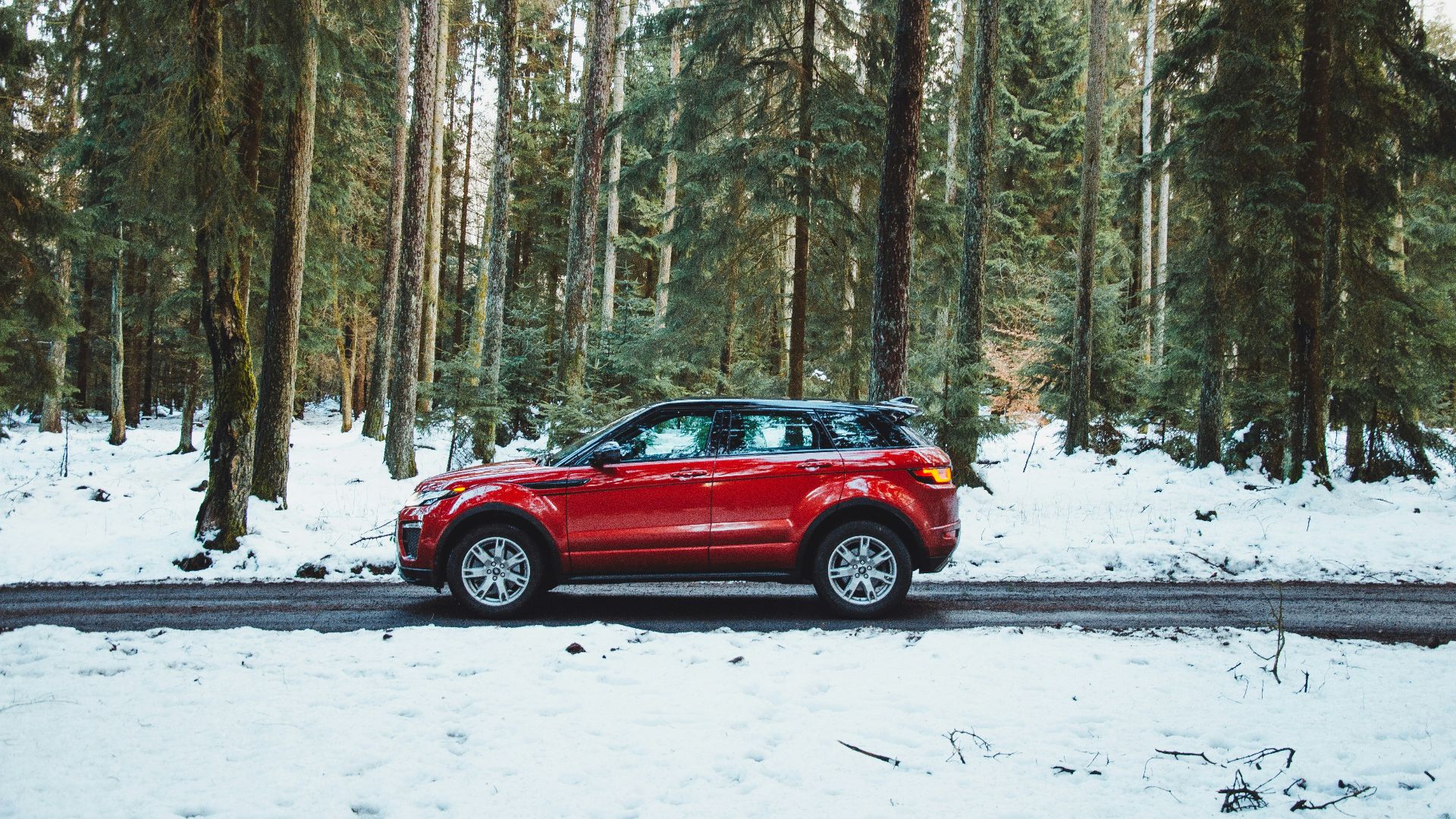
There's another reason you should drive more in the winter besides building confidence on the road: to keep your vehicle functioning well. If you're leaving your car in the garage for long periods of time during the cold season without occasionally powering on the engine, you might end up damaging essential parts, such as your battery. Your battery relies on a lot of chemical energy to start up, and freezing temperatures can slow it down and reduce its capacity by up to 50%. The cold can also cause oil to thicken, which makes it even harder for you to start your engine.
It's not good to just idle your car, either, so don't only power it on for a few minutes on the driveway without actually driving it. In fact, doing this might hurt your battery even more, so make sure to always take your vehicle out onto the road and try to drive at least 10km a few times per week.
When You Shouldn't Drive
You should drive more in the winter, both for gaining more experience and to keep your car functioning well. But there are, of course, times when it is better to stay home. You should stay indoors and avoid hopping onto the roads in these conditions:
- If you lack proper winter gear, such as winter tires;
- If visibility is near zero outdoors, or it's snowing heavily;
- If the roads haven't been cleared, and there's visible ice, snow, slush, or other debris that makes driving dangerous;
- If you aren't familiar with braking methods to prevent skidding; and
- If your car hasn't been recently checked or maintained to ensure safe winter driving.
Above all, always remember to stay safe, alert, and cautious when getting behind the wheel during the winter.