
New tires are often treated as the automatic answer whenever a car feels vague, unsettled, or less enjoyable to drive. Tires unquestionably matter because they provide the contact surface through which the vehicle accelerates, turns, and stops. However, replacing a safe, suitable set with another similar set may not correct excessive body movement, weak damping, poor alignment, or worn suspension components. In those situations, the money may produce a much greater improvement elsewhere.
A well-chosen suspension upgrade can sharpen steering response, control weight transfer, improve stability, and help the existing tires maintain more consistent contact with the road. The result isn’t simply a firmer ride or a lower stance, especially when the components are selected for the vehicle and its normal use. Tires that are damaged, unsuitable, or worn to their replacement point must still come first for safety. Once that requirement is satisfied, here’s why suspension upgrades can beat new tires.
Better Control Makes the Whole Car Feel Different
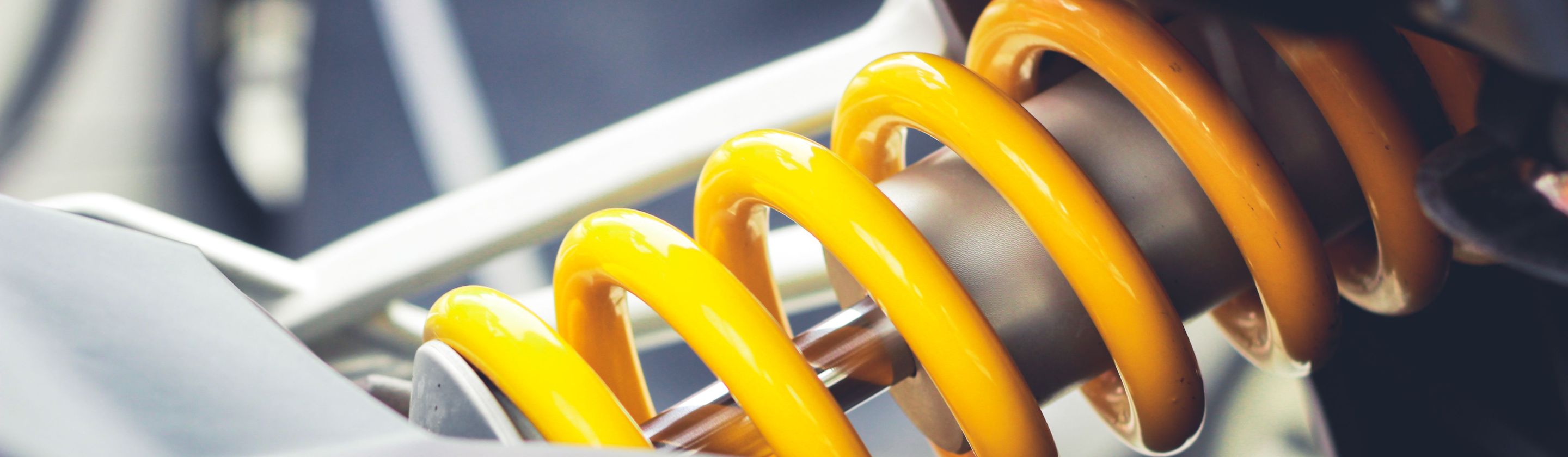
Shock absorbers and struts control the movement of the springs rather than supporting every aspect of the vehicle by themselves. Without effective damping, the body can continue bouncing after bumps, lean excessively during turns, or pitch noticeably during braking and acceleration. Replacing worn components or installing properly matched performance parts reduces those unwanted movements.
That improvement can be noticeable during ordinary driving, not just on a racetrack or an empty winding road. A controlled suspension keeps the vehicle calmer through highway curves, uneven pavement, sudden lane changes, and repeated surface imperfections. Steering inputs feel more direct because the body isn’t shifting as dramatically before the tires follow the intended path.
Springs, dampers, anti-roll bars, bushings, and alignment settings also influence different parts of the driving experience. Stiffer isn’t automatically better because excessive spring rates or poorly matched dampers can make a car uncomfortable and reduce its ability to follow rough pavement. The strongest upgrade is usually a balanced package designed around the vehicle’s weight, suspension geometry, and expected use. Thoughtful tuning achieves more than simply purchasing the firmest components available.
Suspension Helps Tires Perform Properly
Even an excellent tire can only generate useful grip while it’s maintaining suitable contact with the road. Shocks and struts help control wheel and body movement, which supports steering, braking, and stability as the surface changes. Worn dampers may allow a wheel to bounce or unload more easily over rough sections.
Suspension condition can also affect tire wear, although pressure, alignment, driving habits, and other mechanical issues contribute as well. Cupping or scalloped wear may indicate a balance or suspension problem, while wear concentrated on one edge often points toward incorrect alignment. Simply fitting new tires without correcting the underlying cause can allow the same pattern to return.
Alignment becomes especially important after changing ride height or replacing major suspension parts. Camber, toe, and caster influence stability, steering behavior, and how the tread meets the road. Settings that work for occasional track use may wear tires unnecessarily or make a daily driver unpleasant on the highway. A professional alignment tailored to the car’s purpose can deliver a clearer improvement than choosing aggressive specifications because they sound impressive.
The Upgrade Can Offer Better Long-Term Value
A new set of tires gradually wears away, while quality suspension components may provide benefits across multiple tire replacement cycles. They can improve how the car responds every time you steer, brake, encounter a bump, or carry passengers and luggage. That broad effect may make the vehicle feel renewed rather than merely giving it a temporary increase in available grip.
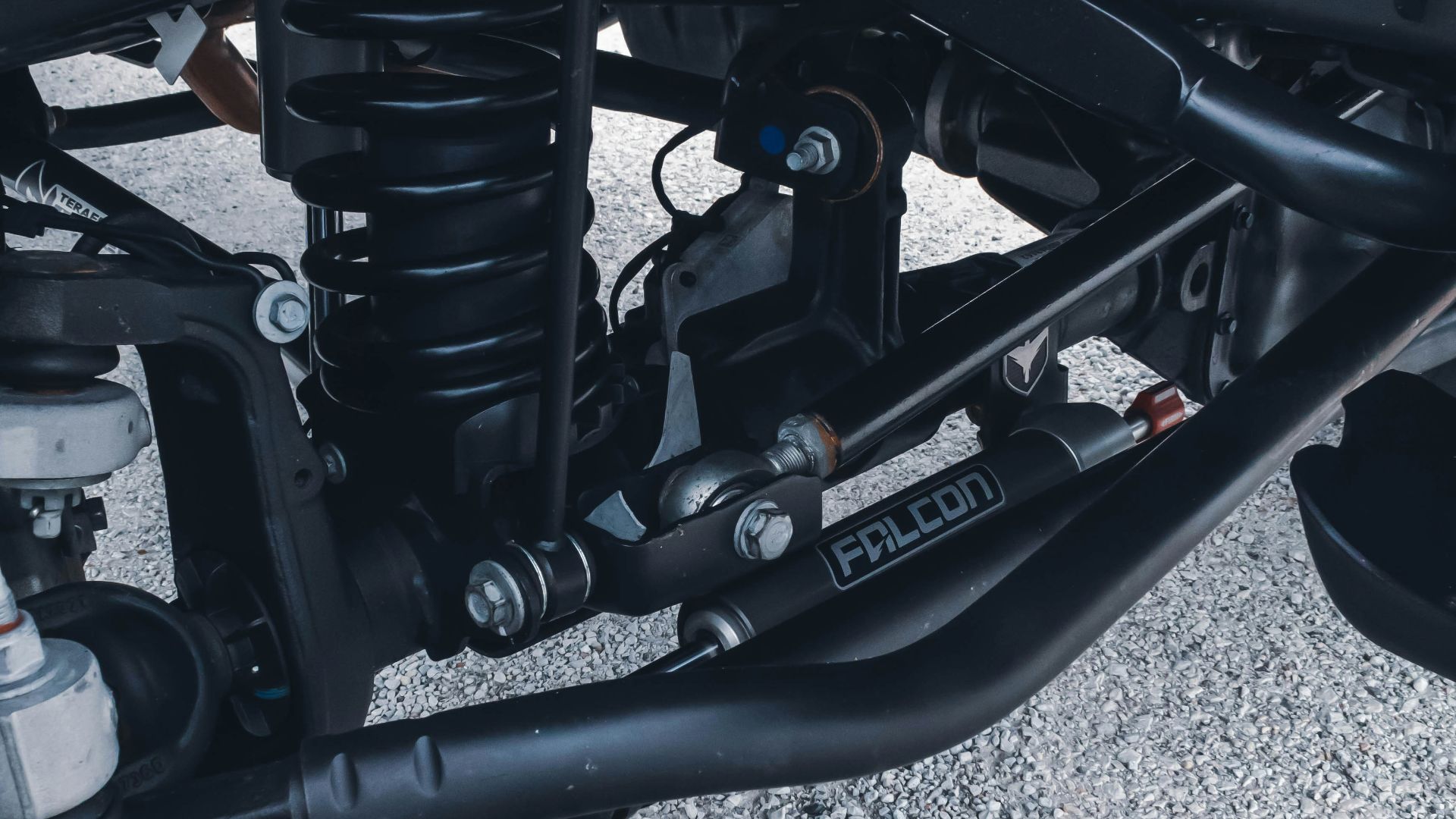
Suspension work also creates an opportunity to inspect mounts, bushings, ball joints, links, bearings, and other related components. Small amounts of wear across several parts can combine to produce looseness, noise, vibration, or unpredictable responses. Correcting those issues restores the mechanical foundation before additional performance is requested from the vehicle. New tires can’t compensate for joints that move excessively or dampers that no longer control the springs.
The best approach begins with an honest assessment instead of assuming every car needs lowering springs or adjustable coilovers. A commuter may benefit most from factory-style dampers and fresh bushings, while a performance-oriented car might justify adjustable components and carefully chosen spring rates. Installation quality and correct setup matter just as much as the brand printed on the box.
Suspension upgrades don’t eliminate the importance of tires, and they should never delay replacing rubber that’s worn, cracked, damaged, incorrectly sized, or unsuitable for the weather. With safe tires already installed, however, improving the chassis may deliver the more complete transformation because it changes how the vehicle manages movement and uses available grip. Sometimes the smarter upgrade isn’t another set of tires, but the system responsible for keeping them working effectively.