
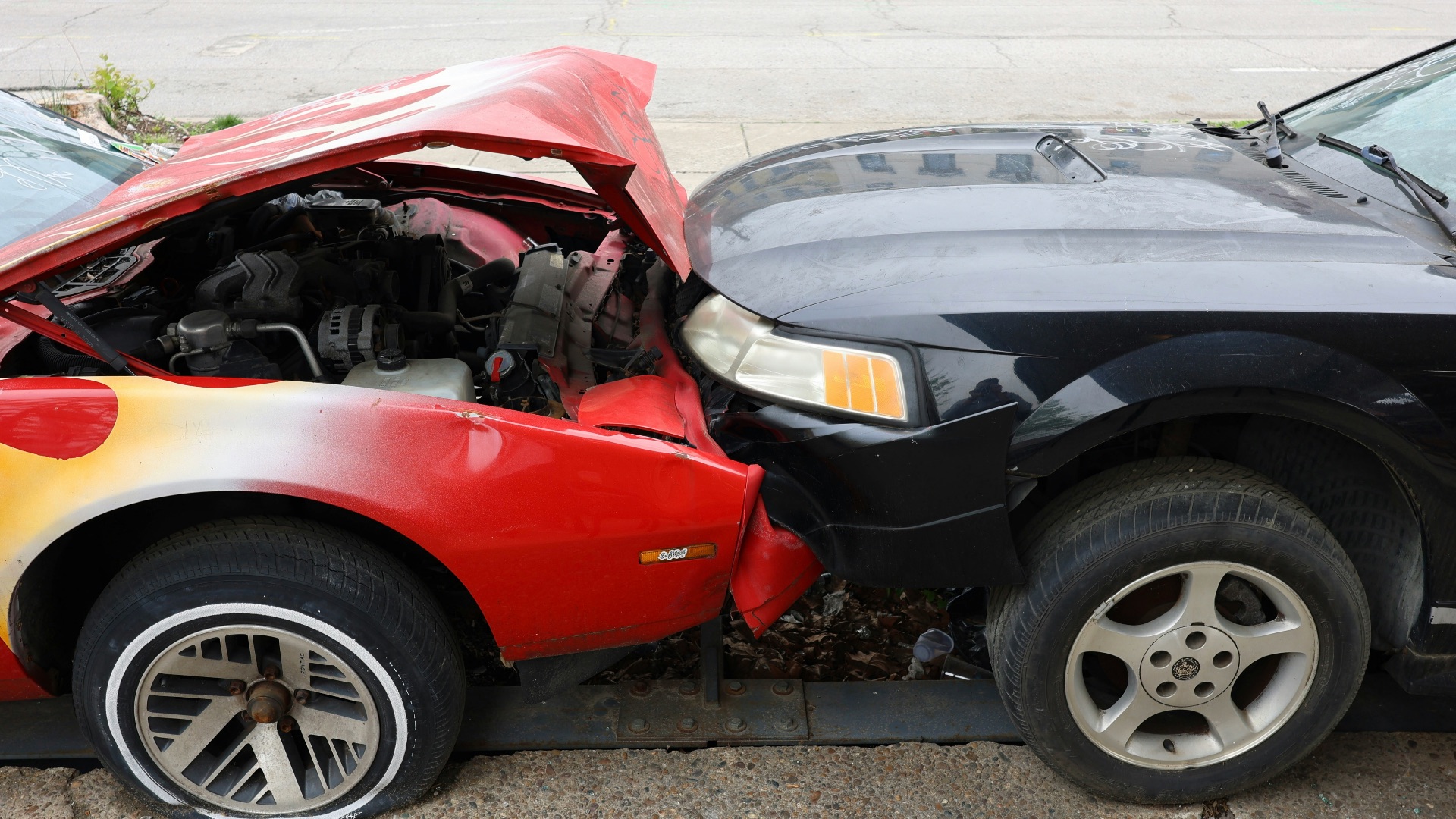
No driver wants to get in a car accident, that much is obvious. And yet, as unsettling an experience it can be, some drivers are still able to bounce right back within days, while others might struggle with the thought of ever getting behind the wheel again. Interestingly, two people involved in the same accident can walk away with completely different emotional reactions. So why does something that seems relatively manageable to one person become such a greater challenge for another?
As you'll see, the answer involves much more than just the severity of the collision. From personal experiences to individual circumstances, different factors can influence how someone processes what happened and how they move forward. Let's take a deeper look at the psychology behind it all.
Same Accident, Different Reactions
One of the biggest factors influencing someone's reaction is how frightening they perceived the accident to be, and this isn't always proportional to how serious the damage. A driver involved in a relatively minor collision, for example, might have genuinely believed their life was in danger. Meanwhile, someone who experienced a more serious crash might remember feeling surprisingly calm—something that might be due to adrenaline. In other words, the physical severity of an accident doesn't always reflect the emotional impact it has on the people involved.
Plus, it's important to take into account previous experiences, too, which can also influence how someone responds. After all, if you've survived one serious accident, you may become particularly anxious after experiencing another one, all because of the impact the first one left on you. For someone else, having already been involved in a past collision could make them feel more numb to it all the second time around, since they've dealt with the rollercoaster of emotions once before.
That's not all: personality, driving experience, and confidence also help explain why some people return to their normal routines sooner than others. If you're someone who's spent decades driving in challenging conditions, you might respond differently and feel more comfortable navigating heavy traffic again compared to a relatively inexperienced driver. Of course, in saying that, even previously confident drivers can become hesitant after encountering something they couldn't control.
The Emotional and Physical Aftermath Isn't Always Immediate
You might think you'd react strongly as soon as the accident occurs, but that's not always true. In fact, while some people experience intense fear immediately after a collision, others may not fully recognize the impact until later. During the accident, their attention might have been concentrated on getting to safety, checking for injuries, or contacting emergency services; running on pure adrenaline (and shock) could numb out every other emotion. It's only once those immediate responsibilities have been handled that they may begin to feel the uncomfortable aftereffects.
The impact sometimes goes further: for certain drivers, some situations can bring back distressing memories of the collision. Approaching the same intersection, hearing sudden braking, or traveling through congested roadways might spike a level of anxiety they never used to get, and it may even drive them to avoid particular routes or even stop driving altogether. In more persistent cases, these reactions can be associated with post-traumatic stress disorder (PTSD), though not always.
If any injuries, serious or minor, occurred, that can also affect how soon a driver is comfortable with getting behind the wheel again. After all, as they're recovering, they may inevitably think about whether they'd ever go back to normal, or whether they might experience another collision or worsen existing pain. Just the thought of that could prevent them from climbing into a car, not just the driver's seat.
More Than Just Confidence
Of course, different people have different obligations and circumstances, and regardless of how an accident affects them, they may have no choice but to bounce back as soon as possible. A person who relies on their car to commute or make a living, for example, might head back behind the wheel relatively soon. In contrast, someone with convenient public transportation or supportive family members may have the option of avoiding driving for an extended period.
But there's another factor most might not consider: the reactions of friends and family during the recovery process. You can probably see how someone who doesn't face constant blame will be able to get back on the road much quicker than someone who's told they're at complete fault for what happened. Being constantly criticized for their actions, or even being told that the accident wasn't that serious, may therefore only create additional distress. It may get to the point that they may find even sitting in the driver's seat distressing. For people experiencing persistent driving-related fear, they may even feel hopeless without professional guidance and therapy.
Ultimately, there's no universal timeline for recovering emotionally from a car accident, just as there's no guarantee that every driver will want to return to the road. Everyone regulates their emotions differently, after all. At the end of the day, though, it's important to recognize that taking longer to recover doesn't make anyone a less capable driver.