

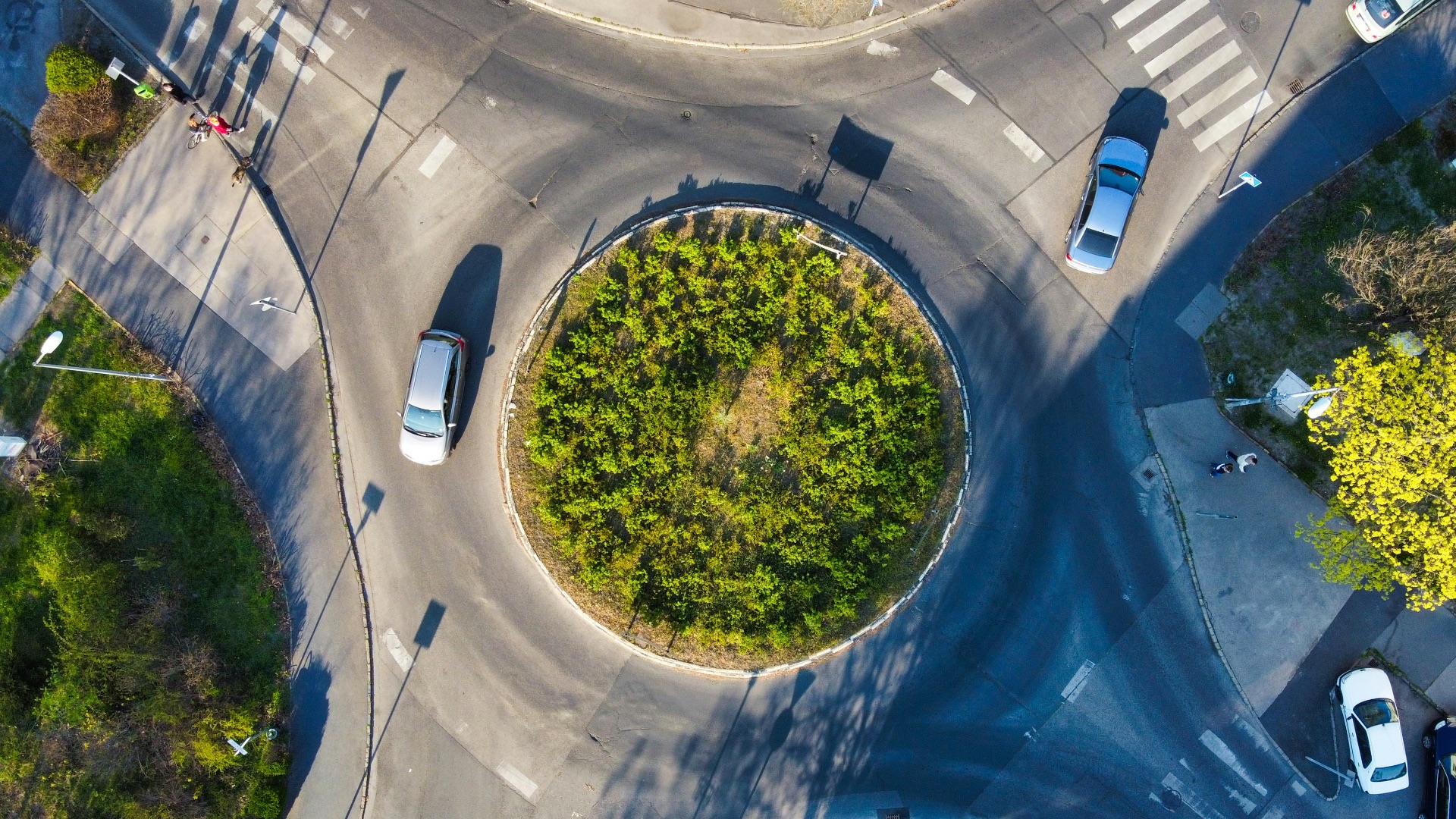
Ever driven in a roundabout? You probably have. And worse yet, you were probably extremely confused about how to go about the roundabout. After all, between figuring out who has the right-of-way, choosing the correct lane (and there are way too many lanes), and knowing when to exit, there's a lot to pay attention to at once.
Thankfully, roundabouts are one of those things where practice makes perfect. Whether you're approaching a roundabout for the first time or simply want to improve your driving habits, we've got the tips and tricks on how to tackle that confusing traffic circle. Read on!
Know What to Do Before Entering
Before you zoom into one, slow down, seriously. Most modern roundabouts are designed for relatively low speeds, typically around 15 to 25 mph, and it's how you'll be able to guide yourself through it methodologically, giving you more time to observe approaching vehicles, read traffic signs, and identify your intended exit before entering the intersection. We get that you want to get the entire thing over with, but speeding up is a major no-no, so don't do it.
Next, pay close attention to the pavement markings that indicate which lane you should use. We mentioned that most roundabouts have a lot of lanes, which can trip you up. Keep in mind that in many two-lane roundabouts, the right lane accommodates right turns and straight-ahead travel, while the left lane accommodates straight-ahead travel, left turns, and U-turns. These arrangements aren't universal, however, so always follow the specific lane-direction signs displayed at your intersection.
Once you've reached the start of the traffic circle, look left and yield to vehicles already circulating through the roundabout before merging. Remember that traffic inside has priority! Never force your way in and make other drivers brake or change direction to accommodate you. If there's a safe opening, make sure to enter without coming to a complete stop, or else you'll only clog up traffic.
Navigate the Roundabout Properly
Navigating the roundabout properly is easier said than done. After entering, follow the roadway counterclockwise around the central island, keeping to the right of it. Unlike traditional intersections, you won't make a direct left turn across opposing traffic. Instead, you'll continue around the circle until you reach your intended exit. Again, make sure to keep a slow and controlled speed throughout!
If you're driving through a multilane roundabout (and you most likely will be), remember to stay in the lane you selected before entering. Switching lanes inside the intersection can create conflicts with other cars traveling beside you or preparing to exit. If the road markings aren't clear, keep note of the space between you and other vehicles—the last thing you'd want is to accidentally swerve into someone else's lane.
As you approach your intended exit, activate your turn signal to communicate your intention. Ideally, you should signal after passing the exit that's immediately before yours, provided you can do so without creating confusion. This gives nearby drivers a heads-up about what you're about to do, so all you'll need to do is follow through.
What happens if you accidentally miss your exit, you ask? Well, what you shouldn't do is stop abruptly, reverse, or cut across another lane; instead, continue following the roundabout's designated lane markings and directions. At a single-lane roundabout, you can generally circle around again and take the correct exit on your next attempt. At multilane or spiral roundabouts, follow the marked route and find another safe way to your destination if necessary. It'll help to keep a GPS handy!
Handle Other Drivers and Unexpected Situations Safely
One mistake drivers tend to make in roundabouts is assuming they only need to watch the cars directly in front of them. Don't make that mistake—you want to scan your surroundings entirely. At multilane roundabouts, traffic approaching from your left may occupy either circulating lane, meaning both must be clear before you enter. It's also generally advised that drivers avoid changing lanes inside roundabouts or else you'll cause confusion.
Keep in mind, too, that if you're entering a roundabout with large trucks and buses present, you'll need to stay extra alert as their turning radius may swing into your lane. Even if it looks like you have enough space to squeeze between or alongside a larger vehicle, keep your distance. You don't want to be proven wrong.
Finally, don't forget to check for pedestrians and cyclists as you leave the roundabout! Even after navigating the circular roadway successfully, you may encounter other road users crossing your exit. Reduce your speed, be prepared to yield, and avoid blocking the crosswalk if you need to stop. These precautions are especially important when visibility is limited.
Ultimately, learning to drive through a roundabout comes down to preparation, patience, and awareness of your surroundings. Remember: practice makes perfect, so if these traffic circles make you nervous, go out there and do go through more of them. Though the process may initially feel unfamiliar, you'll eventually build confidence and approach future roundabouts with greater ease.