Time To Break Your Bad Driving Habit—How To Avoid Speeding On The Road
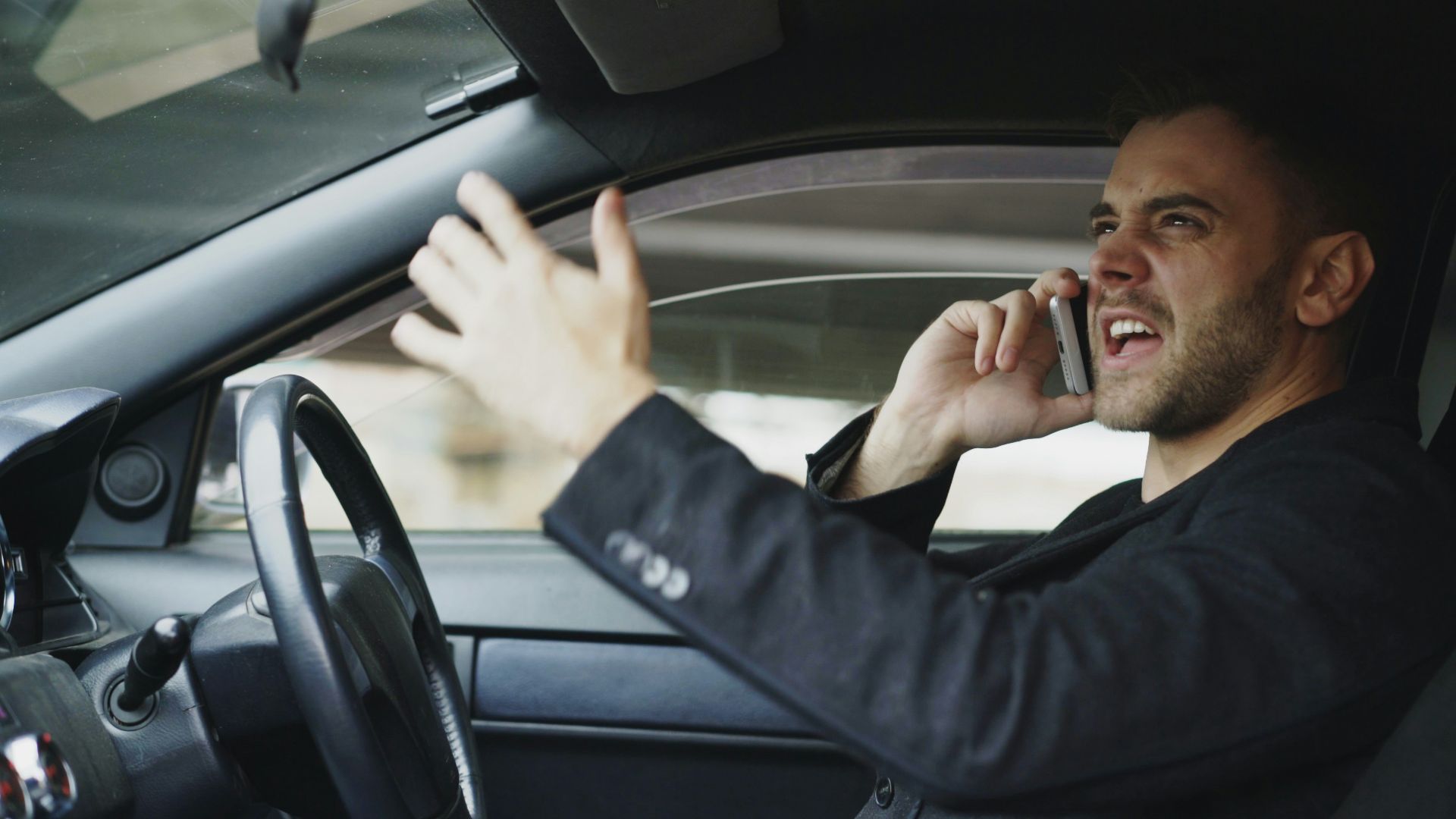
Let's be honest, you've done it. Maybe it was just "going with the flow of traffic" on the highway, or perhaps you were running late and convinced yourself that five miles over the limit wouldn't hurt anyone. The uncomfortable truth is that speeding remains one of the deadliest behaviors on American roads.
At higher speeds, the human brain can't process peripheral information fast enough, so it tunnels your focus straight ahead. You stop noticing the cyclist at the intersection or the kid chasing a ball. Your body releases adrenaline that makes you feel alert and in control, but that's just chemistry lying to you. Every extra mile per hour means more distance covered while you're glancing at your speedometer, more momentum your brakes have to fight, and more force transmitted to metal and bone if something goes wrong.
Understanding Why We Speed (And Why It Doesn't Work)
We speed because our brains are terrible at risk assessment. Psychologists call it "optimism bias"—the belief that bad things happen to other people, not us. You've sped before, and nothing happened, so your brain files it under "safe behavior." But statistically, you're playing Russian roulette. Research from the Insurance Institute for Highway Safety shows that for every 5 mph you drive over 60 mph, your crash risk doubles.
The irony? Speeding barely saves time. Drive 80 mph instead of 65 mph on a 30-mile commute, and you'll save exactly seven minutes, hardly worth the increased fuel consumption, higher accident risk, and potential $300 ticket. Your brain tricks you into thinking you're gaining significant time when you're really just burning money and cortisol.
Practical Strategies To Keep Your Speed In Check
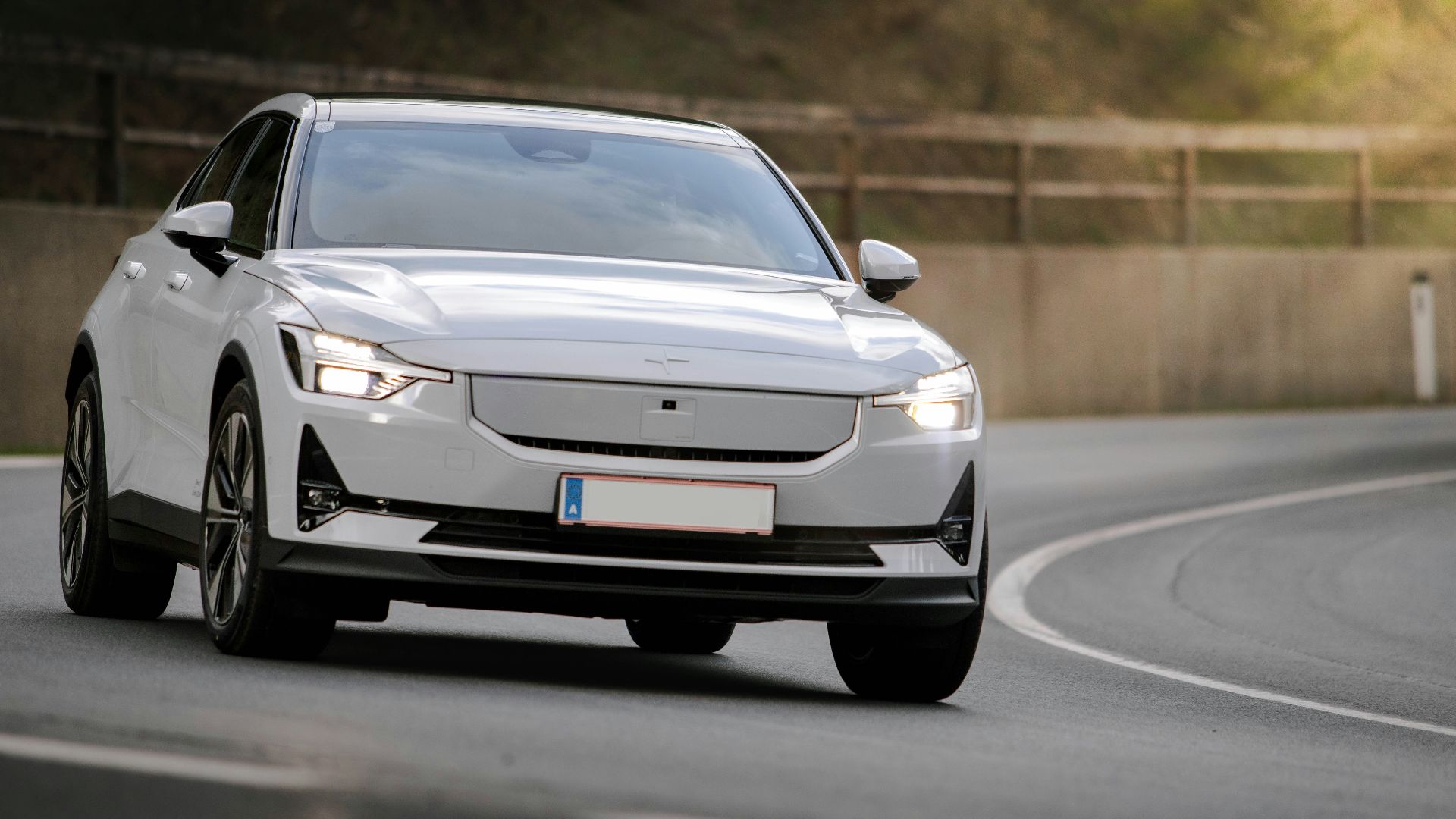
Breaking the speeding habit requires rewiring both your environment and your mindset. Start with cruise control—it's not just for highway trips. Engage it even on suburban roads with consistent speed limits. You'll be amazed at how often you were unconsciously creeping above the limit. Next, reprogram your GPS to show your current speed prominently. That simple visual feedback creates accountability.
Create a "time buffer" rule: add 15 minutes to your estimated travel time for every destination. This eliminates the panic that triggers speeding. If you arrive early, you've gained free time to return emails or listen to a podcast. Place your phone completely out of reach before driving—checking notifications causes speed fluctuations and distraction.
Try the "pretend there's a cop behind you" technique. It sounds silly, but it works. Drive as if that unmarked sedan three cars back is law enforcement. Finally, calculate what speeding actually costs you annually: tickets, insurance hikes, fuel waste. Write that number on a sticky note on your dashboard. Sometimes seeing "$847/year" is more motivating than abstract safety warnings.
The reality is simple: speed limits exist because traffic engineers calculated the maximum safe speed for specific road conditions, sight lines, and typical traffic patterns. Every time you choose the speed limit, you're choosing to arrive alive. And that's always worth the extra three minutes.