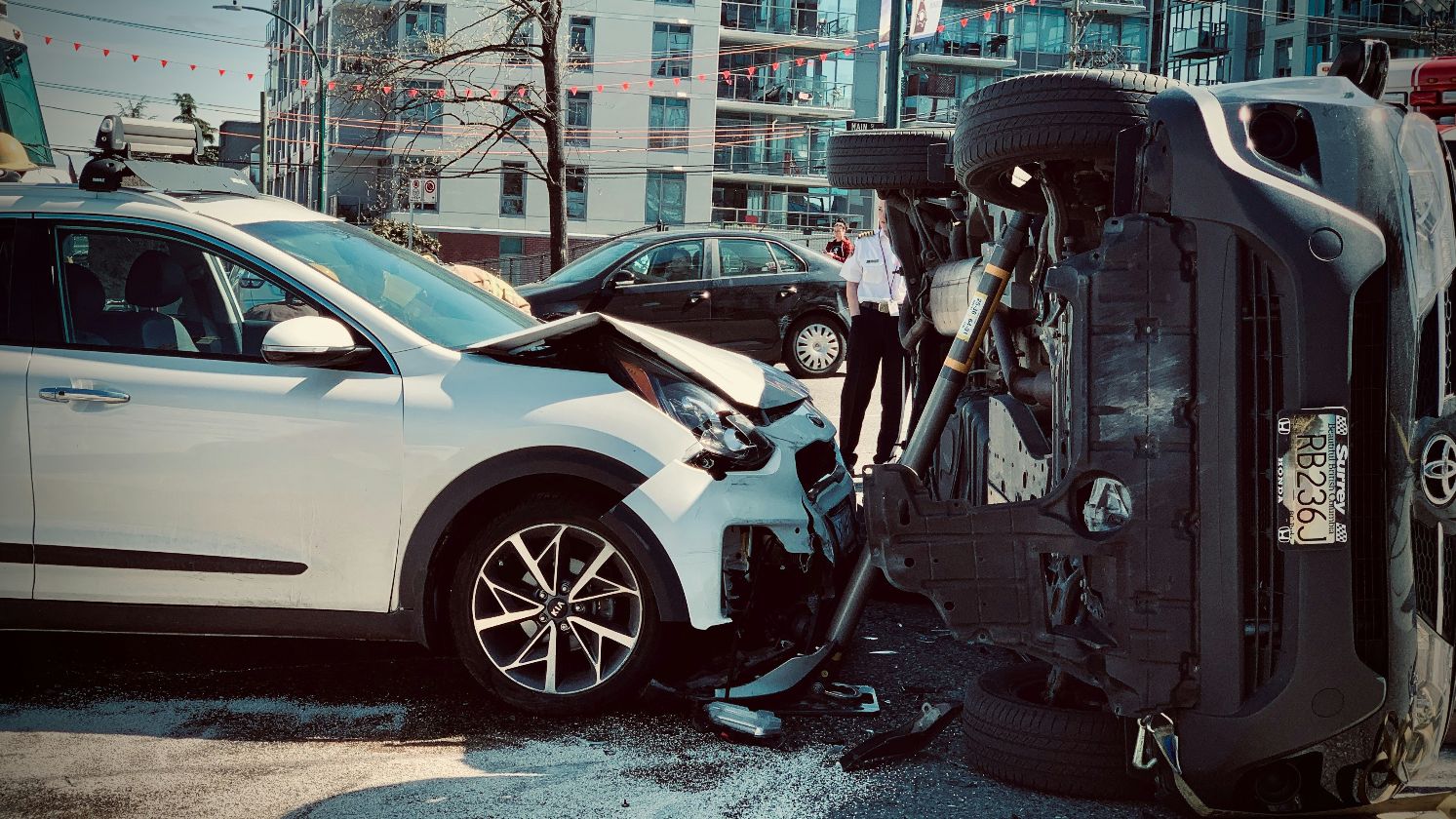

Driving requires you to make dozens of decisions on every ride. Some are conscious, and others are automatic based on our instincts and experience. Most of these decisions get you from point A to point B safely. However, accidents don't always happen because of severe mistakes. Often, they are small lapses in judgment that happen in seconds.
Preventing accidents on the road isn't only about skill. It's as much about being alert, anticipating risk, and making smart choices. These factors can keep you and your passengers safe even in dangerous driving conditions.
Here are three driving tips that can greatly reduce the odds of being in a car accident.
Master the Art of Defensive Driving
Defensive driving is an effective and proven way to reduce the risk of driving. You can't control how other people drive, so defensive driving focuses on controlling how you respond to their actions.
At its core, defensive driving is about constantly scanning your surroundings, predicting the actions of other drivers, and leaving extra space to react. This awareness provides extra seconds to make a snap decision and avoid a potentially devastating crash.
The key to defensive driving is to maintain a safe distance. You can't tailgate and drive defensively, as it would reduce your reaction time. Use the three-second rule, where you leave at least three seconds between you and the car ahead. This provides enough space to brake or maneuver if need be.
Minimize All Distractions
Most drivers associate distracted driving with checking their phone or texting, but you need to steer clear of all distractions, even the minor ones. This means avoiding adjusting your navigation, changing your music, talking to passengers, or letting your mind wander.
Distractions can escalate quickly. Looking down at your phone for a few seconds at 55 mph means you've driven the length of a football field without looking at the road. The harmless distractions are just as dangerous. Don't reach for anything in your backseat, tinker with climate controls, or react emotionally to a conversation.

Use Speed Strategically
Speeding is a leading cause of collisions, but the solution isn't always to just slow down. You need to understand how to use speed appropriately and in different situations. Driving too fast reduces your reaction time and makes controlling a vehicle more difficult. On the other hand, driving too slowly in high-speed traffic can also create dangerous situations.
You should always match the speed of surrounding traffic while driving within the legal limits. If you're driving in poor or harsh conditions, then lower your speed to maintain control of your vehicle. Speed is as much about going with the flow of traffic as it is about leaving yourself enough time to react.
Don't rely on luck to prevent car accidents. Defensive driving helps you react in time and anticipate danger. Minimizing distractions, including minor ones, will help you focus, and using speed appropriately ensures you can avoid not having enough time to avoid dangerous situations. Committing to safe driving will protect your vehicle, you, your passengers, and those you share the road with.