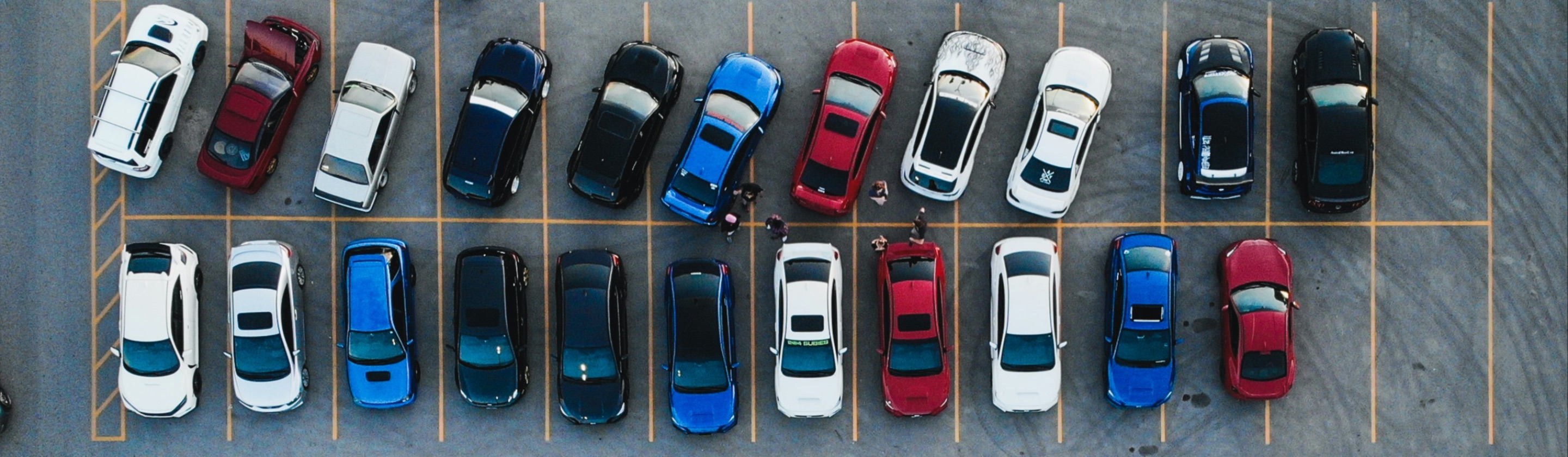
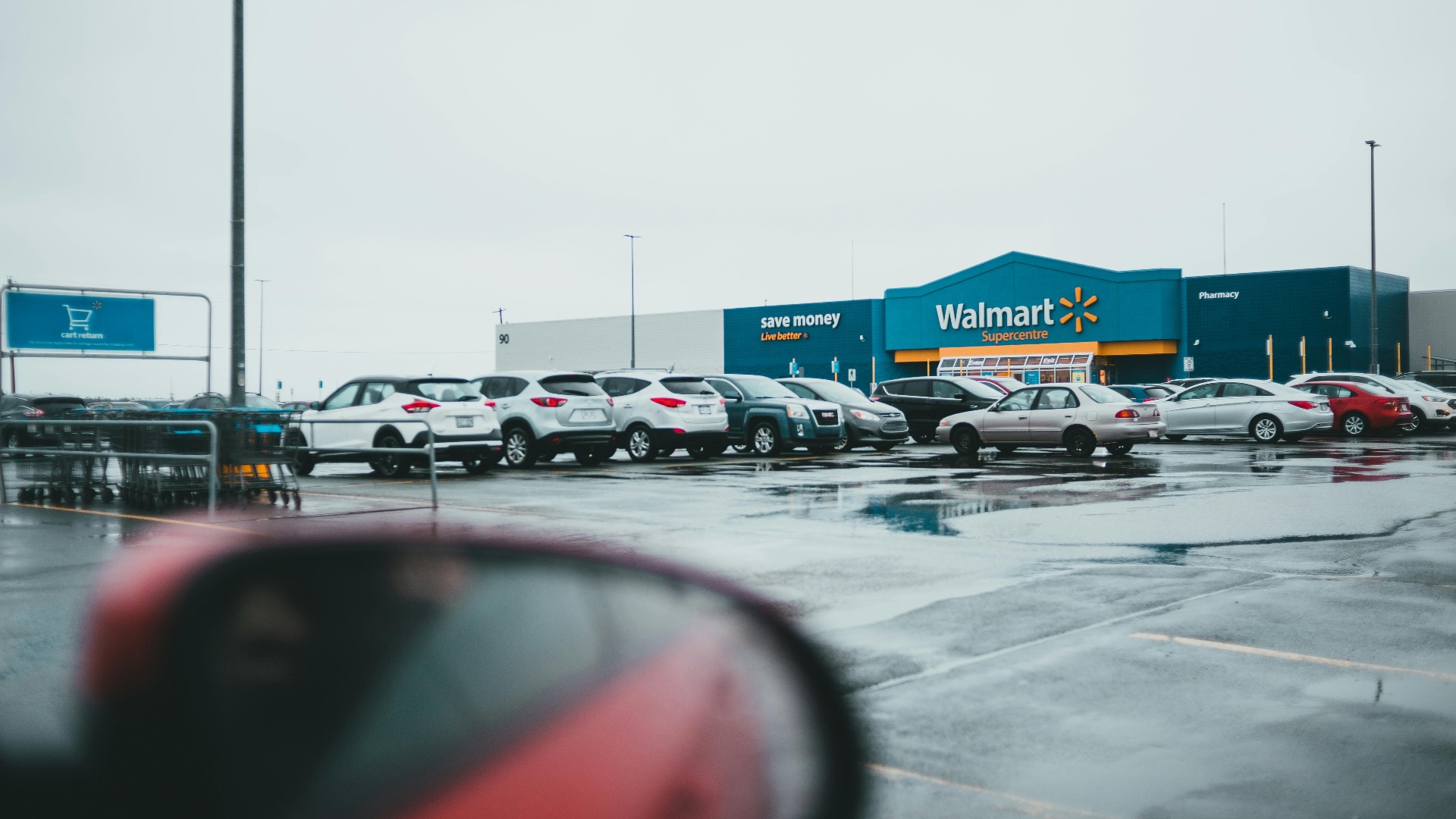
Most people assume the most stressful part of driving happens on the road, whether it's at highway speed, in heavy traffic, or during a difficult commute. And while you wouldn't be wrong, you're missing something from the picture: some of the most mentally demanding moments happen after the trip seems nearly over, when drivers enter parking lots. As they start scanning for spaces and begin maneuvering around pedestrians, backing cars, and poor sightlines, the risk for errors jumps. The stress? Well, that inevitably spikes, too.
In fact, U.S. federal safety guidance backs up the idea that these spaces deserve more attention than they usually get. The National Highway Traffic Safety Administration (NHTSA) notes that non-roadway pedestrian crashes are a meaningful part of the safety picture, with some studies finding that parking lot and driveway-related crashes account for up to 15% to 25% or more of reported pedestrian crashes, and its pedestrian guidance specifically warns people to watch for vehicles backing up in parking lots. Still think you should only be paying attention when you're on the open road? Think again.
Parking Lots Create Numerous Conflict Points
A road lane usually gives you structure, even when traffic is heavy. The direction of travel is clearer, the boundaries are more obvious, and other drivers are at least operating within a shared pattern. In a parking lot, however, those rules and signals loosen quickly when everyone is vying for the best spot, and that loss of order is one reason the experience can feel more mentally draining and anxiety-inducing.
What does that chaos look like? Well, in a parking lot, you’re often not just following the car ahead of you or planning your next lane change or turn; you’re also checking whether someone is about to step out from between parked vehicles, whether a driver in an SUV is backing up without seeing you, and whether another car might cut across a lane to steal a space. The fact that NHTSA’s pedestrian materials highlight backing vehicles in parking lots and driveway areas as a distinct danger is proof that these low-speed settings demand close attention.
The layout of a parking lot adds to the strain as well. After all, these spaces often have limited sightlines, inconsistent markings, and movement coming from several directions at once, so drivers can’t rely on rhythm the way they might in ordinary traffic. That means the stress comes less from speed and more from constant decision-making, because every few seconds you’re reassessing what someone nearby might do next. The more crowded it gets, the more your stress compounds.
The Safety Problem Is Real, Even at Low Speed
It’s easy to dismiss parking lots as minor-risk spaces because crashes there usually happen at lower speeds. But NHTSA counters this, noting that non-roadway crashes make up a meaningful share of pedestrian incidents, and, as mentioned earlier, several studies found that parking lot and driveway-related crashes represented up to 15% to 25% or more of all reported pedestrian crashes. That’s a strong reminder that low speed doesn’t automatically equate to low consequence.
NHTSA also tracks non-traffic injuries and fatalities through its Non-Traffic Surveillance system, which highlights hazards that occur off the public roadway. Parking lots fall into the broader category of spaces where people can be injured or killed outside conventional traffic flow, and that alone should change how lightly drivers treat them.
It goes without saying that pedestrians face a particular burden in these environments because they’re moving through areas designed around vehicles but not always managed like roads. Remember: even when you're entering a parking lot as a driver, at some point when you climb out of your car, you, too, are a pedestrian. Keeping that in mind may help you better understand and assess your surroundings when you hop back into the driver's seat.
Reversing Is One of the Main Reasons Parking Lots Feel Stressful
This might sound odd if reversing is one of your strengths, but a large share of parking lot anxiety comes from this exact maneuver. After all, drivers are expected to back out of spaces with partial visibility, notice cross-traffic approaching from both directions, and avoid pedestrians who may not be visible until the last second. NHTSA’s Vehicle Backover Avoidance Technology Study was commissioned specifically to examine ways to reduce crashes involving passenger vehicles backing over pedestrians, which tells you this is a recognized and serious problem in the United States.
Of course, modern vehicles now come equipped with cameras and sensors, meaning you're more likely to be alerted by those safety features before you make a mistake when reversing. Yet, helpful as these additions are, it's still important to check your mirrors thoroughly instead of only relying on sensors that may, however rare, fail. To avoid backing out of a spot altogether, it might be best to back in; that way, your vision won't be as obscured when you're ready to leave.
In the end, the real strain of driving isn’t always where people expect it to be. A parking lot asks you to process more variables in less space, with weaker visual cues and more unpredictable human behavior than many ordinary road settings. So if that final stretch of a trip feels like the most demanding part, you’re not alone—and it's why you should pay closer attention than you think.