Many Drivers Are Choosing To Avoid Highways Altogether – Here’s Why
For decades, the American highway system has been celebrated as the ultimate symbol of freedom and efficiency, promising to whisk travelers across vast distances in record time. Most of us grew up believing that the interstate was the only logical way to get from point A to point B, especially when time was of the essence. However, a growing number of modern motorists are starting to push back against the high-speed monotony of the multi-lane expressway. You might have noticed more drivers intentionally setting their navigation apps to "avoid highways," opting instead for a slower and more deliberate journey through the heart of the country.
This shift in driving habits is not just about a nostalgic desire to see the world as it looked before the arrival of massive concrete bypasses. It is a calculated choice influenced by everything from rising stress levels on congested roads to a genuine curiosity about what lies beyond the exit ramps. People are rediscovering that the shortest distance between two points is not always the most rewarding, particularly when the destination is just a small part of the overall experience. By choosing the "long way home," these drivers are reclaiming their time and turning a mundane commute into a miniature adventure that offers far more than just a glimpse of a billboard.
The Mental Health Toll of High-Speed Travel
Driving seventy miles per hour in bumper-to-bumper traffic can take an extreme mental toll on drivers. Whether drivers get frustrated by impatient vehicles in blind spots or semis passing on the left, highway-driving anxiety causes “commuter stress” that can follow throughout the rest of the day. The beauty of backroads is that drivers can travel at a more leisurely pace where it is actually possible to enjoy the drive without constant tension or fear of being T-boned at high speed.
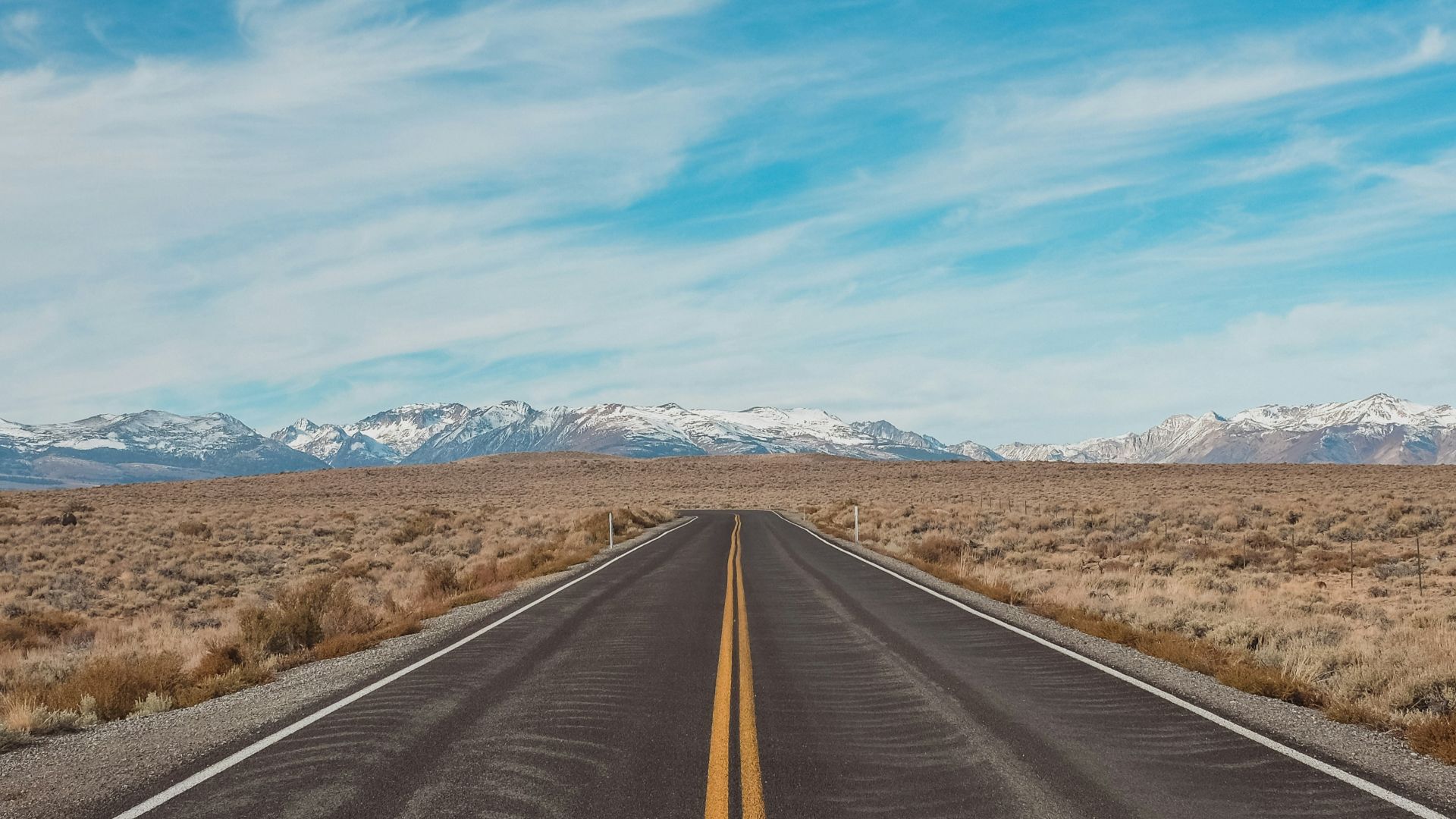
Everything seen on backroads differs greatly from the view on the interstate. On the highway, there are miles and miles of dull gray concrete. But when driving through interesting landscapes such as downtown areas and residential neighborhoods, drivers actively process new visual information, including building architecture, trees, and unique business signage. Driving on scenic backroads can be a form of “active relaxation,” allowing arrival at work without feeling stressed or mentally foggy from staring at the same repetitive stretch of pavement.
Say goodbye to “phantom traffic jams,” where drivers are stopped on the highway with no exit in sight, knowing delays are unavoidable. While backroads include stoplights and slower speed limits, they provide more control over route decisions. If traffic builds on a city street, an alternate route can often be taken. If traffic builds on the highway, options are far more limited. Being able to predict commute variability often outweighs the occasional benefit of maintaining higher speeds.
Economic and Environmental Considerations
While it might seem counterintuitive, avoiding the highway can sometimes lead to better fuel efficiency depending on the type of vehicle being operated. High speeds significantly increase aerodynamic drag, which forces engines to work harder and consume more gasoline to maintain momentum. If a vehicle is not particularly aerodynamic or is an older model with a smaller engine, cruising at a steady forty-five miles per hour on a flat secondary road may actually save a few dollars at the pump. It is a small but tangible benefit for those trying to manage monthly transportation budgets more effectively in an era of fluctuating energy prices.
The hidden costs of highway travel often go beyond fuel, as many of these major arteries are increasingly becoming tolled to pay for maintenance and expansion. It is easy to spend twenty dollars or more on a single round trip when traveling through major metropolitan areas with "express lanes" or private toll roads. Over the course of a year, these small fees add up to a substantial amount of money that could be allocated elsewhere in a household budget. Choosing a toll-free alternate route is a simple way to keep extra cash in circulation without sacrificing mobility or independence.
From a broader environmental perspective, the expansion of highways often leads to the destruction of local ecosystems and the fragmentation of wildlife habitats. By choosing to use existing local infrastructure rather than demanding more lanes on interstates, drivers are indirectly supporting a more sustainable approach to urban planning. Smaller roads tend to integrate more naturally with the landscape and encourage the preservation of green spaces and historic districts that might otherwise be bulldozed for new on-ramps. Drivers are essentially influencing the character of their communities every time a decision is made to pass through a town center instead of bypassing it entirely.
When drivers stick to the interstate, dining and shopping options are usually limited to the same half-dozen national chains that occupy every rest stop across the country. This homogenization of the American landscape means that much of the money spent by travelers never actually stays within the local communities they pass through. By taking side roads, travelers are much more likely to stumble upon a family-owned diner, a quirky antique shop, or a local farmers' market offering something truly unique. These small businesses are the lifeblood of rural and suburban America, and local patronage can make a significant difference in their ability to thrive.