Selling a car usually feels like the sensible move at the time. Maybe the payment had to go, maybe the driveway was already packed, maybe the newer thing looked safer, cleaner, and a whole lot easier to explain to yourself. Then a few years drift by, and you start to miss the familiar feeling of your old ride.
That regret usually isn’t only about money. A lot of the time, what people miss is the way the car slipped into daily life, the way it sounded first thing in the morning, or the way a dull drive somehow felt less dull with that one familiar steering wheel in front of them. That’s why the same types of cars keep coming up in these conversations. Some got expensive, some were rock-solid dependable, and some were just plain fun.
When The Market Leaves You Behind
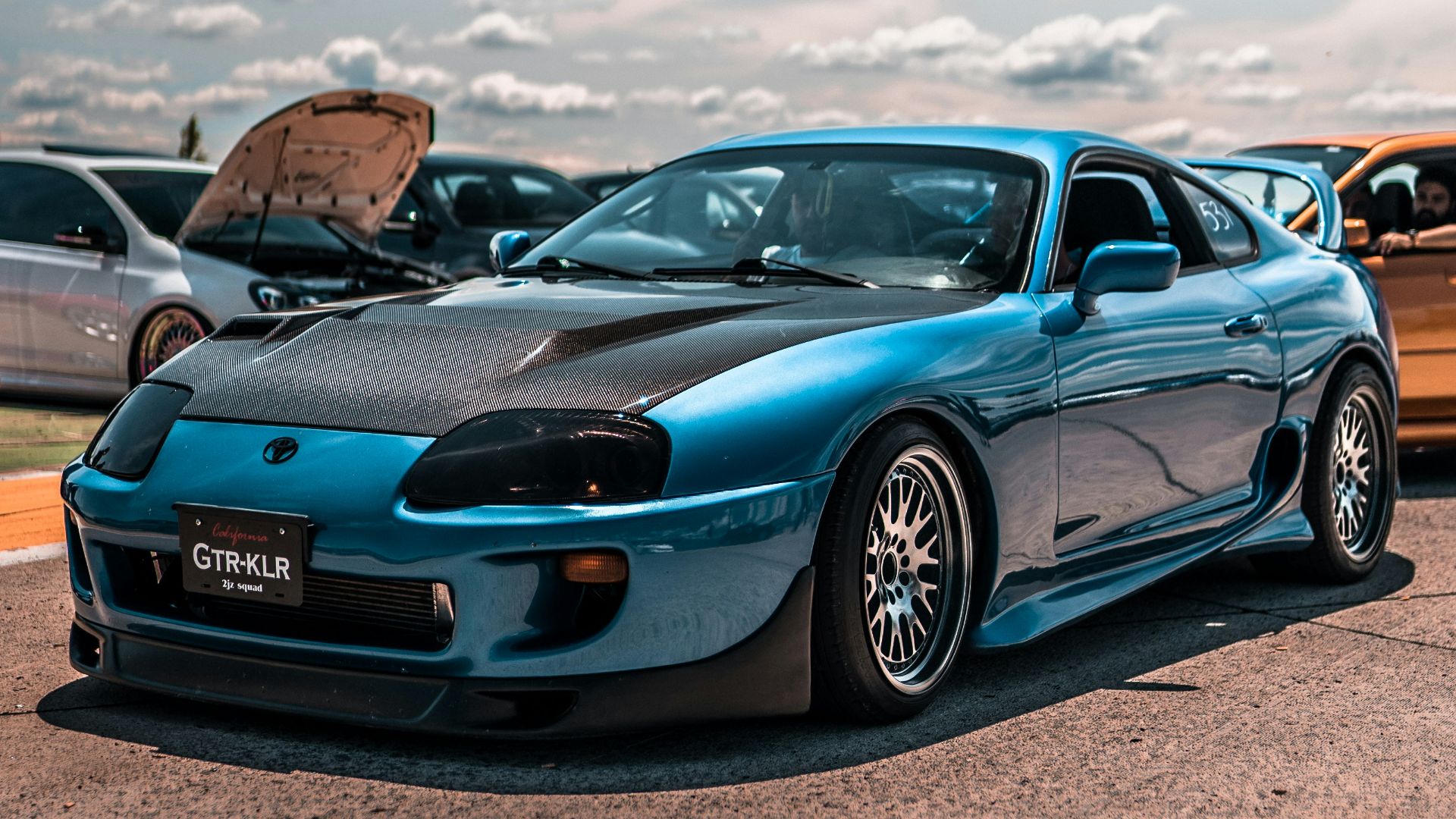
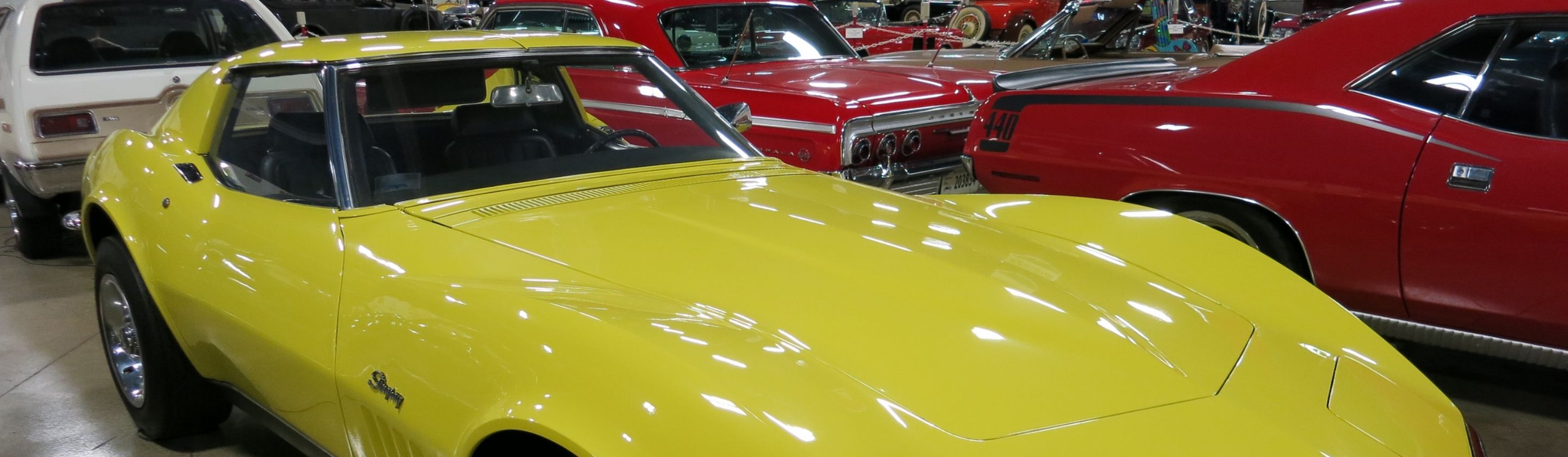
The Toyota Supra Mk IV Turbo is probably the easiest regret story to understand. Hagerty’s valuation tool currently puts a good-condition 1994 Supra Mk IV Turbo at $100,000, up 17.5% year over year, and the same page lists the car with a twin-turbo 3.0-liter six making 320 horsepower. That’s rough. You’re not just remembering a car you sold anymore. You’re remembering a car that got wildly more expensive while you were off living your life.
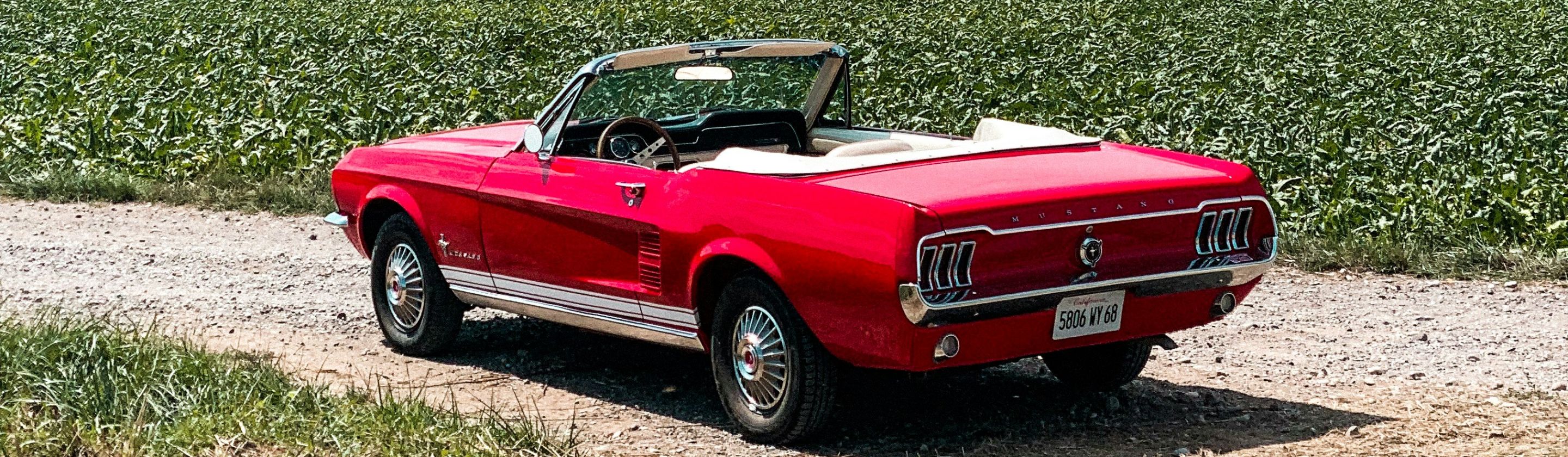
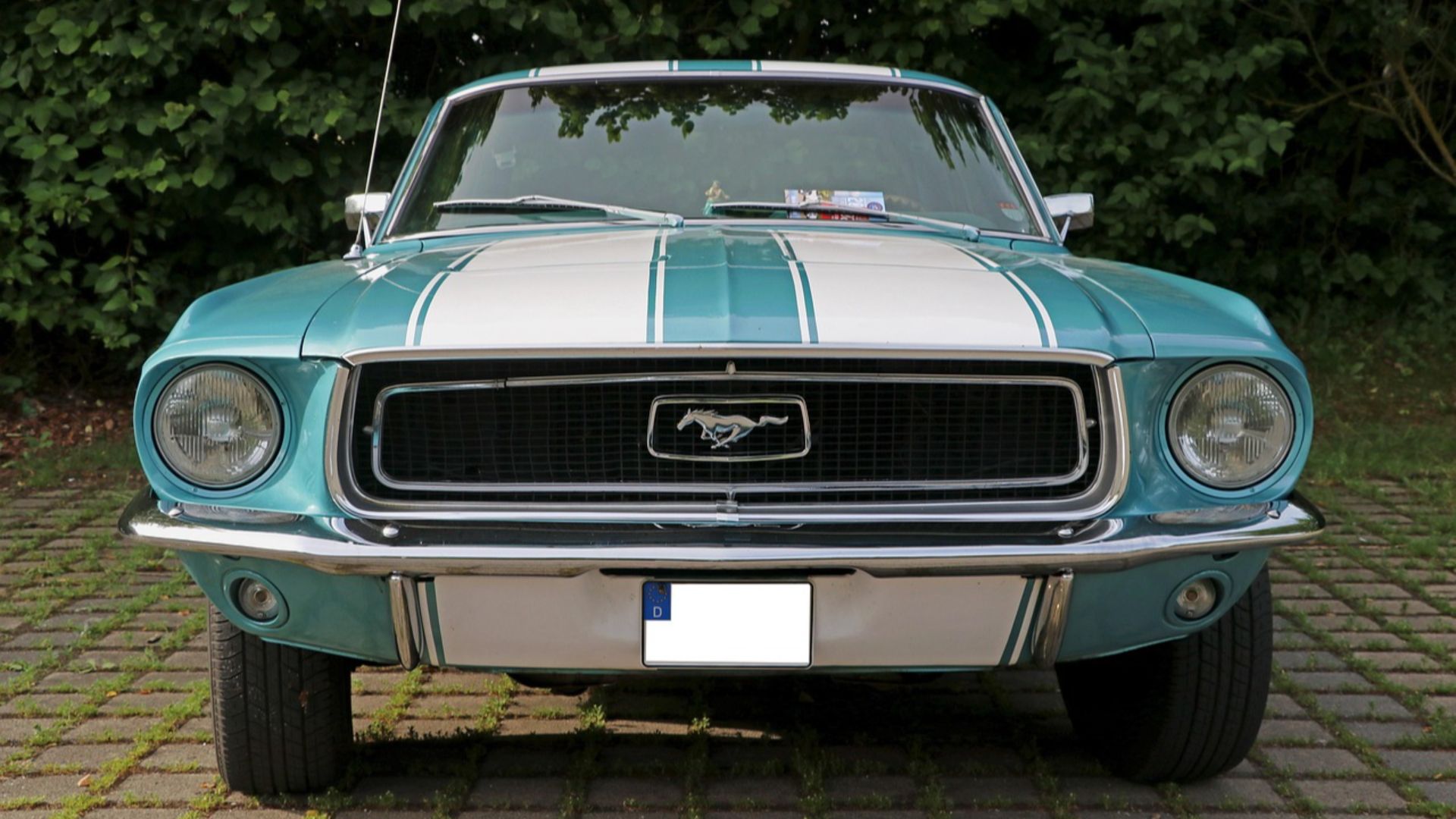
The early Mustangs carry a different kind of ache, though it lands just as hard. Hagerty now values a good-condition 1965 Ford Mustang coupe at $16,000, and its model history says Ford took 22,000 orders on the first day and sold 680,989 Mustangs in the 1965 model year. So even before collector values start making people sweat, you’re talking about a car that was already a full-blown cultural event from the jump.
That’s when the regret starts to deepen a little. You’re not only missing the car itself anymore. You’re missing that earlier stretch of life when it was still easy to afford, easy to find, and easy to assume you could always circle back for another one later.
The Quiet Keepers
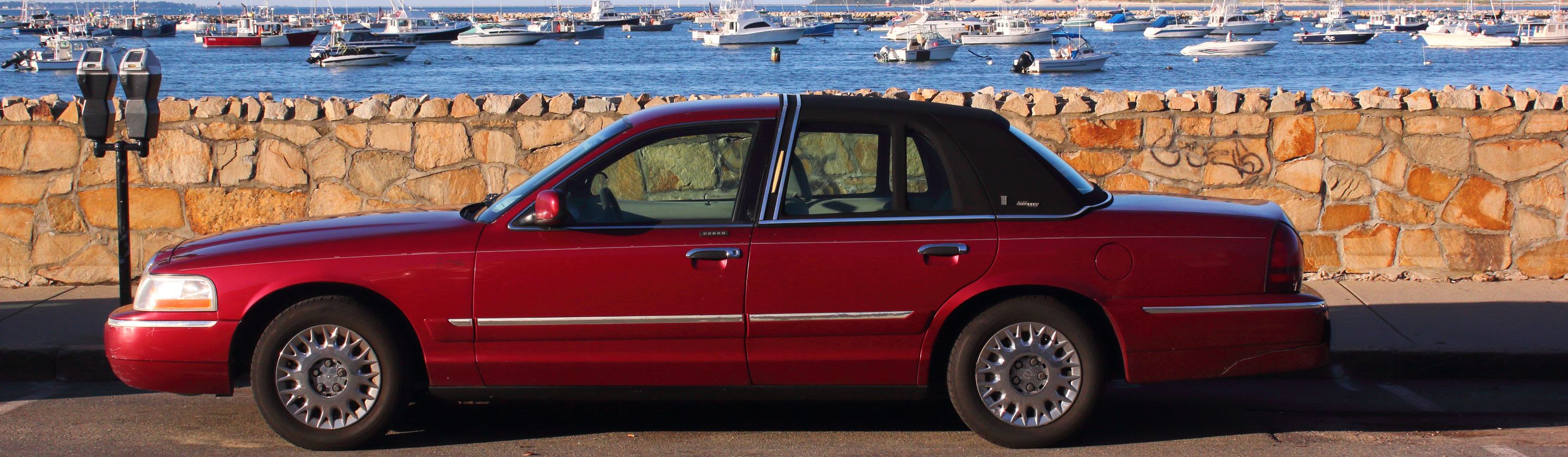
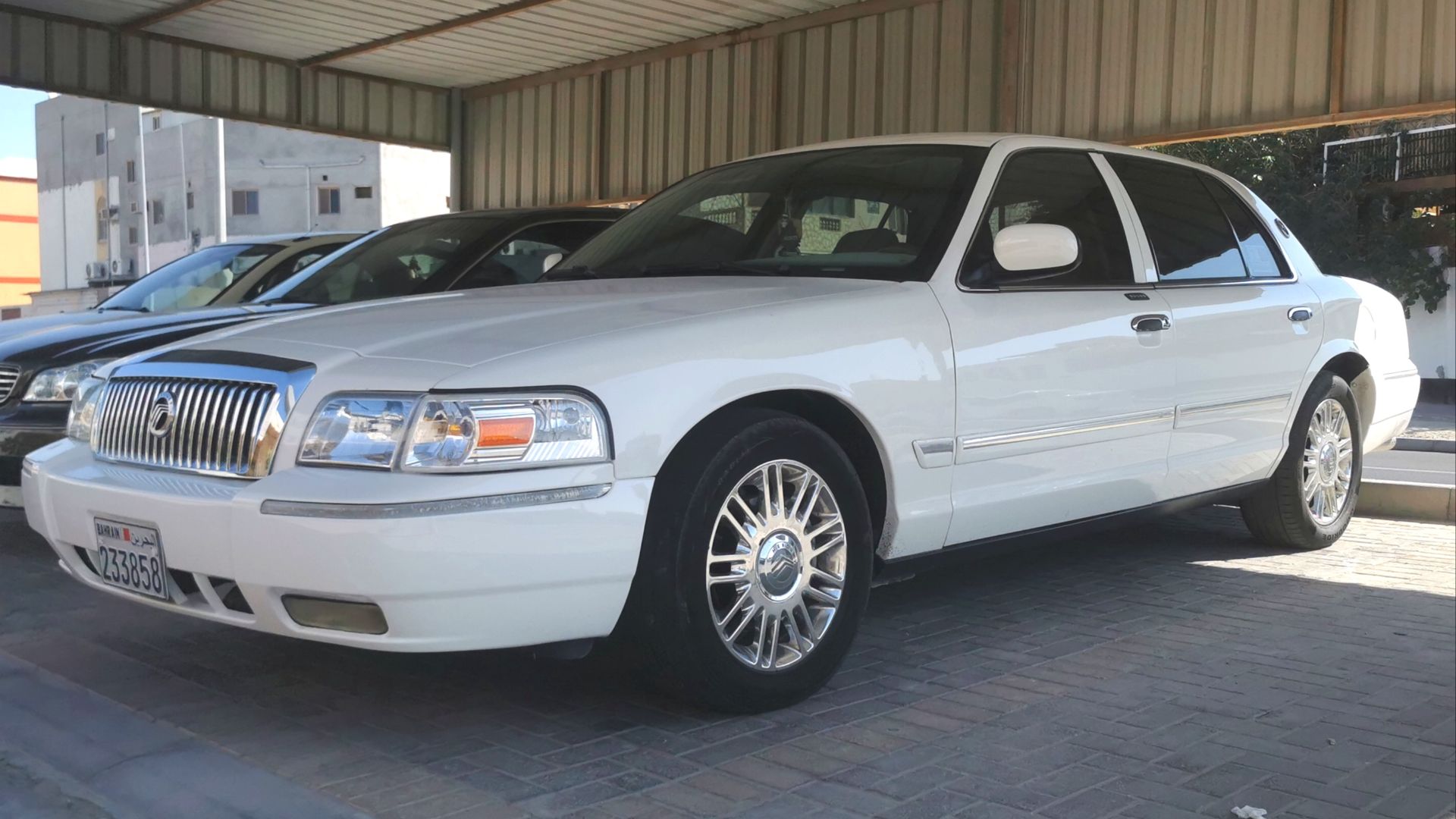
Some of the most painful regrets aren’t about poster cars at all. Kelley Blue Book says the 2003 Mercury Grand Marquis has a 4.7 overall consumer rating and a 4.8 for reliability, based on 656 consumer reviews, and owners on the same page keep praising its comfort, room, and steady V8 power. A car doesn’t have to be rare, dramatic, or especially glamorous to become hard to forget. Sometimes it just has to be there for you, day after day.
The Jeep Cherokee XJ lives in that same emotional lane, only with more grit under its nails. Kelley Blue Book gives the 1999 Cherokee a 4.6 overall rating, says 95% of owners recommend it, and shows a 4.8 reliability score from 883 owner reviews. Those numbers help explain why so many people still talk about these Jeeps like old friends. They were useful, easy to love, and much simpler than their modern counterparts.
Then there’s the Miata. Kelley Blue Book shows the 2016 MX-5 Miata with a 4.7 consumer rating, 93% owner recommendation, and a 4.8 reliability score, based on 72 owner reviews. That track. People don’t usually miss a Miata because it was the practical choice. They miss it because it made ordinary days feel lighter, warmer, and a little more alive.
Why These Sales Still Sting
A lot of these cars weren’t sold because their owners stopped caring about them. They were sold because budgets got tight, families got bigger, and practical choices started sounding awfully convincing. That’s a normal story, and maybe that’s exactly why it stings so much later. The decision made sense at the time, which somehow makes the regret feel more personal when it shows up years down the road, uninvited and very much still alive.
The replacement car is often where the whole thing really snaps into focus. You buy something newer, quieter, maybe more efficient, and it does exactly what it’s supposed to do. Then one day, it hits you that you solved the practical problem and somehow created an emotional one. The old car had rhythm, quirks, and a spot in your routine that the new one never quite manages to claim. That’s the part nobody puts in the sales brochure.
That’s why the cars people still regret selling years later tend to fall into a few familiar groups. Some, like the Supra and the early Mustang, hurt because values climbed and the road back got expensive fast. Others, like the Grand Marquis, Cherokee, and Miata, hurt because they were simply so good at being themselves. You think you sold a machine, and later you realize you also sold a mood, a season of life, and a version of yourself that fit that car just right.