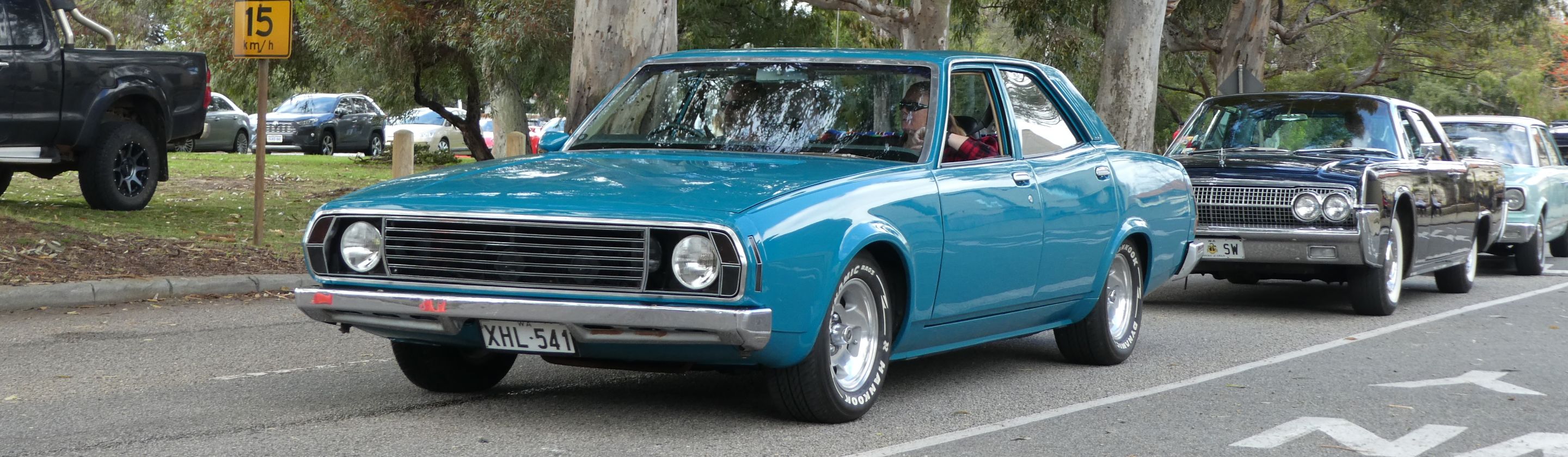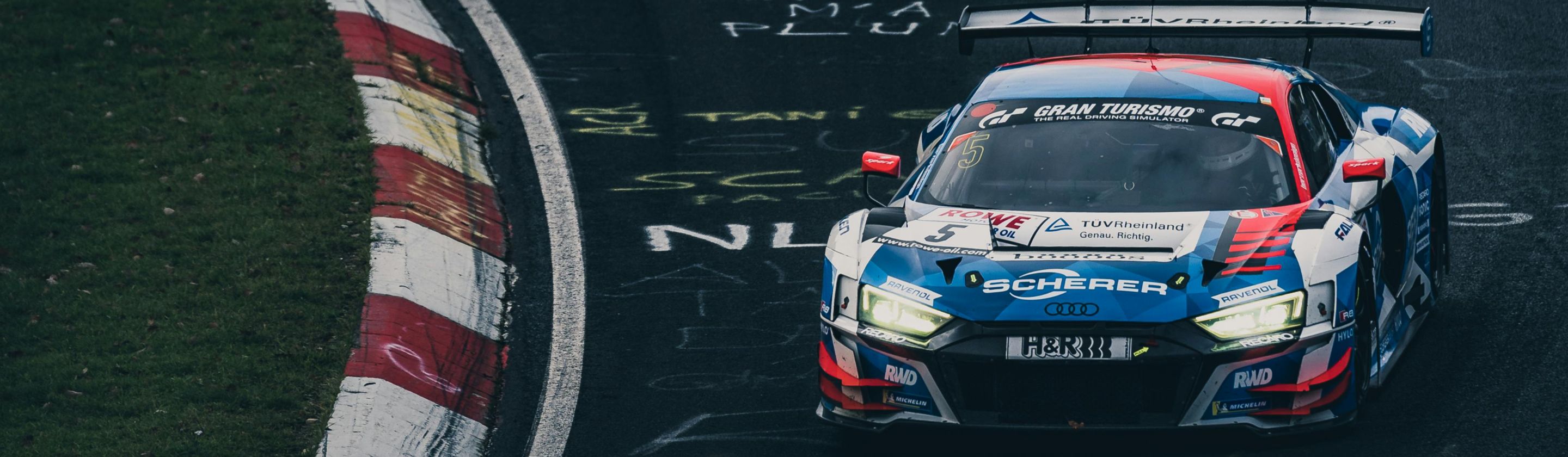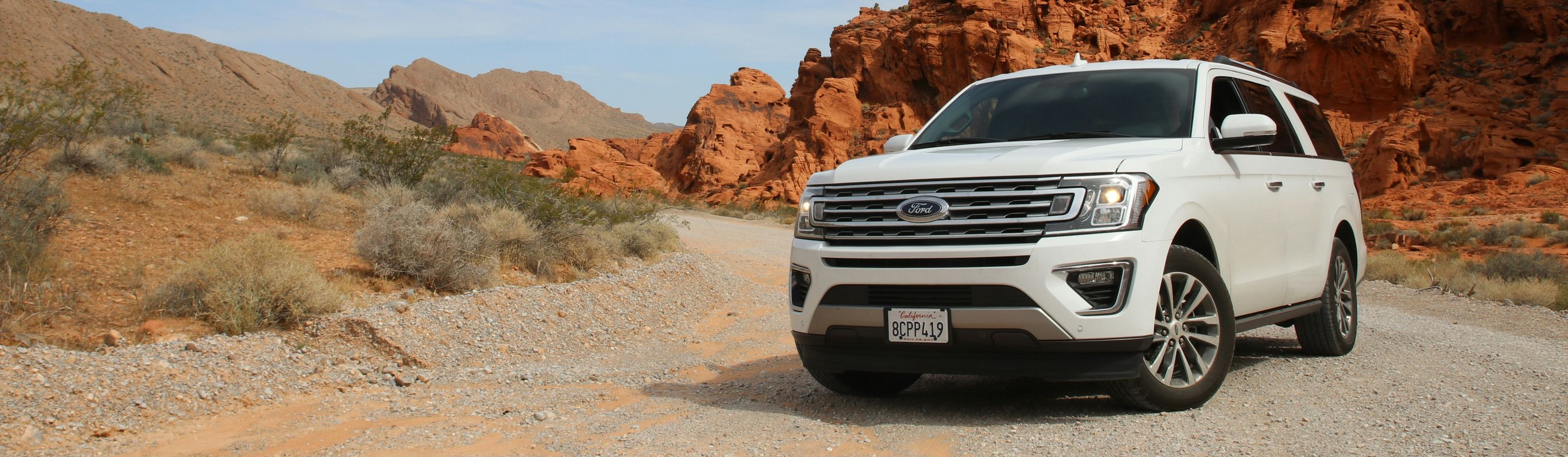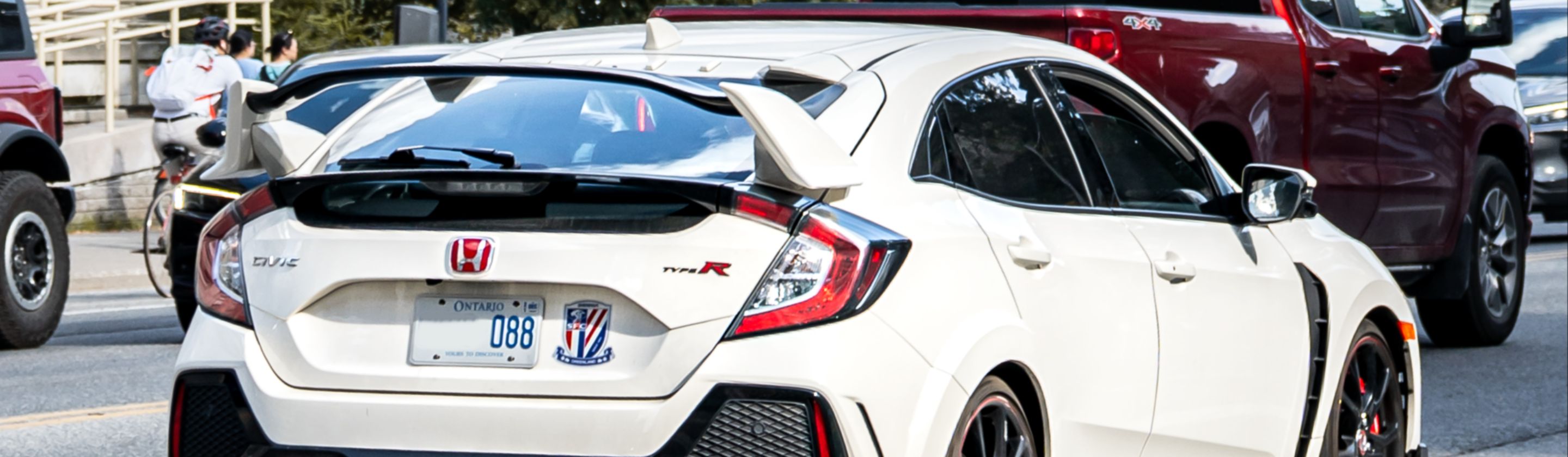
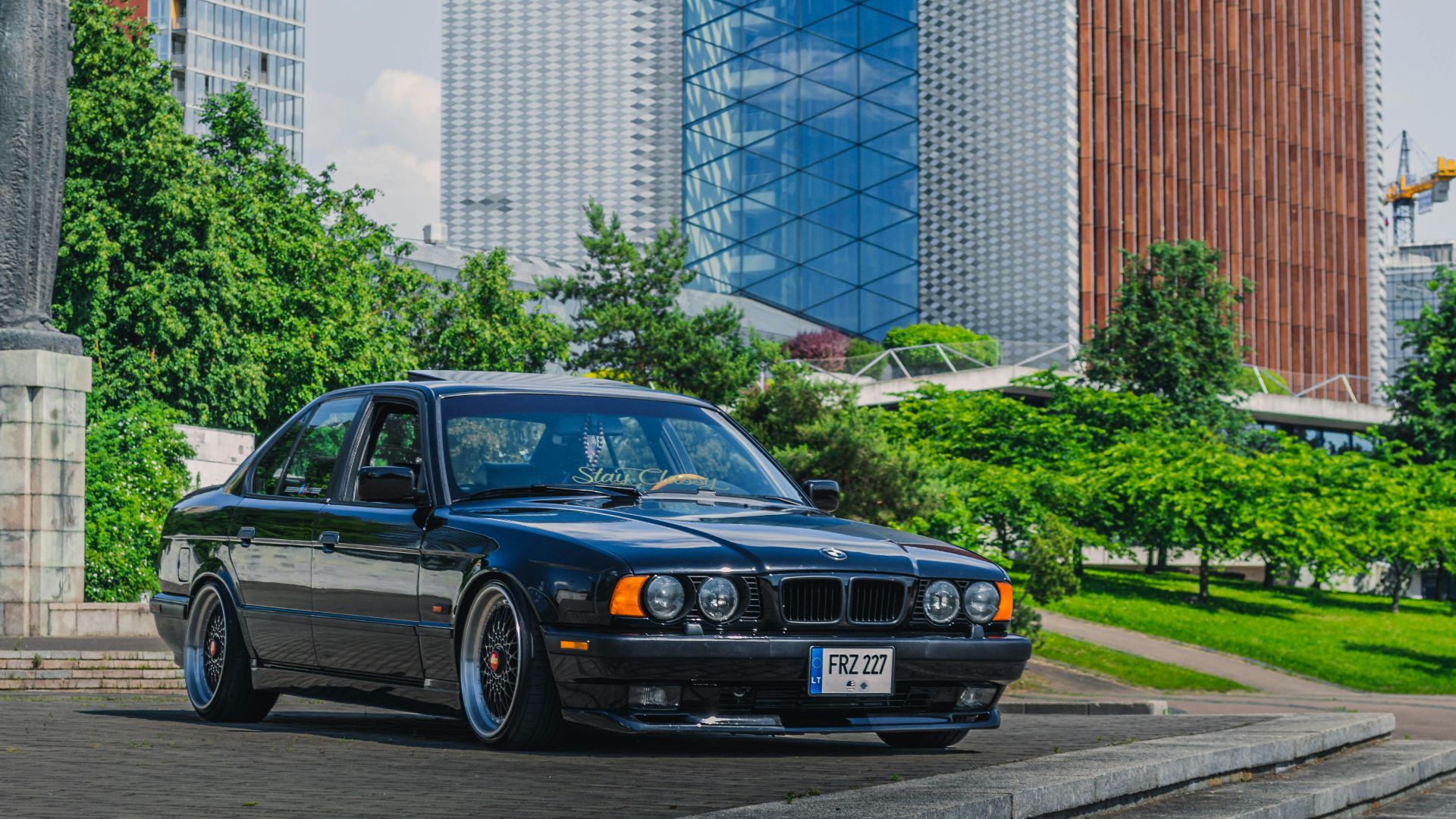
Get behind the wheel of almost any new car and you'll notice something within the first few minutes. It accelerates effortlessly, absorbs bumps without complaint, and filters out the outside world with impressive thoroughness. Everything works. And yet, if you've ever driven something older and more mechanical, you may come away from that new car feeling vaguely unsatisfied, like you watched a technically perfect movie that left no impression whatsoever.
This isn't nostalgia. There's something genuinely different happening in the way modern cars are engineered, and it has less to do with what manufacturers added than what they quietly removed. Speed went up. Feel went down. The two trends are not coincidental.
Cars Got Faster While Getting Heavier
The numbers here are almost comically contradictory. Between 2016 and 2023, the mean average curb weight of new cars increased from 1,553 kg to 1,947 kg, a gain of nearly 400 kg in a single model cycle. Pickup trucks alone have grown from around 3,500 pounds on average in the mid-1980s to over 5,000 pounds in 2022. These are not performance vehicles. These are family haulers that now weigh as much as a small military vehicle.
And yet they're quicker than ever. According to EPA data, sedans and wagons have seen a 44% drop in zero-to-60 times since 1978, while pickup trucks improved the most, with a 48% reduction. The average zero-to-60 mph time across all vehicles now sits at 7.6 seconds, which is as quick as a 1980 Ferrari 308 GTSi. Your grocery-getter would have been a sports car forty years ago. The engineering achievement here is real.
The problem is that the weight gain and the performance gain cancel each other out in terms of what you actually feel. Heavier vehicles require more energy for movement, which leads to increased fuel consumption and directly impacts fuel efficiency, acceleration, and rolling resistance, meaning automakers have been pouring more power into engines simply to overcome the mass their own design decisions created. The car is working harder to go faster, but the driver feels less of the effort. What you experience in the seat is smoothness, not dynamism.
The Steering Problem Nobody Talks About Enough
Ask an enthusiast what's wrong with modern cars and they'll almost always land here eventually. A major downside of electric power steering systems is the reduced feel they offer through the steering wheel, since there is no hydraulic connection to the steering system, and many drivers report that these assemblies offer nowhere near the driving enjoyment of a regular hydraulic system. That hydraulic connection wasn't just a method of delivering assist. It was also a live channel of information about what the road surface was doing, what the tires were feeling, and where the limits of grip might be.
One of the biggest complaints about electric power steering systems is the lack of good steering feel, and the shift away from hydraulic systems wasn't driven by driver preference. It was driven by fuel economy regulations. Electric systems consume less energy than hydraulic pumps driven by the engine, which shaved just enough off the fuel consumption numbers to satisfy regulators and marketing departments simultaneously. The driver's connection to the road was a trade-off, not a design goal.
The lack of feedback in these systems has been criticized for leading to less enjoyment and, in more serious cases, an inability to safely feel the limits of the car, which matters most when something goes wrong at speed. Electric power steering creates a decrease in steering torque due to excessive power assist, and a decrease in feedback in the off-center region, meaning the system does not provide proper signals to the driver during the kind of cornering that defines dynamic driving. In fairness, the best systems from manufacturers like Porsche and Mazda have narrowed the gap considerably. The median product, though, remains noticeably isolated.
Comfort Ate the Character
The final piece is the hardest to quantify but easiest to feel. Modern cars are extraordinarily good at absorbing and suppressing everything. Road noise, engine vibration, gear changes, wind, all of it has been progressively muffled by layers of acoustic damping, computer-managed suspension, and sound-deadening material that now accounts for meaningful portions of a car's total weight. Conventional automobiles like the Honda Accord, Toyota Camry, and Ford Taurus have each gained several hundred pounds, and up to 650 pounds in some cases, over the past two decades, much of it from safety systems and comfort features. Consumers asked for quieter and smoother, and the industry delivered completely.
The side effect is that the car becomes less of an experience and more of a transportation appliance. The near-universal use of turbocharging, the popularity of all-wheel drive, and the increased proliferation of electric motors has resulted in a rapid drop in 0-60 times that is outpacing customer expectations and driving habits, but turbo engines in particular tend to deliver power in a way that feels electronic rather than mechanical. The response is immediate at low revs, then flat, without the linear buildup that once made rev-happy naturally aspirated engines so satisfying to push. You get to speed quickly and feel very little of the journey.
Quicker acceleration has gone hand in hand with dramatic horsepower increases since the late 1970s, and the arms race has become self-referential. Cars get more powerful to overcome their own weight, then heavier because buyers want the features that add weight, then more powerful again to compensate. The driver sits in the middle of this loop, well-insulated, well-assisted, and increasingly disconnected from the thing they're supposedly piloting. Fast has never been more available. The feeling of driving, in the older, richer sense of the word, has never been harder to find at a dealership.