


All-season tires are designed to provide a balance of performance across a variety of conditions, which makes them appealing for everyday driving. They offer convenience because you don’t have to switch tires as the seasons change. However, that versatility comes with compromises, especially when temperatures drop and road conditions become more challenging.
While all-season tires can handle light snow and mild cold, they are not specifically engineered for severe winter conditions. Snow, ice, and freezing temperatures require specialized features that all-season tires simply don’t prioritize. Understanding these differences can help you make more informed decisions about your vehicle’s setup. When winter conditions are part of your environment, relying on the right equipment becomes increasingly important. Many drivers underestimate how quickly conditions can change in colder climates.
Rubber Compounds and Cold Weather Performance
One of the main limitations of all-season tires is the rubber compound used in their construction. These tires are designed to perform across a wide temperature range, which means the rubber is not optimized for extreme cold. As temperatures drop below about 45°F (7°C), the compound begins to harden. This reduces the tire’s ability to grip the road effectively. The loss of flexibility can happen gradually but still affect performance.
Winter tires, by contrast, are made with softer rubber compounds that remain flexible in cold conditions. That flexibility allows the tire to maintain better contact with the road surface. As a result, traction improves significantly in freezing temperatures. This difference becomes especially noticeable during braking and cornering. Drivers often report a more confident feeling when using winter-specific tires.
When a tire loses flexibility, it cannot conform to small irregularities in the road. That reduced contact leads to longer stopping distances and less control. In icy or snowy conditions, even small differences in grip can have serious consequences. Choosing the right compound is essential for maintaining safe handling in winter. This is particularly important during sudden stops or emergency maneuvers.
Tread Design and Traction Limitations
All-season tires feature tread patterns that are meant to handle a mix of dry, wet, and light snowy conditions. While this makes them versatile, it also means they lack the aggressive tread design needed for winter driving. The grooves are typically shallower and less specialized. This limits their ability to channel snow, slush, and water effectively. As a result, traction can decrease quickly in harsher conditions.
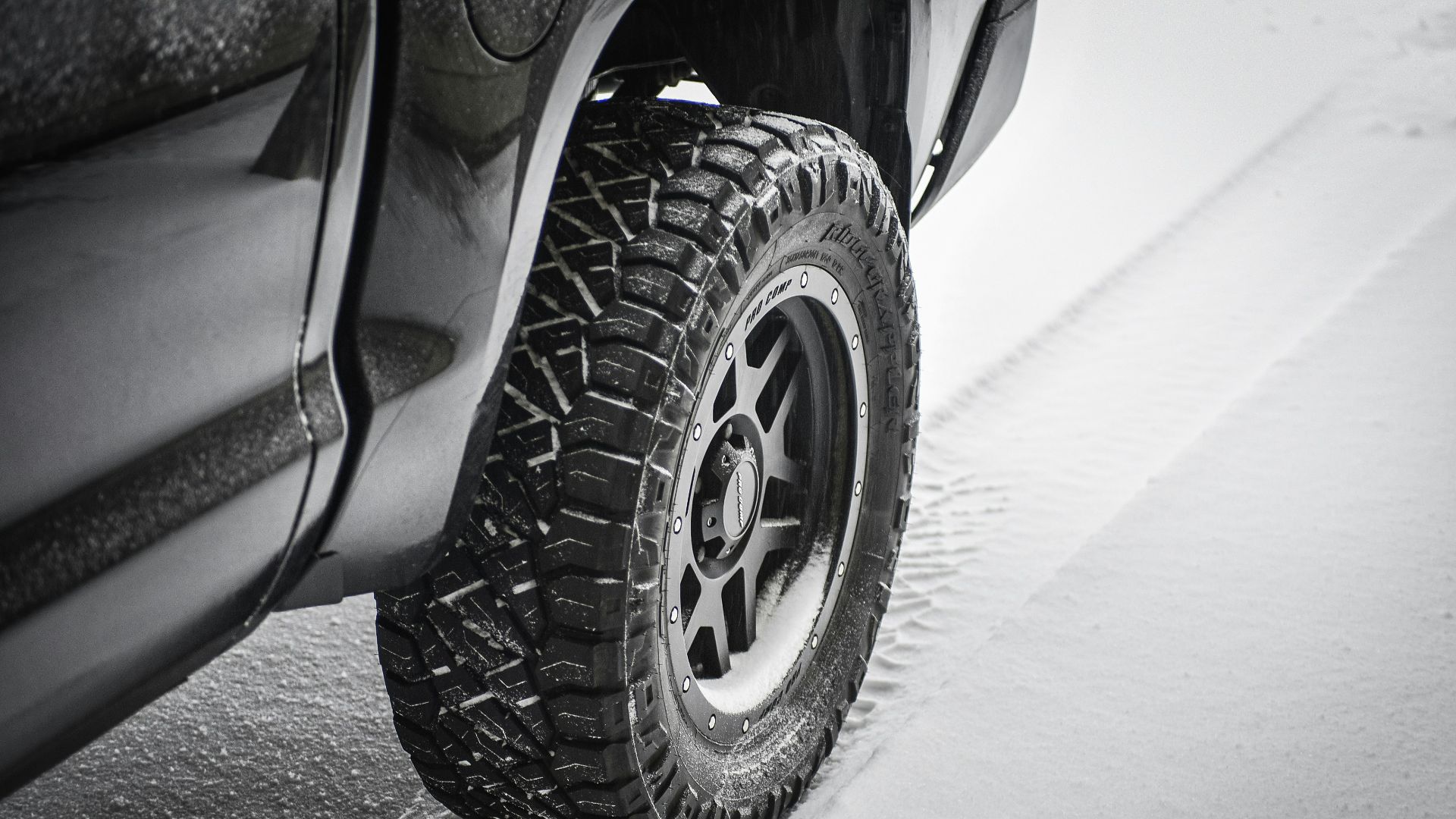
Winter tires use deeper grooves and more intricate patterns to improve traction. They often include features like biting edges that help grip snow and ice. These design elements allow the tire to maintain traction even when road conditions are poor. The difference in tread design plays a major role in overall performance. This advantage becomes especially clear on untreated or snow-covered roads.
Another important feature found in winter tires is the presence of sipes, which are small slits in the tread blocks. These increase the number of edges that can grip the road surface. All-season tires have fewer of these features, which reduces their effectiveness in slippery conditions. This limitation becomes more apparent during acceleration and braking. The lack of grip can also affect how confidently you can steer.
Braking, Handling, and Overall Safety
One of the most critical differences between all-season and winter tires is how they perform during braking. In cold and snowy conditions, all-season tires generally require longer distances to come to a complete stop. This can increase the risk of collisions, especially in emergencies. Even a small delay in stopping can make a significant difference. This is one of the main reasons safety experts recommend winter tires.
Handling is another area where all-season tires fall short in winter. Reduced traction can lead to less predictable steering and a higher likelihood of sliding. This makes it more difficult to maintain control, particularly on icy roads or during sudden maneuvers. Drivers may find that their vehicle feels less stable overall. This instability can increase stress and reduce driver confidence.
Safety is ultimately the most important factor when comparing tire types. Winter tires are specifically engineered to handle the challenges of cold-weather driving. They provide better grip, shorter stopping distances, and more reliable handling. While all-season tires offer convenience, they cannot match the performance needed for true winter conditions. Investing in the right tires can make a meaningful difference in overall safety.
Understanding these differences highlights why all-season tires may not be sufficient in colder climates. While they can perform adequately in mild conditions, they lack the specialized features required for snow and ice. Investing in winter tires can improve both safety and confidence on the road. Making that choice ensures you’re better prepared for the demands of winter driving. It also gives you greater peace of mind during unpredictable weather.