Smarter Driving, Safer Roads
Road safety has improved dramatically over the years thanks to a combination of engineering, technology, and better design standards. What once relied heavily on driver awareness now benefits from systems that prevent accidents or reduce their severity. These 20 innovations have helped lower injury and fatality rates while making everyday travel more predictable and secure.

1. Seat Belts
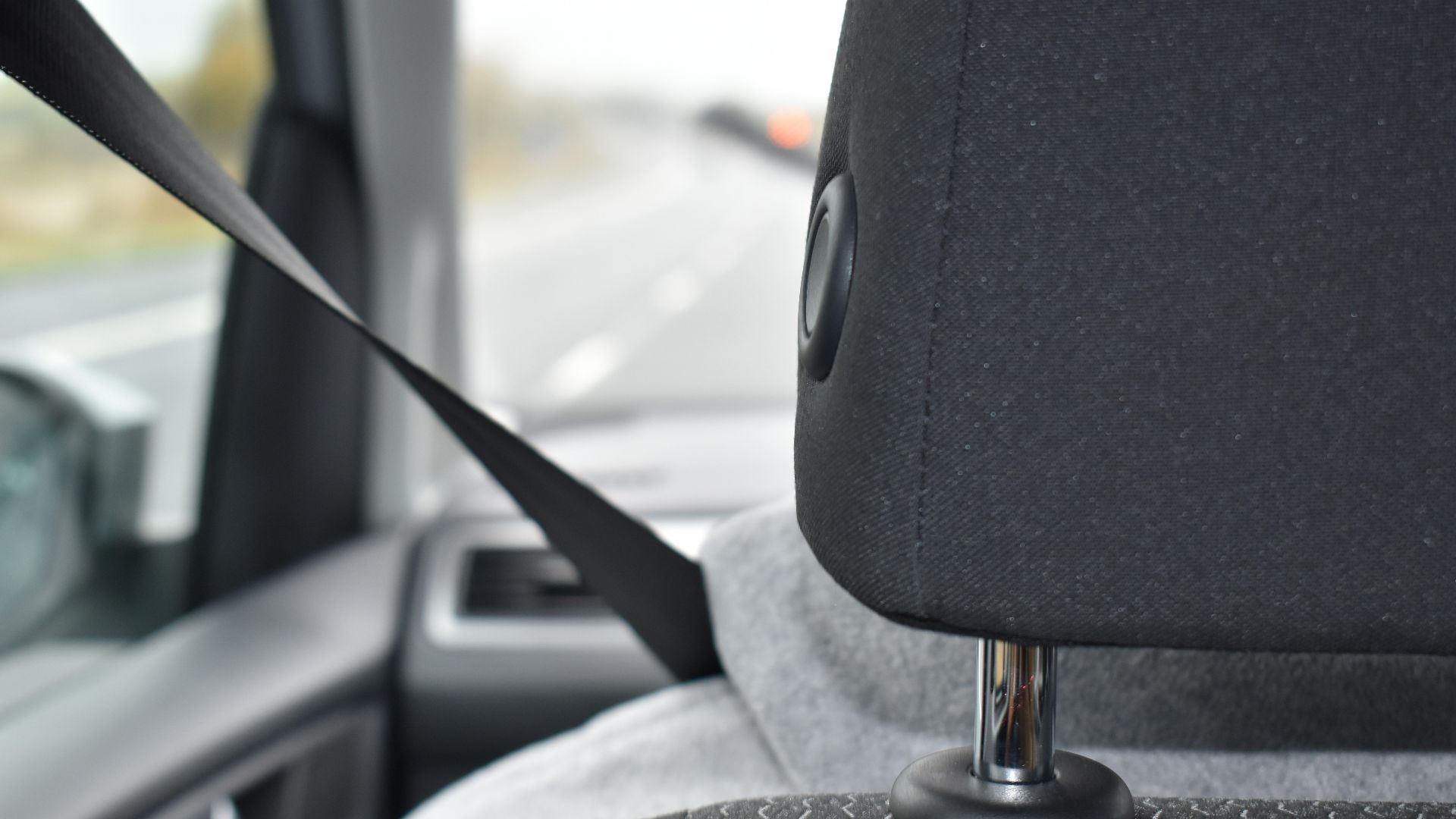
Seat belts remain one of the most effective safety features ever introduced. They reduce the risk of fatal injury by keeping occupants securely in place during a crash. Modern versions include pretensioners and load limiters for added protection. Their widespread use has saved millions of lives worldwide.
 Alexandria Gilliott on Unsplash
2. Airbags
Airbags provide a cushion that reduces the impact between passengers and hard surfaces. They deploy in milliseconds during a collision, helping prevent serious injuries. Today’s vehicles often include multiple airbags for different areas. This layered protection significantly improves occupant safety.

3. Anti-Lock Braking System (ABS)
ABS prevents wheels from locking up during hard braking. This allows drivers to maintain steering control while slowing down. It’s especially useful on slippery surfaces. The system has become a standard feature in most modern vehicles.
 Dominika Kwiatkowska on Pexels
4. Electronic Stability Control (ESC)
ESC helps prevent skidding and loss of control. It automatically adjusts braking and engine power when instability is detected. This technology is particularly effective in emergency maneuvers. Studies show it significantly reduces crash risk.

5. Rearview Cameras
Rearview cameras improve visibility when reversing. They help drivers detect obstacles or pedestrians behind the vehicle. This reduces the likelihood of backing accidents, and many newer vehicles include them as a standard feature.

6. Blind Spot Monitoring
Blind spot monitoring alerts drivers to vehicles in areas they can’t easily see. It uses sensors to detect nearby traffic. Visual or audible warnings help prevent unsafe lane changes. This feature is especially helpful on busy roads.

7. Lane Departure Warning Systems
These systems notify drivers when they unintentionally drift out of their lane. They use cameras to track lane markings. Some versions also provide gentle steering correction. This helps reduce accidents caused by distraction or fatigue.
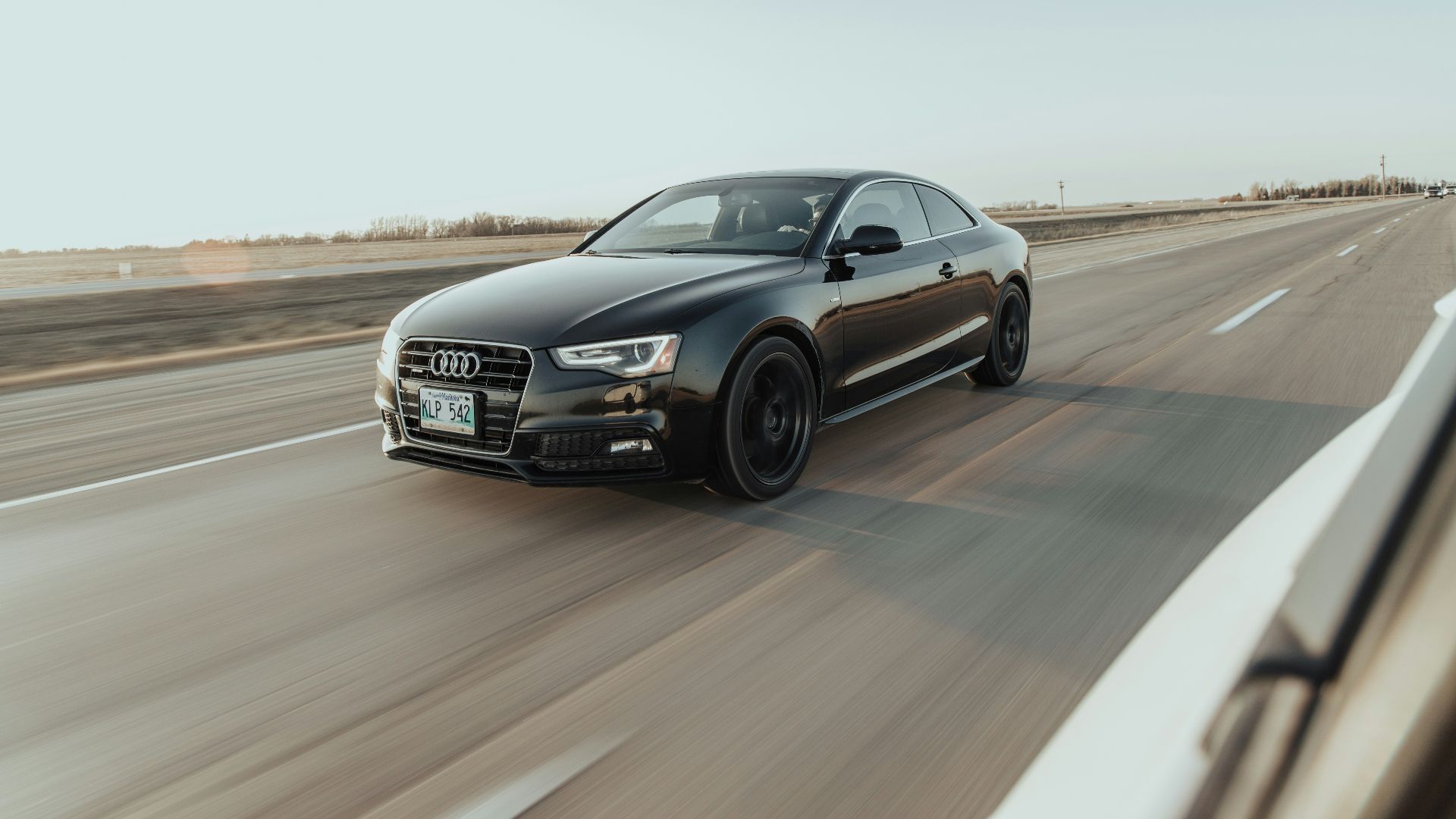
8. Adaptive Cruise Control
Adaptive cruise control automatically adjusts speed to maintain a safe following distance. It reduces the need for constant braking and acceleration. This can help prevent rear-end collisions and also make long drives less tiring.
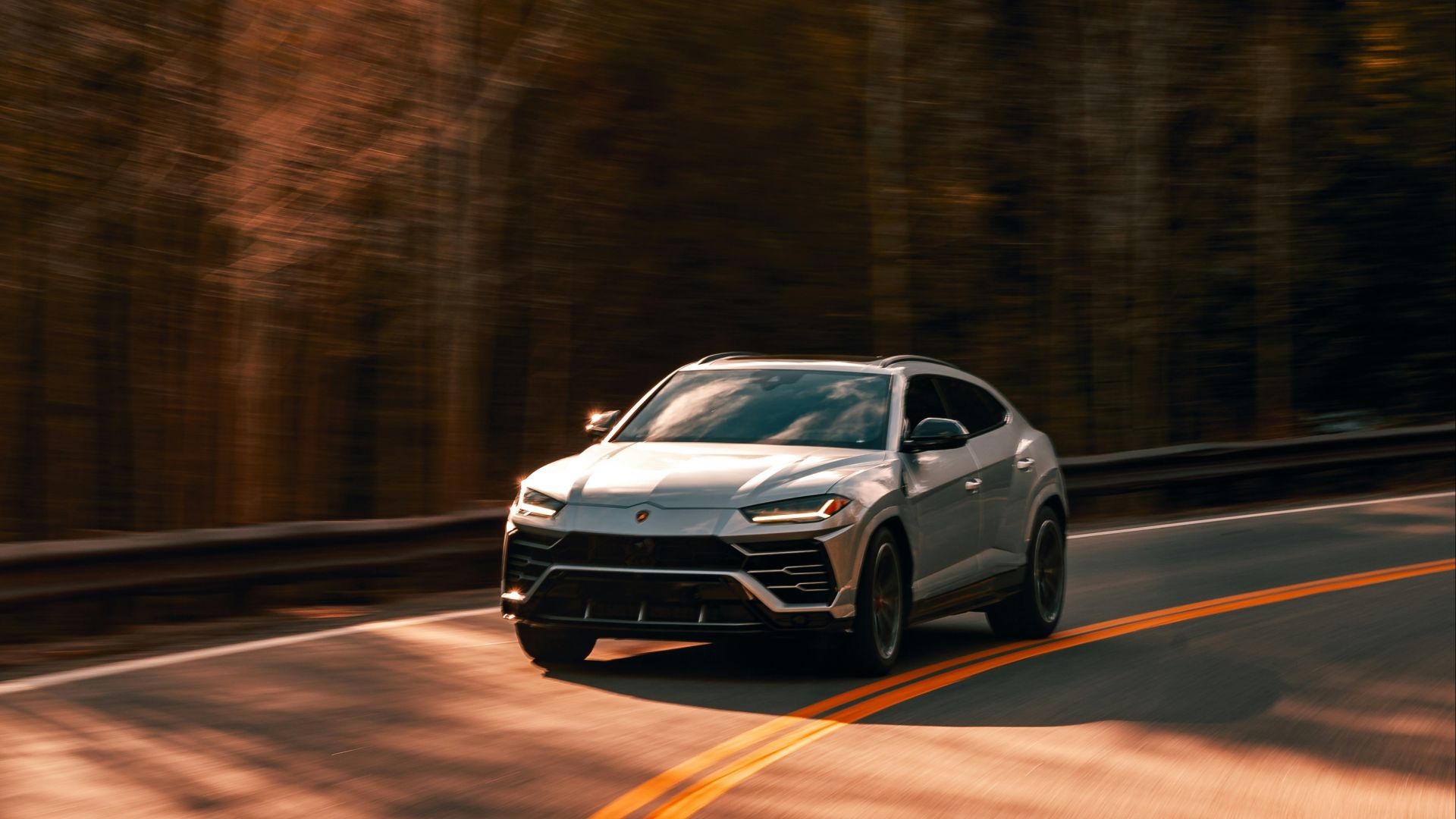
9. Automatic Emergency Braking (AEB)
AEB detects potential collisions and applies the brakes if the driver doesn’t react in time. It’s particularly effective in preventing low-speed crashes. Many systems can also detect pedestrians. This technology adds an extra layer of safety.

10. Rumble Strips
Rumble strips create vibration and noise when a vehicle drifts off the road. They alert drivers who may be distracted or drowsy. This simple feature has proven highly effective, as it helps prevent run-off-road accidents.
 Sebastian Schuster on Unsplash
11. Traffic Calming Measures
Speed bumps, roundabouts, and narrowed lanes encourage slower driving. These designs reduce the likelihood and severity of collisions. They’re often used in residential or high-pedestrian areas. Slower speeds generally lead to safer outcomes.

12. Improved Road Signage
Clear and standardized signage helps drivers make better decisions. Reflective materials improve visibility at night or in poor weather. Consistent design reduces confusion, contributing to smoother and safer traffic flow.

13. Pedestrian Crosswalk Enhancements
Modern crosswalks often include better markings, signals, and lighting. Some even feature raised platforms to slow vehicles. These improvements make pedestrians more visible and help reduce accidents in busy areas.

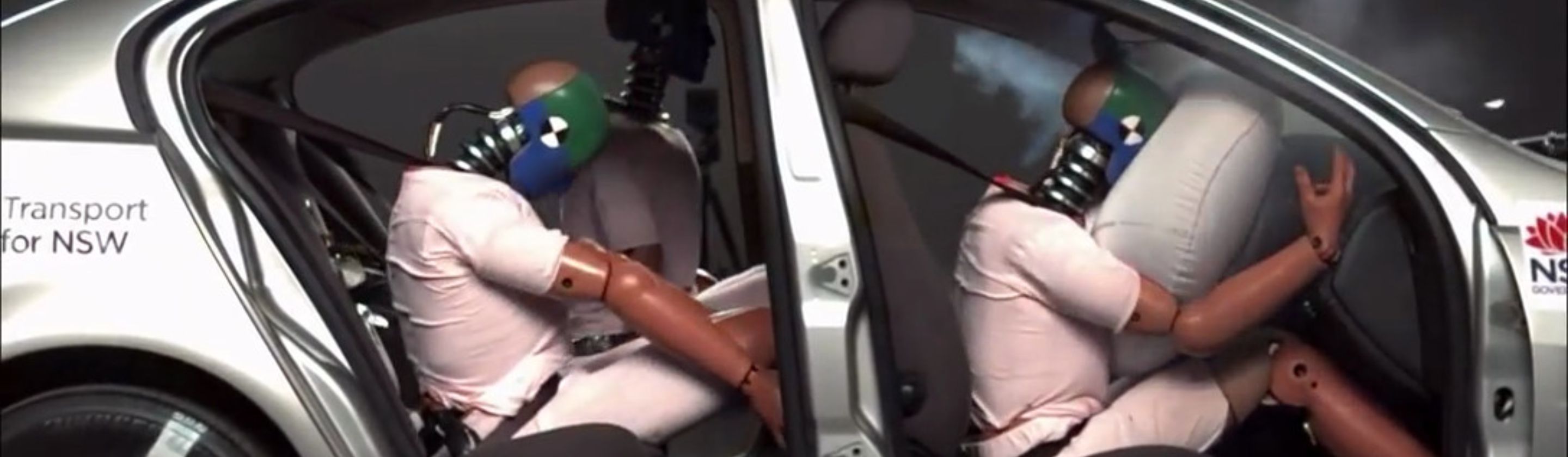
14. Crash Test Standards
Crash testing has pushed manufacturers to design safer vehicles. It provides measurable data on how cars perform in collisions. Ratings help consumers make informed choices. This has driven continuous improvements in safety design.
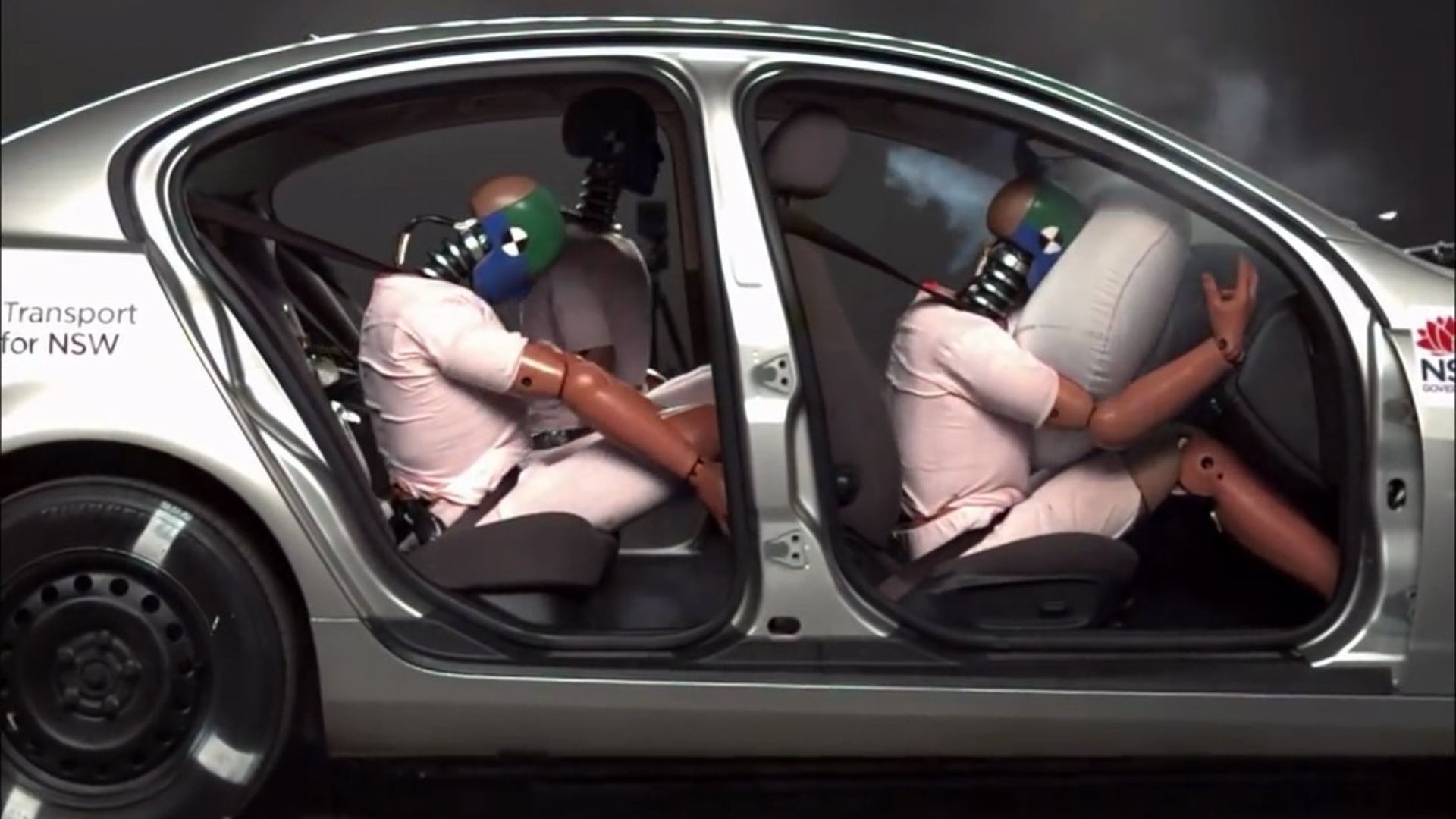 Transport For NSW (https://www.transport.nsw.gov.au/) on Wikimedia
15. Head-Up Displays (HUDs)
HUDs project key information onto the windshield. This allows drivers to keep their eyes on the road. It reduces the need to look down at dashboards. Maintaining visual focus improves reaction time.

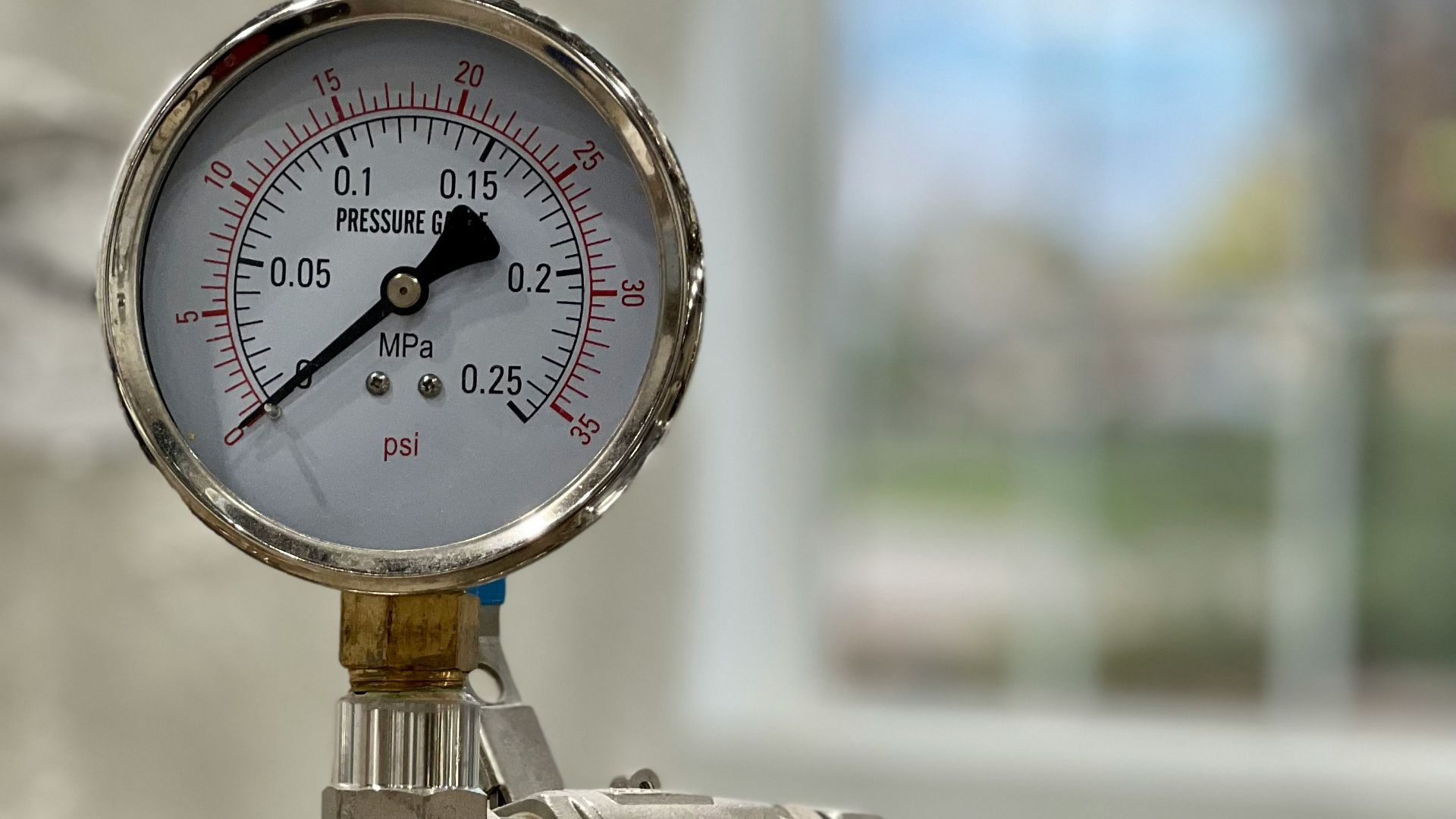
16. Tire Pressure Monitoring Systems (TPMS)
TPMS alerts drivers when tire pressure is too low. Proper tire pressure improves handling and braking, and also reduces the risk of blowouts. This simple system helps prevent avoidable accidents.
 Stephanie Klepacki on Unsplash
17. Roadway Lighting Improvements
Better lighting increases visibility for both drivers and pedestrians. Modern systems are more energy-efficient and evenly distributed, and well-lit roads reduce nighttime accidents. They also make hazards easier to detect.

18. Connected Vehicle Technology
Connected systems allow vehicles to communicate with each other and the infrastructure. They can share information about traffic, hazards, or road conditions. This helps drivers react more quickly. It’s a growing area in road safety innovation.
 Priscilla Du Preez 🇨🇦 on Unsplash
19. Autonomous Emergency Steering
This system can steer the vehicle to avoid a collision when braking alone isn’t enough. It works alongside other safety features like AEB. The technology helps prevent accidents in critical moments and represents a step toward more automated safety.

20. Smart Traffic Signals
Smart signals adjust timing based on real-time traffic conditions. This reduces congestion and improves flow. Smoother traffic patterns can also lower accident rates. These systems are becoming more common in urban areas.
 Nirmal Rajendharkumar on Unsplash