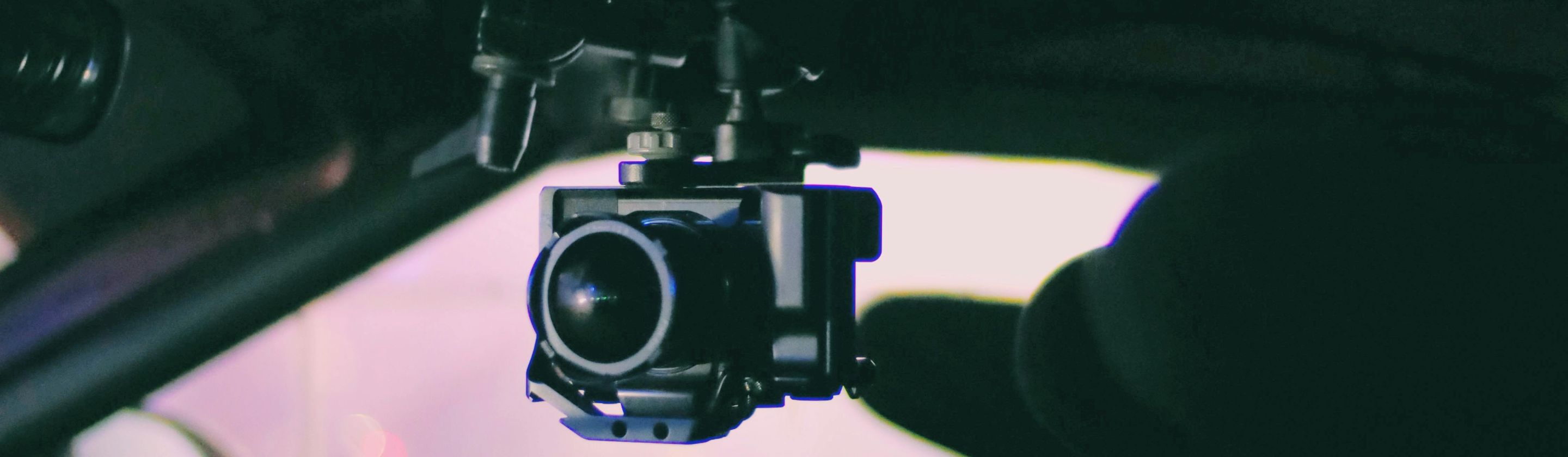
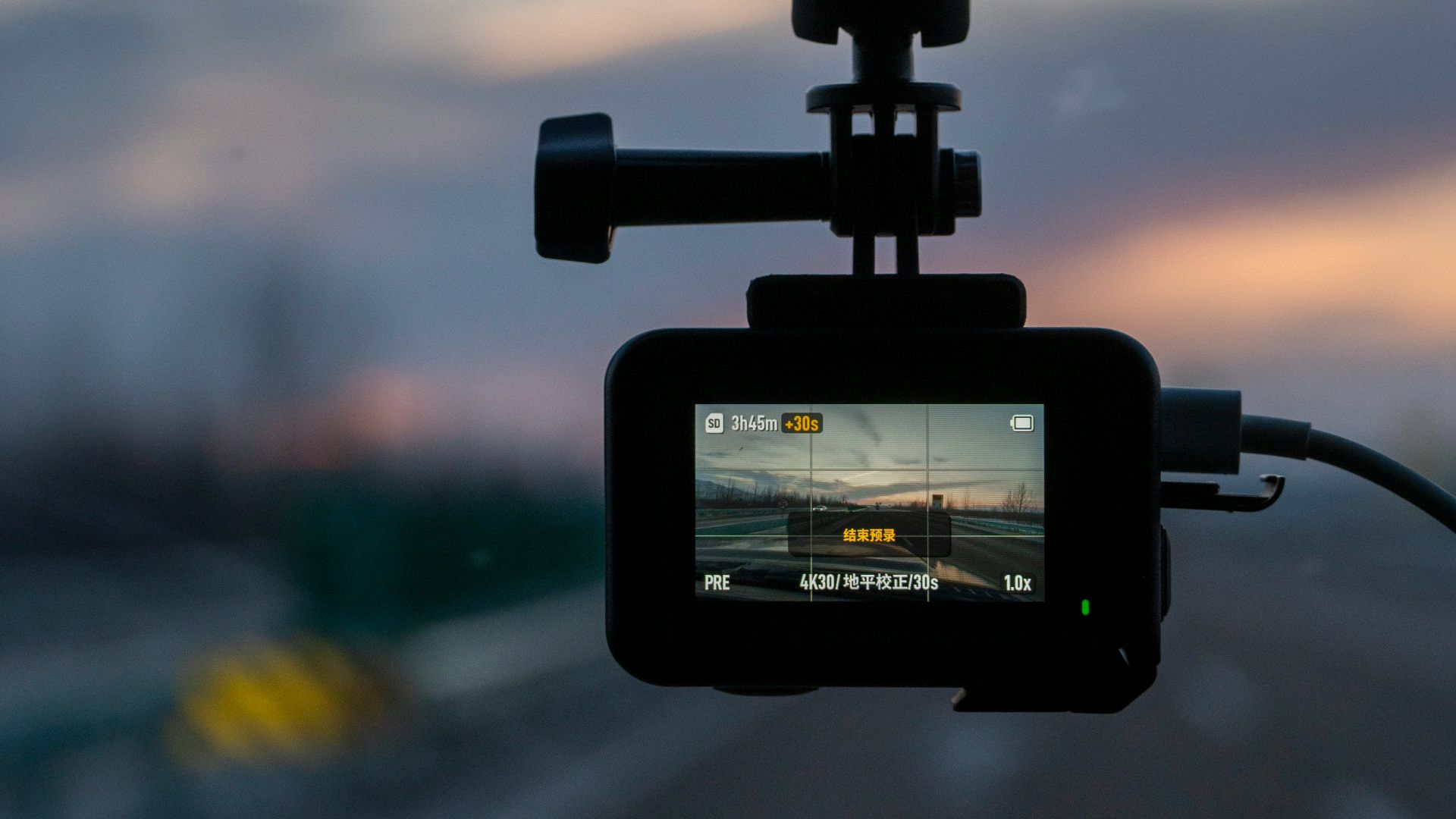
For most of automotive history, a car crash came down to a he-said-she-said argument, with whoever lied more convincingly walking away from the insurance claim in better shape. The dashcam changed that. What started as bulky VHS equipment bolted into police cruisers has become one of the fastest-growing consumer electronics categories in the world, and its implications stretch well beyond who gets to collect on a fender-bender. The global dashboard camera market was valued at $4.56 billion in 2024 and is projected to reach $29.07 billion by 2034. That kind of growth doesn't happen because a gadget is convenient. It happens because a gadget solves a problem that people desperately needed solved.
The dashcam's journey from niche police tool to universal fixture tells you something real about trust, or the lack of it. The places that adopted the technology earliest were not the ones with the best roads or the most advanced infrastructure. They were the ones where official accounts of events couldn't be relied upon, where insurance systems rewarded dishonesty, and where drivers needed a witness that couldn't be bribed. The camera stepped into that vacuum and has been expanding its reach ever since.
Russia Showed the World What Dashcams Were Really For
Dash cameras became common in police vehicles in 1990 after two officers from Houston, Texas bought a standard video camera with their own money in 1988 to capture evidence of drunk driving for court. Civilians didn't follow that lead for nearly two decades. When they did, the phenomenon didn't start in the United States. It took root in Russia, where the conditions made it almost obligatory. The combination of hazardous driving conditions, unreliable authorities, and prevalent insurance scams led to the widespread adoption of dashcams among Russian drivers as a means of protection and justice.
Pedestrians had been known to throw themselves in front of cars and claim injury, or jump onto car hoods to fake dangerous driving and win an insurance payout, while other drivers would deliberately slam on their brakes to cause rear-end collisions and collect the insurance money. A dashcam was the only reliable counter to all of it. The Russian government made dashcams legal in 2009 to fight the surging amount of false insurance claims and police corruption. Once the legal barrier was gone and Chinese manufacturers flooded the market with affordable units, adoption spread rapidly.
The cultural footprint of that adoption turned out to be enormous. When a meteor exploded over the Russian city of Chelyabinsk on February 15, 2013, injuring hundreds of people, the event was captured from dozens of angles simultaneously because nearly every car on the road happened to be recording. The Chelyabinsk meteor explosion was documented by multiple dashcams due to their ubiquity. Scientists used that footage to reconstruct the trajectory of the object with precision that would have been impossible otherwise. A tool built for insurance disputes accidentally became the most comprehensive meteor documentation in history.
The Fraud Problem Drove Adoption Everywhere Else
Russia's dashcam moment resonated globally because the underlying problem, the vulnerability of the unrecorded driver, wasn't unique to Russia. In the United Kingdom, a practice known informally as crash-for-cash fraud had become a serious drain on the insurance system. Fraudulent claimants would engineer rear-end collisions and then file for injury compensation, knowing that without footage, it was nearly impossible to prove the accident was staged. From 2013 to 2017, ownership of dashcams in the UK increased from 1% of drivers to 15%.
The downstream effect on how accidents get adjudicated has been substantial. In Japan, dashcam video evidence was used in 54 of the 58 road rage investigations conducted in the six months after the Road Traffic Act was changed to penalize obstructive driving, with officers using dashcam footage in 93.1% of those cases. What used to require witness testimony, police reports, and competing accounts now gets resolved by rewinding a file. Insurers have taken notice, with some offering premium discounts to drivers who install cameras, effectively acknowledging that a recorded driver is a more trustworthy driver.
In the UK alone, a total of 32,370 pieces of dashcam footage were received by 24 different police forces in 2019, more than double the number recorded in 2018. That number represents ordinary drivers voluntarily submitting evidence of other road users' behavior, turning the everyday commute into an ambient enforcement network. The camera has made civilians into reluctant witnesses who record constantly and never delete anything useful.
The Technology Kept Evolving and the Stakes Got Higher
The dashcam of 2026 barely resembles its VHS-cassette ancestor. Modern units record in 4K, track GPS coordinates in real time, detect impacts through accelerometers, upload footage automatically to the cloud, and in some configurations, monitor the driver's face for signs of distraction or fatigue. Fleet operators now use AI-powered units to score driver behavior on every trip, flagging hard braking, aggressive cornering, and phone use with a level of granularity that would have seemed extraordinary a decade ago.
That expansion into behavioral monitoring is where the technology starts to create genuine tension. The same camera that exonerates you after a fraudulent claim also generates a continuous record of where you go, how fast you drive, and how you behave behind the wheel. Countries like Belgium, Portugal, and Austria have privacy laws that ban recording people without their consent, which has slowed dashcam adoption there. Even in countries where recording is fully legal, the question of who owns that footage, and who can access it, is far from settled.
What we've created, collectively and without much deliberate planning, is a distributed network of road-level surveillance that operates whether we think about it or not. The car in front of you may be recording, the car behind almost certainly is, and the fleet van beside you is uploading footage to a server in real time. The dashcam started as a way to protect one driver from one dishonest driver. It has become something much larger and considerably harder to put back in the box.