Four Doors Give These Cars Their Best Shape
Some cars settle into themselves better as sedans. You see it in the roofline, the way the wheels sit in the arches, and how the whole body carries its weight. Coupes get sold as the stylish option all the time, though plenty of sedans look cleaner, richer, and way more at ease. These 20 cars make that case.
 Andre Morales Kalamar on Unsplash
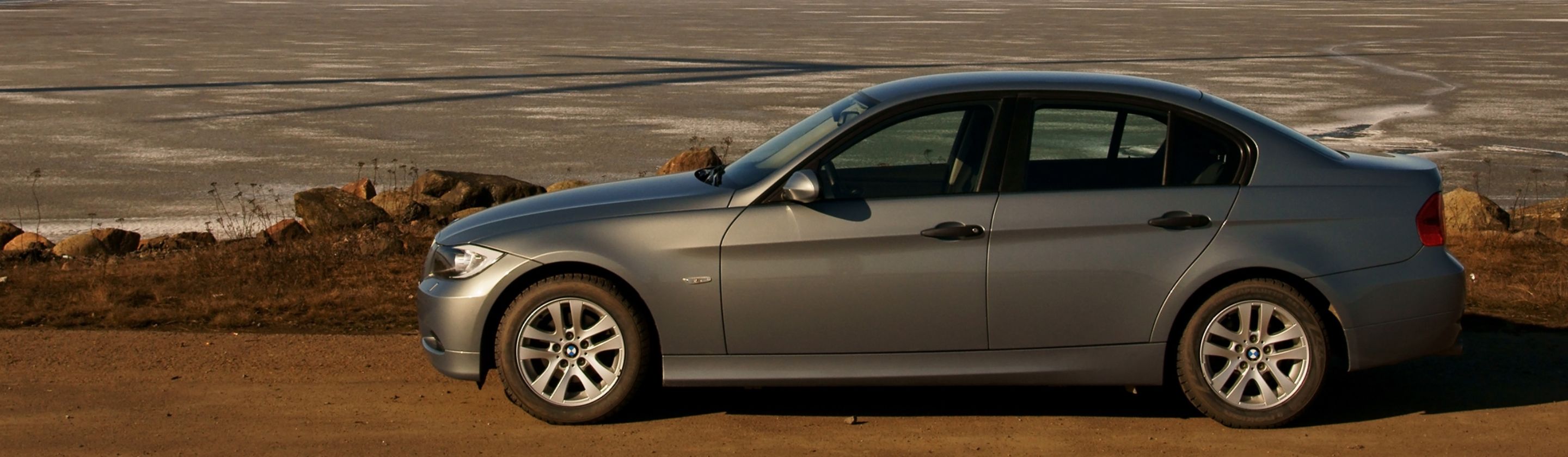
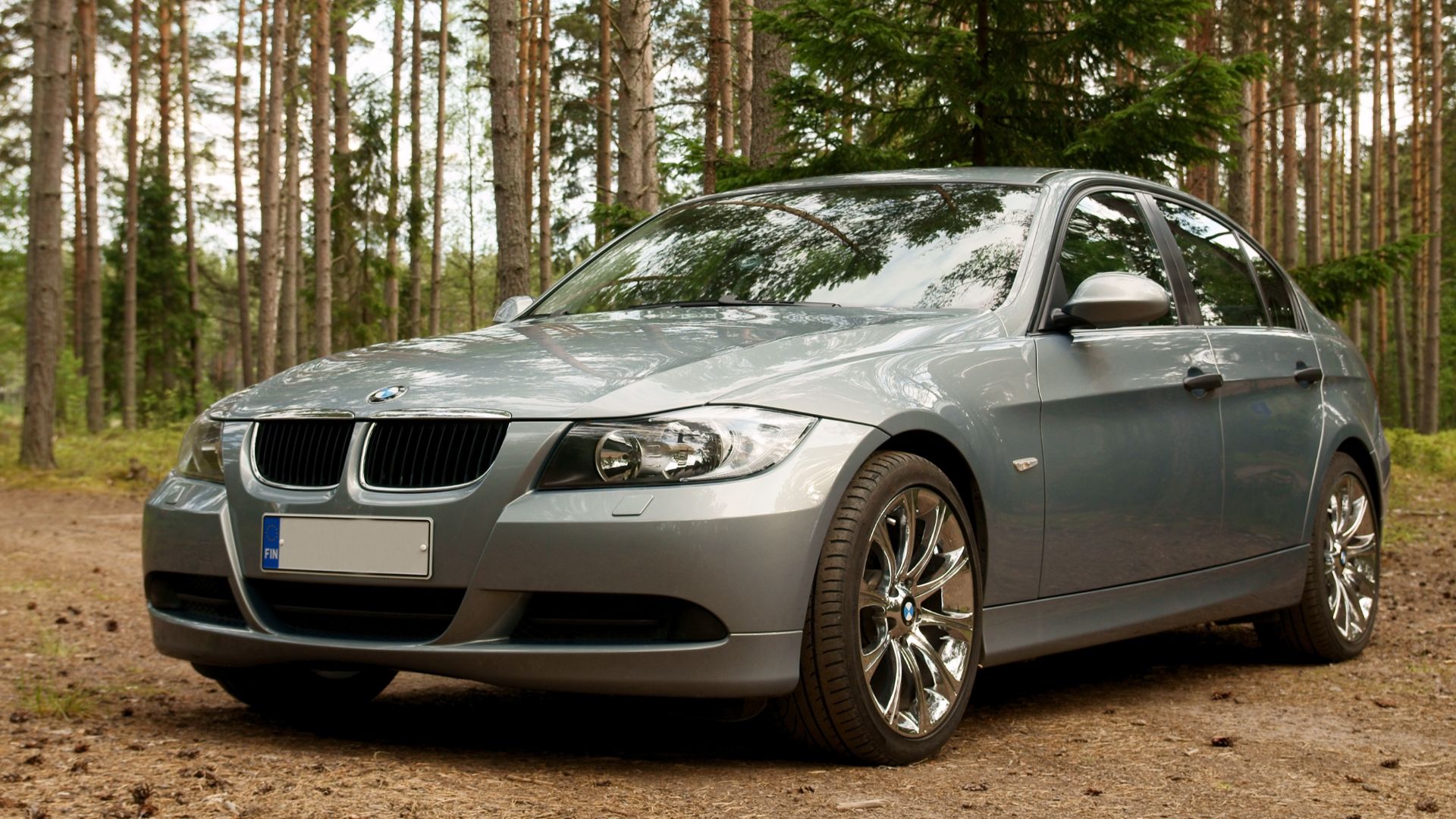
1. The Executive Compact (BMW E90 3 Series)
The E90 sedan always looked more complete than the E92 coupe, especially around the cabin and rear quarter. In late-2000s traffic, parked outside a law office or rolling through downtown Chicago, it's perfectly clear that the sedan had a better shape.
2. The Sleeper Sport Compact (Honda Civic Si)
The eighth- and ninth-generation Civic Si sedan kept the fun part without all the extra visual noise. Compared with the coupes from those years, the sedan looked tighter, lower, and a little more professional.

3. The Mature Sport Sedan (BMW E46 3 Series)
The facelifted E46 sedan aged because the proportions stayed simple and formal. The coupe was handsome too, though the sedan looked more settled and less tied to one early-2000s idea of sporty.

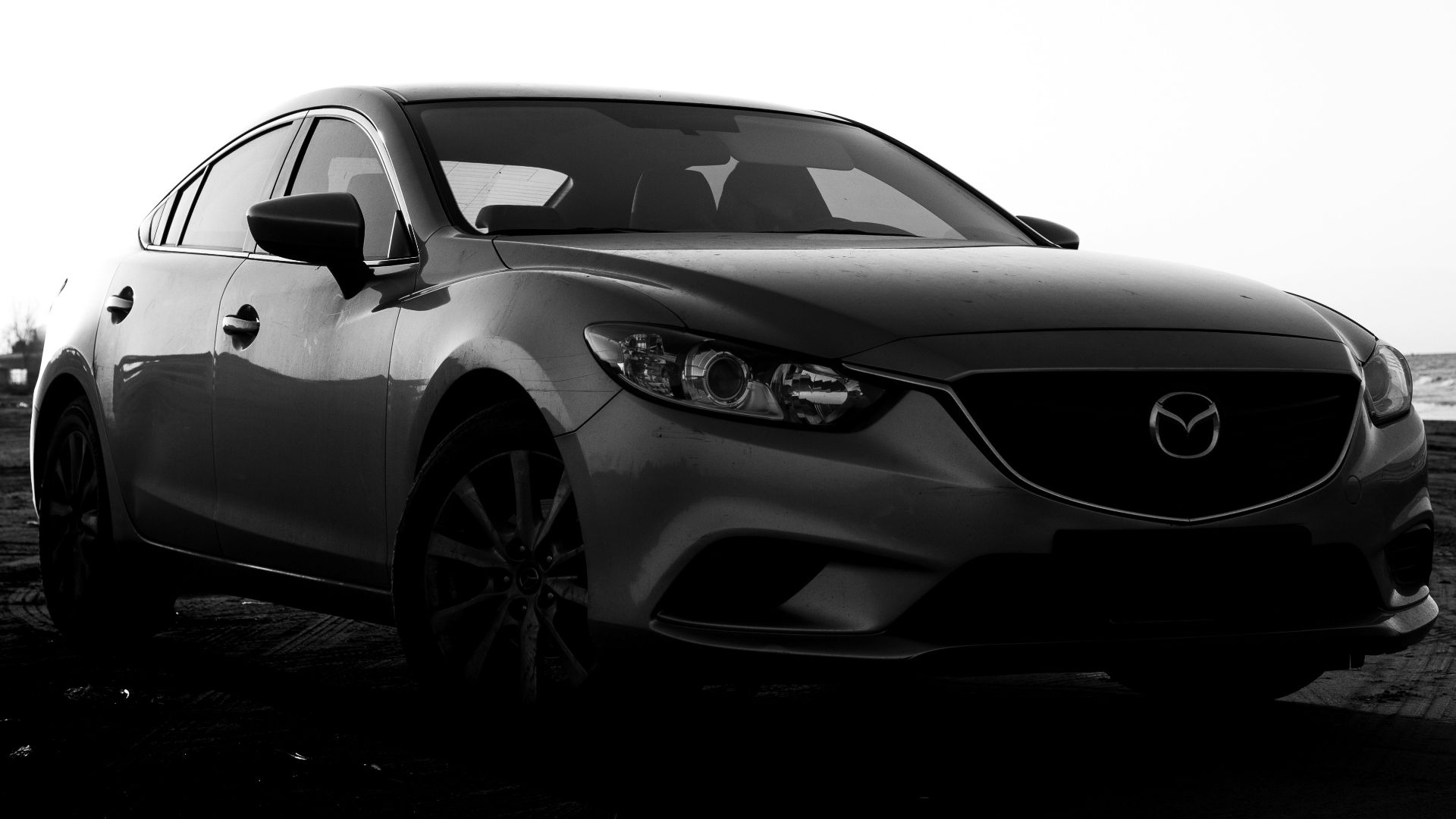
4. The Upscale Mainstream Sedan (Mazda6)
The Mazda6 sedan always had a polished shape that made it look like it cost more than it did. The long side glass, the clean shoulder line, and the tidy rear made more sense than any coupe version.
 mojtaba mosayebzadeh on Unsplash
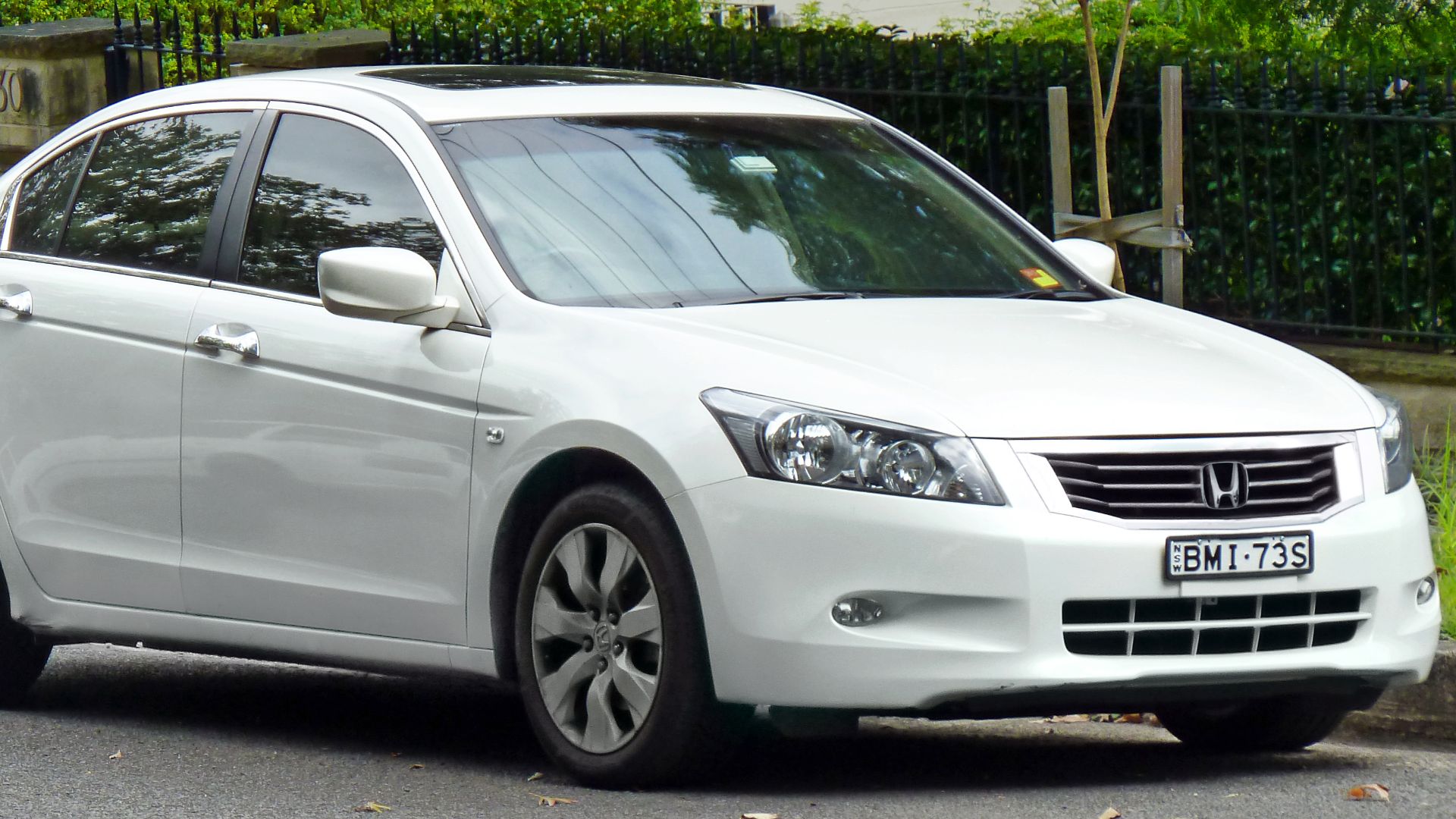
5. The Grown-Up Daily Driver (Honda Accord)
Pre-2018 Accord sedans looked broad, clean, and confident. The coupes had their fans, though the sedan usually came off like the more thought-out version.
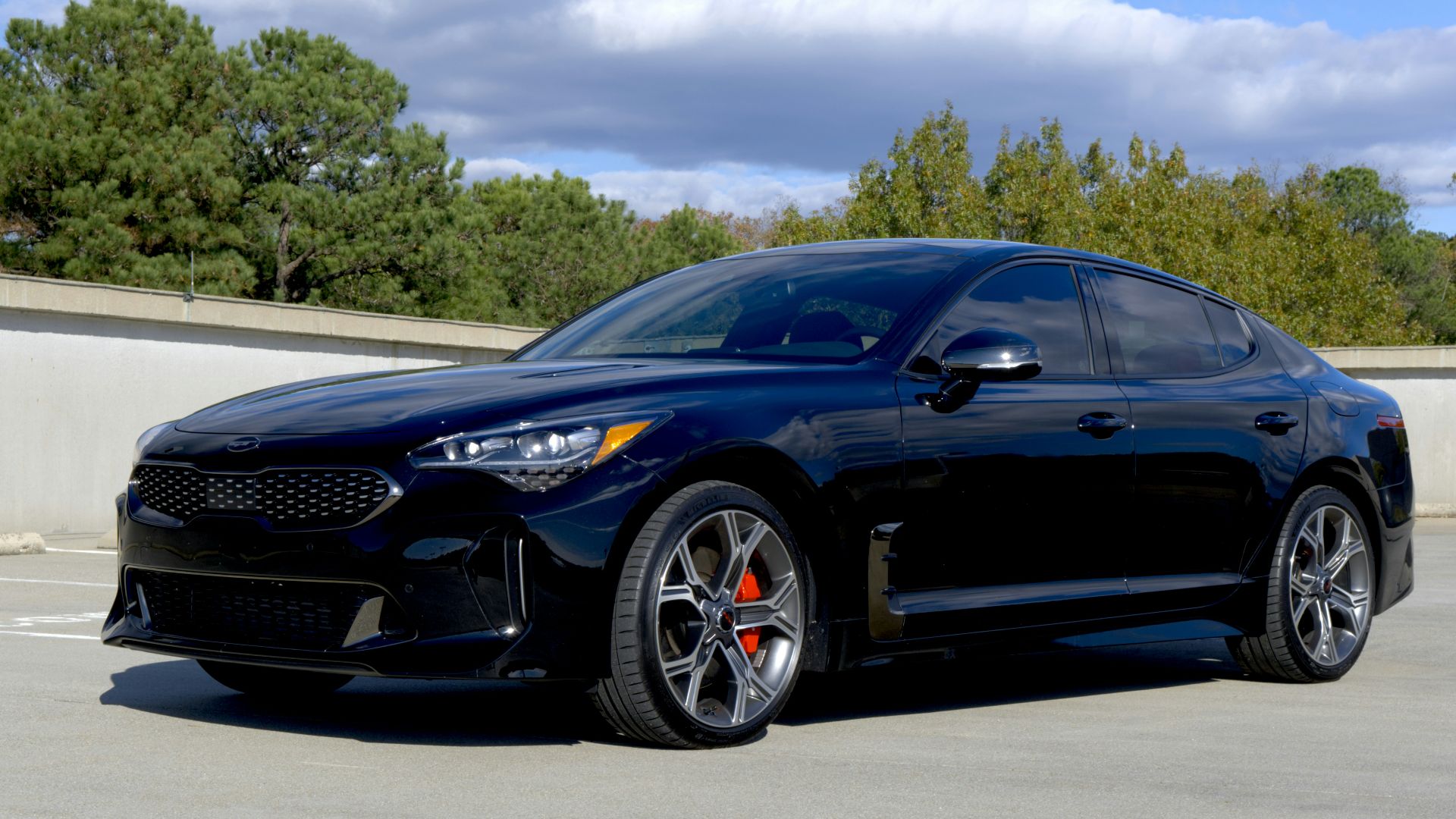
6. The Fastback Sedan (Kia Stinger)
Kia called the Stinger a fastback sedan, and that long, low body is exactly why it worked. You could spot one in Los Angeles, Charlotte, or Toronto, and it still looked expensive in a very composed way, which would have been harder to pull off as a shorter two-door.
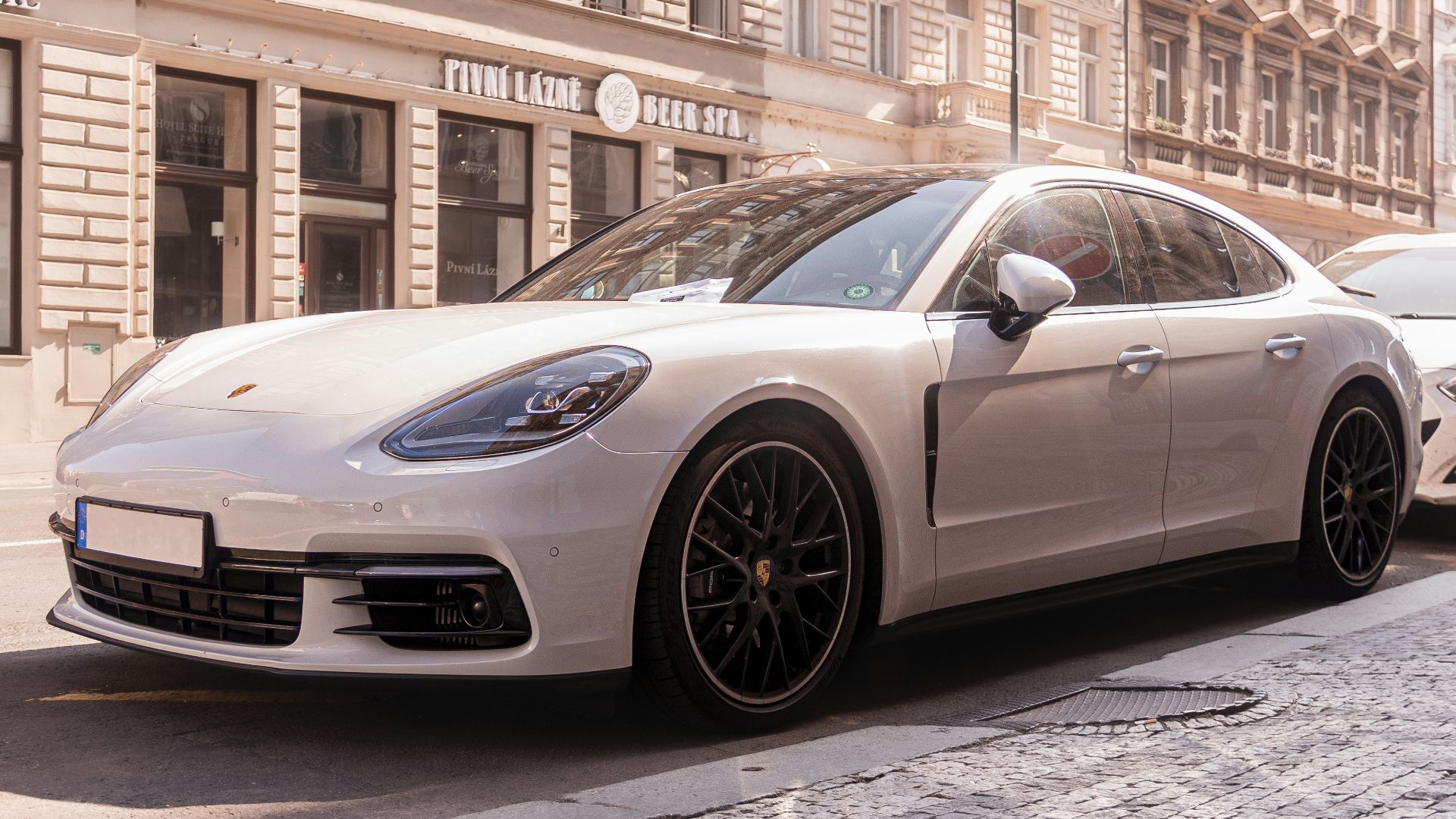
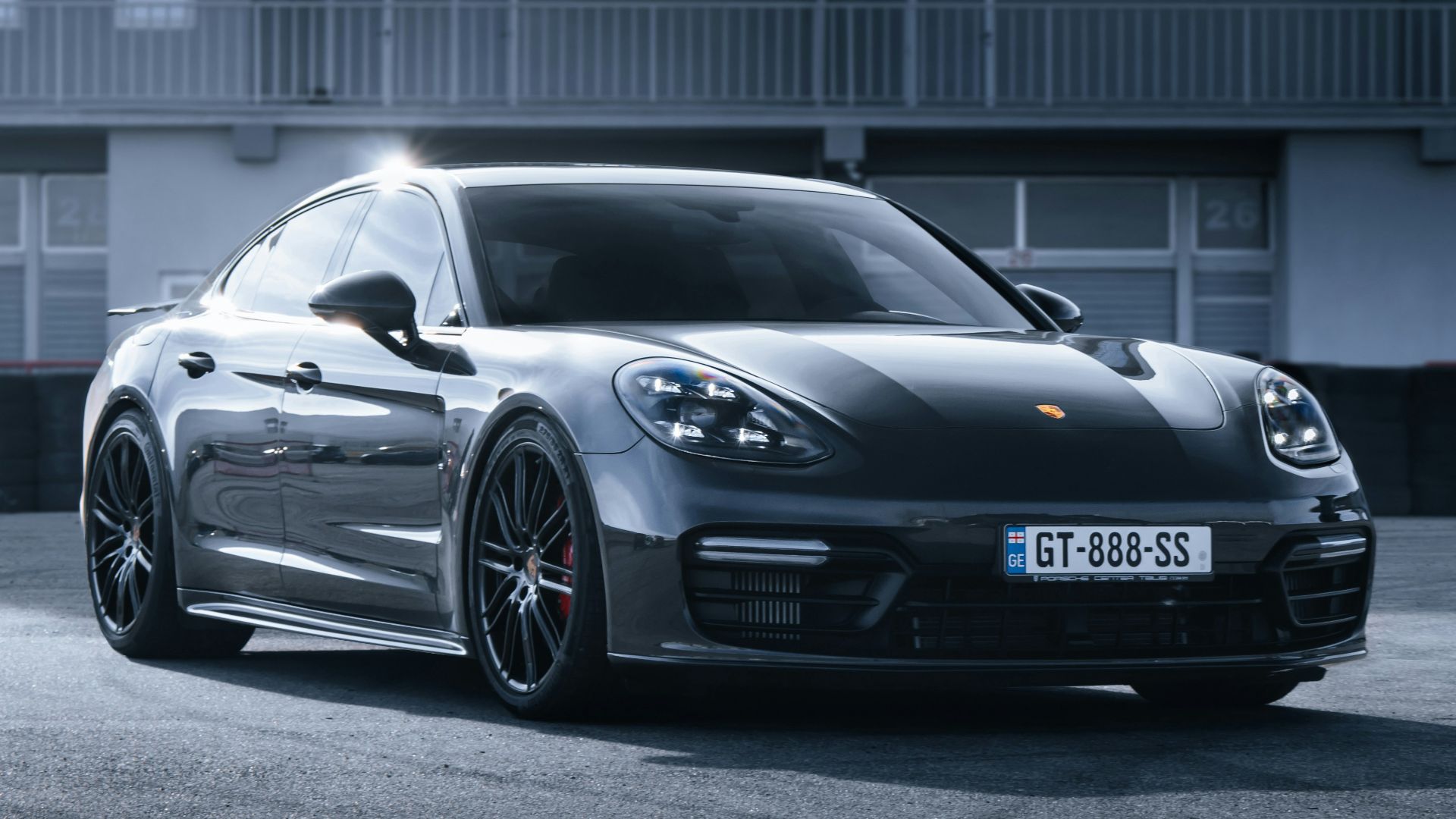
7. The Four-Door GT (Porsche Panamera)
The Panamera only makes sense once you accept it as a long four-door GT. That stretched body makes the car look expensive and athletic at the same time, and a coupe version would have taken away a lot of that shape.
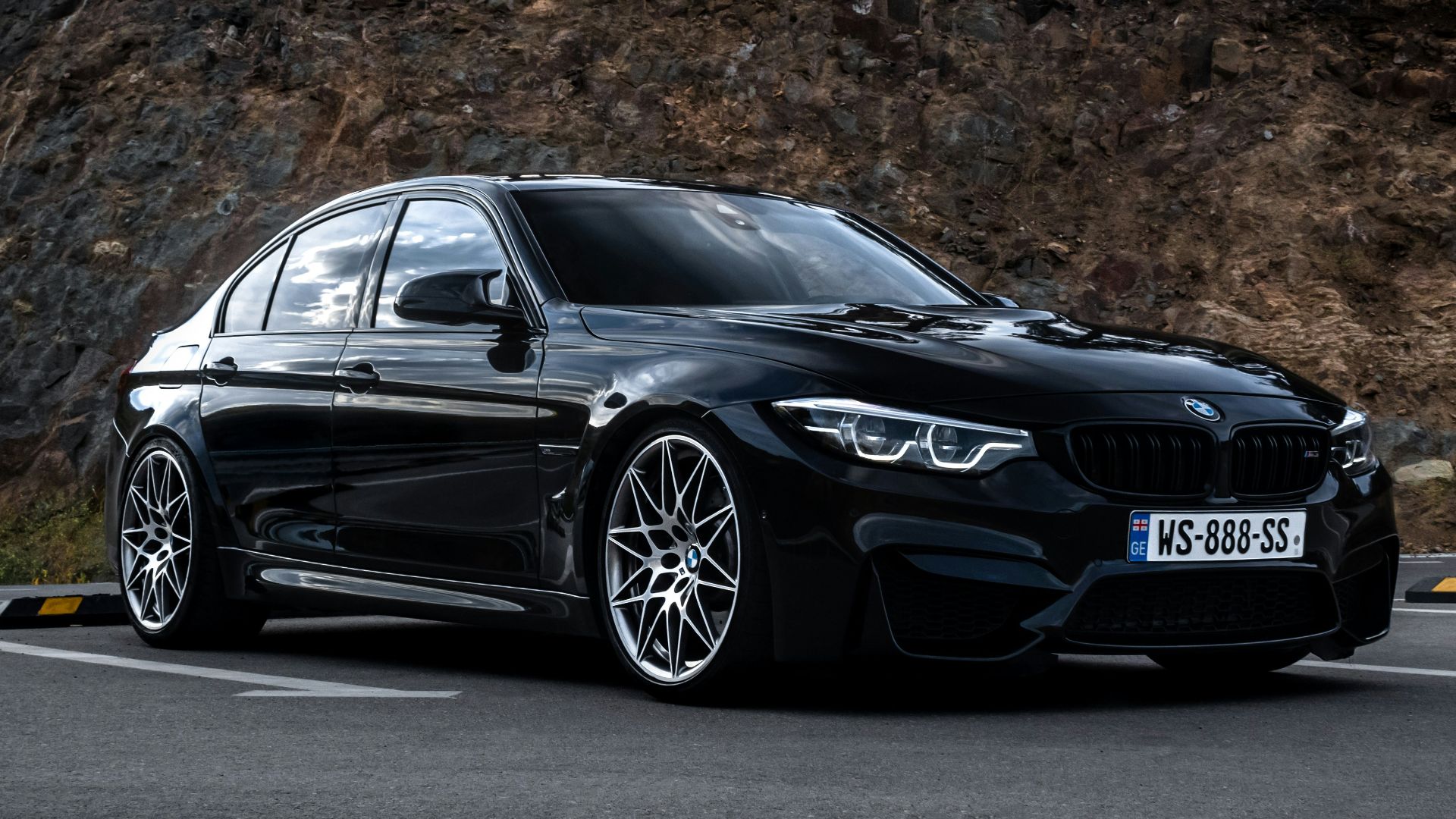
8. The Precision Performance Sedan (BMW F80 M3)
The F80 M3 sedan always looked sharper than the M4 coupe to a lot of eyes, and part of that comes down to discipline. The sedan wears the swollen arches, deep front intakes, and crisp body lines without looking busy, which is not a small thing on a modern M car.
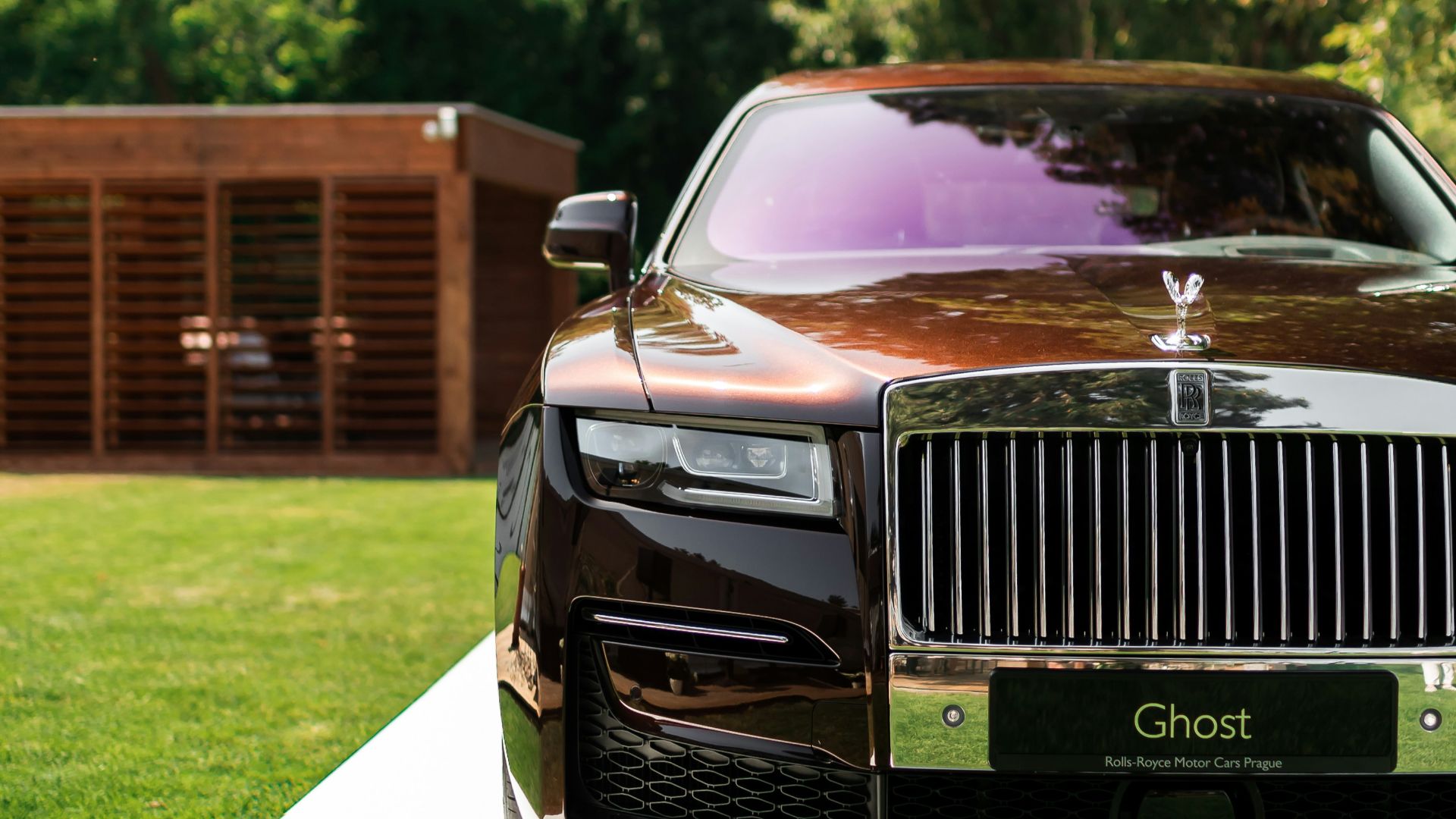
9. The Formal Luxury Car (Rolls-Royce Phantom)
The Phantom needs four doors because so much of its identity ties to length, ceremony, and presence. Park one outside a hotel in London or in front of an old stone building anywhere, and the sedan shape looks right in a way a coupe never quite could.
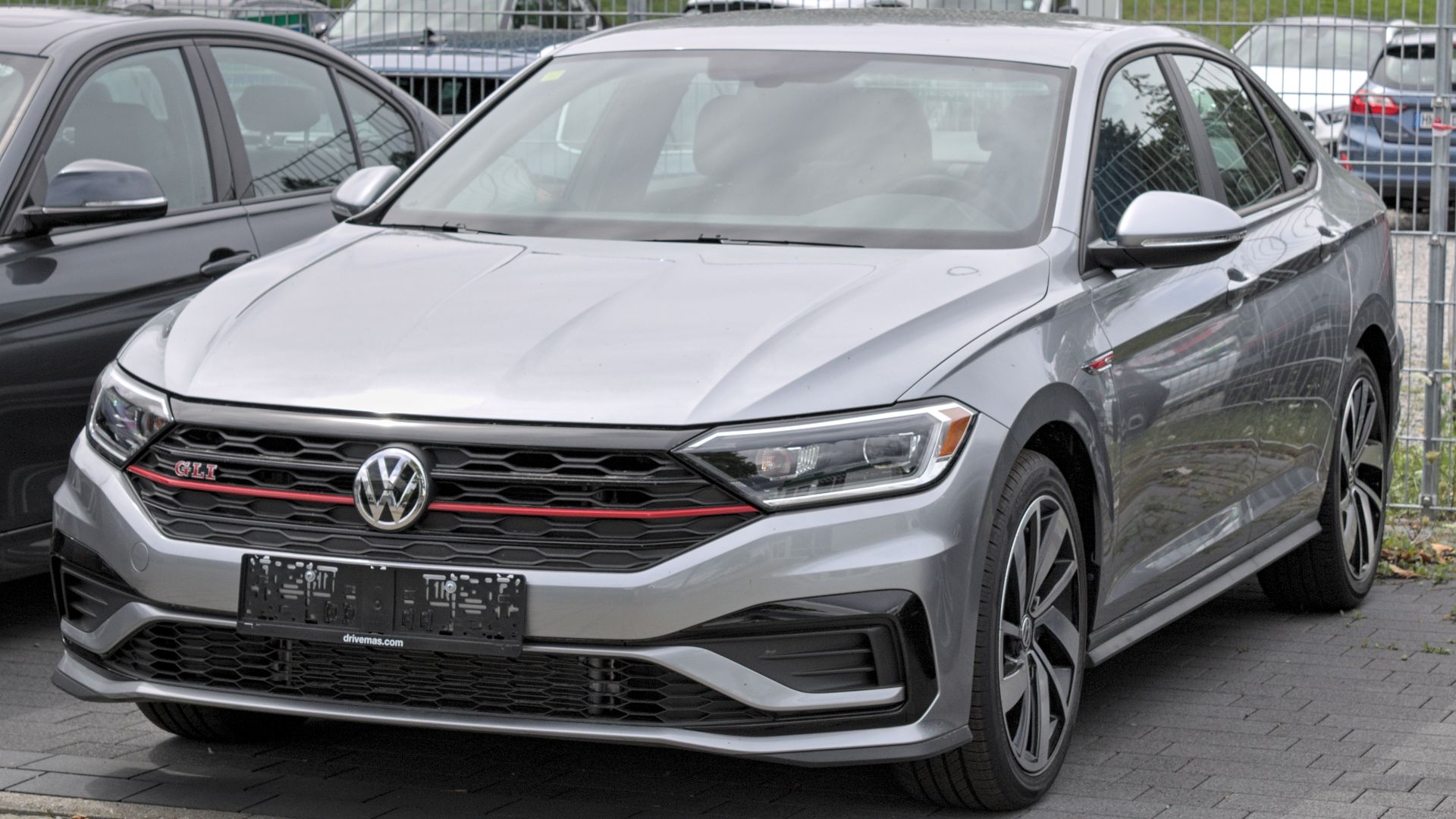
10. The Undercover Sport Sedan (Volkswagen Jetta GLI)
The Jetta GLI works because it keeps the regular sedan shape but adds just enough attitude. That clean body lets the red accents and performance details do their thing without overwhelming the car.
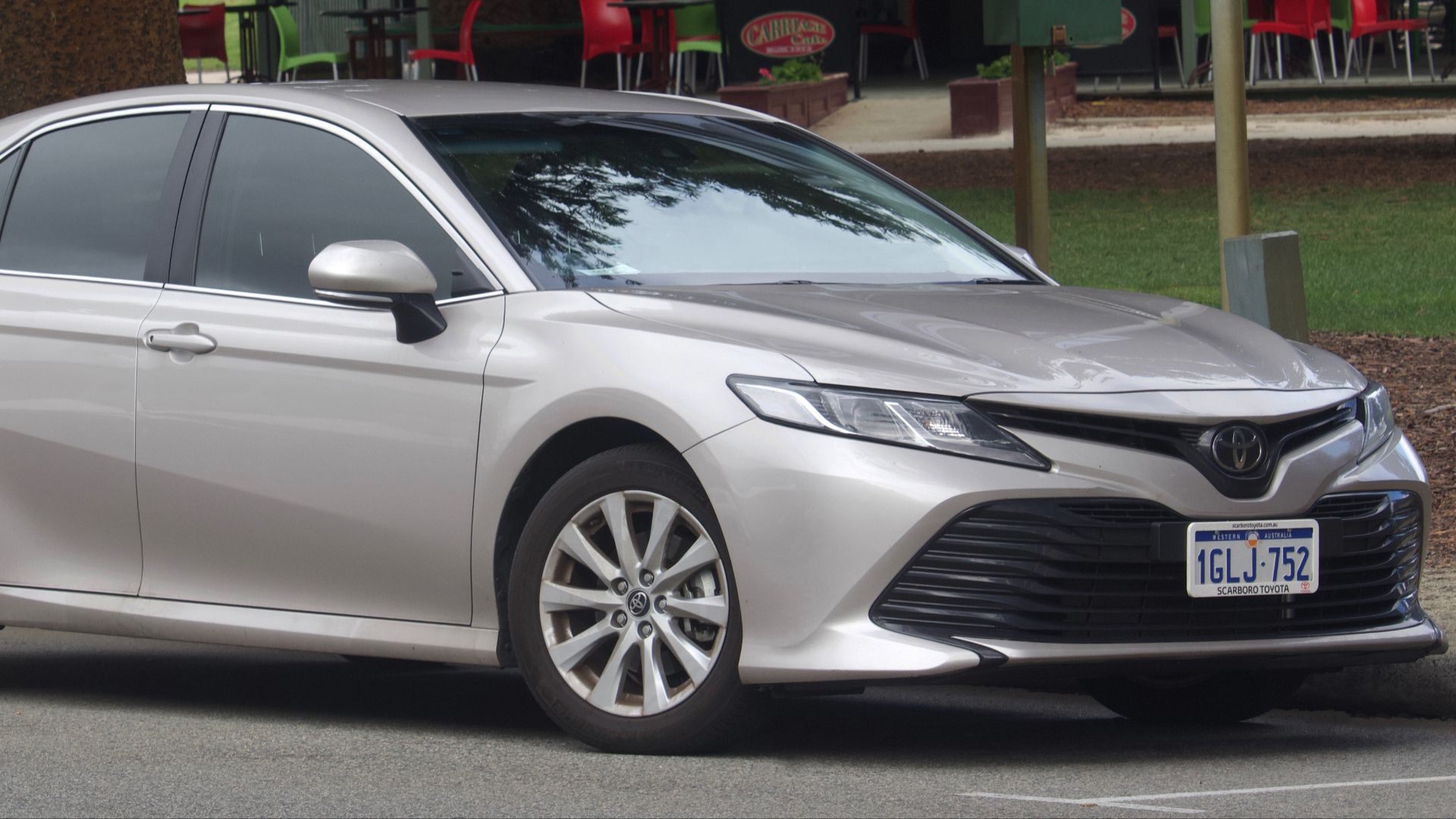
11. The Angular Mid-Size Sedan (Toyota Camry)
Recent Camrys finally got some edge in the sheet metal, and the sedan body gives all those lines room to run. The result looks sharper on the road than older Camrys ever did, and you can tell Toyota’s designers were working with four doors in mind from the start.
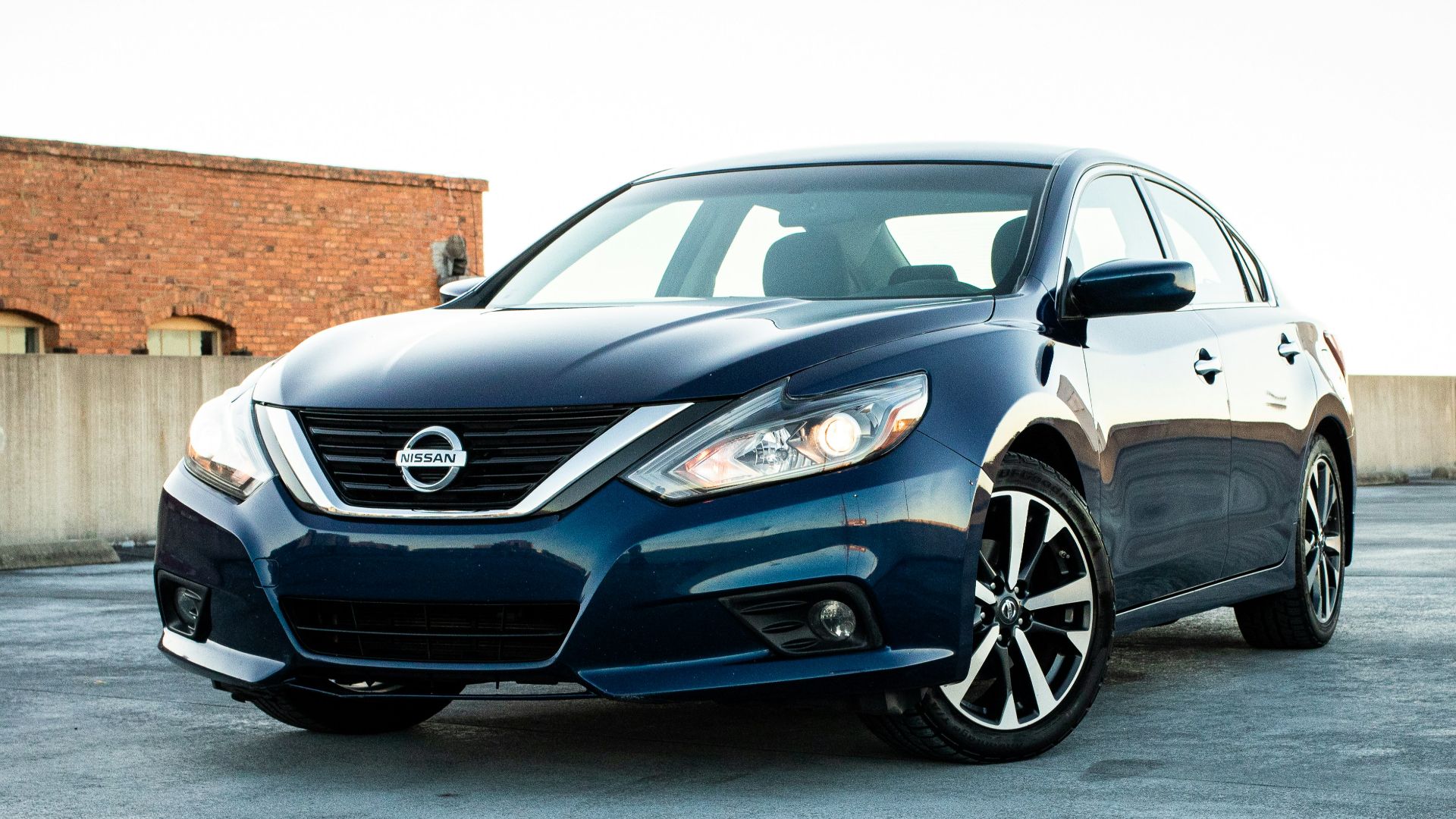
12. The Clean Everyday Sedan (Nissan Altima)
The Altima’s long roofline and swept side profile work because the car has enough body to carry them. In the late 2010s, when so many mainstream sedans were trying to look extra sporty, the Altima still managed to stay sleek.
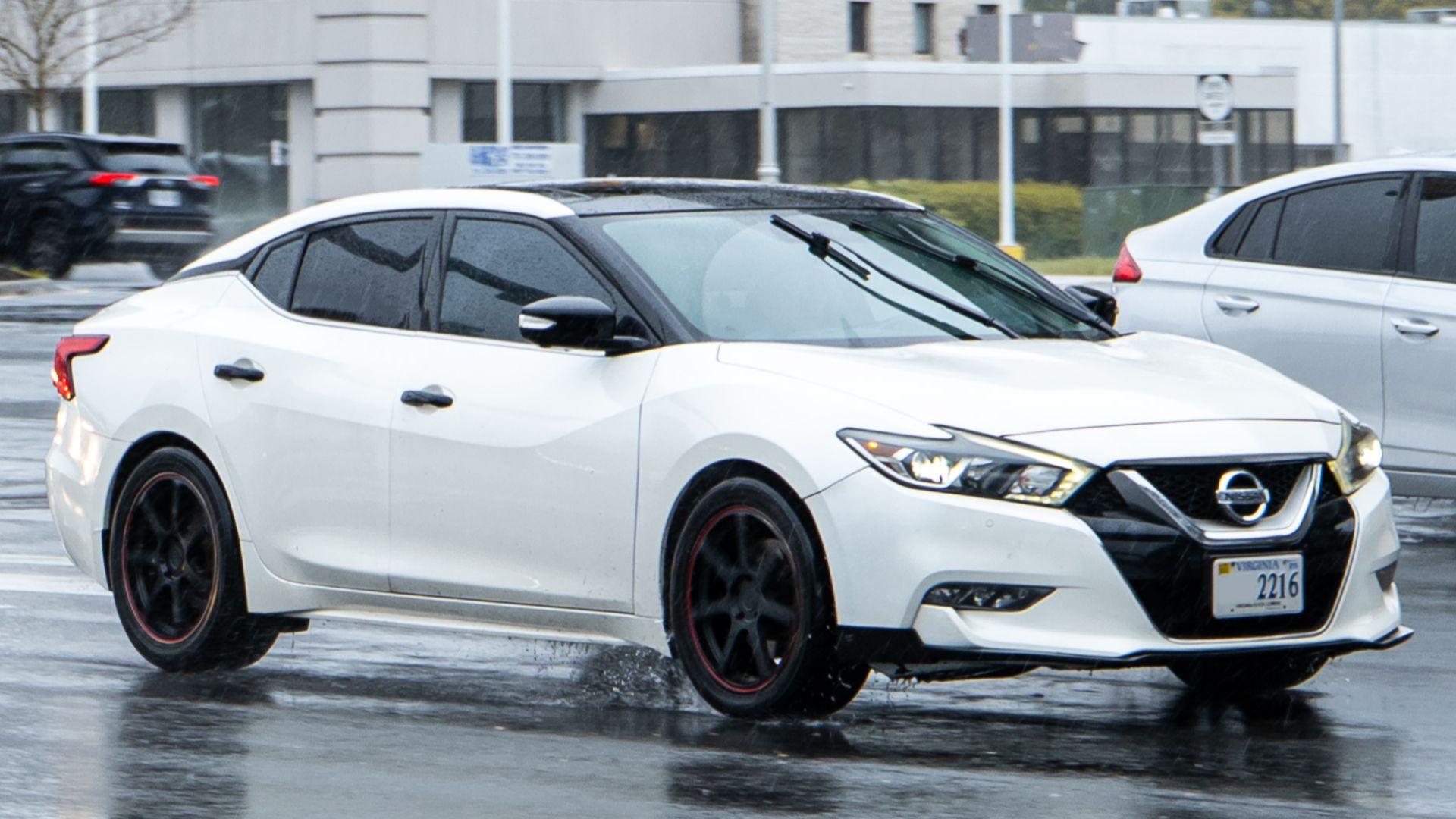
13. The Big Front-Drive Sedan (Nissan Maxima)
Nissan spent years calling the Maxima its flagship sedan, and the shape backed that up better than people like to admit. The long body and broad stance gave it a more complete look than a coupe treatment would have, especially once the Maxima started leaning hard into that near-luxury image.
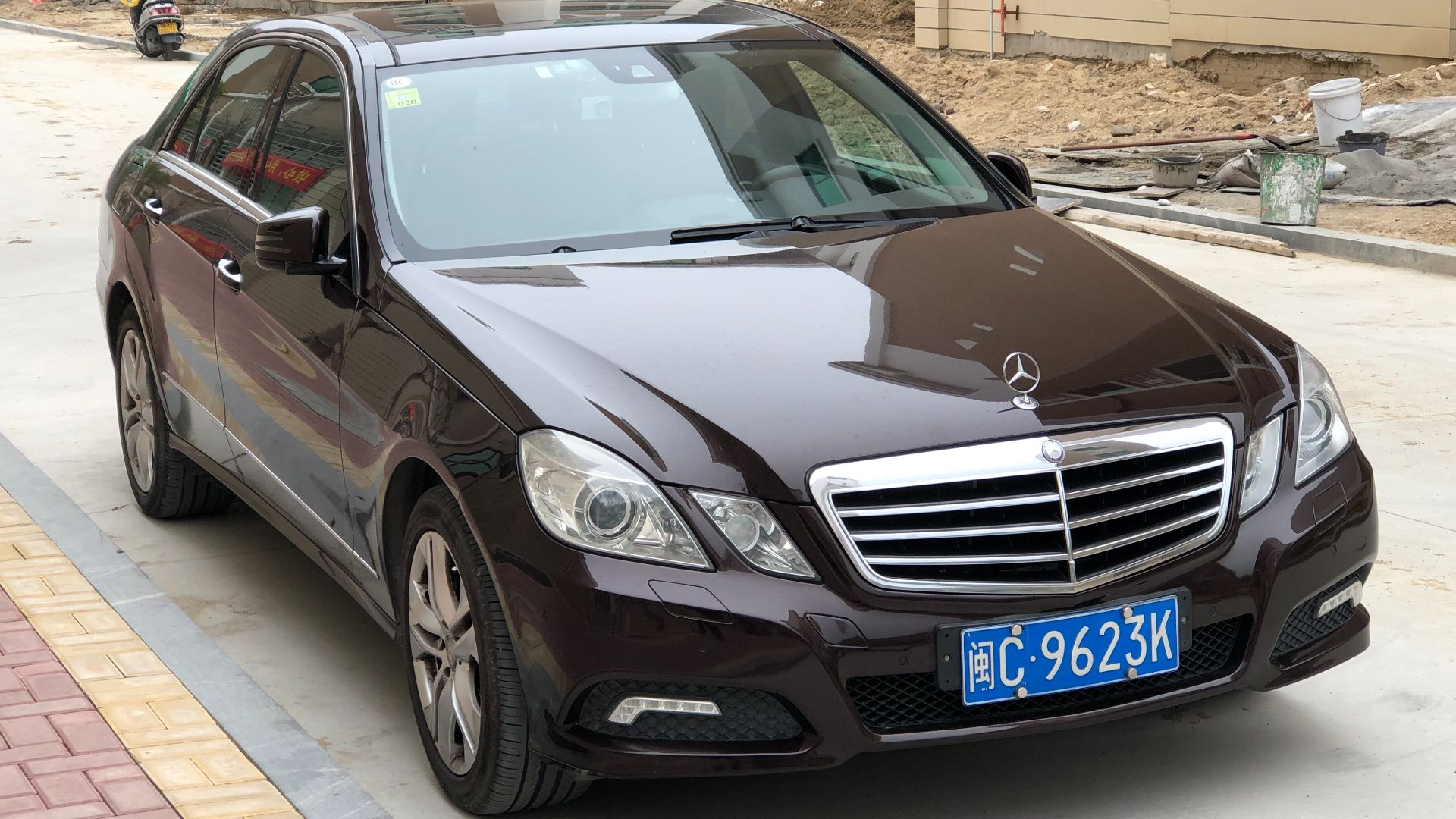
14. The Stately Executive Sedan (Mercedes-Benz W212 E-Class)
The W212 sedan had the kind of formal shape that worked in almost any setting. The coupe was handsome, though the sedan had an air of more authority.
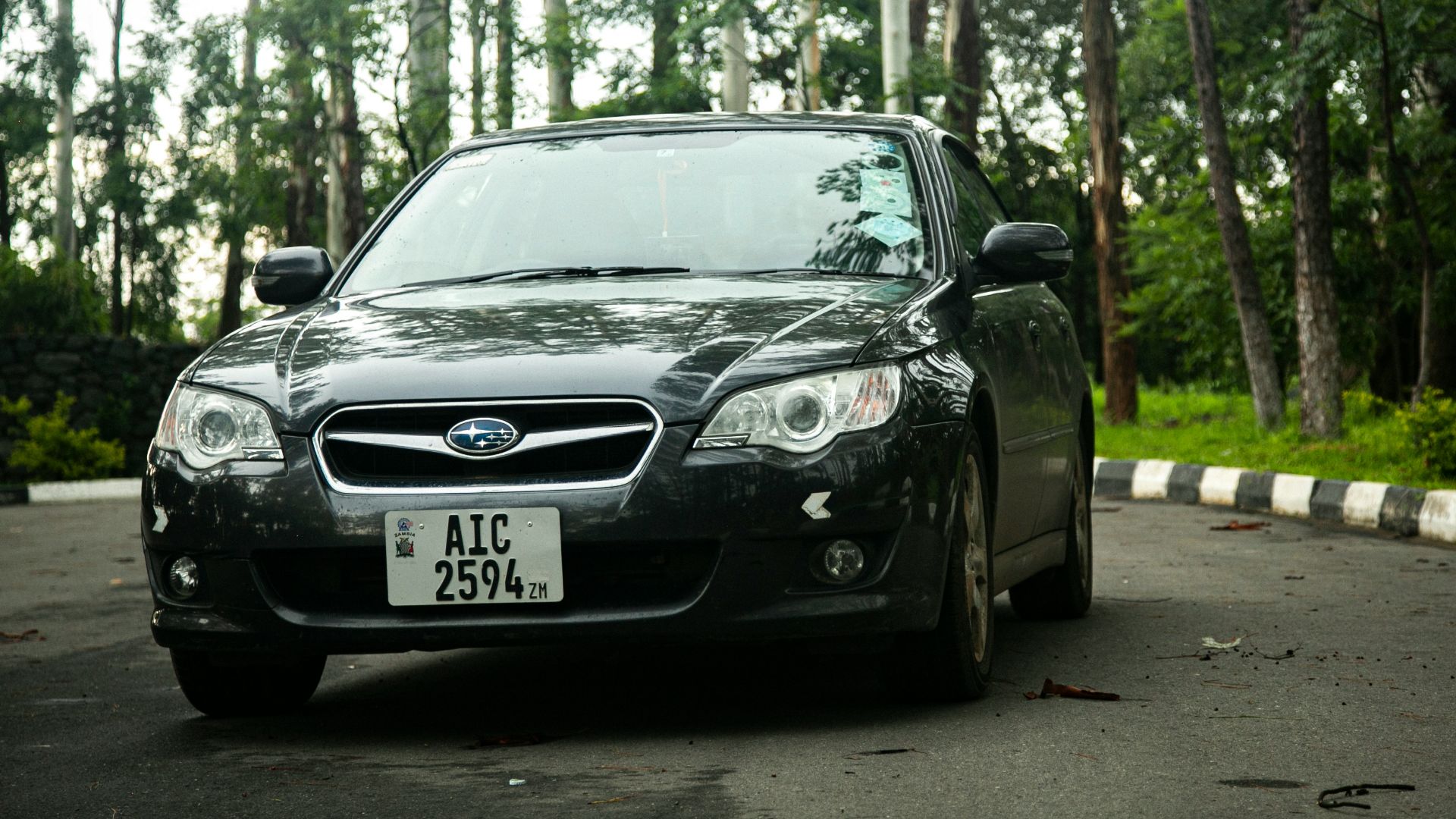
15. The All-Weather Sedan (Subaru Legacy)
The Legacy sedan always suited Subaru’s identity better than a coupe would have. The upright cabin, usable glass area, and no-fuss proportions fit the practical mission people bought the car for in the first place.
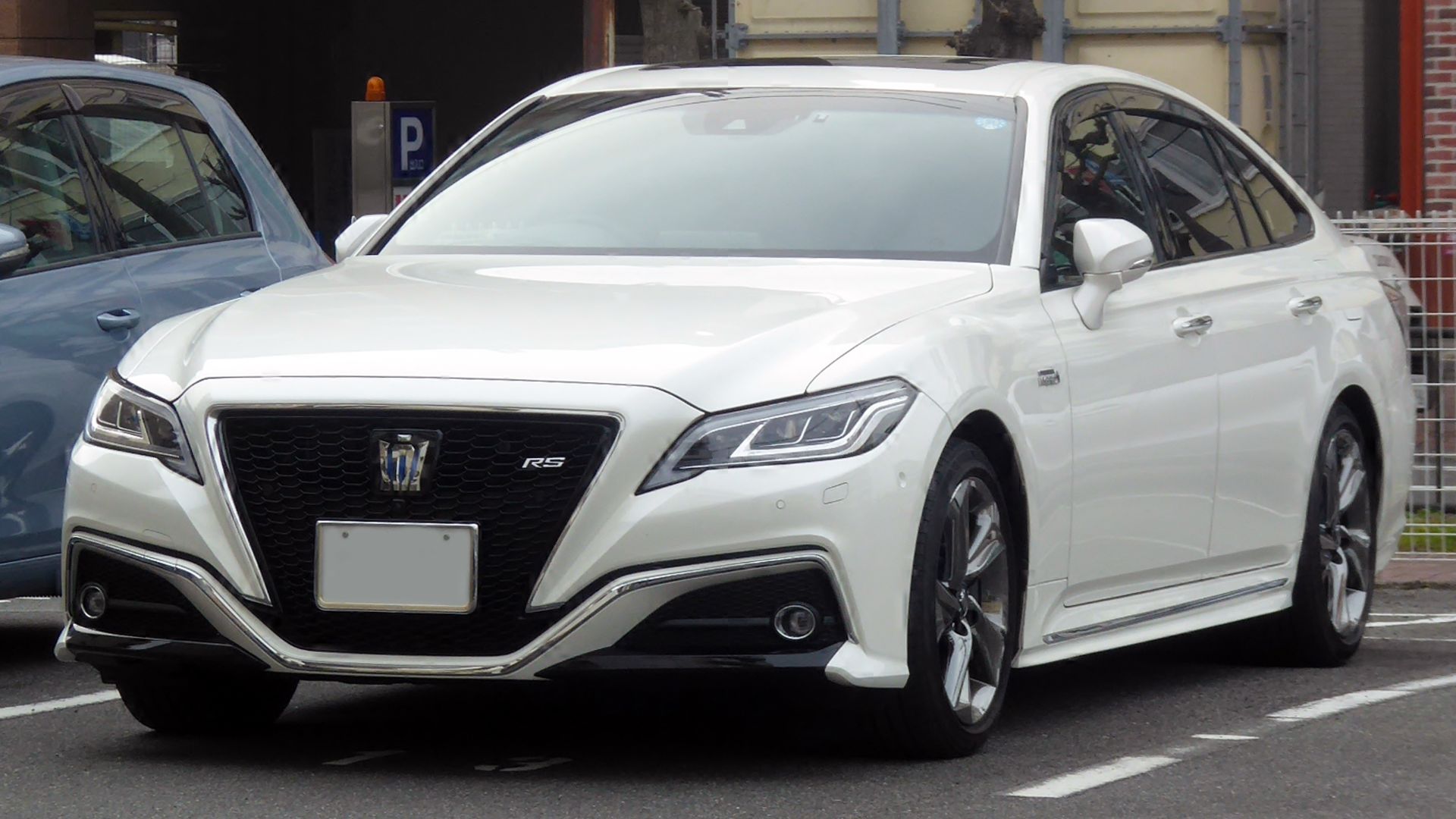
16. The Executive Toyota (Crown)
The Crown has been around since 1955. In Japan, especially, older Crown sedans had a status that only worked when the roofline, wheelbase, and rear section all felt just a little more formal.
 Tokumeigakarinoaoshima on Wikimedia
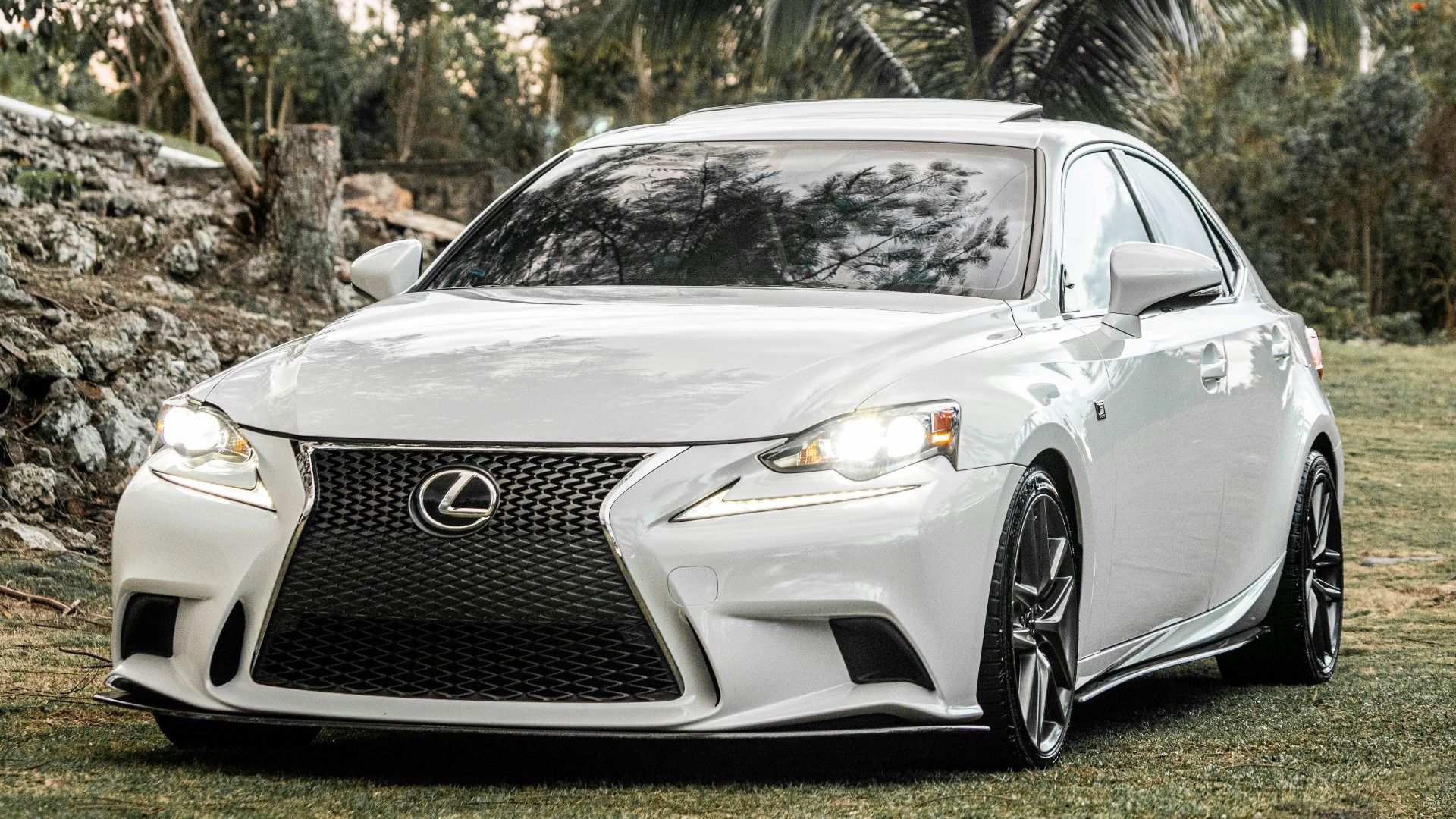
17. The Compact Luxury Sedan (Lexus IS)
The Lexus IS has always made more visual sense as a sedan than the related RC ever did as a coupe. The four-door body keeps the car tighter and more natural-looking, especially around the rear half. Like most vehicles, it's often in the rear where the coupe feels a little compressed.
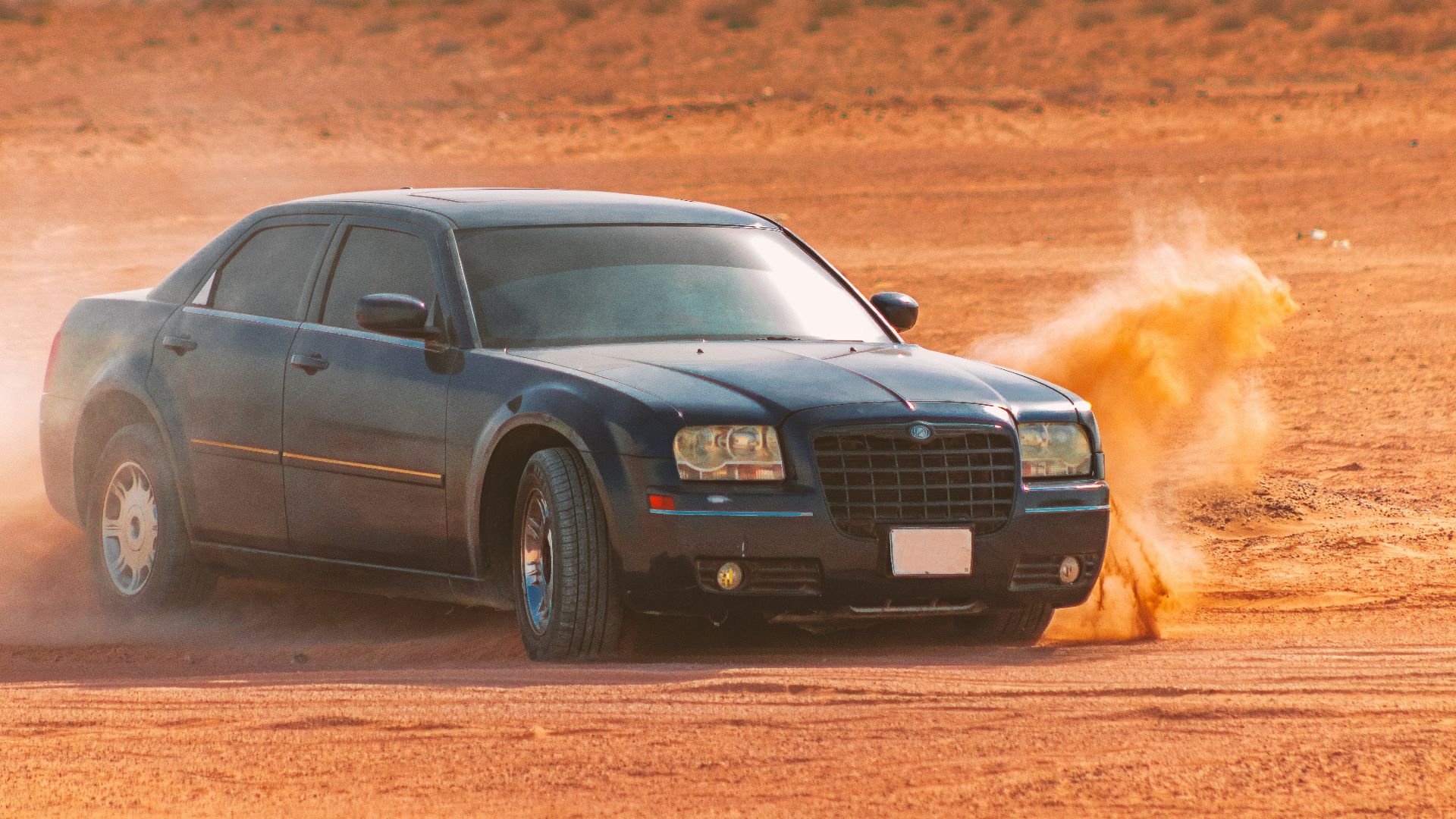
18. The Big American Sedan (Chrysler 300)
The Chrysler 300 was always about stance, and the sedan gave it plenty of that. In the mid-2000s and even later on, it had the long hood, upright profile, and square shoulders that made it look fully fleshed-out.
19. The Business-Class Sedan (Audi A6)
The A6 works because Audi kept the shape clean and formal. On a car this size, the sedan body gives the roofline and rear section enough wiggle room. Plus, it looks especially expensive in darker colors.
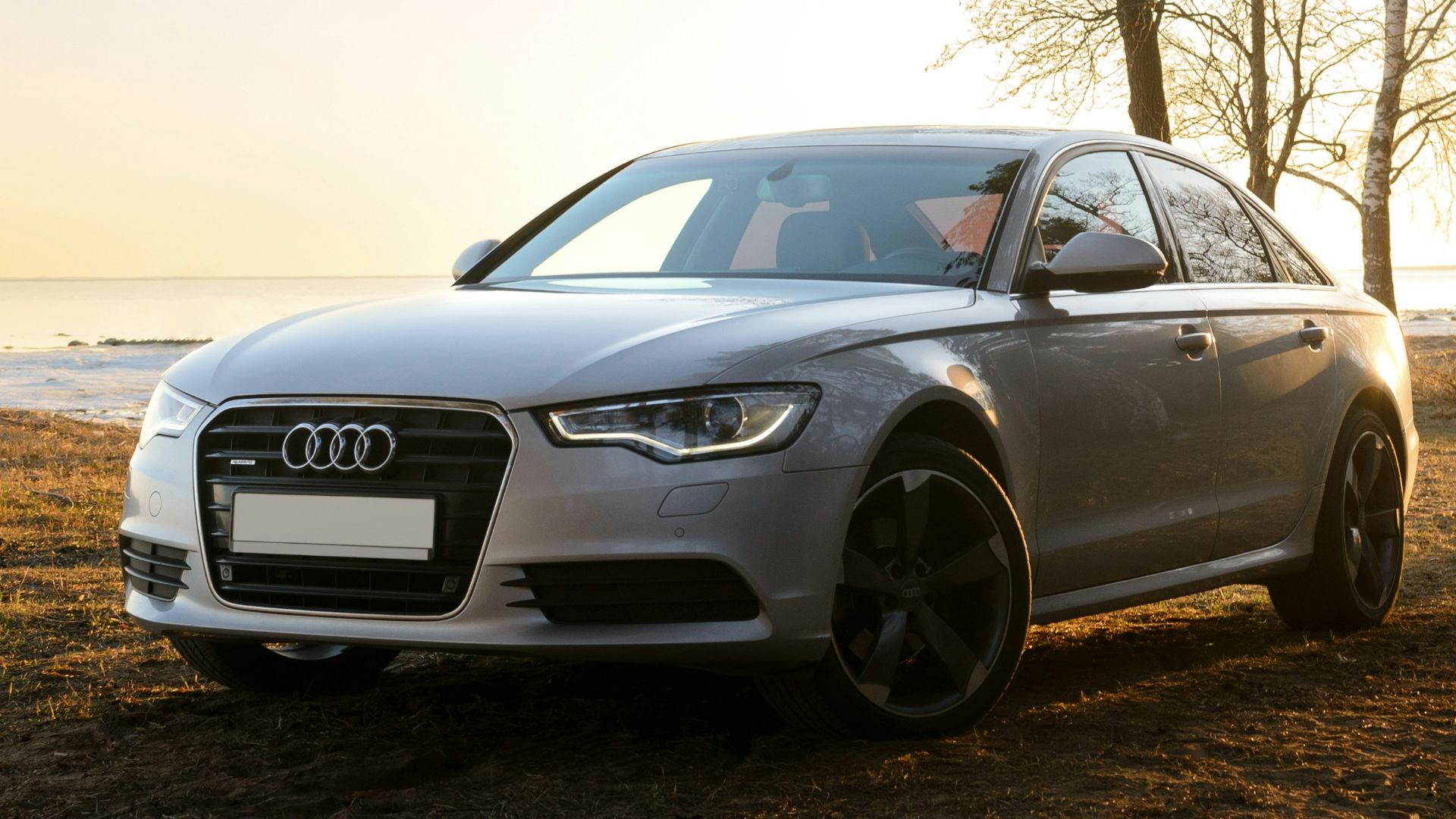
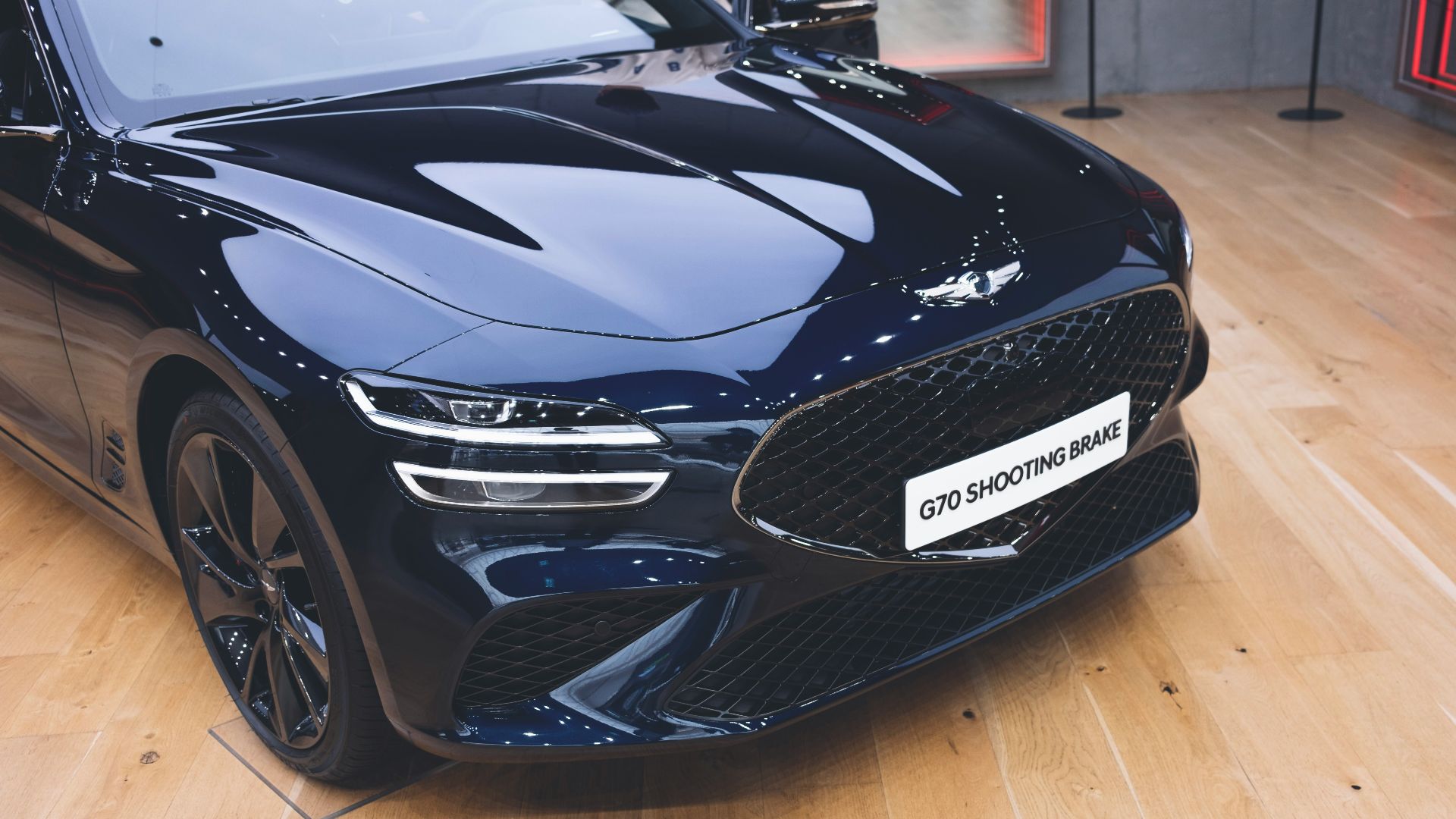
20. The Compact Sports Sedan (Genesis G70)
The G70 already has a low roof and a short, athletic rear deck, so the sedan shape is doing a lot of work for it. Genesis got the proportions right here, and that is why the car looks so natural in this slightly altered shape.