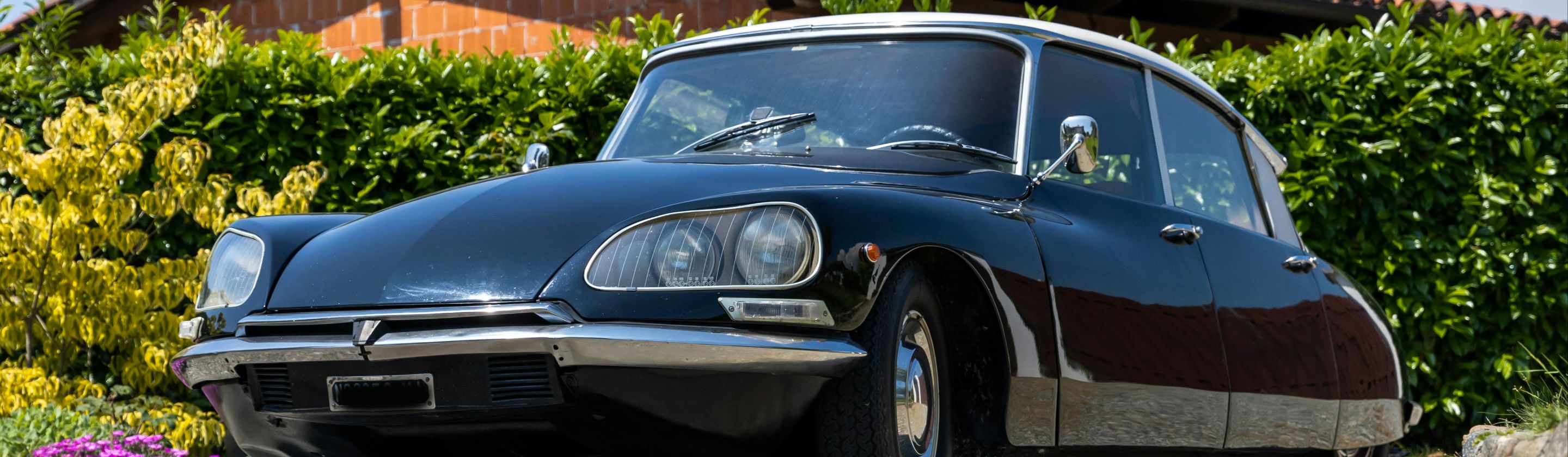
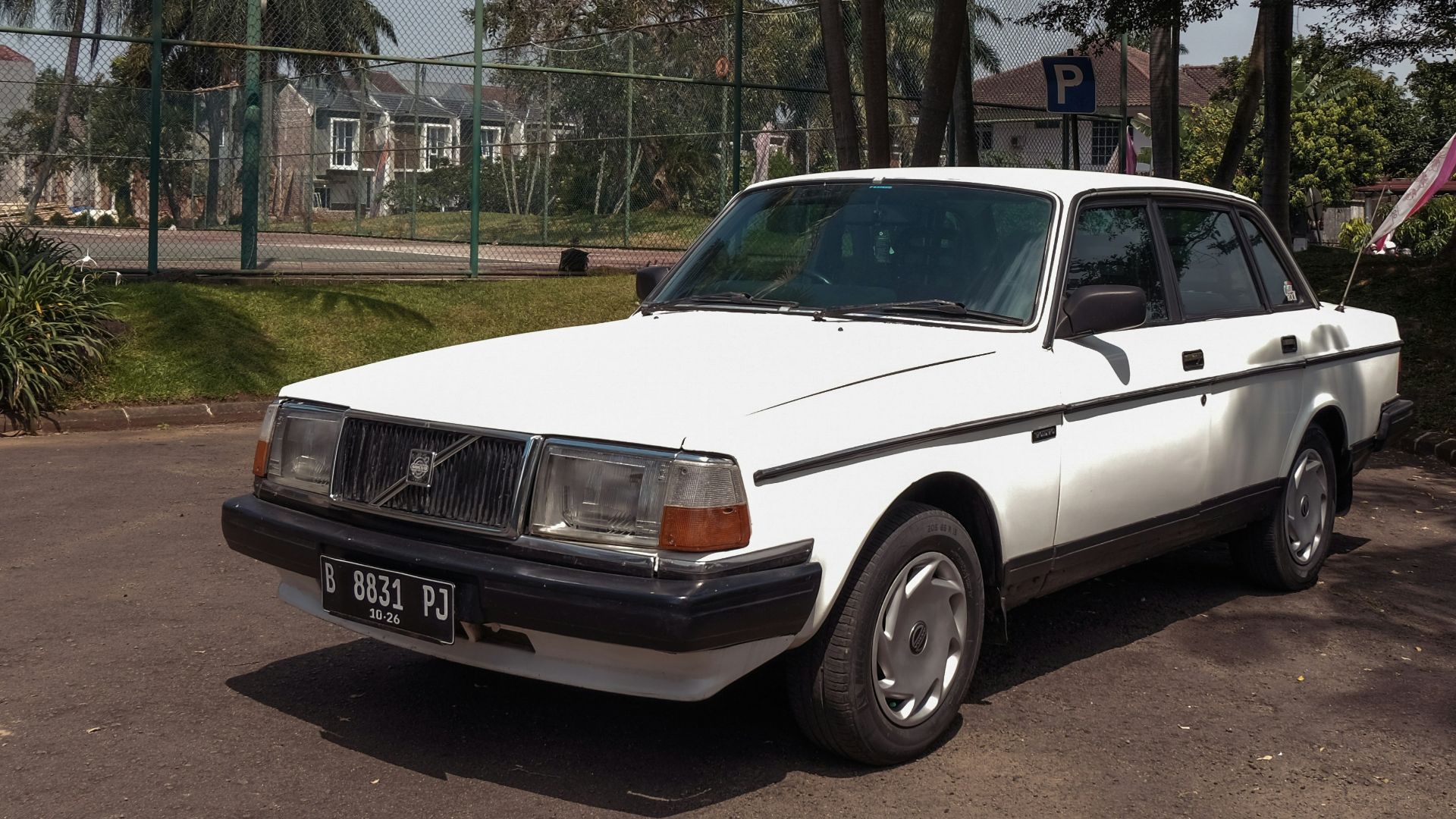
A good used car can still make a lot of sense as a daily driver, even now, when new models keep piling on more ways to make your wallet flinch. It’s no surprise that many folks are choosing to keep their older vehicles.
The appeal is not only about saving money, either. Cars settle into your routine in a way few other things do, and people get attached to them for reasons that have very little to do with horsepower or giant touchscreens. Autotrader found that more than 70% of survey respondents felt “very attached” or “somewhat attached” to their cars, and 36% called a vehicle an “old friend.” A 2025 Aviva survey adds another layer to that, finding that 12% felt a strong emotional connection to their current car and 23% still thought about their first one.
The Math Still Works
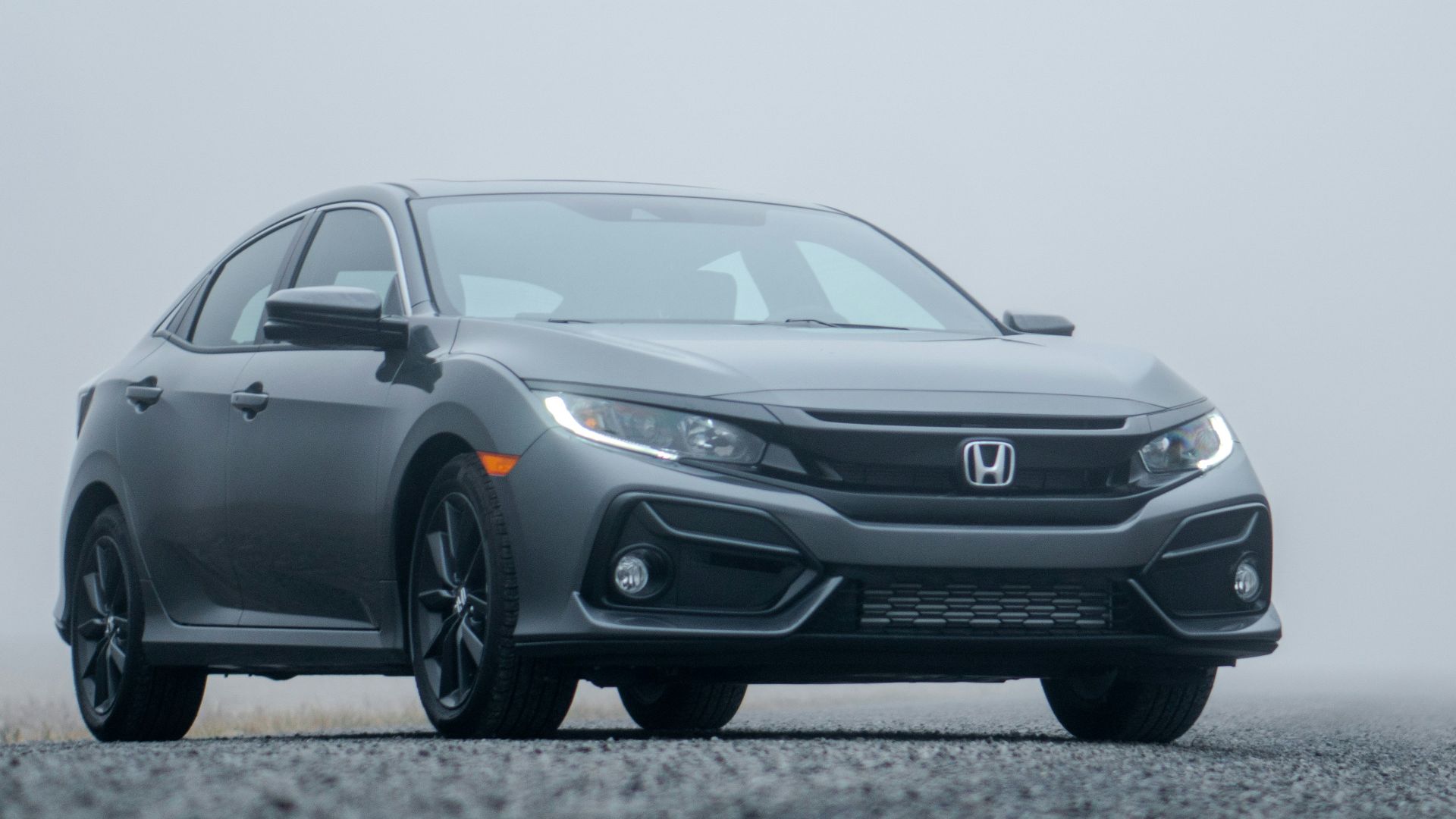
The first reason some used cars still feel daily-worthy is pretty simple. The numbers can still work in your favor. Attrell Toyota’s commuter guide says used cars usually come with a lower purchase price, lower payments, and slower depreciation because somebody else already took the hardest hit. For a car you plan to drive all the time, the price matters more than some flashy feature.
There’s also the fact that modern cars, even when they are no longer new, usually have a lot of life left in them. RepairPal noted that drivers are keeping vehicles longer than ever, and cited IHS Markit data putting the average age of light vehicles at 11.6 years. So the idea of using an older car every day is not some niche little fantasy for people who love maintenance logs and driveway wrenching. It's a very normal choice.
Used daily drivers can still be easy on fuel, too, if you choose carefully. The EPA rates the 2026 Toyota Corolla at 34 mpg combined, while the 2026 Honda Civic 4-door hybrid reaches 49 mpg combined. That helps explain why compact, dependable sedans still make so much sense for commuting. There’s nothing glamorous about spending less at the pump, though it sure feels better for your wallet.
The Models That Keep Making Sense
Certain nameplates keep showing up because they’ve been handling this job well for years. H.G. Dealership highlights the Toyota Camry for reliability, low maintenance costs, interior space, and a smooth ride. It also calls the Honda Accord a strong long-distance choice, due to its durability, efficient engine, and long-lasting powertrain. Those aren't dramatic reasons to love a car, though they are the reasons people keep driving these models into the ground.
Compact daily drivers hold onto their place for similar reasons. Motor Match calls the Honda Civic “rock solid, reliable and brilliantly economical,” and points to its smooth handling, generous space, and low running costs as reasons it still works so well as a used commuter pick. Easy on gas, easy to park, easy to live with.
Some used vehicles feel worthy of daily duty because they can do more than just commute. H.G. Dealership points to the Subaru Outback’s all-wheel drive, durable construction, and cargo space, while also praising the Mazda CX-5 for strong reliability, fuel-efficient engines, and handling that keeps it from feeling like a chore. That matters when one car has to do everything. School runs, grocery trips, bad-weather mornings, and the occasional weekend escape all ask for something a little different.
Why People Keep Choosing Them
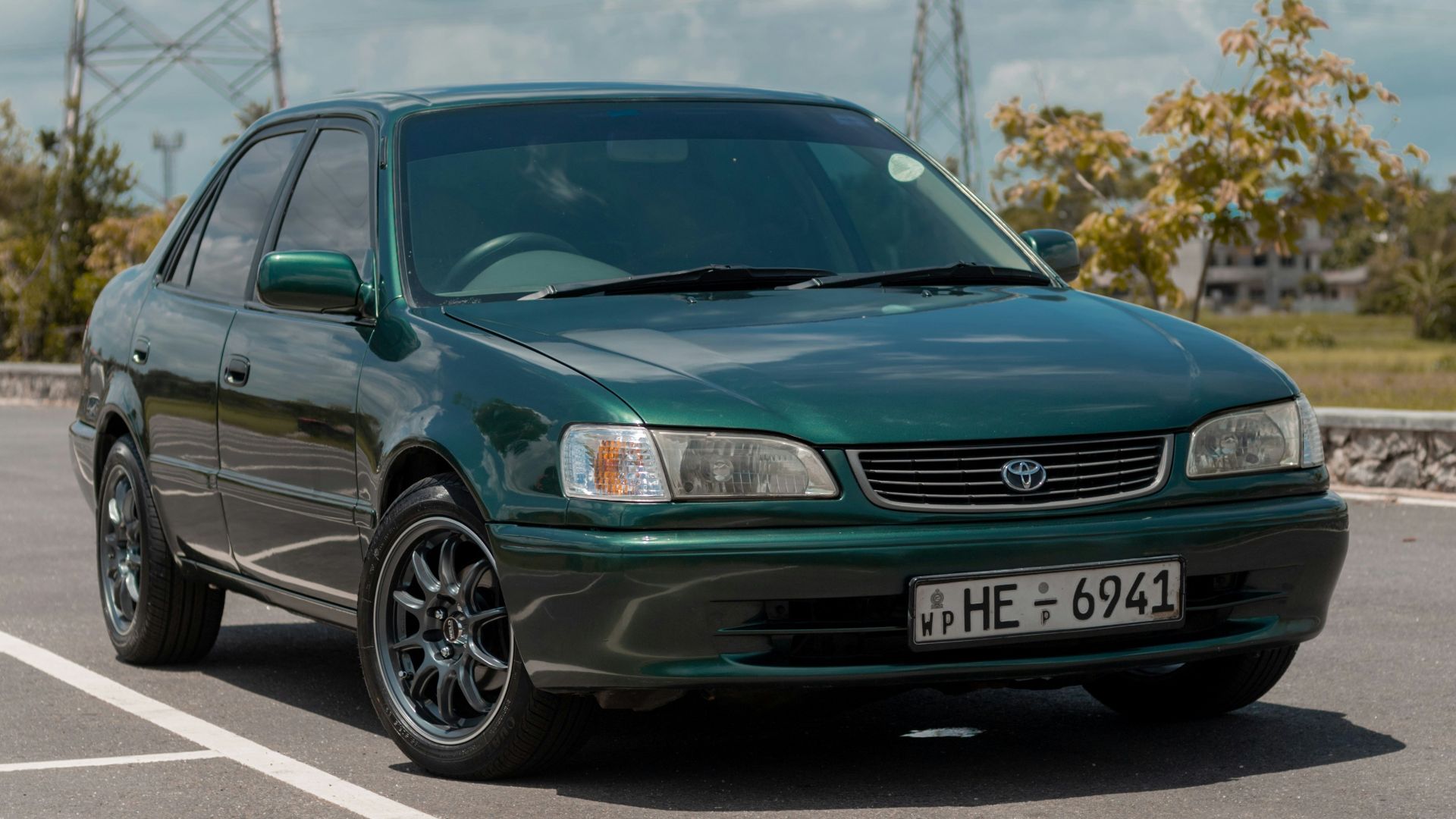
Part of the loyalty comes down to trust. When a car starts every morning, handles another commute, and asks for little more than routine maintenance, people notice. Autotrader found that dependability was the biggest driver of attachment at 65%, ahead of comfort at 52%. That makes sense. A car that quietly makes daily life easier tends to earn its spot.
Then there’s the personal side, which is harder to chart. Aviva found that more than three-quarters of Brits said a car had been part of major life events, and 13% said they would rather repair an old car than replace it, even if the repair cost more. At a certain point, a car stops feeling like an appliance and starts feeling like a familiar part of your life.
Mechanical simplicity still matters, too, even if people don't always spell it out that way. Your brief points to the appeal of easier DIY repairs, fewer tech headaches, and the comfort of driving something familiar that hasn't turned every basic function into a software event. Put all that together, and it becomes pretty easy to see why some used cars still feel worthy of daily driving. They are affordable enough, efficient enough, proven enough, and personal enough to keep earning the keys.