Navigation apps have become a regular part of daily driving, whether you’re commuting to work or heading out on a longer trip. With real-time directions, traffic updates, and route suggestions, they offer a level of convenience that wasn’t possible just a couple of decades ago. What many drivers don’t always consider, though, is how these apps can directly influence fuel consumption.
When used effectively, navigation apps can help you reduce unnecessary driving and improve overall efficiency. At the same time, certain features or habits may actually increase fuel use if you’re not paying attention. Understanding how these tools work can help you make smarter choices and potentially save money at the pump.
Real-Time Traffic Data and Route Efficiency
One of the biggest advantages of navigation apps is their ability to provide real-time traffic updates. By identifying congestion, accidents, or road closures, these apps can reroute you to avoid delays. Less time spent idling in traffic often translates to lower fuel consumption. This is especially helpful in urban areas where stop-and-go driving is common.
Efficient routing also plays a major role in fuel savings. Many apps calculate the shortest or fastest route based on current conditions, which can reduce the total distance traveled. Shorter trips generally require less fuel, making this feature particularly useful for daily commutes. Over time, even small distance reductions can add up to noticeable savings.
However, it’s important to recognize that the “fastest” route isn’t always the most fuel-efficient. Some routes may include higher speeds, frequent turns, or elevation changes that can increase fuel use. While the time savings may be appealing, the fuel cost can vary depending on driving conditions. Being aware of these trade-offs helps you make more informed decisions.
Another factor to consider is how often routes change mid-trip. Constant rerouting can lead to unfamiliar roads, sudden stops, or more complex driving patterns. These changes may slightly increase fuel consumption if they disrupt steady driving. Staying on a consistent, efficient route can sometimes be more beneficial than chasing minor time savings.
Driving Behavior and App Influence
Navigation apps don’t just guide your route; they also influence how you drive. Frequent notifications about turns, lane changes, or traffic conditions can lead to more abrupt driving behaviors. Sudden braking or acceleration is known to reduce fuel efficiency. Maintaining a steady pace is generally more fuel-friendly.
Some apps encourage drivers to follow faster routes that involve highways or major roads. While highway driving can be efficient at consistent speeds, it may also involve higher speeds that increase fuel consumption. Driving at moderate, steady speeds tends to be more economical. This means the app’s suggestion isn’t always the most cost-effective option.
In certain situations, drivers may feel pressured to follow app directions exactly, even when alternatives seem more practical. This can lead to unnecessary detours or less familiar roads that disrupt driving flow. When you combine navigation guidance with your own judgment, you often get better results. A balanced approach helps maintain both efficiency and comfort.
Additionally, apps that provide estimated arrival times can subtly encourage faster driving. Trying to “beat the clock” may result in higher speeds or less efficient habits. Fuel consumption increases significantly at higher speeds due to aerodynamic drag. Staying mindful of this can help you avoid unnecessary fuel use.
Features That Can Help You Save Fuel
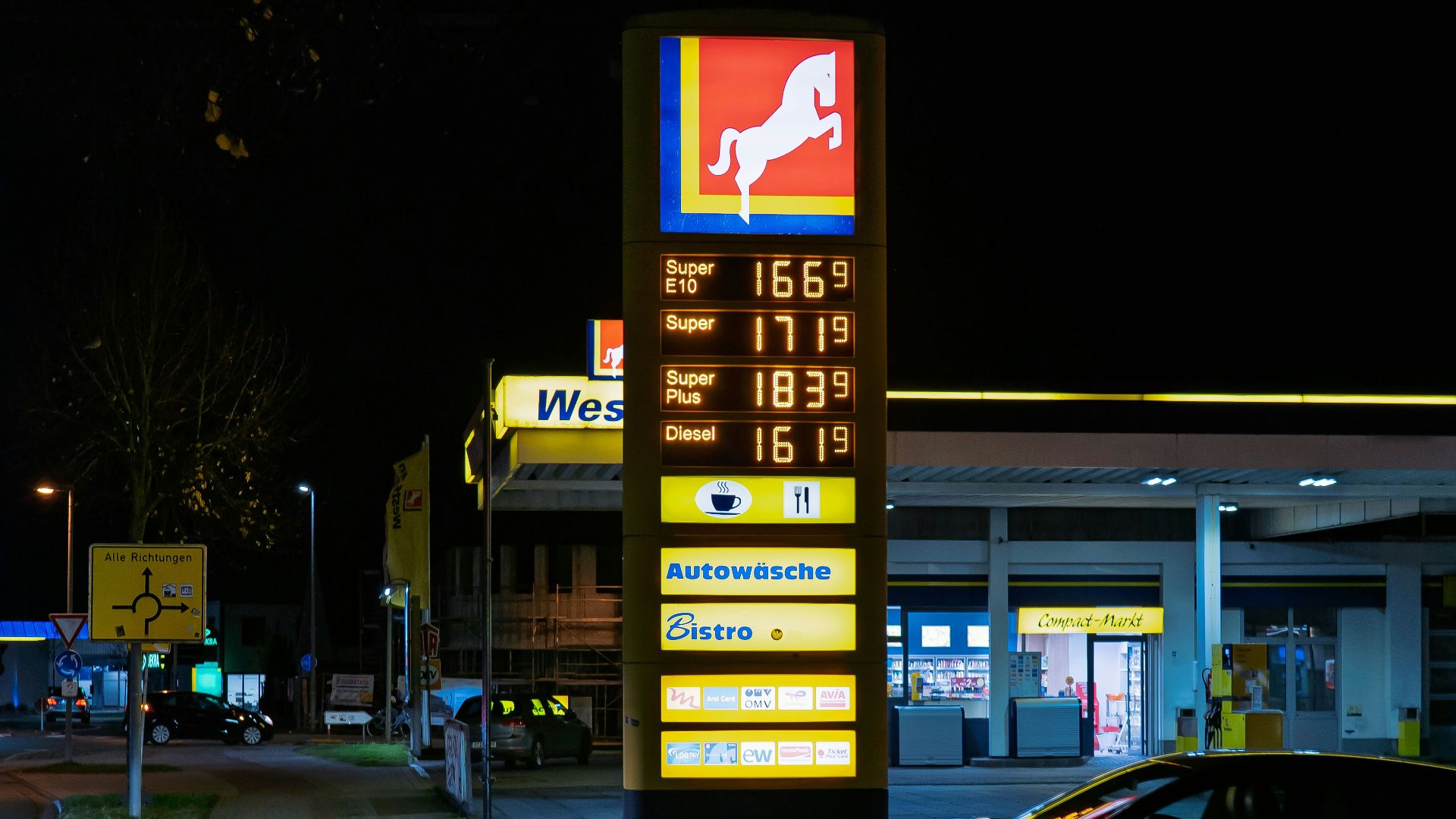
Some navigation apps now include features specifically designed to improve fuel efficiency. For example, eco-routing options suggest routes that minimize fuel consumption rather than travel time. These routes may avoid heavy traffic, steep hills, or frequent stops. While they might take slightly longer, they can reduce overall fuel costs.
Integration with vehicle data is another growing feature. Certain apps can connect with your car’s system to provide insights on fuel usage and driving habits. This allows for more personalized recommendations based on your specific vehicle. It can help you identify patterns that affect your efficiency over time.
Offline maps and pre-planned routes can also contribute to fuel savings. By planning your route, you reduce the likelihood of missed turns or unnecessary detours. This leads to smoother, more predictable driving. It also helps avoid situations where a poor signal causes confusion or delays.
Finally, using navigation apps to combine errands into a single trip can make a noticeable difference. Instead of taking multiple short trips, planning an efficient route reduces total mileage. This approach not only saves fuel but also reduces wear on your vehicle. Over time, these small adjustments can lead to meaningful savings.
When you look at how navigation apps influence your driving, it’s clear they can both help and hinder fuel efficiency. Their ability to reduce traffic delays and optimize routes offers real benefits, but only when used thoughtfully. By paying attention to how you drive and choosing the right features, you can make these tools work in your favor. With a bit of awareness, navigation apps can become a practical way to manage fuel costs more effectively.