 JOHN BEARBY IMAGES on Unsplash
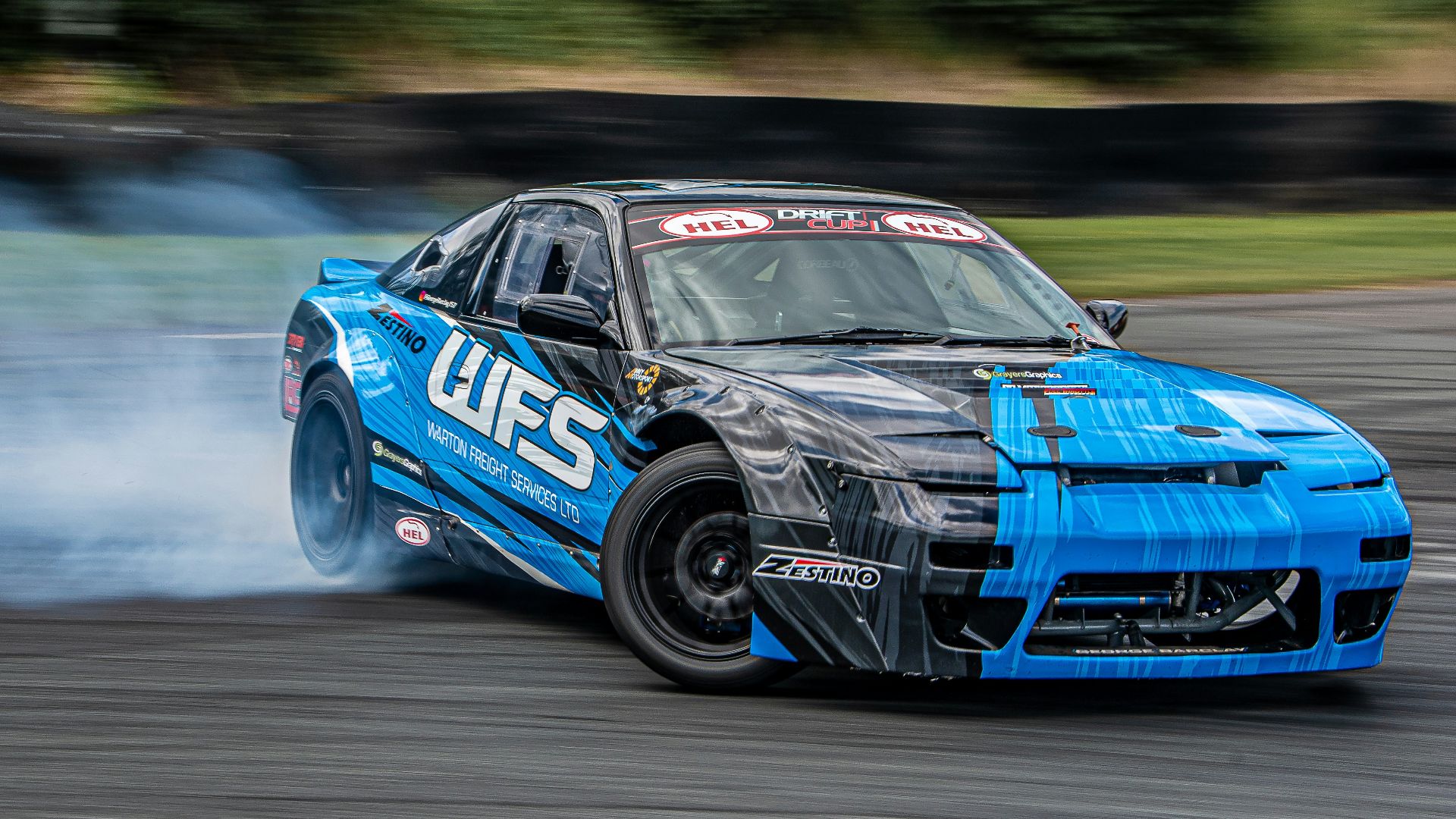
Drifting might sound like pure chaos to some, but for those who love thrill and control, it’s an intriguing dance of finesse and speed. It’s not just about making the car slide sideways but doing it in a way that looks stylish and feels smooth. If you’ve ever wondered how drivers pull those incredible skids, let’s walk through the basic principles and techniques behind drifting.
What’s Behind The Sideways Slide?
Drifting is essentially a controlled oversteer where the driver deliberately makes the car slide sideways through a corner. To do this, you need to understand the grip levels of your tires and how to manipulate weight transfer.
You can think of it like a dance where the movements are precise yet fluid. Approaching a turn at the right speed and flicking the steering are vital steps. For beginners, the most popular method to start is the Power Over technique, where you accelerate into a corner to upset the rear tires and initiate the slide.
The key is to keep the rear tires loose and in control, maintaining that slide with gentle throttle inputs and steering adjustments. Once you’re in the drift, you control it by modulating throttle, steering, and sometimes the handbrake to keep the angle and speed just right.
Techniques That Turn The Slide Into An Art
Different drifting techniques are like different dance moves, each with its unique flair. A popular starting point is the clutch kick, especially useful for less powerful rear-wheel drive cars. It involves quick clutch engagement with a rev, then releasing it suddenly to send a shockwave of torque to the rear tires, breaking traction.
Another common move is the Scandinavian flick, where the driver flicks the steering opposite to the turn to transfer weight and unsettle the rear, then turns into the corner to create that perfect sideways momentum. The handbrake or e-brake is a classic tool, particularly in tight corners, used to lock the rear wheels and whip the car into a drift.
More advanced drivers also master the feint drift, a quick steering recoil that shifts weight and gets the tail swinging, plus the long slide, which involves holding a drift for a longer arc with specific throttle control.
Practice Makes The Slide Perfect
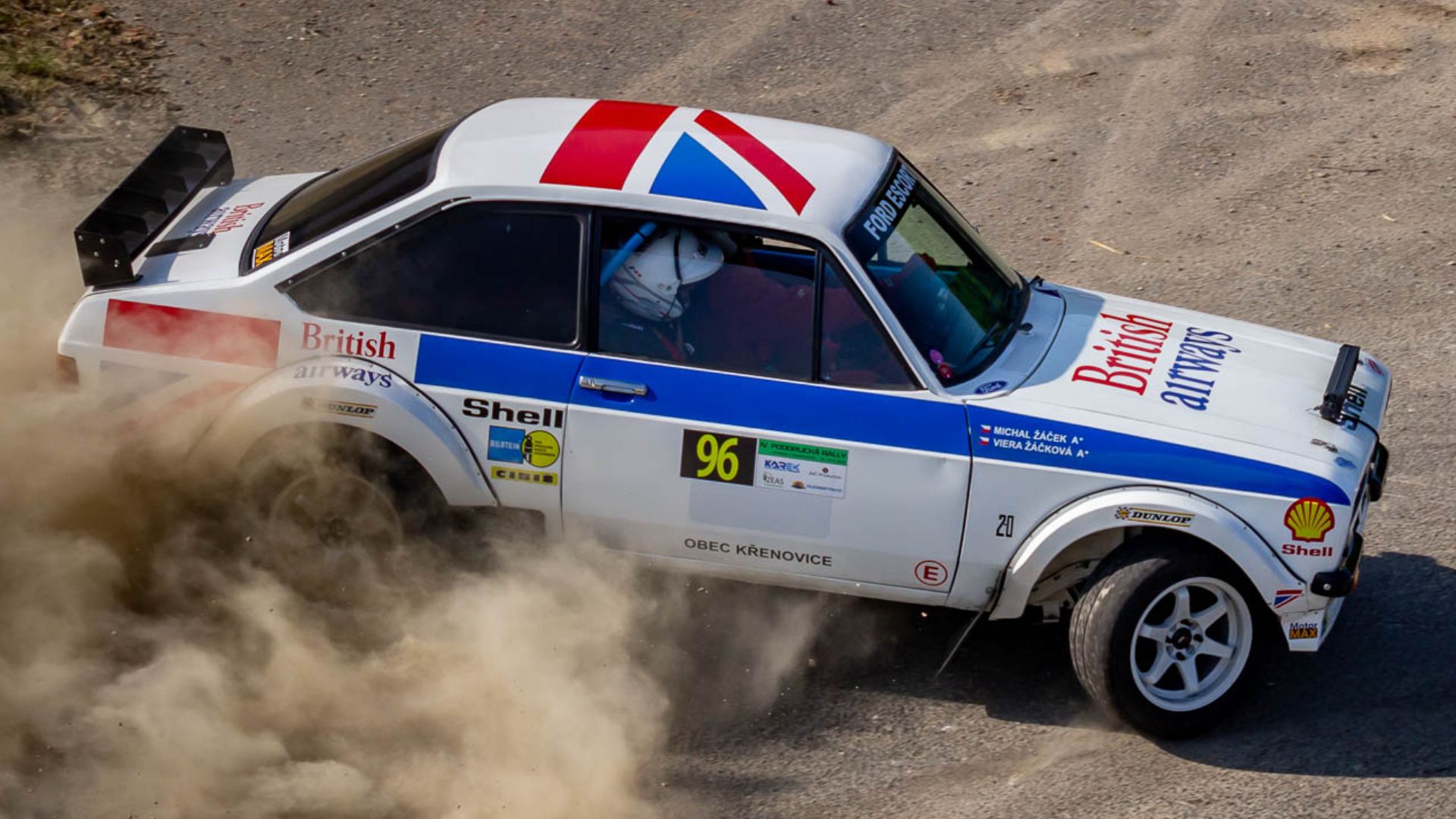
The truth is, drifting requires a good dose of practice and patience. It’s about understanding and feeling the grip limit of your tires as well as how your car responds to your inputs. Many drivers start on a track or open space, slowly learning how to initiate and end the drift without spinning out. It’s like learning to dance; initially awkward but gradually more graceful.
Whether you’re a car enthusiast or just someone who loves pushing limits, drifting is one of those skills that, once grasped, becomes an endless source of fun and adrenaline. So, keep practicing and enjoy the art of sideways mastery.