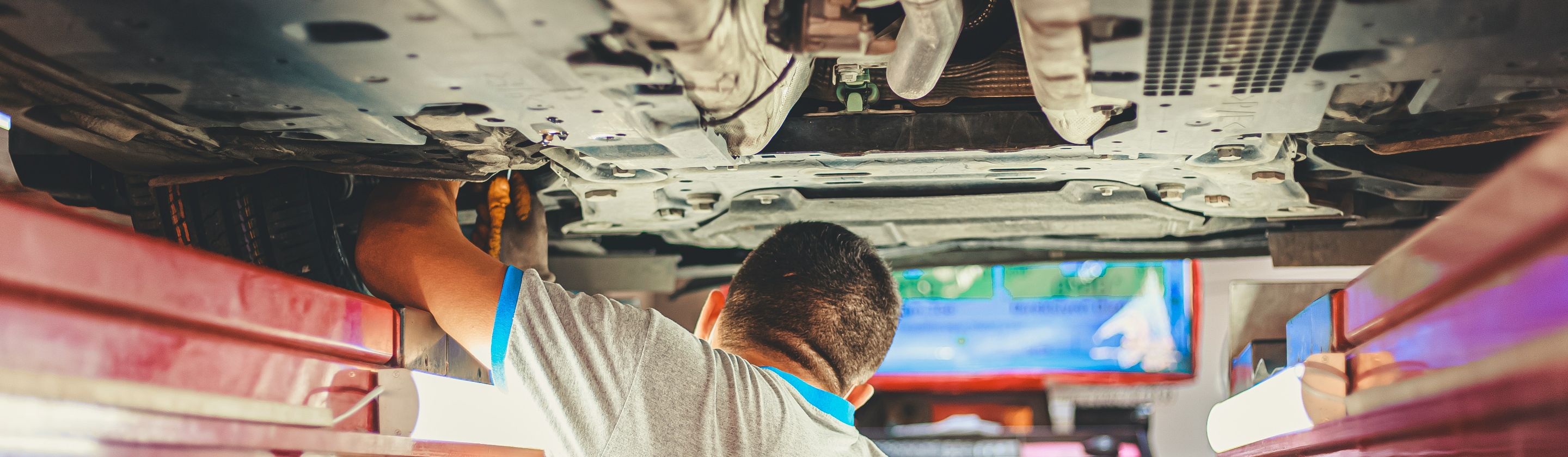
Doing The Most For Your Test Drive
Don't just treat test drives like a quick 15-minute ride to see if you have a good first impression of the car you might want to buy. Test drives are your one chance to find out whether the car feels right for you, is comfortable, can handle different situations, and much more. The goal here is to figure out whether it's truly the one for you, so here are 10 things you should always do on a test drive, and 10 important things to notice.

1. Adjust The Seat, Mirrors, And Steering Wheel Before Driving
You're probably used to driving in your own car with the settings already done just for you, so when test-driving, make sure you take a moment to make some changes. Adjust the seat height, distance from the pedals, steering wheel angle, and mirrors so you can see clearly and sit comfortably. This also tells you whether the car fits your body well or if you’ll constantly be fighting the position.
2. Test The Brakes At Different Speeds
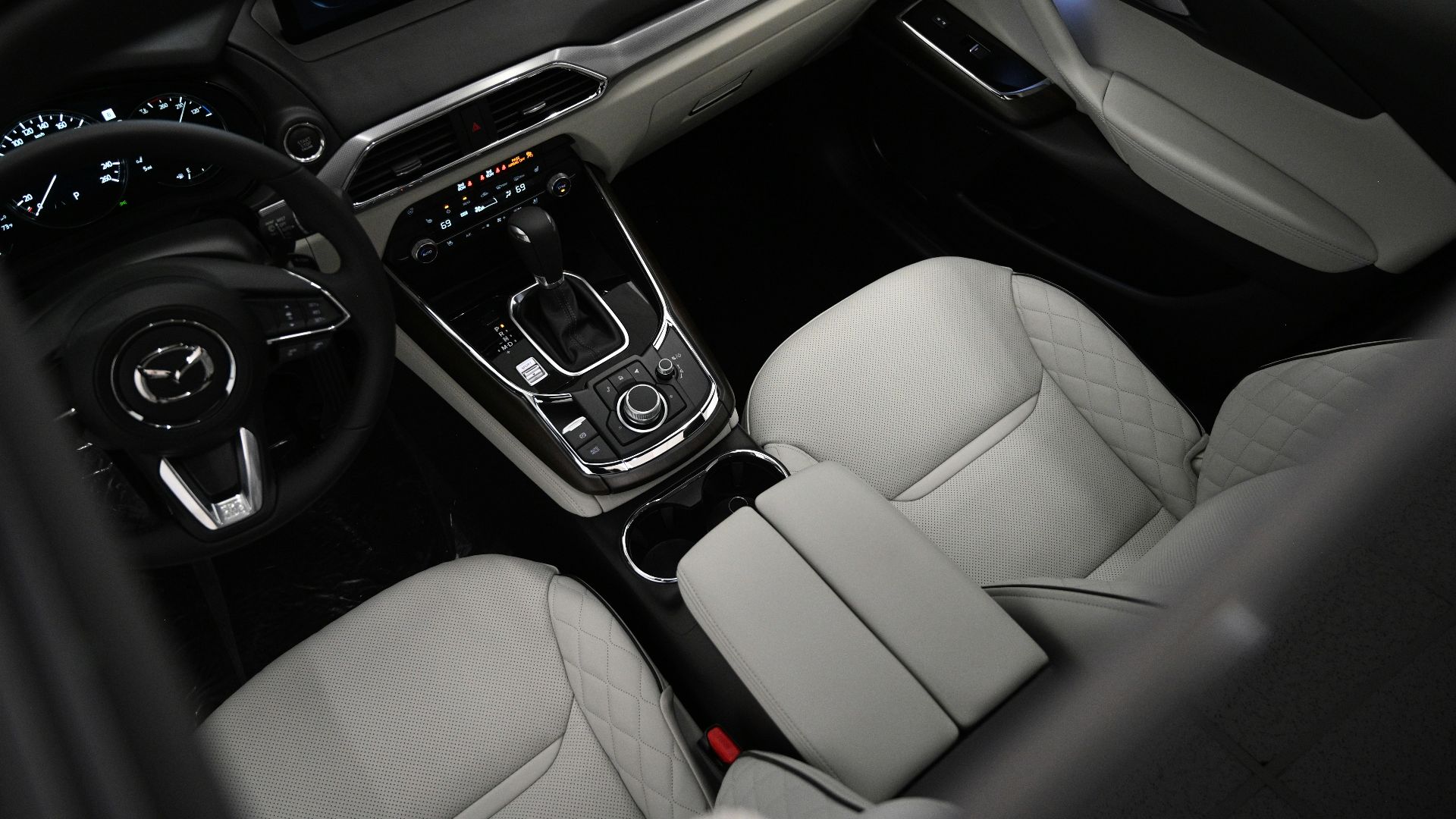
Braking is one of the most important things to check, so don’t just tap the pedal once and move on. You need to see if it feels steady, predictable, and easy to control without pulsing, squealing, grinding, or pulling the vehicle to one side. If the brakes make you nervous during a calm test drive, that's a red flag.
3. Drive On More Than One Type Of Road
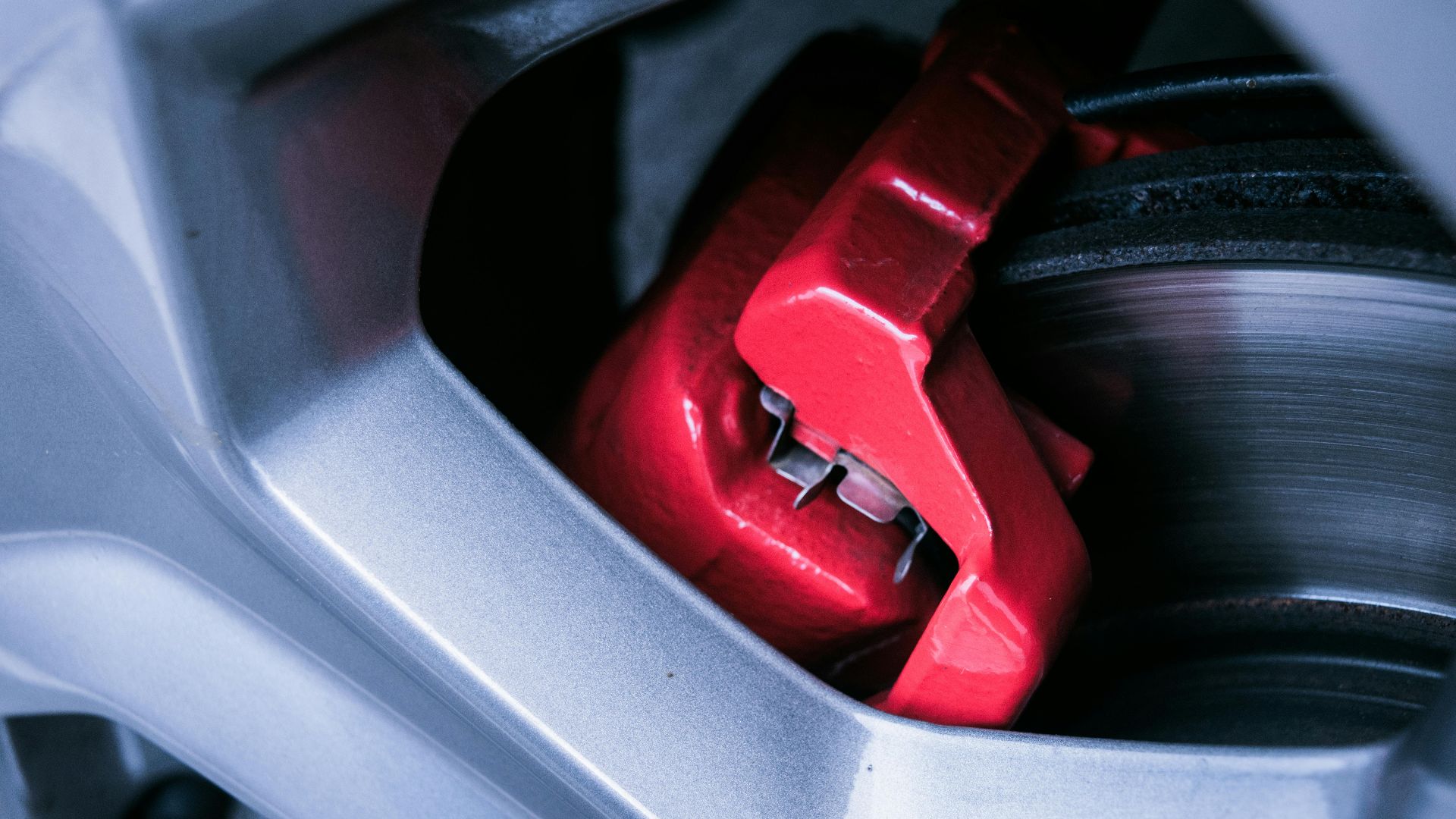
A quick loop down an easy, smooth road won't tell you enough about how the car you're testing will behave in different situations. Try to get a taste of as many streets as you can, like a highway, roads with rough pavement, and more. Different surfaces can reveal ride comfort, road noise, suspension issues, and much more.
 Samuele Errico Piccarini on Unsplash
4. Check The Acceleration From A Stop And While Moving
One of the most important things you should test in a new car is its ability to accelerate. It should always feel smooth, effortless, and appropriate for whatever you're driving. From merging, speeding up, or simply pulling away from a stop, check to see how the car handles it.
5. Practice Parking
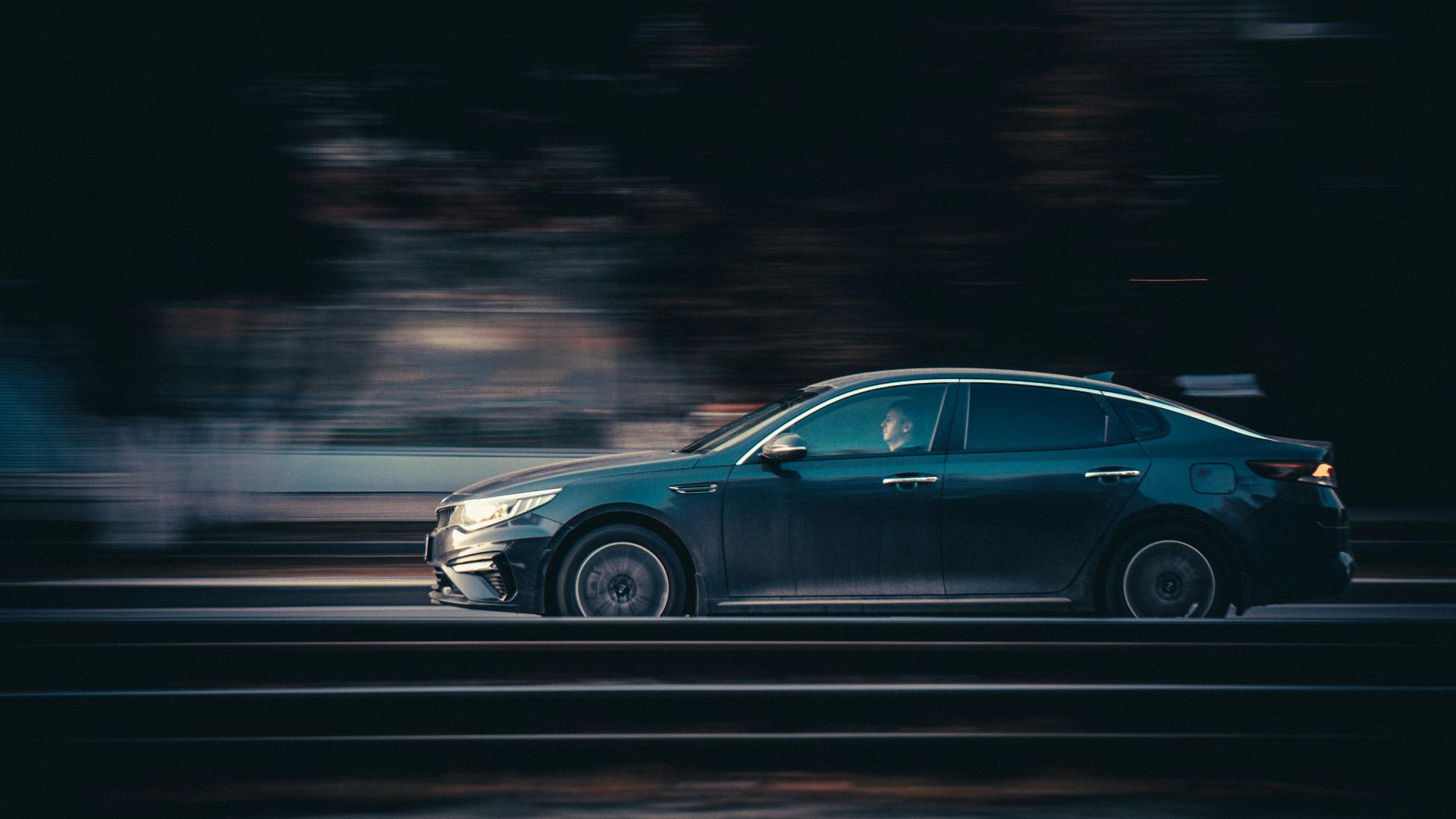
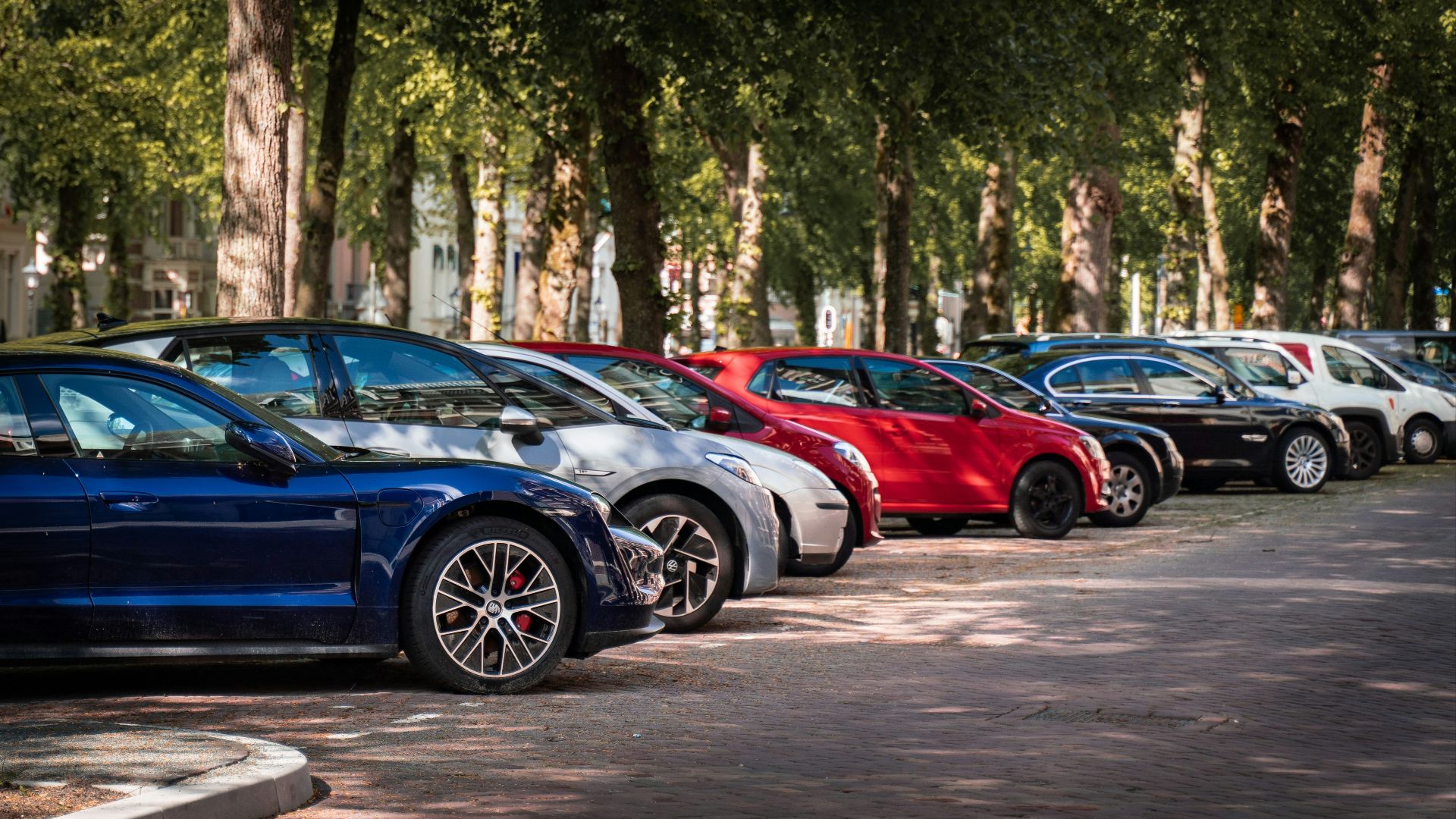
No one wants to find out after they've bought a car that parking is going to be an everyday struggle. So make sure during your test drive that you learn how to pull into spaces with ease, back out, and more. Different size cars cause different struggles, so you need to make sure you're well-suited to it.
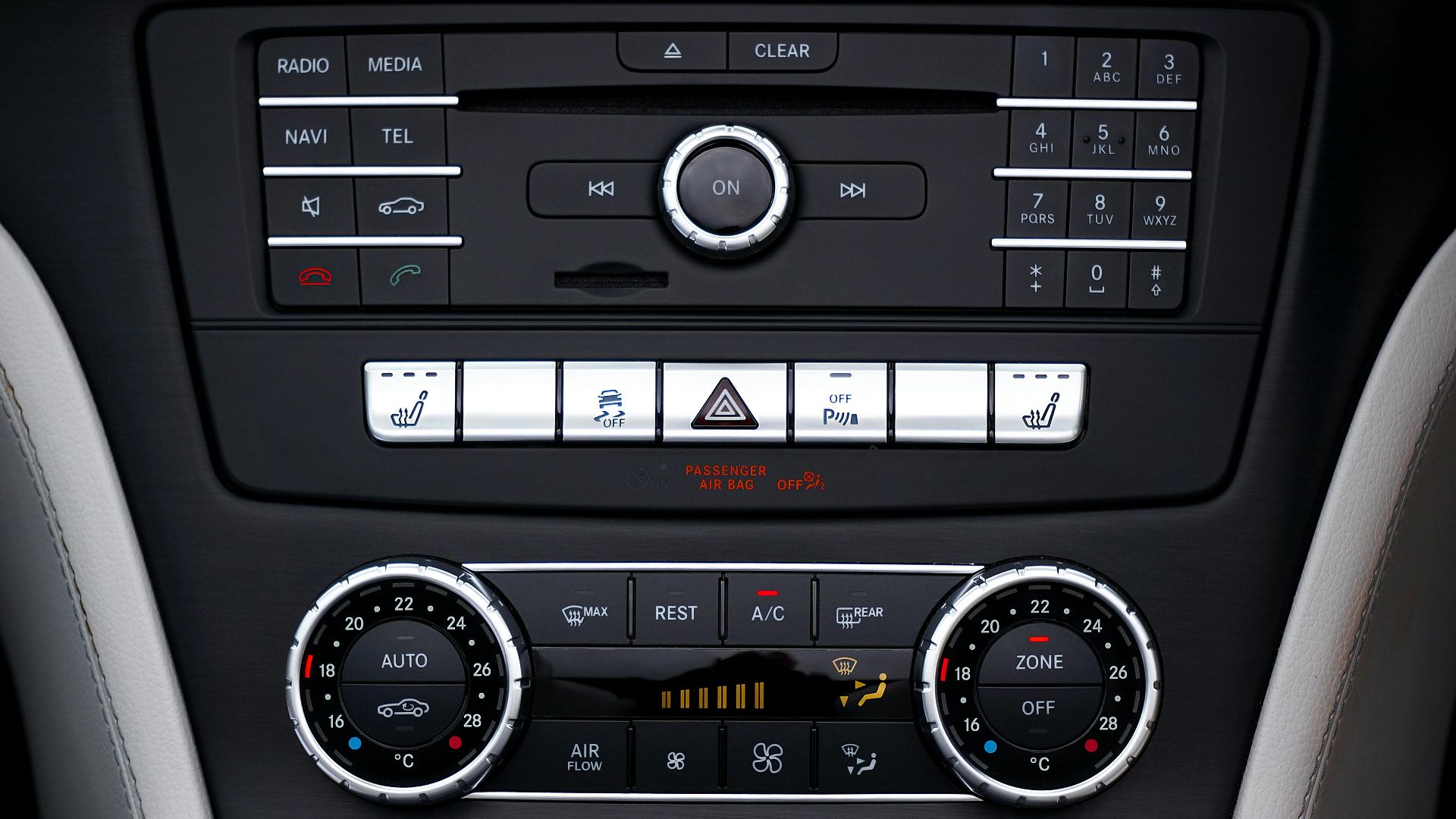
6. Use The Climate Control During The Drive
It's not just about how the car drives; don't be afraid to test the system, too! Turn on the air conditioning, heat, fan speeds, defrosters, and seat heaters or ventilators if the car has them. Make sure the system responds quickly and that air comes from the correct vents.
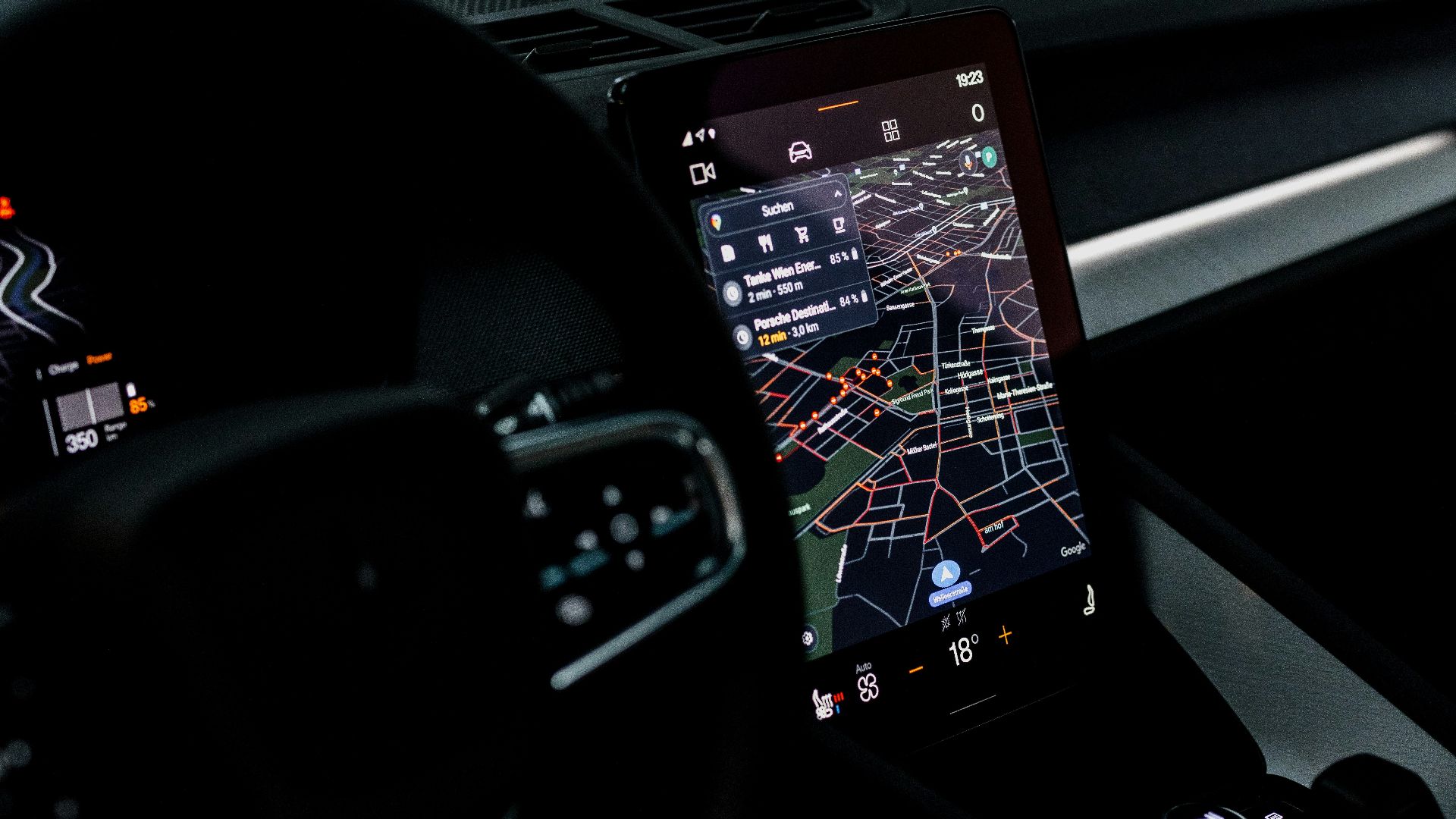
7. Test The Infotainment And Basic Controls
Don't just stop at the heater and A/C unit, when parked, try the touchscreen, radio, Bluetooth, navigation, volume controls, and steering-wheel buttons, too. The system should be easy enough to use without making you feel like you need a training session. It's better to notice irregularities with these features early on than later when you've already bought it.
 Patrick Langwallner on Unsplash
8. Listen Carefully With The Cabin Quiet
It’s tempting to test the sound system right away, and while you should test it, it's also smart to keep the cabin quiet for part of the drive. Listen for rattles, clunks, squeaks, wind noise, tire roar, or anything that changes with speed. A quiet moment will tell you a lot more about the car than you'd think.

9. Check Visibility In Every Direction
Never underestimate the importance of good visibility; it's what makes driving easier, safer, and less stressful, so look beyond the windshield view. Check the side mirrors, rear window, blind spots, roof pillars, and backup camera if equipped. Some cars feel fine going forward but become difficult when changing lanes or reversing.

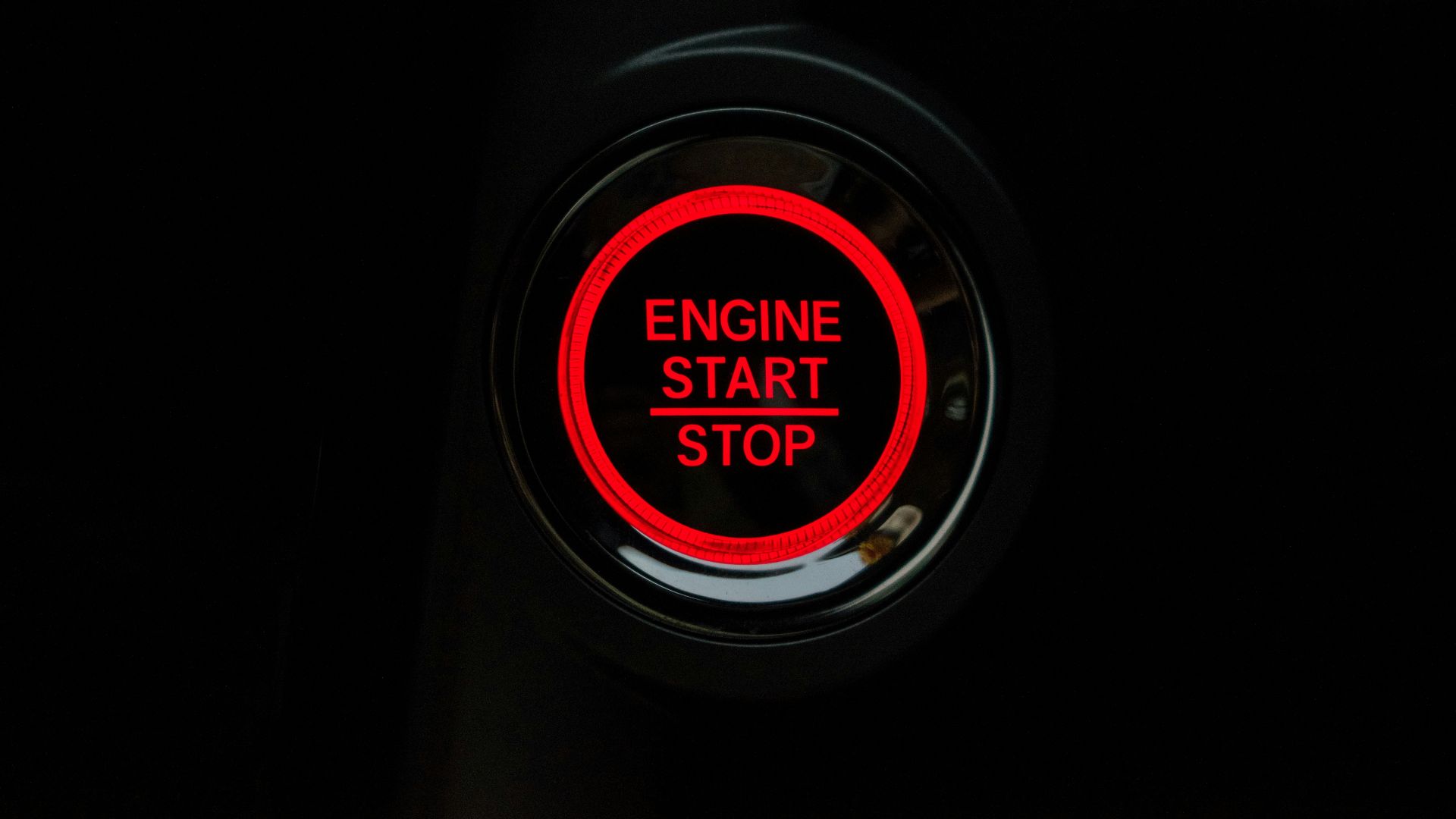
10. Bring The Car To A Complete Stop And Restart
During the test drive, find a safe place to park, shut the vehicle off, and start it again. Sometimes, you just need to check everything from the top! Watch for slow cranking, dashboard warning lights, rough idle, or unusual vibrations after restart.
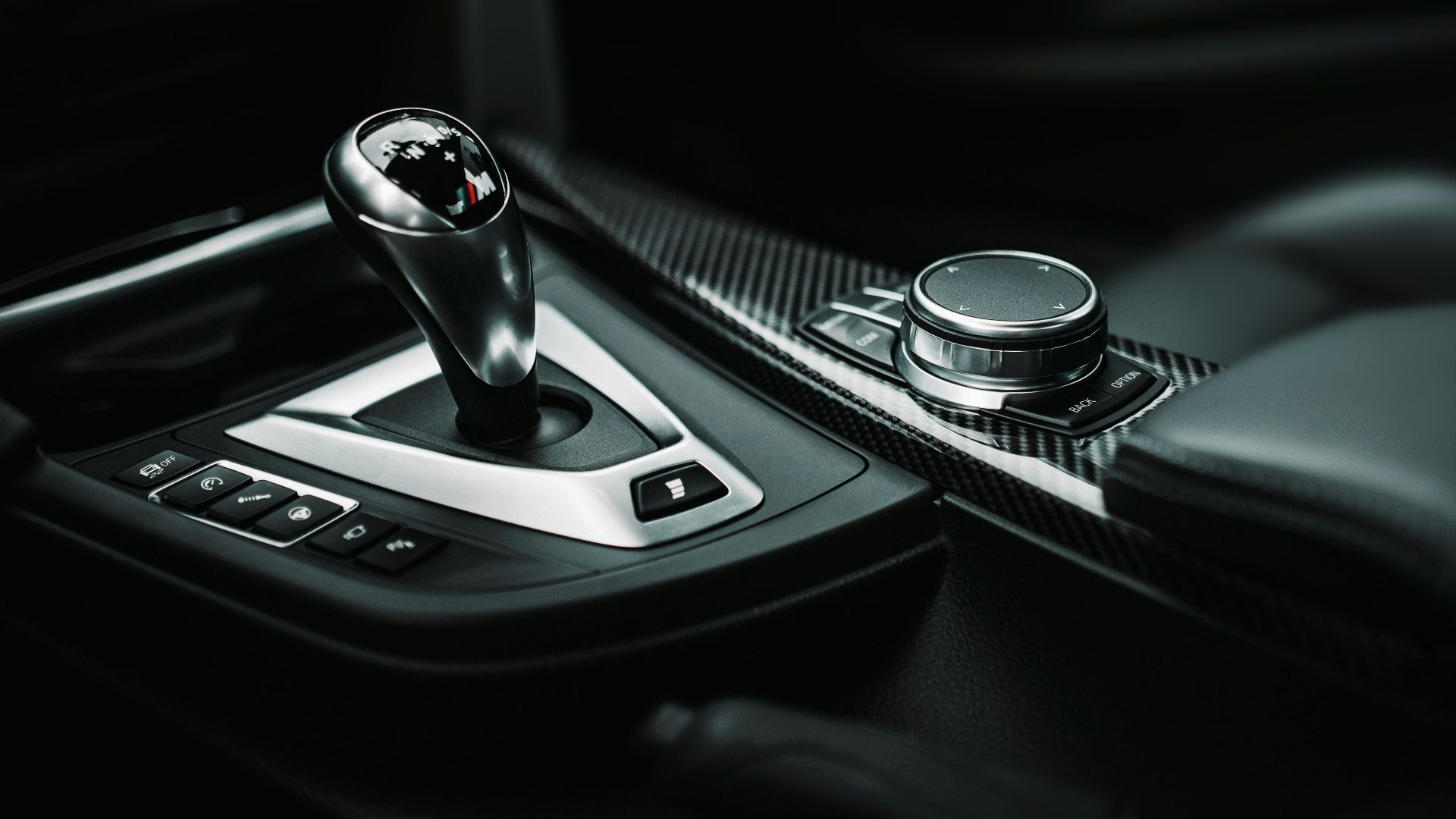
1. Notice How The Transmission Shifts
Whether the car is automatic, manual, or anything in between, the transmission should always shift smoothly. That's not something you want to become a problem after buying the car! Pay attention to hesitation, slipping, hard shifts, delayed engagement, or odd surges as speed changes.
2. Notice Whether The Car Tracks Straight
On a flat, safe road, it's important to check whether the vehicle naturally holds its line without constant correction. Because if it drifts, pulls, or needs frequent steering input, it's a sign that there may be alignment, tire, suspension, or brake issues. And that's not what you signed up for.

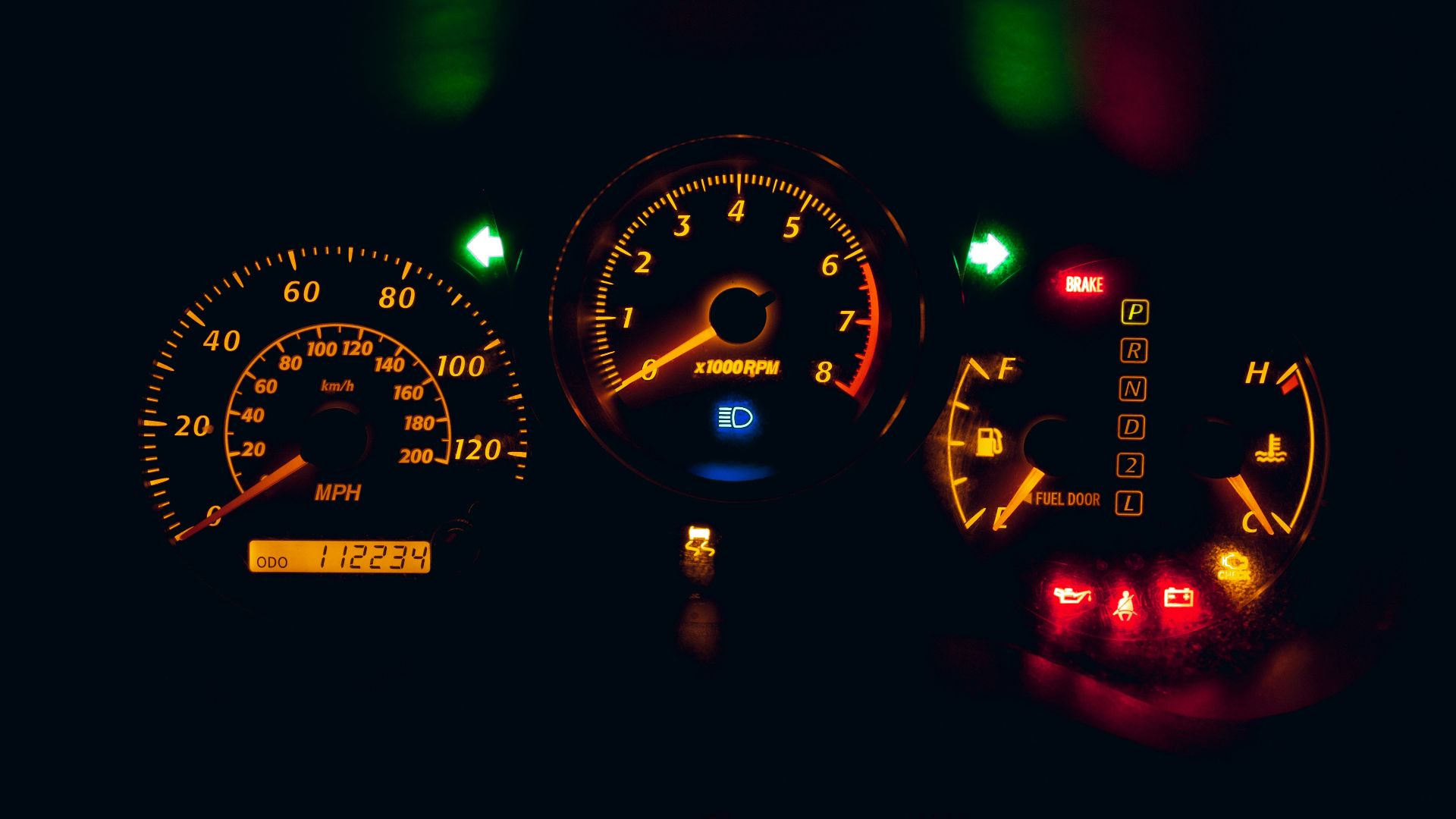
3. Notice Any Dashboard Warning Lights
A clear sign that the car is a red flag is if the dashboard lights up like a Christmas tree. Warning lights should never flash on a car you're about to buy, so look for check engine, airbag, ABS, battery, oil pressure, tire pressure, or stability control warnings. Some sellers may dismiss a light as minor, but you should still treat it as something that needs verification.
4. Notice The Ride Comfort Over Bumps
As you drive over uneven pavement, pay attention to how the suspension handles bumps and dips. The car should feel controlled, not floaty, harsh, bouncy, or noisy. You're likely not going to always be on smooth pavement, so it's best to keep an eye on this to prevent future concerns.

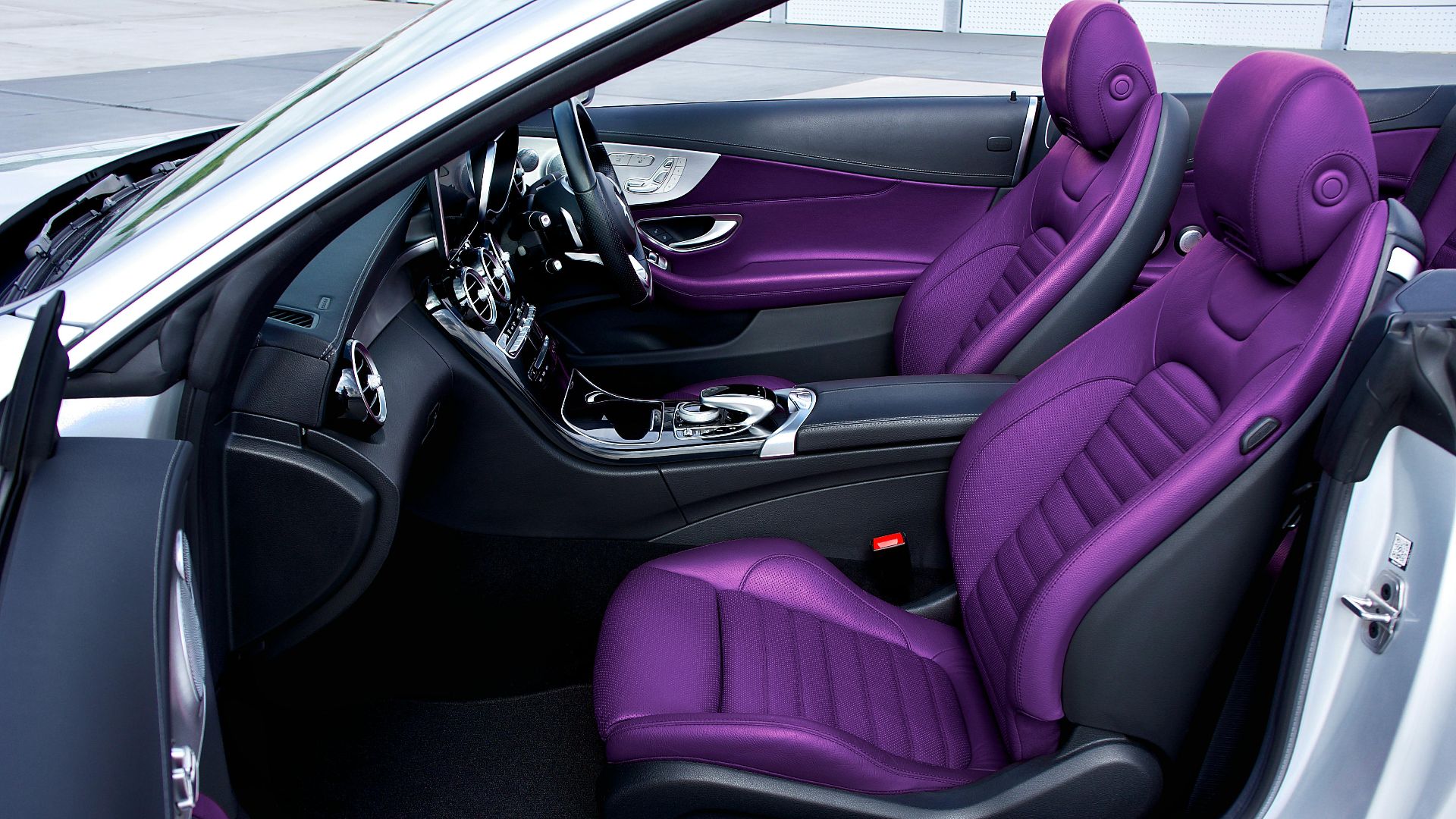
5. Notice The Seating Comfort After Several Minutes
You're hardly ever going to be driving for just five minutes or so, so seat comfort should be something you look out for. How does the lower-back support feel? What about your thighs? Don't forget to assess the cushion firmness, headrest position, and more to ensure you'll always have a comfortable ride.
6. Notice The Smells Inside And Outside The Car
Smells can reveal problems that a clean interior is trying very hard to hide. Inside the cabin, watch for mildew, smoke, chemical odors, or damp carpet scents. Outside or under the hood, burnt oil, coolant, fuel, or hot electrical smells deserve extra caution. Your nose can sometimes be your most useful tool.
7. Notice The Tire Condition And Road Feel
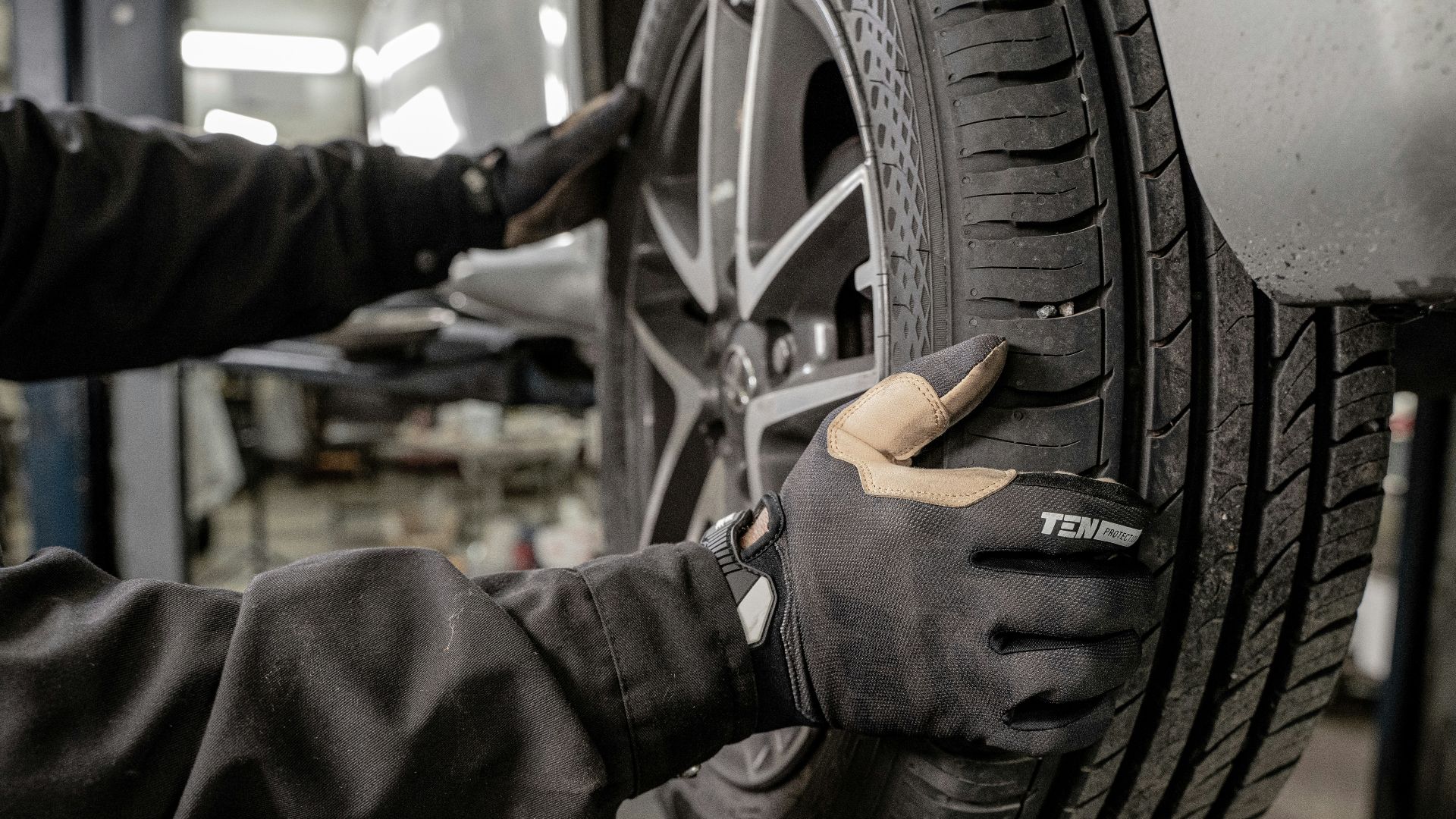
Before or after the drive, don't forget to take some time to observe the tires. Look closely for uneven wear, cracks, low tread, or mismatched brands and sizes. Tire issues can affect safety, comfort, fuel economy, and repair costs, so even if the car itself is solid, neglected tires can change the whole experience.
 Jimmy Nilsson Masth on Unsplash
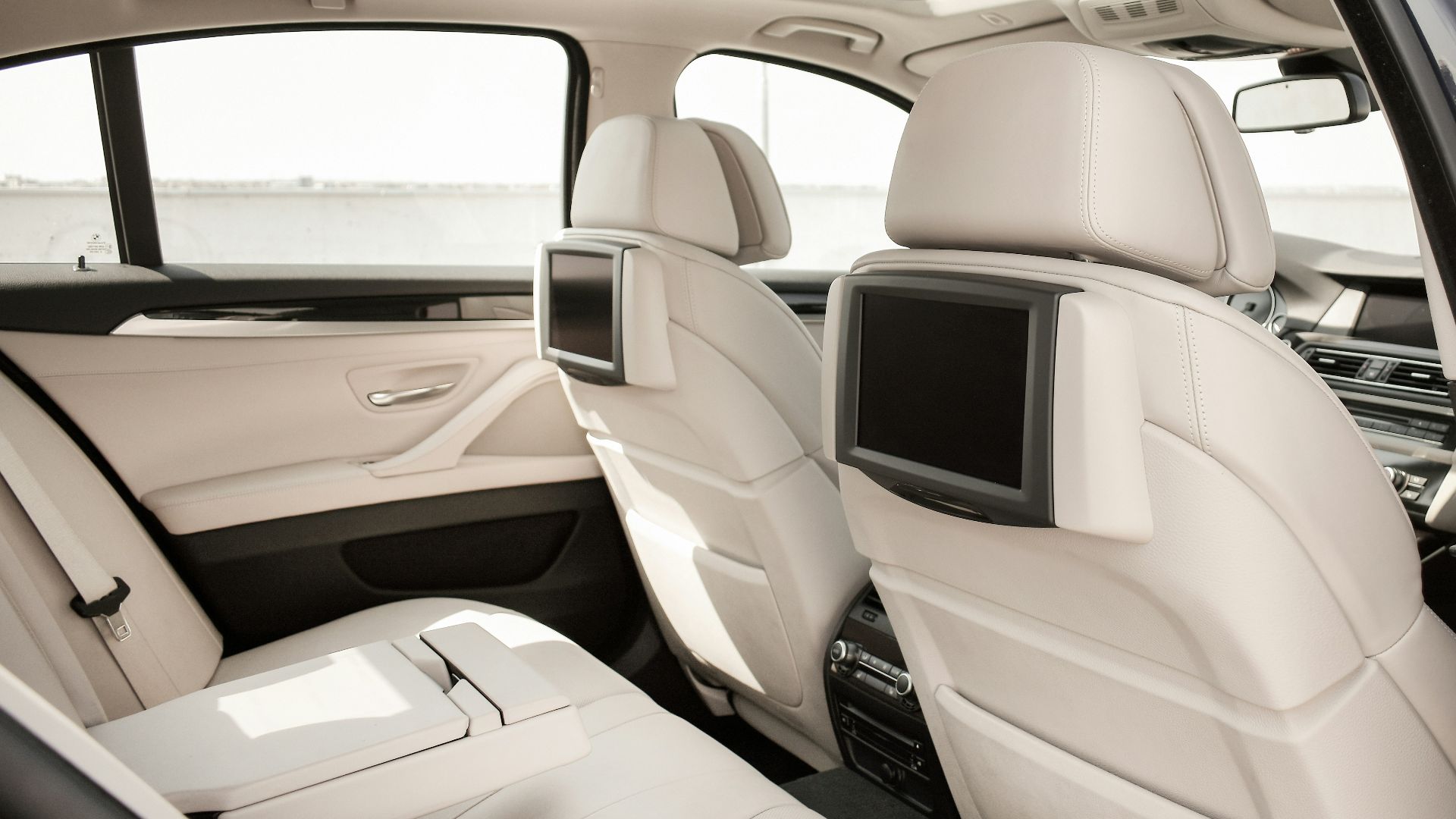
8. Notice How Easy It Is To Get In And Out
People often overlook just how important ease of entering and exiting is when it comes to cars. But if you're going to use it everyday, you definitely want it to be seamless! Pay attention to the door opening size, seat height, roof clearance, step-in height, and whether you have to twist awkwardly.

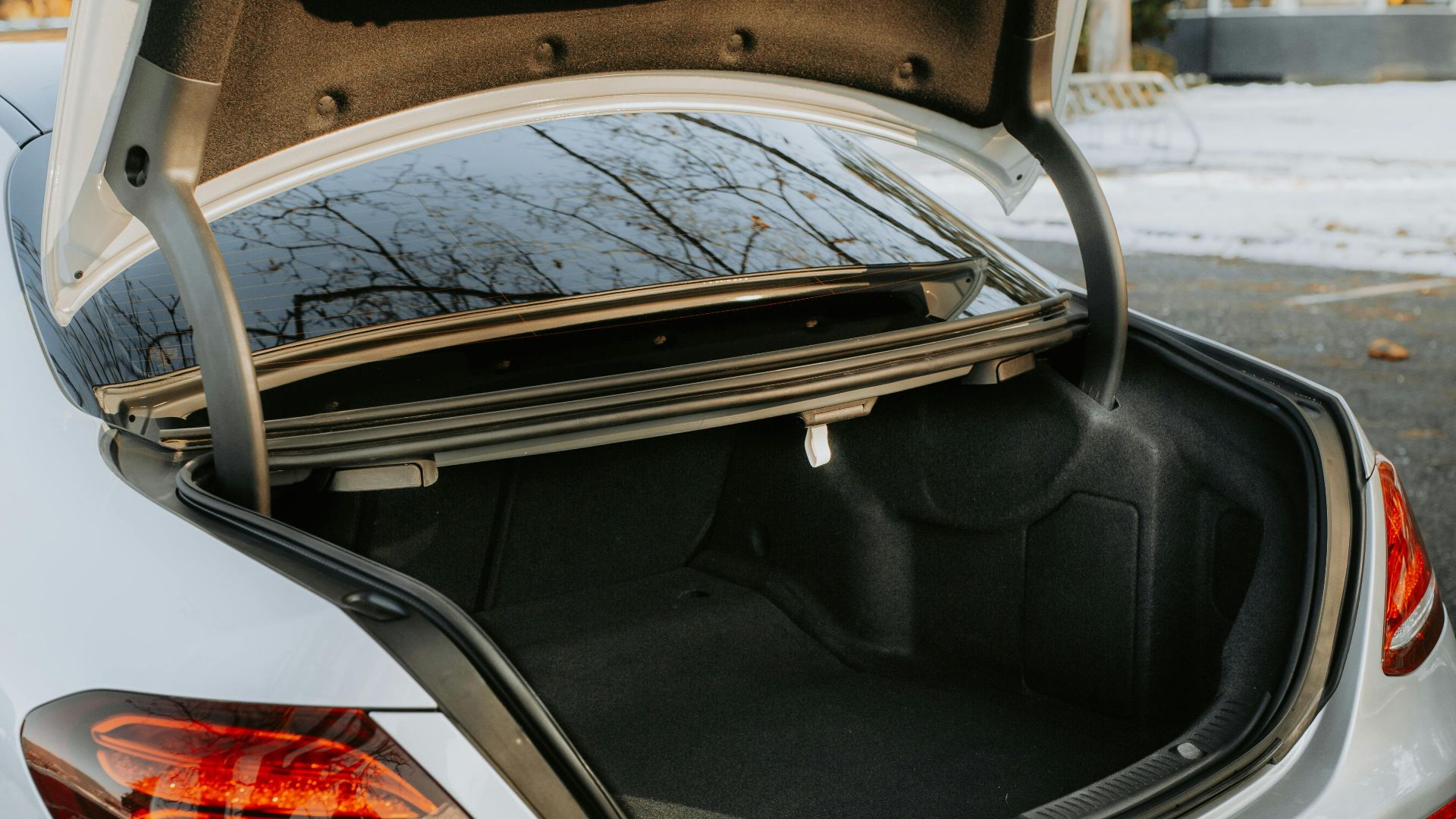
9. Notice Cargo Space And Everyday Storage
If you're someone who's looking for a lot of space to put your things, make sure you take a moment to analyze the trunk, hatch, glove box, and more. These will tell you how practical the car really is, and whether or not it'll be able to fit your belongings.
10. Notice How You Feel After The Drive
It might sound obvious, but when the drive ends, take a moment before making any decision. Ask yourself whether you felt confident, comfortable, and relaxed, or whether you kept noticing small frustrations. The true meaning of a good test drive is that you feel more settled with your decision rather than more concerned.