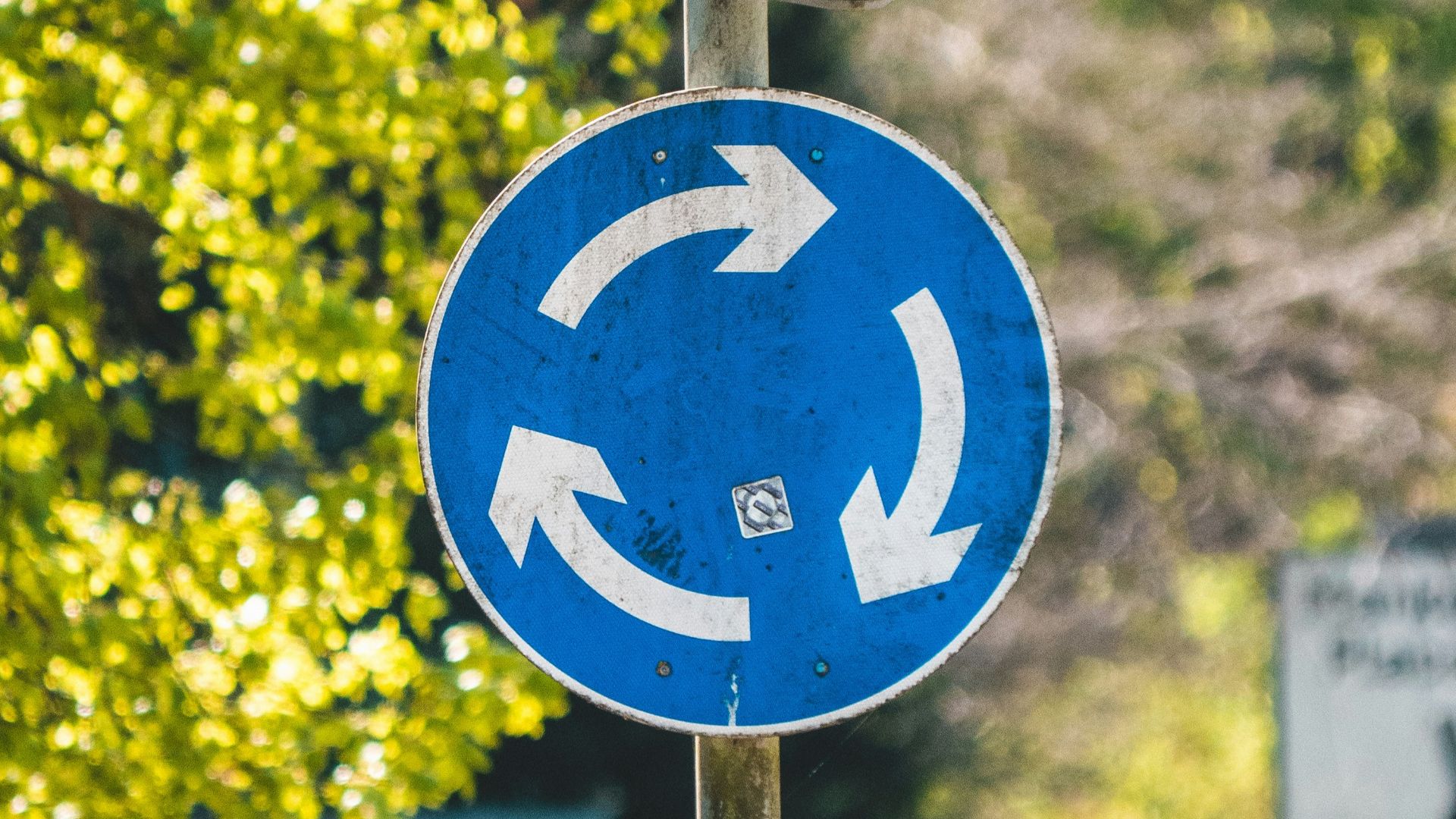
In most of the world, roundabouts are a fact of life. Traffic enters one way, does a counter-clockwise do-si-do, and exits neatly without any trouble. However, notoriously car-loving Americans are one of the few developed nations to turn their noses up at roundabouts.
The issue isn't as simple as poor driving etiquette or a resistance to change. Actually, it's a combination of those factors along with some others. Let's explore some of the reasons why.
Roundabouts are intersections, just like traffic lights and four-way stops. By reducing traffic speeds and directing traffic in an orderly manner, they reduce not only the likelihood of collisions, but the severity of them. Additionally, roundabouts are generally safer for pedestrians, as they visually simplify the flow of traffic.
Round And Round We Go
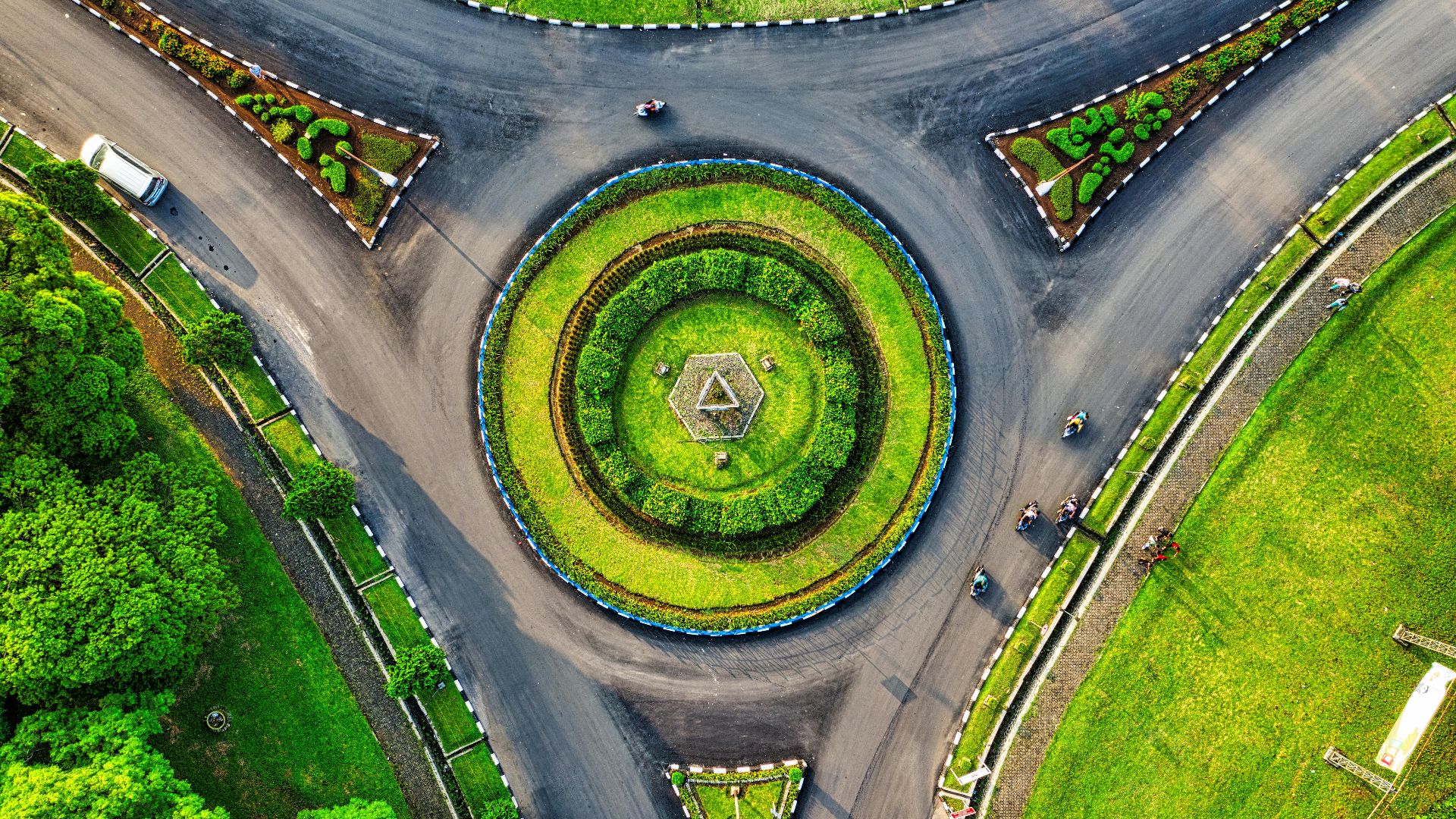
Early traffic circles, such as the Place de l'Étoile in front of Paris's Arc de Triomphe, were constructed in the late 18th century. This was the beginning of the Industrial Revolution, which saw widespread modernization and mechanization in trades which led to today's society. Indeed, France still leads the way with roundabouts; there are more than 42,000 throughout the country!
While early roundabouts appeared in Indianapolis and Manhattan, America was slow to adapt roundabouts after they'd been redesigned in the 1960s. By this point, stop signs and traffic lights were already well-established. Resistance to the recently-established status quo was inevitable.
The same thing occurred in the UK in the 1960s. However, perhaps due to some long-ingrained British desire to politely queue, the UK accepted roundabouts as part of daily life and is now home to 26,000.
Once implemented, the effects of roundabouts were immediately obvious. They took a little while to get used to, but, once drivers were comfortable with them, they saw a major improvement in daily life. Roundabouts are not only safer, but they're better for your car and the environment.
Because you spent less time idling at roundabouts, you save gas as well as time otherwise lost to endless traffic. Additionally, roundabouts are easy on the vehicles themselves, as they do not have to stop and start again to let traffic in. This puts less stress on the engine, as well as reducing both emissions and noise.
You would think that America, on average one of the countries with the worst congestion in the world, would embrace roundabouts as a means of delaying traffic at major intersections. Unfortunately, the reverse is true more often than not.
Due to the relative scarcity of roundabouts, they aren't generally included on either written or road drivers' tests. So, drivers aren't prepared to encounter them in real life, which leads to accidents. This, in turn, creates a snake-eating-its-own-tail situation where, rather than educating people about roundabouts, municipal governments continue building them anyway.
Have Wheels, Will Travel
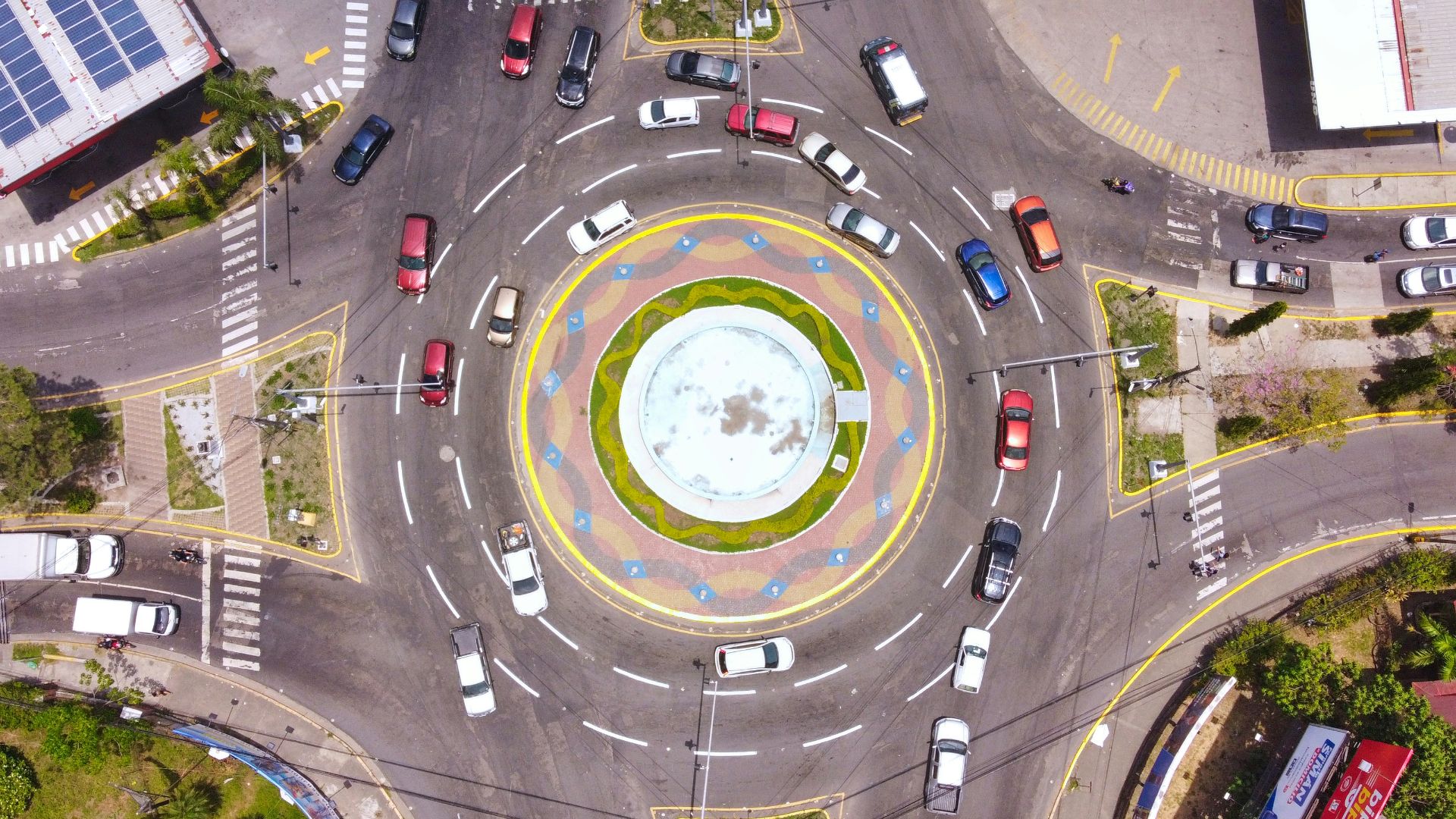 Héctor Emilio Gonzalez on Unsplash
Another factor that might explain why roundabouts excel in Europe but not America may be attributed to differences in driving styles, as well as the cars themselves.
We're not saying that drivers in Europe are automatically more polite—in fact, France leads the continent in road rage, so there's no 1:1 roundabout-to-peace ratio—but rather that they drive differently than Americans. On average, Americans have a more aggressive and independent driving style than Europeans. They also tend to drive bigger cars on wider highways, which can make roundabouts a tight squeeze.
However, Canada, which has a similar driving culture, both in temperament and vehicle size, has a more positive—but still love-hate—relationship with roundabouts. While Canada may only have a fraction of America's roundabouts, they also have a fraction of the population or density. So, maybe the answer isn't so cut-and-dry.
If you want to avoid roundabouts, you should Florida, which has well over a thousand. Meanwhile, Maryland has the most roundabouts per mile, with roughly one roundabout per mile. South Dakota, on the other hand, has just 16 in the whole state.