Prevent Injuries Before They Happen
Snowmobiling delivers speed, freedom, and adrenaline—but those same elements can turn dangerous in seconds. Every winter, preventable mistakes and overlooked hazards lead to injuries that change lives forever. Knowing what causes these accidents is the difference between a great ride and a tragic outcome. Before you hit the throttle this season, it’s worth paying attention. Let’s start with the top causes every rider should know.
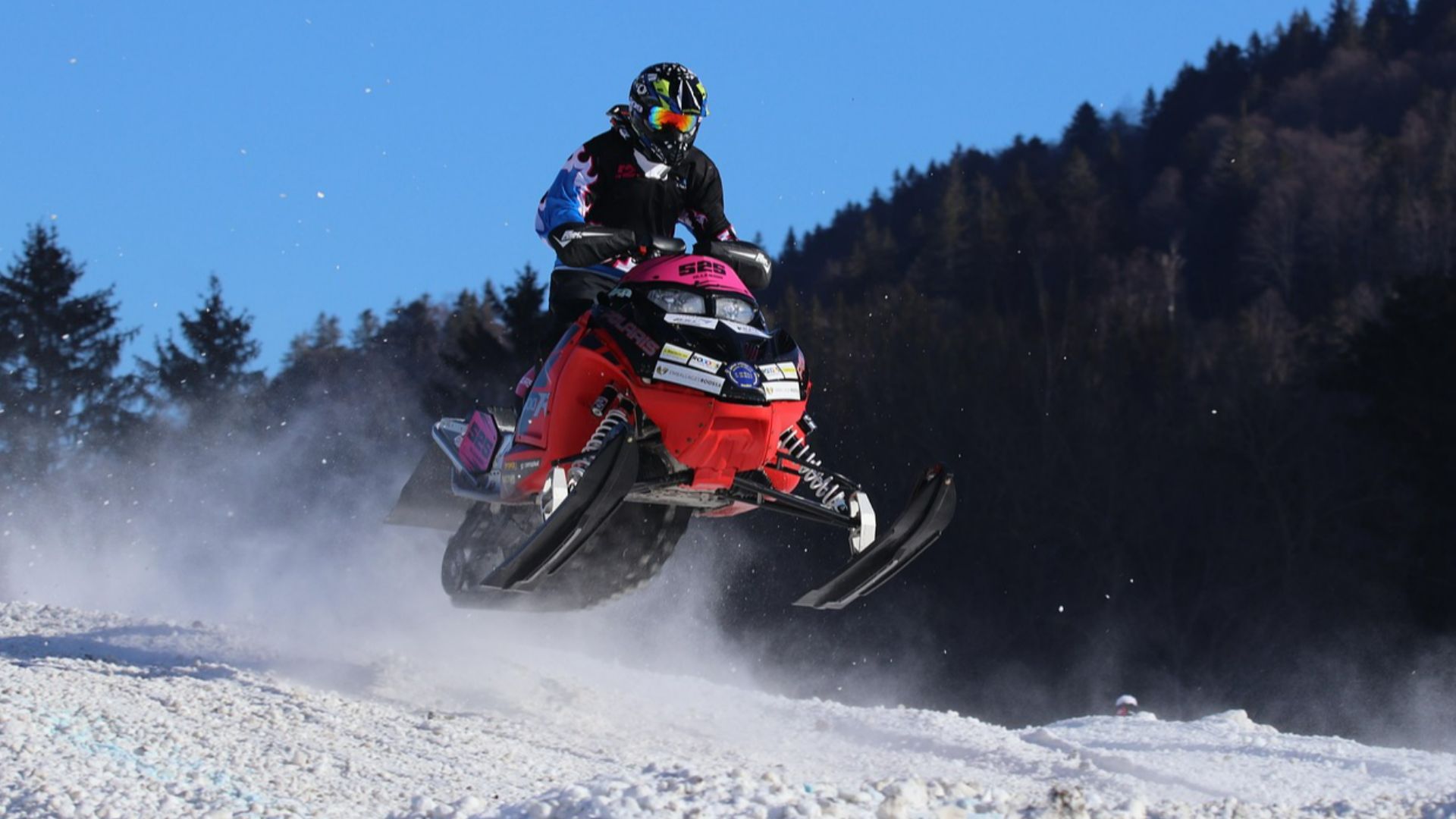
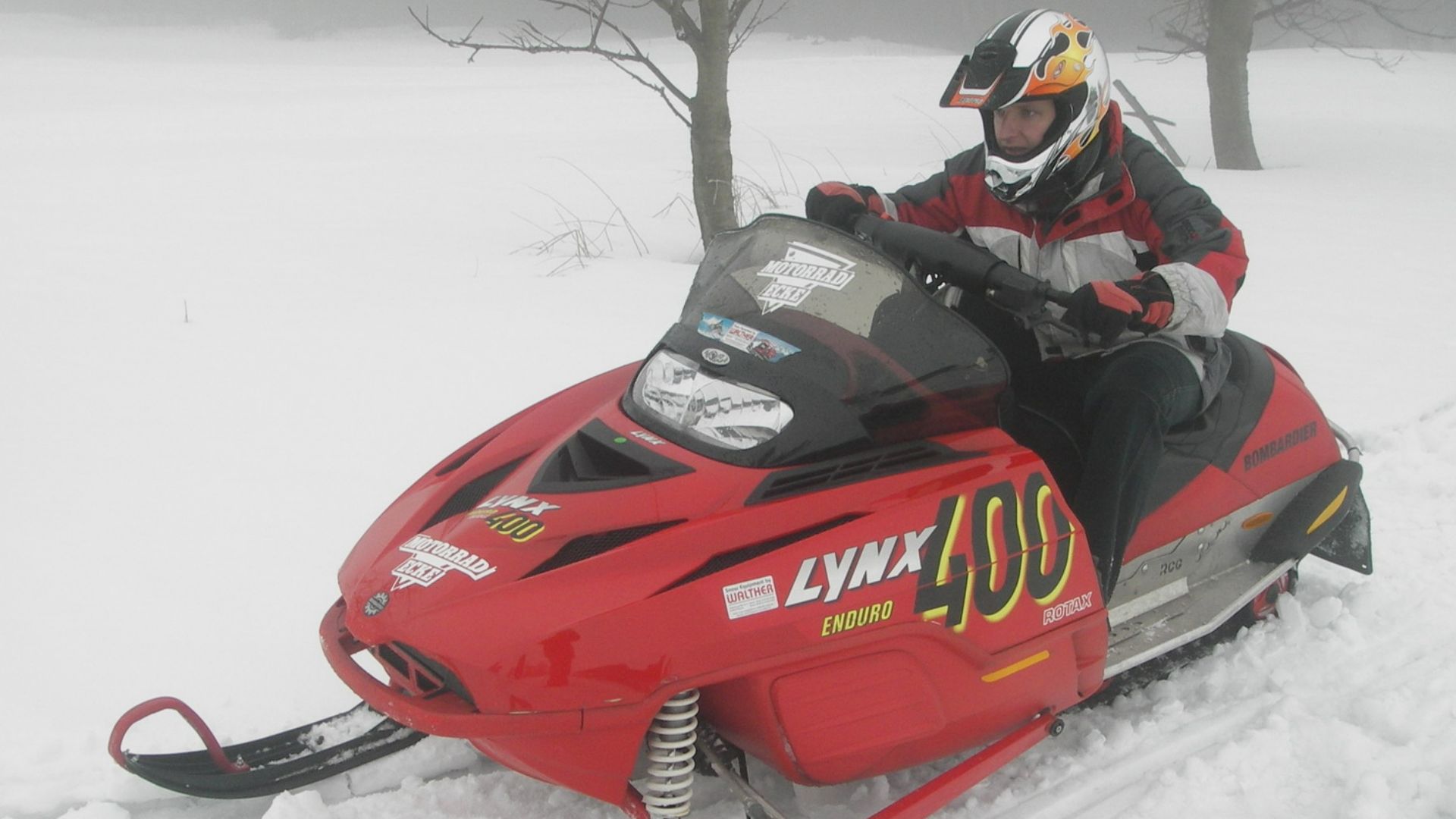
1. Overconfidence From Limited Riding Experience
Beginners often feel invincible after just a few successful rides without any problems. That false confidence pushes them to attempt maneuvers their skills can't actually handle yet. The gap between what you think you can do and what you're truly capable of is where most accidents happen.
 Dirk Unger (Unger.dirk at de.wikipedia) on Wikimedia
2. Excessive Speed On Unfamiliar Terrain
Going fast feels incredible until you hit a hidden drop or sharp turn you didn't see coming. New trails don't give you the luxury of knowing what's around the next bend or over that ridge. Speed that feels safe on your regular routes becomes reckless the moment you're somewhere you've never been before.
3. Sudden Weather Shifts Creating Dangerous Conditions
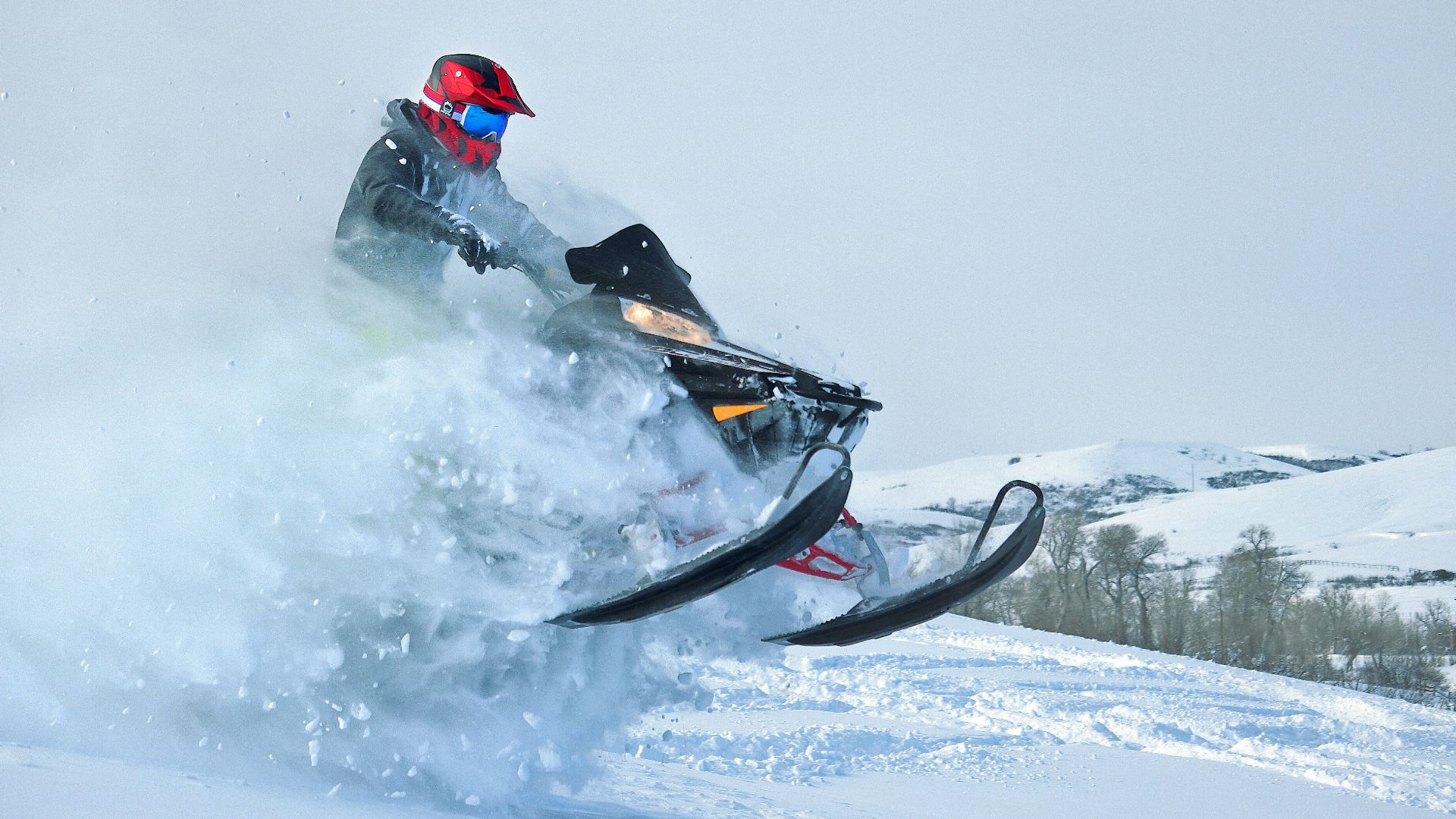
Bluebird skies can turn into whiteout conditions within minutes in mountain terrain. Temperature drops cause ice patches where there was just powder moments earlier. Mother Nature doesn't care about your riding plans and will change the game without any warning whatsoever.
4. Thin Ice Or Unstable Frozen Surfaces
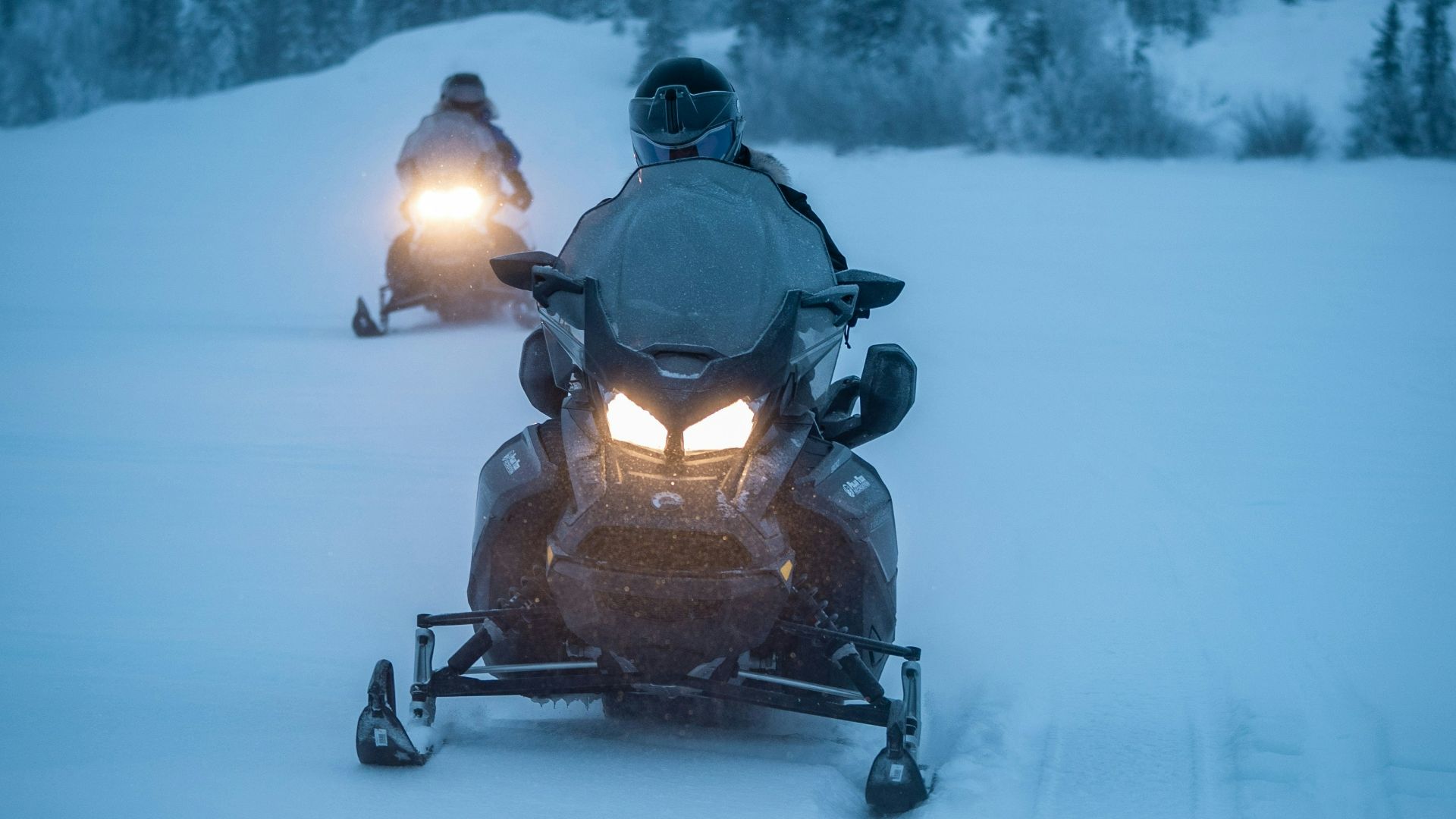
Crossing frozen lakes and rivers without checking ice thickness first is gambling with your life unnecessarily. What looks solid from the shore might be just inches thick and ready to crack under weight. Breaking through ice on a snowmobile gives you seconds to react before hypothermia and drowning become real threats.
5. Ignoring Early Warning Signs Of Fatigue
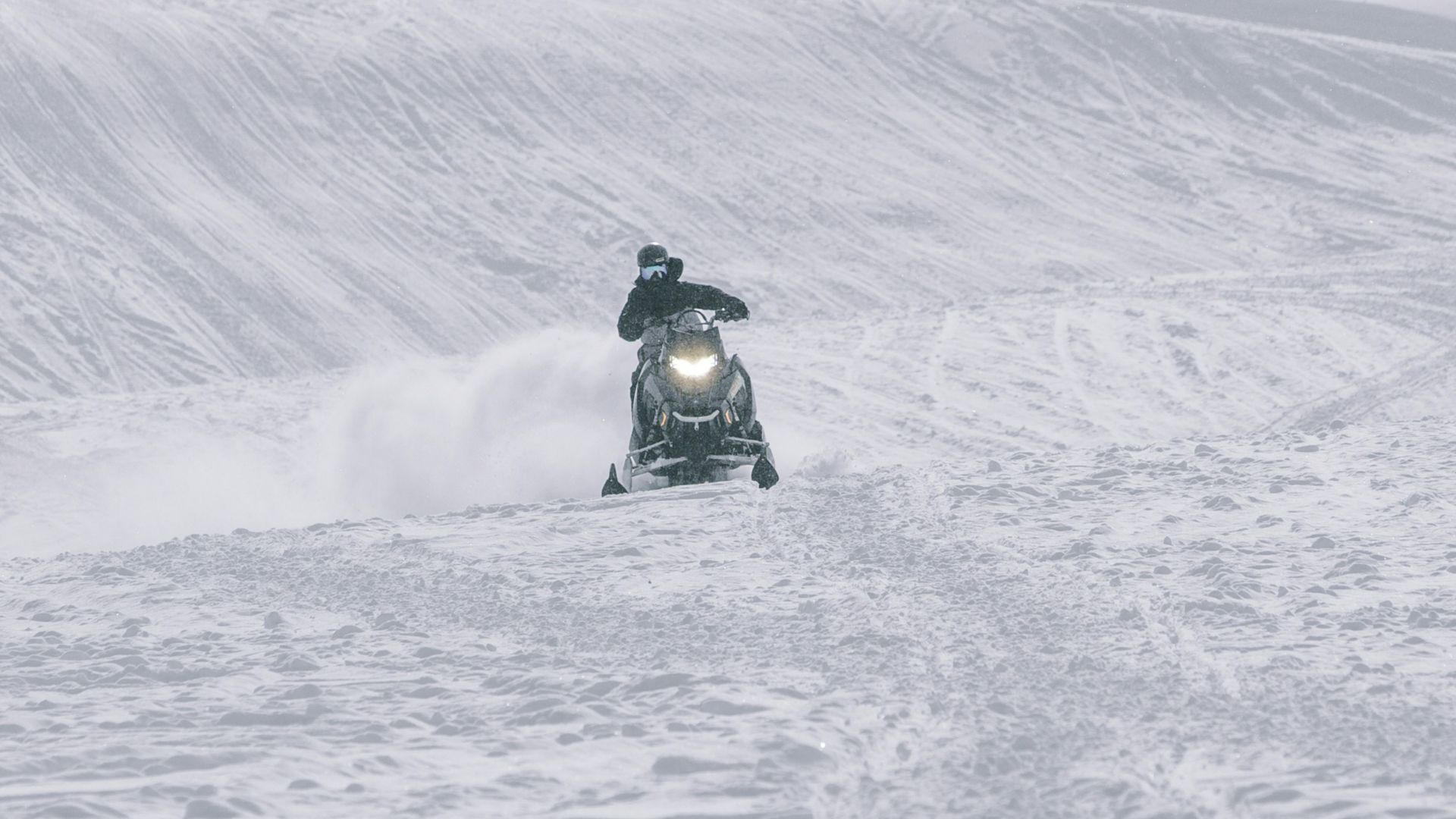
Your body starts sending signals—sore muscles, slower reactions, decreased focus—but you push through for one more run. Tired riders make stupid decisions and can't respond fast enough when something unexpected happens on the trail.
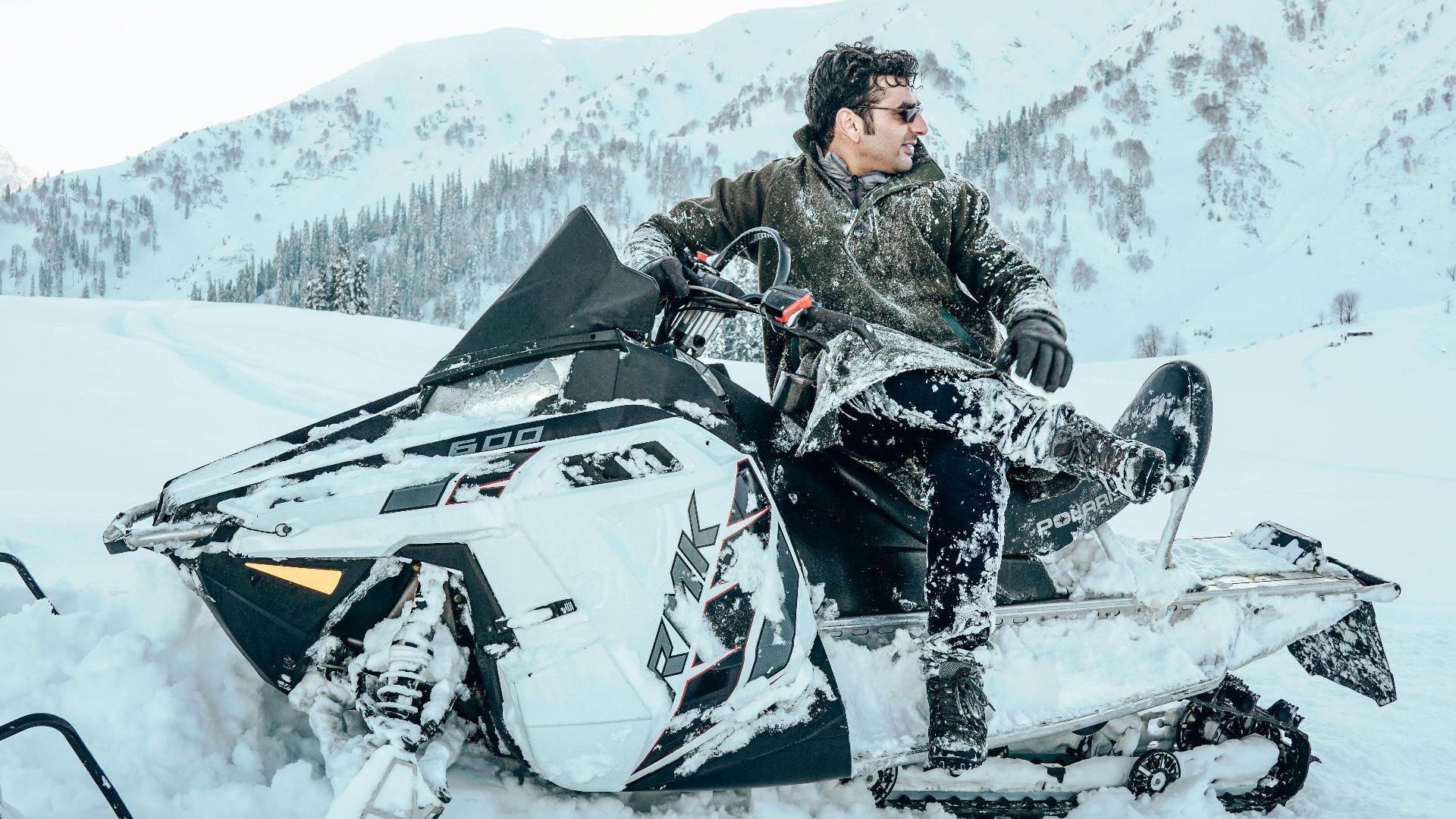
6. Inadequate Knowledge Of Local Wildlife Patterns
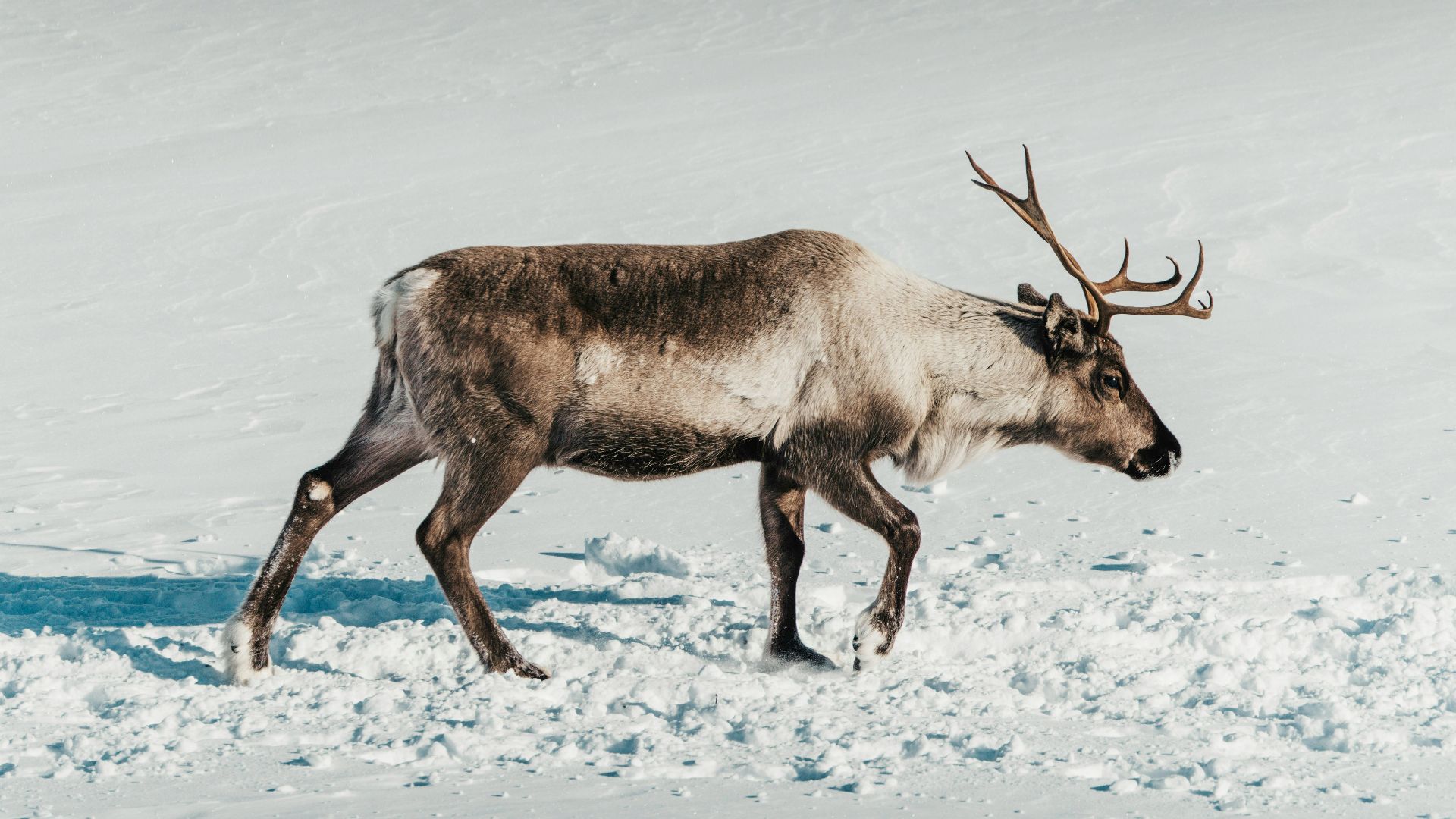
Collisions with wildlife happen because riders don't know when or where animals typically move through certain areas. A surprised elk or caribou in your path gives you zero time to brake or swerve safely.
7. Alcohol Or Drug Use While Riding
Your reaction time and judgment all go out the window the second substances enter your system. What feels like confidence is actually impairment, making you think you're riding better than you are. Mixing alcohol or drugs with a powerful machine on unpredictable terrain is basically asking for a trip to the hospital.
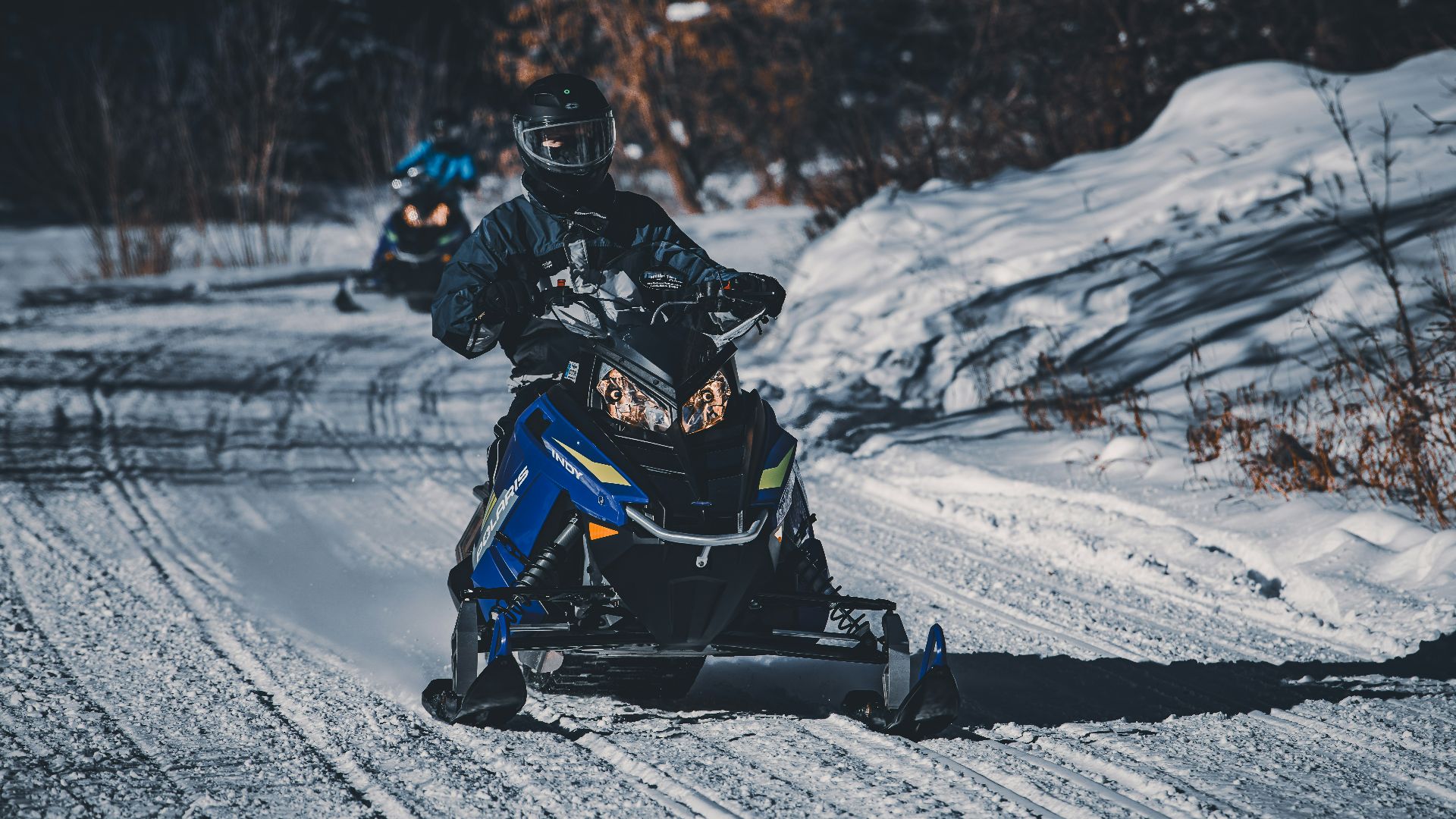
8. Miscommunication In Group Rides
Hand signals get missed, meeting points get confused, and riders end up separated without a clear plan. When everyone assumes someone else is leading or knows the route, dangerous gaps in coordination appear.
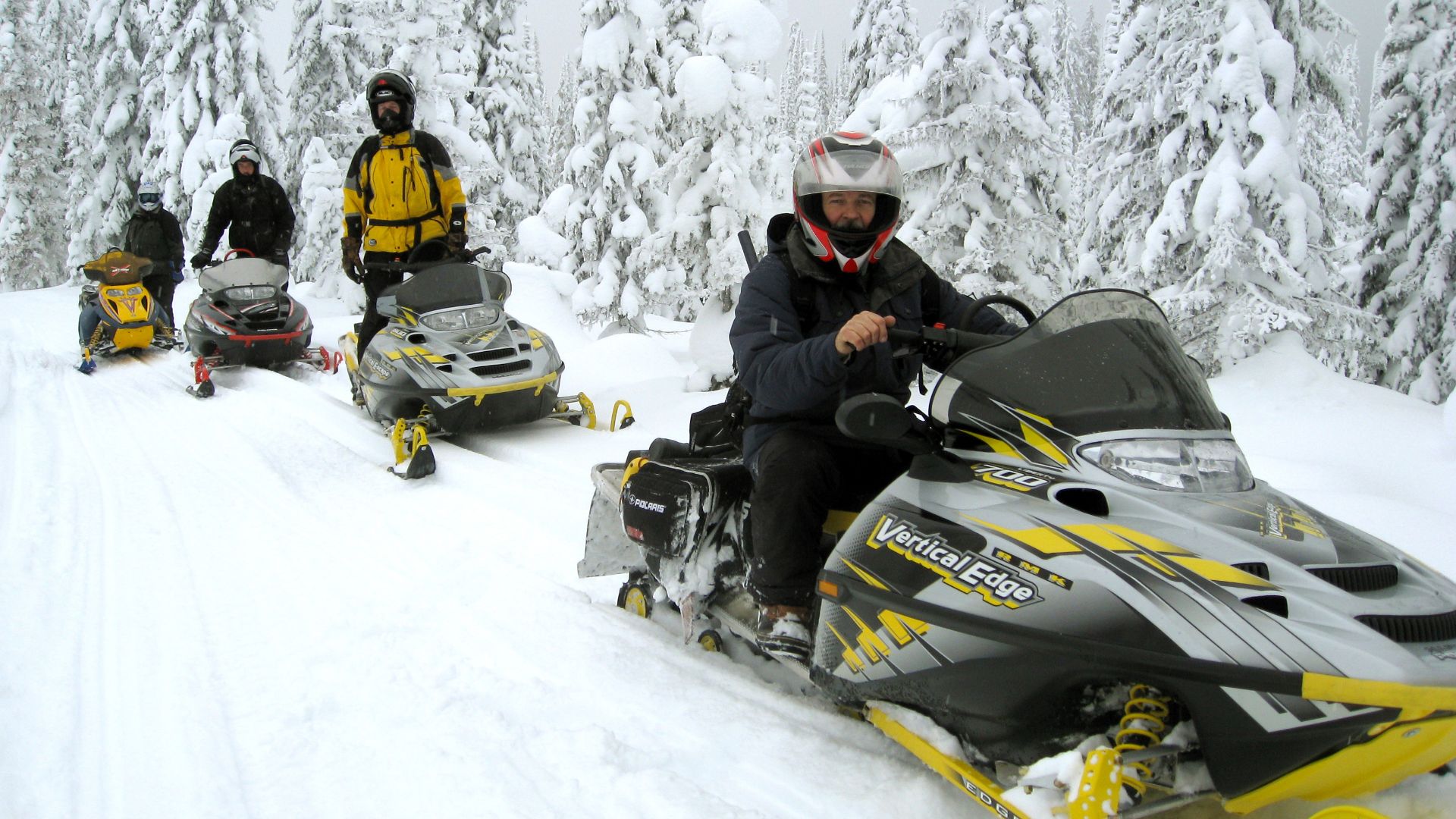 Unknown authorUnknown author or not provided on Wikimedia
9. Improper Loading Of Gear Affecting Balance
Strapping everything to one side of your snowmobile or putting too much weight up front throws off handling completely. The machine responds differently than you expect during turns or when accelerating across uneven terrain. Distribution matters more than total weight when it comes to maintaining control.
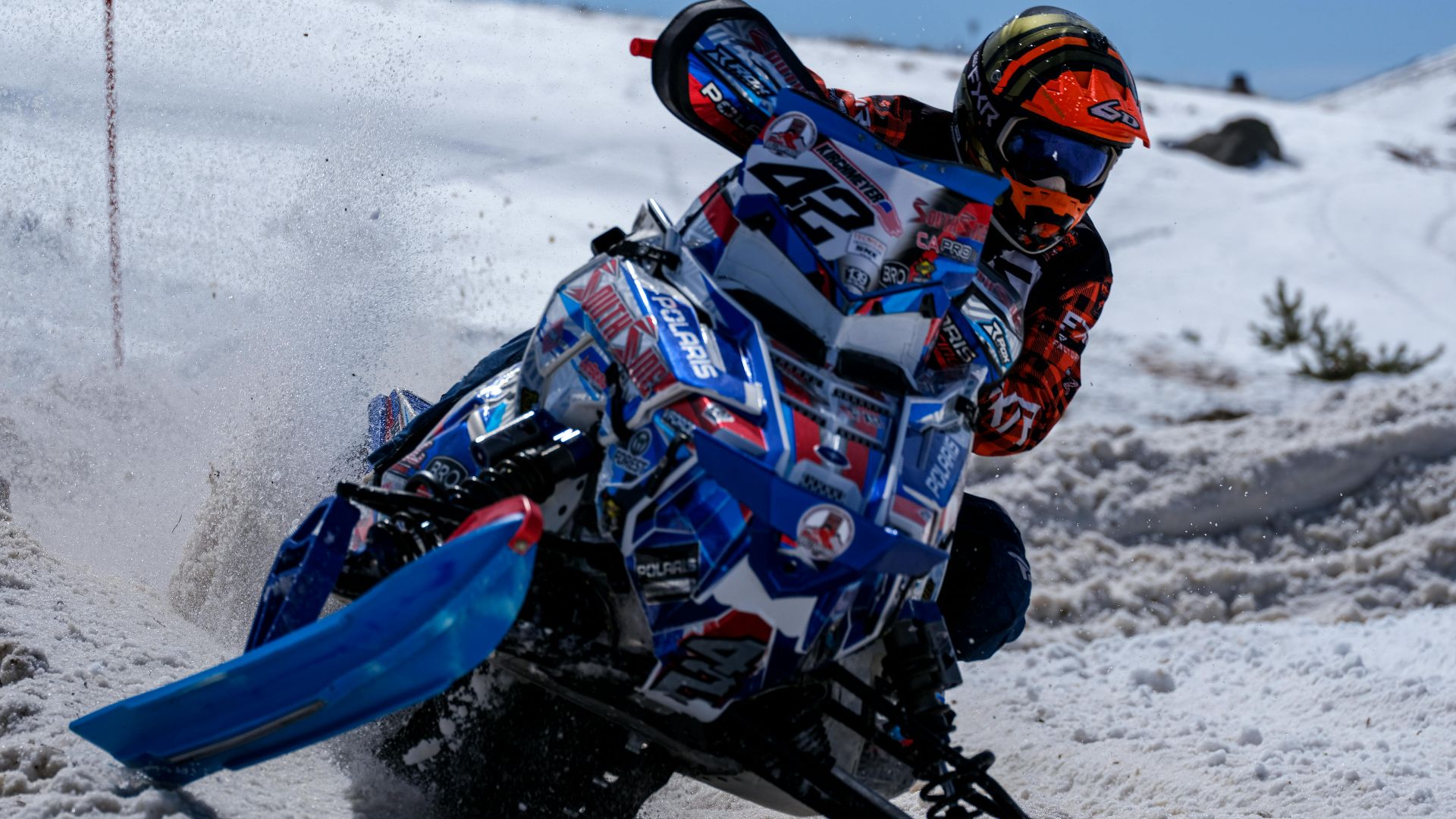
10. Collisions With Trees, Rocks, Or Obstacles
Trails lined with trees and scattered with rocks turn into deadly obstacle courses at high speeds. Even a brief slip in focus or a minor error in judgment can send you crashing into something completely unforgiving. Unlike cars, snowmobiles don't have crumple zones—your body absorbs the full impact of hitting solid objects.
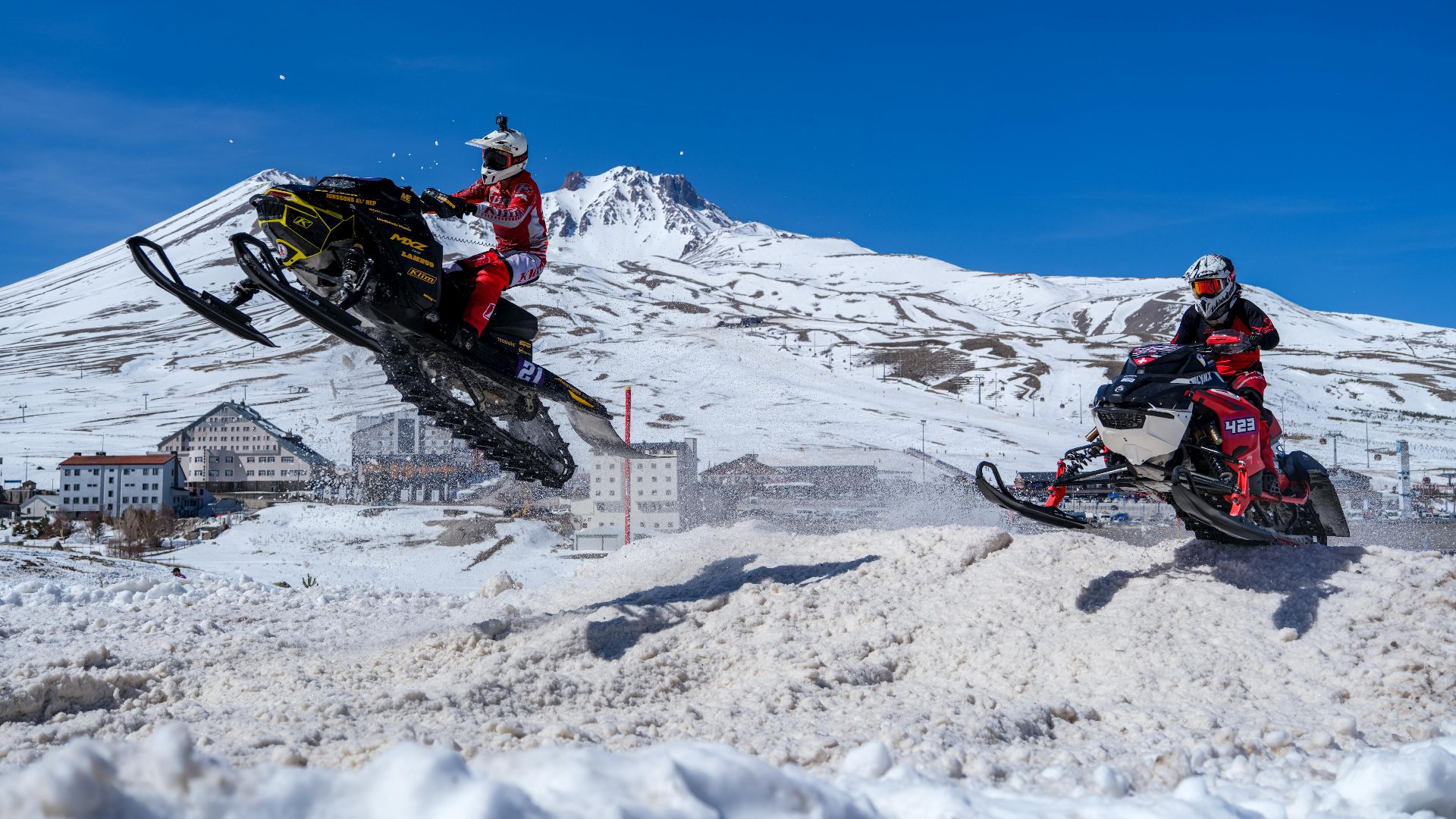
1. Build Endurance And Fitness
Strong core muscles and good cardiovascular health help you control the machine through rough terrain without getting wiped out. Being physically prepared means you can ride longer without fatigue clouding your judgment or slowing your reactions.

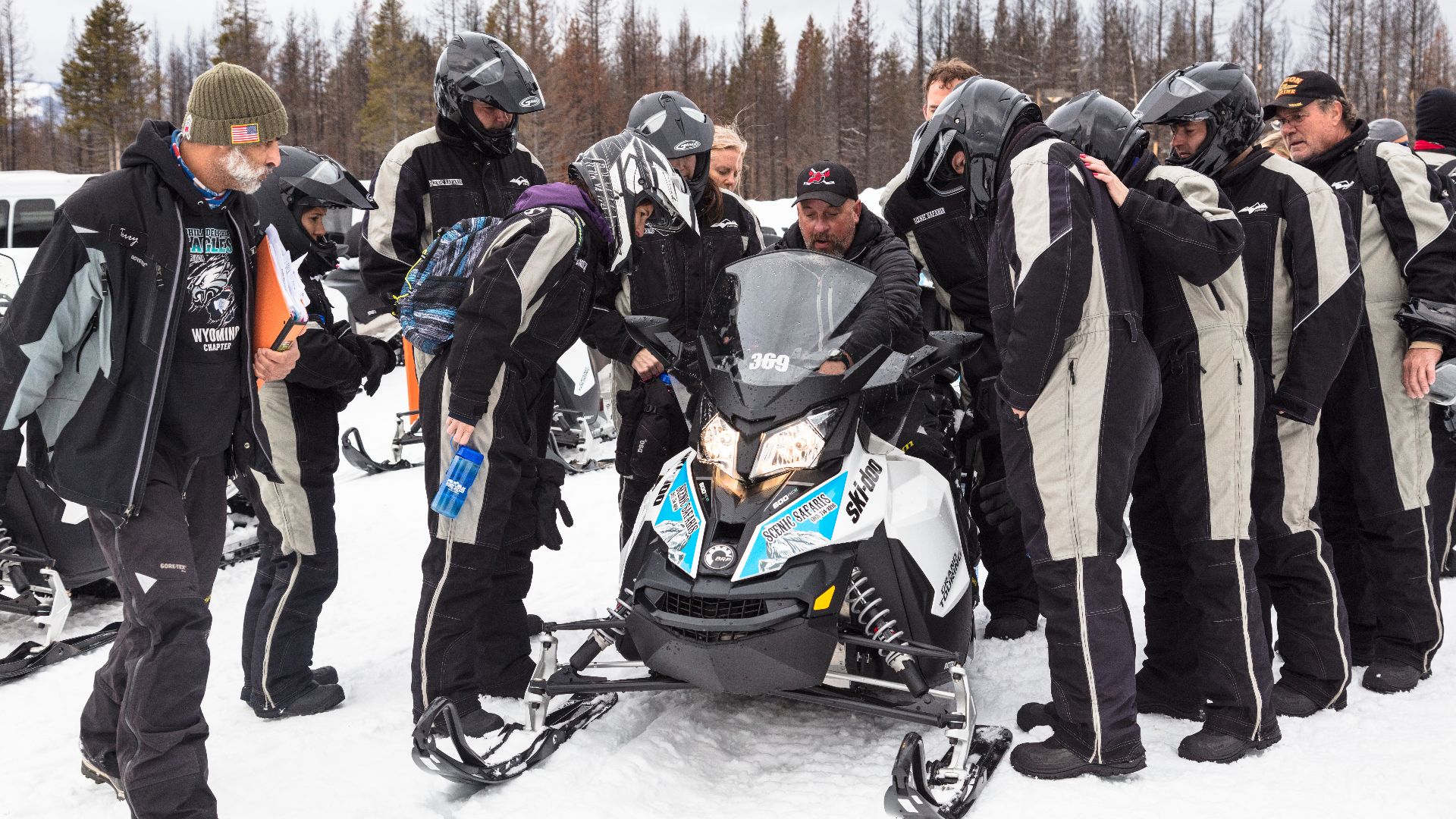
2. Join Local Snowmobile Clubs
Clubs connect you with veterans who've already made the mistakes you're about to make and survived them. With their real-world experience, they share trail knowledge and safety tips that you won't find in any manual.
 Yellowstone National Park on Wikimedia
3. Invest In Advanced Safety Gear
Avalanche beacons, airbag packs, and impact vests might seem excessive until they save your life someday. Quality protective equipment costs money upfront, but pays for itself the first time you actually need it.
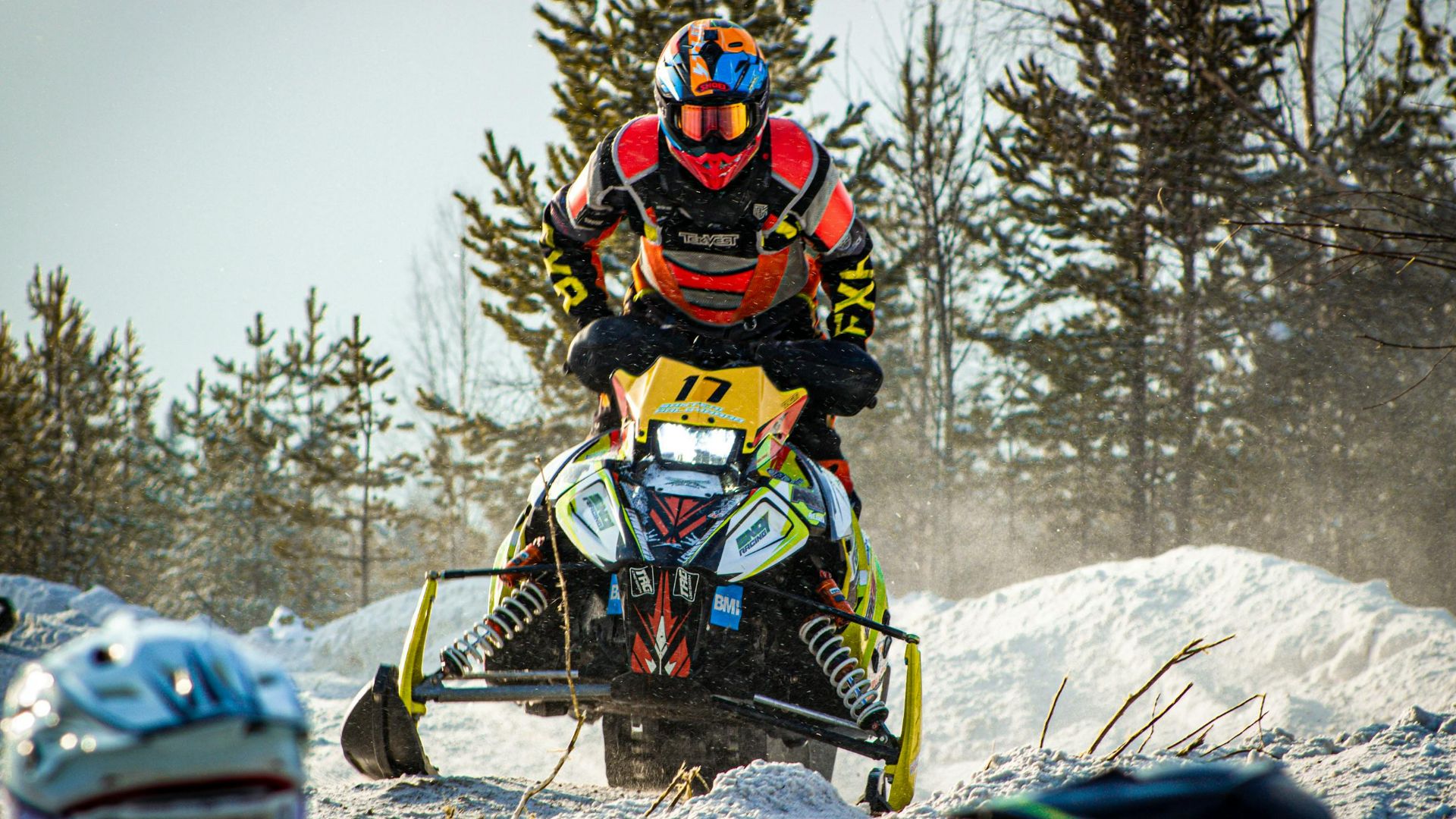
4. Take Regular Refresher Courses
Even experienced riders develop bad habits over time that instructors can spot and correct immediately. Safety courses update you on new techniques and trail regulations that change between seasons. Staying current with training keeps your skills sharp.
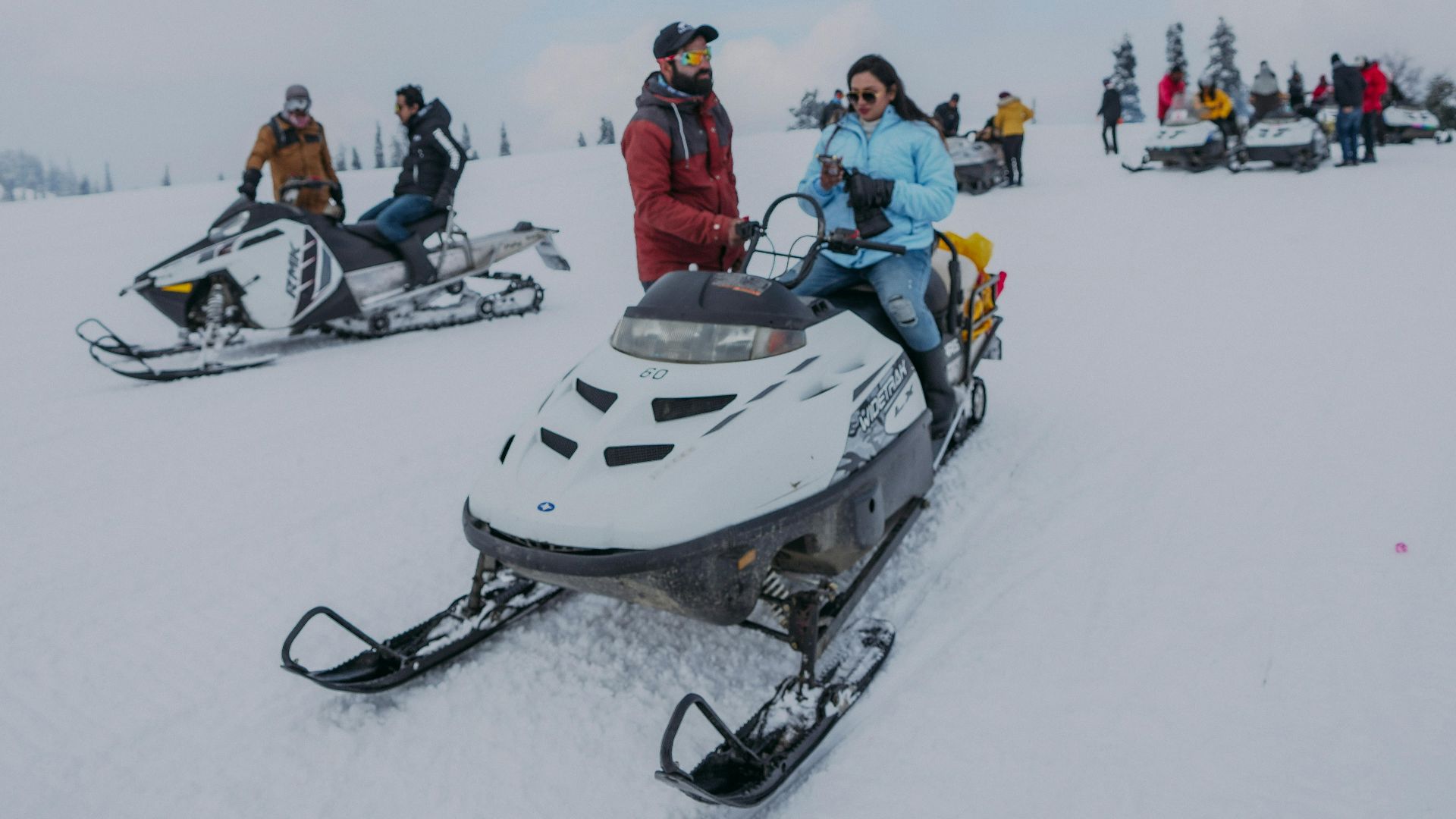
5. Study Trail Maps Before You Leave Home
Familiarizing yourself with the route beforehand means you'll recognize landmarks and won't panic when choosing between paths. Mental preparation eliminates the guesswork that causes riders to make dangerous split-second decisions on unfamiliar trails.
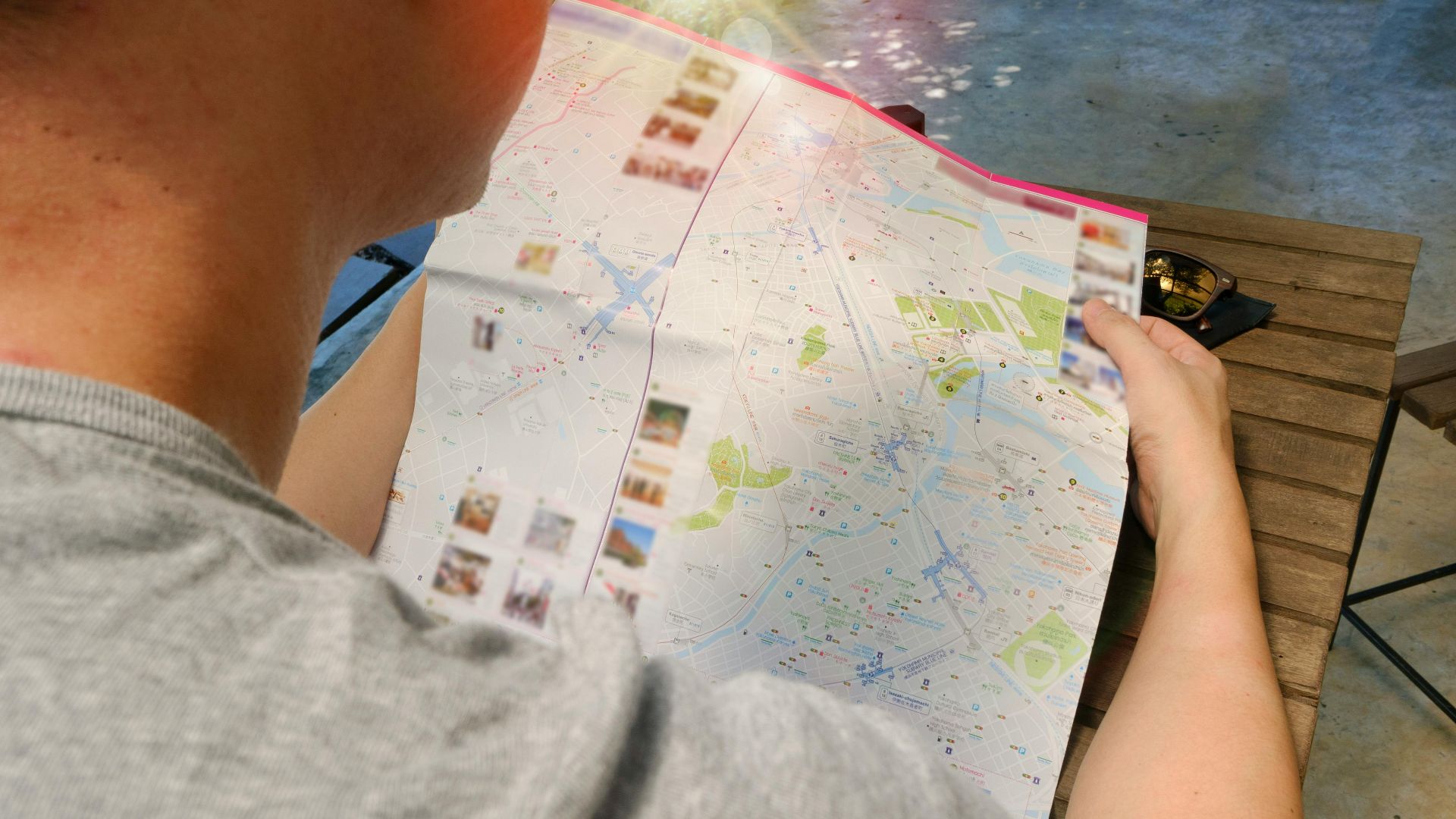
6. Inspect Your Snowmobile Thoroughly
Mechanical failures cause crashes that skilled riding can't prevent, so checking brakes, belts, and steering takes just minutes. Small problems you catch during inspection become massive emergencies once you're twenty miles deep on the trail.
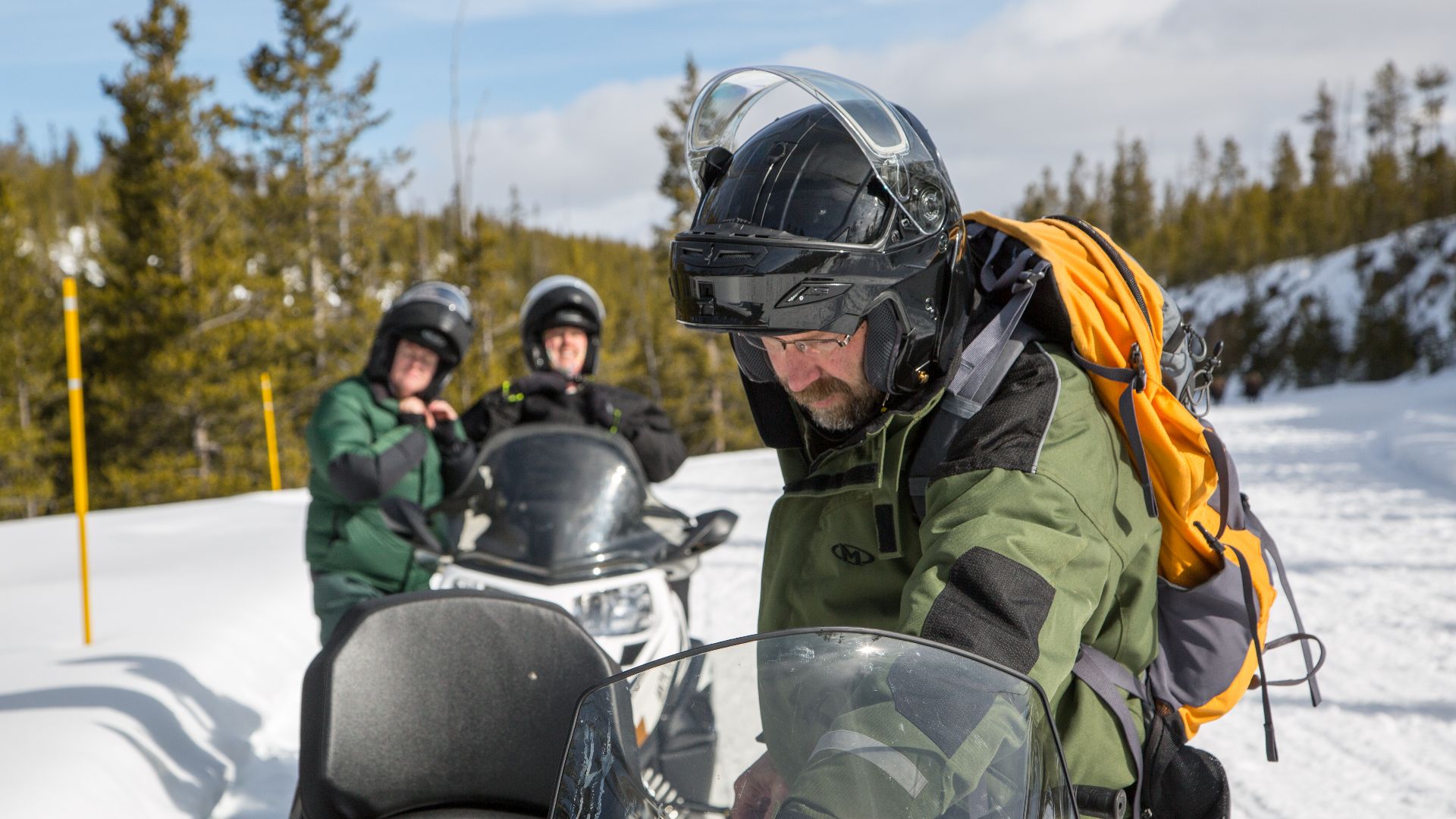 Yellowstone National Park on Wikimedia
7. Practice Mindfulness To Stay Calm
Panic makes everything worse when your sled gets stuck or conditions turn dangerous suddenly. Training yourself to breathe deeply and think clearly during stress keeps you functional when things go sideways. Remember that mental preparation holds the same weight as physical skills for handling emergencies.
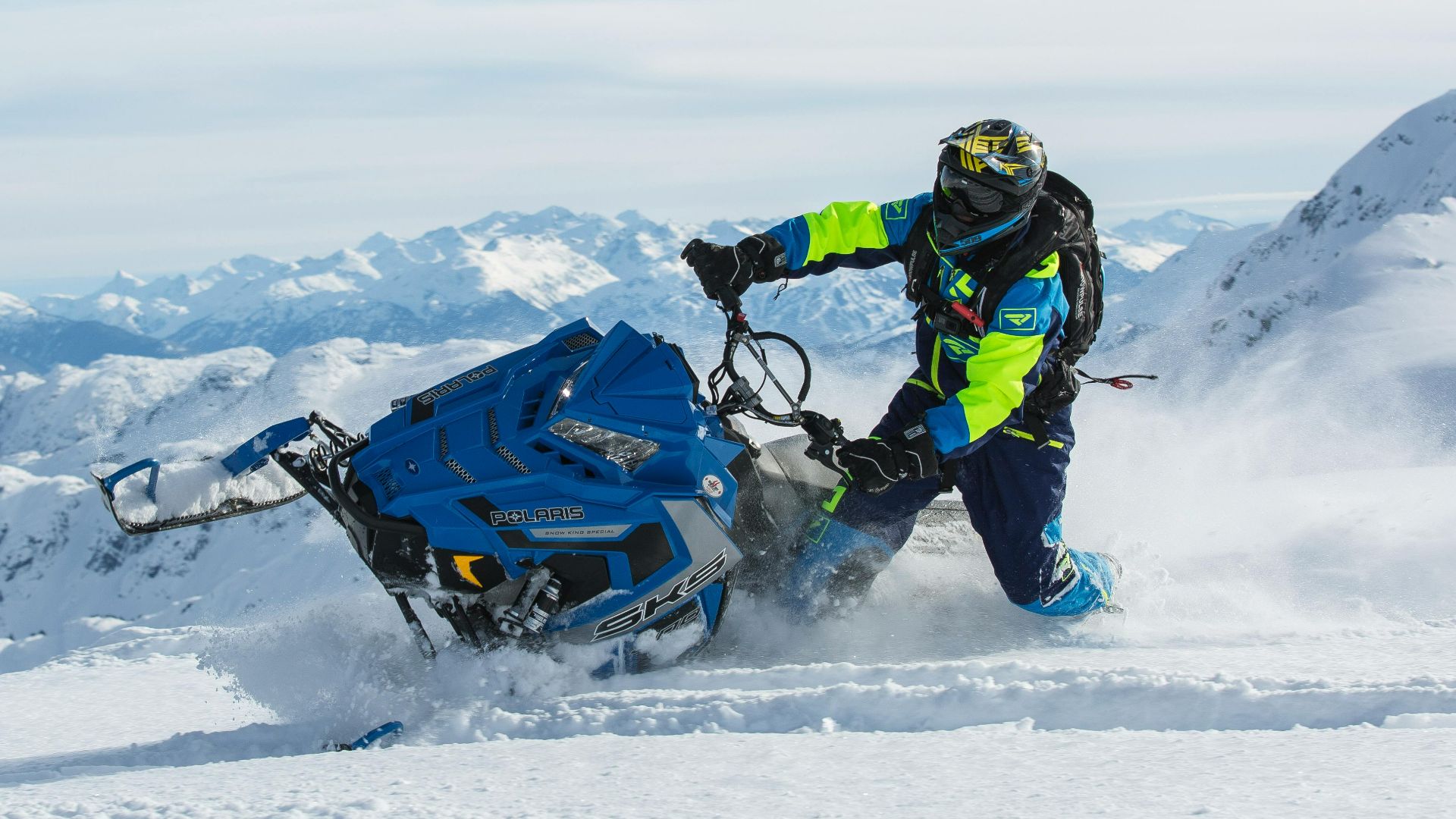
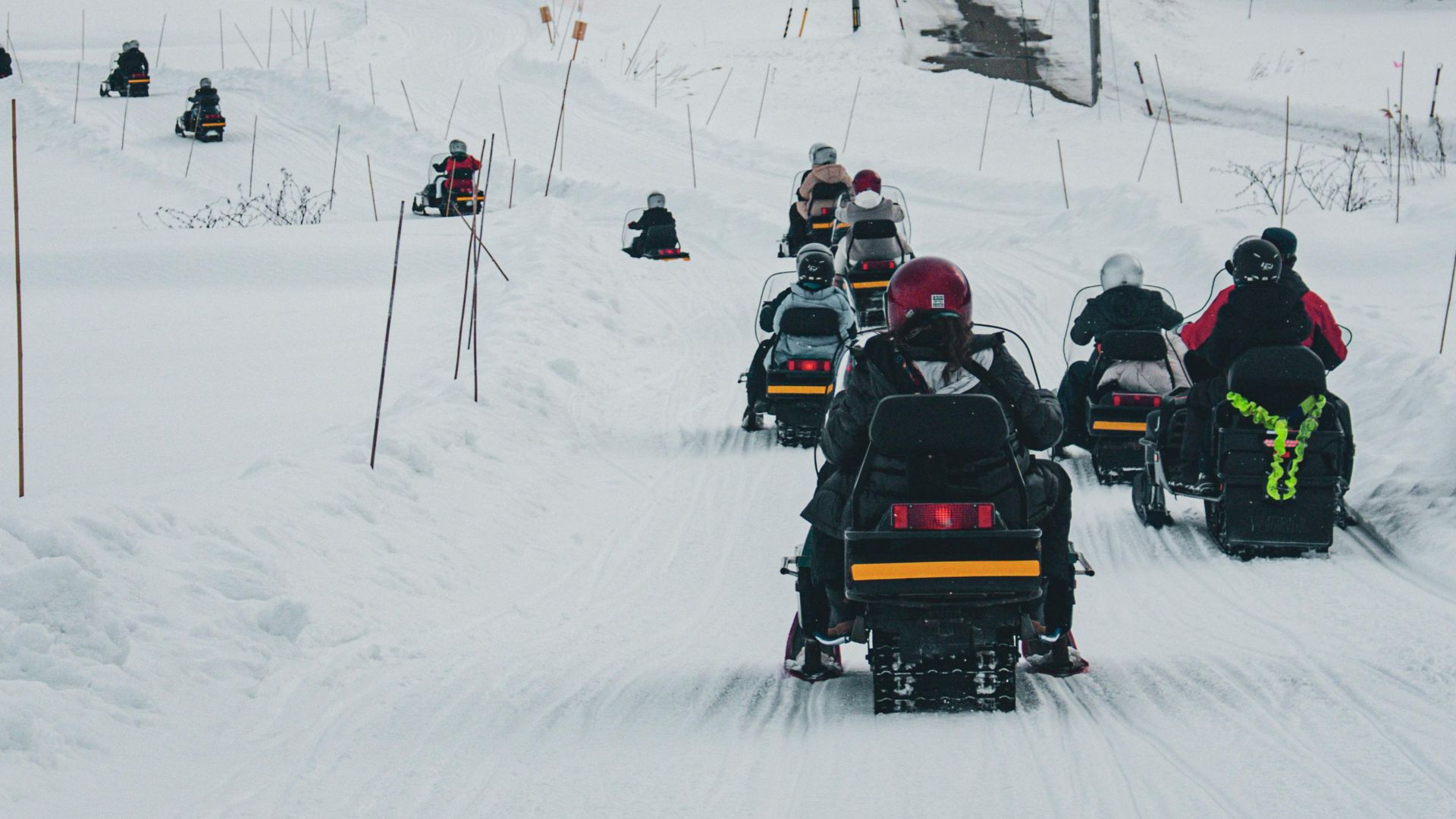
8. Rotate Responsibilities In Group Rides
Taking turns as the lead rider or navigator keeps everyone engaged and aware of group dynamics. Shared responsibilities prevent one person from shouldering all the decision-making burden and getting overwhelmed. Teams that rotate roles communicate better and watch out for each other more effectively.
 Jim (Jimothy) Natanauan on Pexels
9. Schedule Rides During Daylight
Everything gets significantly more dangerous once the sun goes down and visibility drops to almost nothing. Obstacles you'd easily avoid in daylight become invisible hazards that appear right in front of you. Night riding might feel adventurous, but it multiplies your injury risk exponentially for minimal benefit.
10. Develop A Habit Of Post-Ride Reflection
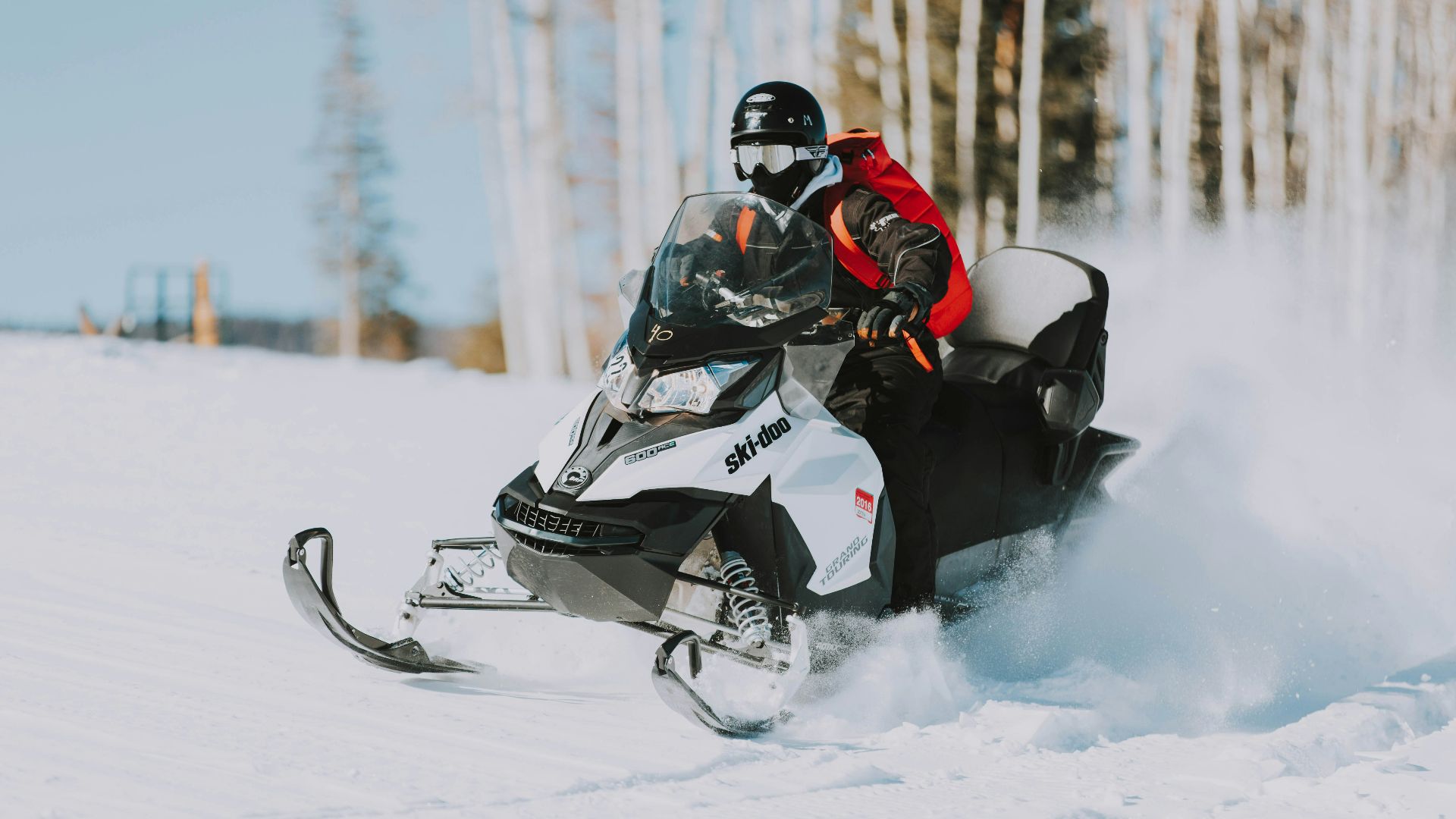
Thinking about what went well and what went wrong after each outing helps you improve continuously. Close calls and minor mistakes offer valuable lessons if you actually take time to process them honestly.