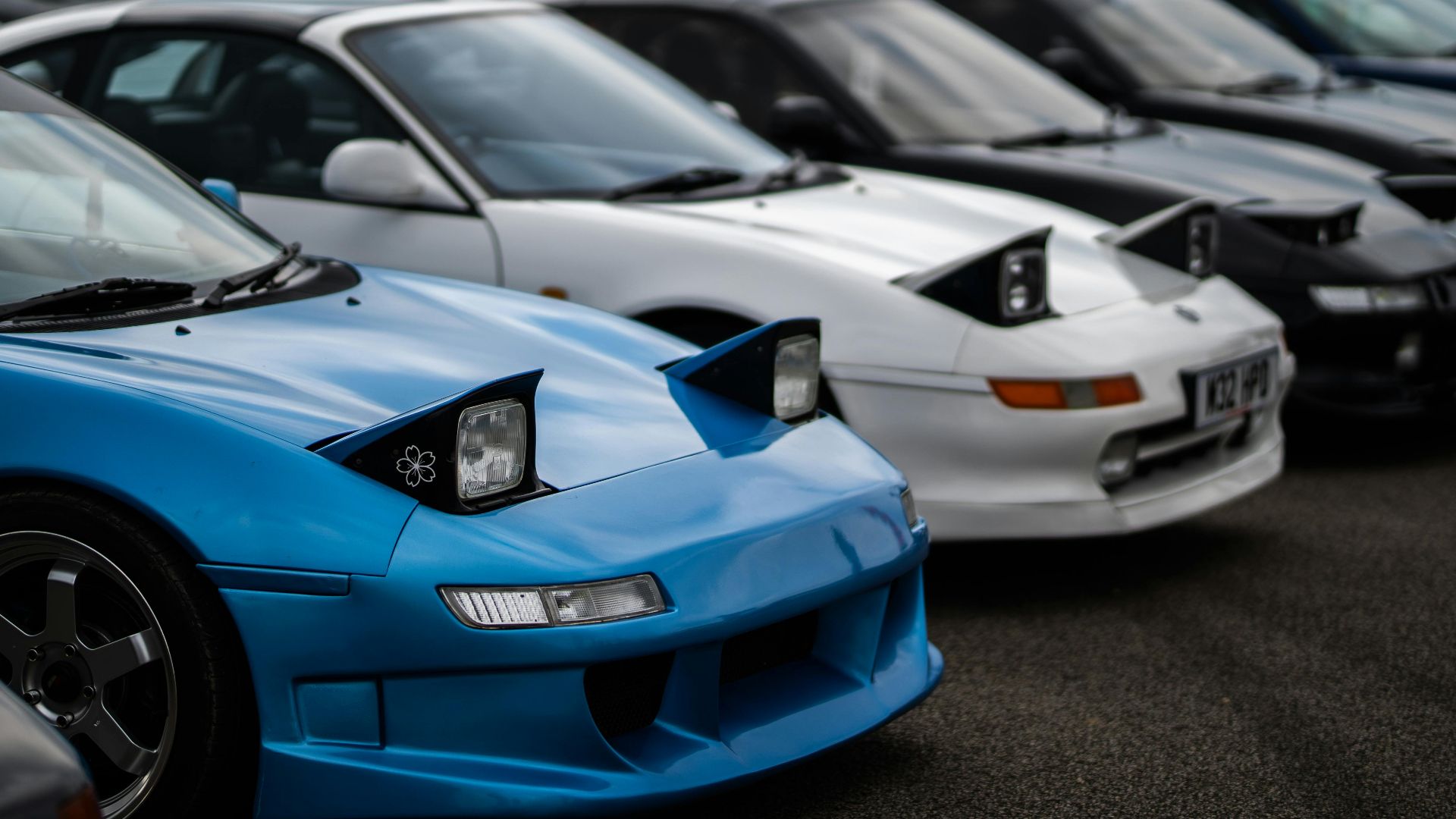
If you take a quick glance at any crowded parking lot or look out over a busy freeway during rush hour, you'll notice a distinct lack of rainbows. While automotive paint technology has advanced to include everything from pearlescent oranges to matte purples, a single neutral shade continues to dominate the global market with an iron grip. White has remained the undisputed champion of car colors for over a decade, and its reign doesn't seem to be ending anytime soon. It’s a fascinating phenomenon that tells us a lot about how we value practicality, technology, and even our own pocketbooks.
You might think that such a simple choice is merely a matter of boring taste, but there’s a complex web of psychology and physics behind why millions of people choose a white vehicle. Whether it’s the way the light hits the bodywork or the expected check received when it’s time to trade the car in, white offers a unique set of benefits that more vibrant colors simply can't match. It’s the "safe" bet that consistently pays off for manufacturers and consumers alike, proving that sometimes the most basic option is actually the most sophisticated one. Let’s dive into why this clean, crisp shade continues to leave all other colors in the rearview mirror.
The Science of Staying Cool and Clean
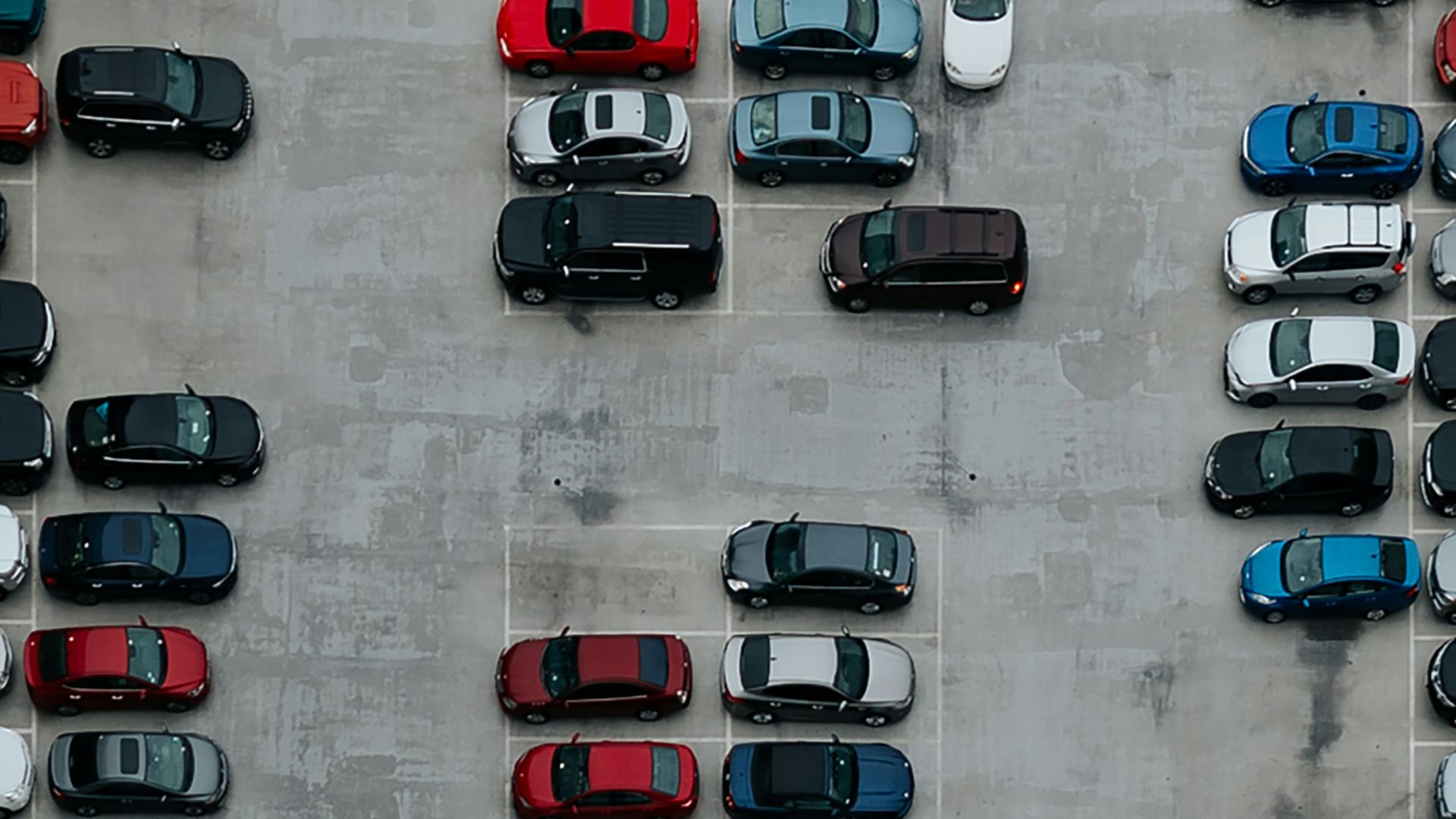
Say what you want about driving a white car, but when it comes to beating the heat, they can’t be beat. Scientifically speaking, darker colors absorb more heat from the sun, while lighter colors like white reflect most of that UV radiation away from the car. If you live somewhere that experiences high temperatures, this can mean the difference between walking into an oven and walking into a slightly warm greenhouse. This also helps with comfort levels and your wallet because the A/C doesn’t have to work as hard.
White is also one of the hardest colors to mess up when you forget to wash your car. Black cars highlight every smudge and swirl from automatic car washes, while white can easily hide dirt and even some scratches. Dirt and water don’t contrast well with white paint, so your car will always look “clean enough.” Plus, who has time to take a car to the cleaners every weekend when you can just wait until you have a few hours to yourself?
Lastly, it’s easier for you and other drivers to see white cars. This is true during the day and at night. Because white sticks out against the darkness of roads and parking lots, you’re much less likely to get into an accident. According to multiple studies, lighter colored cars are safer than darker cars. Drive safe!
The Resale Value and Fleet Factor
When it’s time to say goodbye to a current vehicle, you’ll likely be very glad that a neutral palette was chosen. White cars are universally appealing because they don't polarize potential buyers the way a lime green or bright yellow car might. Used car dealers and private buyers alike are more willing to take a chance on a white vehicle because it feels like a blank canvas that fits into any lifestyle. This high demand translates directly into a higher resale value, meaning value is essentially protected just by picking the most popular color on the lot.
You also have to consider the massive impact that corporate fleets and rental agencies have on global automotive statistics. Companies buy thousands of vehicles at a time, and they almost always choose white because it’s the easiest color to apply logos and branding to. White is also typically the "base" color for many manufacturers, meaning it doesn't come with the extra five-hundred-dollar "premium paint" charge that fancier metallic shades often require. By keeping initial costs low and branding options open, these massive organizations ensure that white remains the most produced color in the world.
Furthermore, white has a timeless quality that prevents a car from looking dated as the years go by. While certain "trendy" colors like burnt orange or teal might look great for a single season, they often scream "last decade" once the fashion cycle moves on to something else. A white car from 2010 looks remarkably similar in spirit to a white car from 2024, allowing the design of the vehicle itself to take center stage. You aren't just buying a car; you're buying a look that won't require an apology five years down the road when tastes inevitably evolve.
There’s also a powerful psychological connection between the color white and a modern obsession with high-end technology and minimalism. Think about the sleek design of modern smartphones, high-performance laptops, and futuristic electric vehicles that often debut in stark, brilliant white. This association makes a white car feel more "advanced" and "clean" compared to the heavier, more traditional look of dark metallic paints. It projects an image of efficiency and modernism that appeals to the tech-savvy consumer who wants a car to feel like a rolling piece of cutting-edge hardware.