When the Tests, Claims, or Paperwork Fell Apart
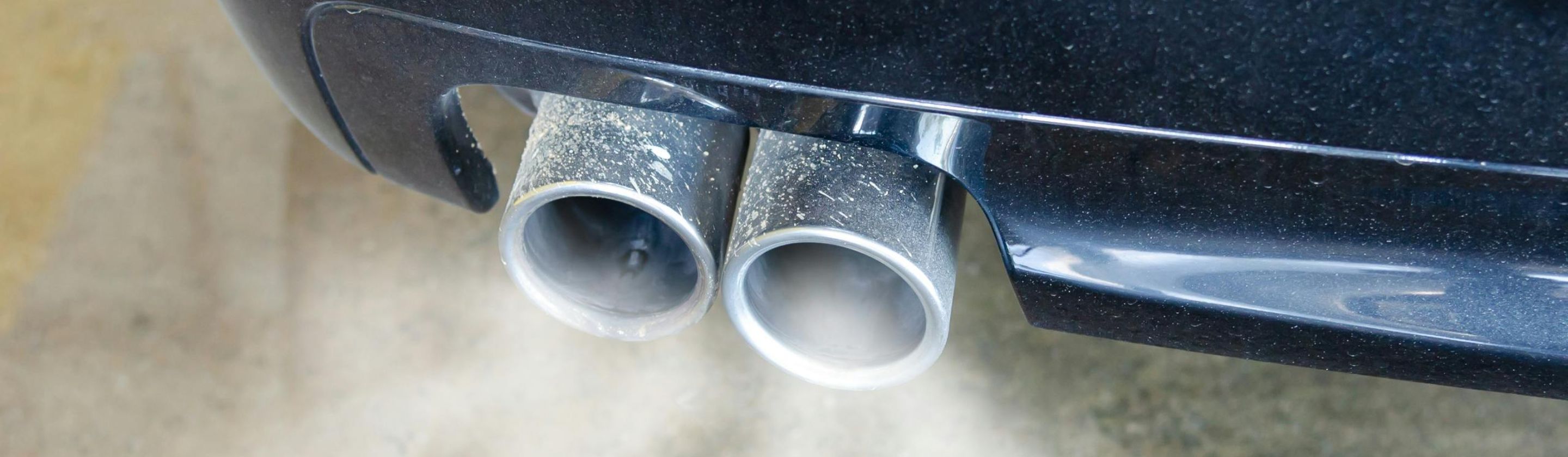
Auto scandals tend to get flattened into one familiar storyline, but the reality is usually broader and stranger than that. Car companies have been caught cheating in all kinds of ways, from rigging emissions results and overstating fuel economy to falsifying certification data, dodging tariffs, and misleading regulators, investors, or drivers about what their vehicles were really doing. Some cases centered on software, others on paperwork, lab procedures, or internal cover-ups, but the pattern was the same: the public claim and the underlying facts did not match. Here are 20 times a car company got caught cheating.
1. Volkswagen And Dieselgate
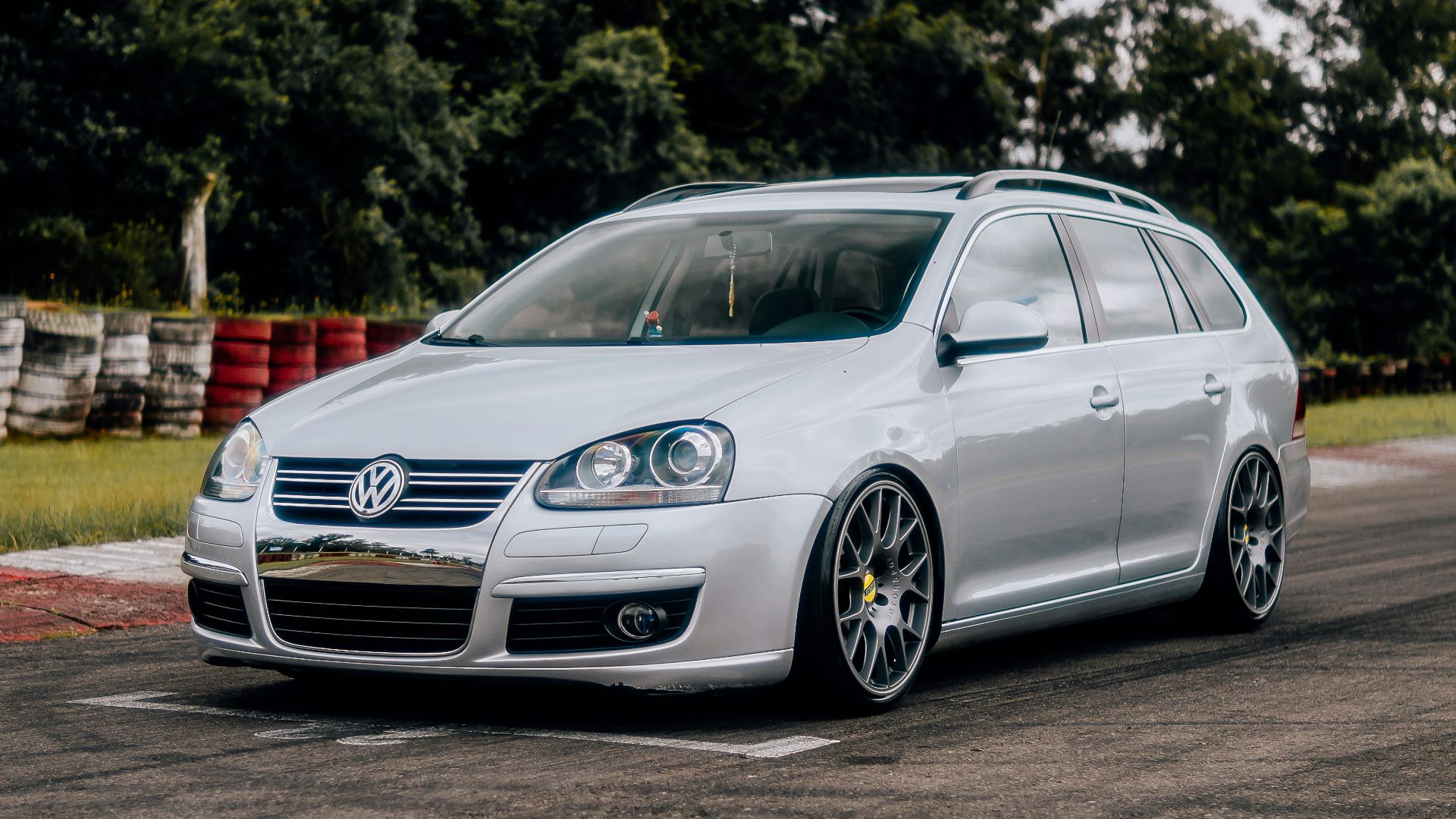
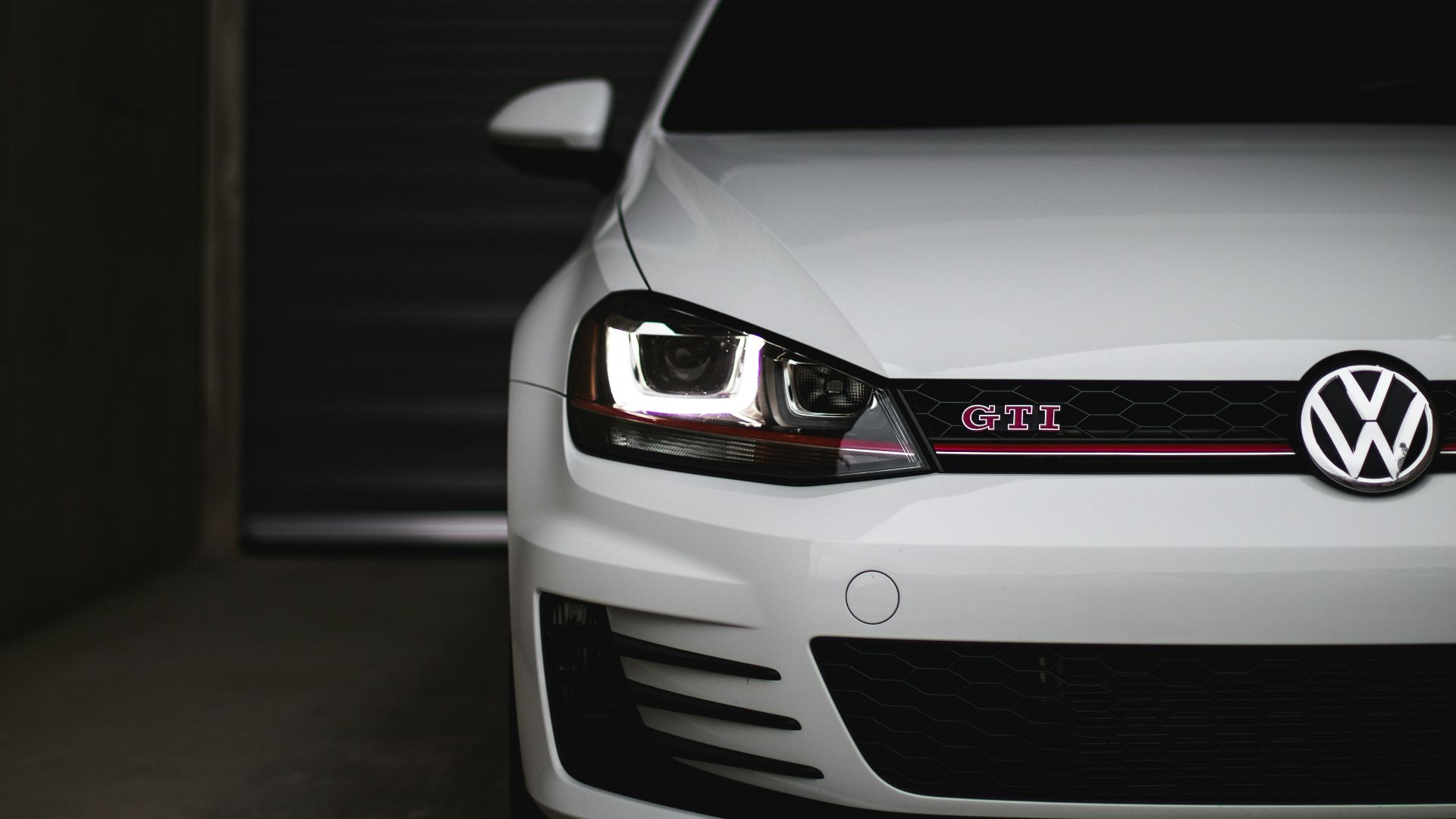
Volkswagen admitted to using defeat-device software in diesel vehicles so the cars would pass emissions tests while polluting far more in real driving. U.S. authorities said the scheme affected about 590,000 vehicles in the United States and led to massive criminal and civil penalties.
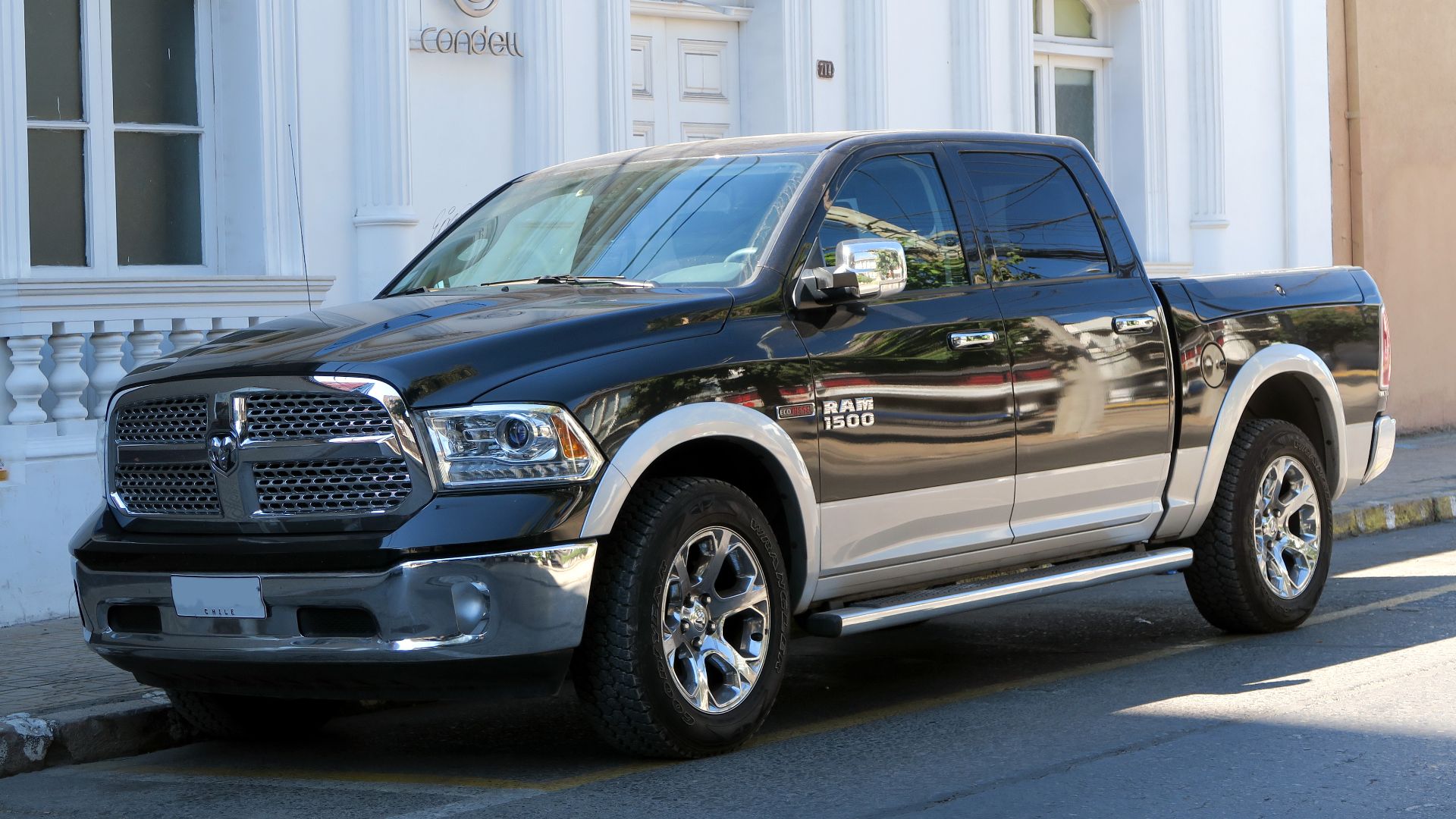
2. Fiat Chrysler And EcoDiesel
Fiat Chrysler settled U.S. allegations that it used undisclosed software functions, described by EPA as unlawful defeat devices, in more than 100,000 diesel trucks and SUVs. The settlement included a $305 million civil penalty, repairs, and mitigation measures.
 RL GNZLZ from Chile on Wikimedia
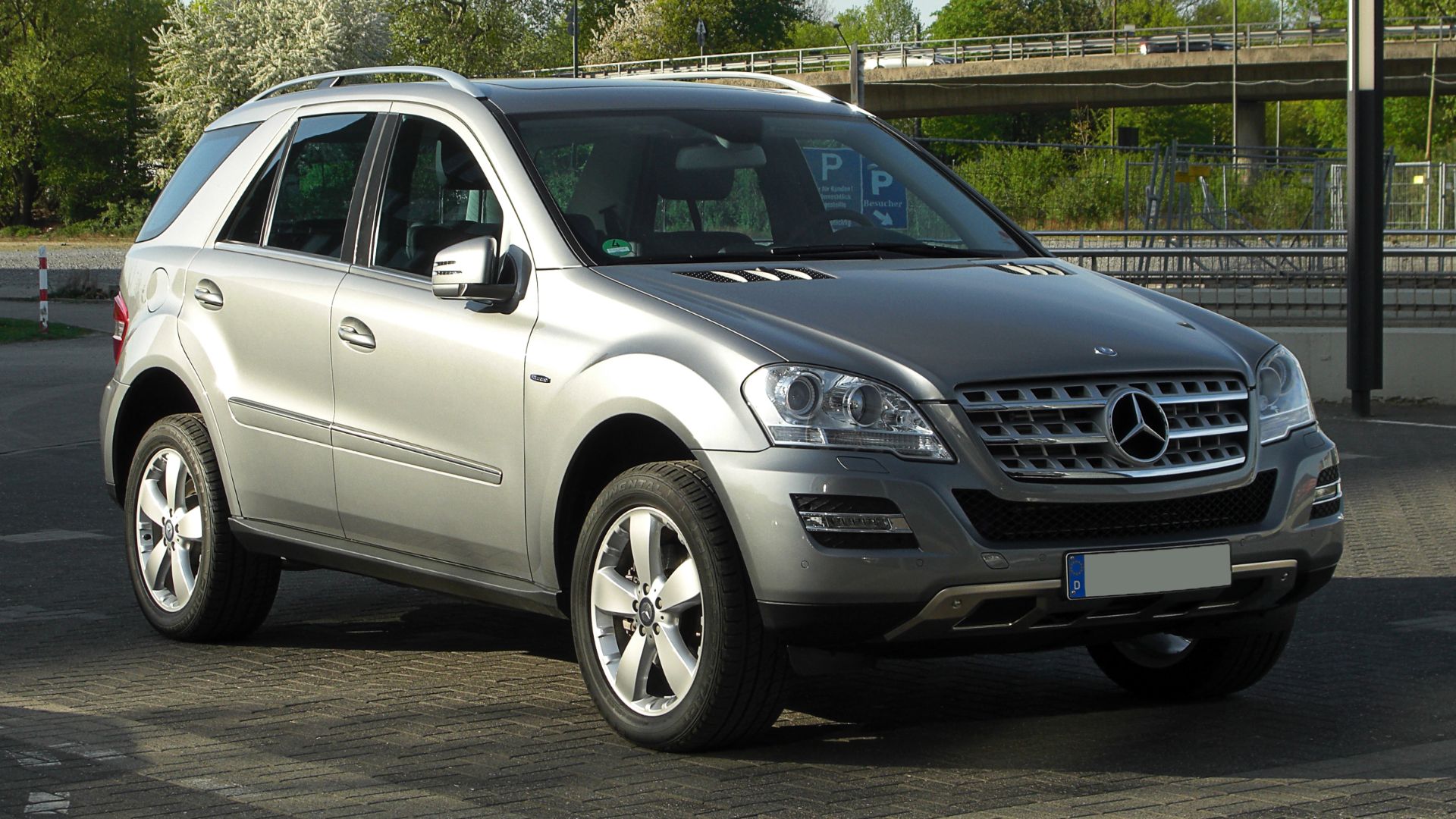
3. Daimler And Mercedes-Benz Diesel Emissions
EPA said Daimler and Mercedes-Benz USA cheated emissions tests and failed to disclose unlawful defeat devices in roughly 250,000 diesel vehicles sold or leased in the United States. The U.S. settlement was valued at about $1.5 billion.
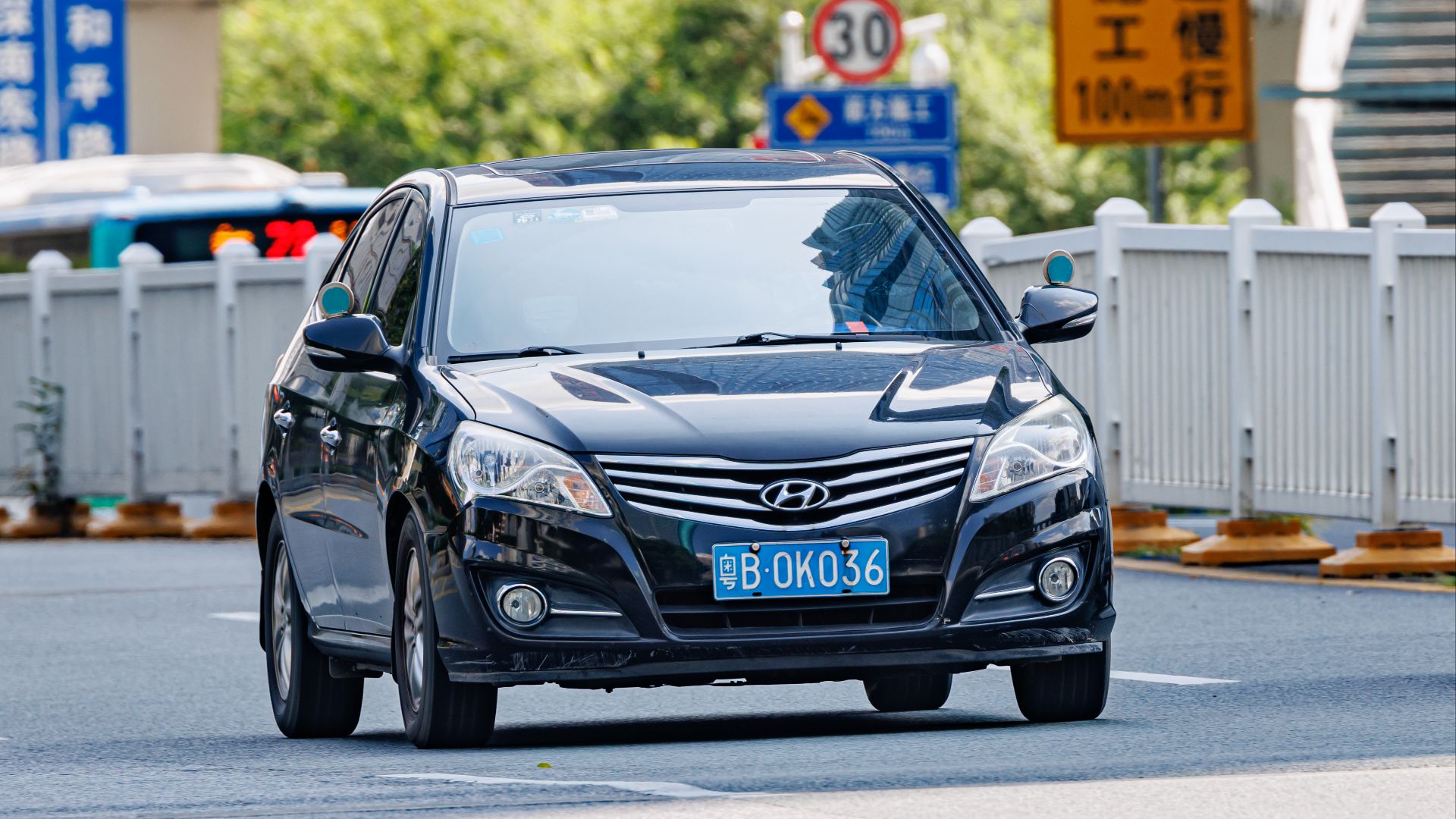
4. Hyundai And Inflated Fuel-Economy Claims
Hyundai was part of a landmark U.S. case over overstated fuel economy and greenhouse-gas compliance. DOJ and EPA said Hyundai and Kia sold more than 1 million vehicles that would emit millions of extra metric tons of greenhouse gases above what had been certified.
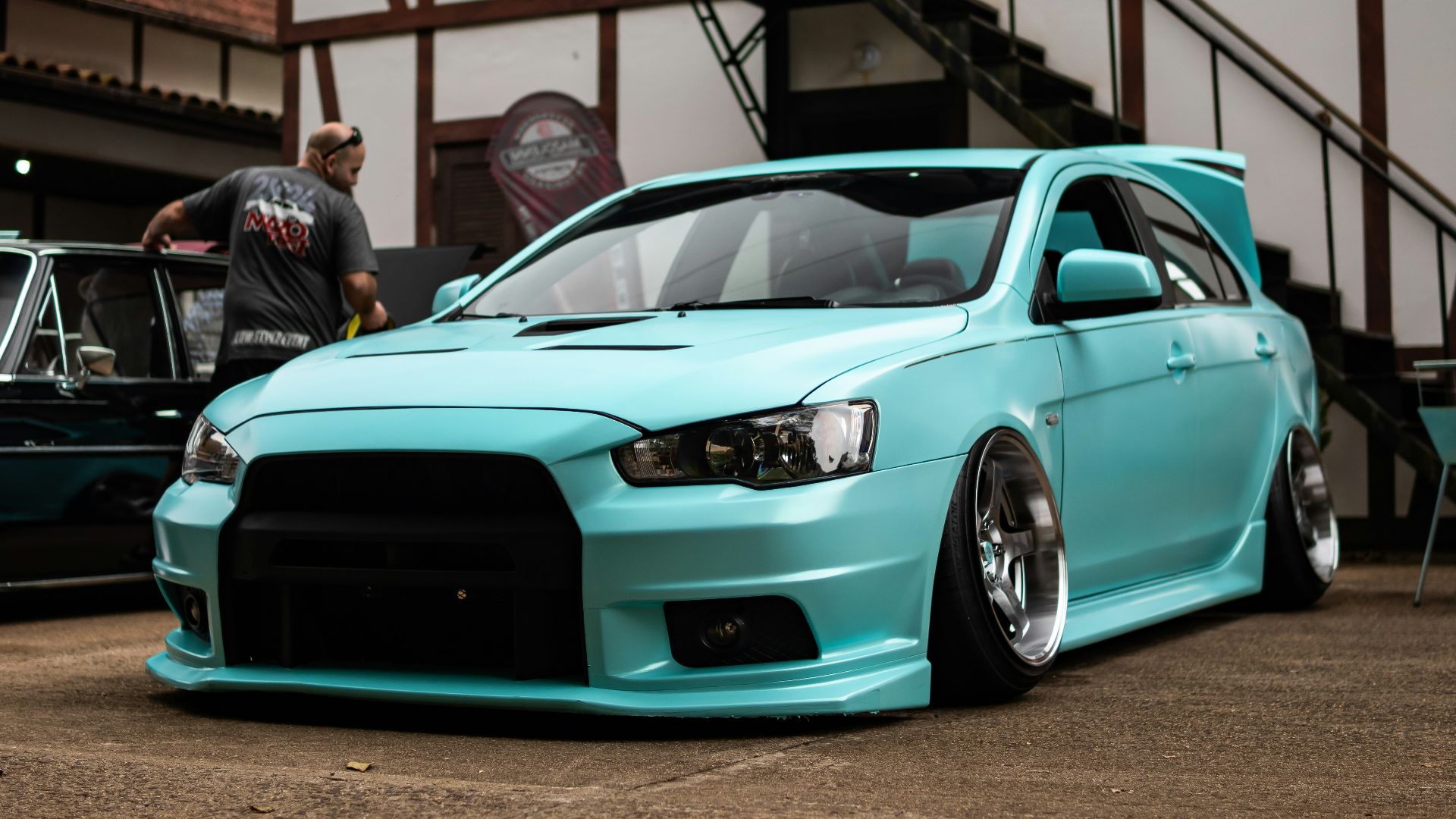
5. Mitsubishi And Manipulated Fuel-Economy Tests
Mitsubishi admitted it had manipulated fuel-economy testing in Japan, and later acknowledged the noncompliant methods had been used for far longer than first disclosed. This was one of the clearest examples of an automaker admitting the numbers had been massaged before they reached the public.
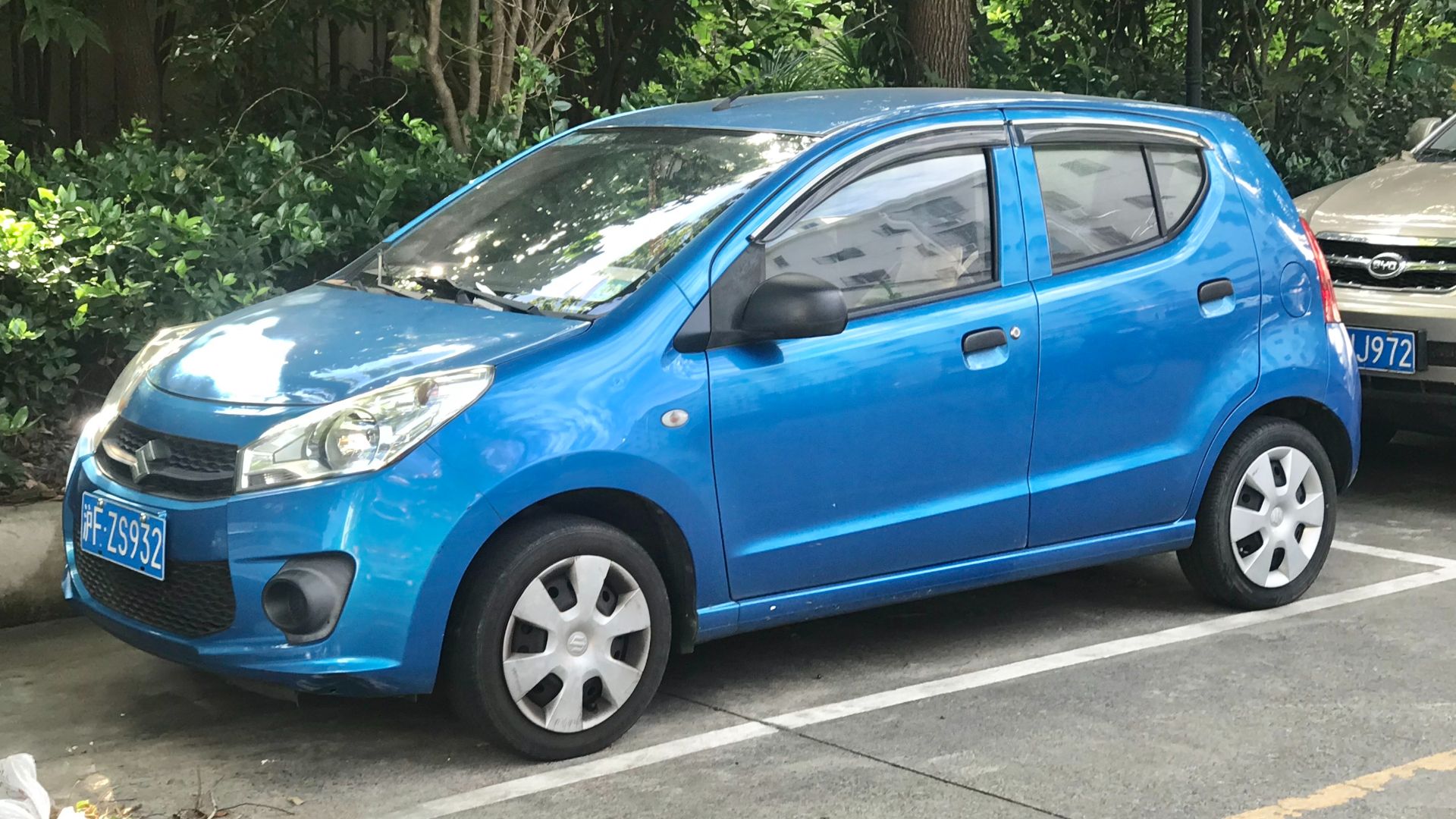
6. Suzuki And Improper Fuel-Economy Testing
Suzuki said it had used improper fuel-economy testing methods for cars sold in Japan. The company insisted later checks did not require mileage figures to be revised, but the admission still placed it inside Japan’s broader testing scandal.
7. Nissan And Uncertified Final Inspectors
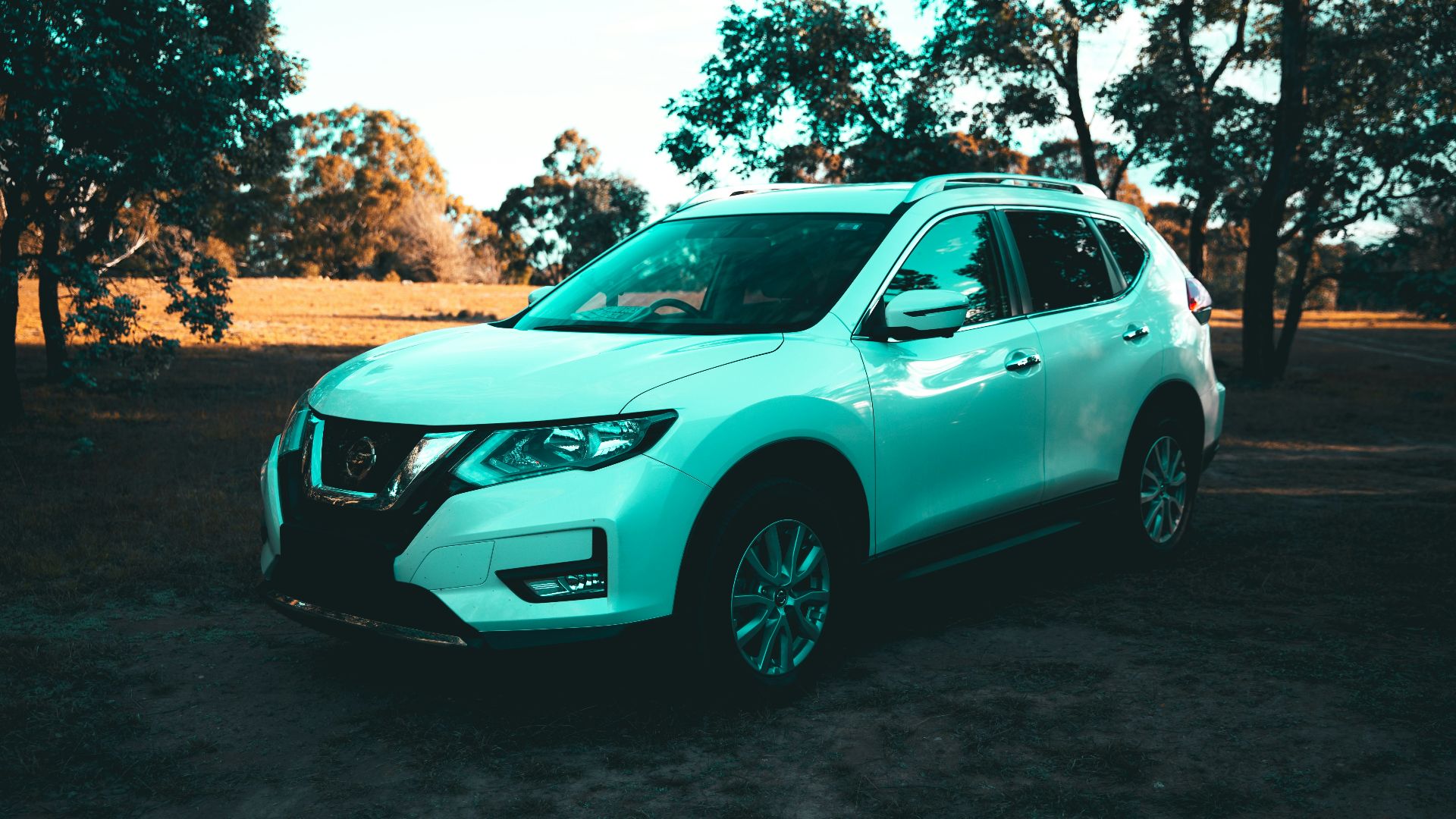
Nissan disclosed that certain final vehicle inspections in Japan had been carried out by technicians who were not properly registered under the company’s own procedures. The problem grew large enough that Nissan recalled more than 1 million vehicles in Japan.
8. Subaru And Altered Fuel-Economy Data
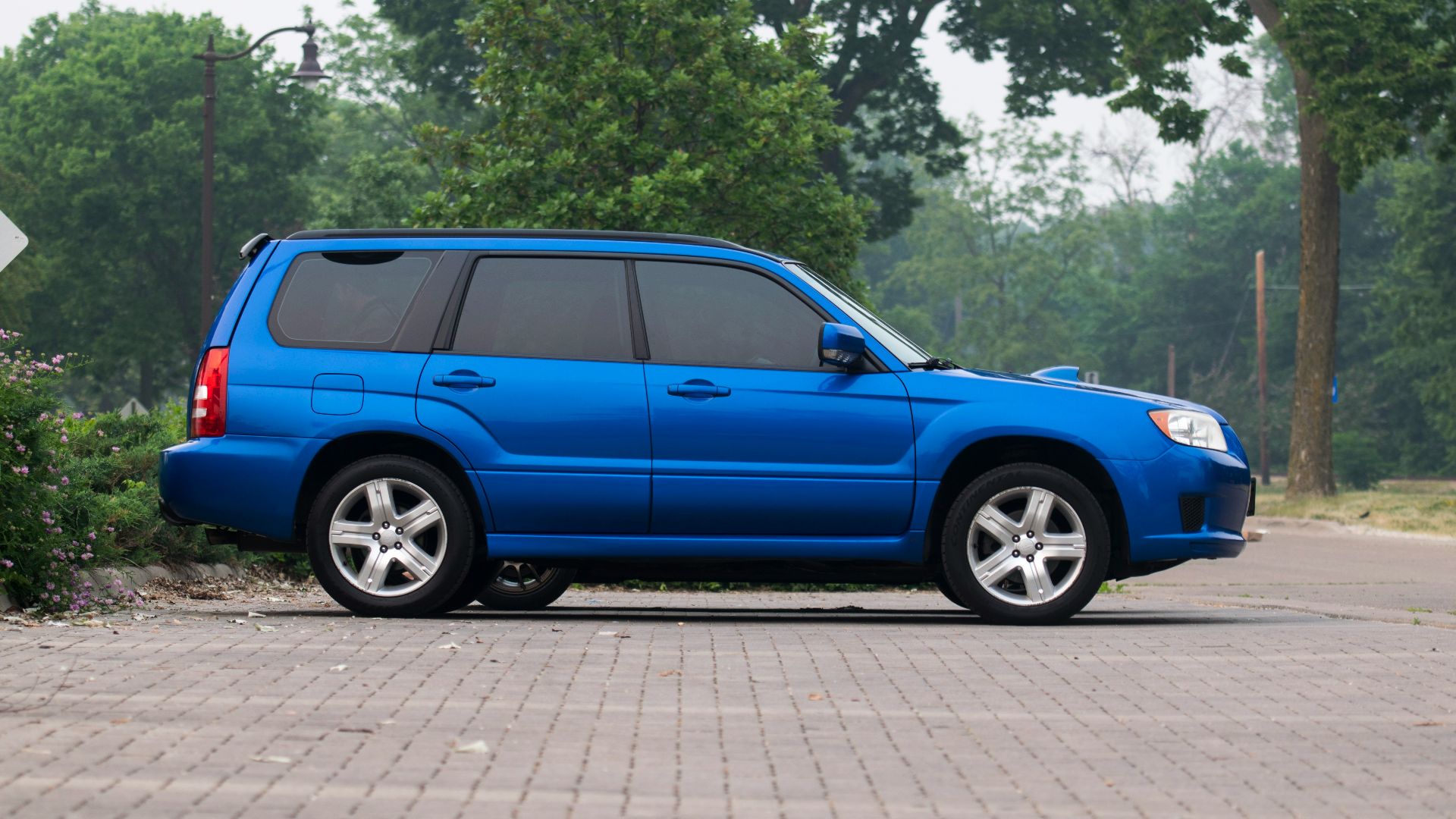
Subaru later found a different problem from the final-inspection scandals around the industry: its own investigation said fuel-economy and emissions data had been manipulated during sampling inspections. That made this more than a paperwork failure and pushed it into the realm of falsified test results.
9. Hino And Fabricated Emissions Data
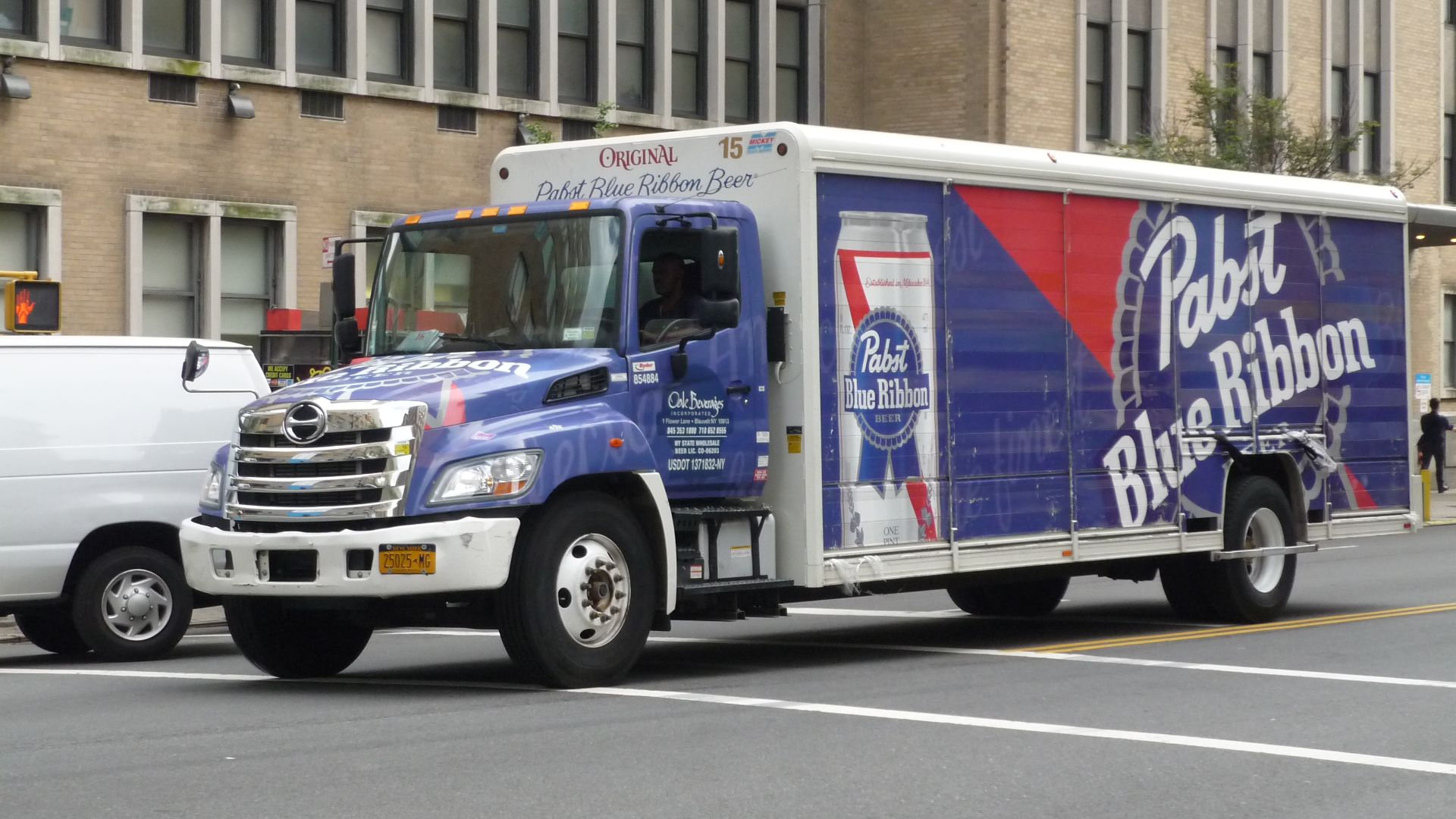
DOJ said Hino engineers altered emissions test data, conducted tests improperly, fabricated data without actually running the underlying tests, and submitted fraudulent carbon-dioxide emissions data. The resulting penalties topped $1.6 billion.
 Jason Lawrence from New York on Wikimedia
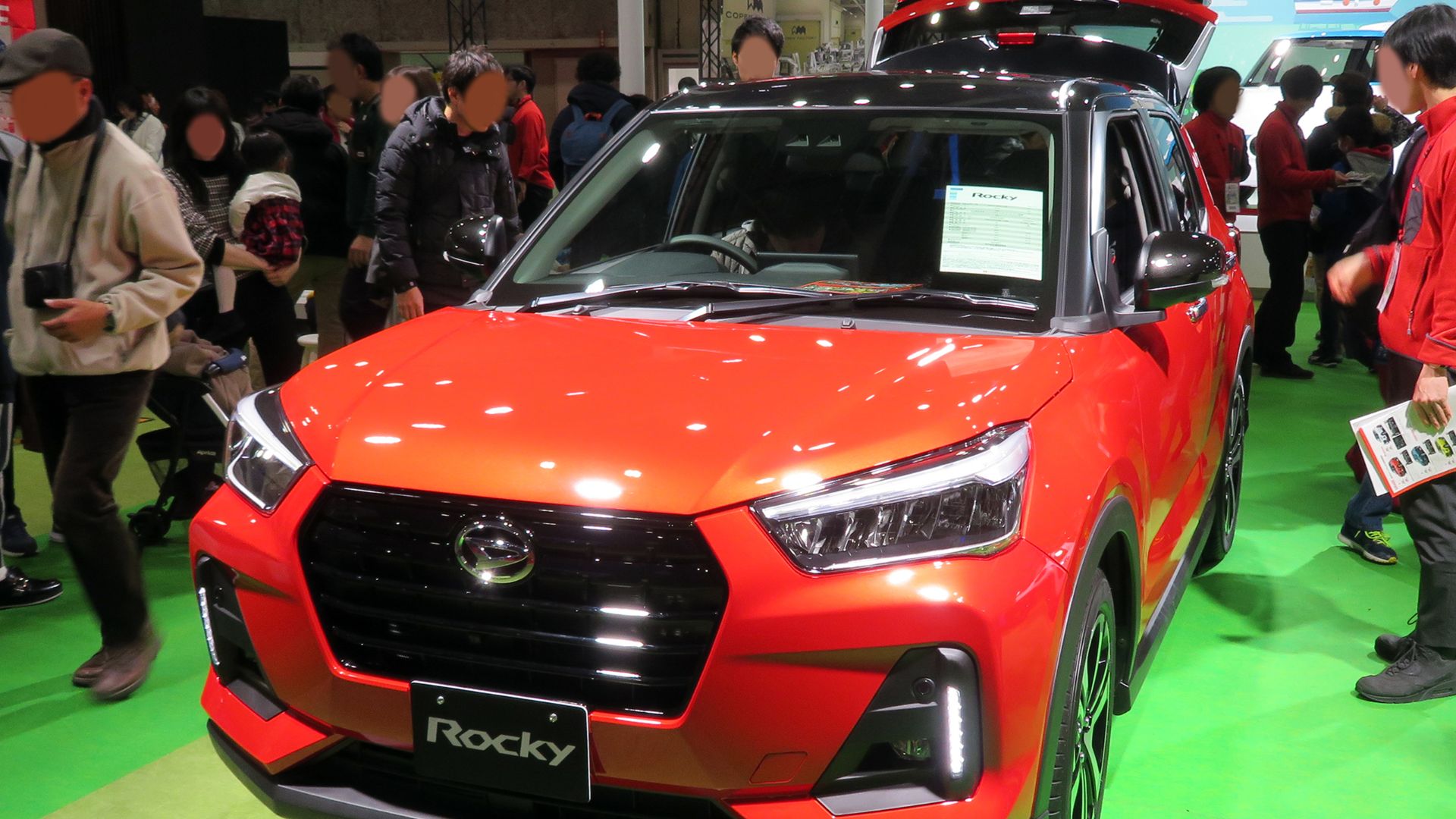
10. Daihatsu And Certification Irregularities
Toyota said an independent investigation found 174 irregularities across 25 test categories at Daihatsu. The fallout was broad enough to trigger shipment suspensions and a formal rectification order.
 Tokumeigakarinoaoshima on Wikimedia
11. Toyota Industries And Diesel Engine Certification
Toyota disclosed that Toyota Industries had reported irregularities tied to diesel-engine certification for automotive engines it developed. Later disclosures said the company had received a correction order from Japan’s transport ministry.
12. Toyota And Unintended-Acceleration Statements
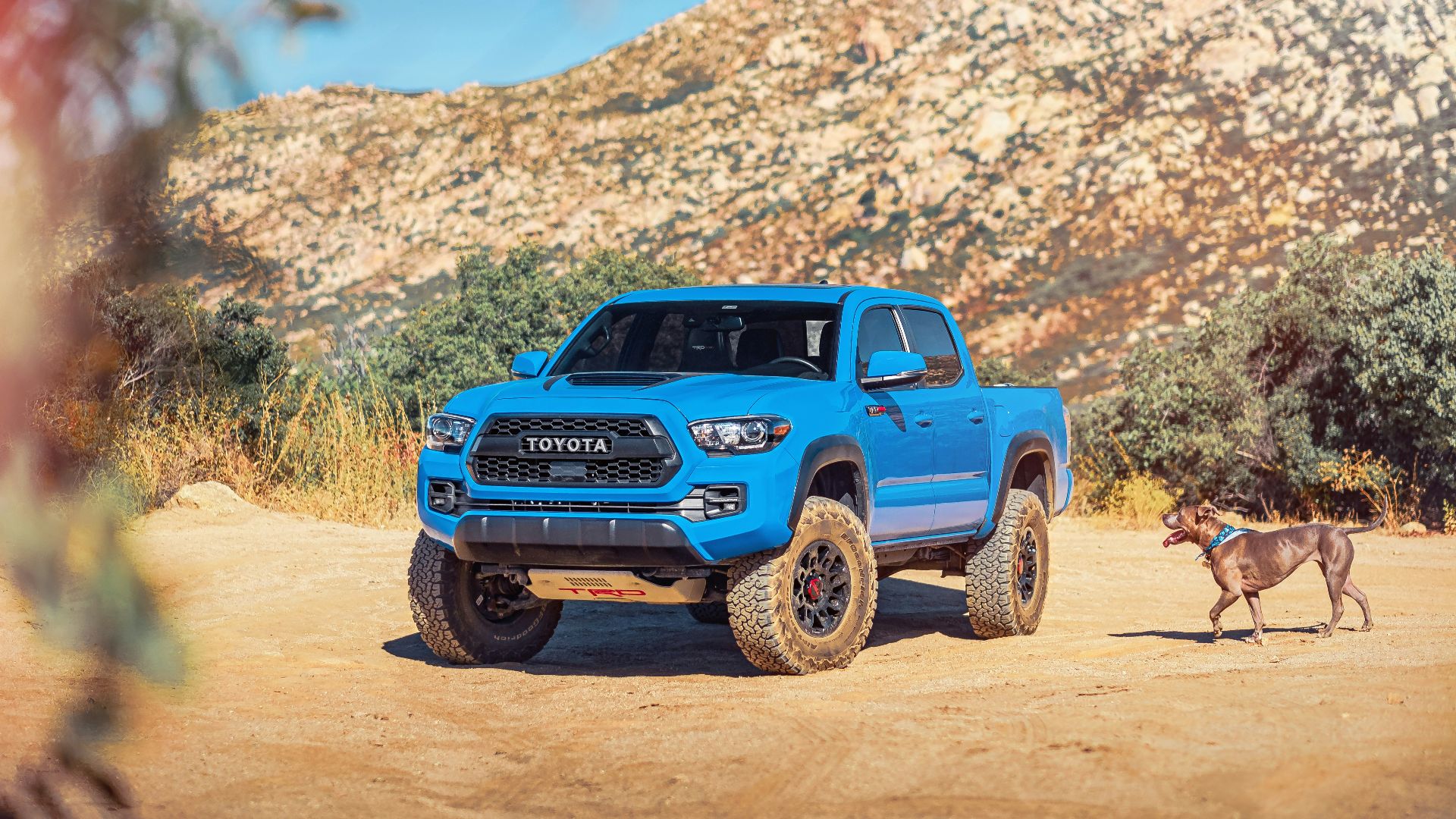
This case was not about emissions, but it was still cheating in the form of deception. DOJ said Toyota admitted it misled U.S. consumers by concealing and making deceptive statements about safety issues linked to unintended acceleration.
13. Toyota And 2024 Model-Certification Testing Problems
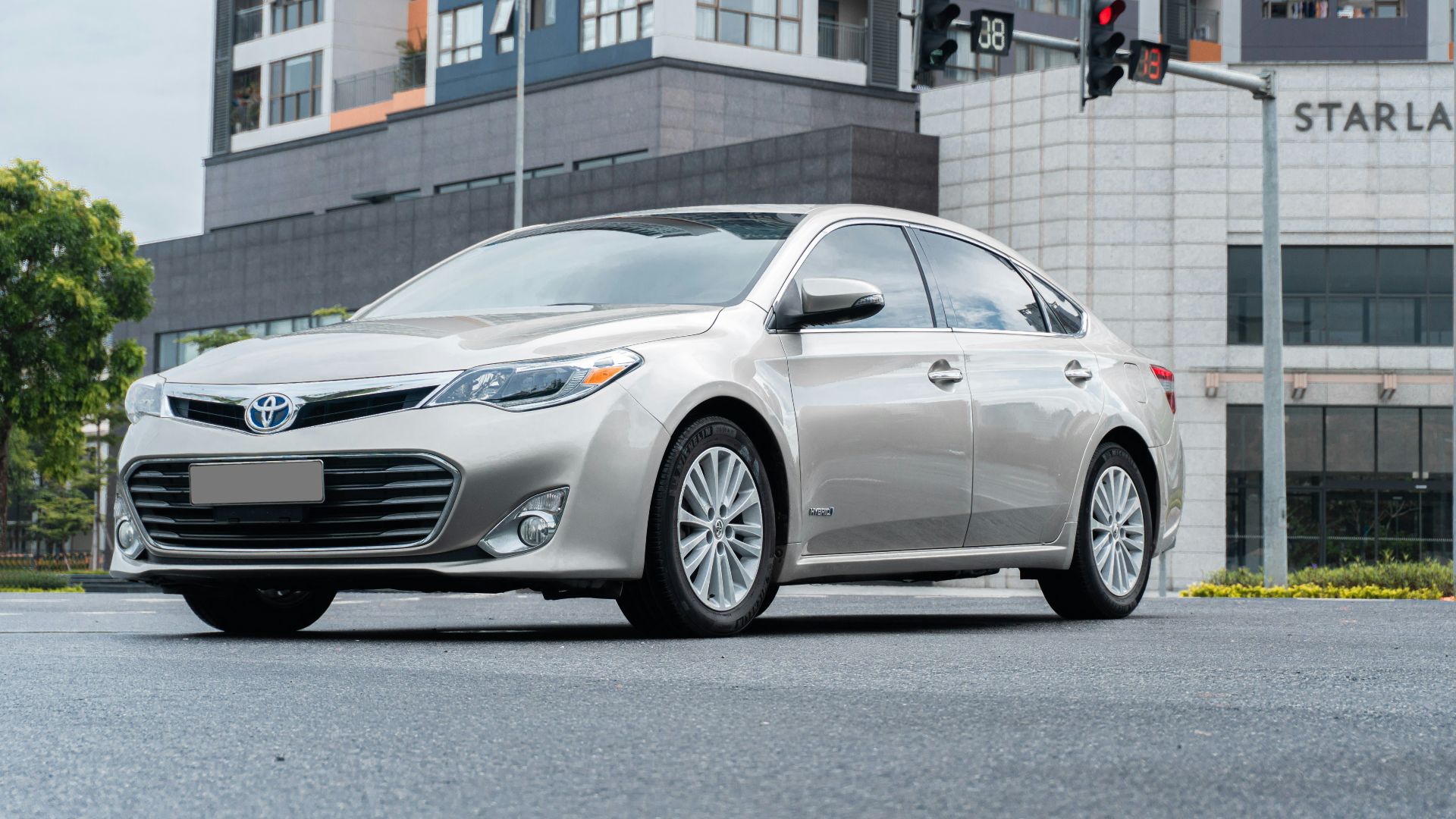
In a separate and much later episode, Toyota said seven models had been tested using methods that differed from government standards. Japan’s transport ministry then issued a correction order over those model-certification application issues.
14. General Motors And The Ignition-Switch Cover-Up
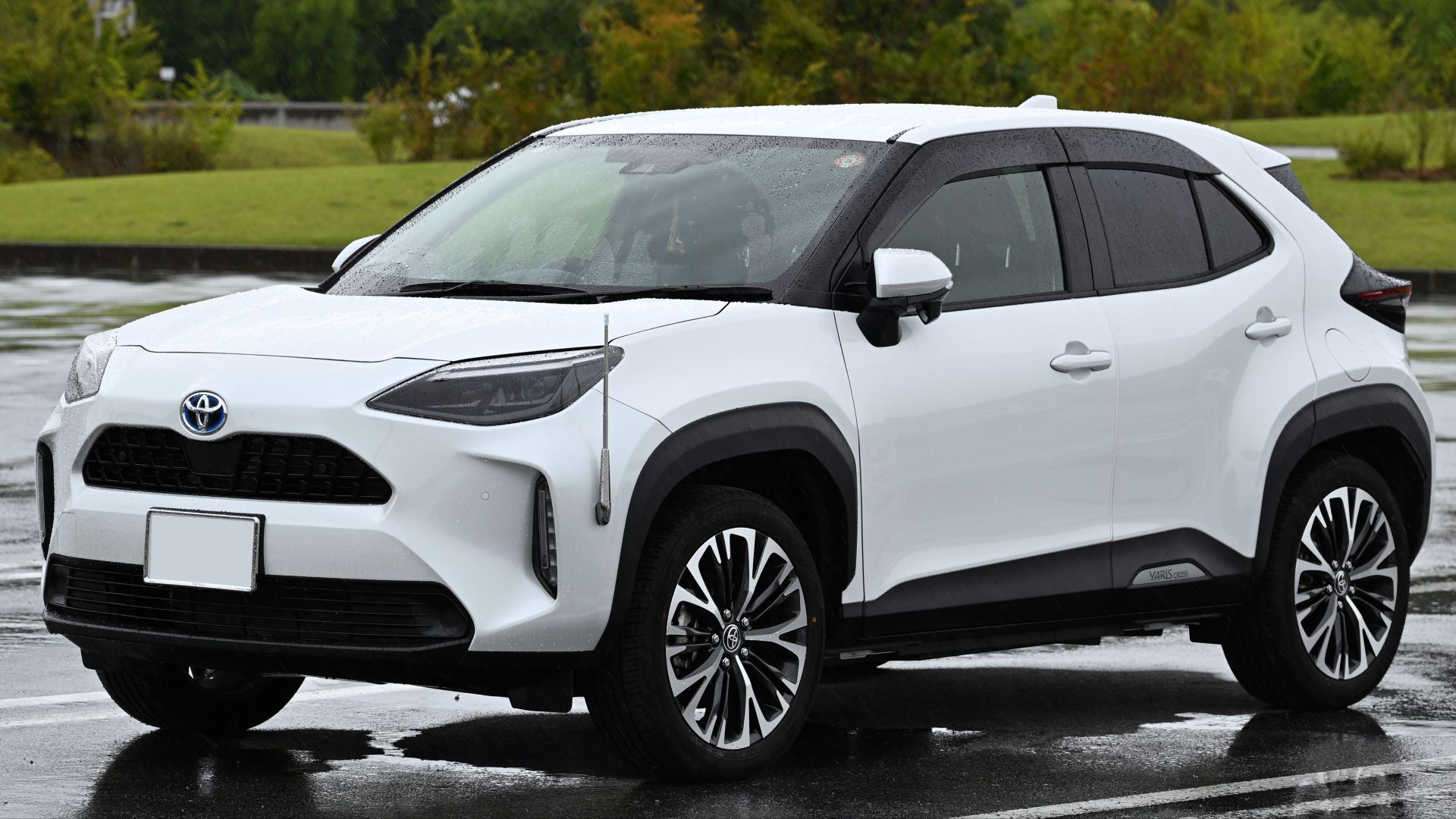
Federal prosecutors said GM concealed a potentially deadly ignition-switch defect from regulators and misled consumers about the safety of certain vehicles. The company entered into a deferred prosecution agreement and paid a $900 million forfeiture.
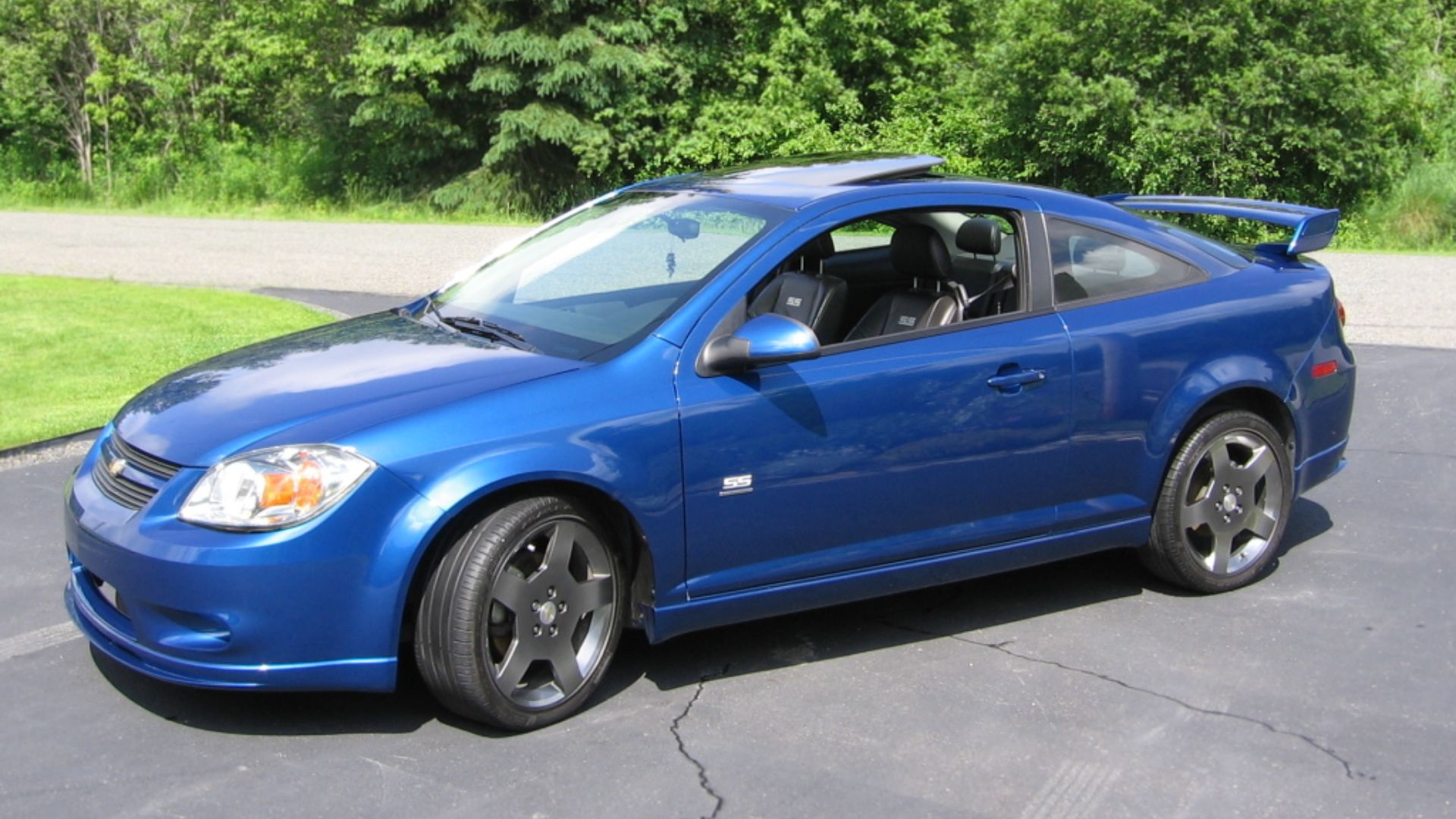
15. Ford And Transit Connect Customs Fraud
Ford’s case was not about tailpipe testing, but it was still a car company accused of gaming the rules for money. DOJ said Ford agreed to pay $365 million to settle allegations that it misclassified and undervalued Transit Connect vehicles to avoid higher customs duties.
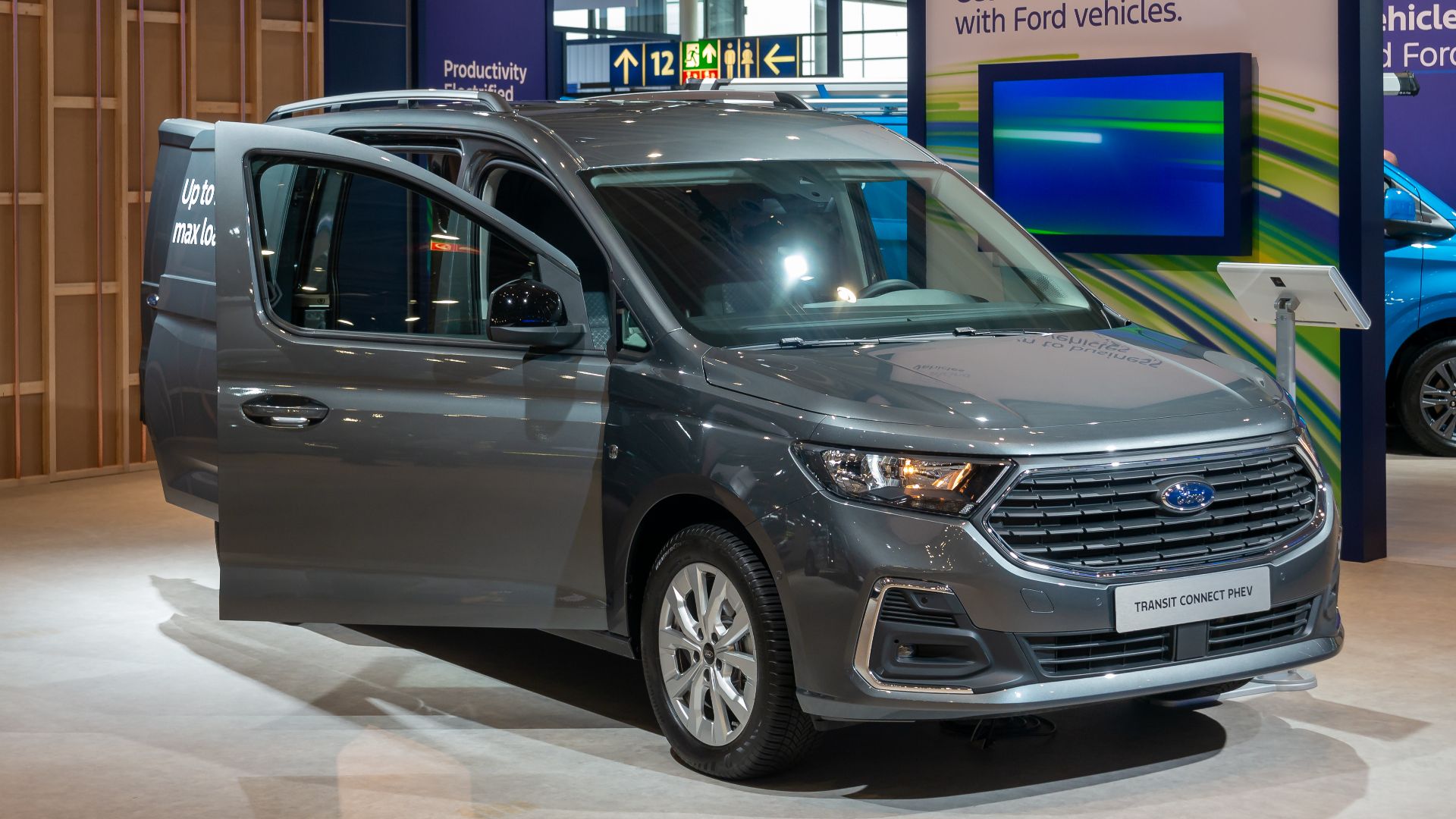
16. Renault And Alleged Diesel Deceit
Renault said it was placed under examination in France on a charge of deceit tied to older diesel vehicles. The company denied wrongdoing, but the French case was serious enough to require a large bail and bank guarantee.
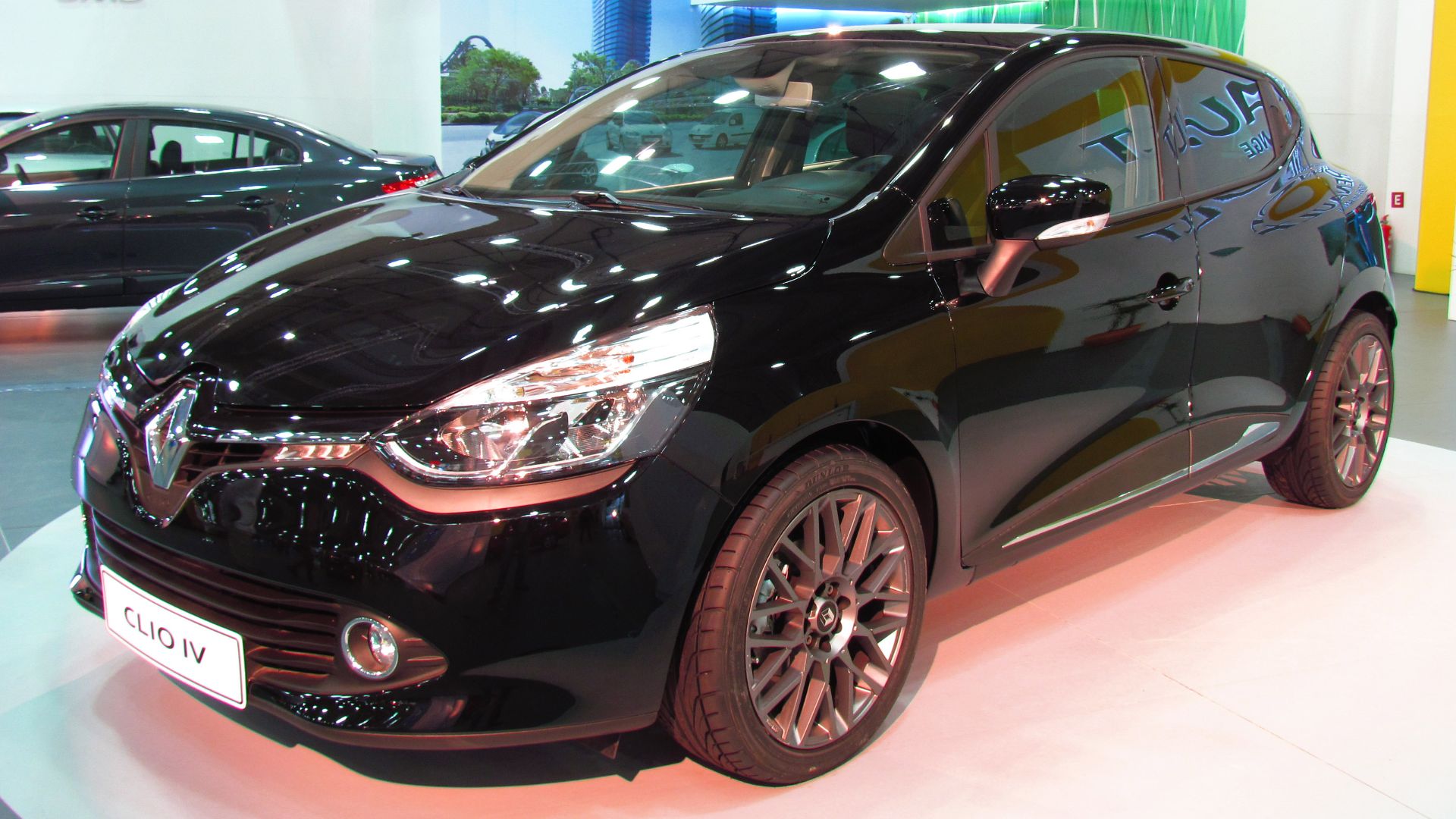 order_242 from Chile on Wikimedia
17. Peugeot And Alleged Consumer Fraud Over Diesels
Stellantis said Automobiles Peugeot was placed under examination by the Paris court over allegations of consumer fraud tied to Euro 5 diesel sales in France between 2009 and 2015. That made Peugeot a separate French diesel case, not just a side note to Volkswagen-era headlines.
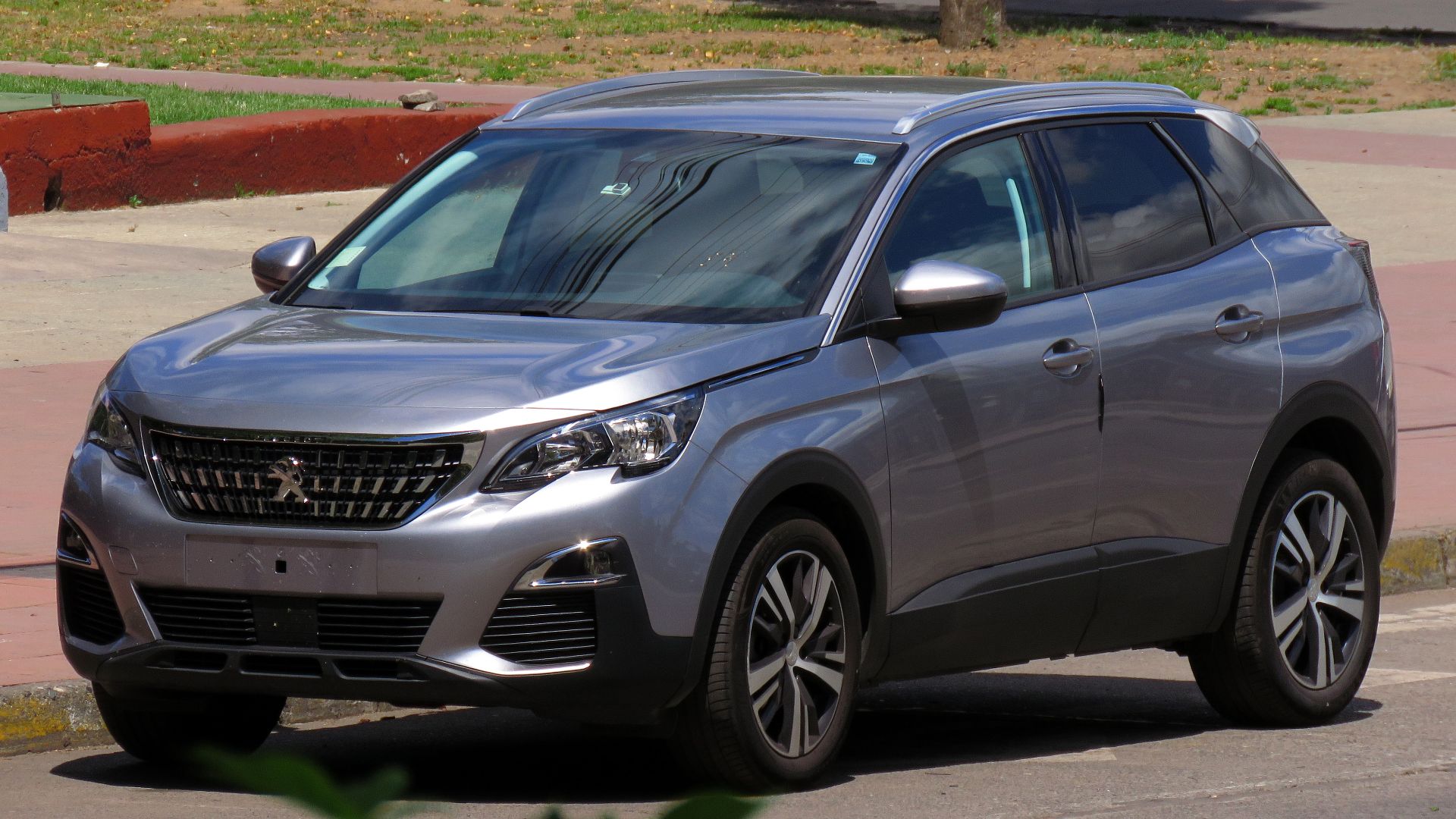 RL GNZLZ from Chile on Wikimedia
18. BMW And Emissions-Cleaning Collusion
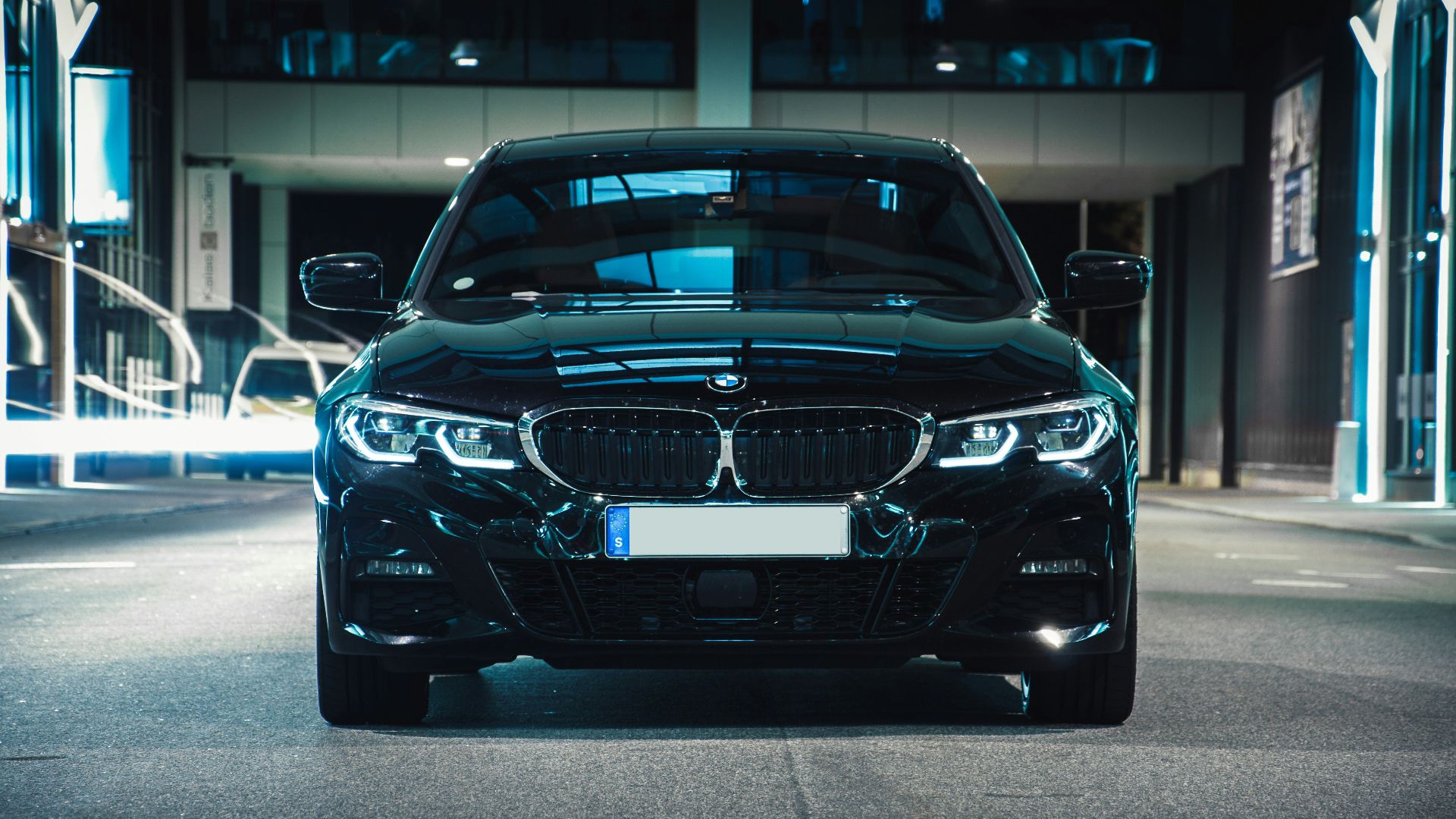
The European Commission found that BMW, Daimler, and Volkswagen Group illegally colluded to restrict competition in diesel-emissions cleaning technology. This was not the same as a defeat-device case, but it was still regulators saying carmakers worked together to avoid competing on cleaner technology they already had.
 Patrik Storm (Alstra Pictures) on Unsplash
19. Nikola And Misleading Investors
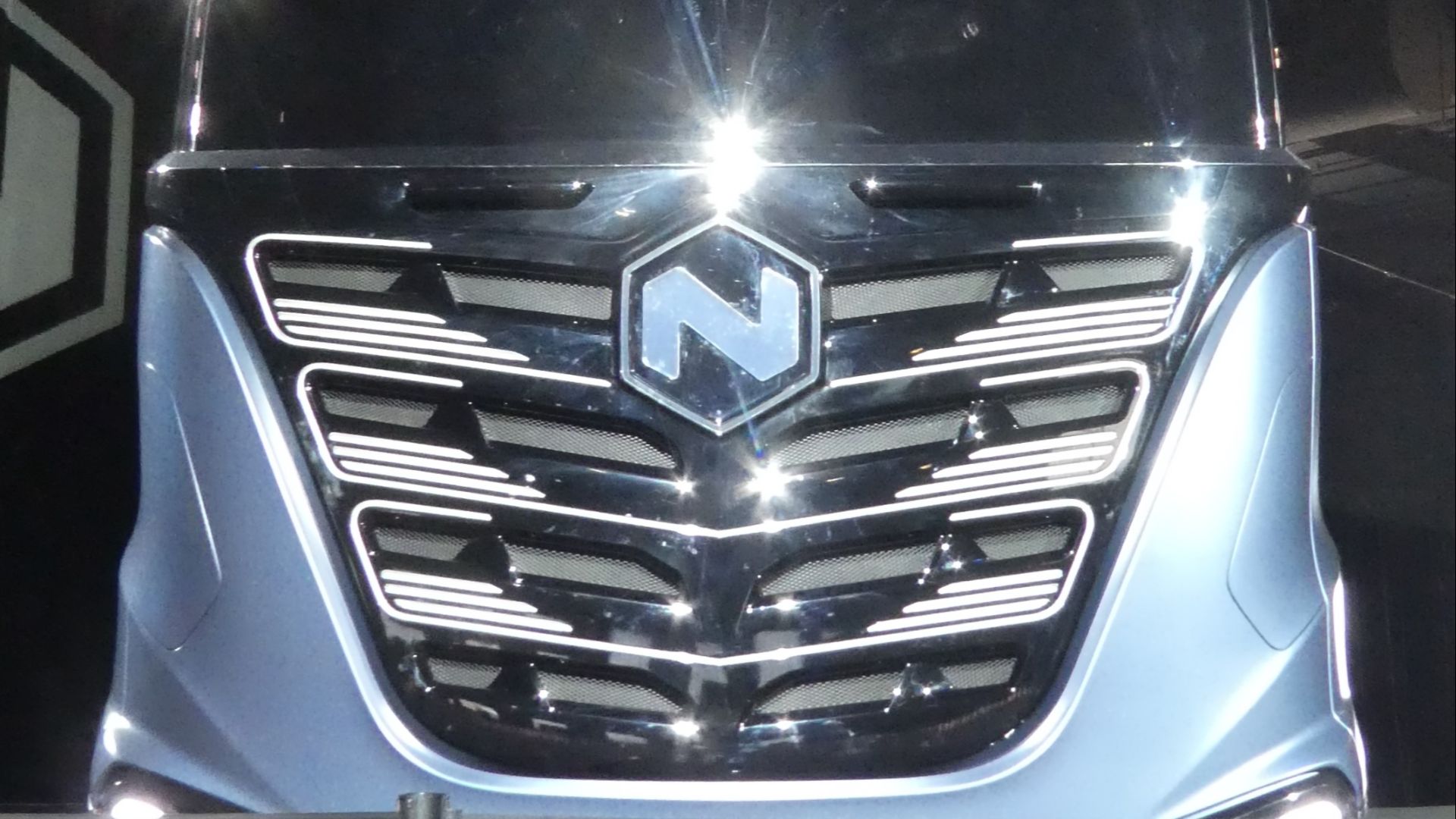
The SEC said Nikola misled investors about its products, technical advancements, in-house production capabilities, reservations, and commercial prospects. Nikola agreed to pay $125 million to settle fraud charges.
20. Lordstown Motors And Fake-Looking Demand
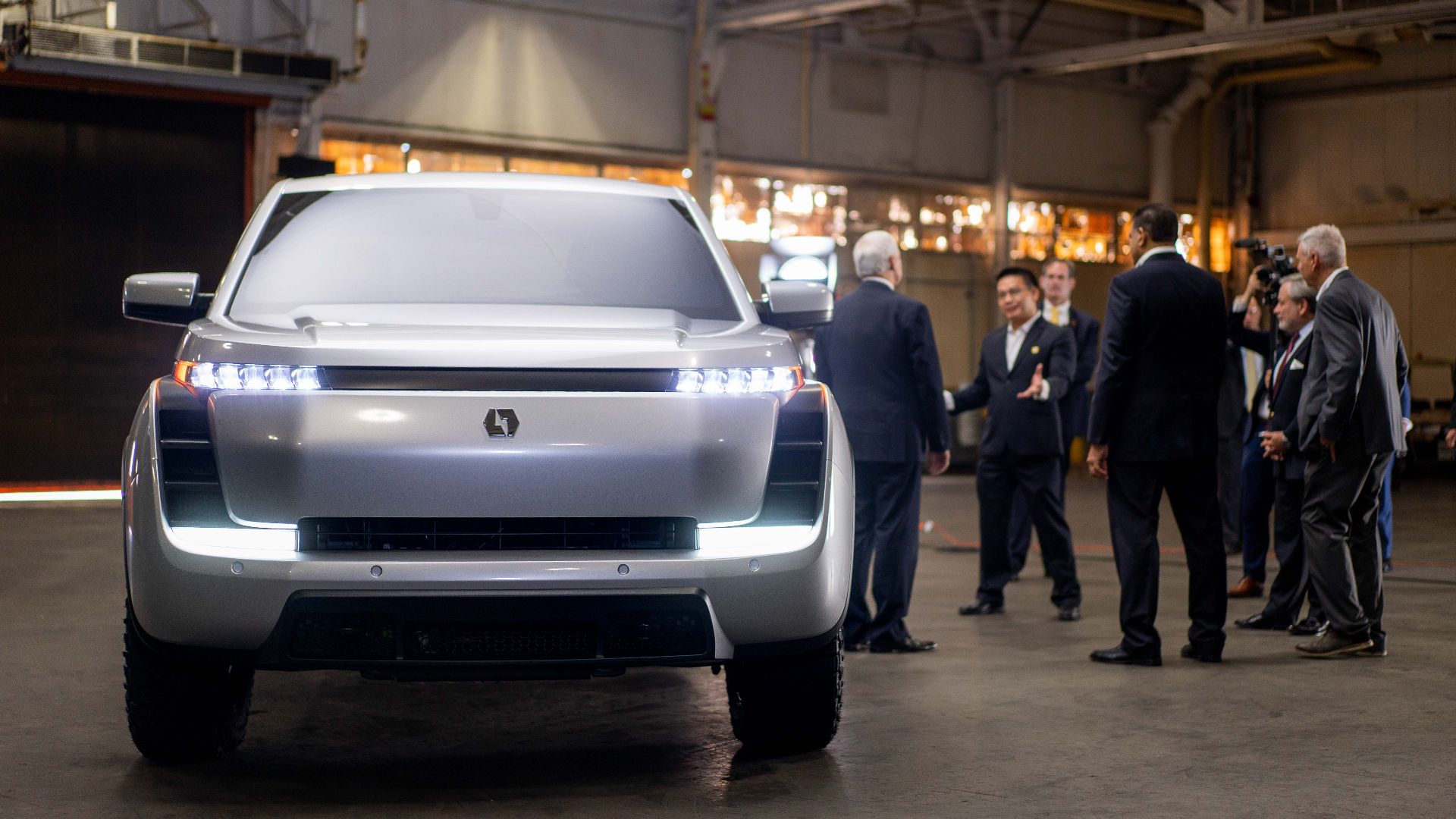
The SEC charged Lordstown’s former CEO with misleading investors about pre-orders for the company’s Endurance electric pickup. That made it another case where an automaker, or would-be automaker, was accused of dressing up shaky reality as solid commercial traction.
 The White House from Washington, DC on Wikimedia