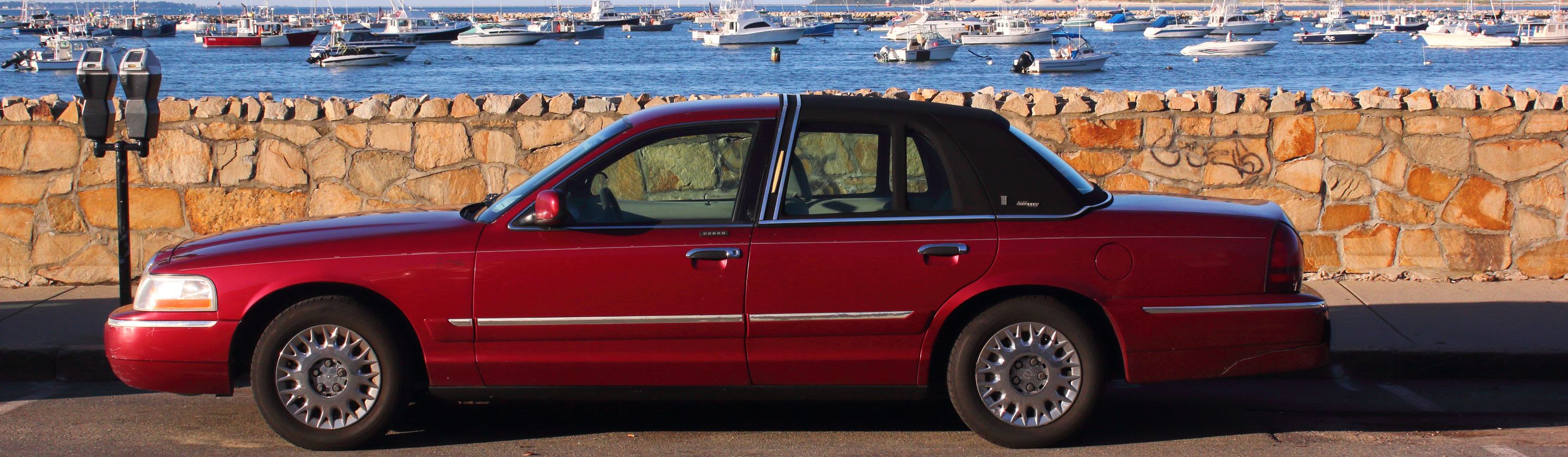
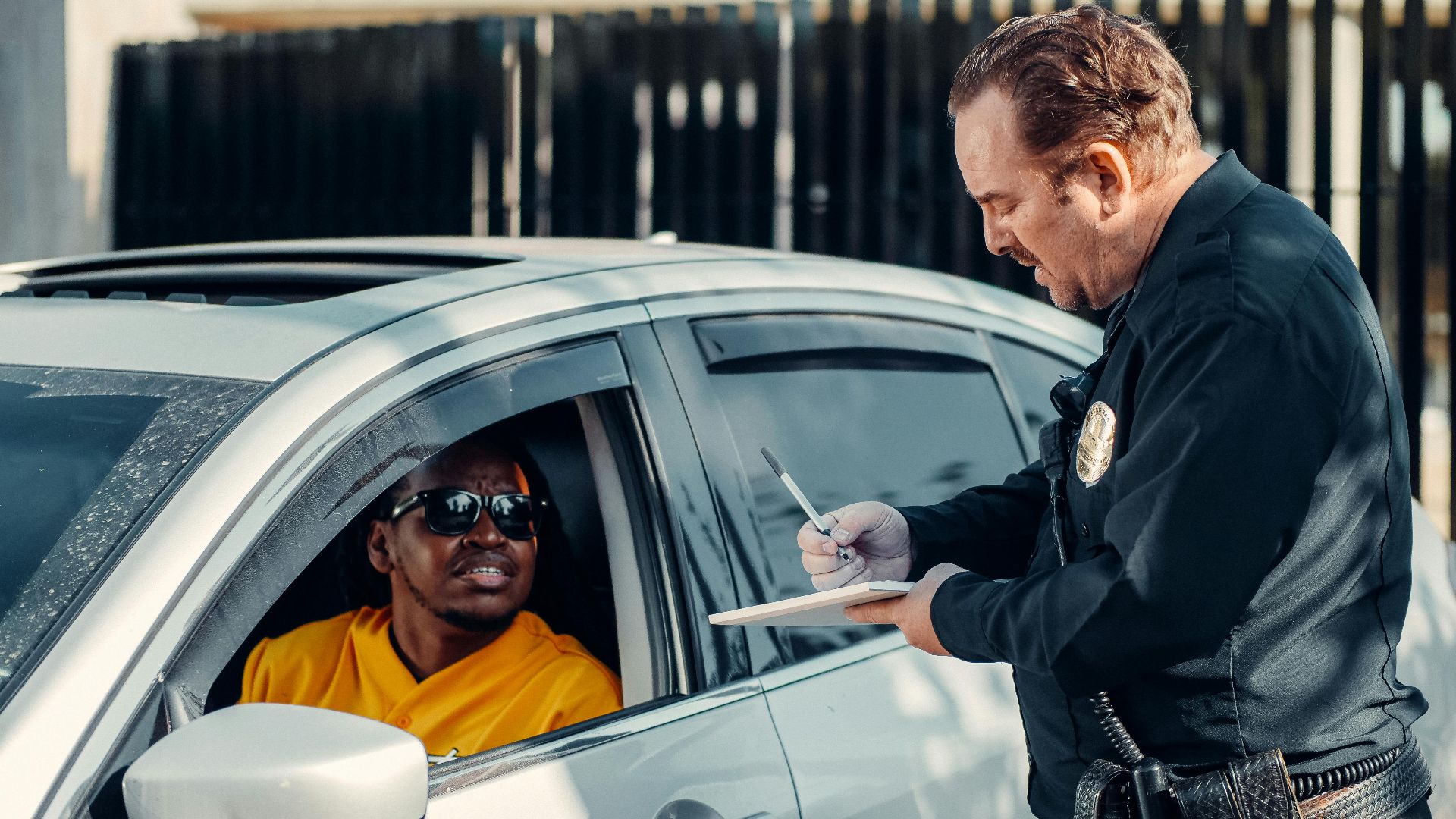
There's a particular stretch of road you probably know. The speed limit drops without much warning, enforcement appears right at the bottom of the drop, and everyone who drives it regularly knows to brake before they see the sign. Whether that qualifies as a speed trap or just effective enforcement depends heavily on who you ask, and the answer reveals a lot about how local governments, traffic engineers, and police departments have very different definitions of what a speed trap is actually for.
The term itself is legally defined in some states and vague in others. California's Vehicle Code, for example, explicitly prohibits jurisdictions from using speed enforcement as a revenue tool in areas where speed limits have been set below the prevailing flow of traffic, a practice the law defines as a speed trap. Most states have no equivalent statute. That gap between the engineering of speed limits and the political economy of enforcement is where most of the controversy lives, and understanding both sides of it changes how you read a speed limit sign.
How Speed Limits Get Set in the First Place
Traffic engineers have a standard methodology for setting speed limits, and it centers on something called the 85th percentile rule. The principle is straightforward: engineers conduct a speed study on a given road, measure the speeds of free-flowing vehicles, and typically set the posted limit at or near the speed at or below which 85% of drivers are already traveling. The logic, supported by Federal Highway Administration guidance, is that this reflects the speed most drivers consider comfortable and safe given the actual road conditions.
The 85th percentile method has been standard practice in American traffic engineering since at least the 1960s and is endorsed by the Manual on Uniform Traffic Control Devices, the federal document that governs road signage and markings across the country. A 1992 FHWA study found that roads where speed limits were set near the 85th percentile had lower crash rates than roads where limits were set arbitrarily lower, partly because artificially low limits create speed variance between compliant and non-compliant drivers, and speed variance is a stronger predictor of crashes than absolute speed.
The problem is that not every speed limit gets set by engineers following that methodology. Local governments control speed limit decisions on most city and county roads, and political pressure, budget constraints, and community complaints regularly produce limits that sit well below the 85th percentile for actual traffic behavior. When that happens, ordinary driving behavior becomes technically illegal, which creates a population of violators that is large enough to be selectively enforced against whenever a jurisdiction needs revenue or a precinct needs to fill a quota.
Where Enforcement Actually Concentrates
Law enforcement agencies use crash data, complaint patterns, and discretion to decide where to run speed enforcement. The official framework prioritizes high-crash corridors, school zones, and areas with documented pedestrian risk. The National Highway Traffic Safety Administration consistently identifies speed as a contributing factor in roughly 29% of all traffic fatalities, which translates to around 12,000 deaths annually, according to NHTSA's 2022 traffic safety data. Those numbers give speed enforcement a legitimate public safety foundation.
The practical geography of enforcement, though, tends to cluster around places that are easy to work and likely to produce stops. A 2019 analysis by ProPublica examining ticketing data across multiple states found that speed enforcement disproportionately concentrated in lower-income neighborhoods and along roads used predominantly by non-white commuters, even after controlling for traffic volume and crash history. The methodology wasn't random or purely data-driven. Enforcement geography reflected choices, and choices reflect incentives.
Revenue is the incentive that traffic engineers and law enforcement don't tend to discuss in the same sentence, but the financial architecture of traffic enforcement makes it unavoidable. A 2015 Department of Justice investigation into Ferguson, Missouri found that city officials had explicitly pressured the police department to increase ticket revenue to close budget gaps, with speed enforcement playing a central role. Ferguson was not unique. A Governing magazine analysis published the same year identified dozens of municipalities where traffic fines represented more than 10% of total general revenue, creating a structural dependency on enforcement that has almost nothing to do with crash rates.
What the Data Says About Whether They Work
Speed cameras and enforcement zones do reduce speeds in the immediate vicinity of where they're deployed, and the evidence is reasonably consistent. A Cochrane systematic review of speed camera programs found statistically significant reductions in average speeds and crash rates within camera zones, with studies reporting reductions in collisions and fatal or serious‑injury crashes at camera sites. The effect is real, if localized.
The persistence of that effect beyond the enforcement zone is where the evidence gets thinner. Drivers tend to accelerate again once they clear a known camera or enforcement area, a pattern researchers call the kangaroo effect, and it's well-documented in European studies on fixed camera programs. Speed compliance follows surveillance, not habit change.
What this means practically is that speed traps can move the numbers in the specific location where they operate while doing relatively little to change how people drive overall. The jurisdictions most invested in that outcome are usually the ones most focused on safety. The ones collecting fines at artificially low-limit chokepoints are running a different kind of operation, and at this point, the data is clear enough that the two are not particularly hard to tell apart.