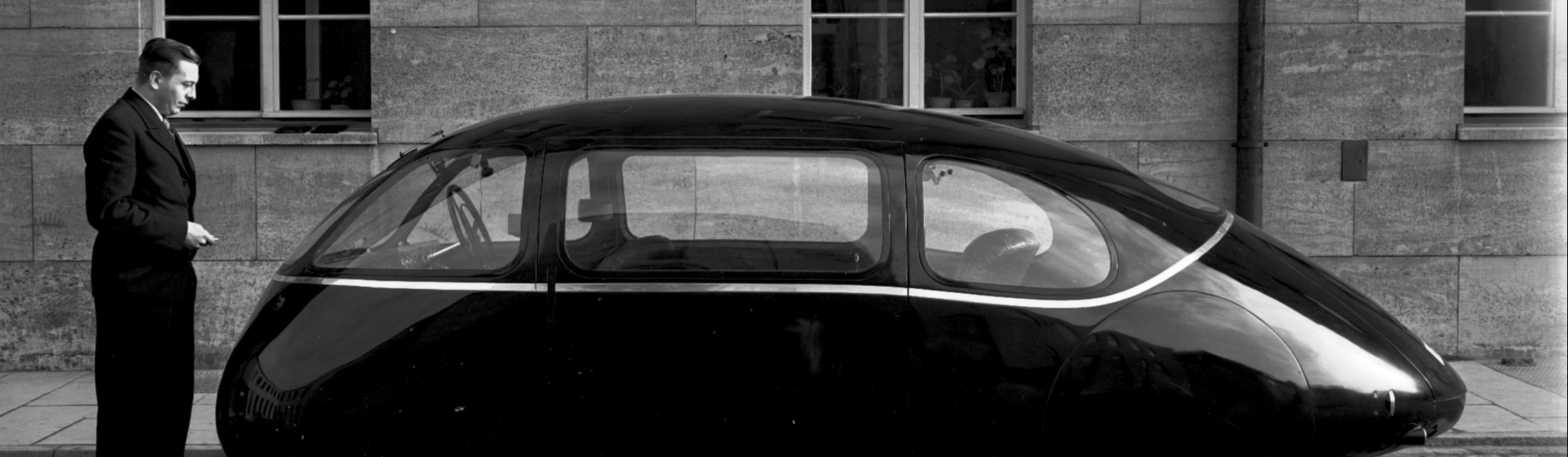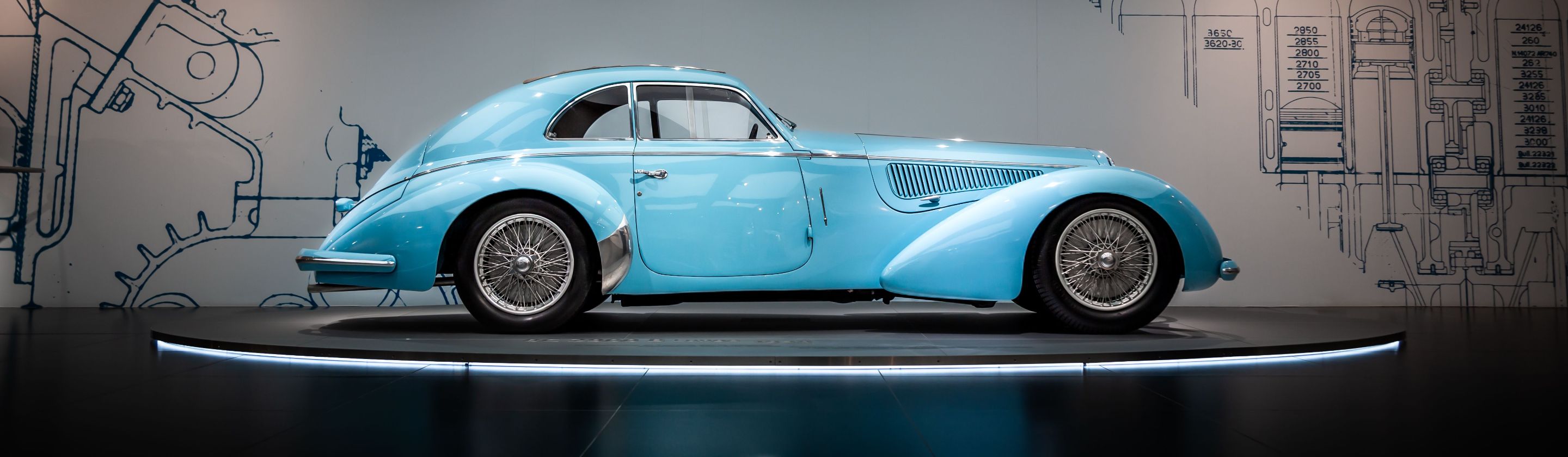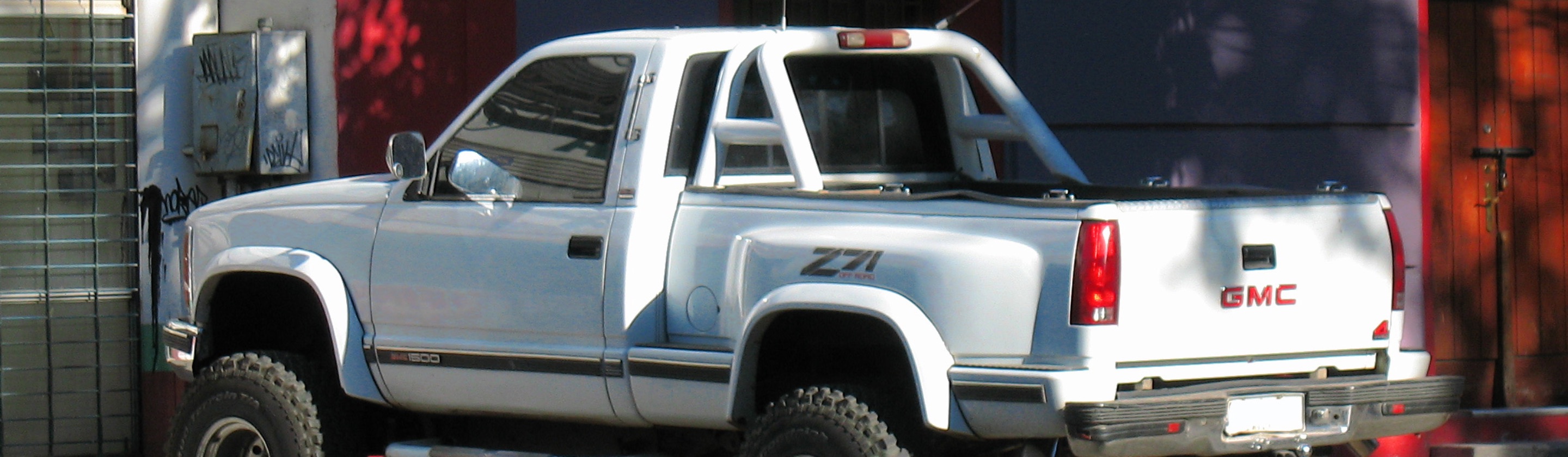
American roads didn’t change in one big, dramatic swing. The shift happened slowly, then suddenly, which is usually how these things go. Now the market is led by a small group of utility and pickup segments, with S&P Global Mobility saying compact utilities, upper midsize utilities, subcompact-plus utilities, and full-size half-ton pickups made up more than half of U.S. new-vehicle registrations in the first five months of 2025.
That helps explain why so many once-common vehicles now feel oddly absent. Some were officially discontinued, some got pushed aside by newer body styles, and some just wore out and vanished without much fuss. Public memory backs that up, too. The Autopian described spotting an old Dodge Intrepid today as being “on par with spying a falling star,” while Hemmings said the Chevrolet Corsica was one of those cars that “sold like hotcakes, but you rarely see anymore.”
The Once-Familiar Family Shapes
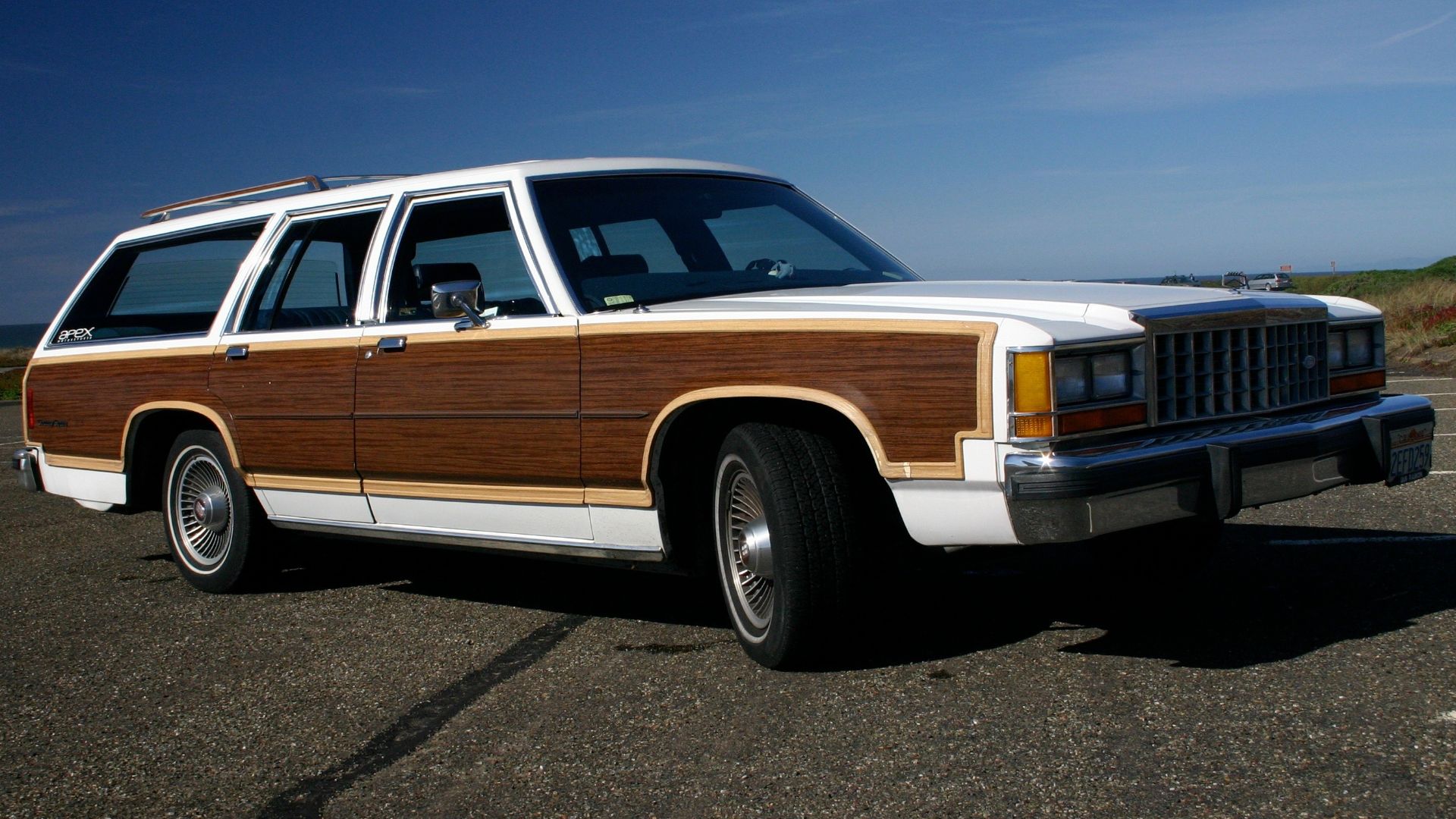
Station wagons used to be the standard American family car, and now they feel like something from another rhythm of daily life. Business Insider reported in 2019 that Volkswagen was ending U.S. sales of the Golf Alltrack and Golf SportWagen, adding that SUVs had taken over the family-hauler role wagons once owned. When even Volkswagen stepped away from mainstream wagons here, the message was pretty clear.
The big domestic wagons had already been fading for years by then. Mac’s Motor City Garage says the Ford Country Squire ran through the 1991 model year, and that when Ford restyled its full-size cars for 1992, the wagon body styles were dropped as the Windstar minivan and Taurus wagon moved into that space. Buick’s Roadmaster Estate, one of the last full-size rear-wheel-drive V8 wagons Americans could buy, had its final year in 1996.
Convertibles tell a similar story, even if they disappeared for different reasons. Mental Floss reports that fewer than 100,000 convertibles are now sold in the U.S. each year, and that they accounted for just 0.6 percent of new registrations between March 2023 and February 2024, down from 2 percent in the mid-2000s. The body style still exists, sure, though mostly as a niche product now, not the everyday sunny-day sight it once was.
The Performance Cars That Lost Ground
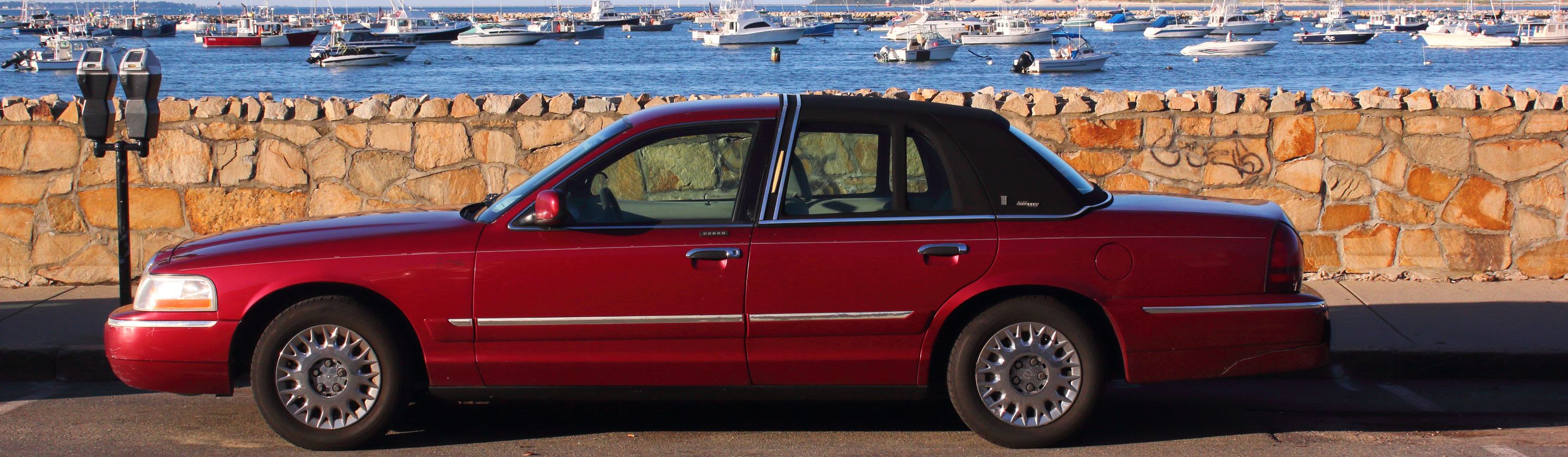
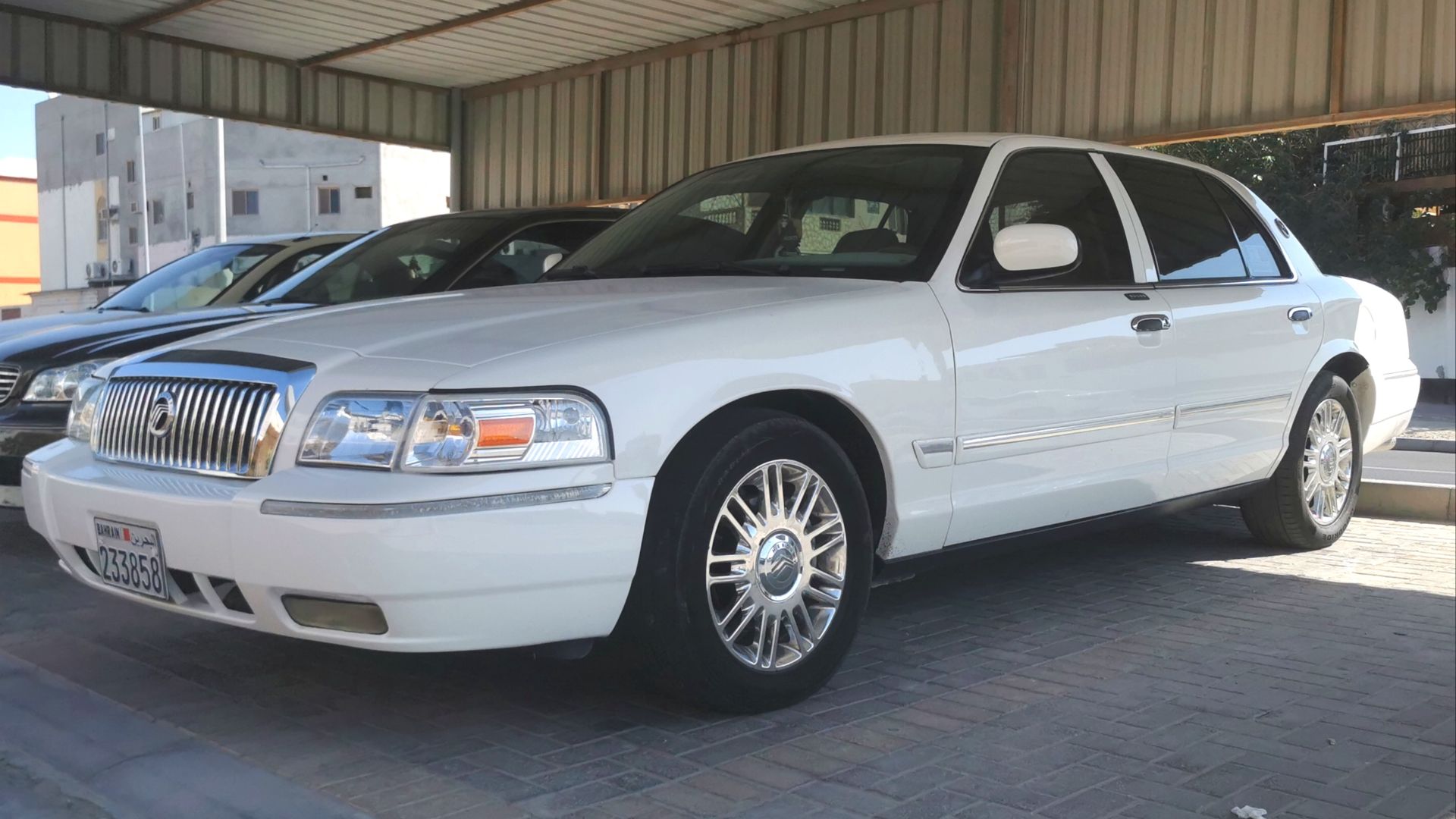
For decades, full-size rear-drive sedans were just part of the scenery. Ford’s history of the Mercury brand says the final Mercury automobile, a Grand Marquis, rolled off the line on January 4, 2011. That also marked the end of one of the last truly common old-school sedan families. Once the Grand Marquis and its Panther-platform relatives were gone, that whole kind of everyday car started slipping out of view fast.
Police fleets make the change even easier to spot. Ford’s police-vehicle history says the Crown Victoria Police Interceptor was retired in 2012 as the company introduced its next-generation Police Interceptors, and Ford’s current lineup is centered on the Police Interceptor Utility. The old body-on-frame cop sedan gave way to the police utility, and the whole look of American roads changed with it.
Performance cars thinned out, too, even if the ones left still get plenty of attention. J.D. Power lists the Chevrolet Camaro among the discontinued cars for 2025, which is a pretty blunt reminder that even one of America’s signature pony-car nameplates is no longer a current showroom fixture. The Dodge Viper’s exit was more specific. Motor Authority reported that the car’s low roofline made side-curtain-airbag compliance under FMVSS 226 a serious problem, saying a workable fix would require a major rethink of the roof design.
The Cheap Commuters That Vanished
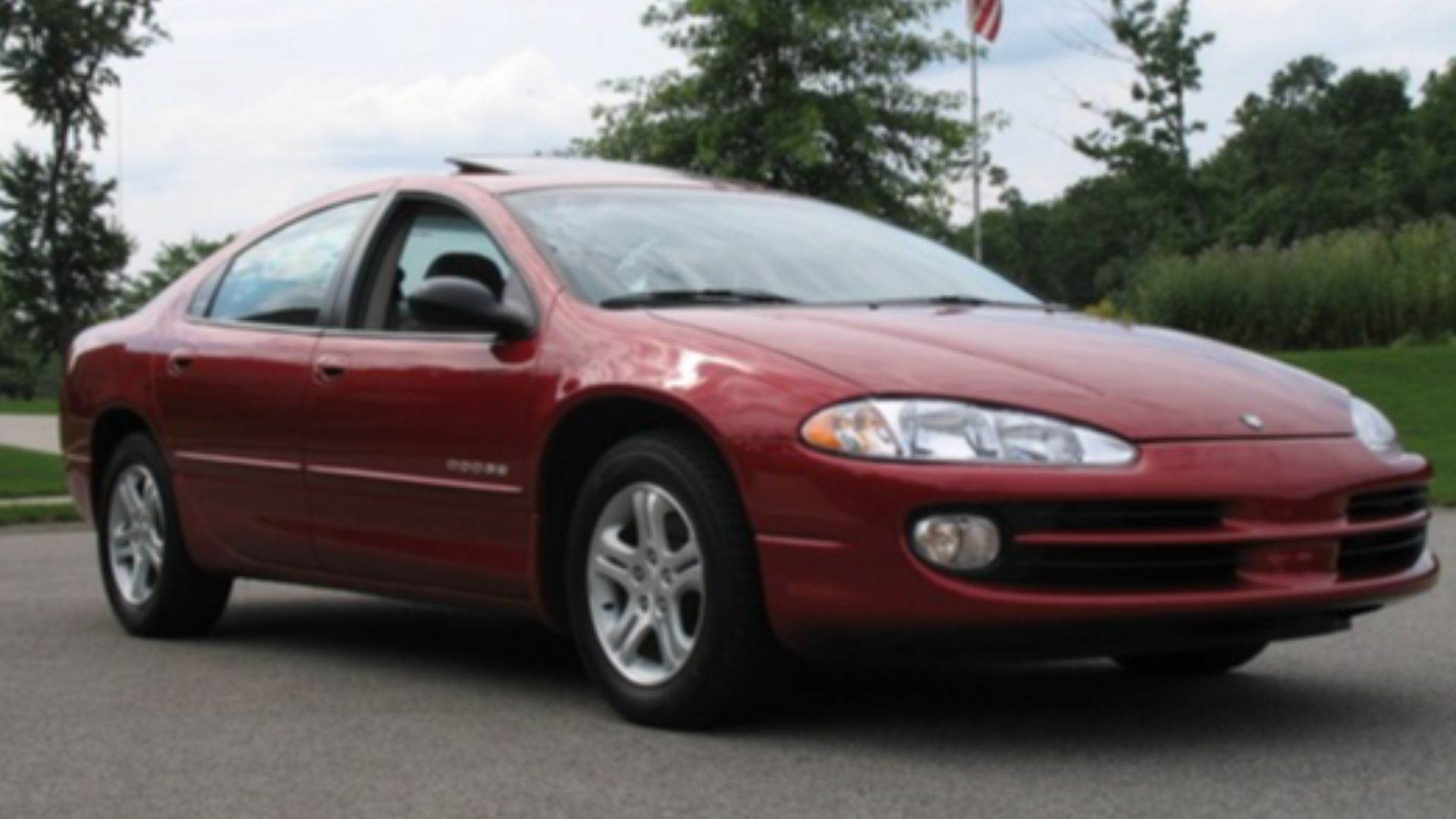
Then there are the ordinary cars that once seemed too common to ever become rare. The Autopian treats the Dodge Intrepid as a perfect example, a car that used to feel unavoidable and now feels almost strange to see. Hemmings makes the same point about the Corsica, which sold in huge numbers and then quietly slipped out of the daily landscape.
The reason is not especially glamorous, which is probably why it rings true. Hagerty argued years ago that once-common cars disappear when time catches up with their generally disposable nature, and that still feels right. Budget front-drive sedans and coupes were usually bought to work, not to be saved, so rust, accidents, deferred maintenance, and plain old economic math did the rest.
That’s what makes these vanished vehicles feel so specific to their era. They were everywhere because they matched the country that built and bought them at the time, whether that meant wagons for families, big sedans for fleets, convertibles for sunny weekends, or cheap commuters for daily life. Now the market is more concentrated, the surviving body styles are more predictable, and the vehicles that disappeared from American roads took a lot of their old routines with them.