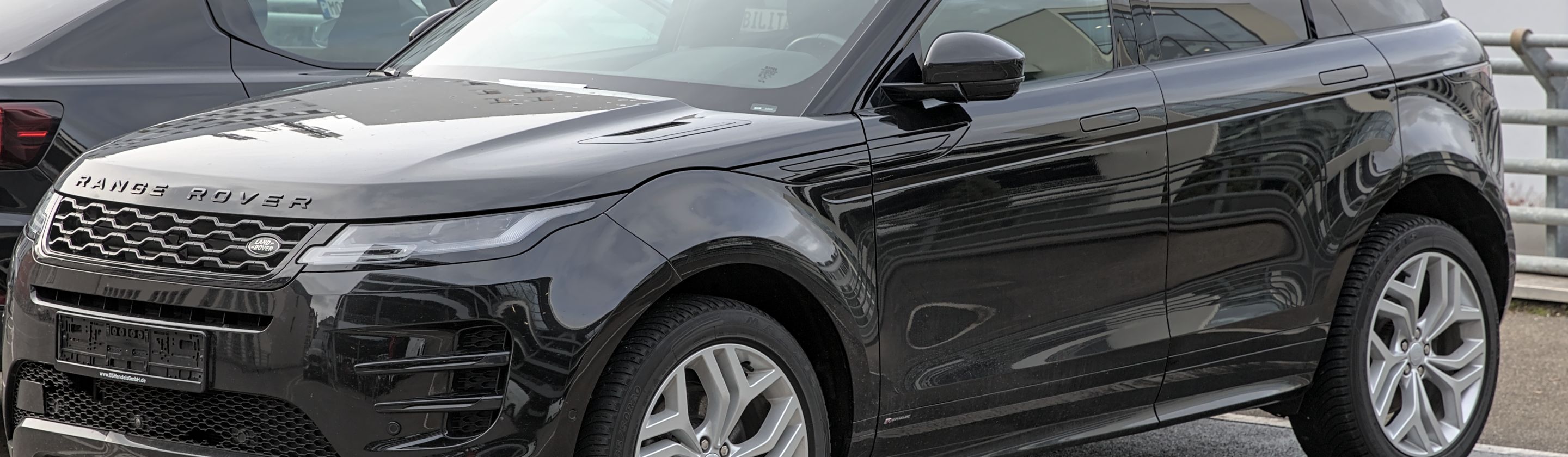
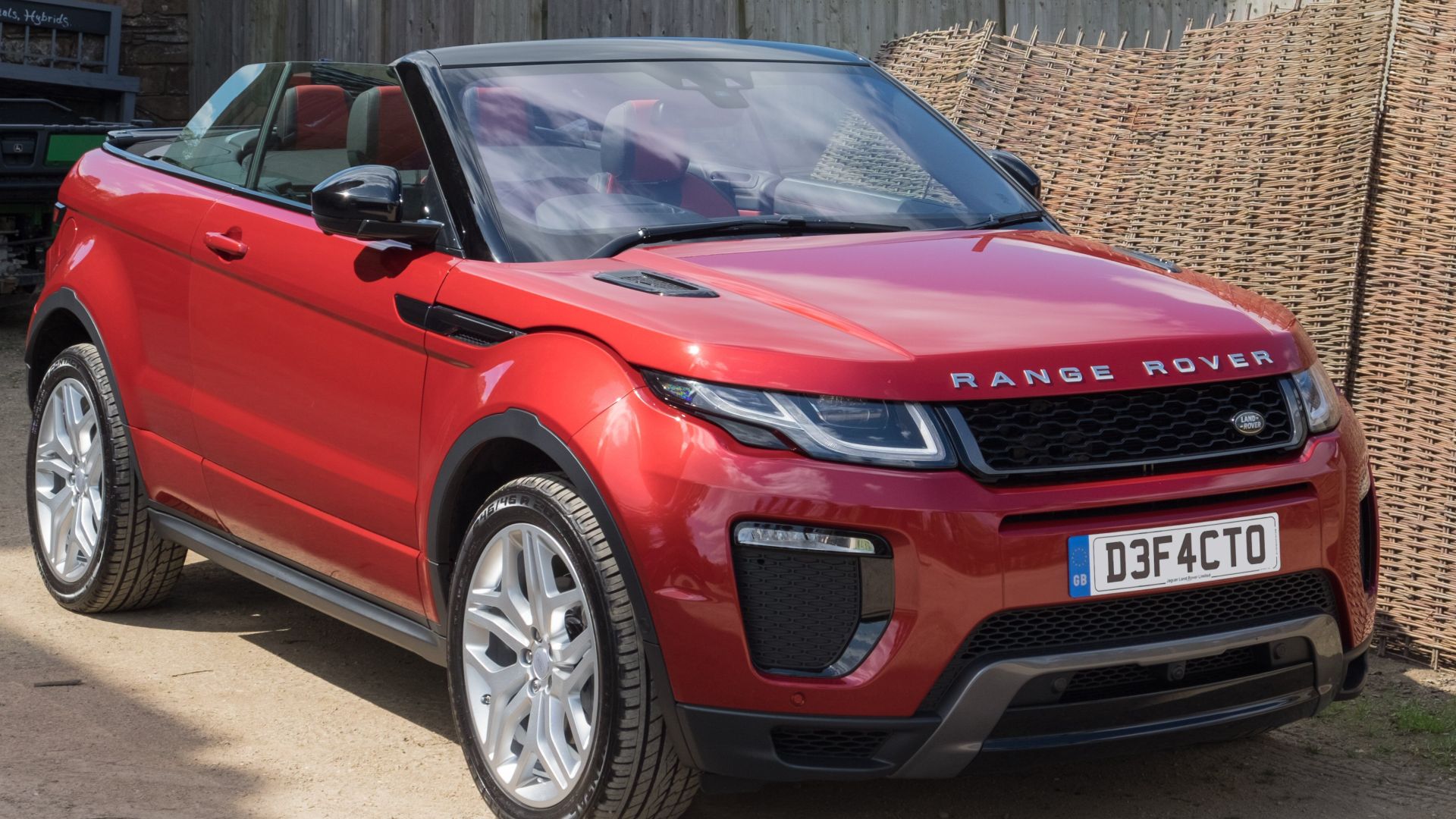
If you're currently scouring the used car market for a stylish, European-inspired SUV that won't break the bank, you might find yourself tempted by the sleek lines of a mid-2010s Land Rover Range Rover Evoque. At first glance, it looks like a total steal, offering a premium badge and a luxurious interior for a fraction of its original six-figure sticker price. However, it is probably best to keep the checkbook hidden away because this particular model has earned a reputation for being one of the most mechanically temperamental vehicles on the road today. It's the kind of car that looks incredible sitting in a driveway but tends to spend more time on the back of a flatbed tow truck than it does actually driving.
The allure of a cheap luxury vehicle is a siren song that has led many unsuspecting buyers into a financial nightmare that never seems to end. While the Evoque was praised for its bold design and agile handling when it first debuted, the reality of owning one past its warranty period is a much different story. It becomes clear that the cost of maintaining these complex machines can easily outpace the monthly payments on a brand-new car within just a few years of ownership. Before signing any papers and driving off into the sunset, it is vital to understand exactly why this beautiful machine is considered a "buyer beware" legend in the automotive world.
The Nightmare of Electronics
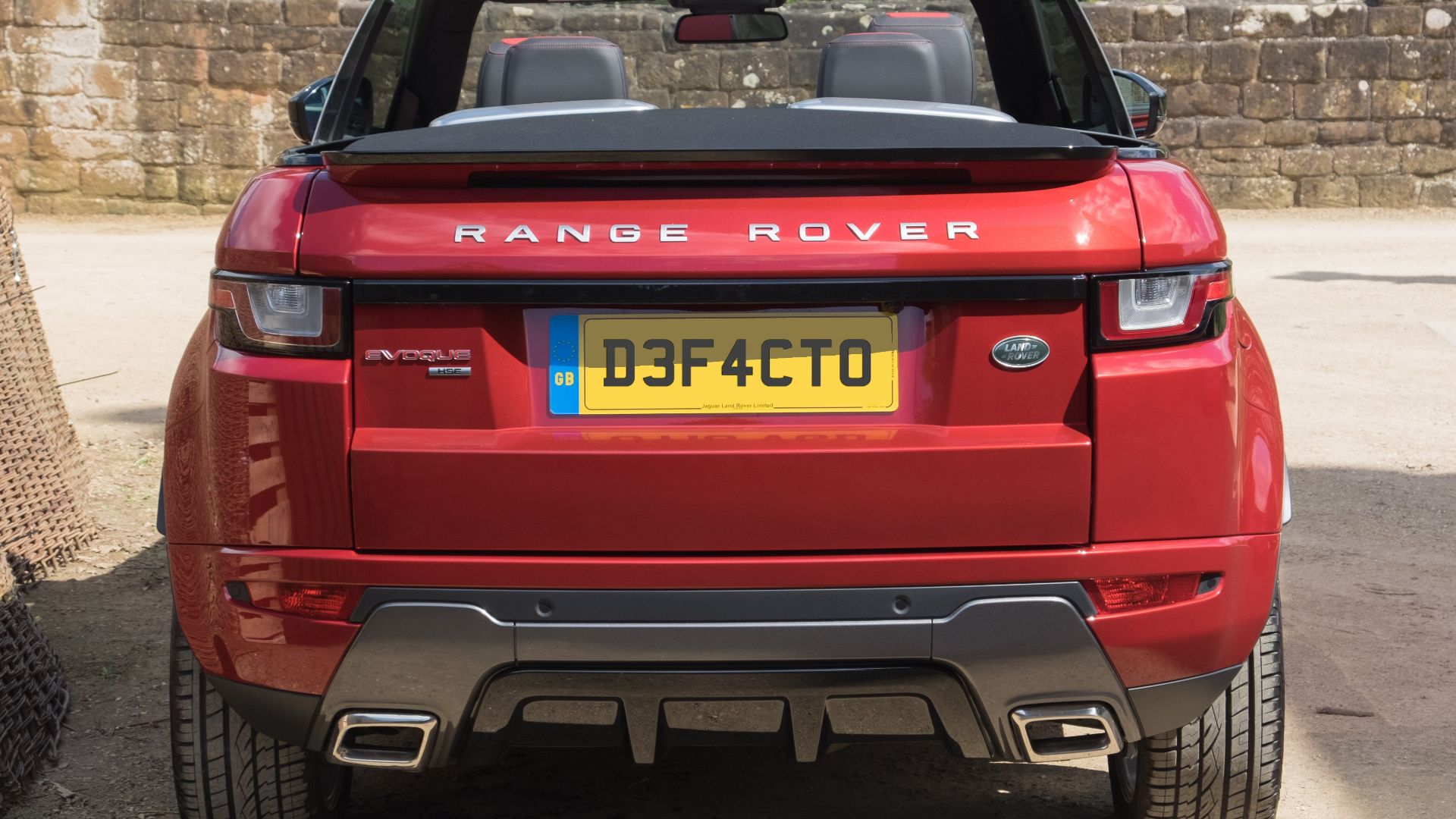
The biggest annoyance with an older Evoque is just how many electronic sensors and modules decide to fail seemingly at random. One morning, the car starts perfectly and everything appears normal. Halfway through a drive, every warning light can begin flashing like a holiday display. The issue could be something minor, such as the screen locking up, or something major, such as the loss of air suspension or Trac-Lock functionality. Sensors and modules can fail unpredictably because everything is interconnected through a complex web of wiring. When a wire shorts out, diagnosing the issue becomes extremely difficult.
Fixing these electronic issues is not as simple as replacing a fuse. A mechanic will often need to spend hours diagnosing the vehicle using proprietary software to determine which module, out of dozens hidden throughout the vehicle, is causing the car to enter "restricted performance" mode. Once the issue is identified, parts are often expensive and typically require dealer installation. Local auto parts stores are unlikely to carry what is needed. The problems also tend to be persistent. One electrical issue may be resolved, only for another sensor to fail shortly after.
Key fobs can also randomly become unsynchronized with the vehicle's computer system. This can leave the owner locked out while the alarm continues to sound. Situations like this can be inconvenient at home and even more problematic in public settings. These "ghost in the machine" issues occur frequently and can turn what should be a short repair visit into a lengthy and frustrating process. For those hoping to avoid constant inconvenience and expense, this vehicle can quickly become overwhelming.
Mechanical Failures and Fluid Leaks
Beyond the digital complications, the turbocharged four-cylinder engine found in many early Evoque models has its own set of expensive mechanical issues. One of the most common and serious problems involves the timing chain, which can stretch or slip over time and lead to severe engine damage that is costly to repair. A faint rattling noise during a cold start may seem insignificant, but it is often an early warning sign of a much larger problem developing. This design flaw requires proactive and costly maintenance that previous owners may not have performed.
Transmission problems are another frequent concern, particularly with the nine-speed automatic gearbox, which is known for rough shifting and potential gear failure. The vehicle may lurch at stoplights or hesitate during acceleration, indicating that internal components are wearing out prematurely. Repairing or replacing a transmission in a four-wheel-drive luxury SUV is a complex and labor-intensive process that often requires significant disassembly of surrounding components. Even relatively minor repairs can result in extremely high costs.
There is also the well-known issue of persistent fluid leaks, a trait commonly associated with older Land Rover vehicles. It is often joked that if one of these vehicles is not leaking fluid, it may simply be empty. Owners may notice coolant, power steering fluid, or oil collecting on the garage floor shortly after purchase. These leaks are frequently caused by plastic cooling components that degrade over time due to engine heat, eventually cracking and failing under pressure. This can lead to overheating and potentially severe engine damage if not addressed promptly.