The Slow Part Is The Point
Cities are built to keep people moving, but they also know how to slow them down. Sometimes it happens through obvious design choices, and sometimes it happens so quietly you barely notice it. A narrower street, rougher pavement, more shade, or a shop window that catches your eye can change your pace almost immediately. Good cities do this on purpose because slower streets tend to feel better, work better, and keep people around longer. Here are 20 ways cities get you to slow down.
1. Brick Pavement
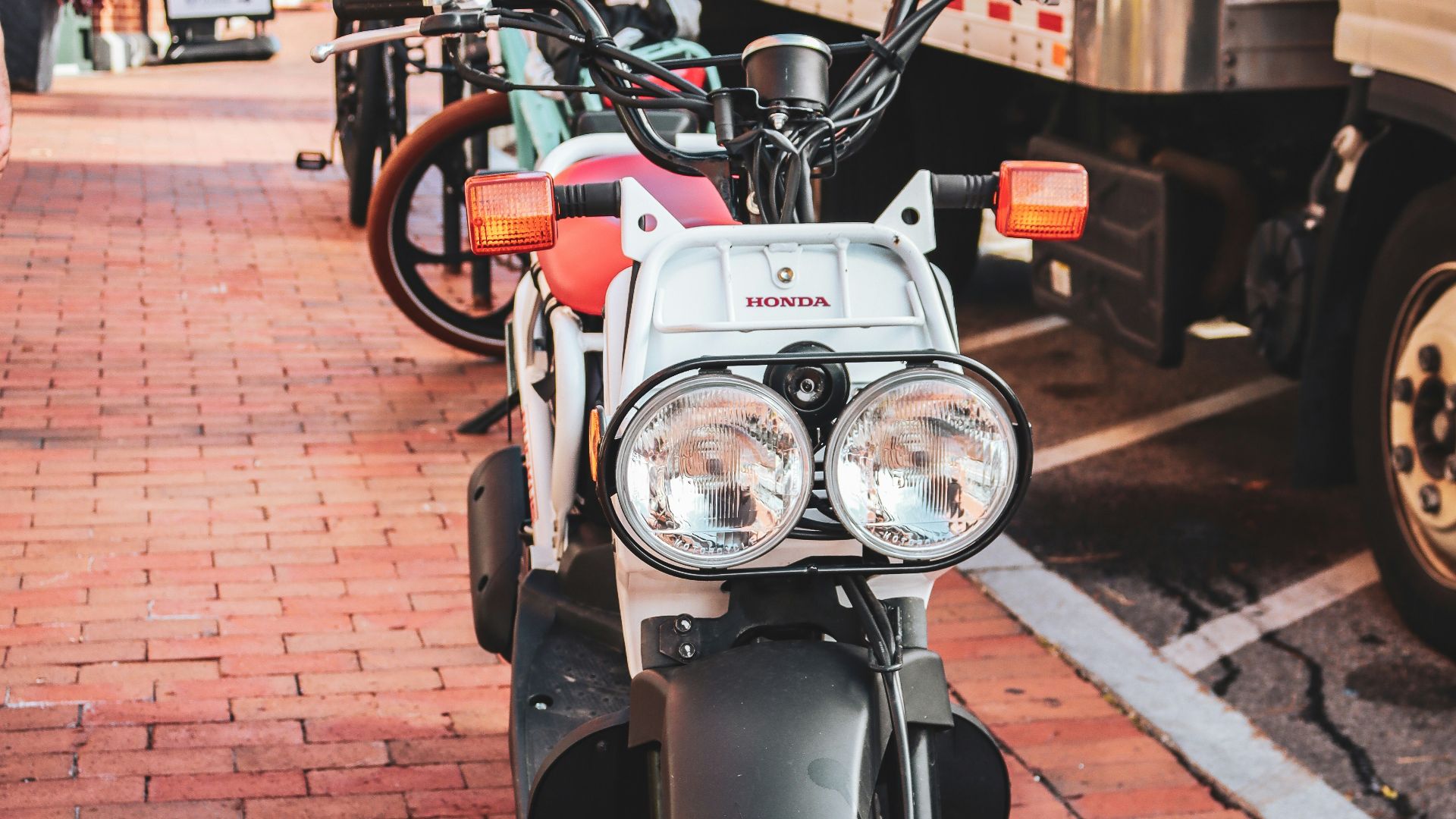
Brick pavement changes the whole mood of a block in about three seconds. It feels older, a little less efficient, and just uneven enough to make you stop marching like you are late to a gate at the airport.
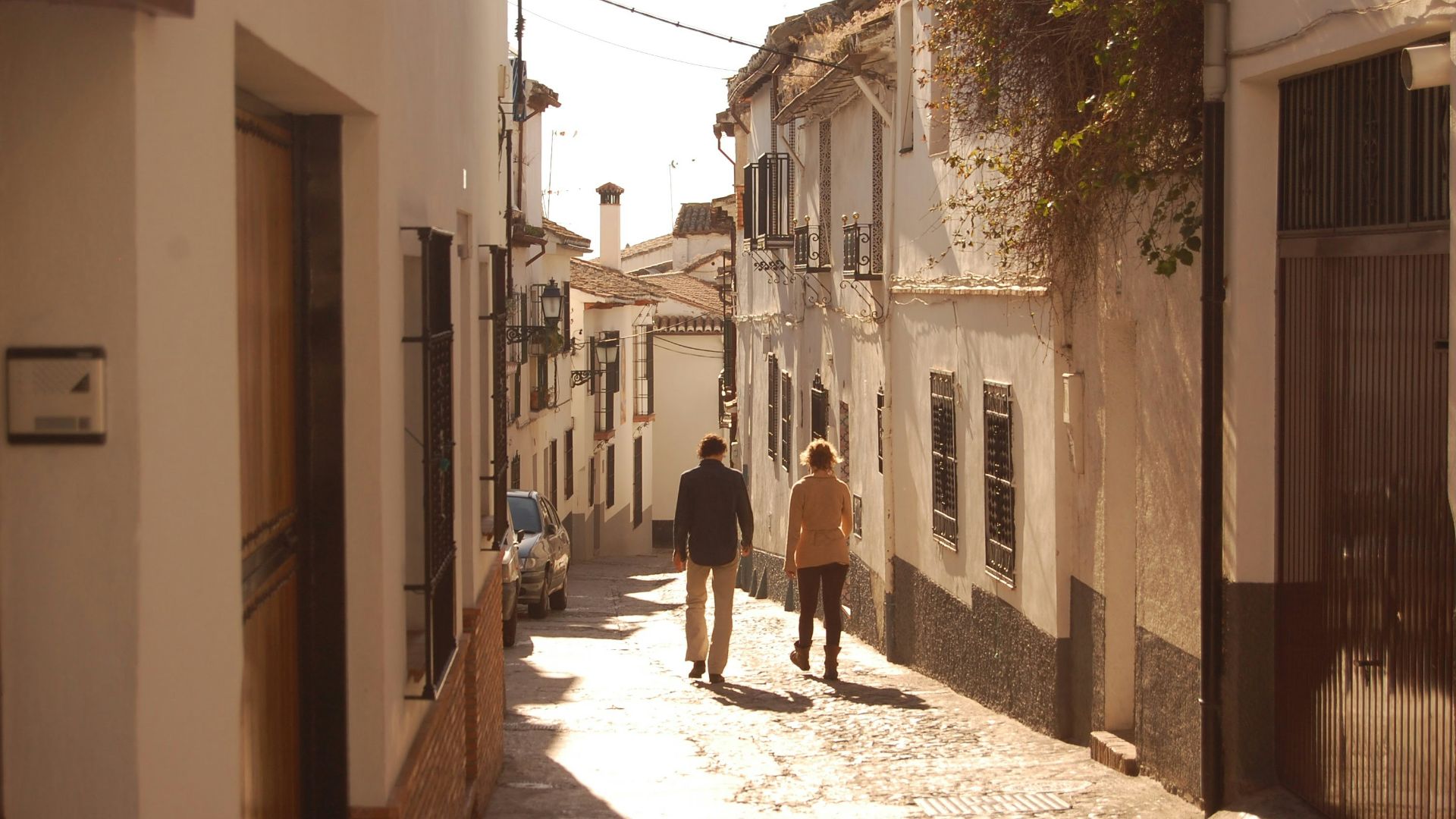
2. Narrow Streets
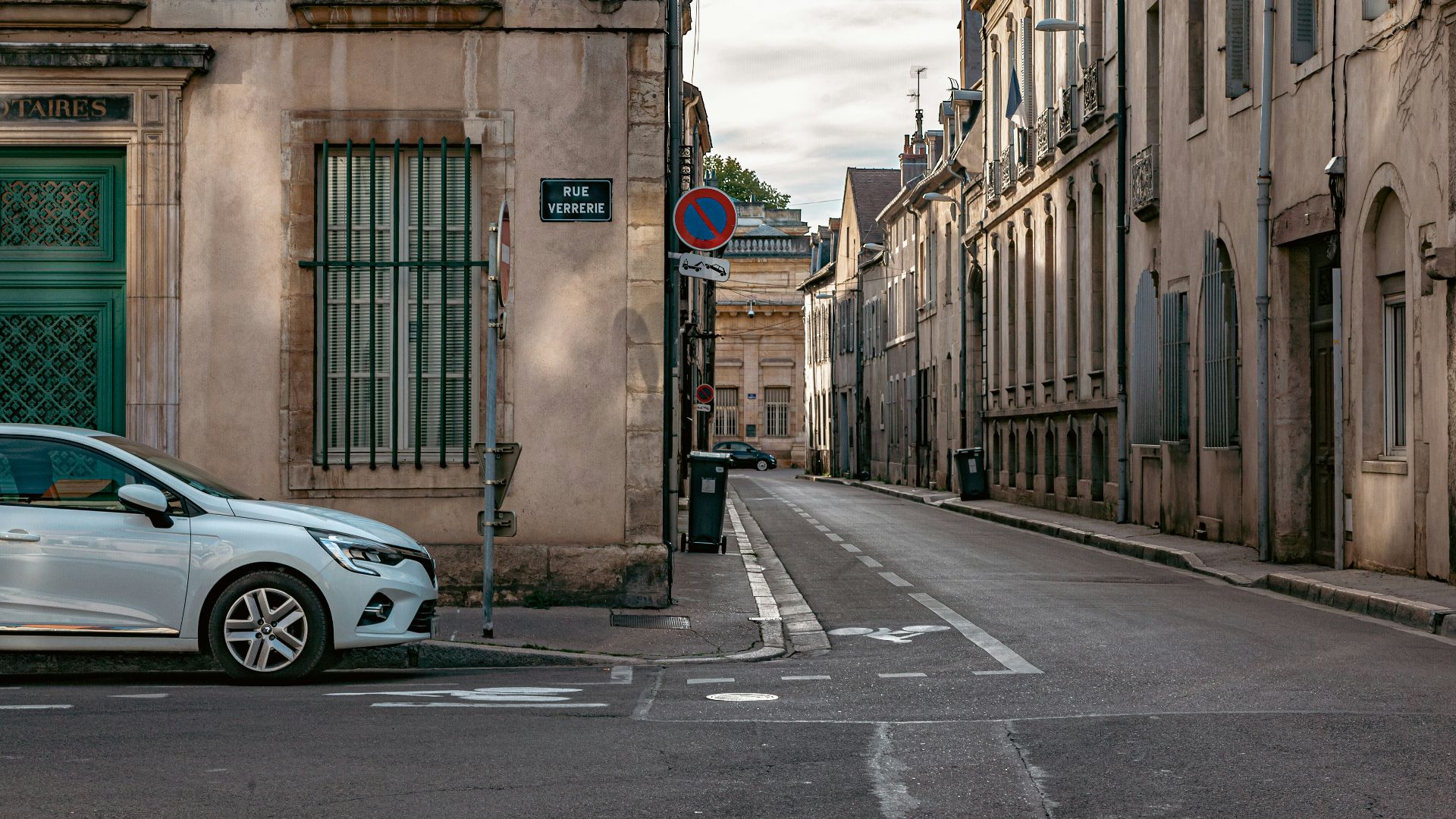
Wide streets tell you to move through. Narrow streets tell you to pay attention. Once the roadway tightens and the buildings feel closer, everything starts reading as local, specific, and worth an extra glance.
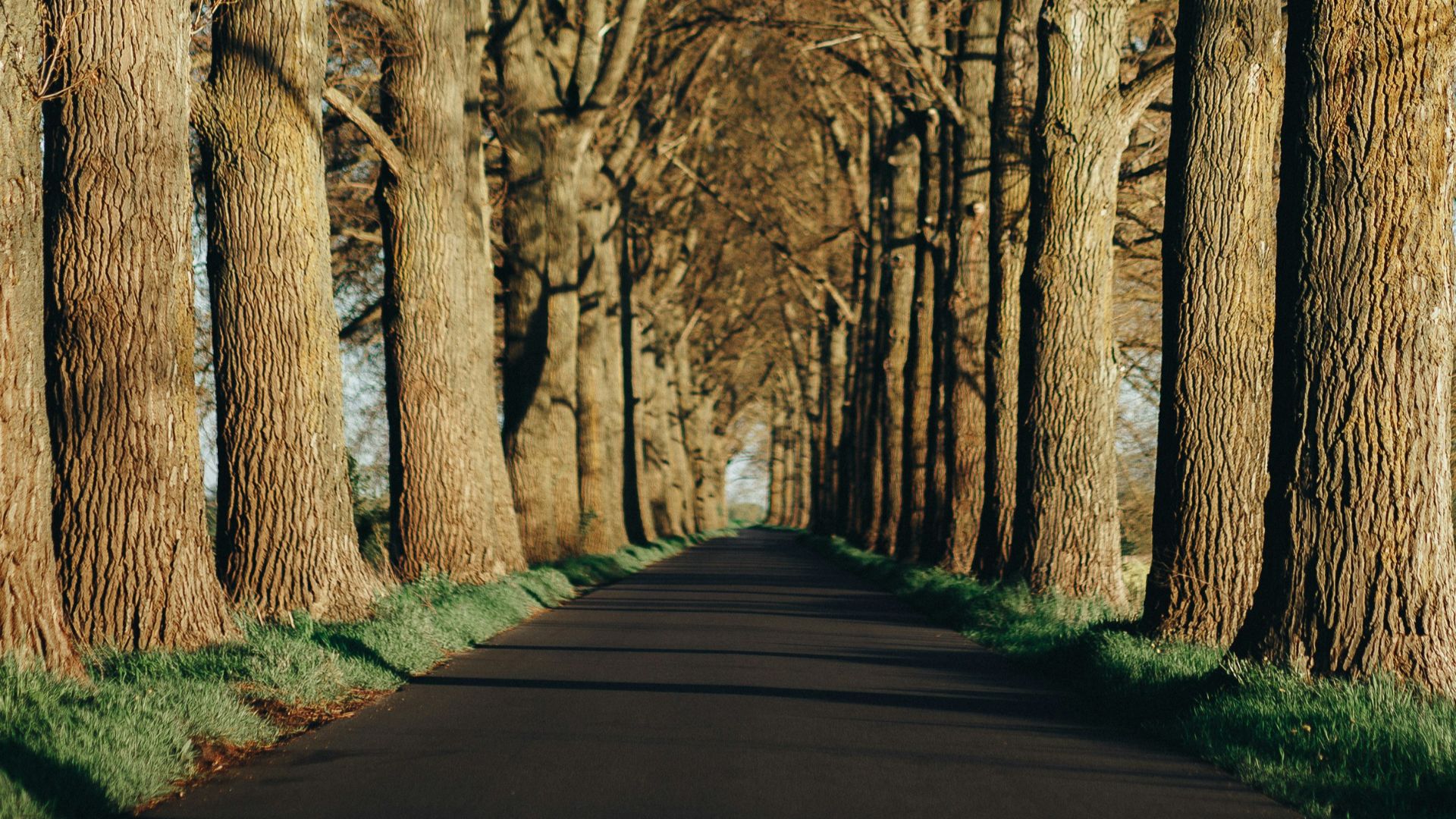
3. Trees That Break Up The View
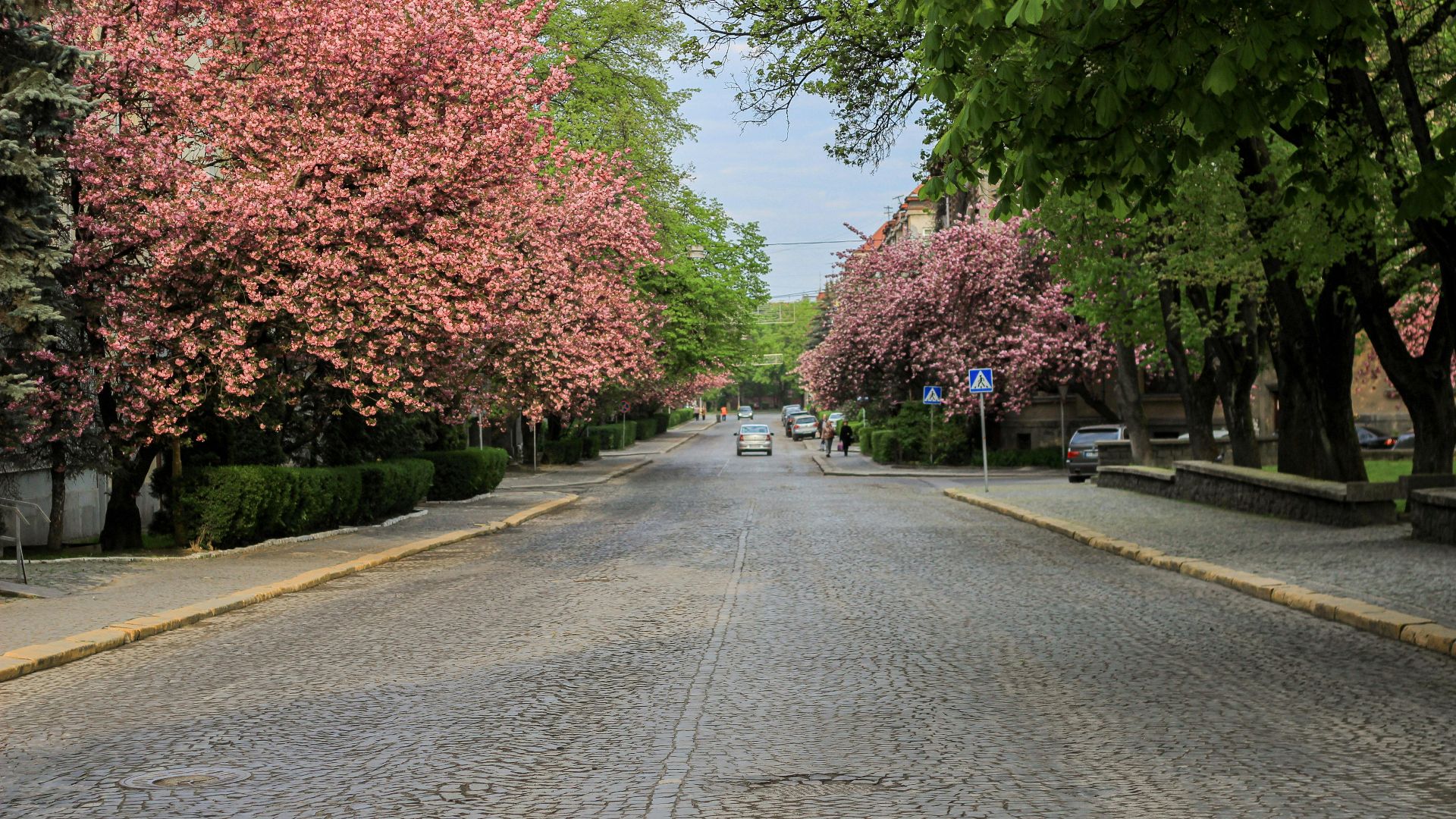
A long bare street lets your eyes run straight ahead, which usually means your body does the same. Add a canopy of trees, a bit of shade, and a softer edge to the block, and people naturally stop moving like they are trying to beat a timer.
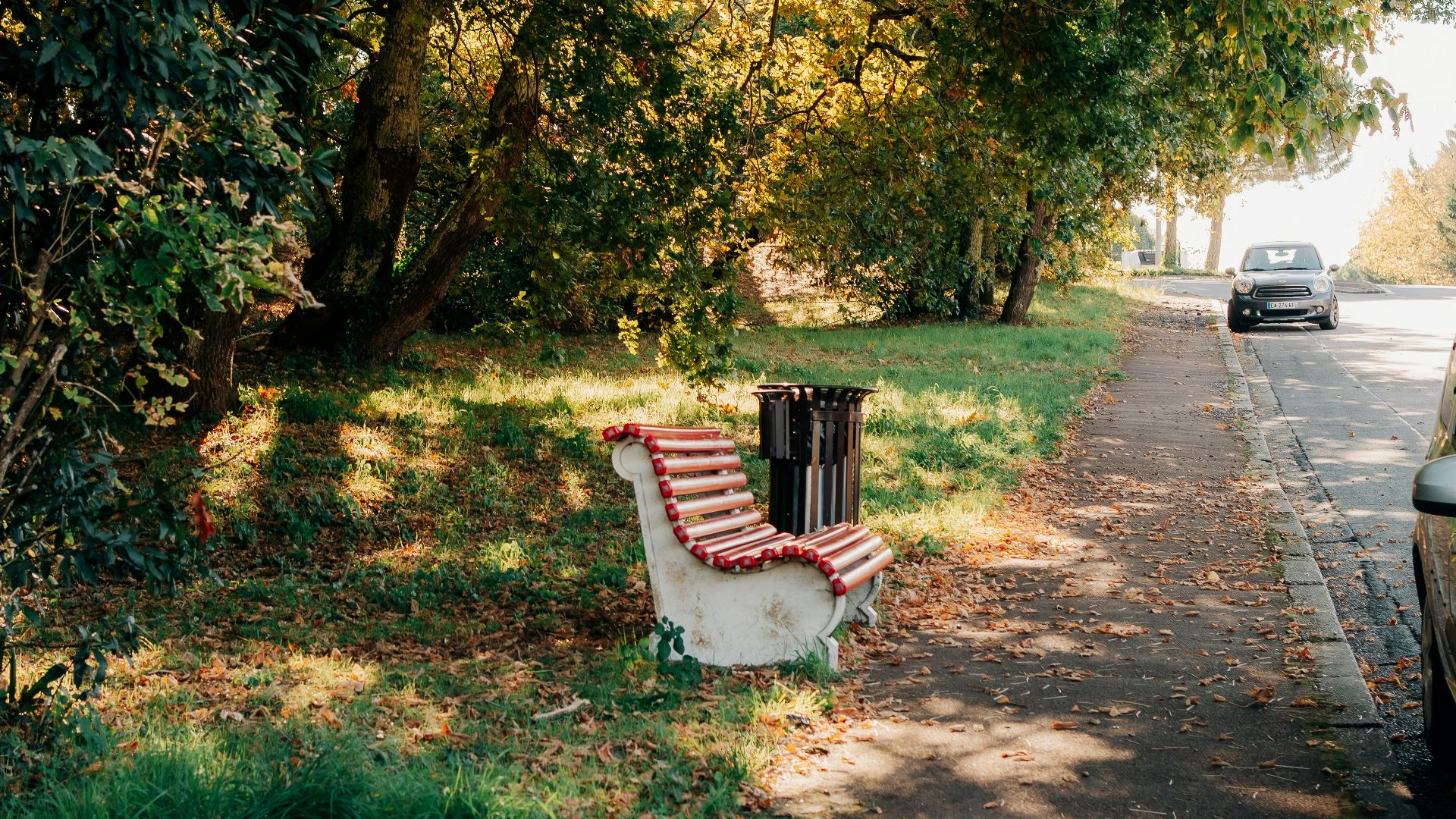
4. Benches In The Right Spot
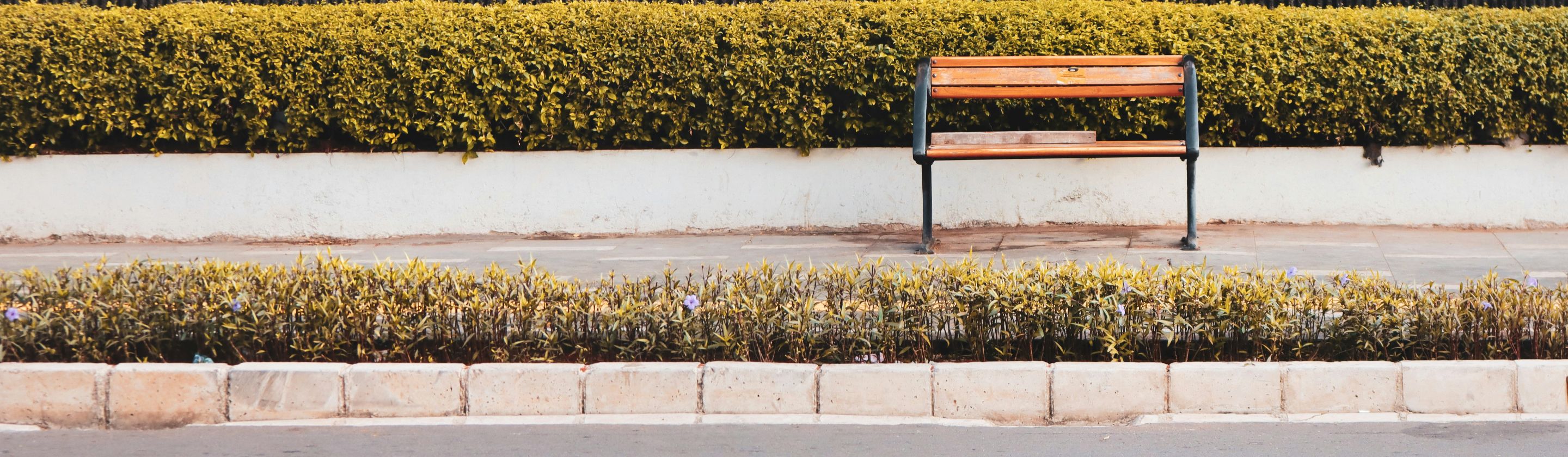
A bench by itself does not do much. A bench under a tree, near a bakery window, or facing a square works like a suggestion with excellent manners. It tells you there is no reason to rush this part.
 Kseniia Poroshkova on Unsplash
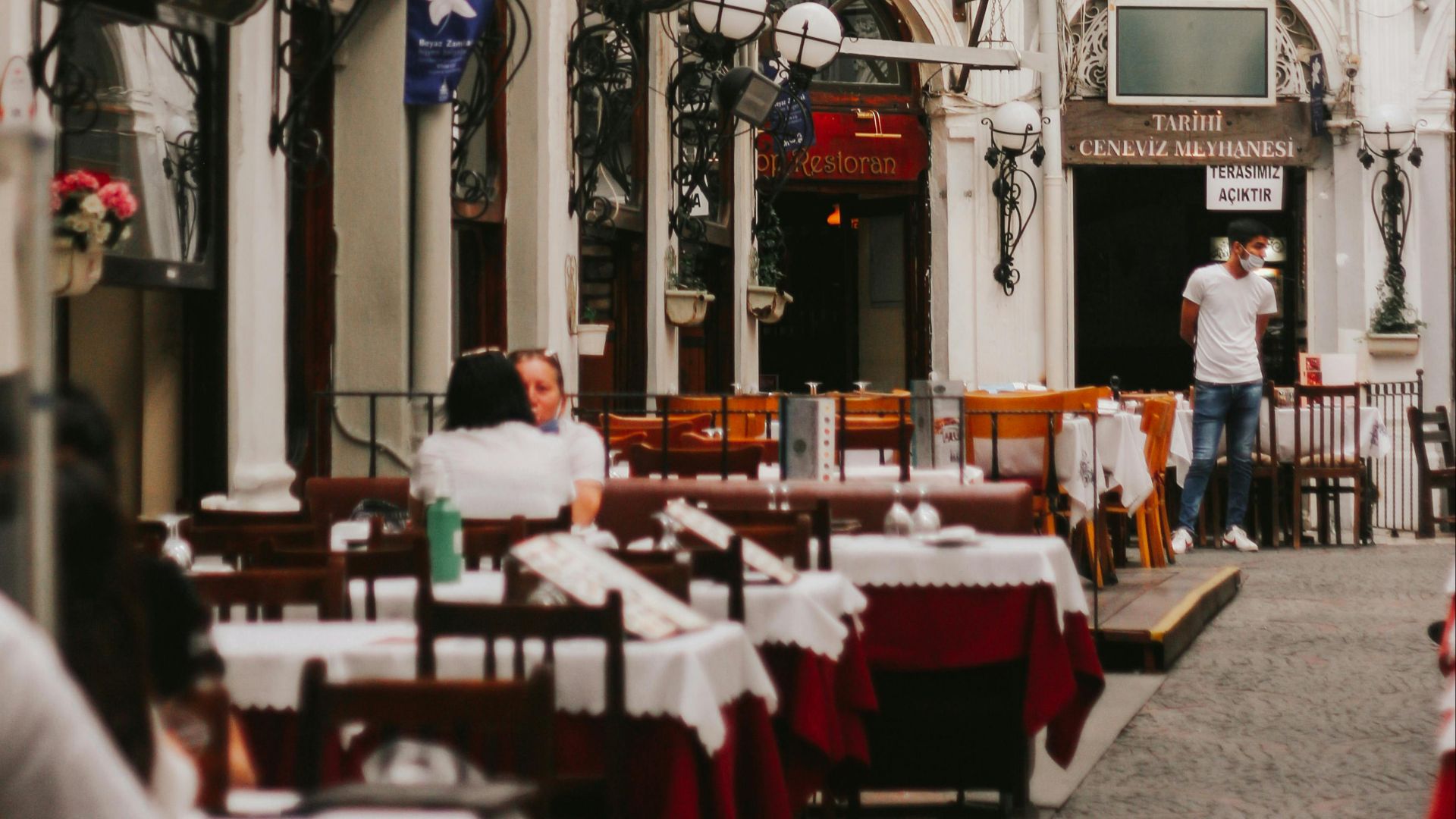
5. Outdoor Dining
Once tables and chairs spill onto the sidewalk, the street stops behaving like a corridor. Even people who are not eating slow down a little, partly to weave around the setup, and partly because somebody else’s glass of wine can make a block feel less urgent.
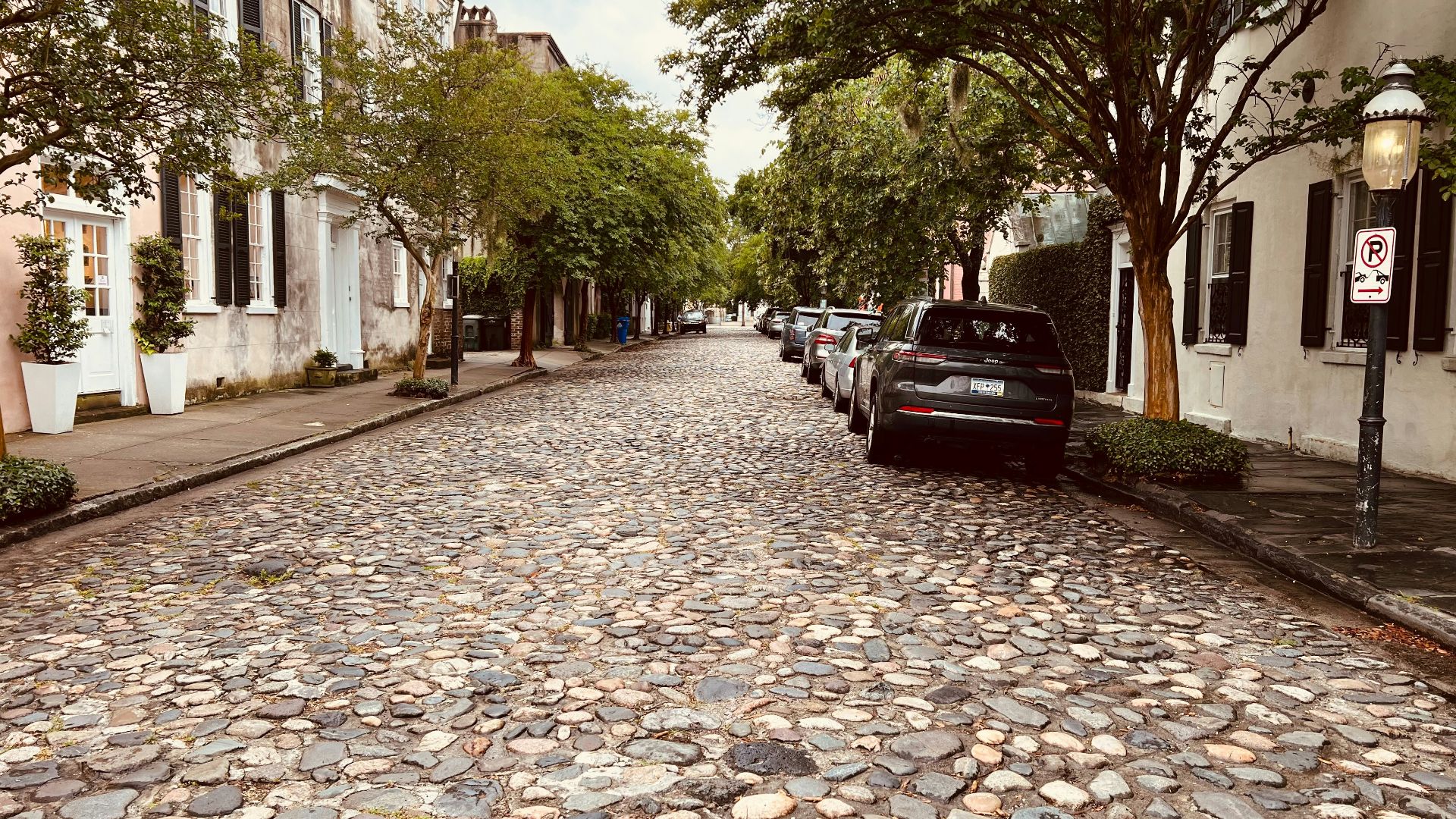
6. Cobblestones
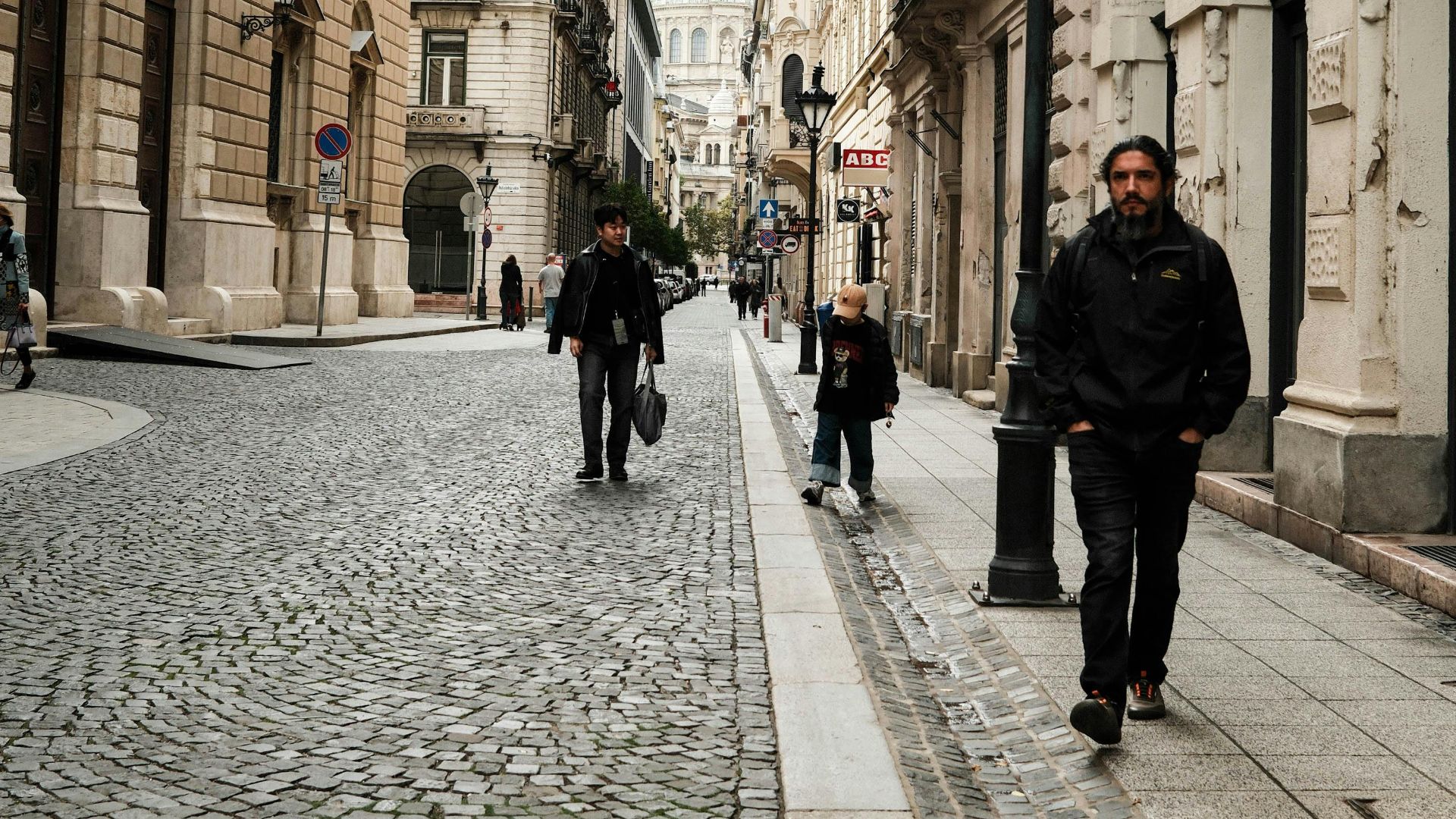
Cobblestones are the city equivalent of a polite speed bump. They add just enough friction, noise, and visual texture to make fast movement feel slightly ridiculous, especially if you are in hard shoes and trying to keep your dignity.
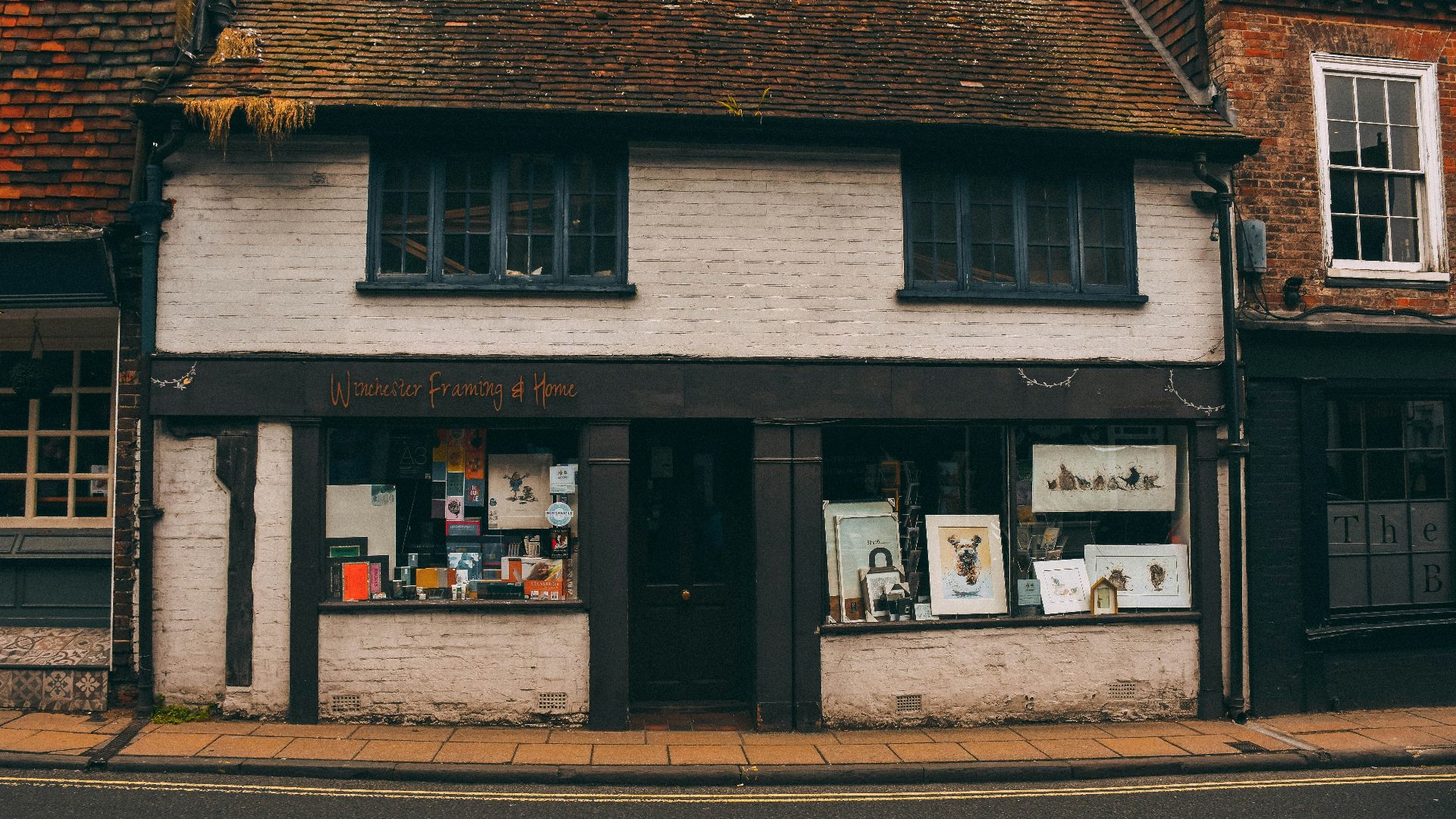
7. Tiny Storefronts
Small storefronts make a street feel granular. Instead of one blank wall or one giant tenant, you get doorway after doorway, window after window, and each one gives your attention somewhere to land.
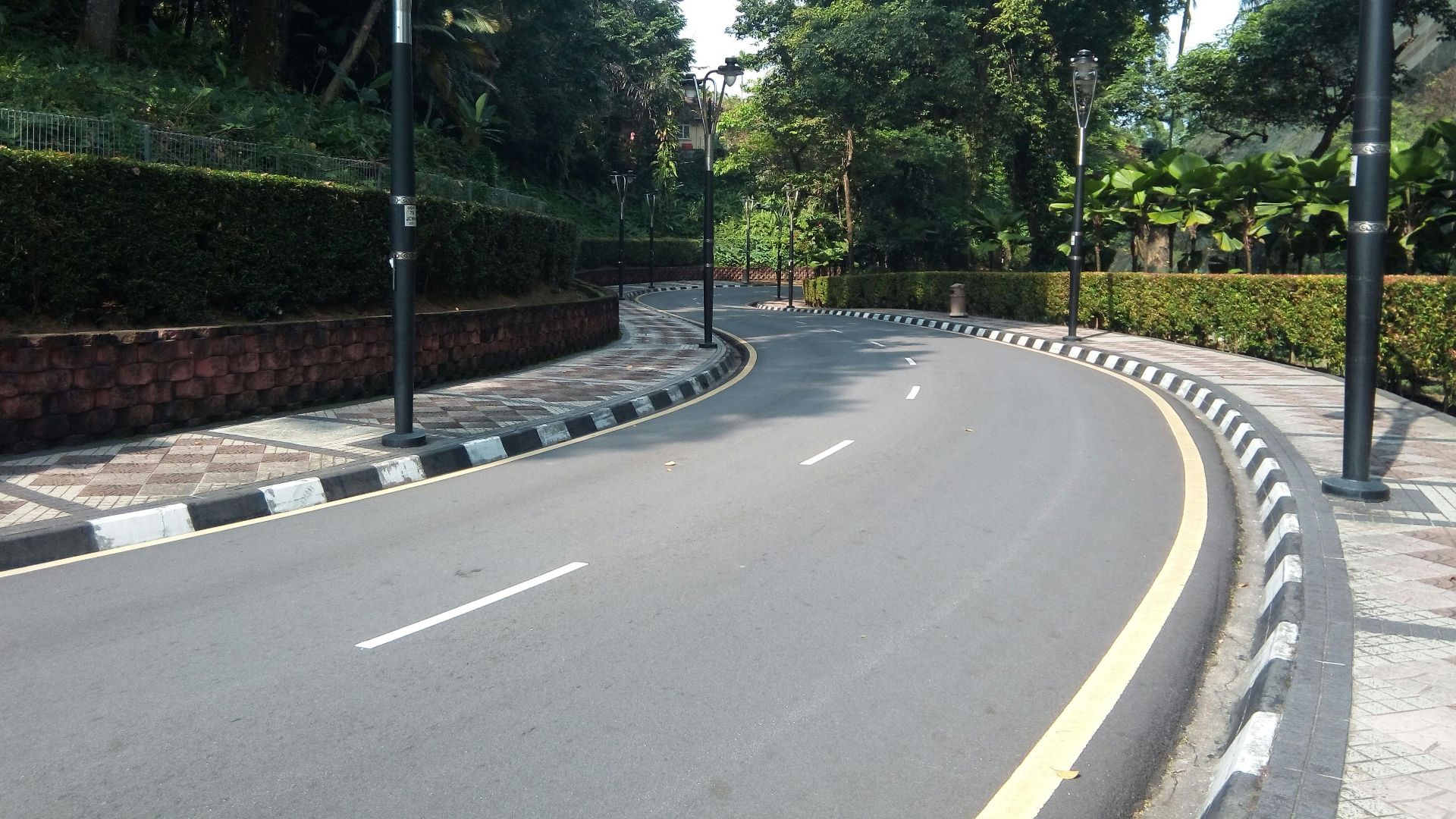
8. Curved Streets
A straight street invites speed because it keeps revealing the whole plan at once. A curve makes you ease up. You cannot see everything ahead, so the block turns into a sequence instead of a sprint.
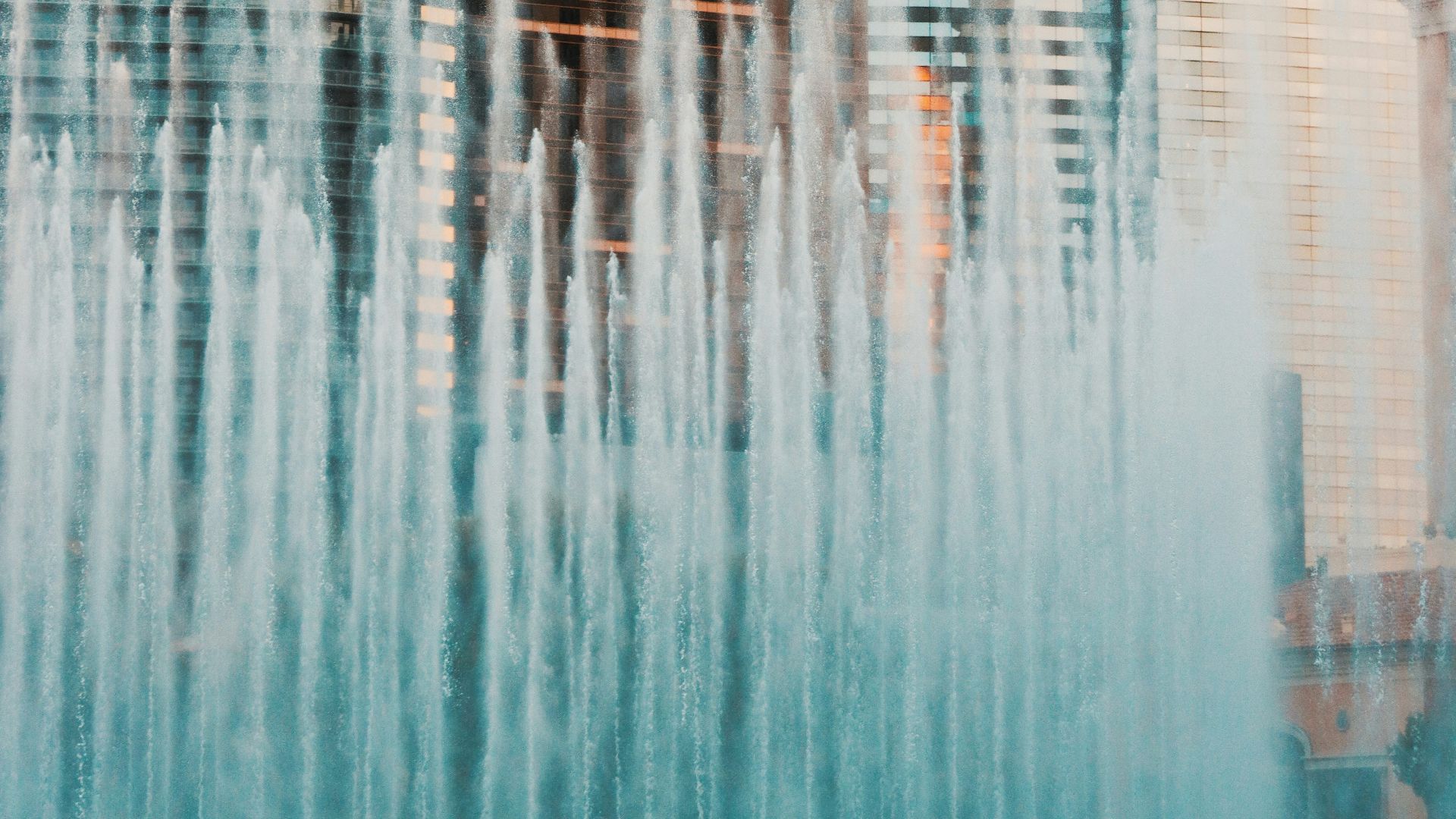
9. Fountain Noise
Moving water changes a place faster than people expect. It softens traffic noise, gives a plaza a center, and makes standing around feel a little less like idling and a little more like being somewhere on purpose.
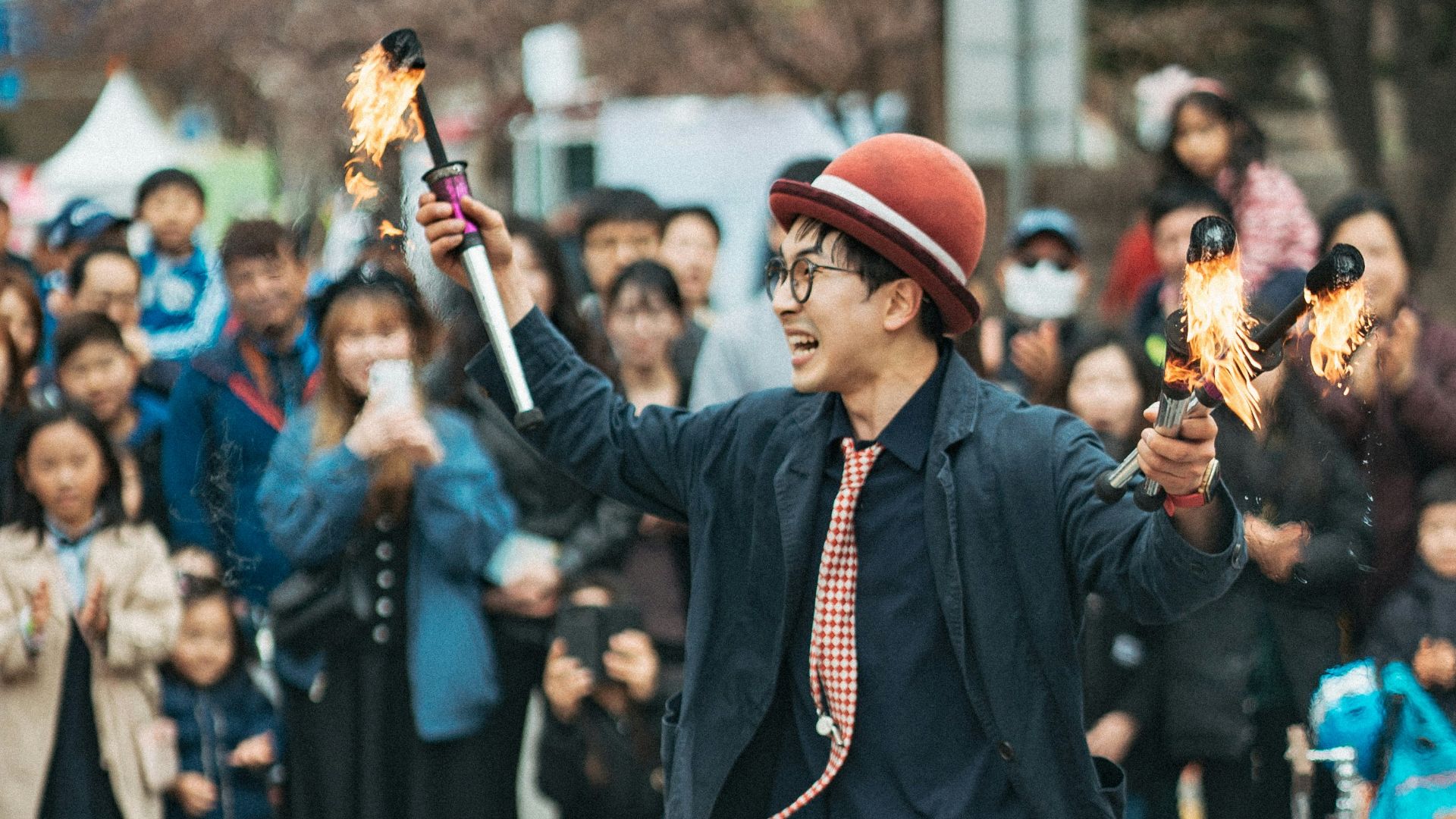
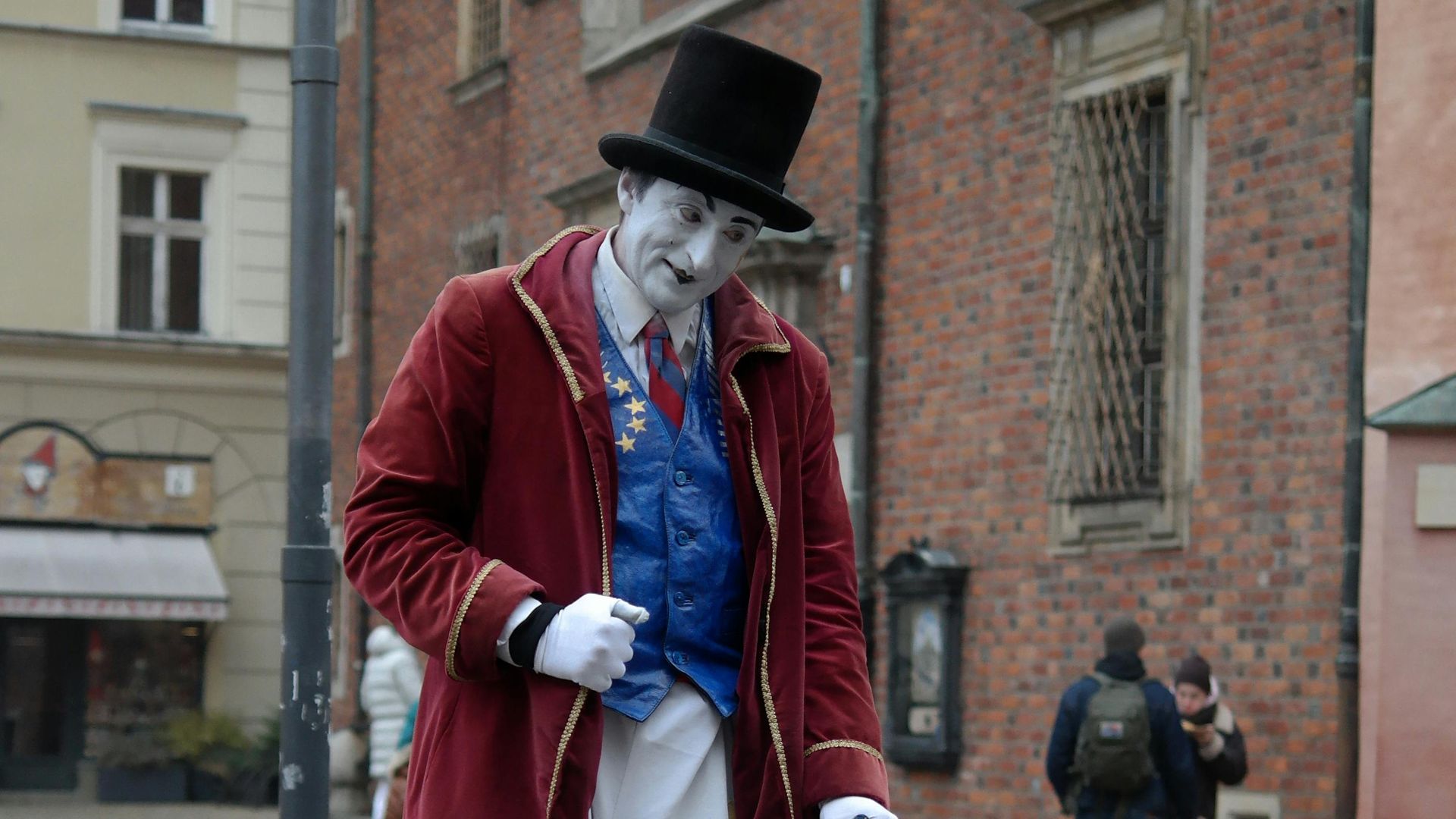
10. Street Performers
Nothing interrupts urban momentum like a small crowd facing the same direction. A saxophone player, a violinist, a guy doing card tricks, a dancer with one portable speaker and a lot of confidence, and suddenly half the sidewalk is moving at spectator speed.
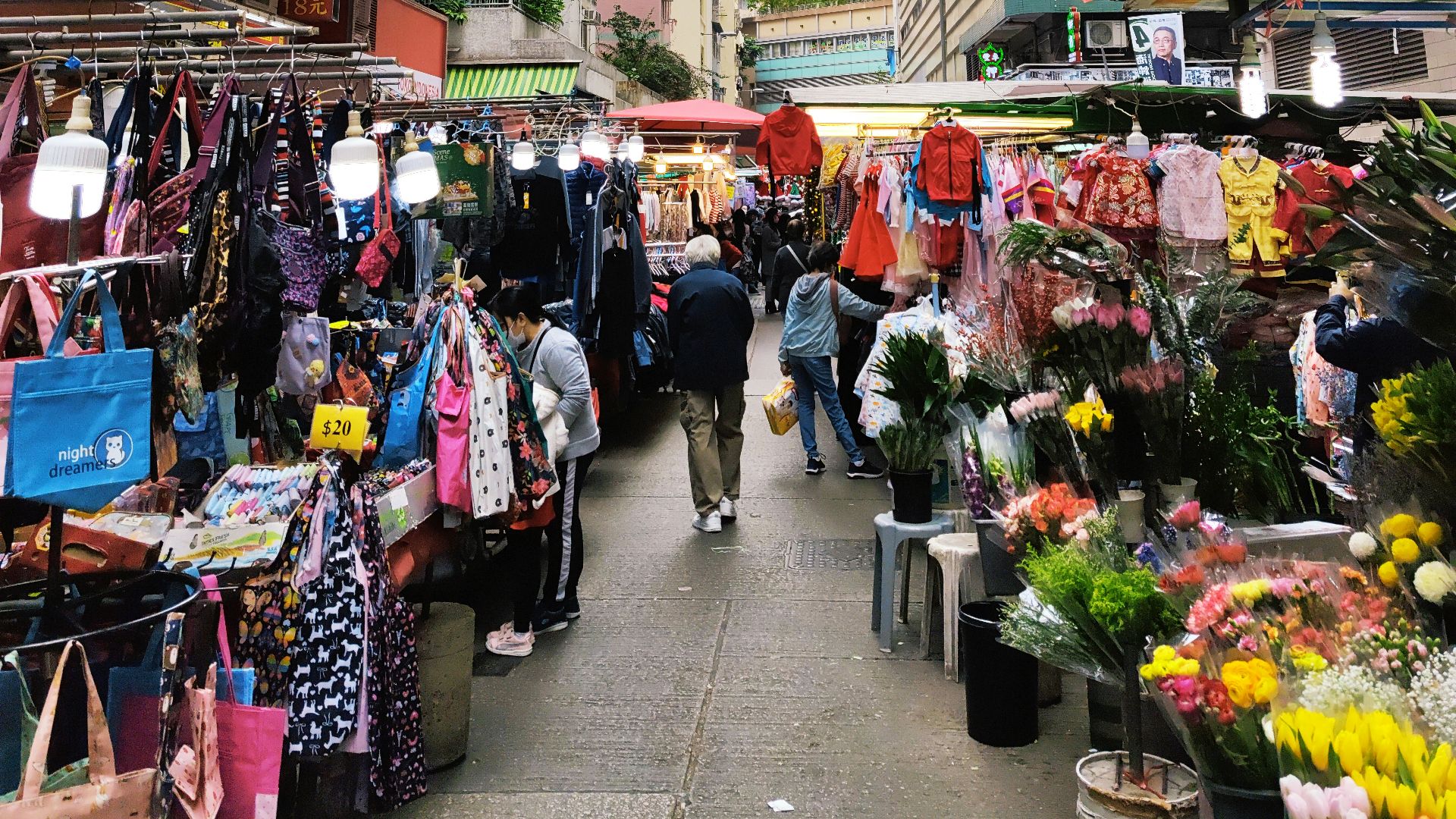
11. Market Stalls
Markets break the rhythm of a regular street because they are messier, busier, and more tempting than an ordinary block. You pass produce, flowers, bread, soap, cheap sunglasses, and handmade earrings, all arranged to catch your eye and make it harder to keep walking.
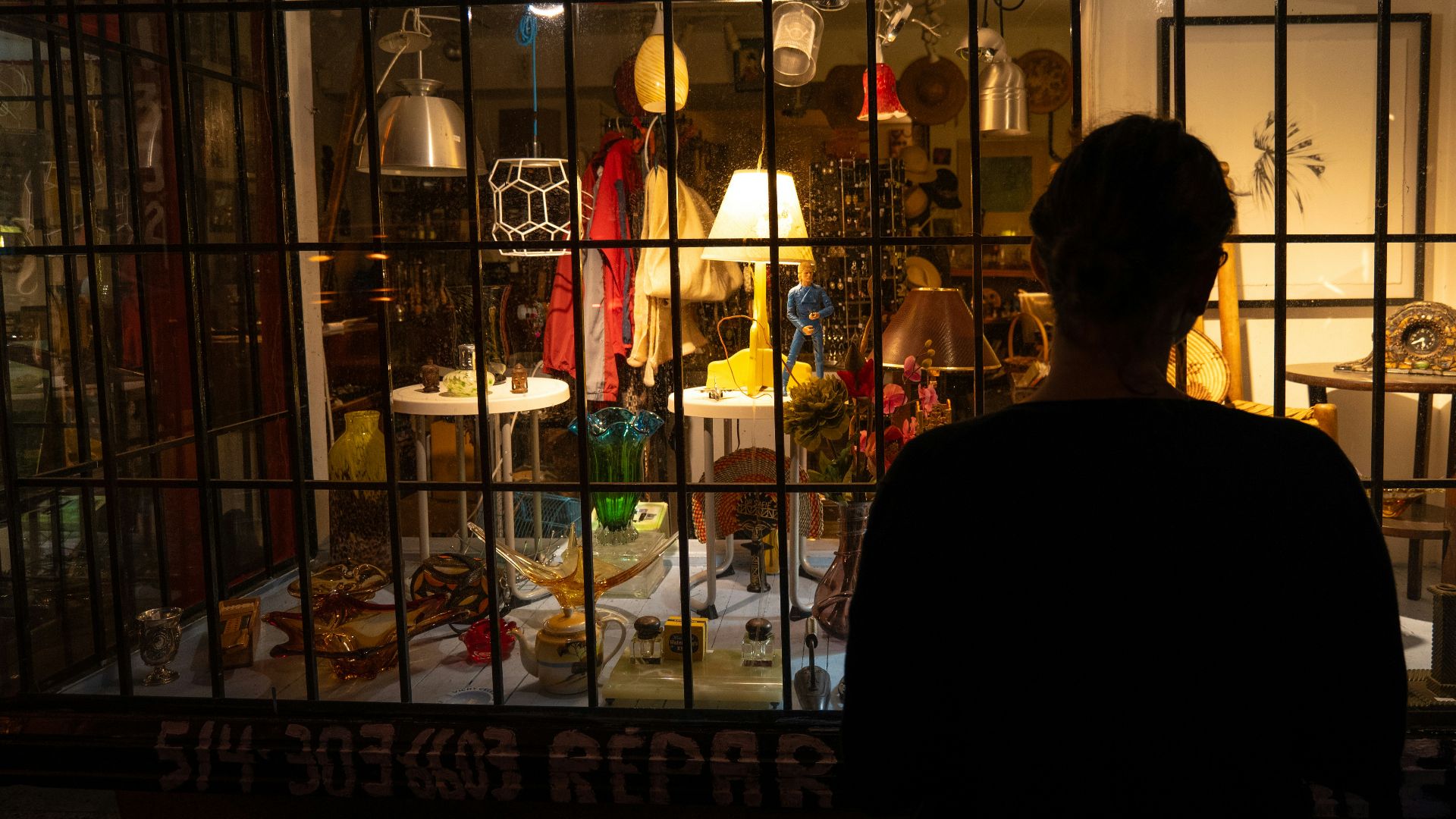
12. Good Window Displays
The best window displays do not need to shout for attention. They pull you in more quietly, with a stack of books, a lamp glowing in the back of a shop, or a row of pastries lined up with almost absurd precision. Before you know it, you are walking at half speed just to take a better look.
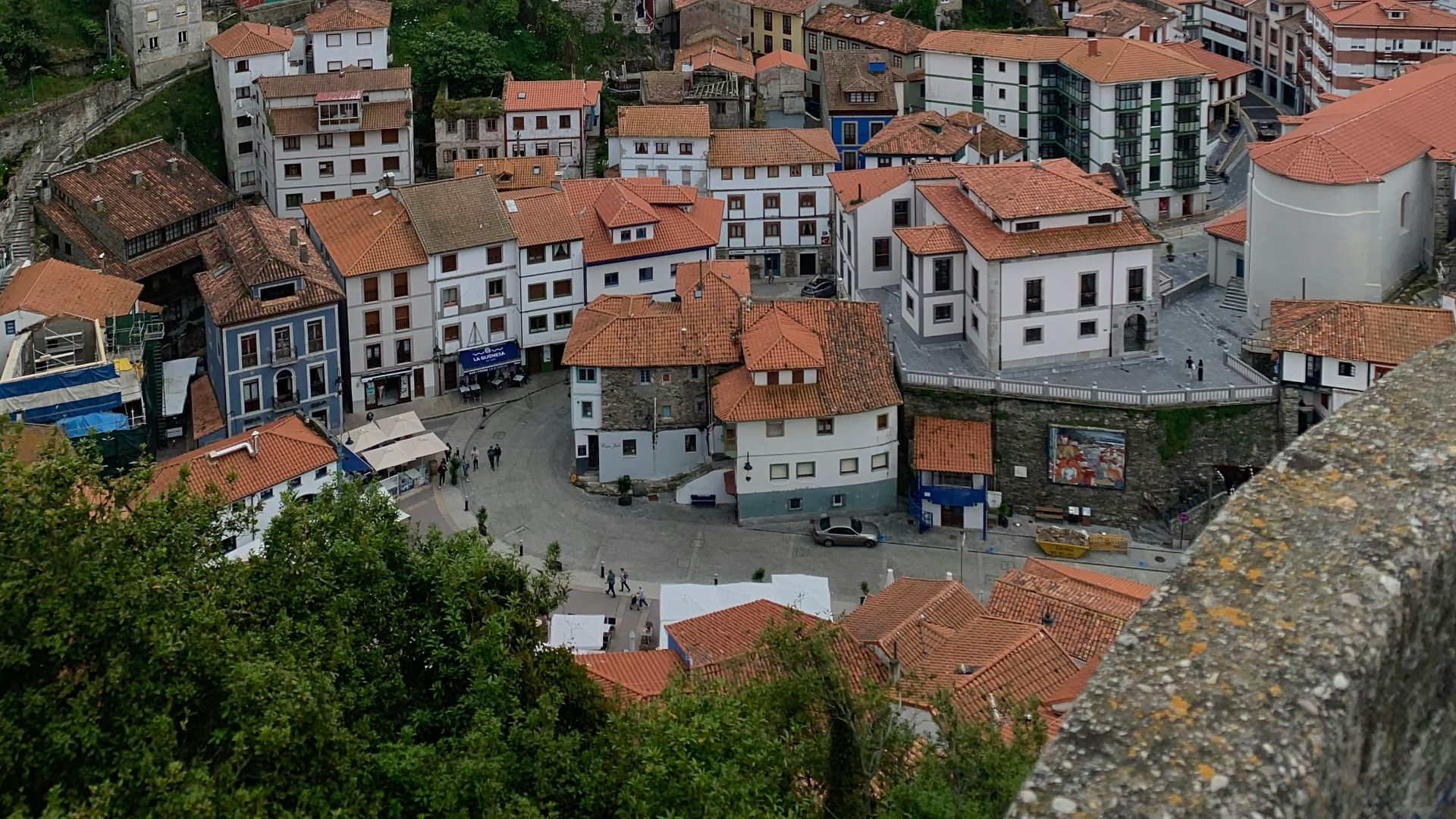
13. Small Plazas
A plaza opens up the city just enough to interrupt the usual flow. People pause because the space allows it, and because an open square always carries the faint promise that something might be happening there, even if it is only pigeons and somebody texting in the sun.
 Alicia Alvarez Robles on Pexels
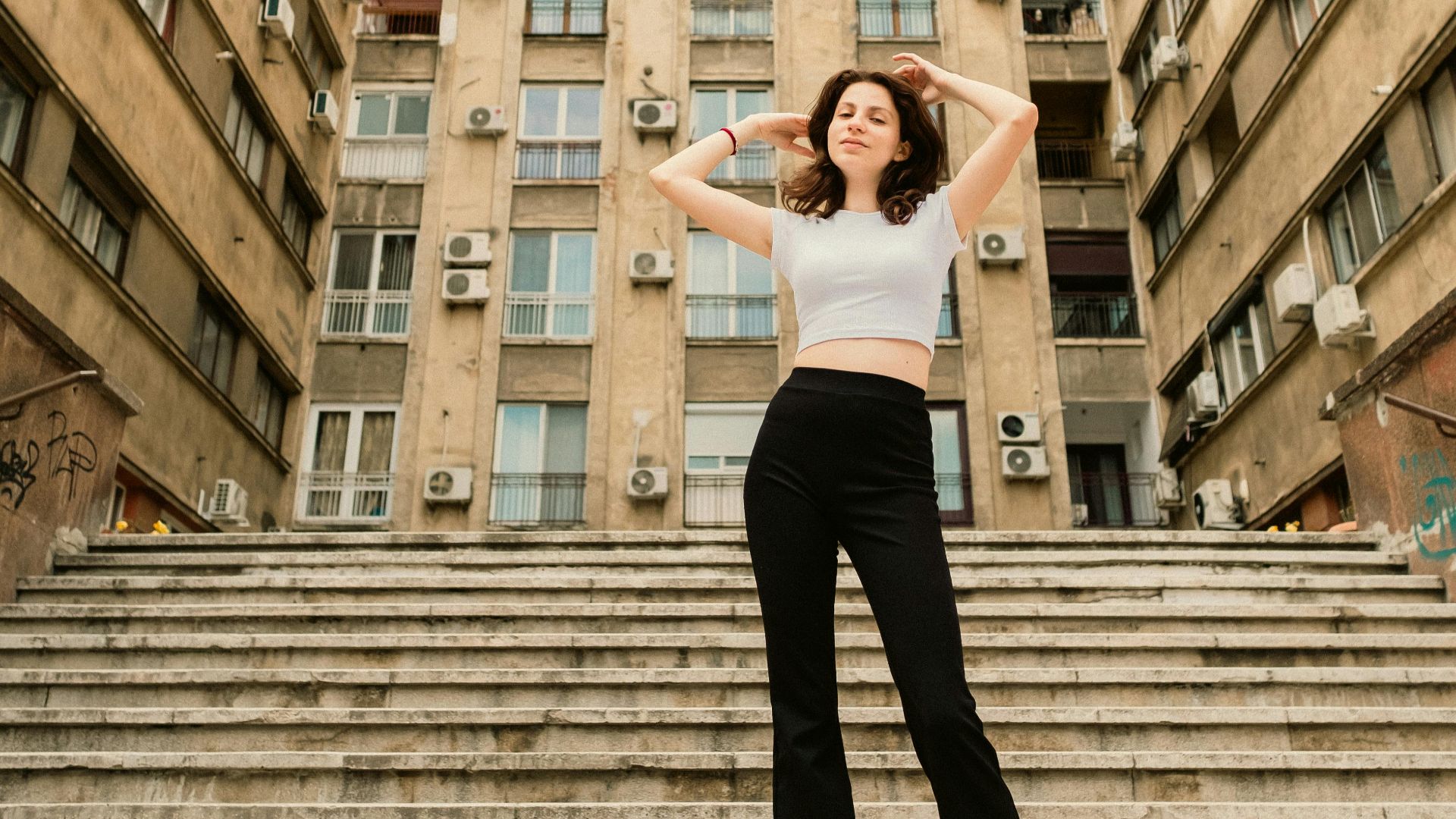
14. Steps That Double As Seating
When steps are wide enough to sit on, they stop being just circulation. People perch, wait, snack, talk, tie a shoe, look around, and in doing that they turn a pass-through space into one that gently jams the tempo.
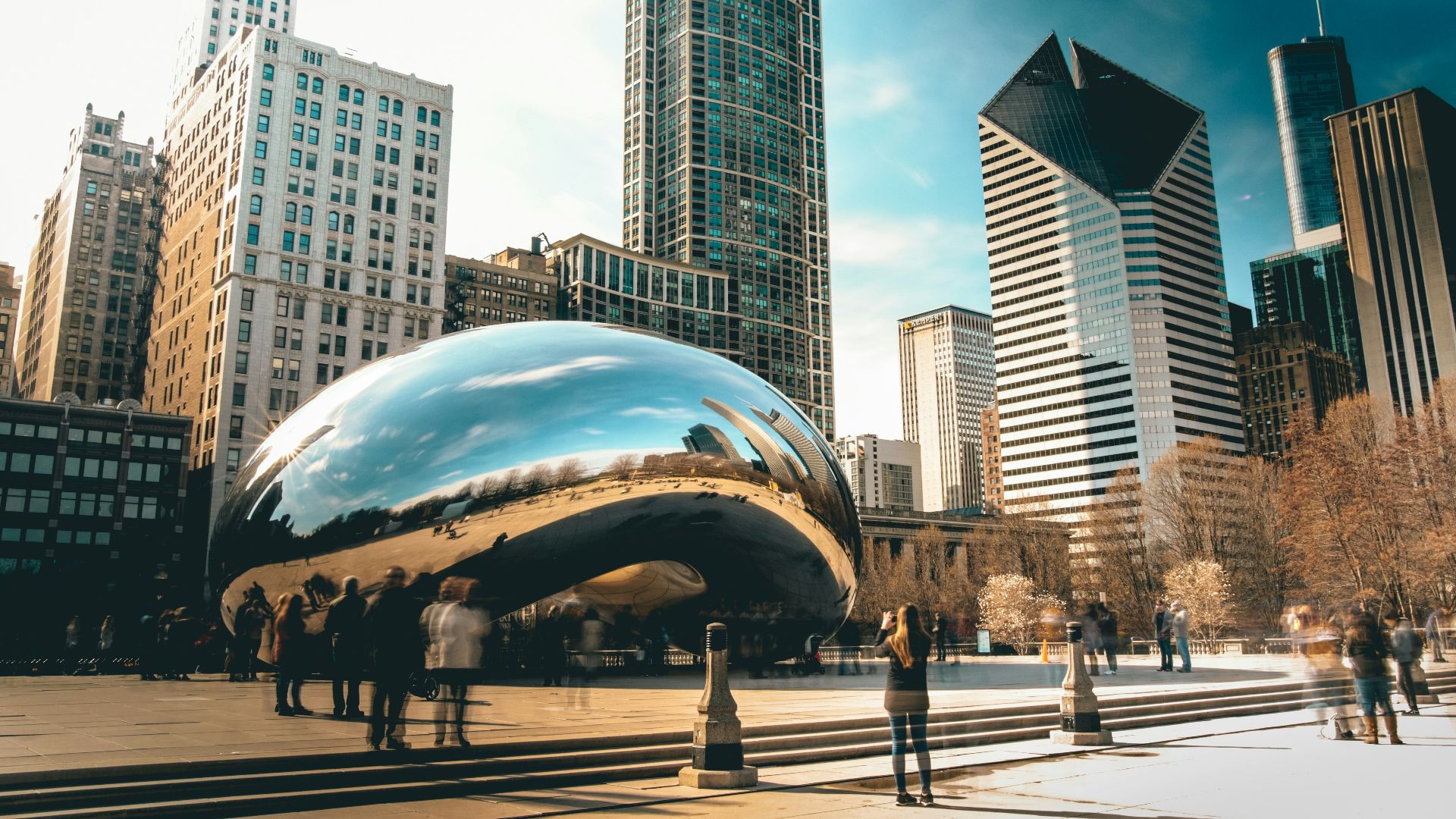
15. Public Art You Can’t Process In One Glance
A mural or sculpture that takes a moment to understand does more than decorate the street. It makes people pause, even briefly, and that is often enough to slow them down.
16. String Lights And Warm Lighting
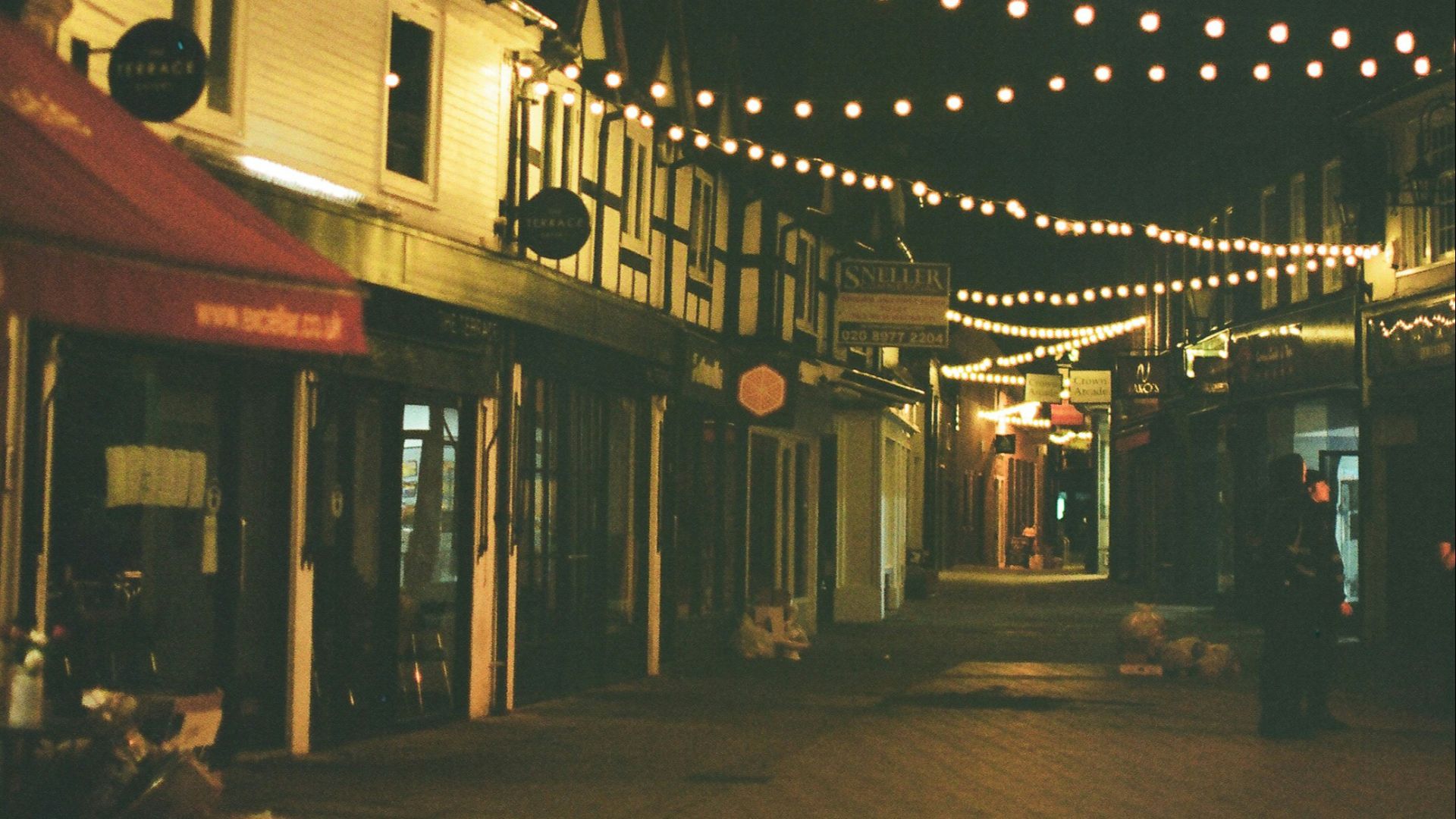
Overhead string lights are almost embarrassingly effective. Warm lighting makes a street feel social, forgiving, and a little cinematic, which is why people suddenly start strolling even if they were power-walking there ten minutes earlier.
17. Crosswalks That Raise The Street
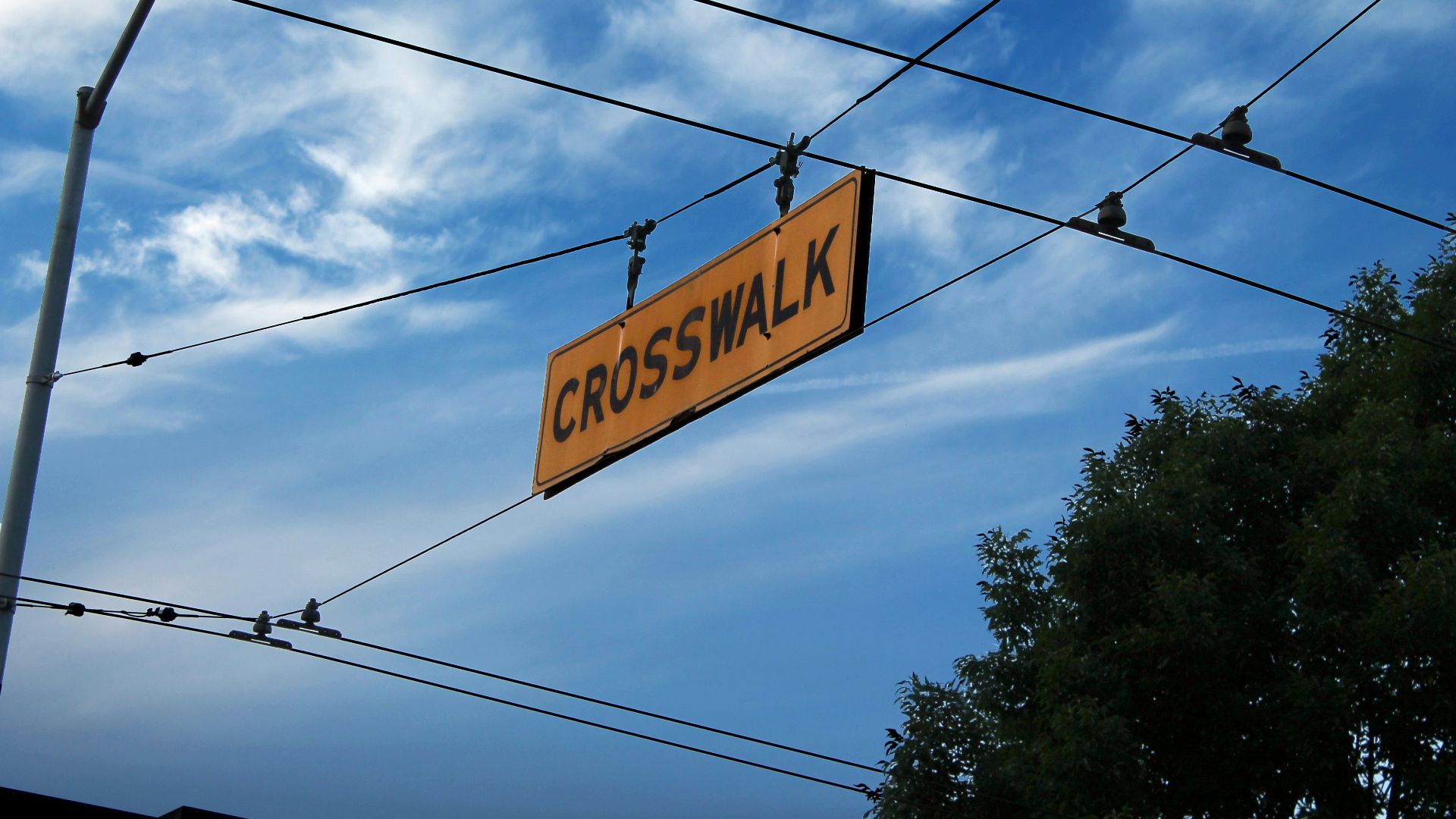
A raised crosswalk changes the balance of power for a moment. Cars have to ease up, pedestrians feel less like intruders, and the whole block starts acting like people belong there rather than merely passing through it.
18. Unexpected Views
A glimpse of water, a church tower at the end of a lane, a skyline framed between old buildings, or a hill that opens at exactly the right moment can make people slow down without being told to. Cities know that a good view can do what signage often cannot.
19. Sidewalk Bottlenecks That Somehow Feel Charming
Not every slowdown is elegant, but some are effective anyway. A crowded corner by a cafe, a flower stand that steals a little walking room, a bakery line nudging into the pavement, and suddenly the inconvenience reads less like poor planning and more like urban life working as advertised.
20. Streets That Give You Something To Wonder About
This is the real trick underneath all the others. A city slows you down whenever it creates a small question you want answered: what is down that alley, what is in that shop, what are those people lined up for, what is that smell, what is around the bend. Curiosity is one of the best traffic-calming tools ever invented.