Calm Beats Clever Every Time
Traffic stops have a way of making perfectly normal people say the dumbest thing they’ve said all week. You get pulled over and suddenly you’re explaining, joking, arguing, or volunteering way more than you meant to. That usually comes from nerves, not bad intentions, but nerves have a habit of sounding defensive, sarcastic, or oddly confident at exactly the wrong moment. The trouble is that a stop tends to go better when things stay simple, and easy to process. So before the next moment where flashing lights scramble your personality, here are 10 things drivers say that tend to backfire, and 10 that actually help.
1. “Do You Know Who I Am?”
This almost never lands the way people seem to think it will. Even if you mean it half as a joke, it comes off like you’re trying to pull rank, or make the stop about your status instead of your behavior. It also has a strong “this should apply to other people, not me” energy, which is not exactly calming.
2. “I Was Only Going A Little Over”
People say this like it sounds reasonable, but it usually just sounds like a partial confession with attitude attached. You’re not really denying the stop, and you’re not helping yourself either—you’re just negotiating out loud before anyone asked you to. It’s the traffic-stop version of showing your work when the answer is still wrong.
3. “Everyone Else Was Doing It”
That line feels persuasive for about two seconds, right until you hear it out loud. It doesn’t make the behavior safer, and it doesn’t make you look more careful—it just makes you sound annoyed that you happened to be the one who got singled out.
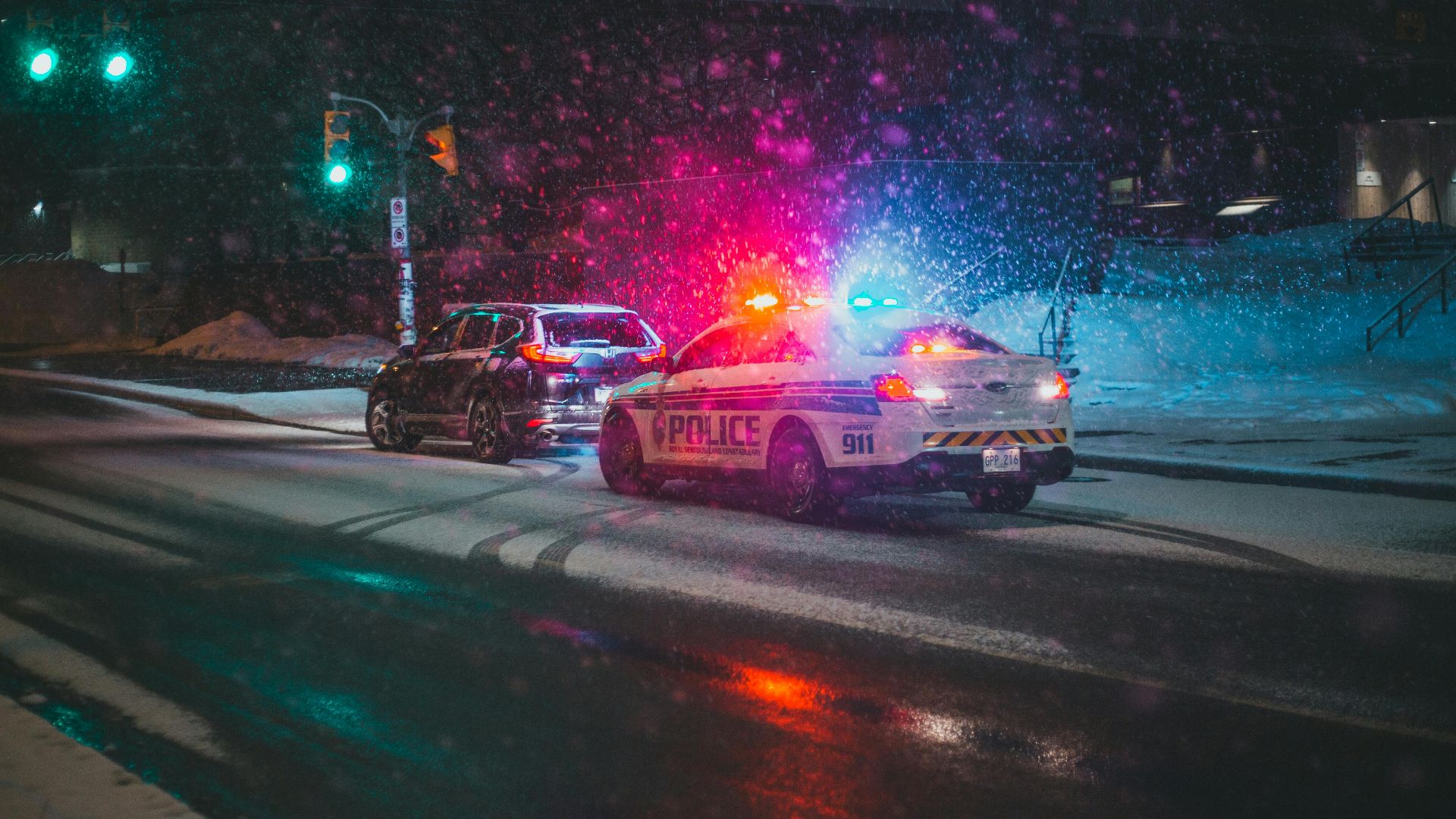
4. “I Know My Rights”
Even when it’s technically true, saying it that way tends to make the whole interaction less productive. It usually sounds less like confidence and more like you’re gearing up for a roadside debate you saw in a video somewhere. There’s a big difference between calmly asserting yourself and announcing that you’re about to be difficult.
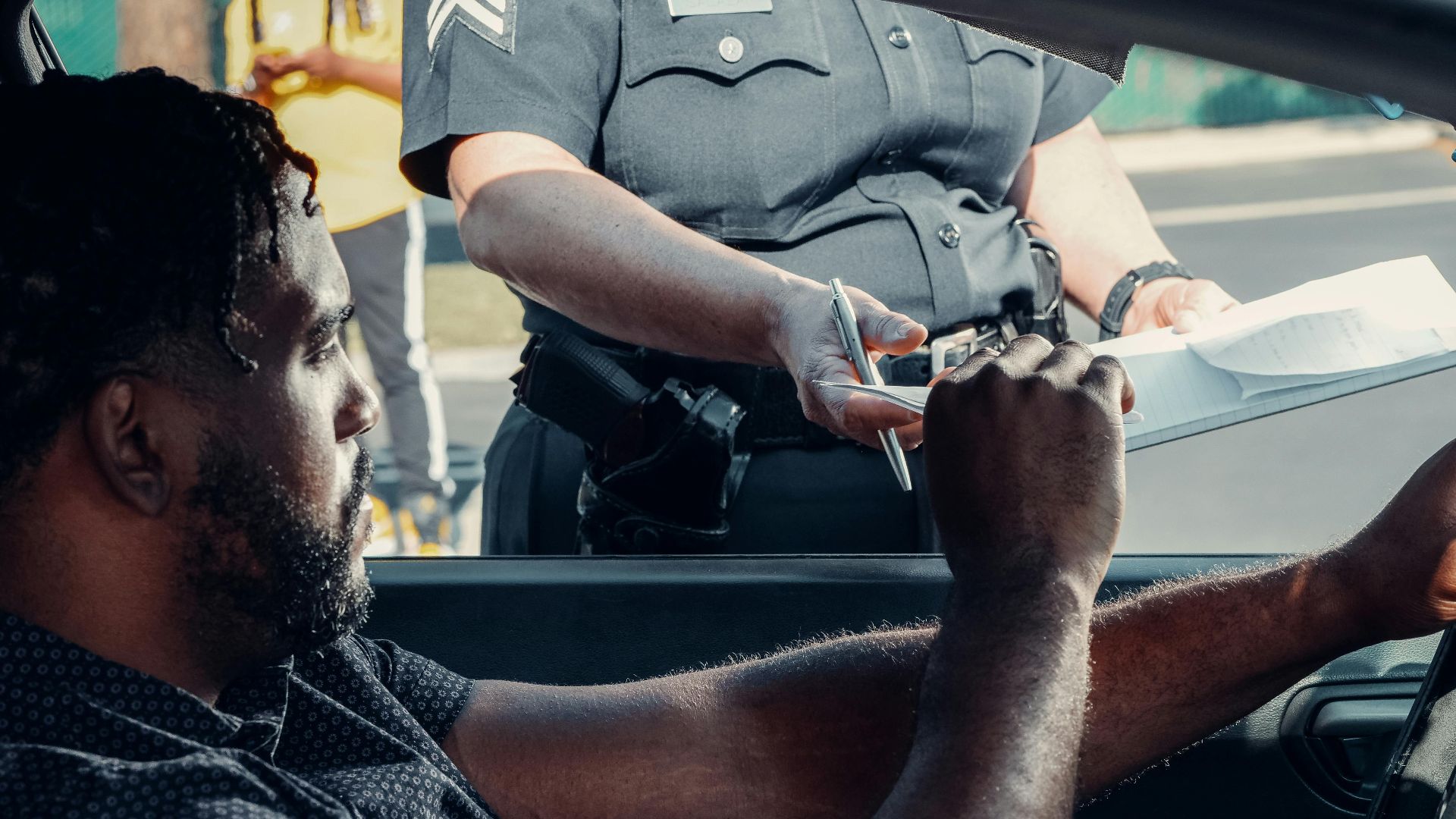
5. “This Is Ridiculous”
Maybe it is, maybe it isn’t, but saying it in the moment rarely improves anything. That phrase doesn’t clarify, de-escalate, or move the stop forward—it just adds heat and tells the other person you’re already emotionally dug in. Once contempt enters the conversation, good judgment usually leaves through the passenger-side window.
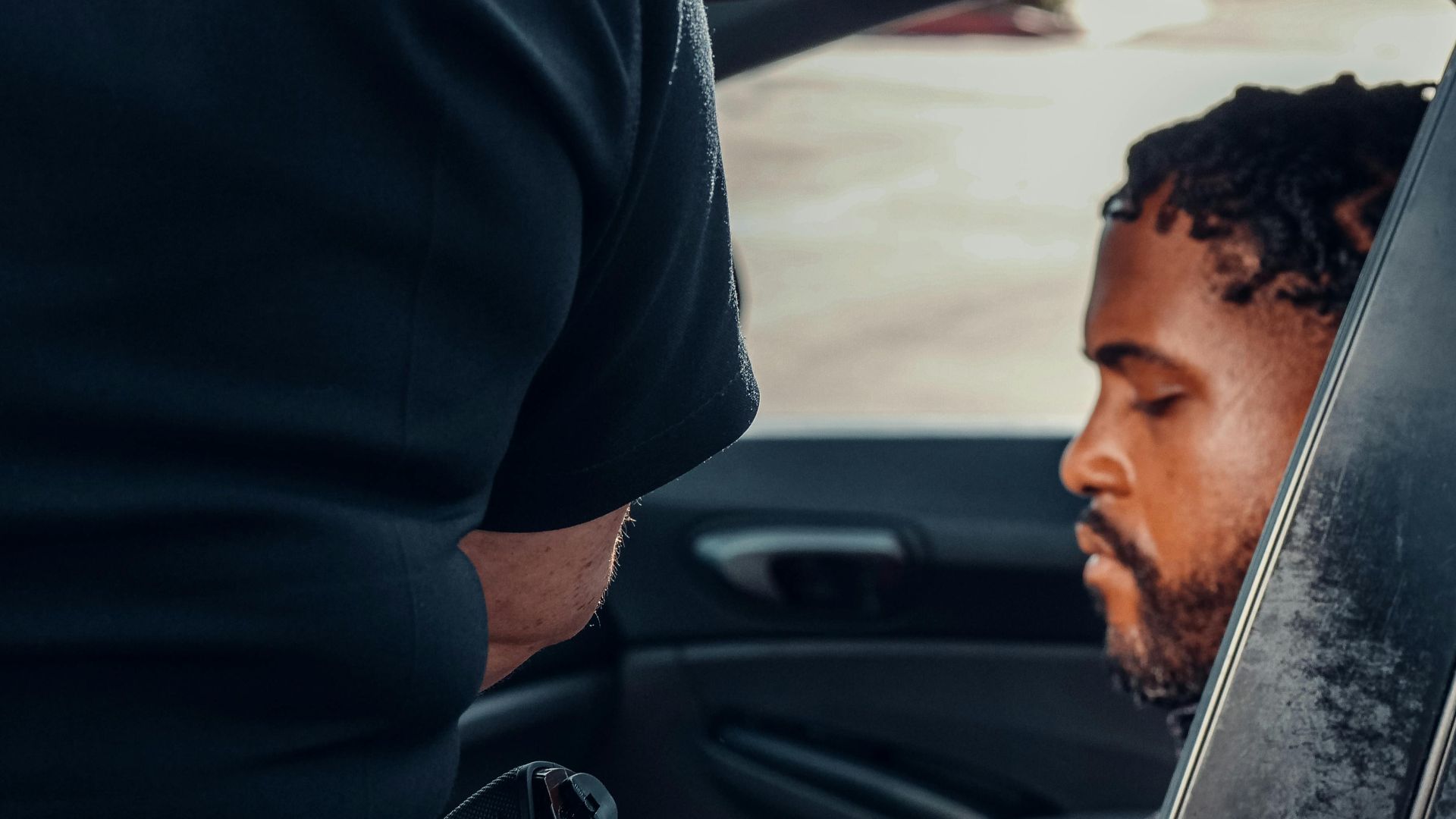
6. “I Didn’t Do Anything Wrong”
Sometimes people say this before they even know why they were stopped, which makes it feel reflexive. If the officer just watched you roll a stop sign, drift lanes, or speed through a school zone, that line lands with a thud. It can make you sound disconnected from what just happened, or like you think denial alone will reset the scene.
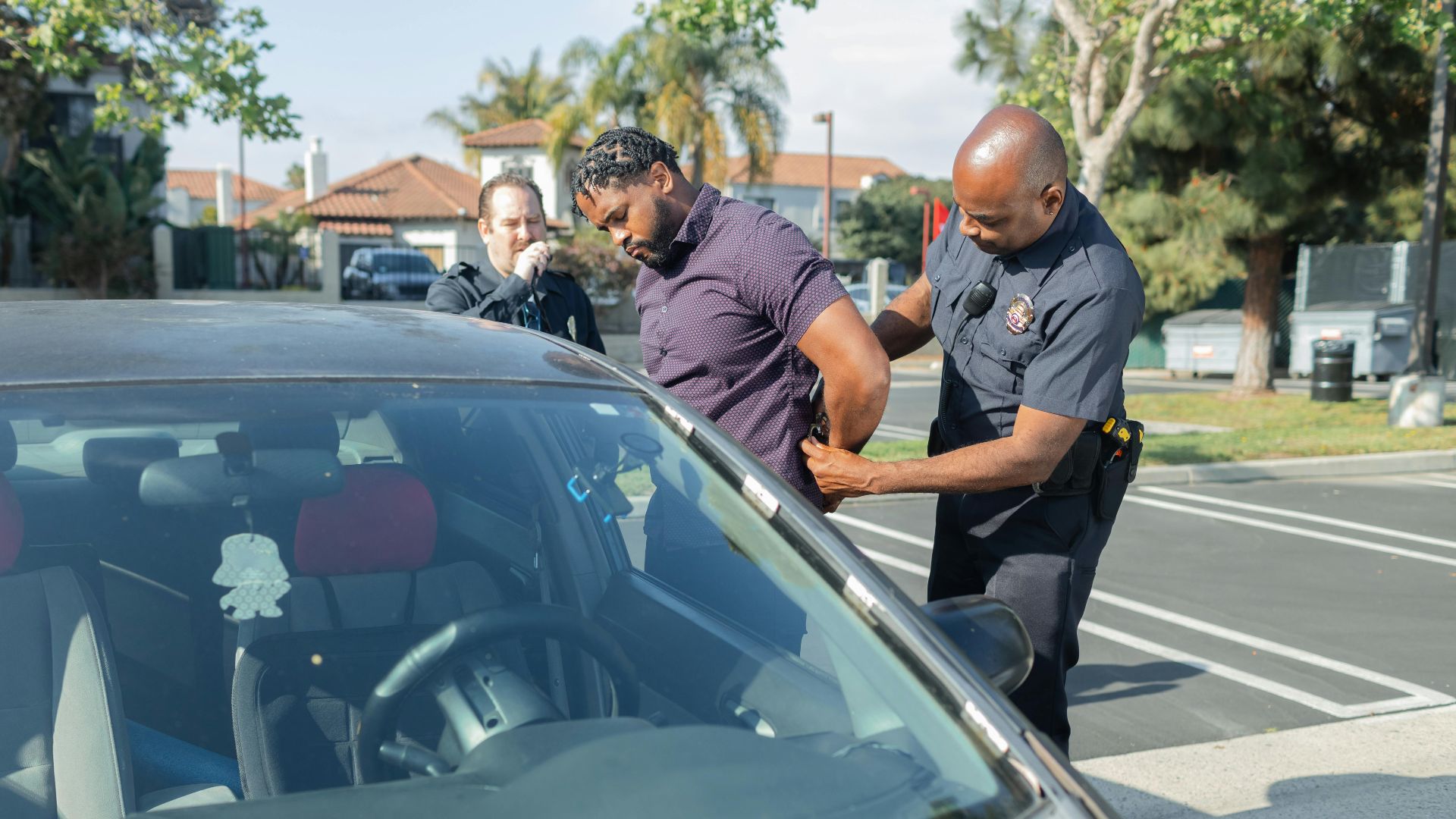
7. “Can’t You Just Let Me Go?”
There’s a pleading version of this that’s human enough, but a lot of the time it comes out sounding entitled or rehearsed. It puts the officer in the position of either caving on the spot or visibly refusing you, which is not a great dynamic to create.
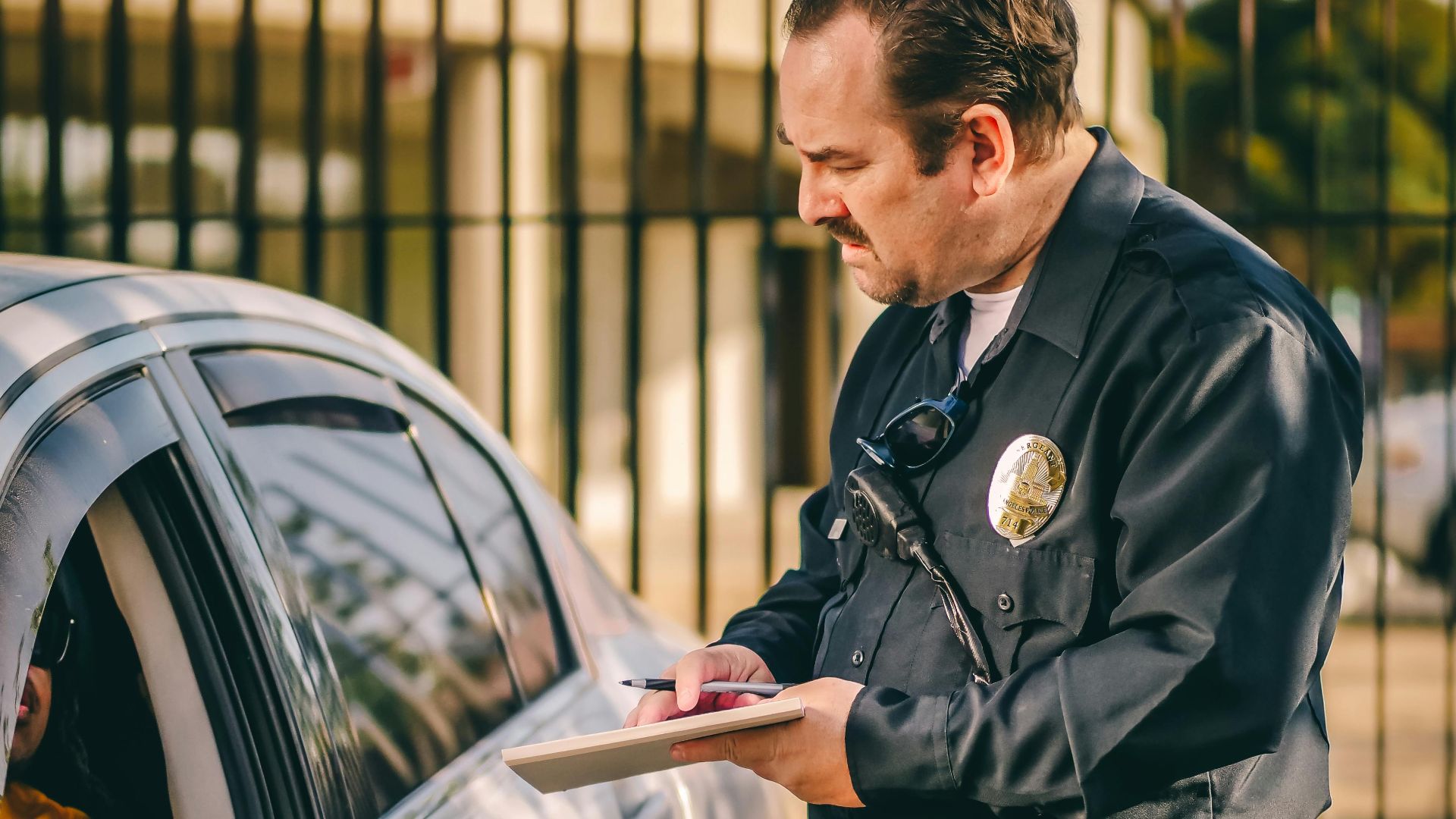
8. “I’m Friends With Your Chief”
This one tends to age badly the second it leaves your mouth. It sounds like a threat disguised as a connection, or at minimum a clumsy attempt to make the stop personal instead of professional. Even if it’s true, it usually makes things weirder, not easier.
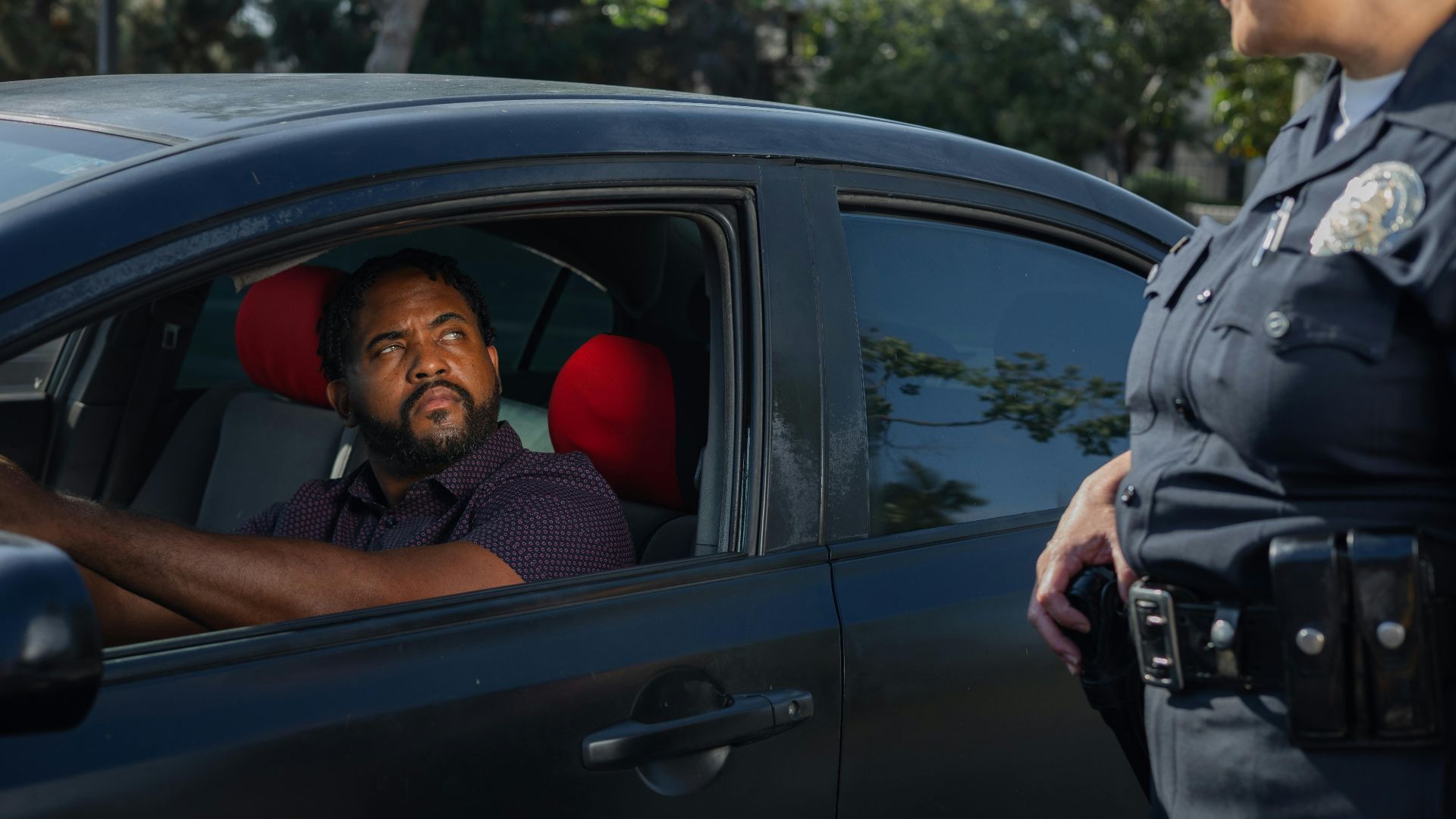
9. “You Should Be Catching Real Criminals”
That’s the kind of line people say when they want to sound morally superior while still sitting behind the wheel of the problem at hand. It insults the stop, dismisses the officer’s job, and does nothing to improve your position. It also has that familiar tone of someone trying to win an argument nobody asked to have.
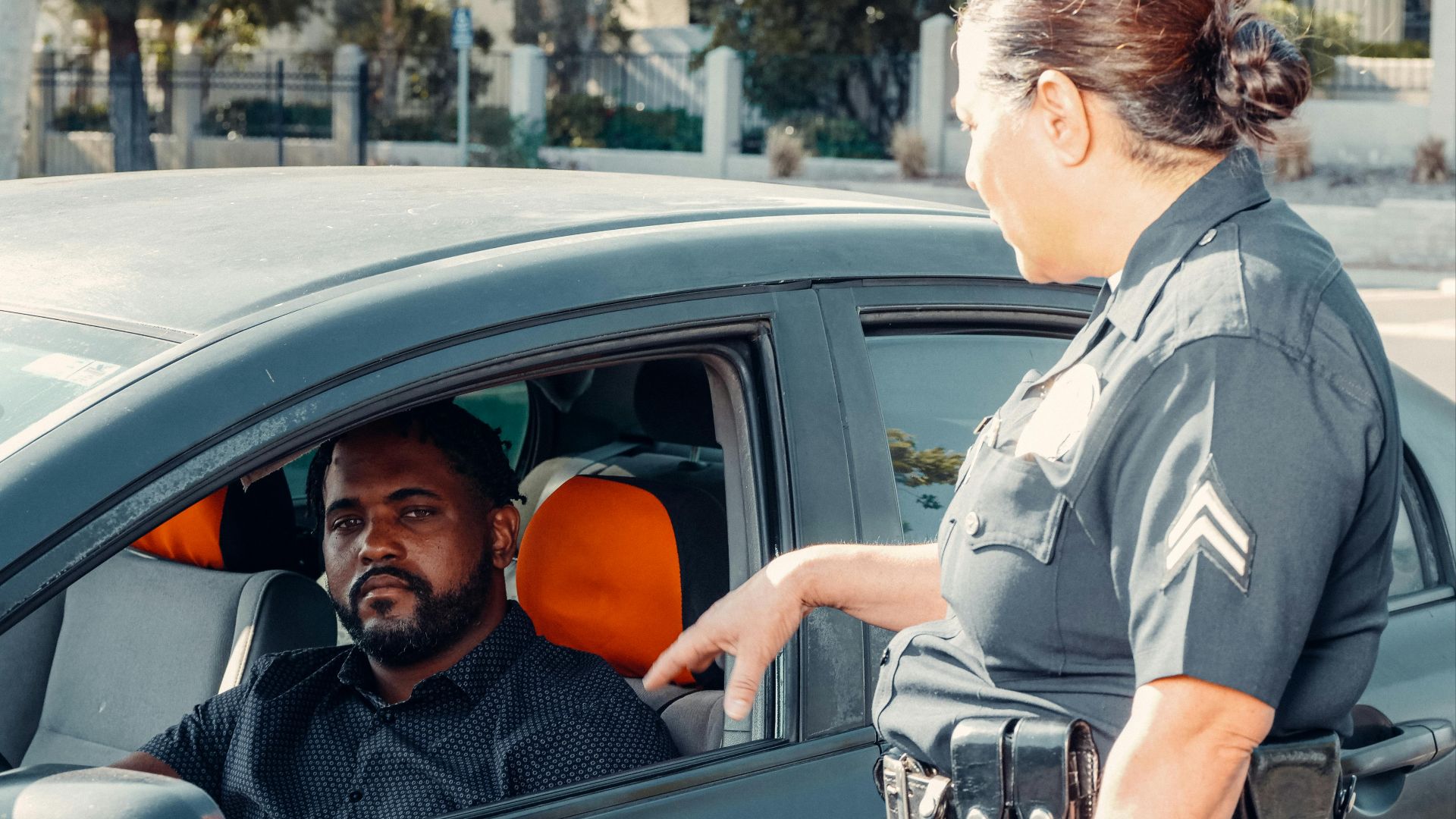
10. “I Had Just One Drink”
If the stop has anything to do with impaired driving, this is one of those statements people think sounds careful but often just sounds incriminating. It’s volunteered too quickly, usually before anyone asked the exact question people are trying to answer. Once you start casually narrating your own gray areas, the stop can get a lot less casual.
A better approach is usually less memorable, less emotional, and a lot less dramatic. Here are ten things that actually help during a road side stop.
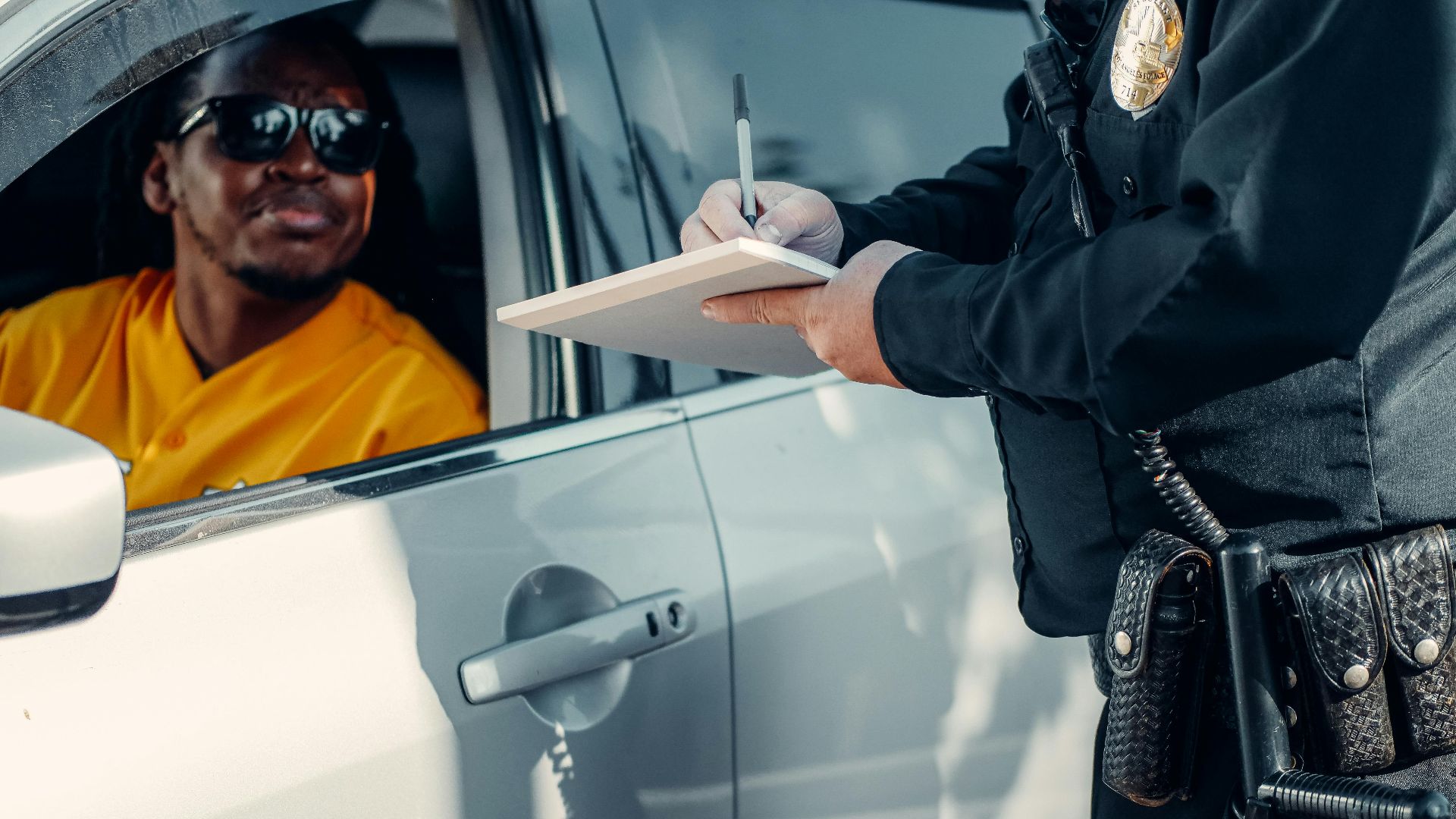
1. “Good Evening, Officer”
It sounds basic, but basic is doing a lot of work here. A calm greeting signals that you’re not trying to start with sarcasm, panic, or a challenge, and that matters more than people think. The first few seconds of a stop set the tone faster than any clever line ever will.
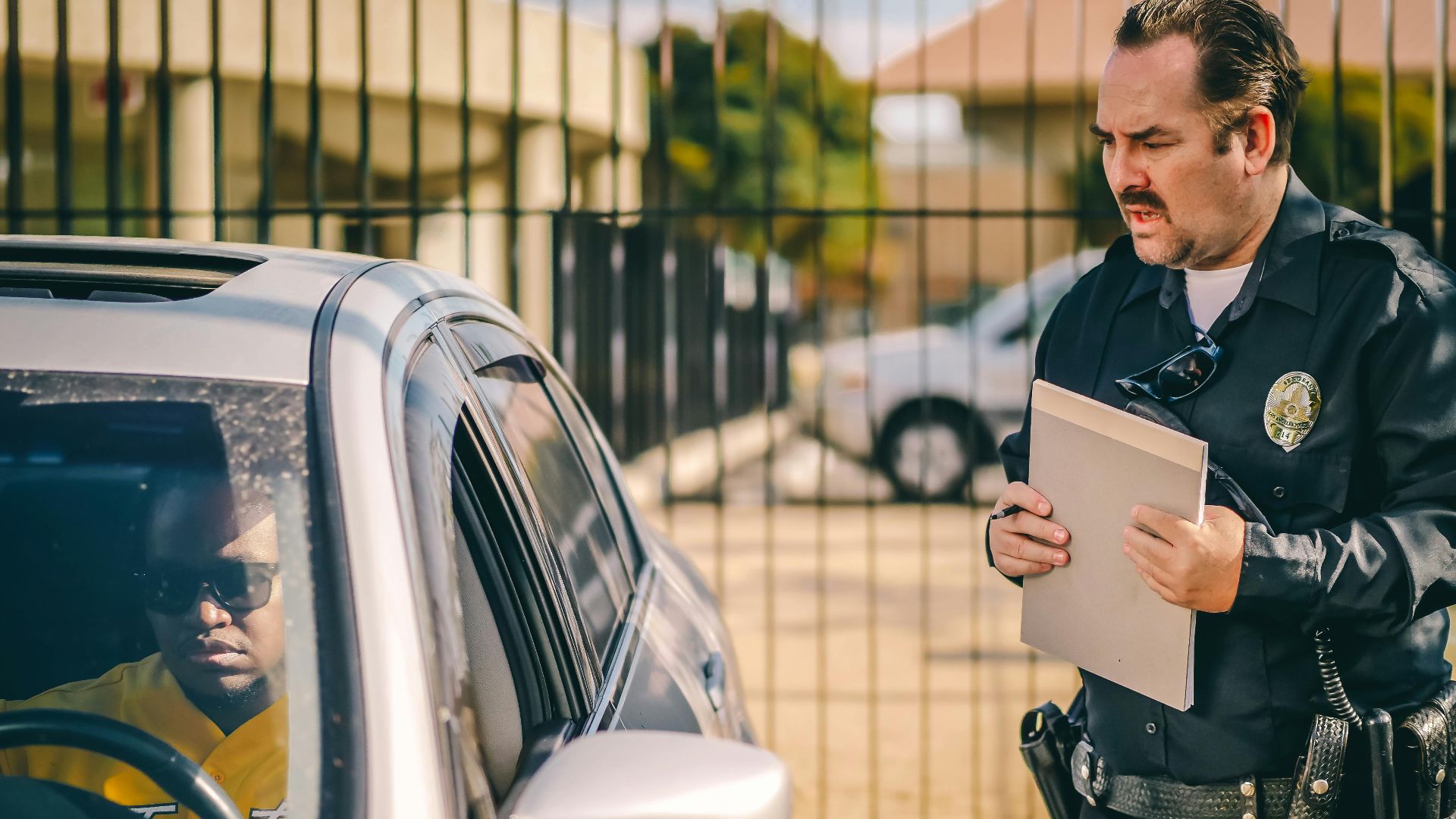
2. “My License And Registration Are In The Glove Box”
Simple narration helps because it reduces uncertainty. Instead of suddenly reaching around while the other person guesses what you’re doing, you’re making the movement legible before it happens. That’s not polished or strategic—it’s just considerate in a tense little moment.
3. “I’m Going To Reach For It Now”
This is one of those small sentences that makes everything feel more orderly. It shows that you understand the situation is structured, and that you’re willing to move through it in a way that’s predictable and calm. Predictability is underrated when nerves are high on both sides of the window.
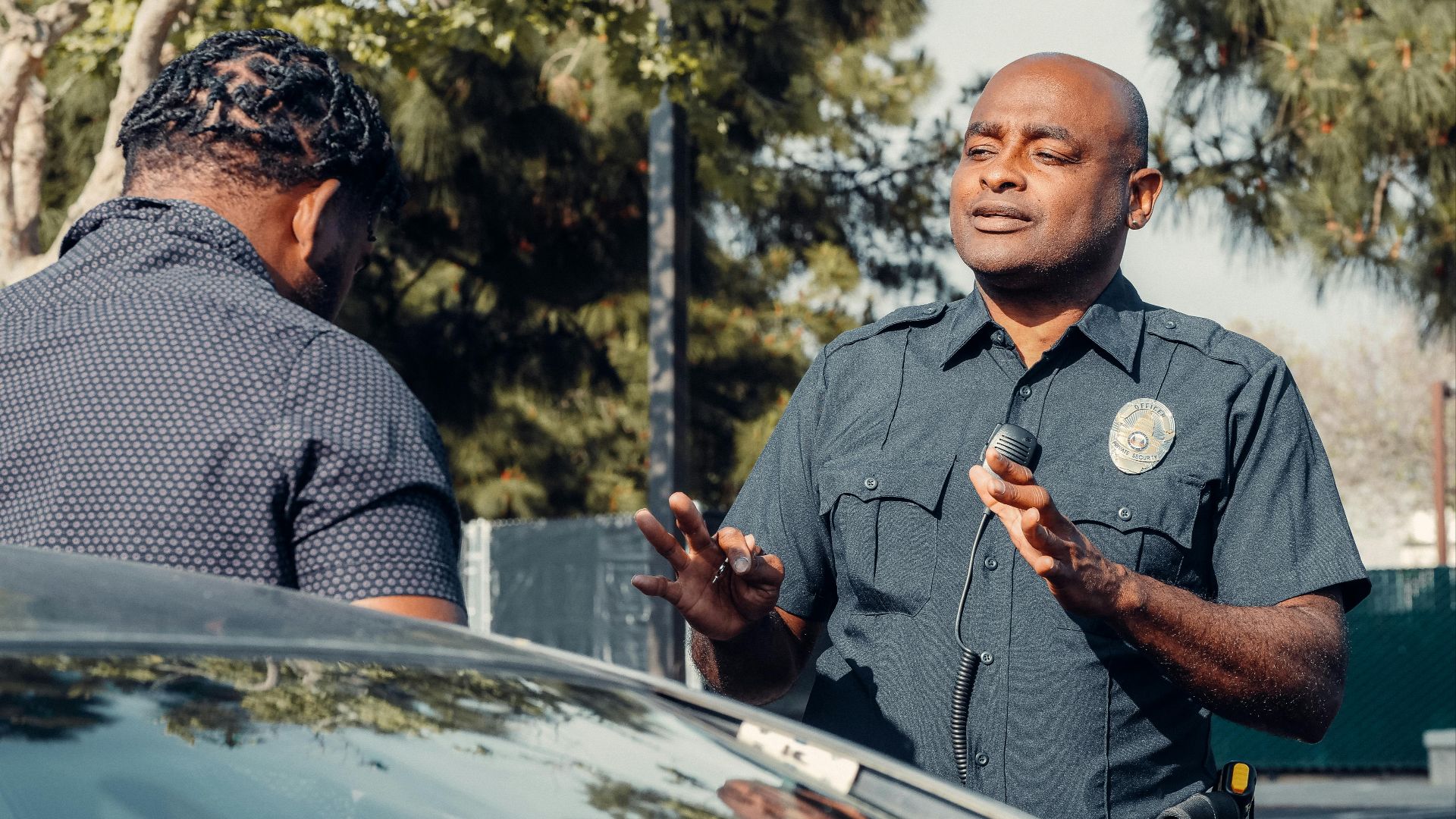
4. “Yes”
A short, direct answer is often more useful than the anxious paragraph people want to attach to it. If you know the answer to a simple question, giving it cleanly keeps the stop from turning into a messy stream of excuses and side stories.
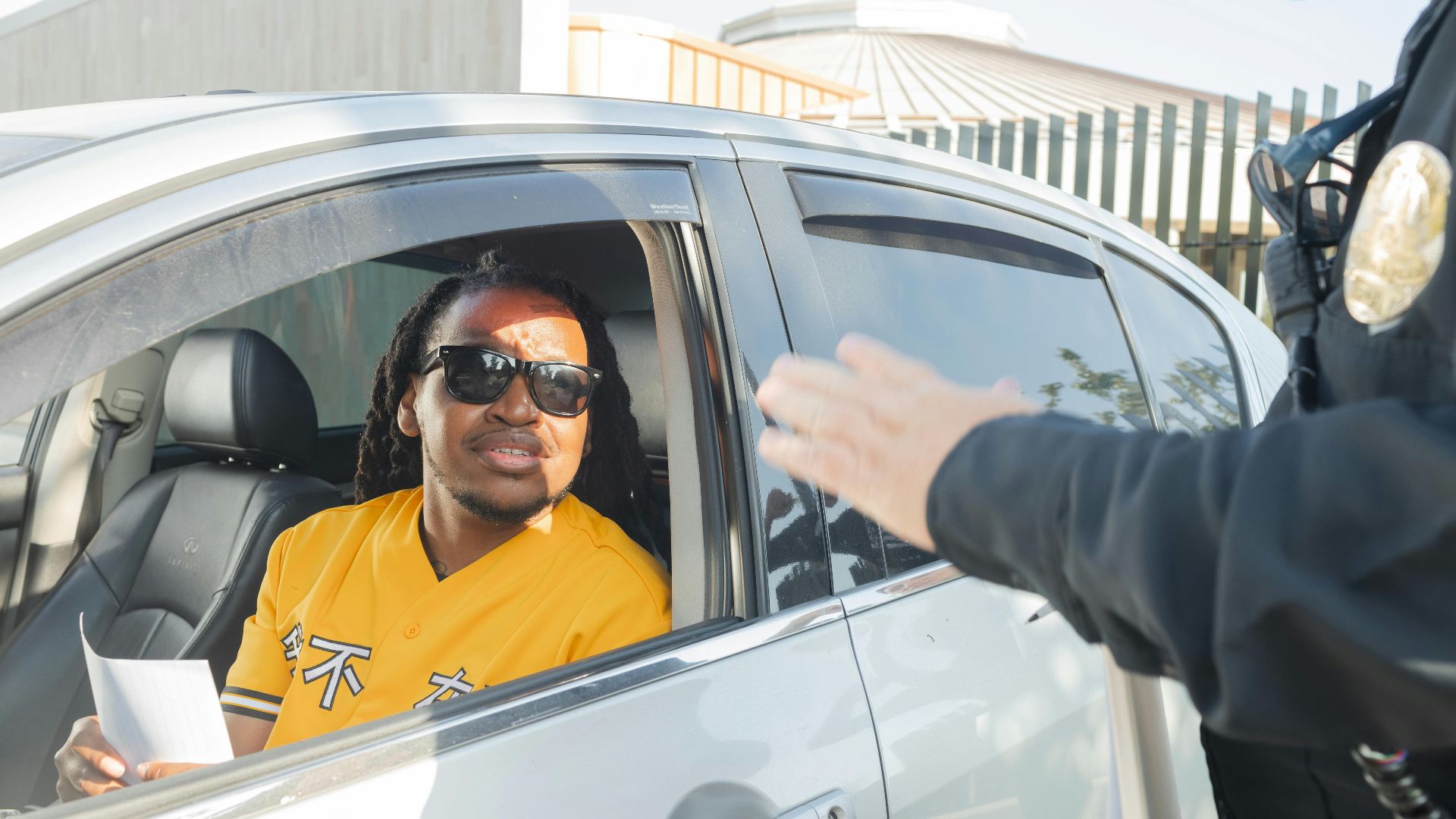
5. “No”
The same goes the other way. A clean no is a lot steadier than a rambling answer that somehow contains three extra facts, two apologies, and a theory about the timing of the yellow light. People often talk too much because they’re trying to seem cooperative, when what actually helps is being clear.
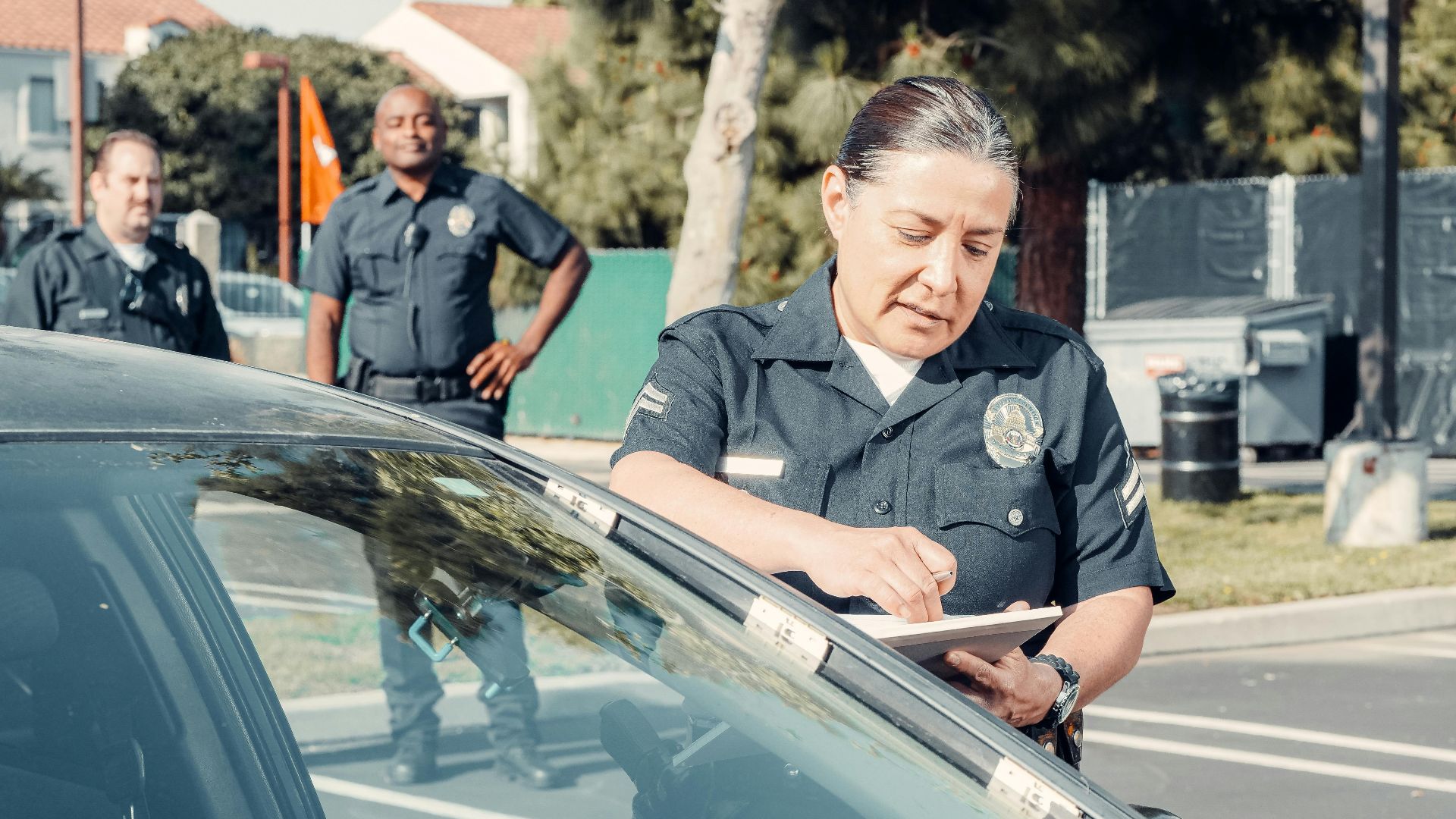
6. “I Understand”
This works better than arguing about fairness in the middle of the stop. It doesn’t mean you’re admitting every point on earth or suddenly endorsing the whole experience—it just signals that you heard what was said and you’re not trying to turn the roadside into a courtroom.
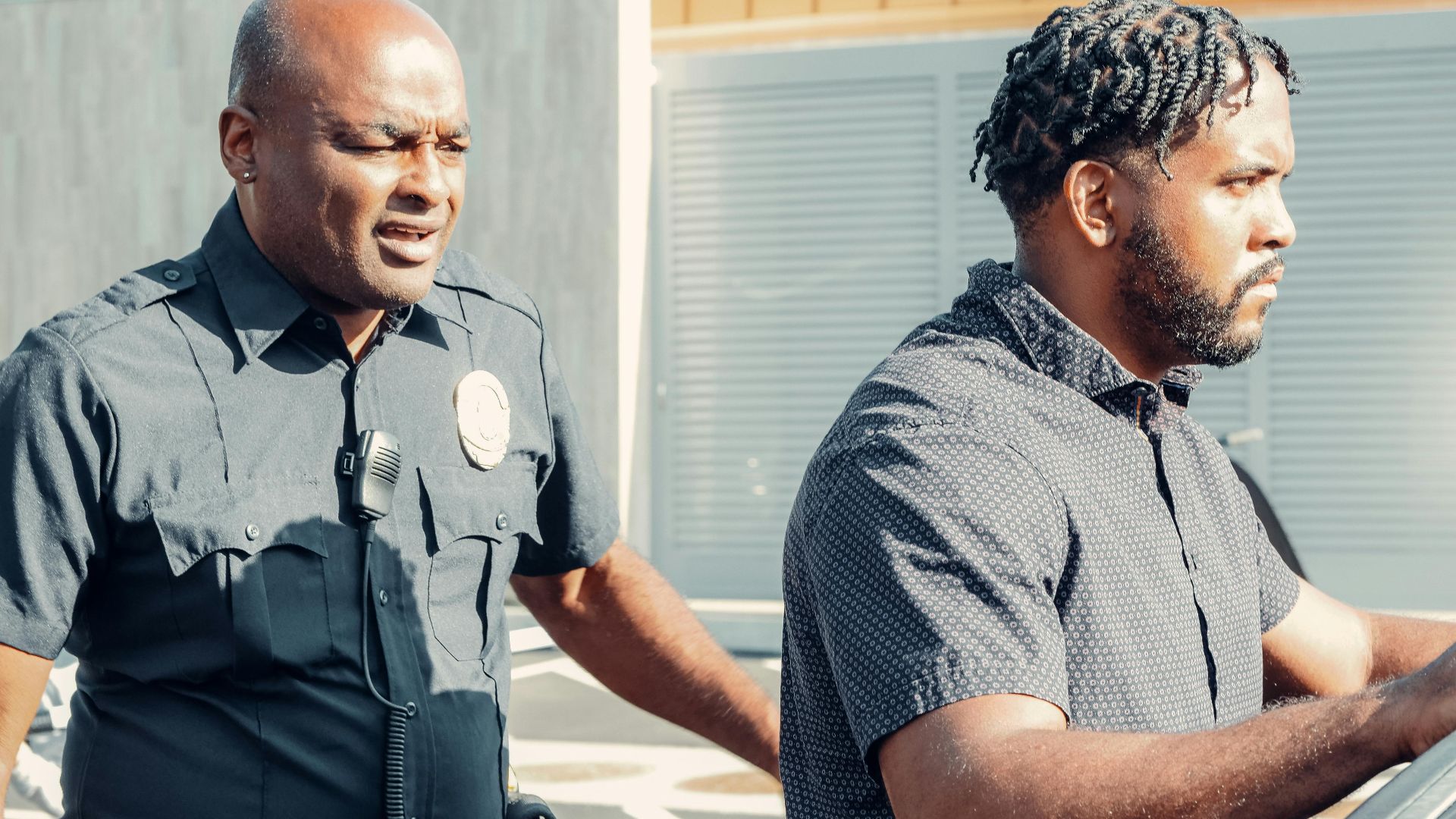
7. “Can You Please Tell Me Why I Was Stopped?”
Asked calmly, this is much more useful than opening with denial. It gives you information, keeps the conversation grounded, and avoids the weird energy of arguing before the reason is even on the table. It also sounds like an adult trying to understand what’s happening, which is generally a good lane to stay in.
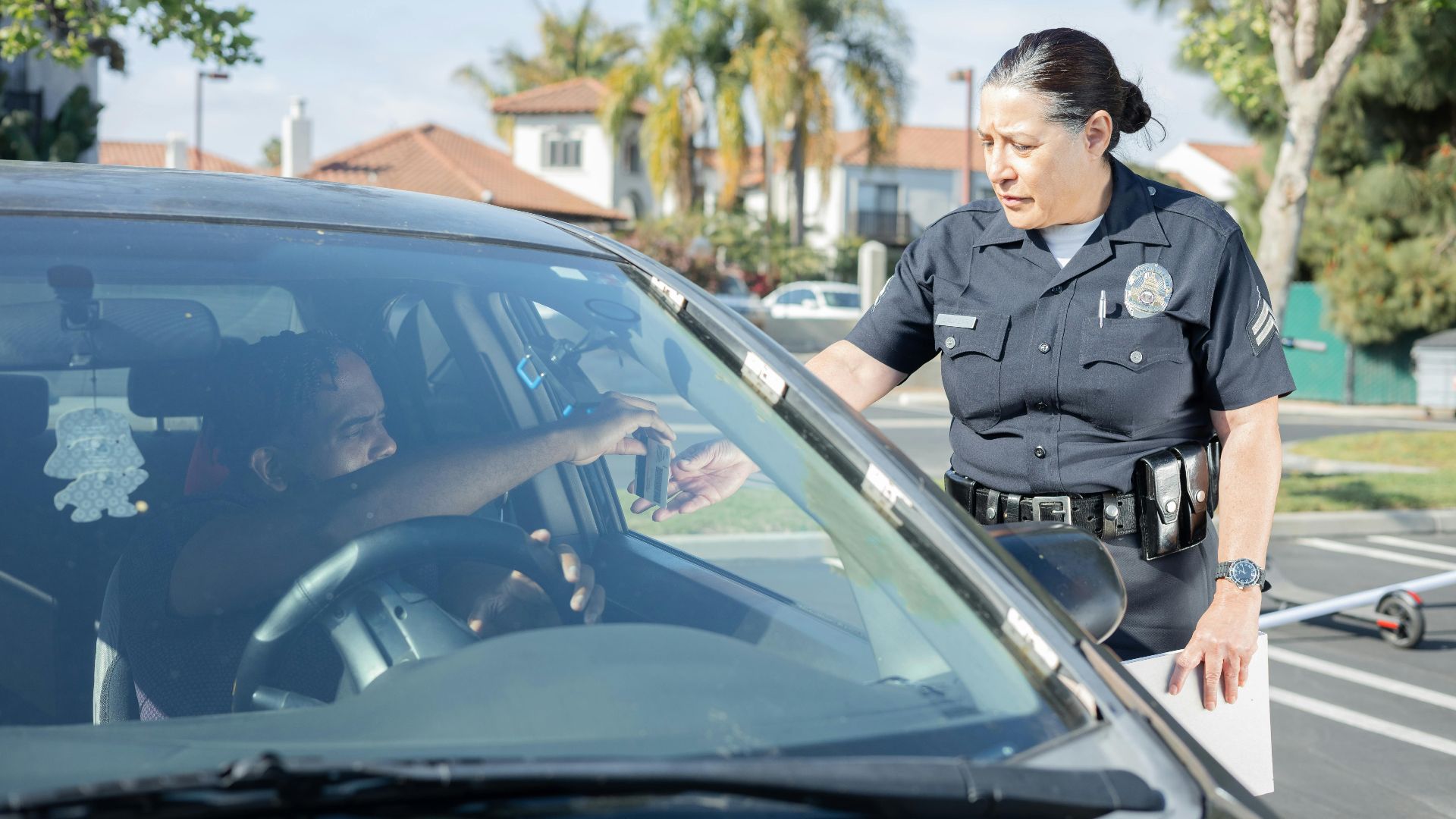
8. “I Don’t Want To Make Sudden Movements”
This is especially helpful if you need to explain why you’re moving carefully, pausing, or waiting for instruction. It shows awareness without sounding theatrical, and it keeps your behavior from being misread as evasive or strange.
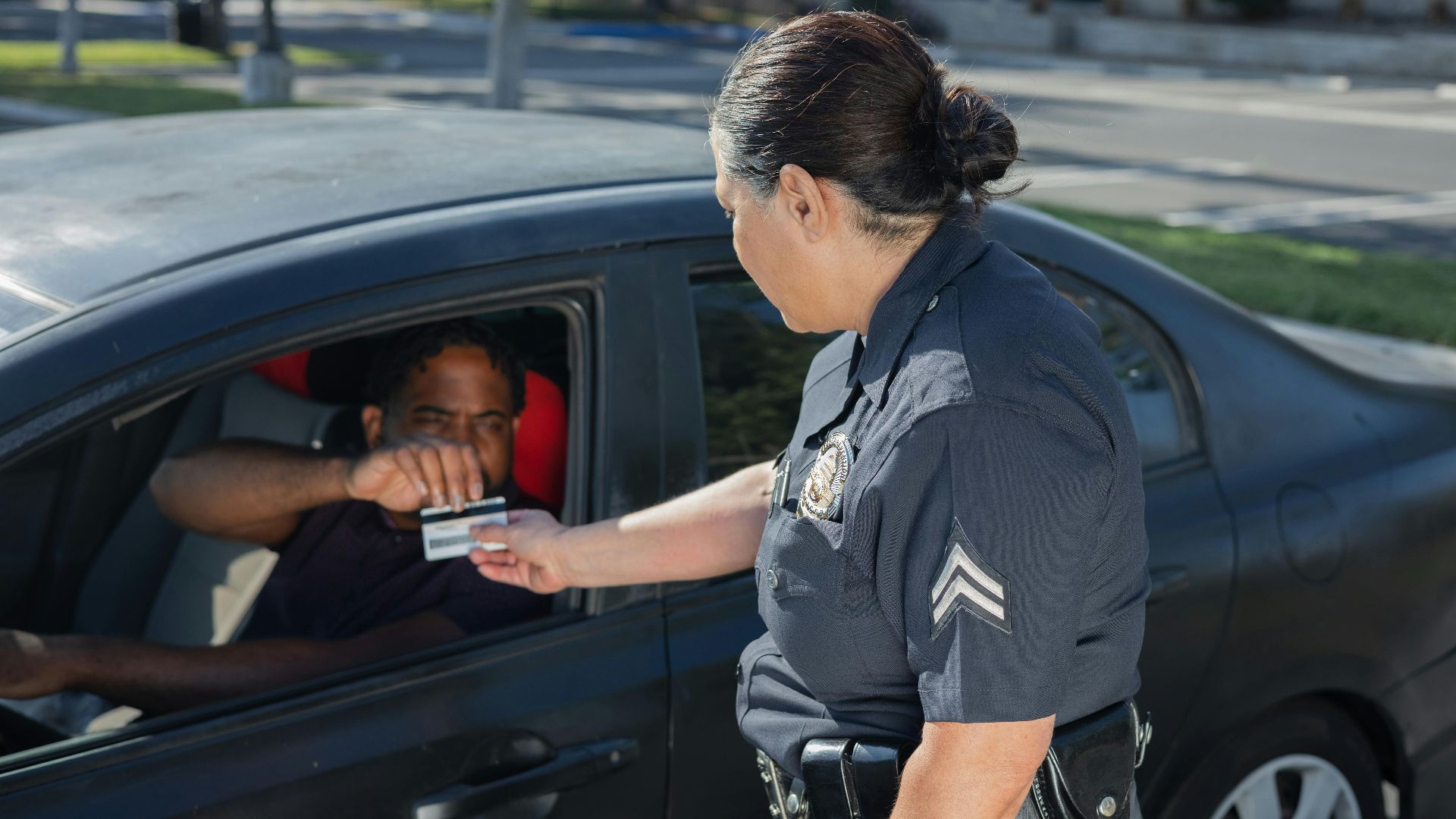
9. “Thank You”
No, it doesn’t magically erase a ticket, and no, it doesn’t mean you loved the experience. But ending the interaction with a plain, controlled thank you is usually better than one last frustrated speech from the driver’s seat. A lot of situations are improved just by not adding a final unnecessary flourish.
10. “Drive Safe”
This one works best at the very end, when the stop is clearly over and everyone is winding down. It’s brief, normal, and human without sounding fake or overeager. More than anything, it helps close the interaction on a steady note, which is often the smartest possible finish.