10 Repairs That Are Almost Always Worth It & 10 That Are Usually a Trap
What Actually Pays Off
Car repairs have a way of scrambling your judgment because they usually show up at the worst possible moment, attached to a number you were not planning to hear that week. That is when people start making decisions based on panic, guilt, or the vague hope that if they just keep saying yes, the car will somehow become reliable again. And to be fair, some repairs absolutely are worth the mone, but others occupy a murkier zone where the estimate climbs, the car keeps aging, and you slowly realize you are not fixing a problem so much as prolonging the inevitable. Here are ten repairs that are almost always worth it, and ten that are usually a trap.
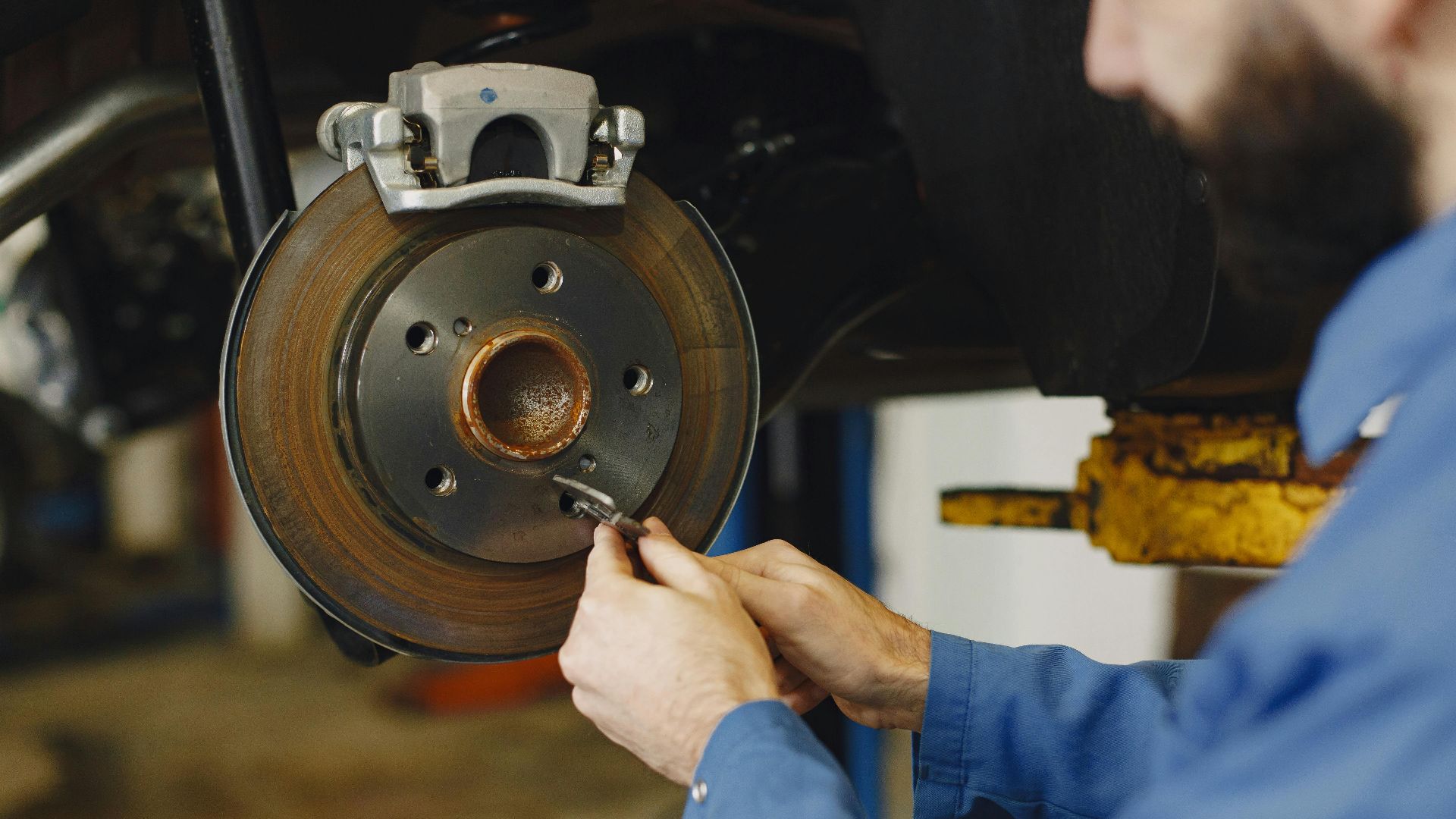
1. Brake Work
Brake repairs are one of the clearest yeses in car ownership, because safety is not the place to get creative or optimistic. Replacing pads, rotors, or worn brake components usually restores something essential, and on most cars, it is still a manageable cost compared with the damage that comes from waiting too long.
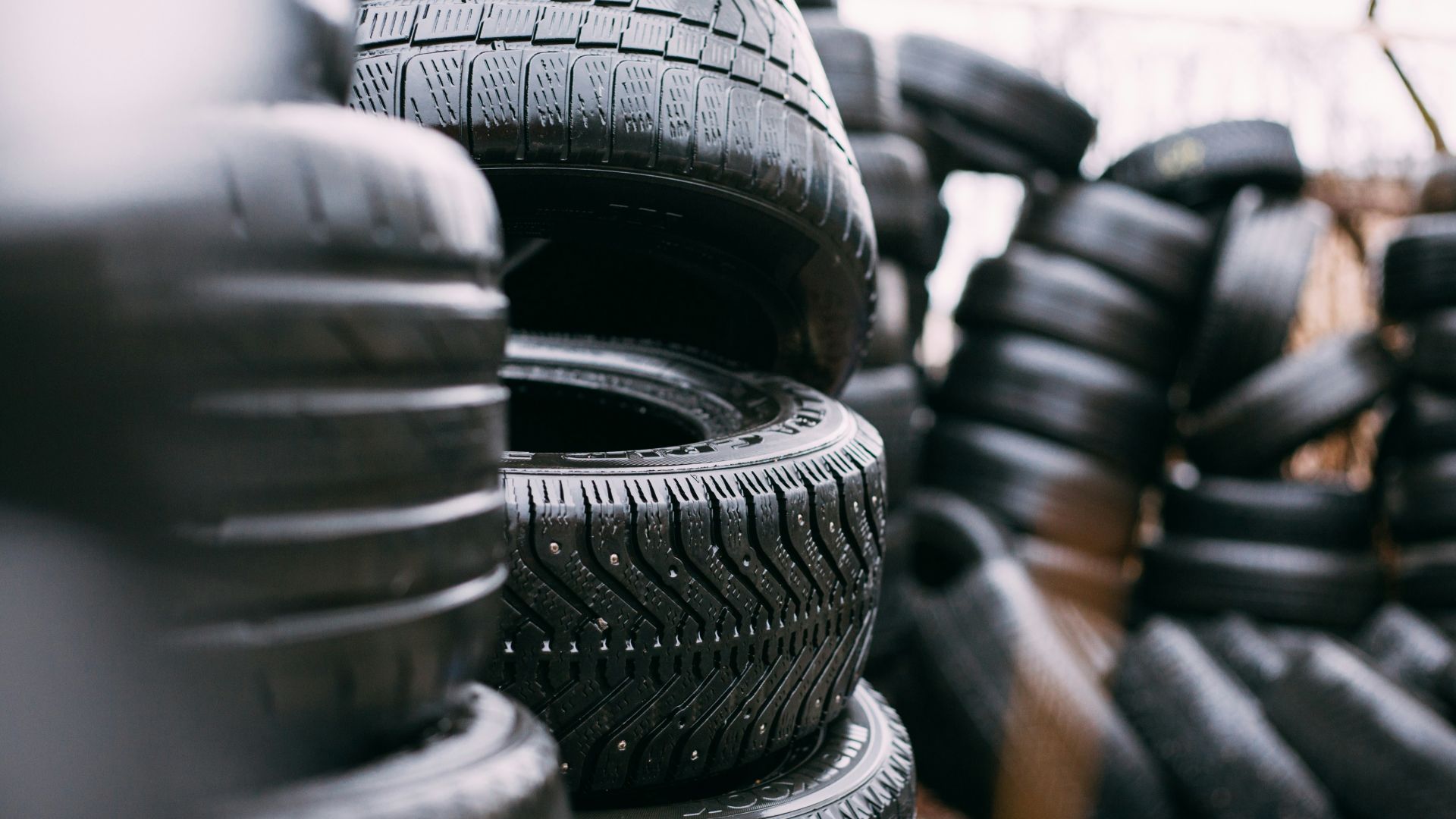
2. Tires
A decent set of tires can make an older car feel dramatically more trustworthy, especially in rain, cold, or highway driving where bad tires turn every small mistake into a bigger event. People hate buying them because they are expensive and visually unexciting, but few repairs improve safety and everyday drivability more immediately.
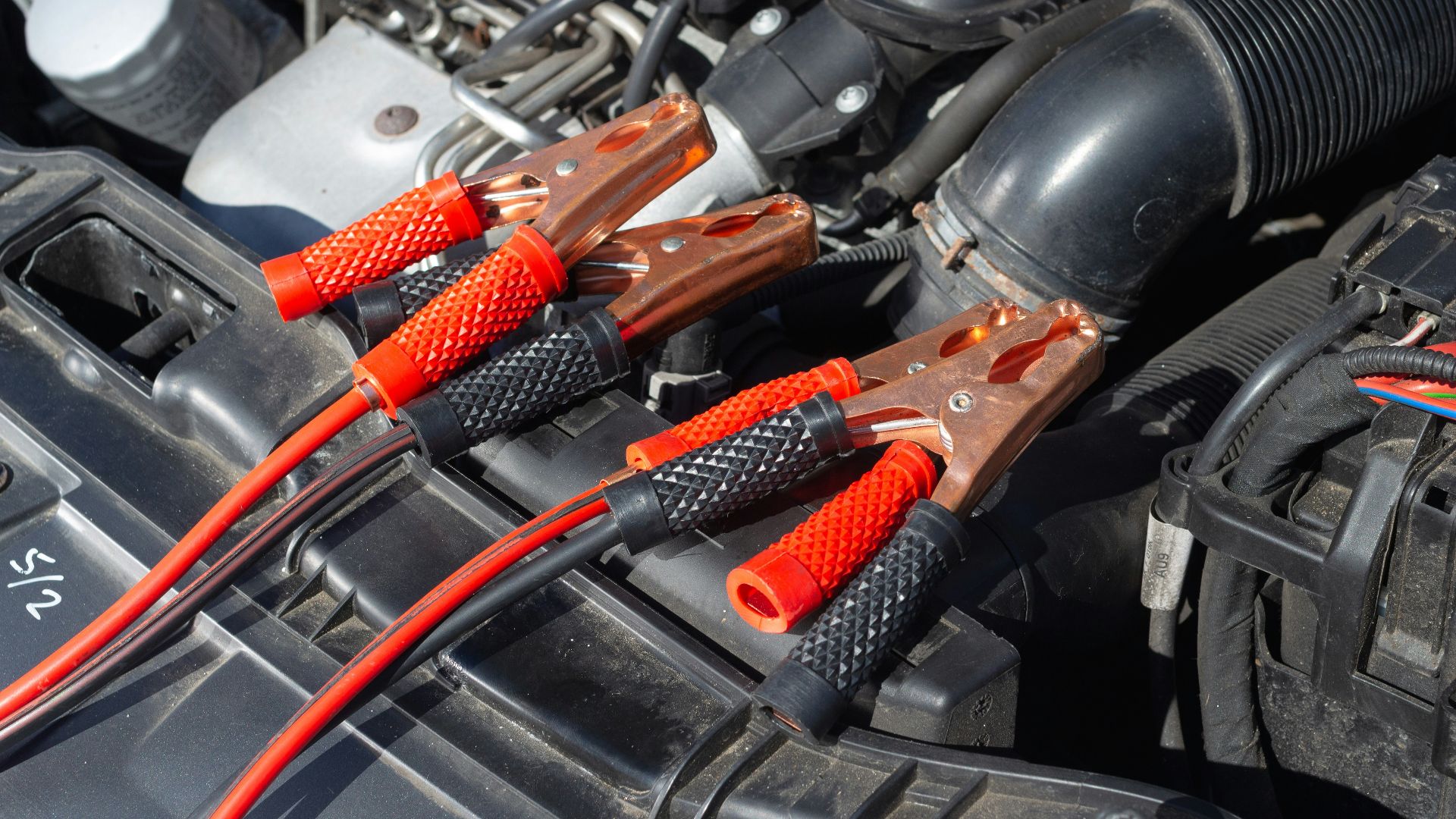
3. Battery And Charging Fixes
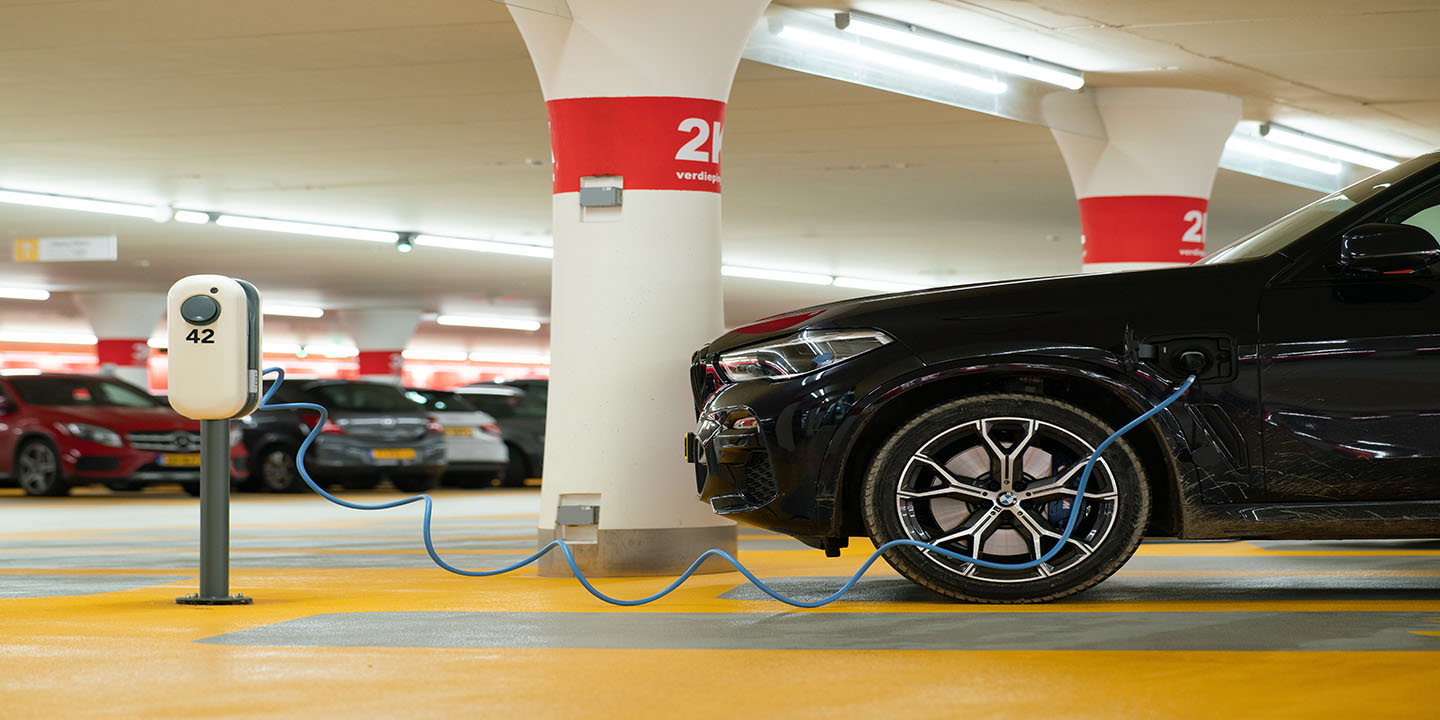
A fresh battery, a bad alternator replacement, or a charging-system repair is often worth doing because the alternative is a car that keeps betraying you in parking lots. These are the kinds of fixes that restore basic confidence, which matters more than people admit when they are already doing the small mental math of whether the car will start after work.
 Daniel @ bestjumpstarterreview.com on Unsplash
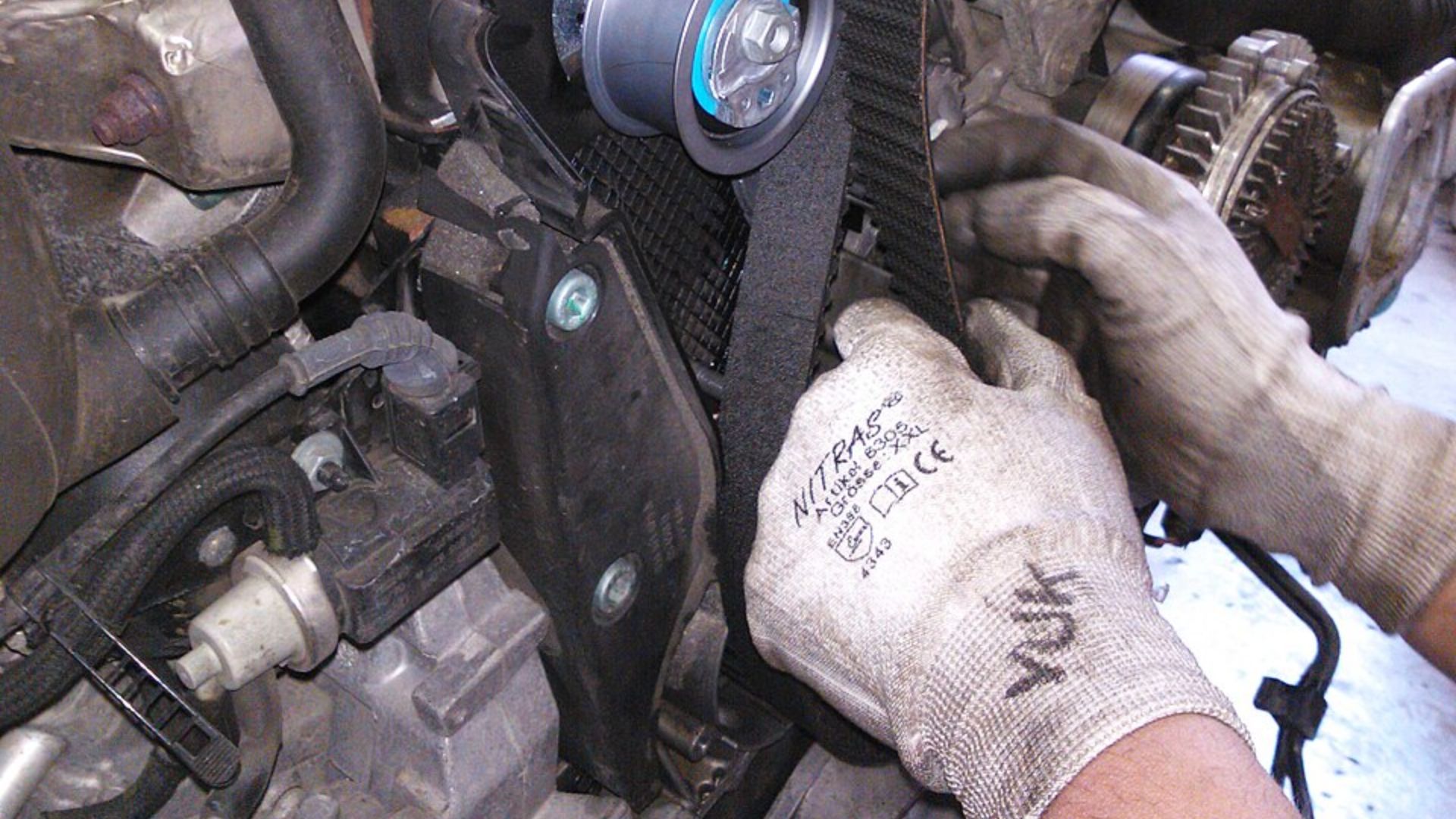
4. Timing Belt Service
If your car has a timing belt and the service interval says it is due, this is usually money well spent. A snapped timing belt can destroy an engine in a hurry, which makes the preventive repair feel a lot less painful than the version where you try to save money and end up shopping for a replacement car on a Tuesday night.
 commons.wikimedia.org on Google
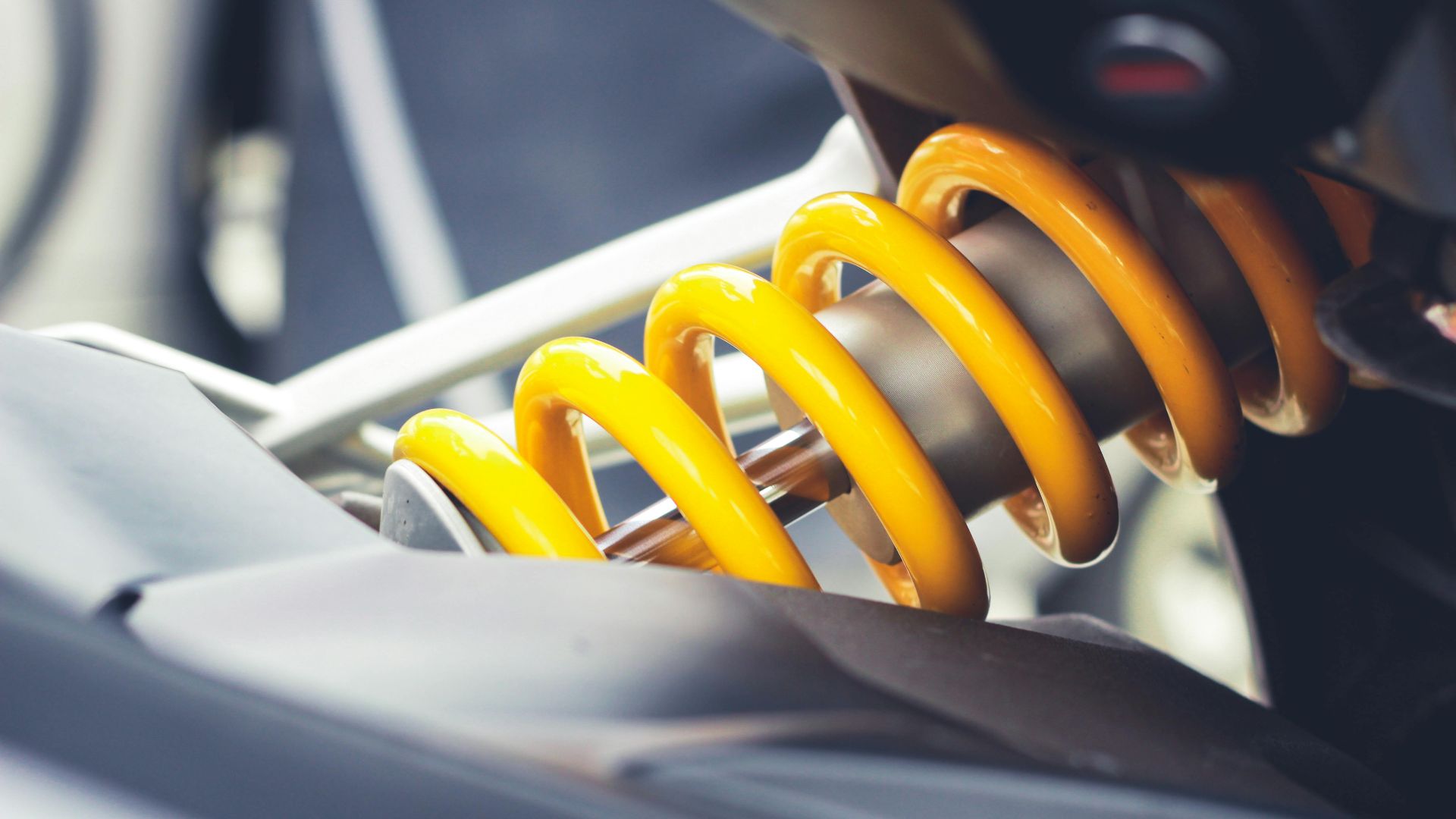
5. Suspension Basics
Worn shocks, struts, ball joints, or tie rods can make a car feel loose, noisy, and strangely exhausting to drive. Fixing them is often worth it because it improves not just comfort, but control, tire wear, and the general feeling that the car is still connected to the road instead of negotiating with it.
6. Water Pump Or Cooling System Repairs
Cooling system repairs tend to be worth it because overheating is one of those problems that escalates fast and expensively. A water pump, radiator, hose, or thermostat repair may not feel glamorous, but it can be the difference between one contained bill and an engine that cooks itself in traffic.

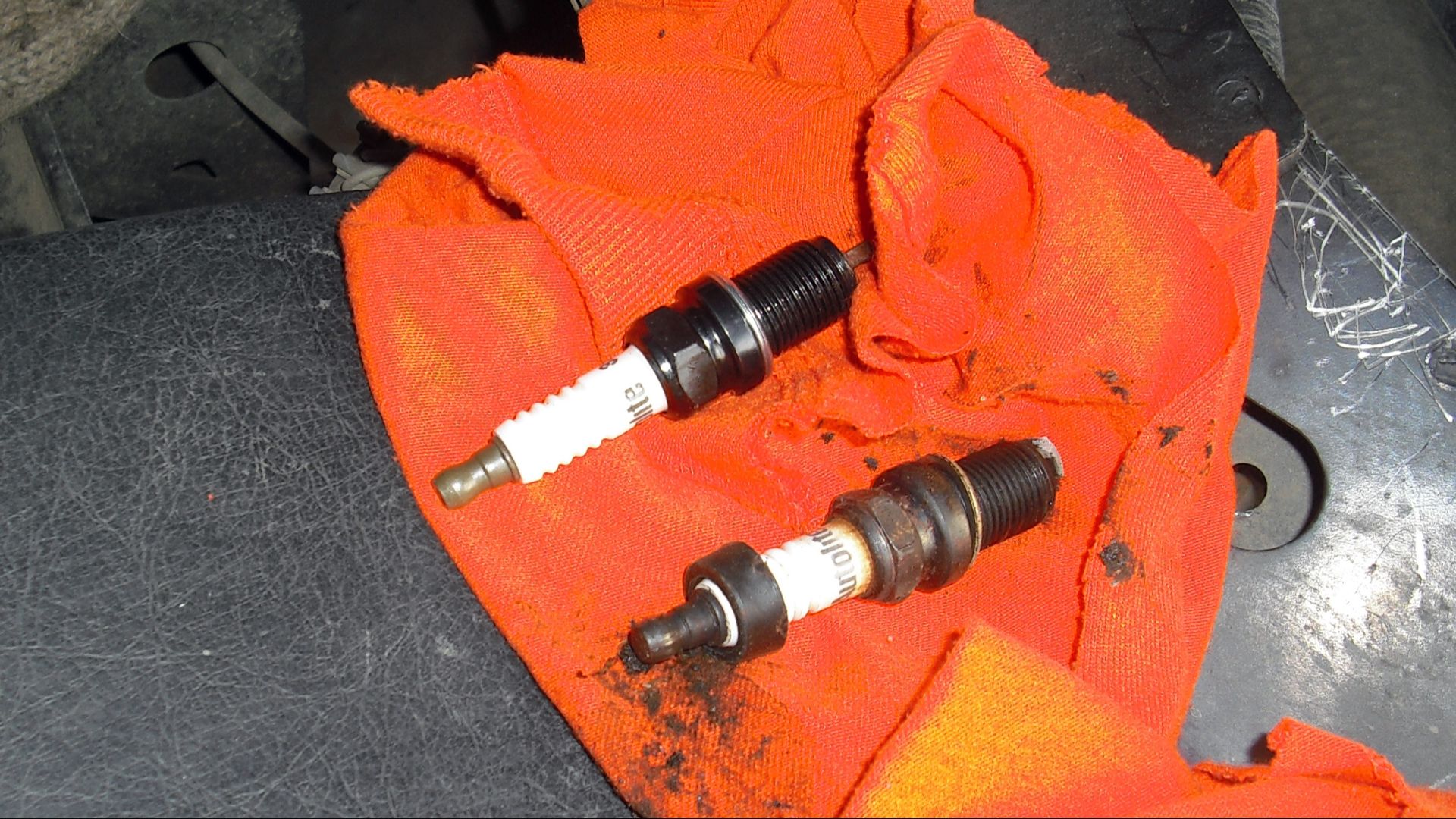
7. Starter Replacement
A bad starter usually announces itself with enough drama that you know the relationship is ending. Replacing it is often worth the cost because it solves a very specific failure point, and once it is done, the car can go right back to ordinary life instead of making every errand feel like a wager.
 commons.wikimedia.org on Google
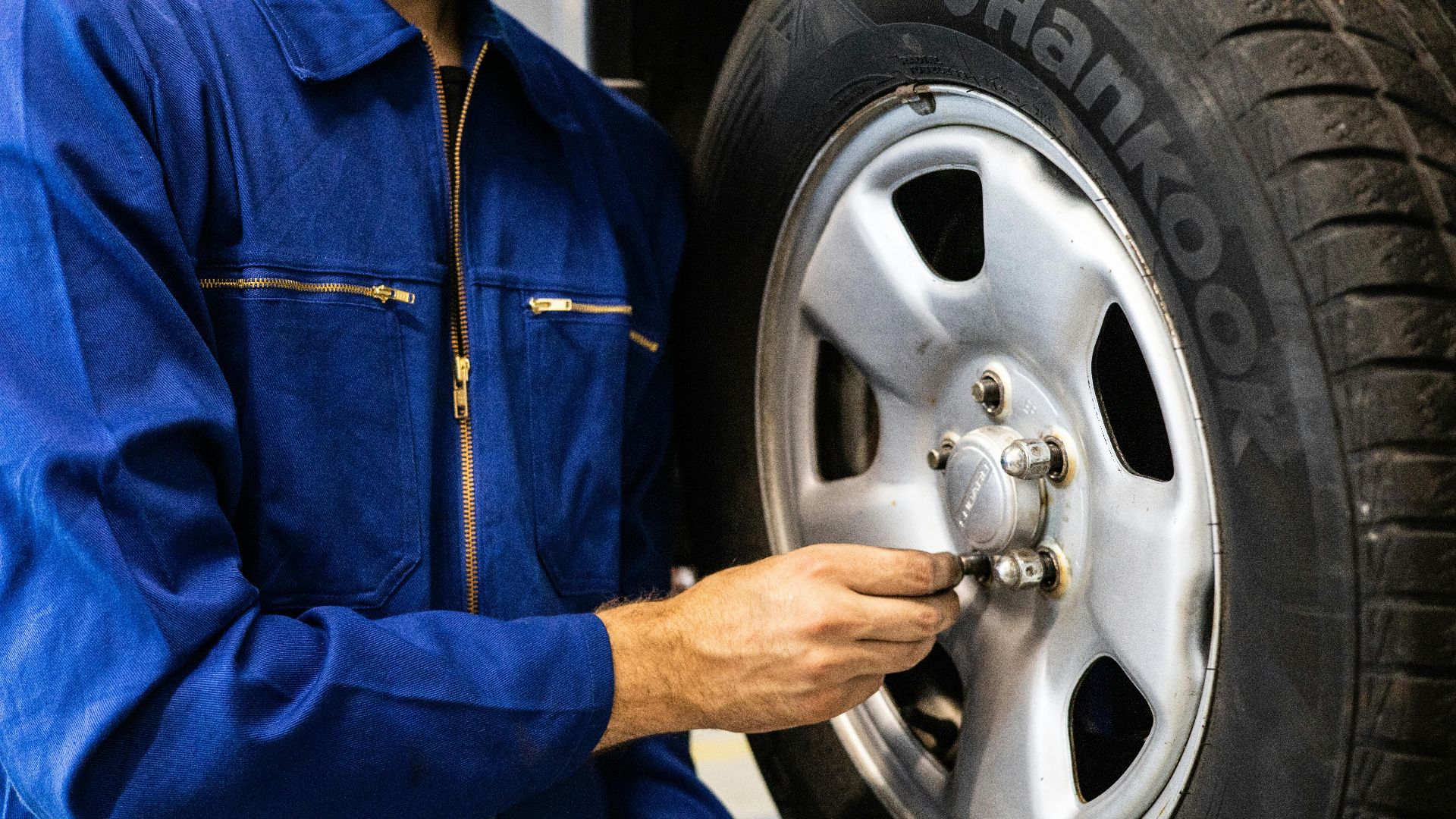
8. Wheel Bearings
A failing wheel bearing starts as a hum, then becomes the kind of noise that makes you turn the radio down and pretend not to be concerned. It is usually worth fixing because it affects safety, gets worse with time, and does not belong in the category of problems you just learn to live with.
9. AC Repair On A Good Car
Air conditioning is not always essential in the mechanical sense, but on an otherwise solid car, repairing it is often worth the money. In a hot climate, or even during a humid week when every drive feels like sitting inside a damp greenhouse, working AC crosses over from luxury into quality-of-life equipment pretty quickly.
 Philipp Katzenberger on Unsplash
10. Engine Mounts And Transmission Mounts
Bad mounts can make a car feel rougher and older than it really is, with vibrations and clunks that suggest something worse than the actual issue. Replacing them is often a good investment on a fundamentally sound vehicle because the improvement can be surprisingly immediate.
And now, here are ten repairs that require careful consideration.
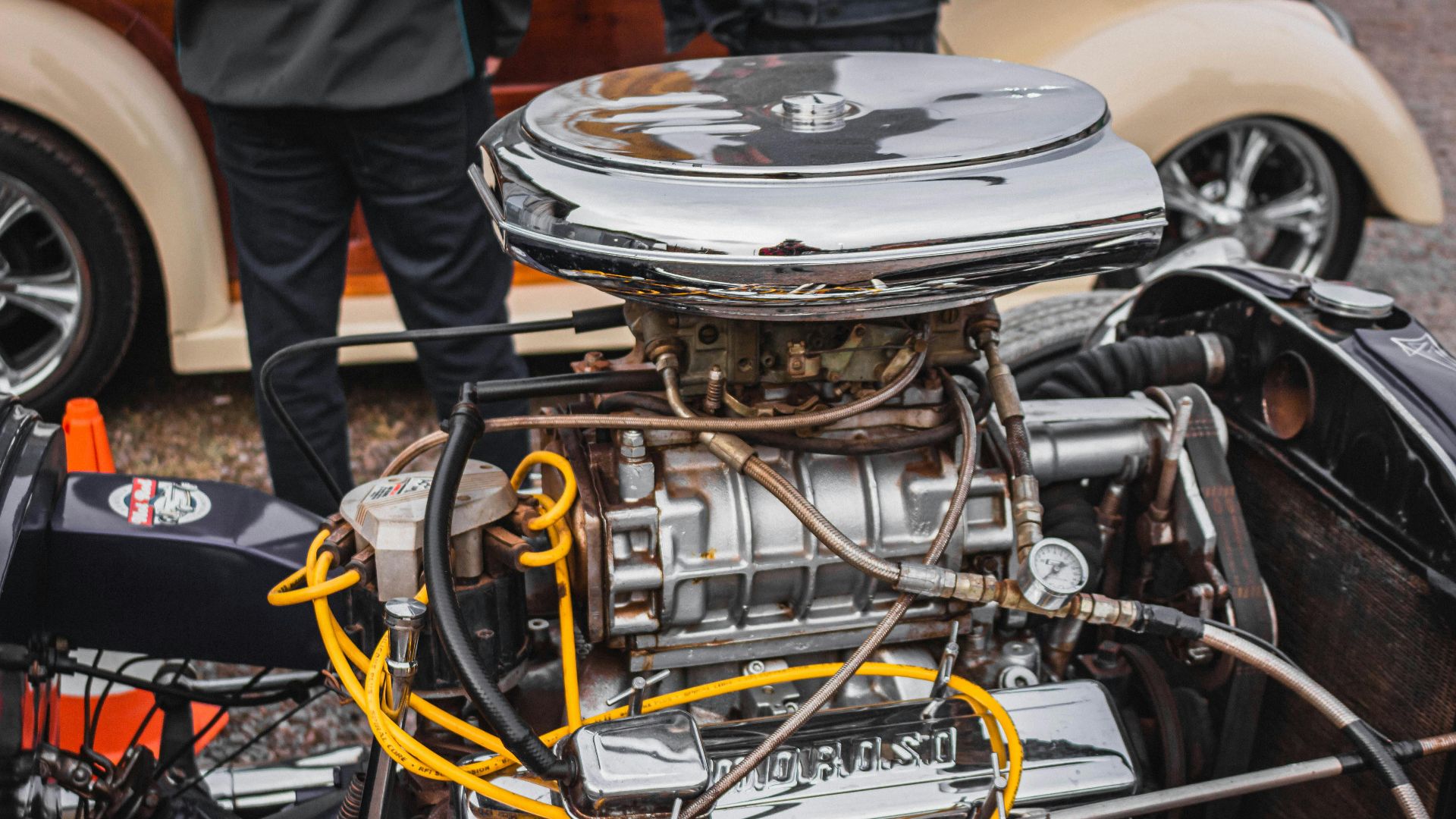
1. Rebuilding A Failing Transmission In A Very Cheap Car
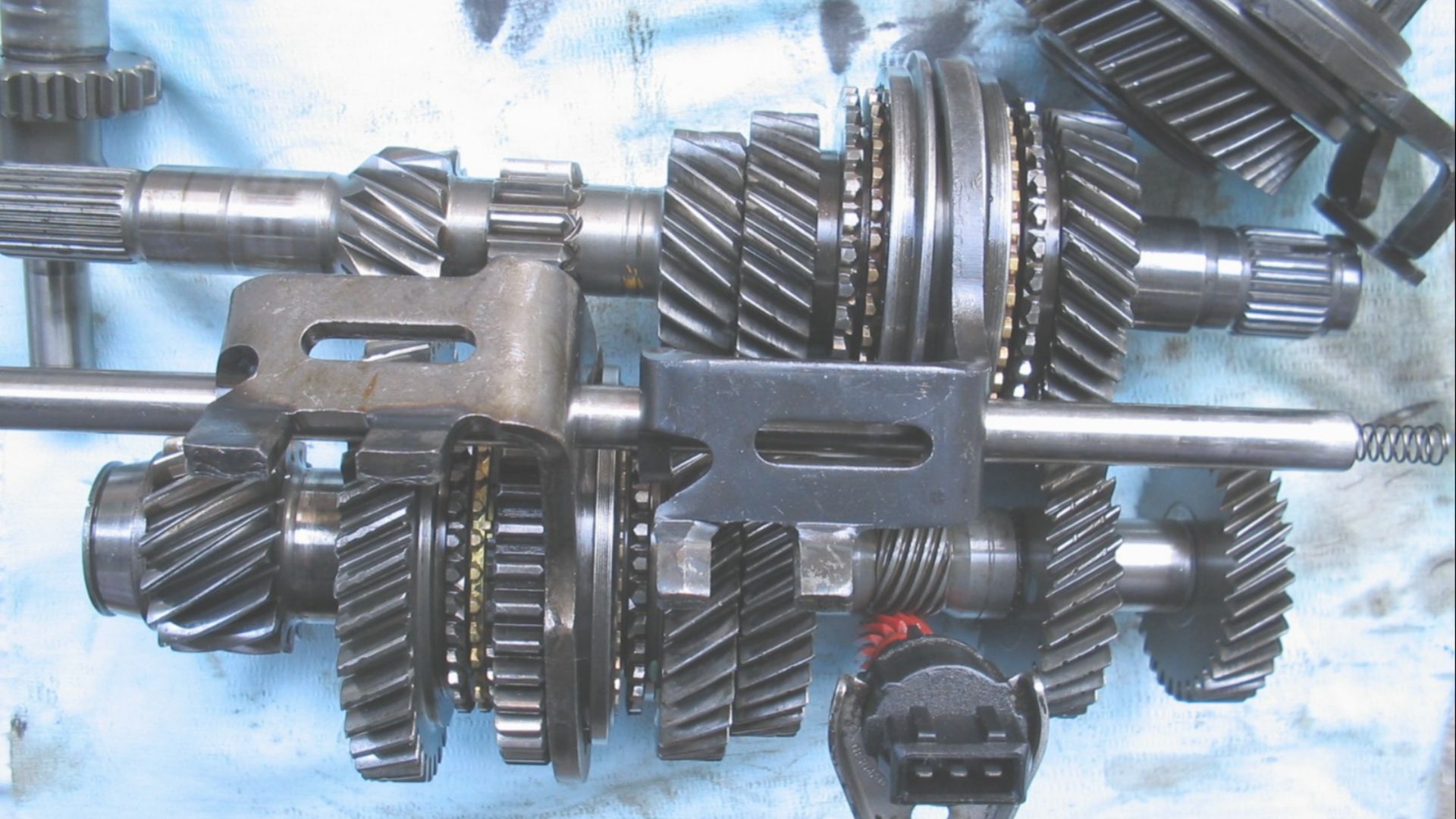
A transmission rebuild can make sense on the right vehicle, but on an old car with low market value, it often turns into the repair version of doubling down at the wrong table. The estimate is huge, the rest of the car is still old, and you can end up spending thousands.
 commons.wikimedia.org on Google
2. Head Gasket Jobs On Worn-Out Cars
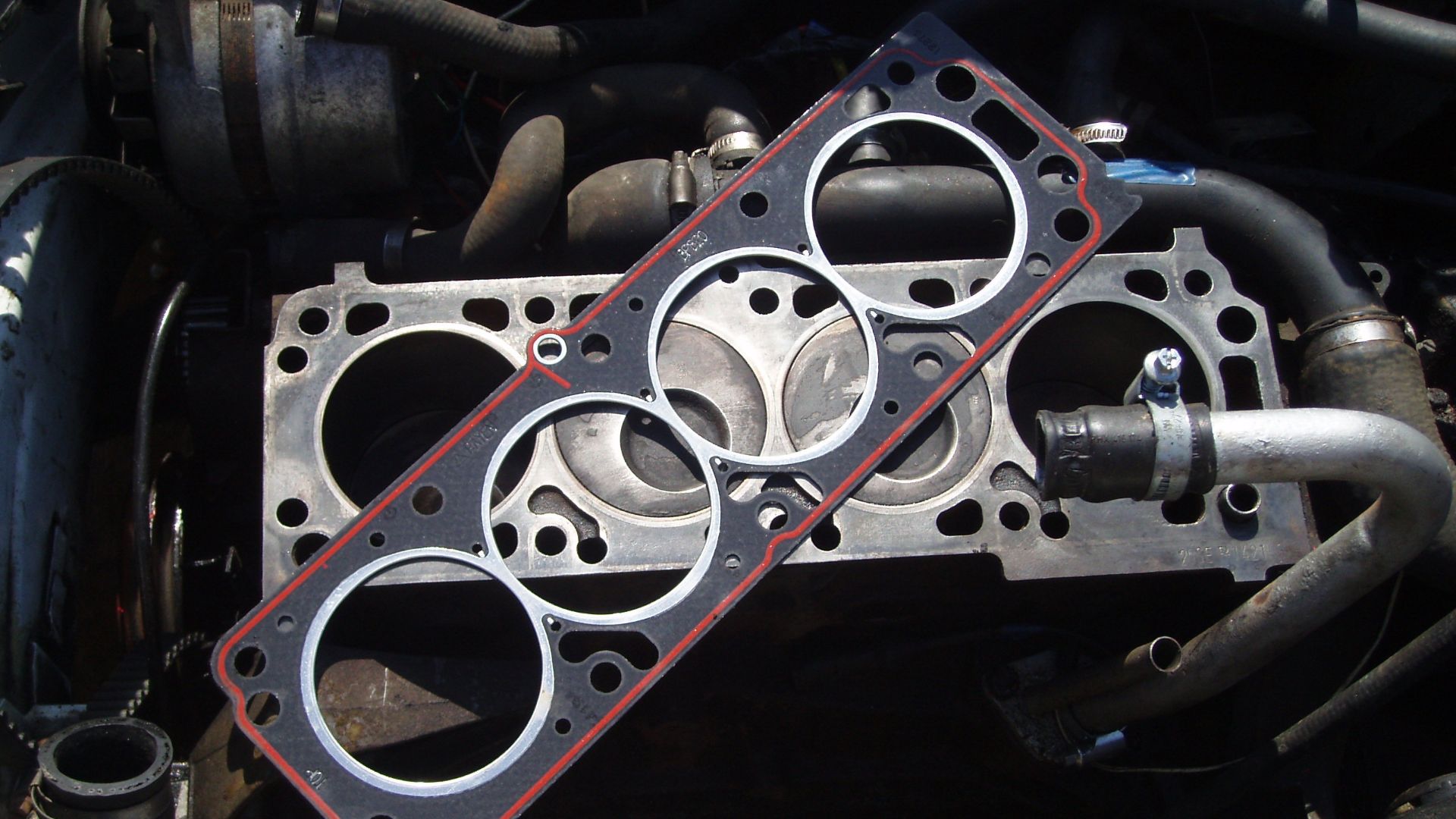
Head gasket repairs are not automatically foolish, but they become a trap fast when the car is already tired, overheated, neglected, or worth very little. Once the engine has been hot enough for long enough, there is always the uncomfortable possibility that the gasket was only the first layer of bad news.
3. Cosmetic Bodywork On A Beater
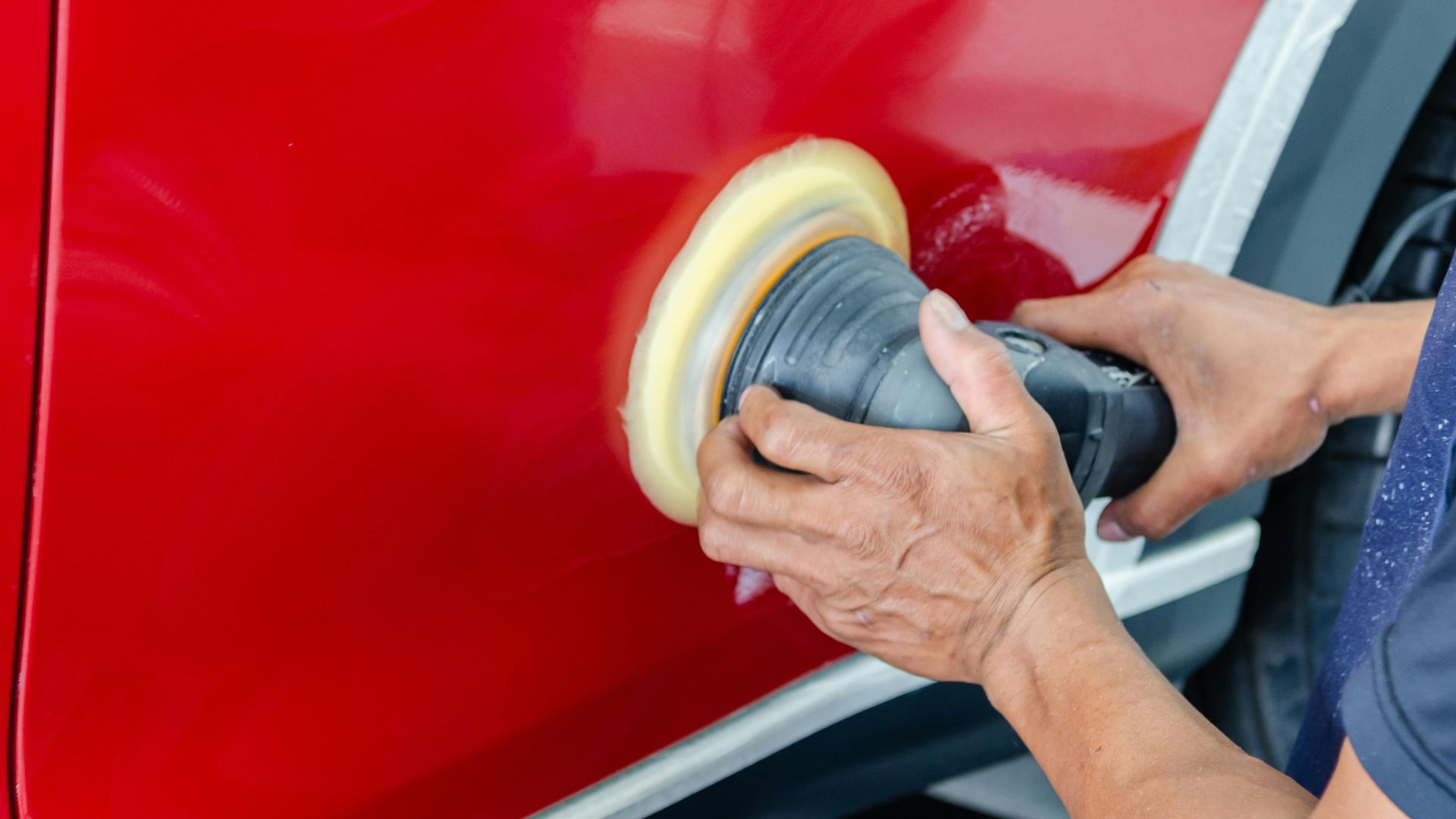
A dented door, peeling clear coat, or scrapes on an otherwise functional old car almost never deserve luxury-level repair money. It is the kind of estimate that feels weirdly emotional, because you want the car to look cared for, but spending thousands to make a fifteen-year-old commuter more photogenic is rarely the smart move.
4. Dealer-Price Exhaust Work On An Old Car
Exhaust repairs matter when they affect emissions, noise, or safety, but the way they get quoted can be wildly out of proportion to the car’s value. A full dealer-priced exhaust replacement on an aging vehicle is often where people realize too late that they paid premium money to preserve a very non-premium situation.

5. Multiple Simultaneous Oil Leak Repairs
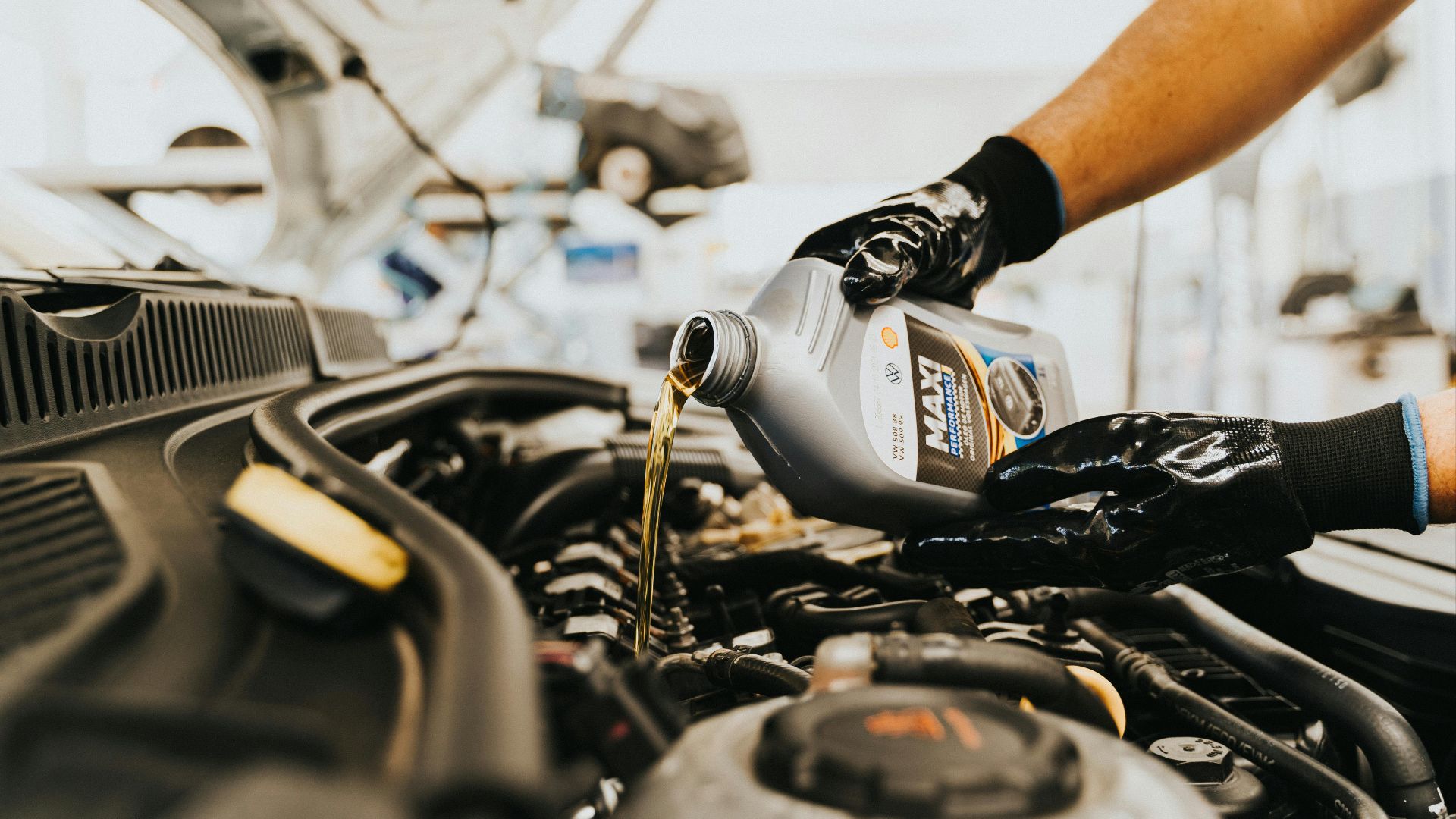
One leak, fine. Three leaks, an old engine, and a mechanic starting to use the phrase “while we’re in there” can be the beginning of a trap, because labor stacks quickly and the car may still mark its territory afterward just from somewhere new.
6. Luxury Upgrades Disguised As Repairs
Sometimes the estimate includes things that are not really repairs so much as expensive preferences wearing a serious face. Premium trim replacements, high-end infotainment fixes, or restoring every little convenience feature on an aging car can drain your budget without doing much for safety, reliability, or resale.
7. Chasing Intermittent Electrical Problems Forever
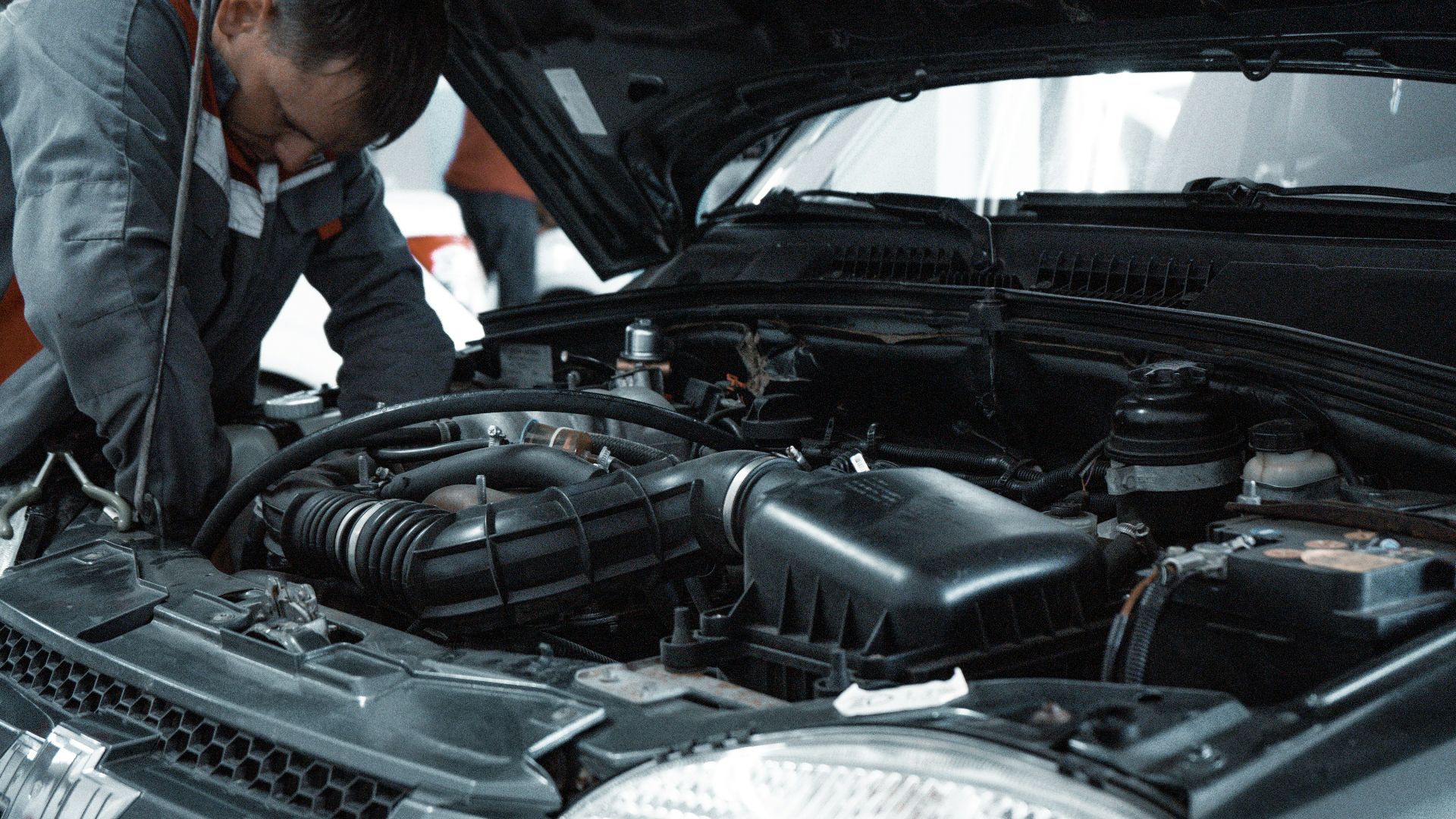
Electrical problems can absolutely be fixed, but there is a point where the diagnosis becomes too expensive to justify. On an older car with recurring wiring issues, you can spend a lot of money chasing a problem that keeps coming back and never fully gets solved.
8. Engine Replacement In A Car With Other Major Problems
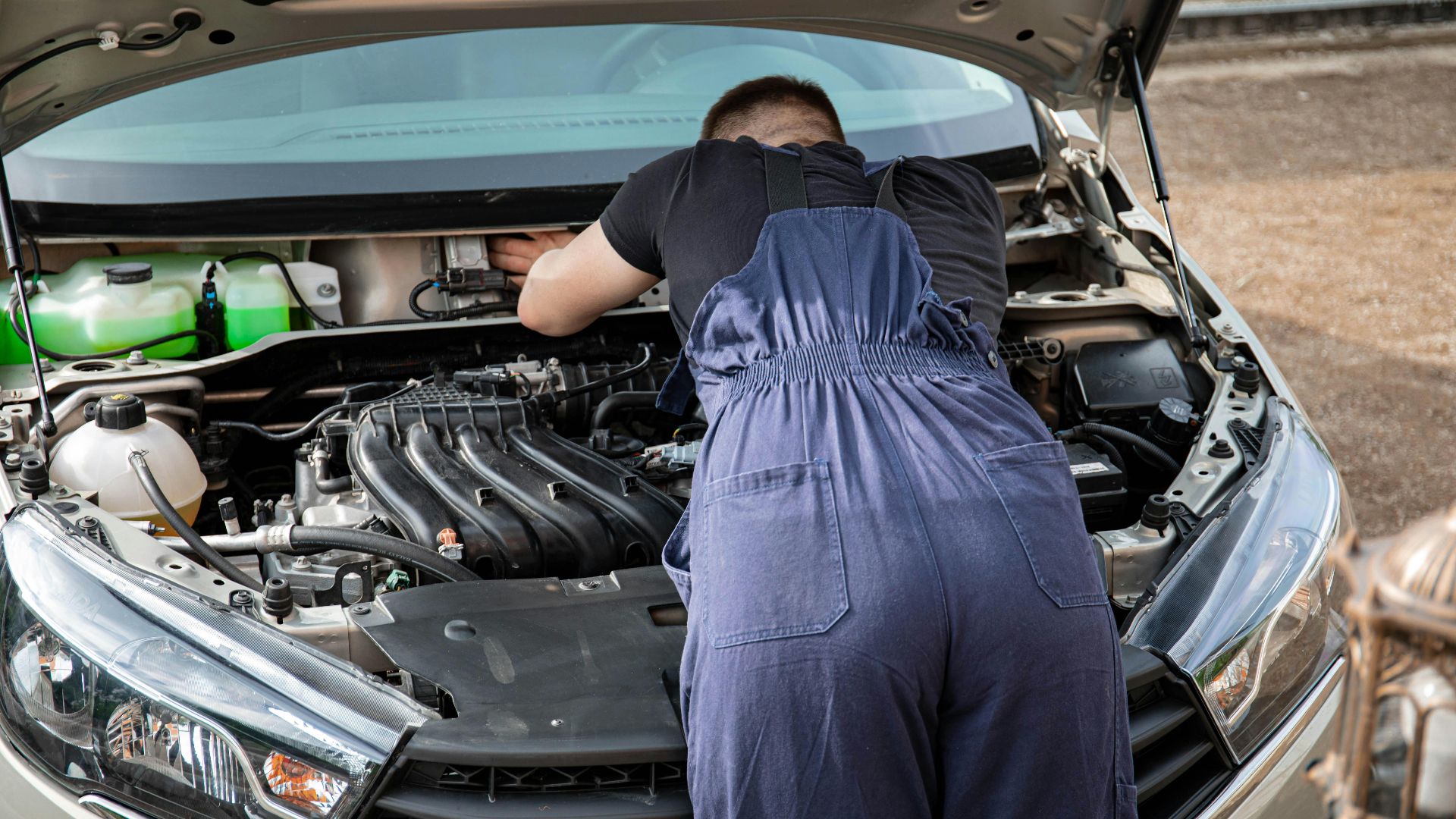
A replacement engine sounds like a clean fix, which is why people talk themselves into it. But if the suspension is worn out, the transmission is already slipping, the interior is falling apart, and the car has serious rust, a new engine usually just means spending a lot of money on a vehicle with too many other problems.
9. High-Dollar Repair On A Rusted-Out Vehicle
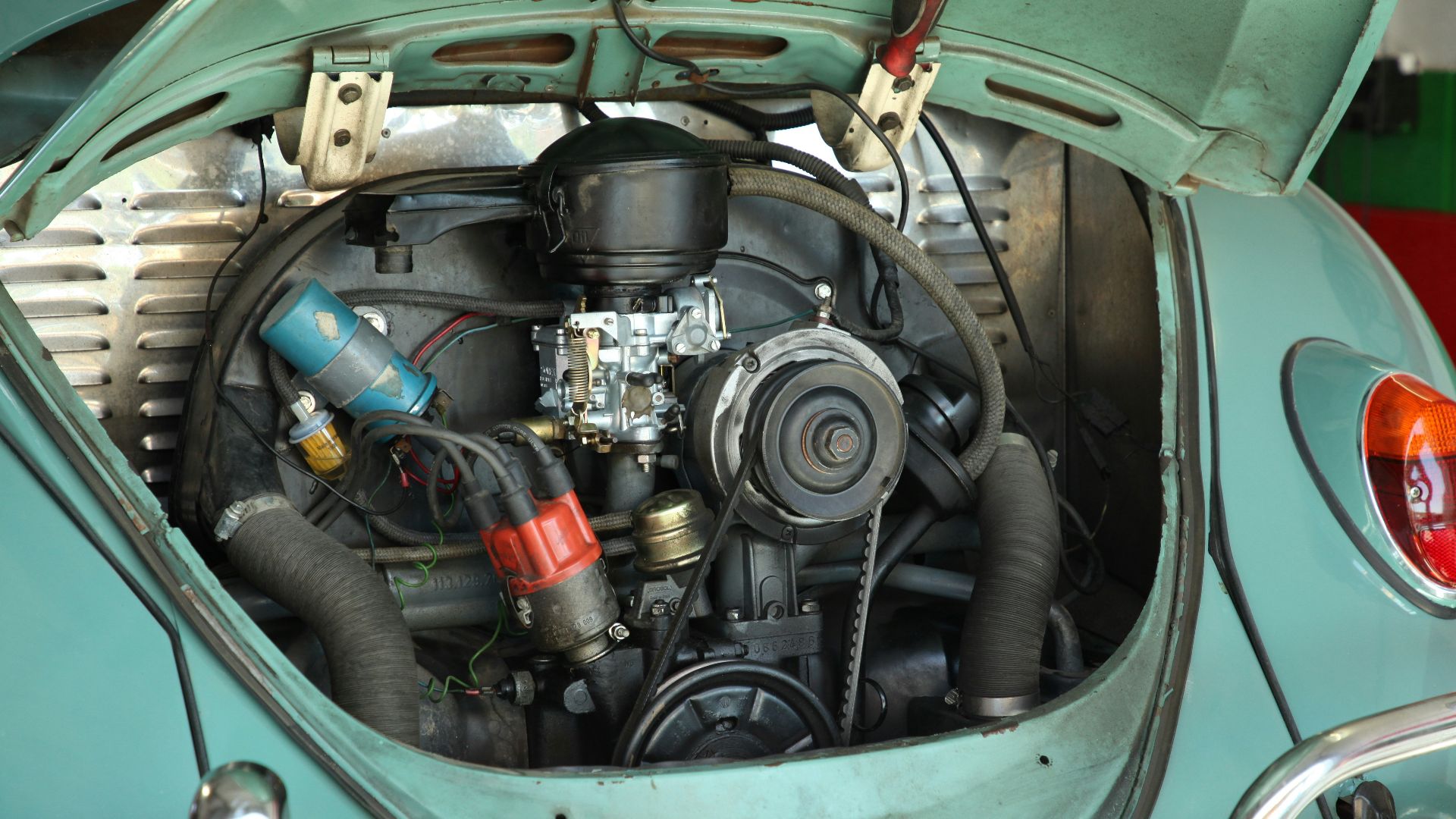
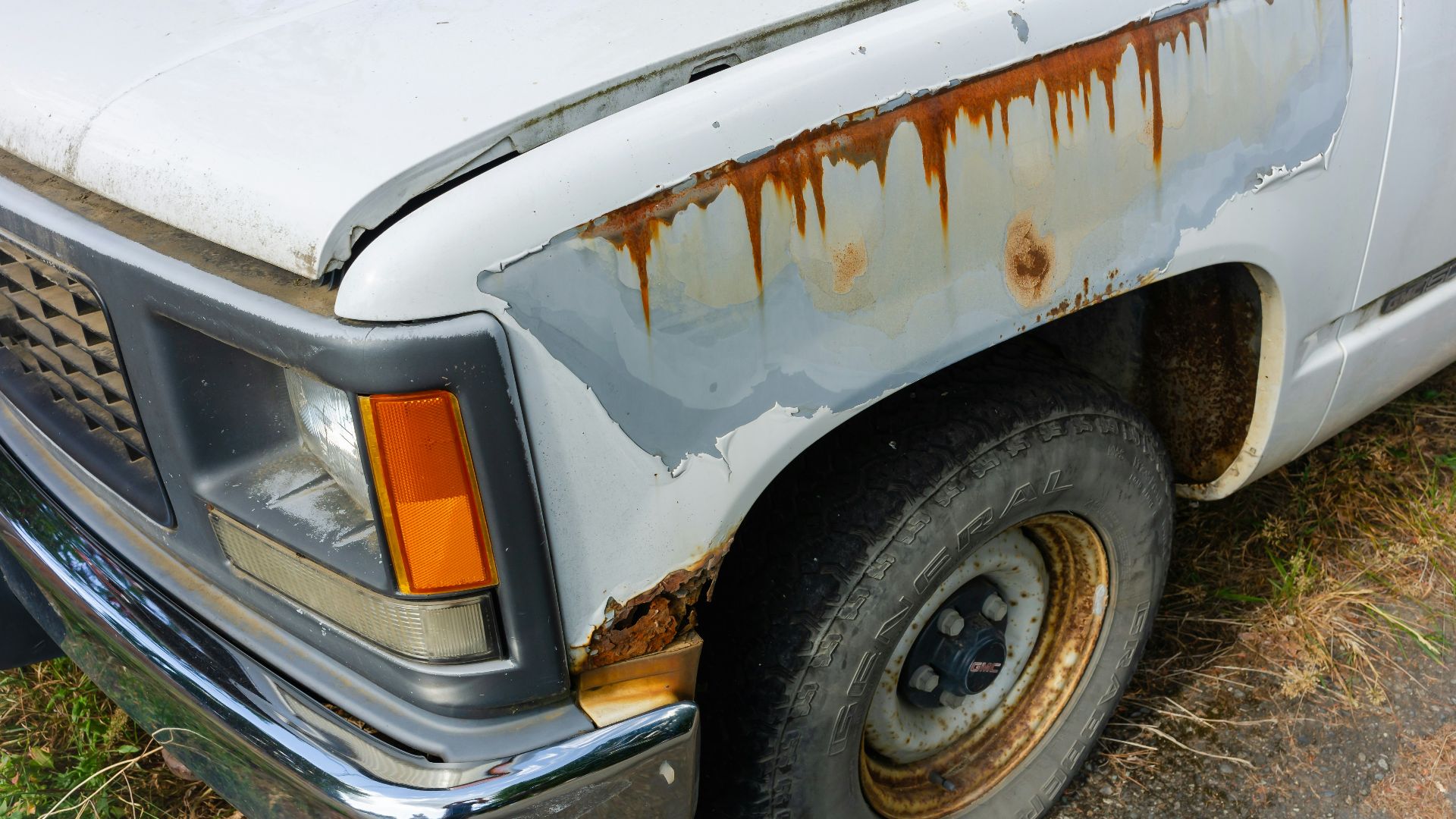
Rust changes the equation because it affects more than just one area. Once the underside is badly rusted, spending serious money on major repairs usually stops making sense, because the car’s structure may not have much life left.
10. Any Repair Based On The Last Repair
This is the sneakiest trap because it sounds reasonable in the moment. People keep paying for repairs because they have already spent so much, and before long the decision is driven less by whether the next repair is worth it and more by not wanting the earlier money to feel wasted.