Milestones That Shaped the Way We Drive
Automotive history is filled with innovations that didn’t just improve cars but completely changed how people experience driving. From safety breakthroughs to comfort upgrades, these features have influenced modern vehicles in lasting ways. Many of them started as luxury additions or experimental ideas before becoming standard across the industry. Here are 20 iconic features that helped define automotive history.
 Hoi An and Da Nang Photographer on Unsplash
1. The Assembly Line
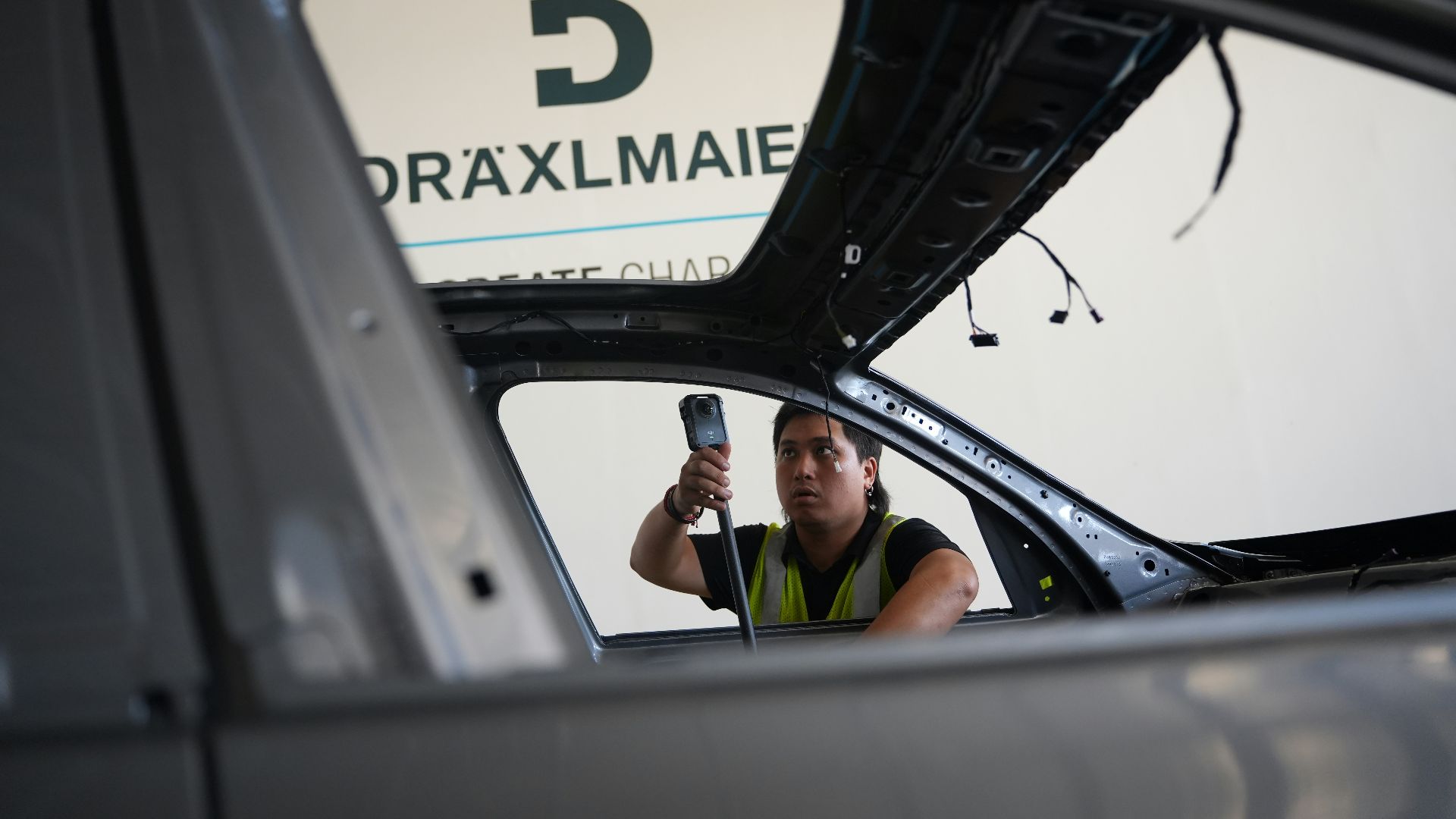
The introduction of the assembly line by Henry Ford revolutionized car manufacturing. It drastically reduced production time and made vehicles more affordable for everyday consumers. This innovation helped transform cars from luxury items into accessible transportation. Its impact is still felt in modern manufacturing processes.
 Austrian National Library on Unsplash
2. Electric Starter
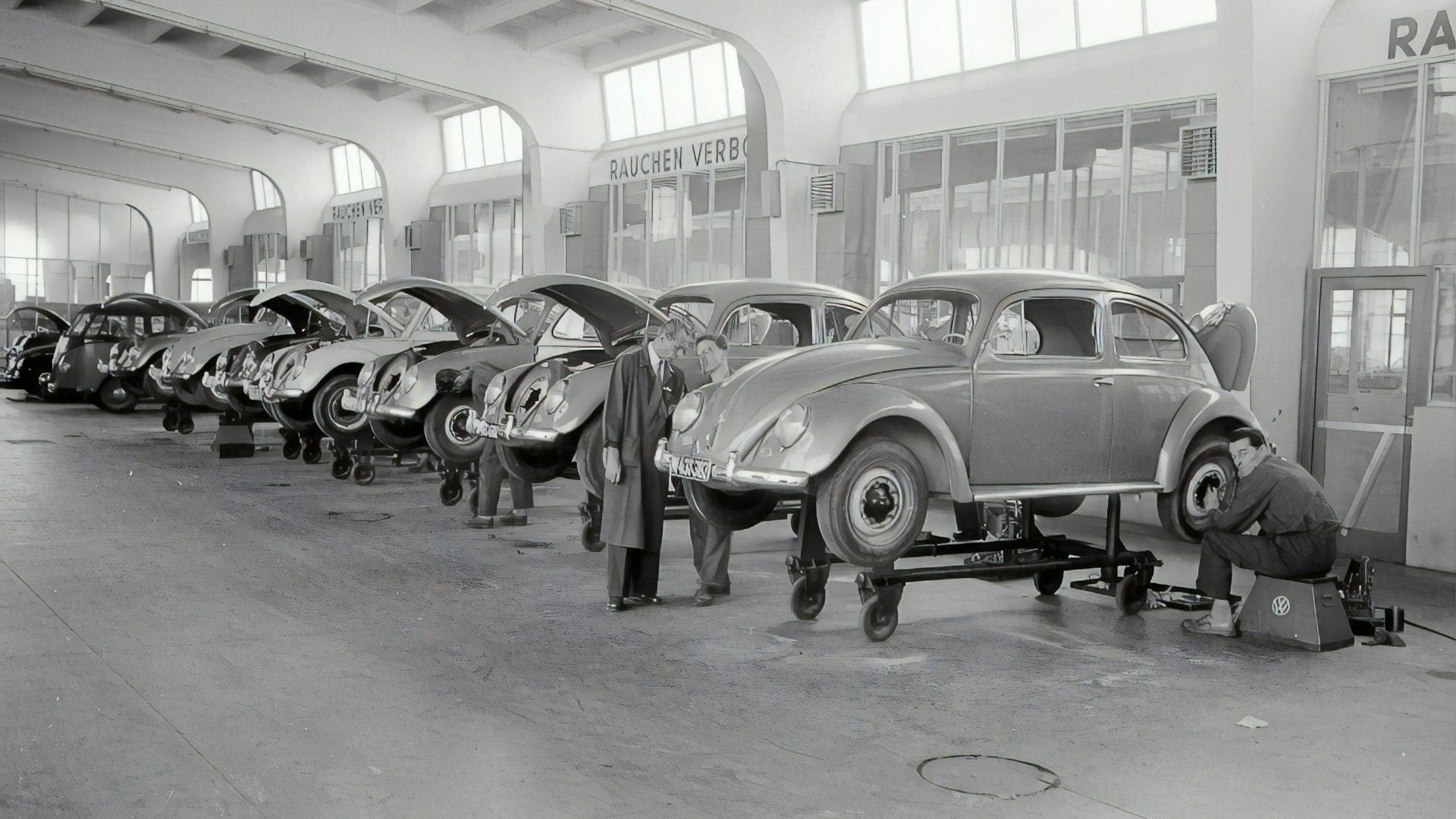
Before electric starters, drivers had to manually crank engines, which could be dangerous and inconvenient. The electric starter, introduced in the early 20th century, made starting a car much safer and easier. This feature opened the door for a wider range of people to drive. It quickly became a standard in all vehicles.

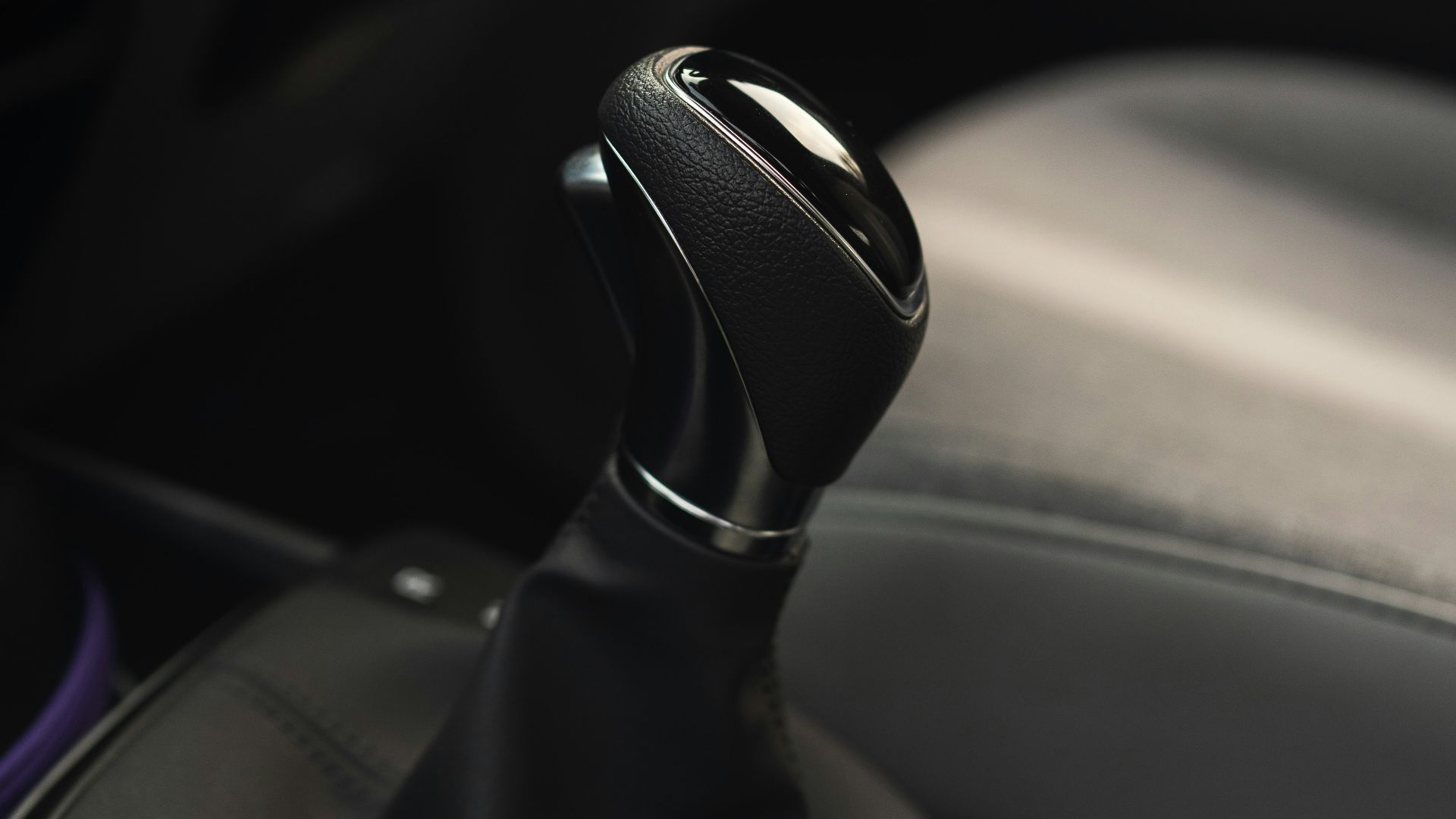
3. Automatic Transmission
Automatic transmission removed the need for manual gear shifting, making driving more accessible and less stressful. It allowed drivers to focus more on the road rather than coordinating clutch and gear changes. Over time, advancements improved fuel efficiency and performance. Today, it’s one of the most common transmission types worldwide.
4. Seat Belts
Seat belts are one of the most important safety features ever introduced in cars. The three-point seat belt, developed by Volvo in 1959, significantly reduced injuries and fatalities in accidents. It became a mandatory feature in most countries over time. Its simple design has saved millions of lives.

5. Power Steering
Power steering made it easier to control vehicles, especially at low speeds or during parking. Before its introduction, steering required significant physical effort. This feature improved comfort and accessibility for a wider range of drivers. It’s now standard in nearly all modern cars.
6. Air Conditioning
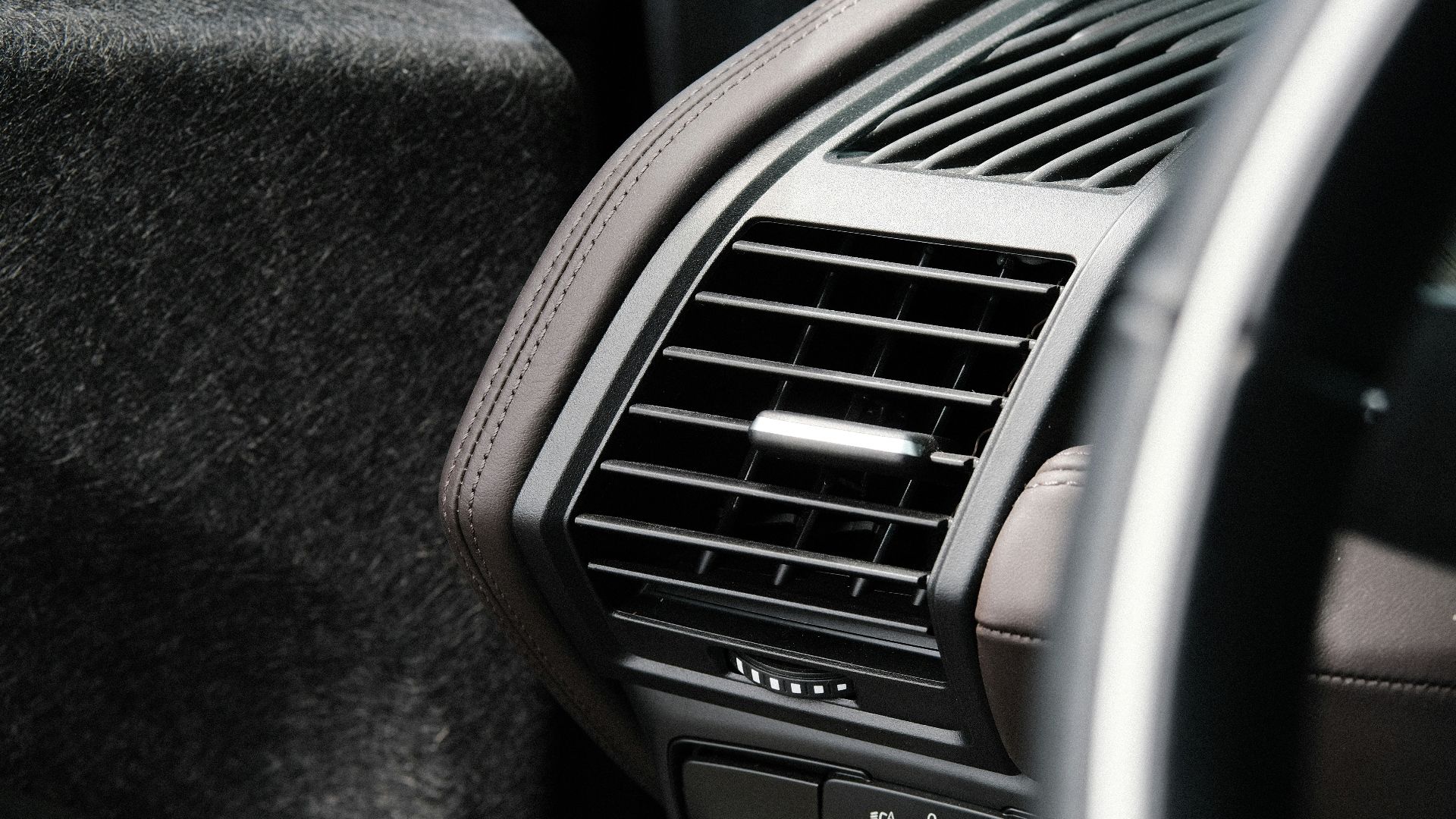
Air conditioning transformed driving comfort, especially in warmer climates. Early systems were bulky and expensive, but they eventually became more efficient and compact. This feature made long drives more pleasant and manageable. Today, it’s considered essential in most vehicles.
7. Anti-lock Braking System (ABS)
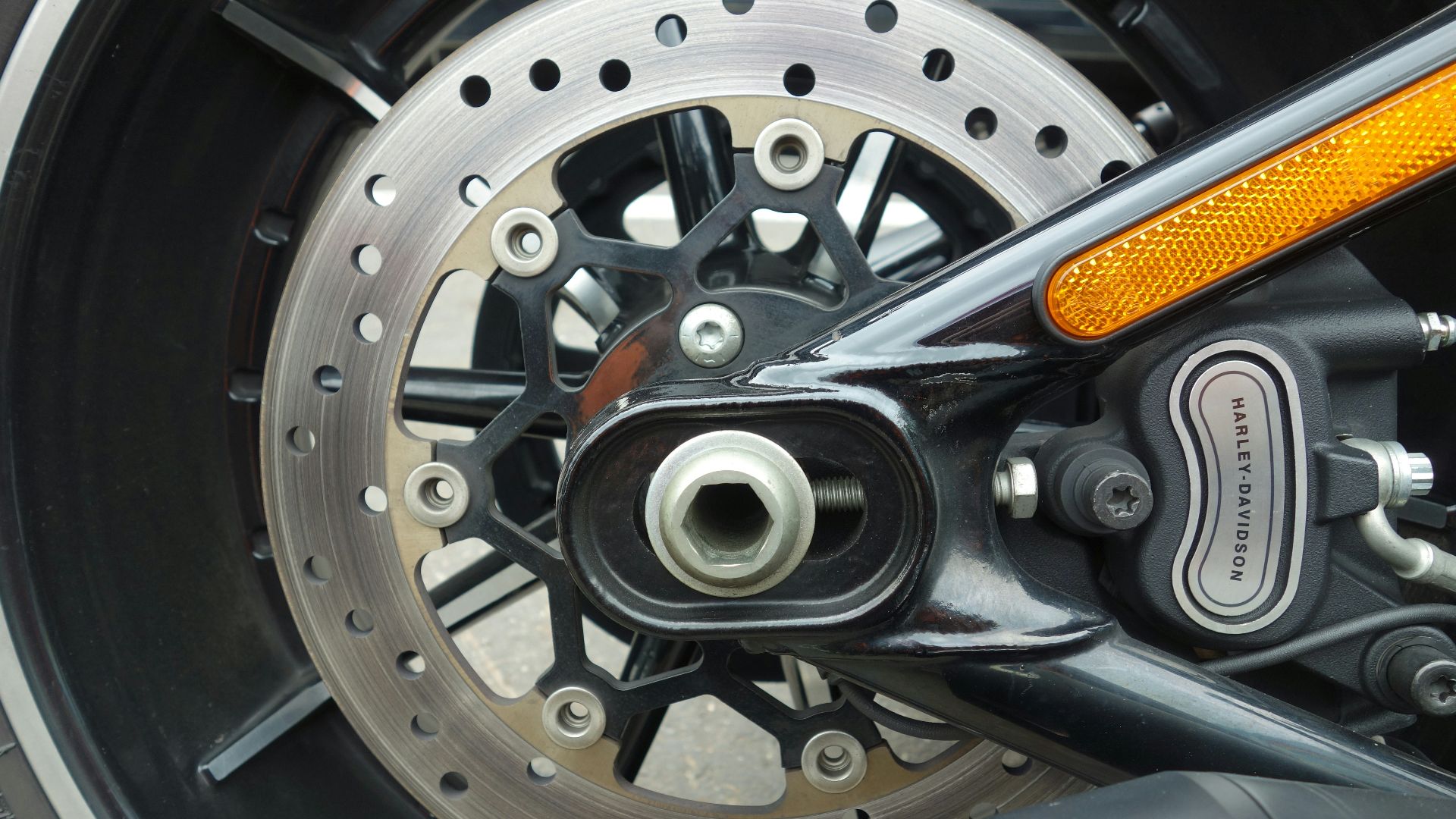
ABS prevents wheels from locking during hard braking, allowing drivers to maintain steering control. This technology significantly improves safety in emergencies. It was first introduced in aircraft before being adapted for cars. Modern vehicles almost universally include ABS as a standard feature.
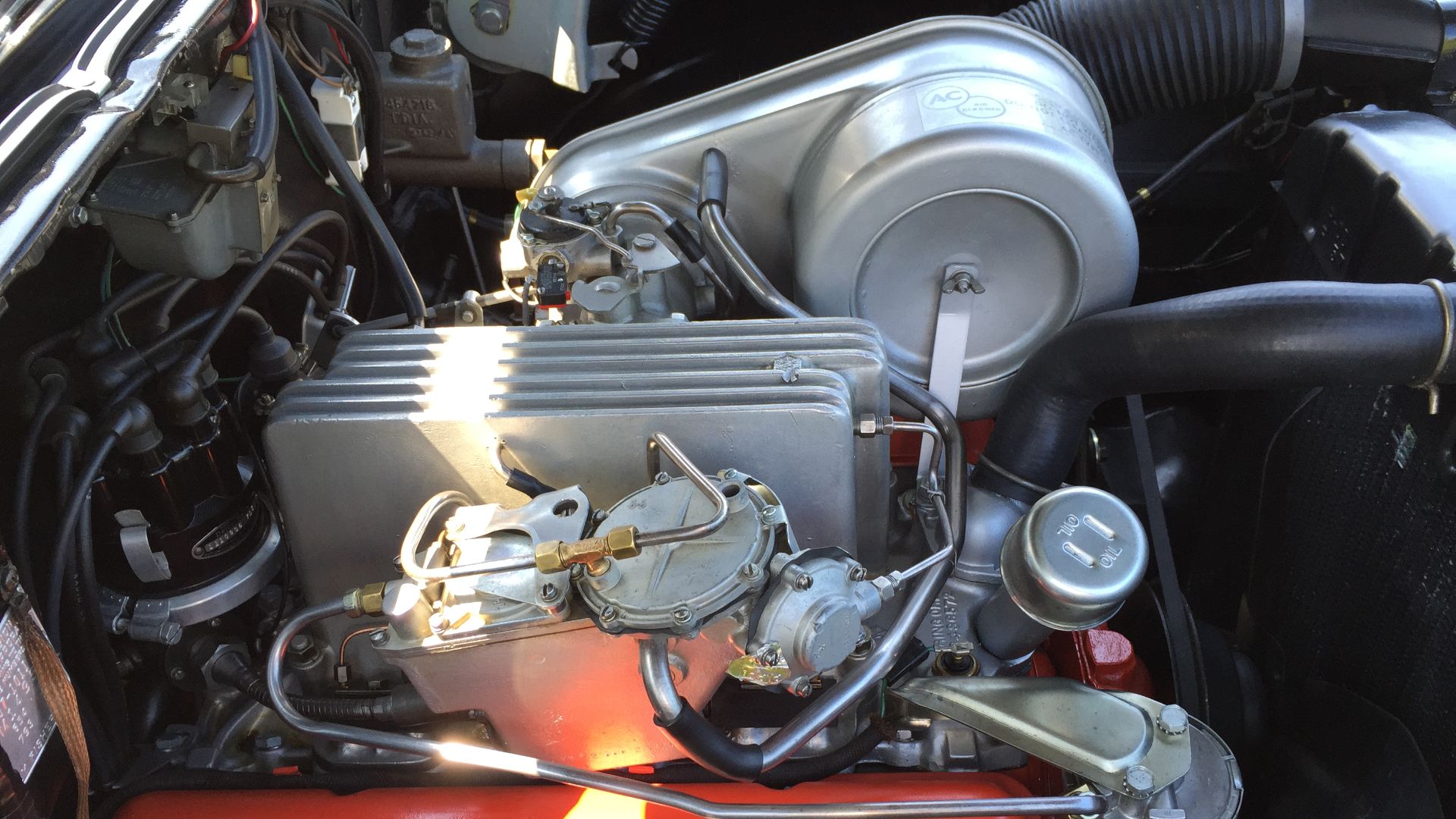
8. Fuel Injection
Fuel injection replaced carburetors, offering more precise control over fuel delivery. This led to better fuel efficiency, improved performance, and lower emissions.
9. Cruise Control
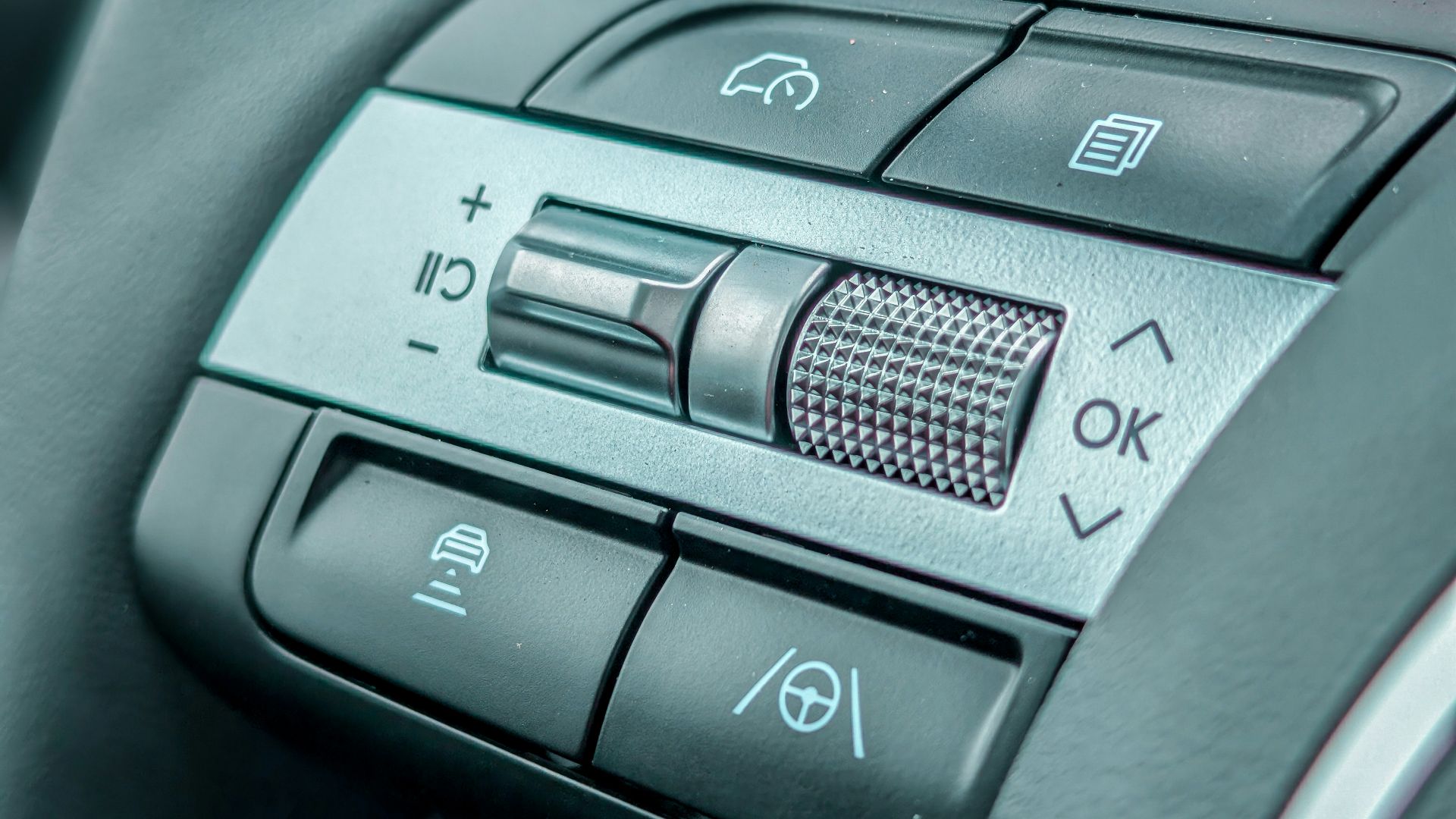
Cruise control allows drivers to maintain a constant speed without continuous pedal input. It’s especially useful for long highway drives, reducing fatigue. Early versions were mechanical, but modern systems are electronically controlled. Some newer versions even adapt to traffic conditions automatically.
10. Airbags
Airbags provide additional protection during collisions by cushioning occupants. First introduced in the 1970s, they became widespread in the following decades.

11. All-Wheel Drive (AWD)
AWD systems distribute power to all four wheels, improving traction and stability. This feature is particularly useful in challenging weather conditions like snow or rain, enhancing both safety and performance. Many SUVs and modern cars now offer AWD as an option or standard feature.

12. Catalytic Converter
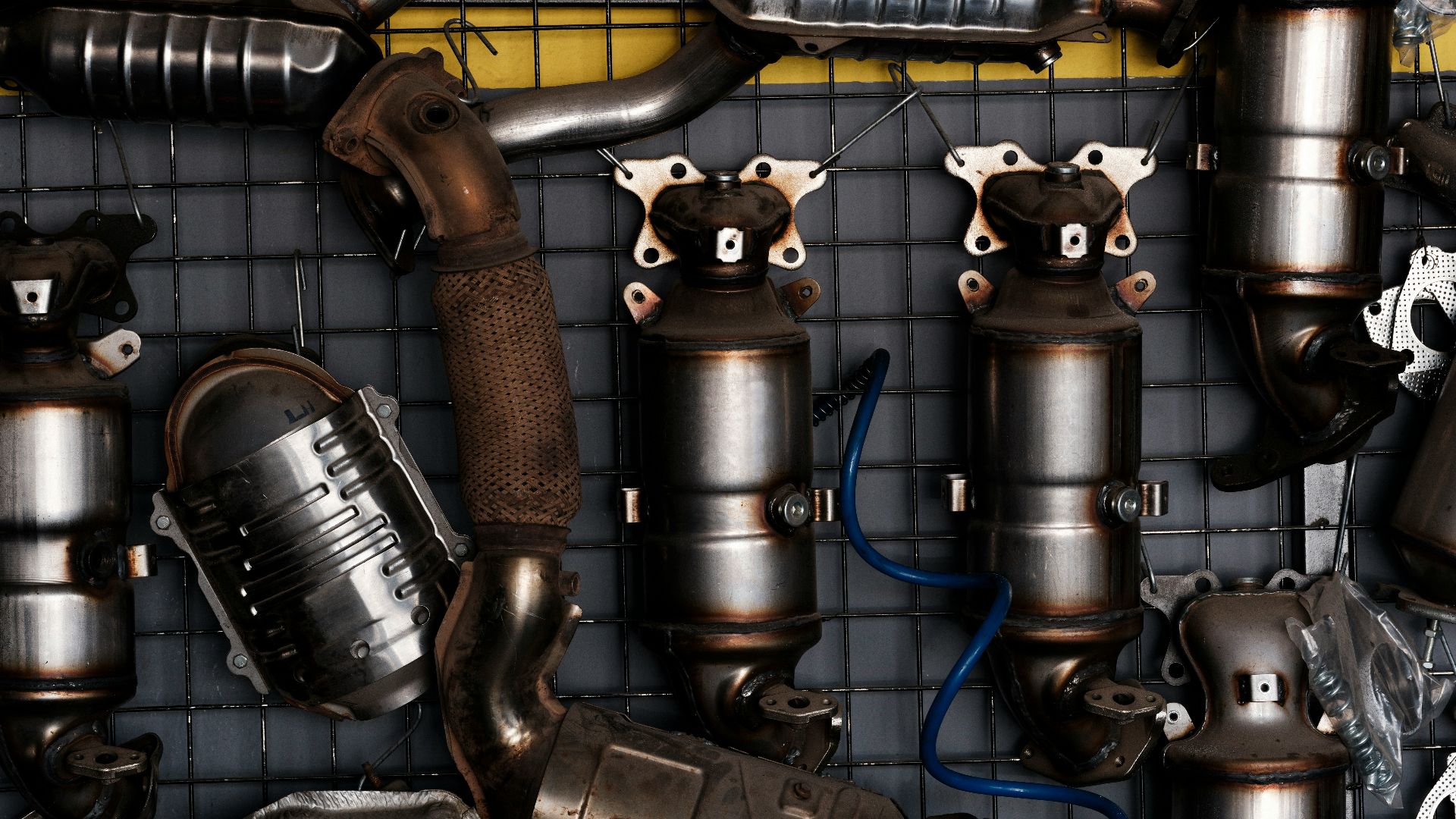
The catalytic converter was introduced to reduce harmful emissions from vehicles. It converts toxic gases into less harmful substances before they exit the exhaust. This innovation played a key role in meeting environmental regulations. It remains essential for reducing a car’s environmental impact.
13. Keyless Entry and Start
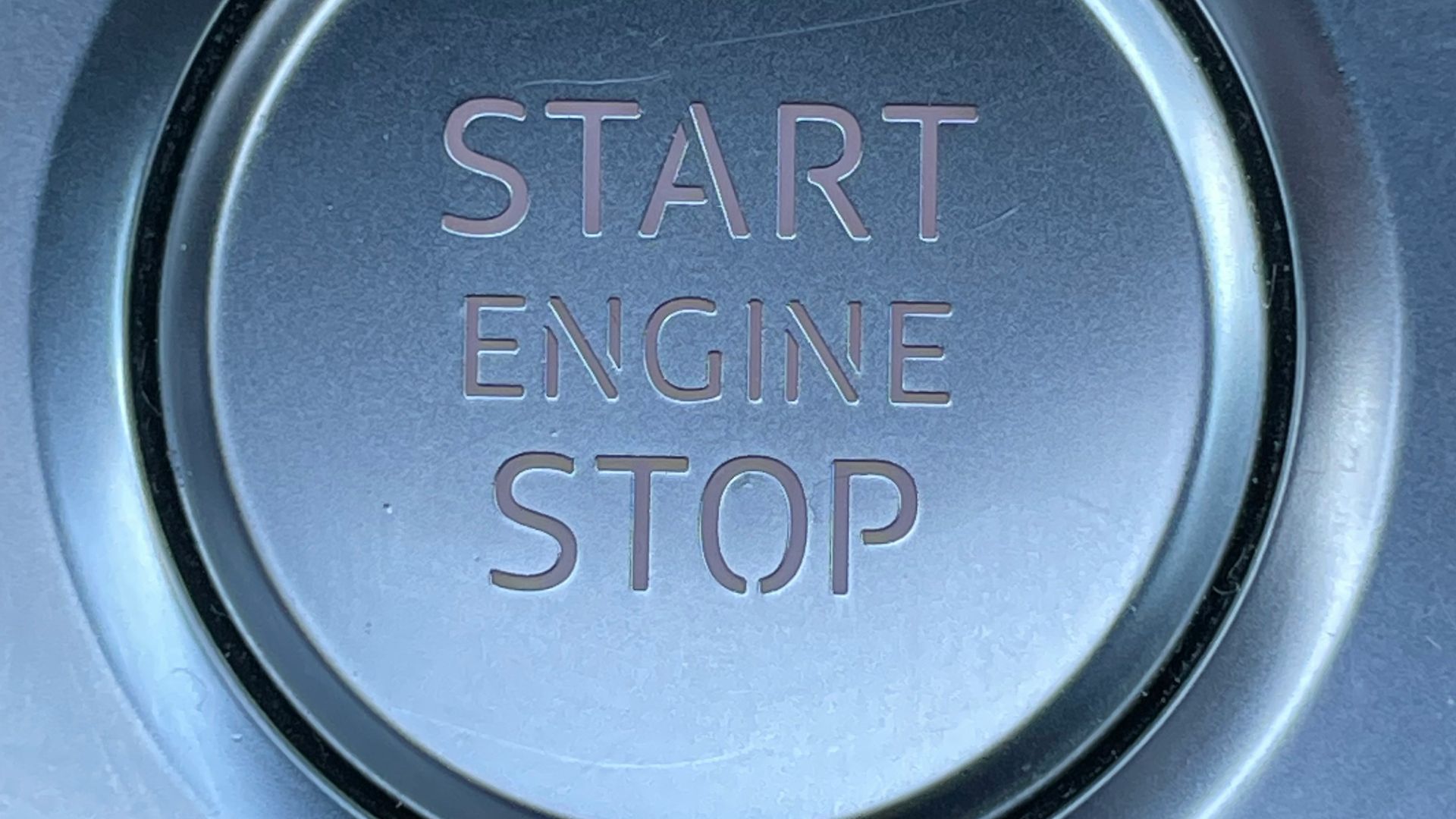
Keyless systems allow drivers to unlock and start their vehicles without inserting a physical key. This feature adds convenience and speeds up everyday use.
14. GPS Navigation Systems
GPS navigation eliminated the need for paper maps and guesswork while driving. It provides real-time directions and updates based on traffic conditions. Early systems were limited, but modern versions are highly accurate and integrated with infotainment systems. This feature has made travel more efficient and less stressful.

15. Backup Camera
Backup cameras improve safety by giving drivers a clear view of what’s behind the vehicle. This helps prevent accidents, especially when reversing in tight spaces.

16. Hybrid Technology
Hybrid vehicles combine internal combustion engines with electric motors to improve fuel efficiency. This technology reduces fuel consumption and emissions. It marked a major step toward more sustainable transportation. Hybrids paved the way for fully electric vehicles.
17. Stability Control (ESC)
Electronic stability control helps prevent skidding and loss of control during sudden maneuvers. It automatically adjusts braking and engine power when needed. This feature has been proven to reduce accidents significantly, and is now mandatory in many regions.
18. Touchscreen Infotainment Systems
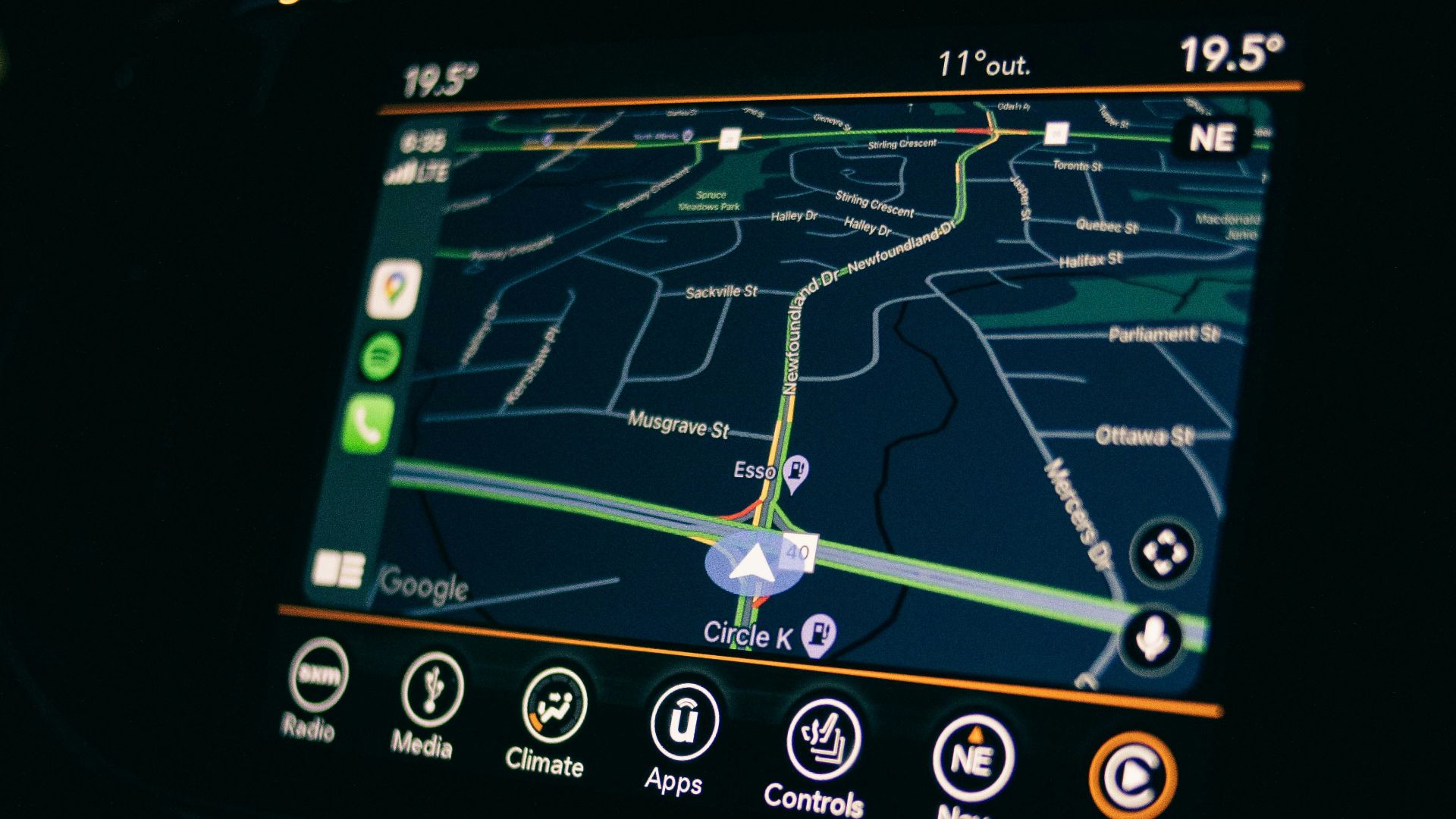
Touchscreen systems centralize controls for navigation, media, and vehicle settings. They replaced many physical buttons with digital interfaces. While early versions were basic, modern systems are highly advanced and customizable. They’ve become a defining feature of contemporary car interiors.
19. Regenerative Braking
Regenerative braking captures energy during braking and converts it into usable power. This technology is commonly used in hybrid and electric vehicles. It improves efficiency and extends battery life.
20. Autonomous Driving Features
Autonomous features like lane-keeping assist and adaptive cruise control represent the future of driving. These systems use sensors and software to assist or partially control the vehicle. While full autonomy is still developing, these features already enhance safety and convenience.