The market made up its mind a long time ago, and it wasn’t exactly subtle about it. The U.S. Department of Energy says 65% of all light-duty vehicles produced in 1980 had automatic transmissions, while more than 99% did in 2022. What we're seeing here is a full takeover of the market.
There are reasons behind this shift. DOE says automatics got far more efficient over time by optimizing engine operation and cutting energy losses, while lockup automatics, dual-clutch automatics, and CVTs kept pushing the tech forward. CVTs alone made up about one quarter of all light-duty vehicles produced in 2022, which tells you how completely the old manual-versus-automatic fight has tilted in one direction.
Even so, some drivers never really budged. They know the market moved on, the dealers moved on, and most commuters have definitely moved on. They just don’t believe convenience is the be-all, end-all for driving. For them, the third pedal still matters in a way no sales chart can quite erase.
Why Automatics Took Over
Automatics won because they got better at the things buyers care about most. According to the DOE fact sheet, older automatics used to give up ground to manuals on efficiency, but later designs with lockup torque converters reduced frictional losses, helping to close the gap. By the time newer automatic tech arrived, the old idea that manuals were automatically the smarter, thriftier choice had already started fading.
Pulling back even further, it's understandable why this monopoly took place. The DOE’s 2013 transmission fact sheet says standard manuals fell from 9.7% of the market in 2000 to 3.2% in 2011, then bounced back to 5.6% in 2012. CVTs accounted for about 10% of transmissions between 2010 and 2012. You can almost watch the edges closing in there. Manuals didn’t disappear overnight, though they were clearly getting pushed out of the center of the market.
That’s a big part of why manuals feel different now. They’re no longer the normal option on the lot. If someone buys a stick shift now, chances are they went looking for one on purpose. Once something stops being ordinary and starts becoming niche, the people who stick with it usually care a whole lot more.
Why Manual Drivers Still Care
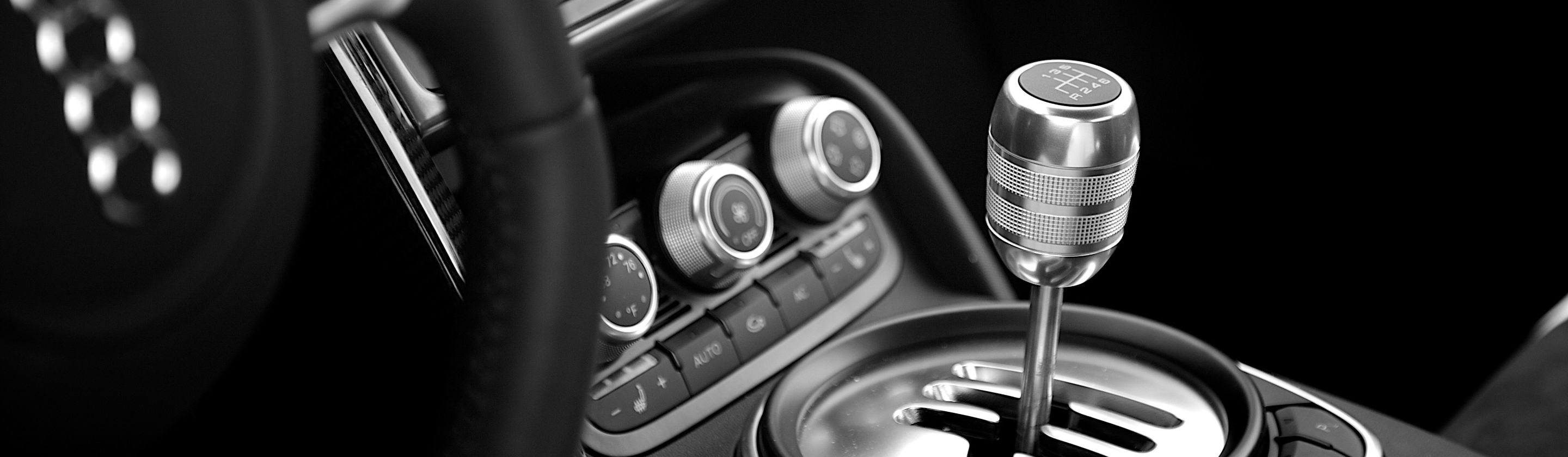
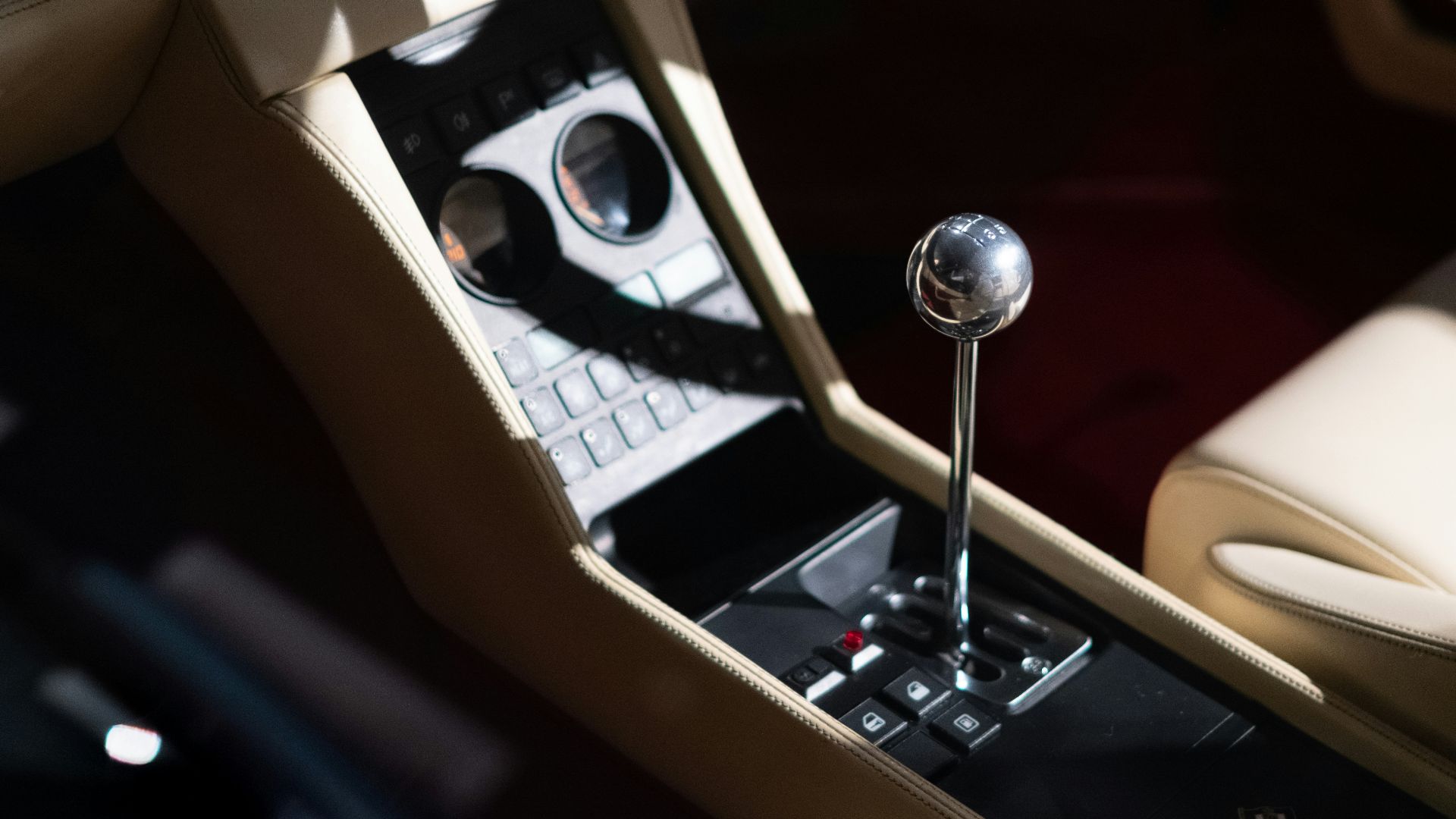
Manual fans keep coming back to control, and that point is easy to understand. TREMEC says a manual lets the driver decide exactly when to shift instead of waiting for the transmission to make the call, and says that matters in performance driving. Keeping the engine in its power band changes the way a car feels through corners. That is partly an enthusiast argument, sure, though it’s also a pretty clean summary of what manual drivers think they’re holding onto.
There’s also the physical side of it, which matters more than people sometimes admit. TREMEC describes manuals as offering a more “visceral, personal connection” and points to the direct connection between crankshaft and driveshaft, without the torque-converter slip of a traditional automatic. It's more opinion than fact, but it gets at something real. People who love manuals aren't worried as much about the pros and cons list. They’re talking about feel, rhythm, timing, and the satisfaction of getting it right.
Even automakers still offering manuals tend to frame them that way. In a recent Business Insider report, Ford CEO Jim Farley said, “We offer manuals because some people really love driving them. They love being connected to the car,” and added that Ford plans to keep building them as long as customers care that deeply. That says plenty all by itself. Manuals are no longer the broad-market answer, though they still matter where engagement is part of the appeal.
Why The Stick Shift Still Means Something
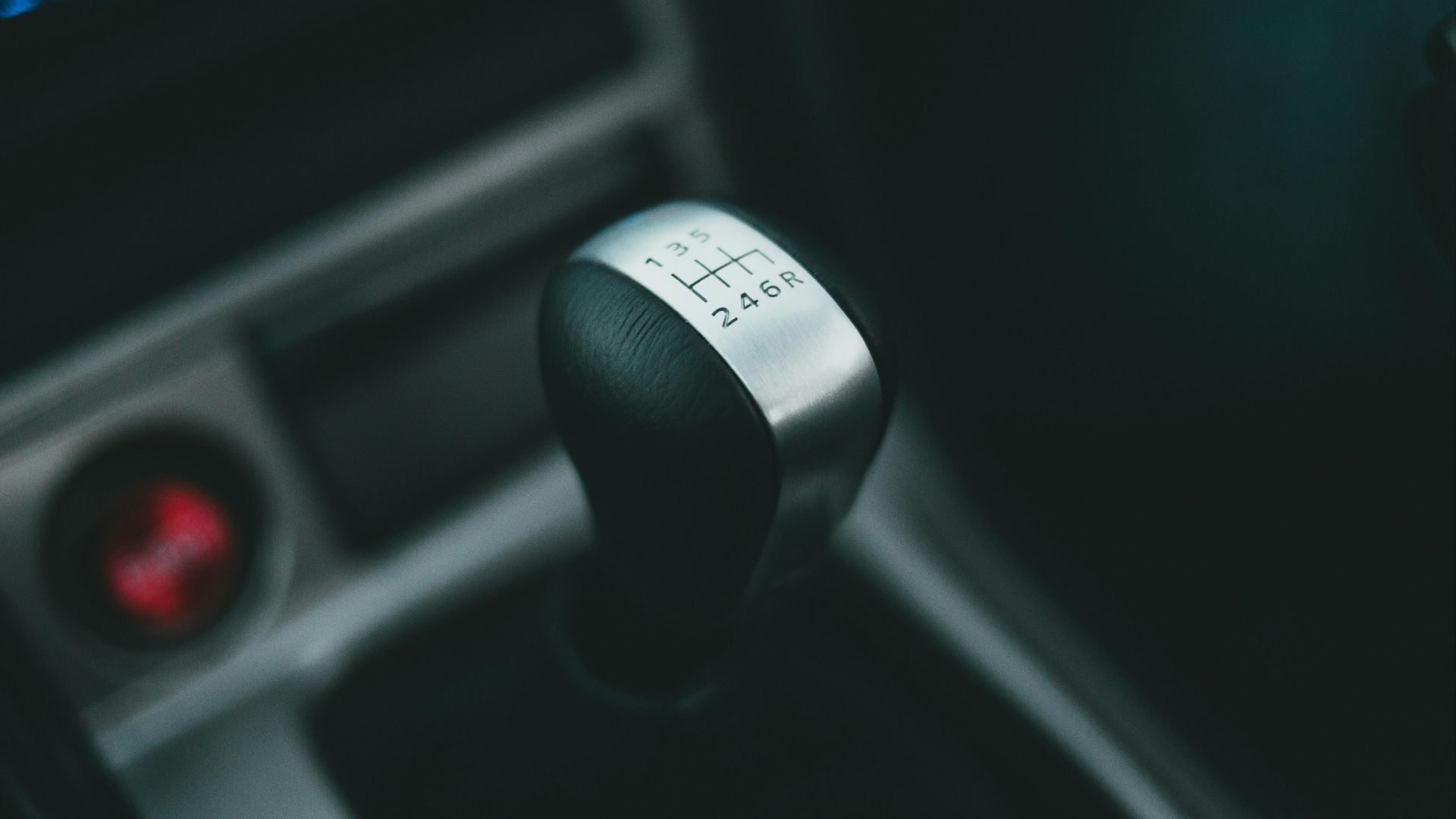
The practical case for manuals has changed, though it hasn’t disappeared. J.D. Power says the machinery inside a manual transmission system is much simpler, while also warning that manuals can need more frequent fluid changes and clutch-related service. At the same time, it says automatic repairs can be more expensive and tougher to diagnose when something goes wrong. So the old line that manuals are always cheaper isn't necessarily correct, but the simplicity argument still has some weight.
That mix of practicality and feeling is part of why manuals have picked up a kind of cultural gravity. They’re not the easy choice anymore, and nobody’s pretending they’re the default. Choosing one now says something about what you want out of a car, whether that’s involvement, habit, skill, or just the belief that driving should ask a little more of you than pressing a pedal and letting the software sort it out.
Automatics won because they got smoother, smarter, and efficient enough to become the answer for almost everybody, and the DOE’s numbers leave very little room to argue with that. Still, the drivers who never got won over aren’t really trying to reverse the market at this point. They’re holding on to something smaller and more personal: the feeling that driving is better when your hands, your feet, and your timing all have a job to do.