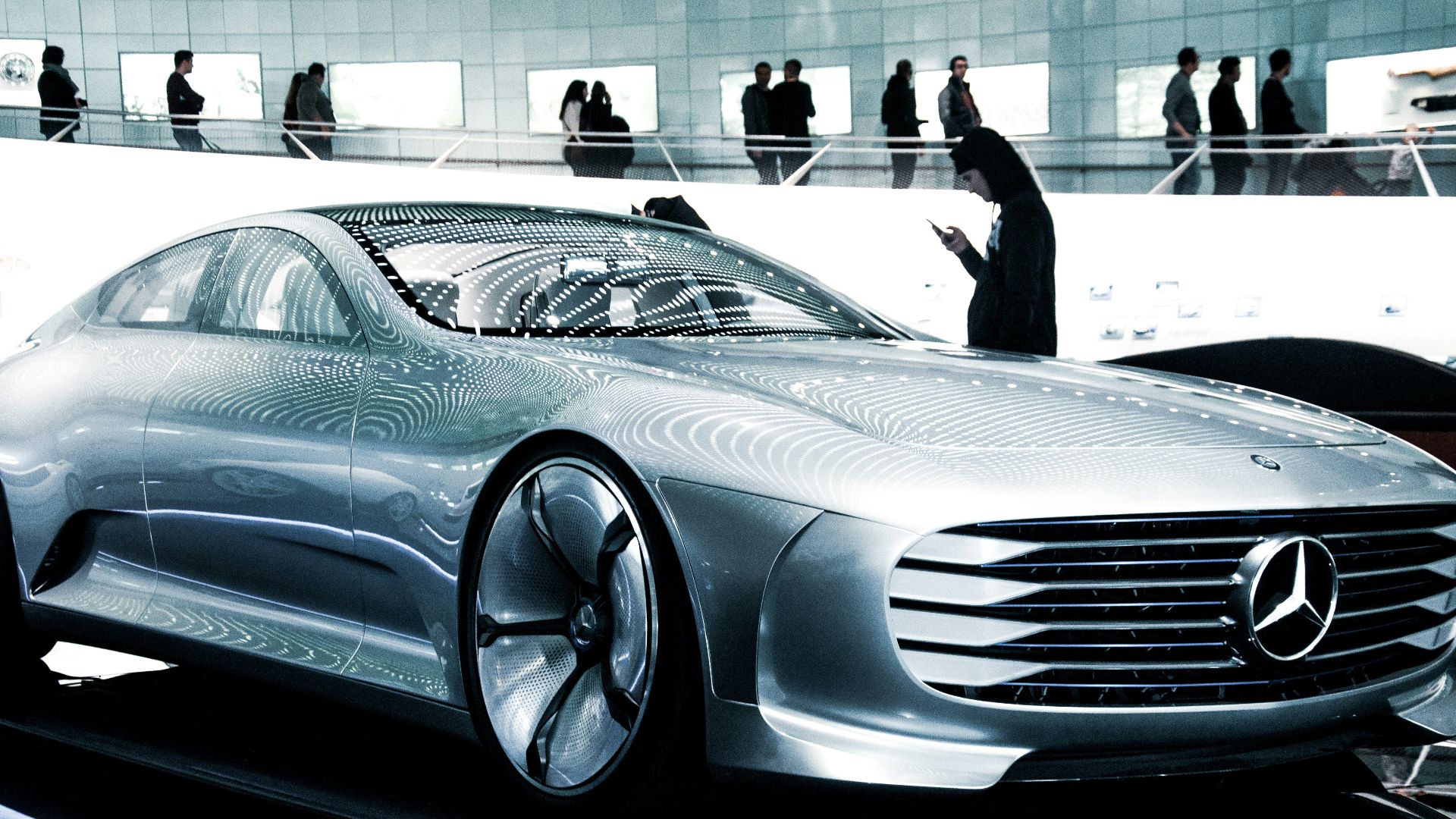
For most of automotive history, change arrived in recognizable waves. Cars got safer, faster, more comfortable, more efficient, and occasionally much better at making cupholders everyone could agree on. But the basic formula stayed familiar: engine up front or somewhere nearby, driver in charge, fuel in the tank, and a dashboard that mostly kept its opinions to itself.
Now, nearly every part of the car is being questioned at once. Powertrains are shifting, software is becoming central, new brands are challenging old ones, and buyers are being asked to rethink what a car even is. The International Energy Agency reported that electric car sales topped 17 million globally in 2024 and made up more than 20% of global car sales, while analysts continue to point to software-defined vehicles as one of the industry’s biggest transformations. That’s a lot of change for one parking lot.
The Powertrain War Is Finally Interesting Again
For decades, car enthusiasts argued about engines in a mostly familiar language. V8s, turbo fours, straight-sixes, diesels, rotaries, and hybrids all had their loyal defenders, and everyone else learned to nod politely. Today, that argument has become much stranger and more exciting. Electric vehicles, plug-in hybrids, traditional hybrids, high-efficiency gas engines, synthetic fuels, and hydrogen experiments are all fighting for relevance at the same time.
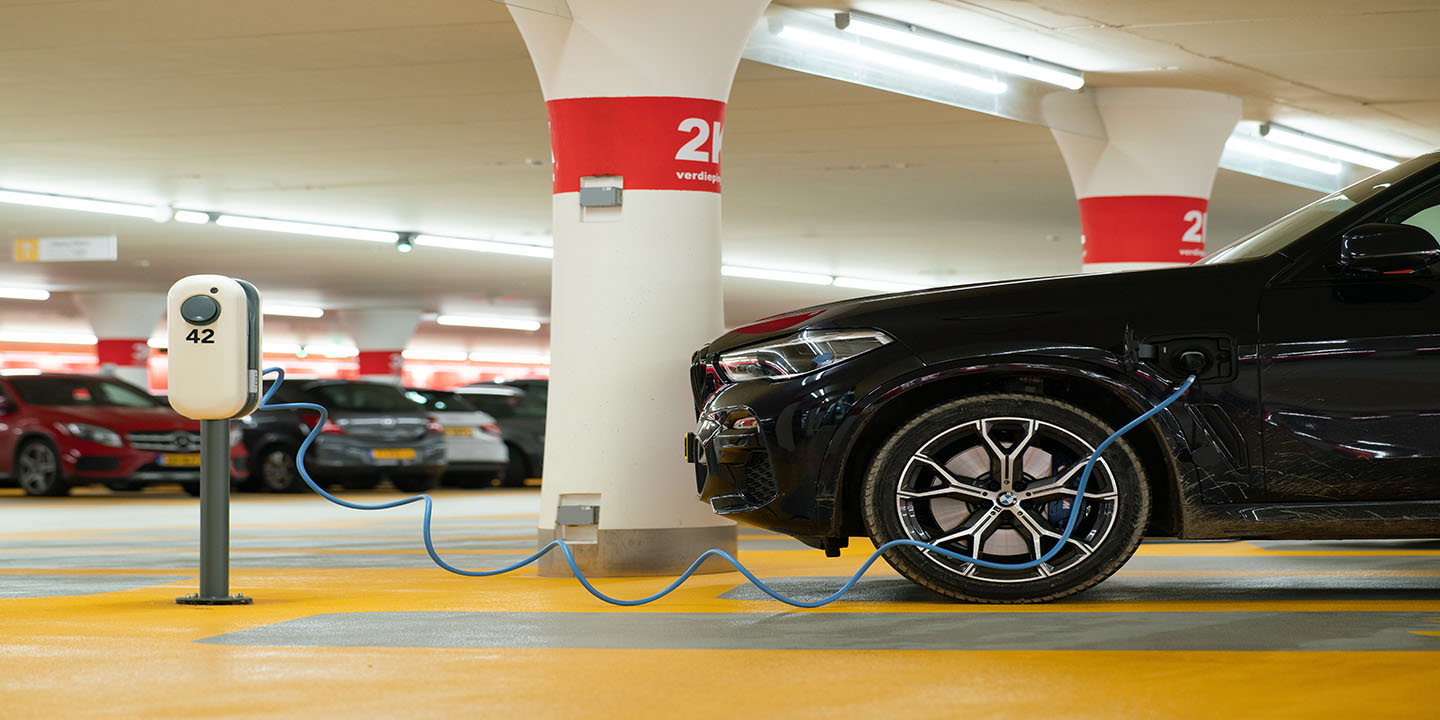
The best part is that electrification hasn’t simply made cars boring. Electric motors can deliver instant torque, all-wheel-drive systems can be tuned with incredible precision, and even practical family cars can accelerate like yesterday’s sports sedans. At the same time, hybrids are proving they’re not just a compromise but a genuinely clever bridge between old and new. You can now buy efficiency, speed, silence, or mechanical drama in combinations that would’ve sounded ridiculous not long ago.
This moment is exciting because no single answer has fully won yet. EVs are growing quickly, but charging infrastructure, battery costs, range expectations, and regional differences are still challenges. Hybrids are having a major moment because they fit many drivers’ lives without requiring a full lifestyle rewrite. Gas-powered enthusiast cars, meanwhile, are becoming more special precisely because everyone knows their era is changing.
That tension gives today’s market a rare sense of variety. A person shopping for performance might consider an electric sedan, a plug-in hybrid supercar, a turbocharged manual coupe, or an old-school V8, while those still exist. A family buyer might compare a hybrid SUV, a full EV, and a fuel-efficient gasoline crossover in the same afternoon. Automotive history is rarely this messy, and messy can be wonderful.
Cars Are Becoming Computers, For Better and Weirder
The phrase “software-defined vehicle” may sound like something out of a science fiction novel, but it's very much a reality. Cars are moving from being mostly mechanical products with some electronics to rolling digital platforms that can be updated, reconfigured, and improved after purchase. Automotive software and electronics market is shifting toward central and zonal computing architectures that support over-the-air updates, connectivity, and AI-enabled features, meaning new cars are basically devices on wheels.
That shift brings genuine benefits. Safety systems can improve, navigation can get smarter, battery management can become more efficient, and new features can arrive without a trip to the dealership. Driver-assistance systems are also evolving quickly, even if the gap between marketing and real-world responsibility still deserves a raised eyebrow.
Of course, software also brings new frustrations. Touchscreens can bury simple controls, subscription features can irritate buyers, and bugs in a car feel much less charming than bugs in a phone. The challenge for automakers is making cars smarter without making drivers feel like beta testers.
Still, this is one of the most exciting parts of the current era because the car is becoming more flexible. Automakers are no longer just competing on horsepower, leather, and badge prestige. They’re competing on interfaces, updates, energy management, driver assistance, data, and digital ecosystems. Whether you love that or miss a simple volume knob, it’s hard to deny that the battlefield has expanded.
The Old Guard Is Being Forced to Wake Up
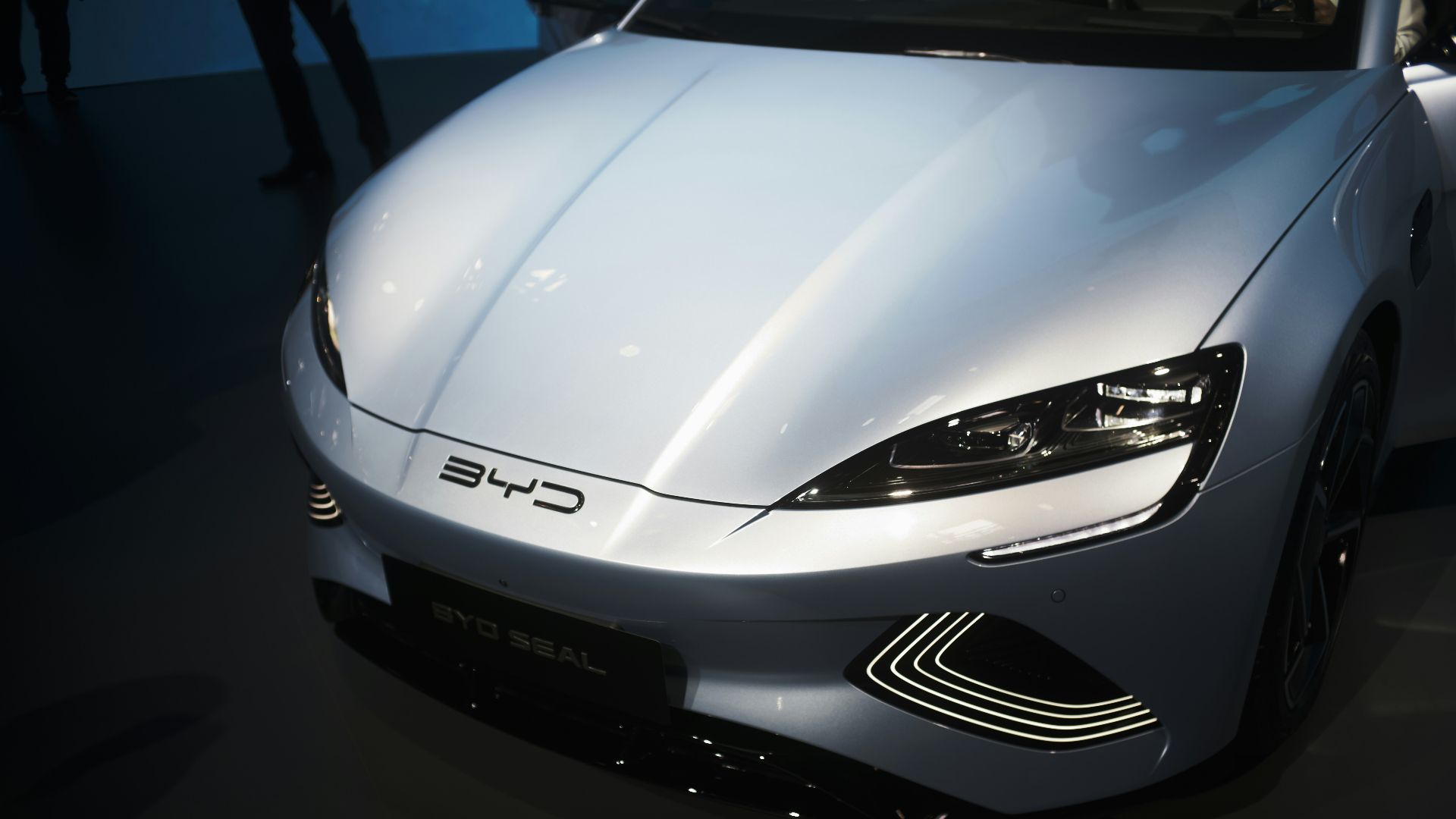
One reason this moment feels historic is that legacy automakers can’t rely on nostalgia alone. Brands with a century of reputation are being challenged by newer EV companies, aggressive Chinese manufacturers, software-first startups, and buyers who don’t automatically care what their grandparents drove. The result is pressure, and pressure tends to make car companies either innovate or reveal that their PowerPoint slides were doing most of the work.
China’s rise has made the global auto industry especially unpredictable. The Chinese company, BYD, is now the best-selling EV company in the world, meaning established automakers now have to respond not just to Tesla, but to a broader field of fast-moving competitors. The auto industry used to feel like a club with familiar members; now someone keeps kicking open the door with a cheaper, smarter EV.
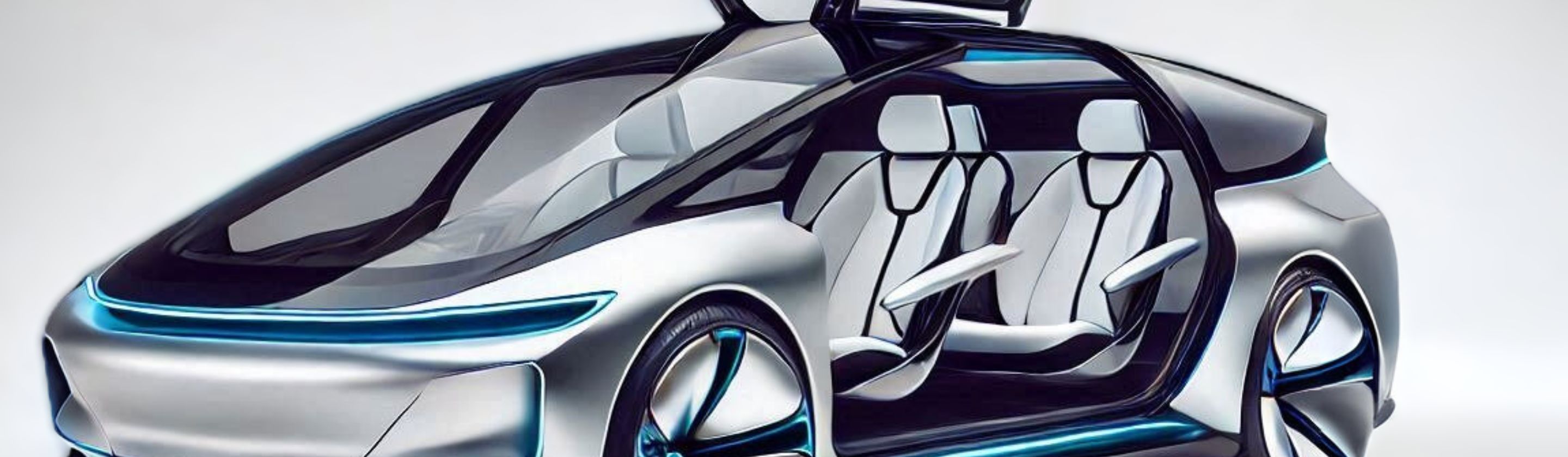
Design is also being forced into new territory. EV platforms allow different proportions, flat floors, front trunks, lounge-like interiors, and more freedom in packaging. Some companies are using that freedom beautifully, while others appear to have mistaken “futuristic” for “aggressively odd.” Either way, the visual language of cars is changing, and that alone makes this period worth watching.
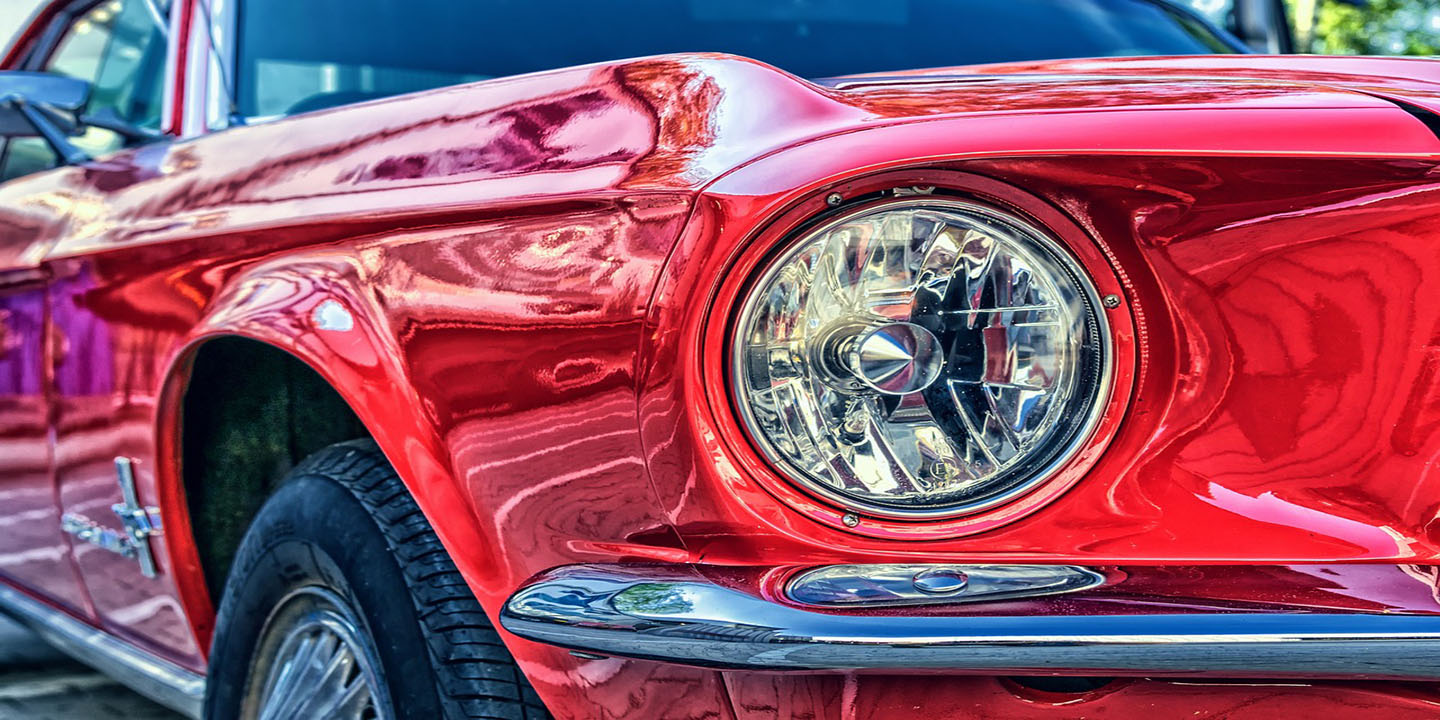
Even enthusiast culture is evolving rather than disappearing. Manuals, lightweight sports cars, roaring engines, and analog steering feel are becoming more precious, while EVs and hybrids are creating new forms of speed and control. One single garage not too far in the future may include a vintage roadster with a manual transmission, an electric daily driver, and a hybrid performance car, and that's pretty cool.
The Future Is Unsettled, Which Is Why It’s Fun
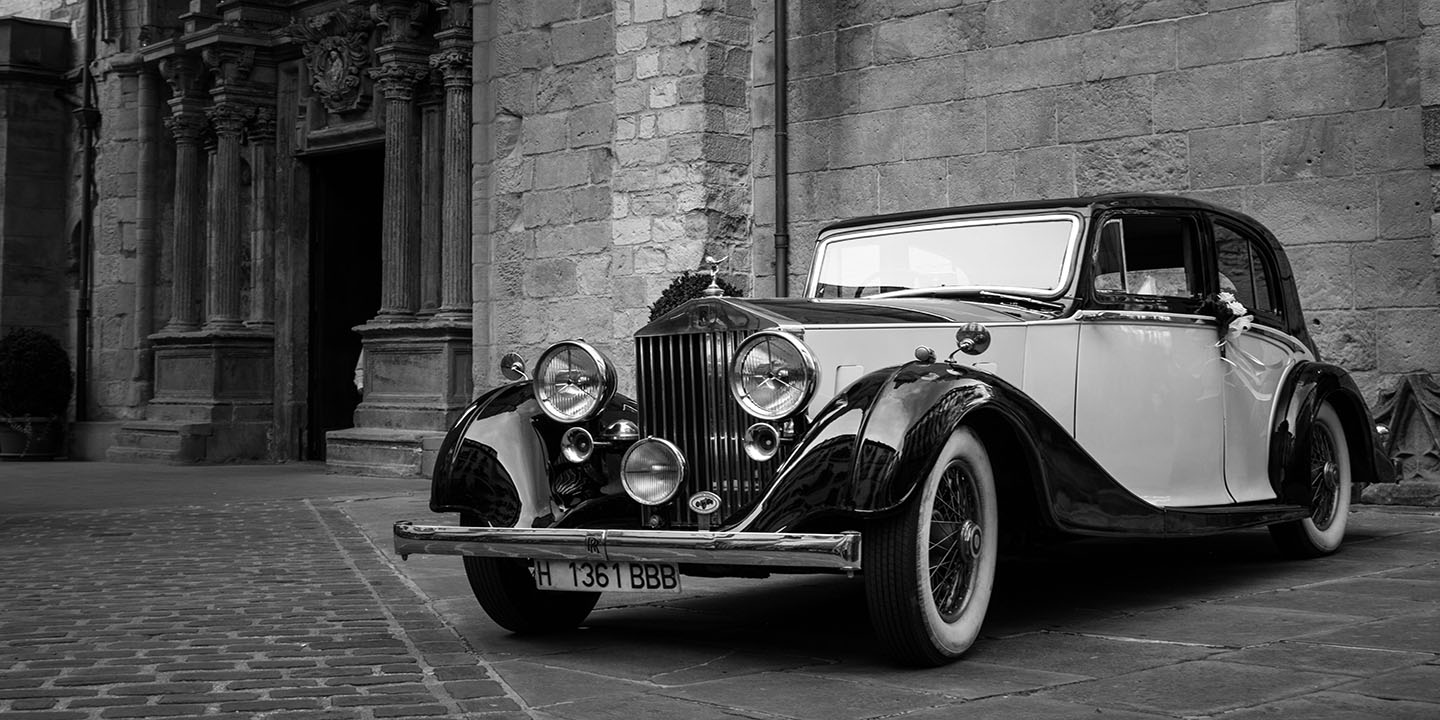
The most exciting periods in automotive history are usually the ones where nobody quite knows what comes next. The early 1900s had steam, electric, and gasoline cars competing at the same time. The postwar era brought mass mobility, wild styling, motorsport legends, and the rise of global brands. Today has its own version of that uncertainty, only with batteries, software, autonomous systems, climate pressure, and supply chains joining the party.
Not every change will be good, and not every new idea deserves applause. Some cars will become too heavy, too screen-heavy, too expensive, or too dependent on features nobody asked for. Some brands will overpromise, some startups will vanish, and some beloved models will disappear. That’s part of what makes this moment feel alive.
What makes now different is the sheer number of revolutions happening at once. The car is changing as a machine, a consumer product, a digital platform, an energy device, and a cultural object. Buyers have more choices, more confusion, more efficiency, and more reasons to argue online than ever before. For anyone who loves cars, this is not a quiet transition.