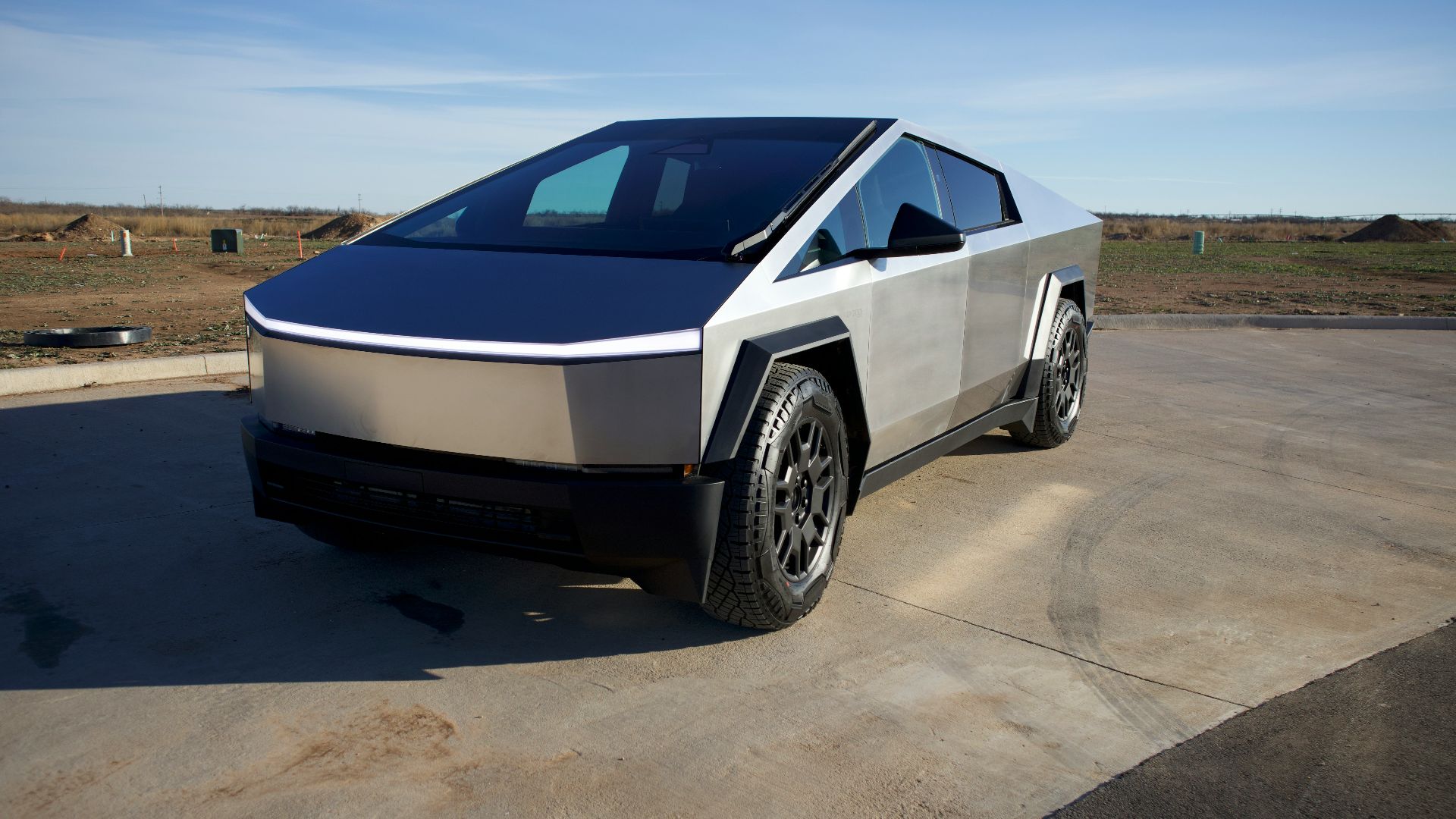
 Somalia Veteran on UnsplashThe Tesla Cybertruck has quickly become one of the most talked-about vehicles in recent years, largely because of its unconventional design and bold promises. With its angular stainless steel body and futuristic branding, it stands out in a market full of familiar-looking pickups. While some people see it as a glimpse into the future, others question whether it actually meets everyday needs.
You might find yourself wondering whether the Cybertruck is truly useful or simply a statement piece. It’s marketed as a high-performance, durable, and innovative truck, but not every feature translates into real-world value. Like many highly publicized products, its appeal depends on how well it fits into daily life. Looking beyond the hype helps clarify whether it’s something people genuinely need or just want. That distinction often becomes clearer once you consider how you’d actually use it day to day.
Practicality Versus Everyday Use
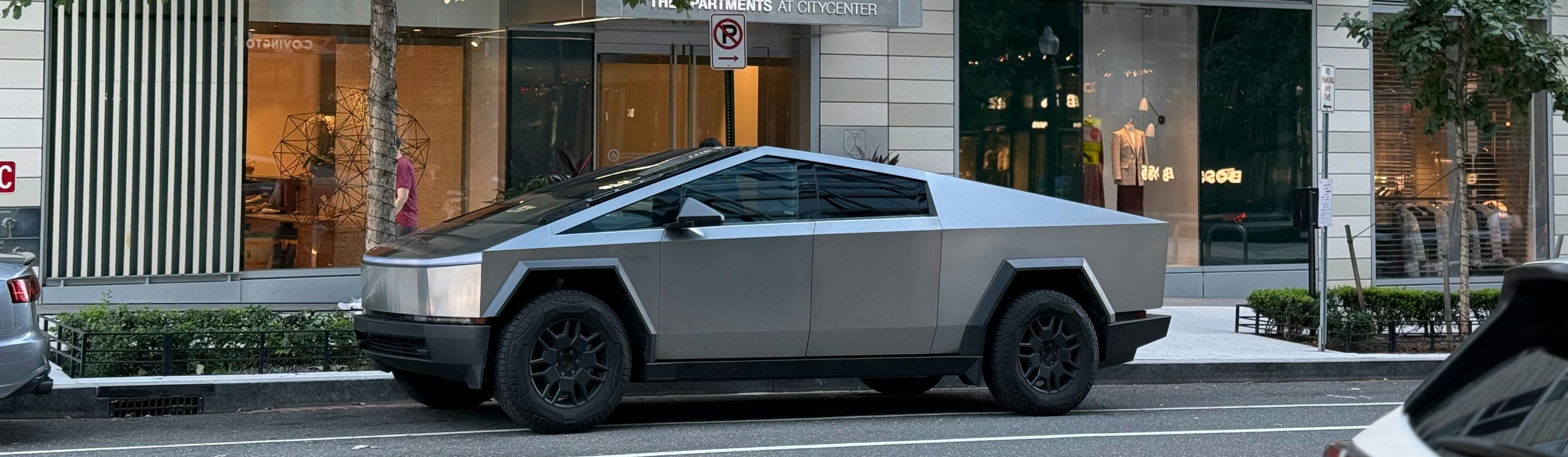
The Cybertruck is designed to function as a pickup truck, but its real-world practicality depends heavily on how you plan to use it. Traditional trucks are built with versatility in mind, from hauling materials to navigating rough terrain. While the Cybertruck claims to match or exceed those capabilities, its unusual shape and size can create challenges in everyday settings. Parking, maneuvering in tight spaces, and fitting into standard garages may not be as straightforward as with more conventional trucks. These small inconveniences can add up quickly in daily use.
Its stainless steel exterior is often promoted as durable and resistant to damage. While this can reduce minor dents and scratches, it also makes repairs more complex and potentially more expensive. Unlike standard vehicle panels, stainless steel requires specialized handling, which could limit repair options. This trade-off means durability doesn’t automatically translate to convenience. For many drivers, ease of maintenance matters just as much as durability.
Another factor to consider is how often most people actually use a truck for heavy-duty tasks. Many truck owners primarily use their vehicles for commuting or light hauling rather than demanding work. In those cases, the Cybertruck’s extreme capabilities may go underutilized. This raises the question of whether its design is solving a problem most drivers don’t really have. It highlights how marketing can sometimes outpace actual everyday needs.
Performance and Technology Appeal
Tesla has built its reputation on performance and innovation, and the Cybertruck reflects that focus. It offers strong acceleration, high towing capacity, and advanced electric drivetrain technology. For drivers interested in cutting-edge features, this can be a major draw. The integration of software updates and driver-assistance systems adds to its appeal. These features position it as more than just a traditional pickup.
However, high performance isn’t always necessary for everyday driving. Most people don’t need rapid acceleration or maximum towing power in their daily routines. While these features are impressive, they can feel excessive for typical use. This gap between capability and necessity is common with high-end vehicles. It often leaves buyers paying for performance they rarely use.
The technology inside the Cybertruck also contributes to its identity as a forward-looking product. Its minimalist interior and large touchscreen reflect Tesla’s design philosophy. While this can feel modern and streamlined, it may not suit everyone’s preferences. Some drivers prefer more traditional controls and layouts for ease of use. Adjusting to a fully digital interface can take time for many users.
Lifestyle, Image, and Real Need
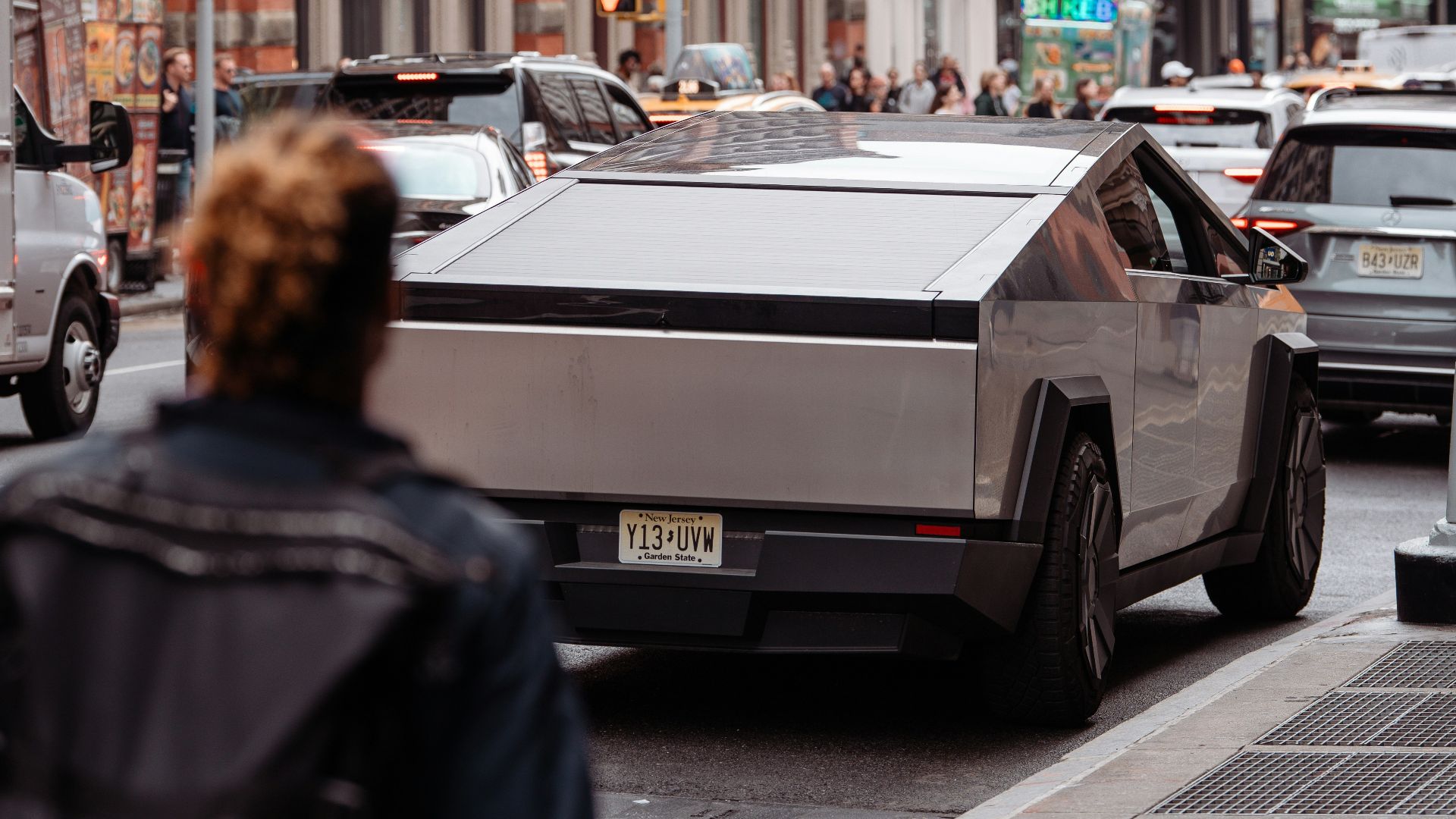
A large part of the Cybertruck’s appeal comes from what it represents rather than what it does. It signals innovation, boldness, and a willingness to embrace something different. For some buyers, that identity is just as important as functionality. Owning one can feel like making a statement rather than simply choosing a vehicle. This emotional connection plays a bigger role than many people realize.
This connection between vehicles and personal identity isn’t new, but the Cybertruck amplifies it. Its design is intentionally polarizing, which keeps it in public conversation. People who choose it often do so because they like standing out. In that sense, its value is partly emotional rather than purely practical. The attention it draws can even become part of the ownership experience.
When you look at whether anyone truly needs a Cybertruck, the answer becomes clearer. Most people’s transportation needs can be met with simpler, more conventional vehicles. The Cybertruck offers features and design elements that go beyond necessity.
In the end, the Cybertruck is less about need and more about what you want from a vehicle. It delivers innovation, performance, and a distinct identity, but those qualities aren’t essential for most drivers. For some, it’s an exciting step forward, while for others, it feels unnecessary. Understanding that difference helps you decide whether it’s a practical investment or simply an appealing idea. Your decision ultimately depends on how much you value uniqueness over practicality.