Walking shouldn't be one of the more complicated ways to get around. You don't need a license, you don’t need insurance, and you definitely don’t have to worry about a working knowledge of dashboard warning lights. And yet, if you were to ask your everyday driver what drove them up the wall the most, they’d have an answer: pedestrians—especially those who intentionally forgo the sidewalk. We don’t know when people gradually made the move, but it’s a growing phenomenon that puts everyone in danger.
That choice might not feel especially troublesome on a quiet street, but putting pedestrians and moving vehicles in the same space removes one of the most basic layers of protection built into a road. Let’s talk about why this is a bigger issue than most people think.
Sidewalks Separate Two Very Different Types of Traffic
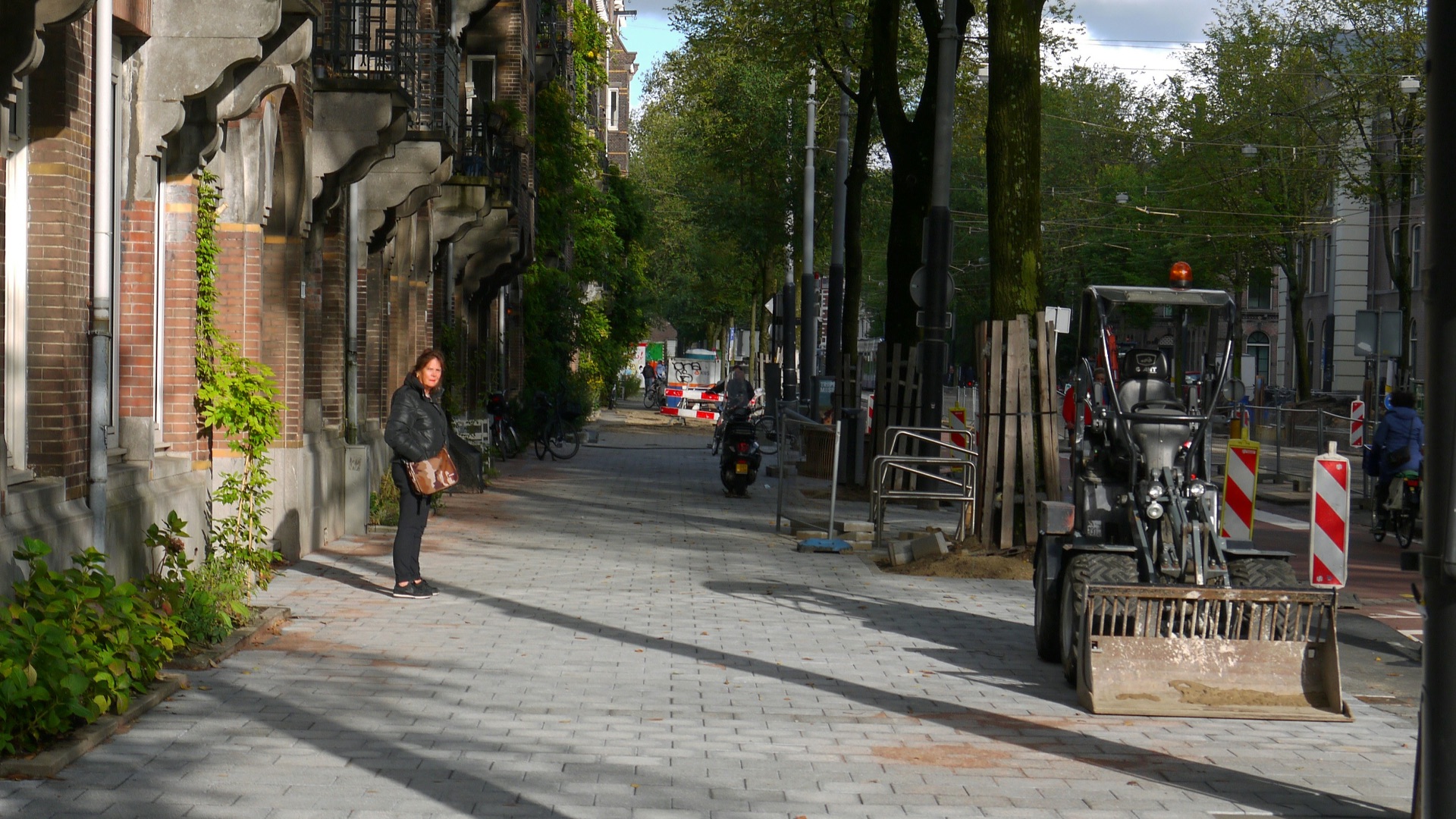
A sidewalk's job isn't glamorous, but that doesn’t mean it’s worth ignoring. It creates physical separation between people traveling at walking speed and vehicles weighing thousands of pounds. Once pedestrians mosey into the street, drivers have less room for error, and walkers have a lot less protection if somebody takes their eyes off the road for even one second.
Don’t believe us? Picture an ordinary neighborhood with cars parked along both sides of the road. A person walking beside those parked cars may suddenly become visible to an approaching motorist only after the driver has already closed the distance. Sticking to the sidewalk keeps the pedestrian farther from moving traffic and in a place drivers expect people to be.
Predictability also matters on the road; drivers are constantly processing information, and the last thing they need is to worry about someone with a stroller haphazardly walking in front of them. The problem only gets worse after dark—detecting pedestrians gets harder. NHTSA reports that 76% of pedestrian deaths in 2024 occurred when it was dark, which makes voluntarily walking close to traffic particularly questionable once visibility drops. A sidewalk can't eliminate nighttime danger, but it can provide valuable distance between you and a set of headlights.
Walking in the Road Causes Problems For Drivers, Too
Pedestrian safety obviously takes the cake; a person on foot has no protection in a collision. But it’s not like drivers are immune to problems when pedestrians do whatever they please. Imagine rounding a curve only to see two people walking side by side near the edge of your lane. You only have a few seconds to decide whether to brake, move toward the center line, or wait for oncoming traffic to clear before safely passing them. All of that’s avoided if you just stick to the sidewalk!
Even a careful driver can be forced into an awkward decision if there's another vehicle approaching from the opposite direction. What began as an ordinary walk has suddenly changed how several motorists must position their vehicles. Not to mention, large vehicles only make that discomfort more obvious. Anything from a bus or delivery truck to a pickup or SUV takes up more roadway than a sedan, leaving less space when passing somebody walking in the middle of the road.
Don’t get us wrong; none of this excuses motorists from watching for pedestrians or driving at an appropriate speed. At the end of the day, it’s up to drivers to remain responsible, paying attention and responding safely to people sharing the road. Still, road safety works better when everybody behaves predictably. There’s a reason predictability is basically built into your driver’s guide!
The Old Sidewalk Habit Is Worth Bringing Back
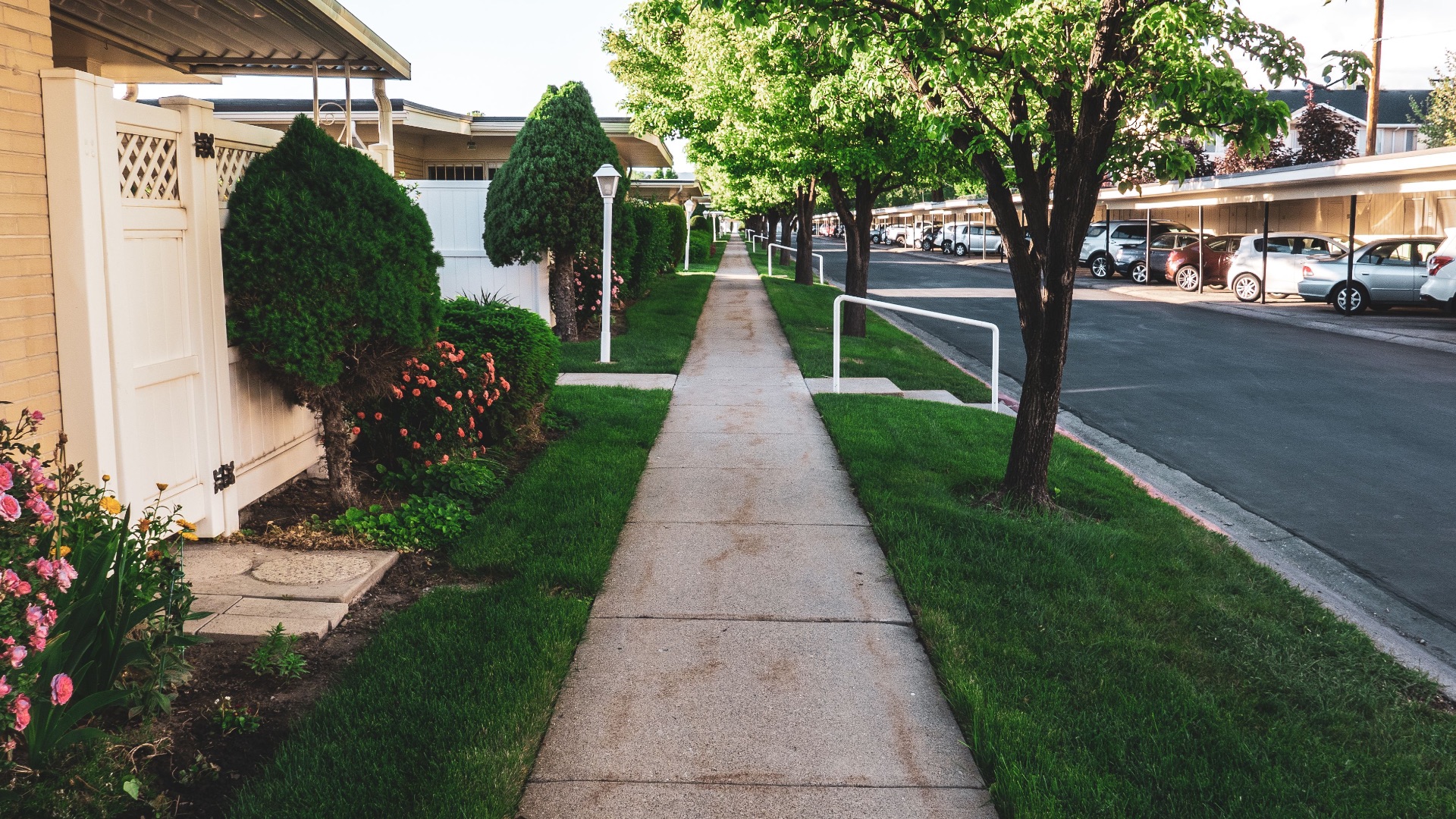
Of course, not every street actually has a sidewalk, and some existing paths aren't exactly usable. Cracks, snow, construction, poor lighting, obstructions, and sections that abruptly disappear can force pedestrians elsewhere. Let’s also not forget that people with chronic pain really can’t handle literal bumps in the road, so if a sidewalk’s bumpy, they have to go where they’re most comfortable.
But when there isn't a usable sidewalk, the safety advice changes; it doesn’t disappear. NHTSA recommends walking facing traffic and staying as far away from moving vehicles as possible, allowing you to see approaching cars rather than having them arrive from behind. Reflective clothing or a flashlight can also improve visibility during nighttime walks.
What doesn't make much sense is abandoning a clear, accessible sidewalk simply because the roadway looks more convenient. Streets were never designed to give pedestrians and motorists an equal claim to the same strip of pavement. A few extra steps onto the sidewalk can remove an unnecessary conflict before either a driver or pedestrian has to react.
The forgotten pedestrian habit is simple: walk on the sidewalk when you've got one and can reasonably use it. It won't solve every pedestrian-safety problem, nor does it relieve drivers of their responsibility to watch the road carefully. What it does is restore a basic layer of separation that makes an ordinary neighborhood street safer and considerably less stressful for everyone using it.