Driving is treated almost like an inevitable part of adulthood, isn’t it? You turn the right age, get your license, buy a car, and spend the next several decades happily merging onto highways without giving it much thought. For plenty of people, though, getting behind the wheel never feels that natural.
Things have changed since the old days, and there’s nothing admirable about forcing yourself to drive when you’re overwhelmed, distracted, or deeply uncomfortable behind the wheel. Being licensed doesn’t even mean that driving is the smartest choice for every person or every situation. Sometimes knowing your limits is more responsible than pretending they don’t exist.
Driving Takes More Skill Than People Admit

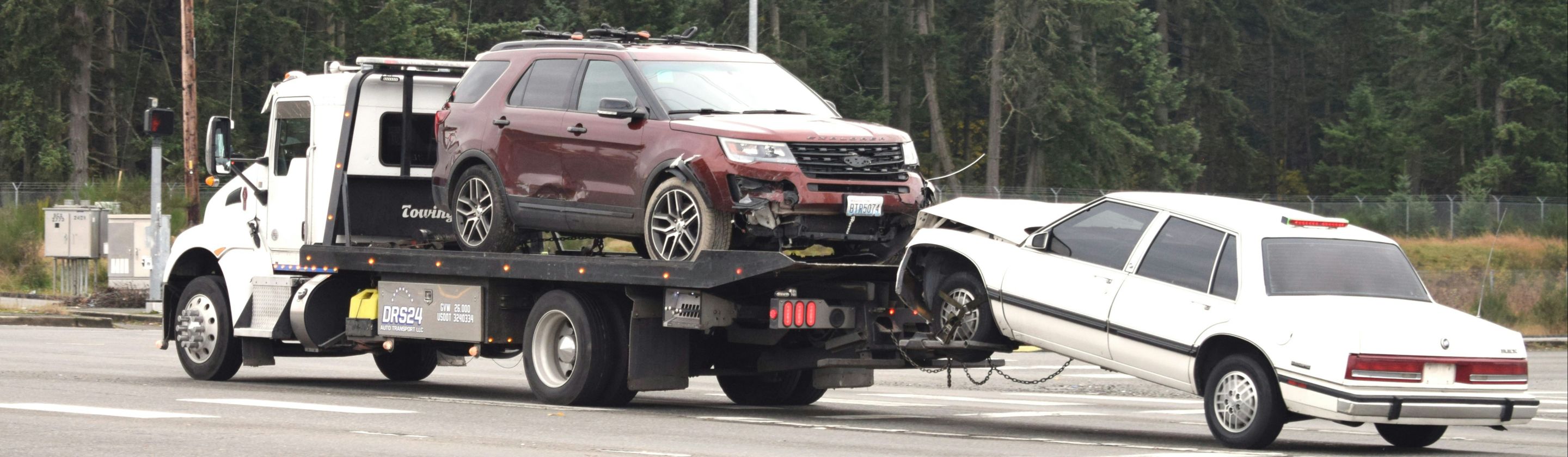
Passing a driving test really only proves one thing: that you met a required standard on a particular day. As useful as those tests can be, they never prepare you for the life-and-death scenarios everyday traffic throws at you. Drivers have to watch surrounding vehicles, pedestrians, cyclists, road signs, changing lights, blind spots, speed limits, and unexpected hazards almost simultaneously. That constant stream of information can be tough to juggle, especially if you thought you were ready.
Confidence plays an important role, although confidence alone doesn’t make someone capable. If every freeway entrance leaves you panicked, forcing yourself through that stress doesn’t accomplish much. To make matters worse, some drivers struggle more with spatial awareness than nerves. Judging the width of a parking space, estimating how quickly another vehicle is approaching, or knowing exactly where your car sits within a narrow lane can remain difficult even after plenty of practice.
Let’s not forget that physical abilities can change as well. A person who once drove everywhere may find certain situations harder, and the CDC notes that changes in vision, physical functioning, and memory can affect driving in some older adults. Recognizing those changes early is much better than waiting for a close call to prove otherwise.
There’s No Prize For Keeping the Keys
People often connect driving with independence, so when you give it up (even if you don’t turn your back on it entirely), it feels like losing that freedom. That emotional side of the issue helps explain why some people keep driving long after they’ve stopped enjoying it—or stopped being good at it.
There’s also a social expectation that every capable adult should want to drive. What’s better than getting your first set of keys as a teenager, right? Next thing you know, someone who prefers taking the train or ordering a rideshare can quickly find themselves explaining why they don’t just drive instead. Funnily enough, it’s that very pride or social stigma that stops us from admitting when driving has become difficult.
The same applies to people who have never enjoyed driving in the first place. Not everyone experiences that sense of freedom car enthusiasts talk about, and some drivers spend every trip counting the minutes until they can park. If you’d rather build your routine around other transportation options, there’s no reason to treat that preference like a personal failing.
You Don’t Have to Quit Driving Completely
 Francisco Gonzalez on Unsplash
Being uncomfortable behind the wheel doesn’t mean you need to hang in the towel tomorrow. Sometimes the better solution is changing when, where, and how you drive so you’re working within your abilities. A person who hates downtown traffic might do perfectly well on familiar suburban roads. Someone who hates driving at night can stick to a daytime schedule. It’s all about building around your comfort zone.
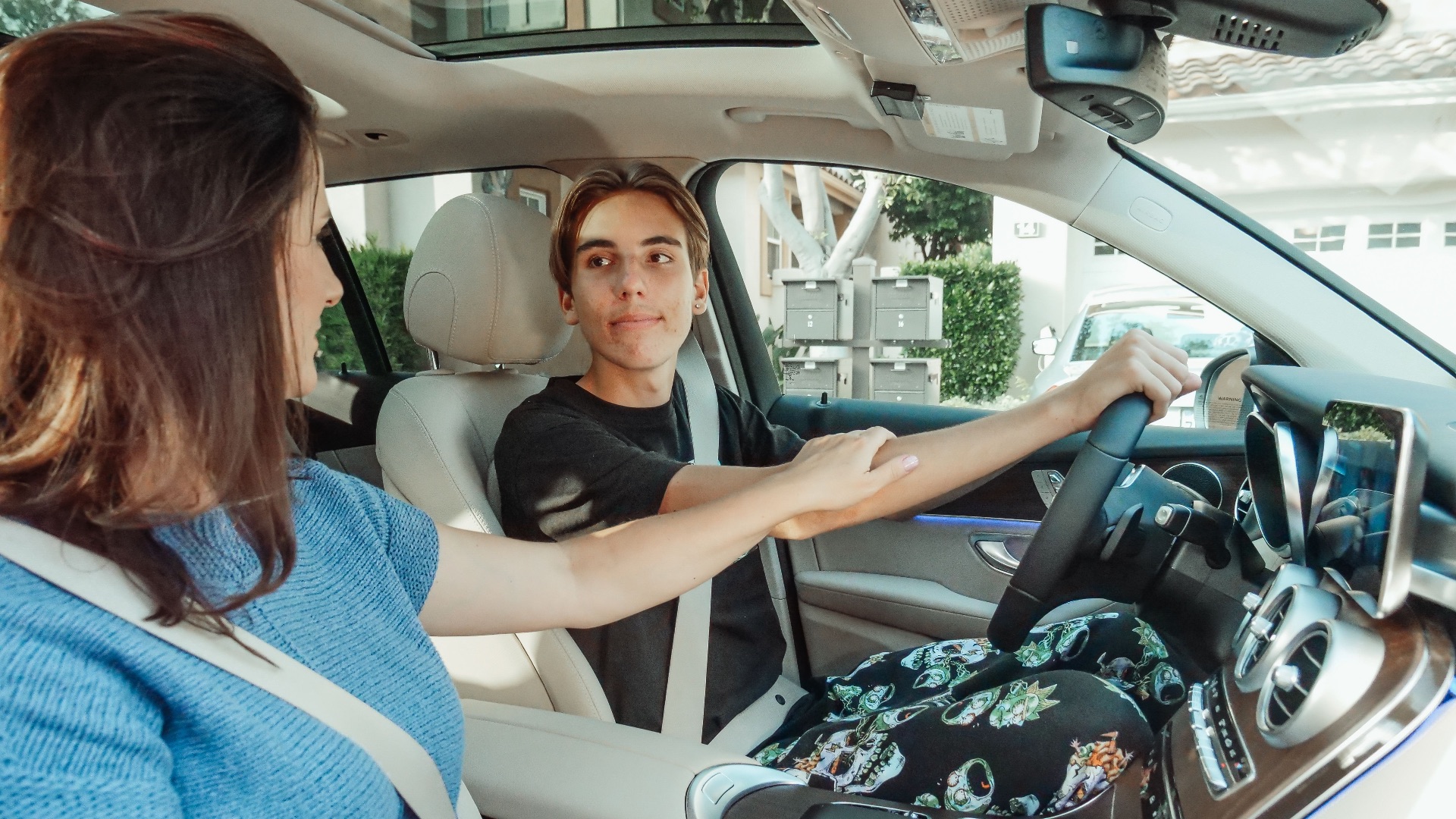
Refresher lessons are another sensible option when the problem is rusty skills rather than a fundamental inability to drive. A qualified instructor not only teaches you how to drive, but they can also identify habits you may not notice yourself. They can also provide practice without the tension that sometimes comes from learning beside a nervous relative.
There’s also no requirement to become the person who volunteers for every airport run and cross-country road trip. There’s no shame in driving to the grocery store and doctor’s office while leaving highways, unfamiliar cities, and difficult weather to somebody else. Creating personal limits can make driving less stressful while reducing unnecessary risk.
Transportation choices have also expanded in many communities, and you have more than enough options at your fingertips. Public transit, taxis, rideshares, carpooling, walking, cycling, community shuttles, and help from relatives can all form part of a workable routine.
Cars offer freedom, and plenty of people love being behind the wheel. That doesn’t mean everyone has to feel the same way or keep driving simply because they can. If driving consistently leaves you overwhelmed, frightened, or unable to handle traffic safely despite reasonable efforts to improve, admitting that isn’t failure. It’s recognizing that the best driver may be the person who knows when not to drive—don’t let anyone tell you otherwise.