 トヨタ自動車工業株式会社社史編集委員会 on Wikimedia
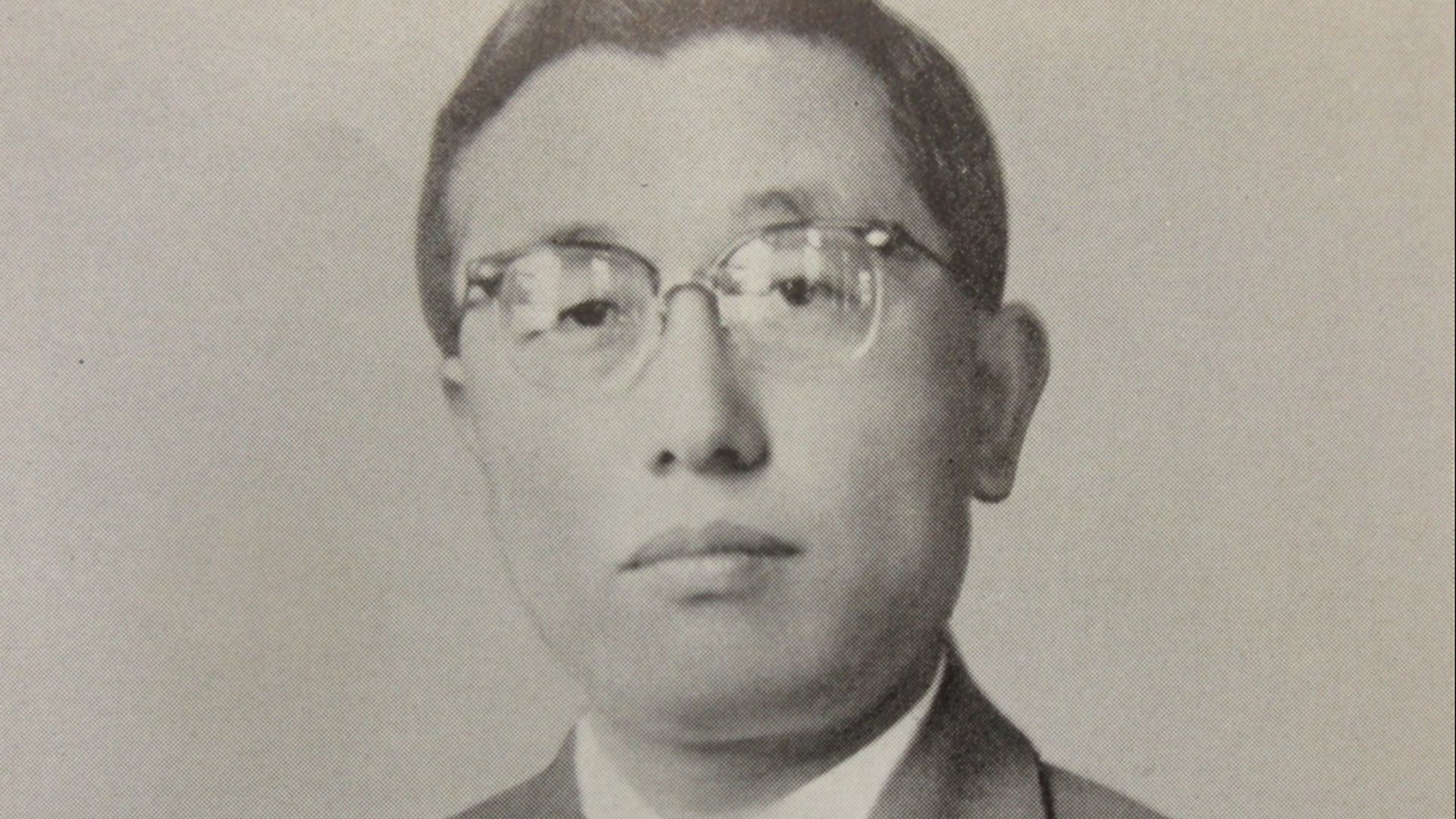
On February 17, 1983, Roger Smith of General Motors and Eiji Toyoda of Toyota shook hands over a memorandum of understanding. Smith called the ceremony a historic occasion, and the photographers got their picture. Not long before, laid-off American autoworkers had been smashing Japanese cars with sledgehammers in parking lots.
The deal put the two largest automakers in the world into one factory together. The site was a shuttered GM plant in Fremont, California, and the workforce would come from the same people GM had let go. What happened inside that building changed how nearly every car on earth gets built. It also became one of the most studied factories in business history.
The War Before the Truce
The oil shocks of the 1970s was behind the damage. American buyers wanted small, efficient cars, and Detroit had spent a generation building big ones. Japanese imports filled the gap, and the anger that followed turned ugly enough that the U.S. pressured Japan into voluntary export restraints in 1981, capping shipments at 1.68 million vehicles a year. Japanese automakers responded by building bigger, more profitable cars inside that limit.
Fremont had opened in 1963 and built more than 330,000 vehicles in 1978, but by the early 1980s it was the worst factory in the company. Absenteeism ran above 20%, and workers drank in the parking lot on breaks. Cars came off the line with parts missing.
By March 1982 it was closed, taking about 2,500 remaining jobs with it. The San Francisco Chronicle later reported that the closure devastated the community, and that at least six former plant workers died by suicide. Fremont had been a company town, and the company was gone.
An Empty Building and a Strange Idea
Talks between Smith and Toyoda started that same month. Each side wanted something the other had. GM wanted to learn how Toyota built small cars profitably. Toyota wanted a factory inside the United States before Washington turned export limits into tariffs.
According to Toyota's own corporate history, the February 1983 memorandum set the terms. The two companies would split ownership evenly, Toyota would name the president, and the venture would last no more than 12 years from the start of production. The Fremont plant would build a new front-wheel-drive compact.
Then came the part nobody expected. The United Auto Workers insisted that the new company rehire the old Fremont workforce, including the union leadership that had run GM's most troubled plant. GM objected, Toyota agreed, and more than 85% of the first hires had been laid off from that same plant in 1982.
What Came Out of Fremont
New United Motor Manufacturing, Inc. opened in December 1984, building the Chevrolet Nova. Workers who had once sabotaged cars on the way down the line could now stop that line entirely by pulling a cord when they spotted a defect. Toyota sent 30 managers and coordinators from Japan to teach the system, and hundreds of Fremont workers flew to Takaoka to see it running.
The numbers moved quickly. Absenteeism fell below 4%, quality beat comparable GM plants, and the factory ran at least 50% more productively than the rest of GM. Over 26 years, NUMMI assembled roughly 8 million vehicles, from Corollas to Pontiac Vibes.
GM never spread the lessons across its own plants, a failure that turns up in nearly every account of the company's 2009 bankruptcy. Toyota took what it learned about American workers and opened plants in Kentucky, Indiana, and beyond. NUMMI closed in 2010, and Tesla bought the building a few months later.