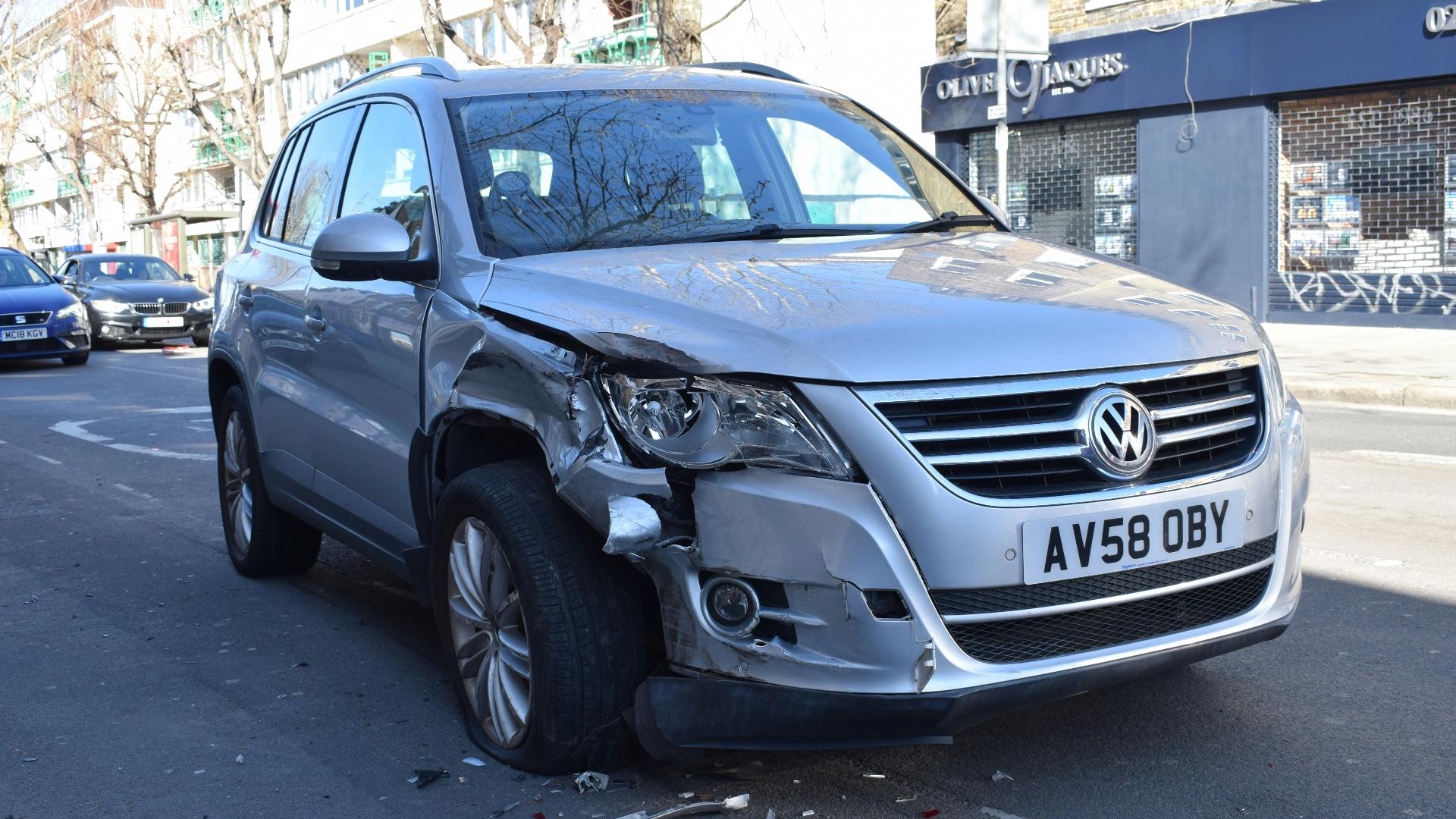
Someone hitting your vehicle and disappearing happens more often than you think—and so do the mistakes that come with it. A negligent driver can take off before you can exchange information, which creates a very special kind of confusion. One second you’re dealing with a normal drive, and the next you’re staring next to your dinged-up car while the person responsible vanishes.
But here’s the thing—what happens next isn’t just on the person who rode away without consequences. What you do afterward can matter for your safety, the police investigation, and any insurance claim you make. Procedures obviously differ between jurisdictions and policies, too, so authorities and your insurer should always have the final word, but there are several mistakes hit-and-run victims should avoid.
Don't Let Anger Take Over

Whatever you do, don't jump back behind the wheel and chase the fleeing driver. If anything, insurance companies go out of their way to specifically advise against those heat-of-the-moment decisions. Like it or not, your first priority should be checking yourself and your passengers for injuries. The next is shortly followed by getting somewhere safe. A license plate isn't worth turning one collision into a second potential fender bender.
You also shouldn't immediately shrug off a crash because everyone escaped intact. Adrenaline can make the moments afterward confusing, and some injuries don't become apparent immediately. If anyone has been seriously injured, it’s up to you to call 911. Not only that, but you should consider medical attention if pain or other symptoms only pop up after the fact.
At the same time, don't stay in a dangerous traffic lane—moving won’t somehow destroy your case. When your vehicle is operable, and local rules permit it, getting yourself out of active traffic is usually the safer option; turning on your hazard lights can also warn approaching motorists.
Don't Leave Evidence Behind
After a traumatic experience, it makes sense that the first thing you want to do is curl up at home. However, you should fight the urge, especially after you've just watched the other driver do exactly the same thing! Don't leave before you've reported the incident as required and gathered whatever information you safely can. Police-reporting requirements vary by location, but an official record can become important when authorities investigate. They also come in handy when your insurer reviews the claim.
Don't rely on your memory to preserve the details, either. Photograph your vehicle, the surrounding road, debris, skid marks, visible injuries, traffic signs, and anything else that could help explain what happened. Write down whatever you remember about the fleeing vehicle, too. That could include anything from its color and make to the model and plate characters. It never hurts to jot down where they went, either.
Witnesses are another resource you shouldn't ignore. Ask anyone who saw the crash for their name and contact information, and look around for businesses, homes, or intersections that may have cameras.
Now, here’s arguably the most important part: never embellish what happened when talking to police. A partial plate number that you're confident about is more useful than a complete one built off nothing but guesswork. The same applies to the driver's appearance or vehicle model. Stick with what you actually saw and distinguish it from anything you're uncertain about.
Don't Make Insurance Claims Harder Than Necessary
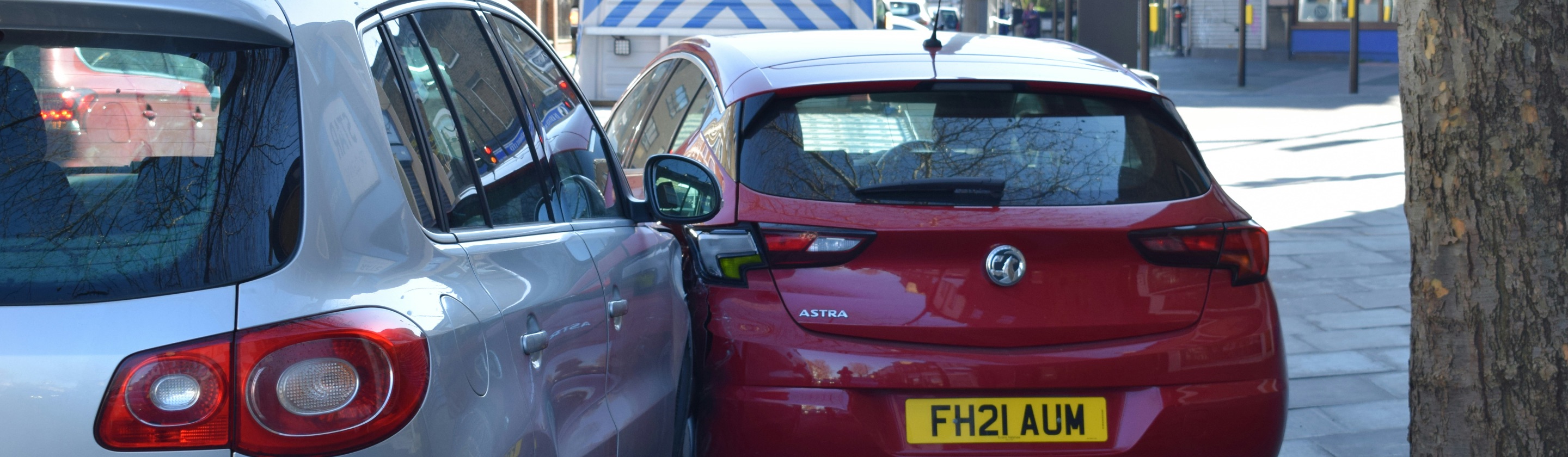
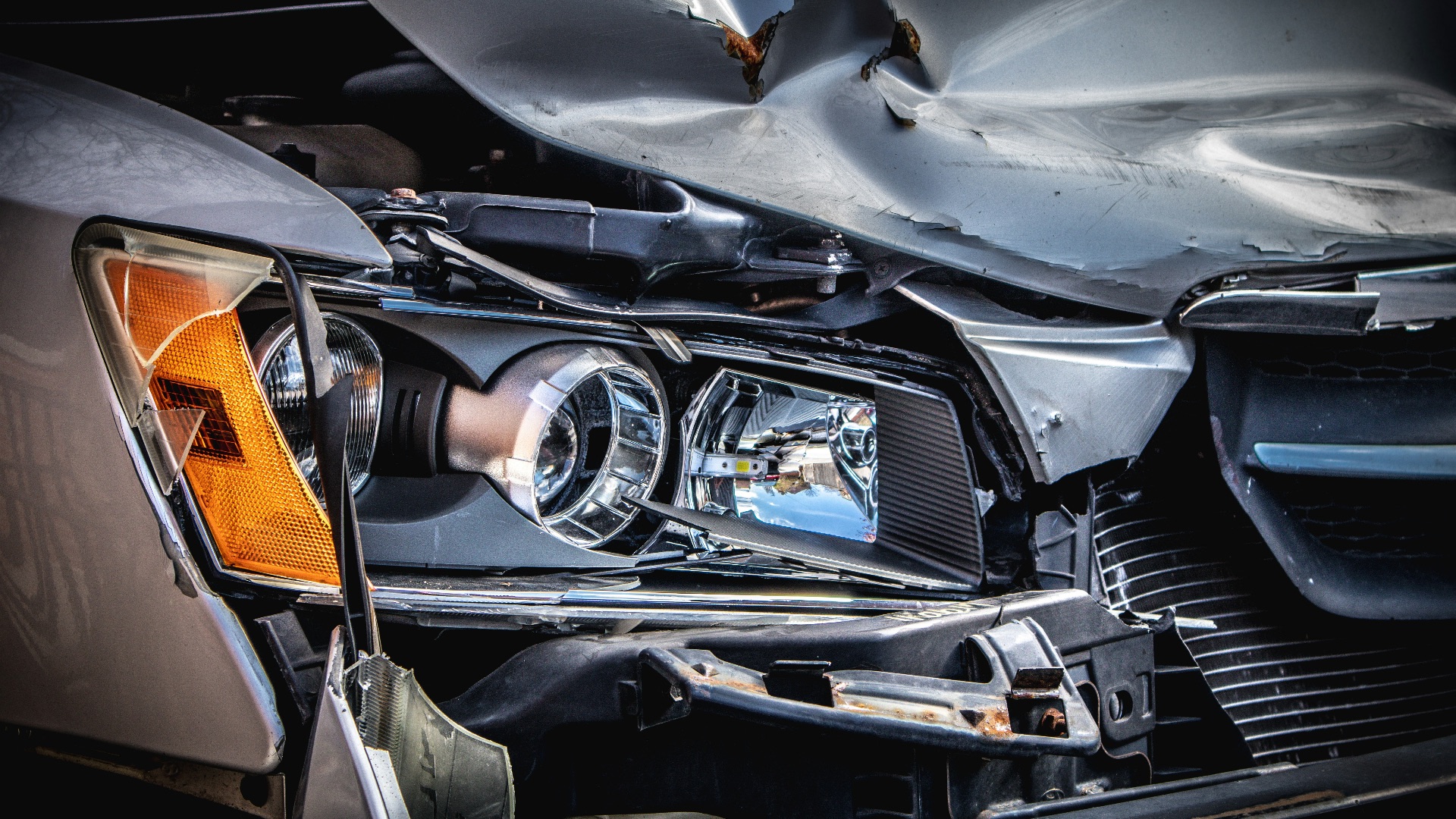 Clark Van Der Beken on Unsplash
After an especially mild accident, plenty of drivers hum and haw before actually contacting their insurers. In reality, that only creates more problems. Report the hit-and-run promptly and provide the police-report information, photographs, witness details, and other documentation. The best play is to get on the horn as soon as possible.
You also shouldn’t assume that "hit-and-run" means one type of insurance will pay for everything. Depending on your policy and where the collision actually happened, coverage may involve collision insurance, uninsured-motorist property damage, or uninsured-motorist bodily injury. Some jurisdictions can even restrict when uninsured-motorist property coverage can be used for an unidentified hit-and-run driver. That’s exactly why your own policy details are so important.
Another mistake is repairing the vehicle without documenting the damage or discussing the claim with your insurer first. Do yourself a favor, and approach the situation like a detective: take clear photographs, preserve relevant paperwork, and ask if your insurer needs an inspection before authorizing major work.
Finally, as much as it sucks to see someone literally drive away from responsibility, don't assume that being the innocent party means there's nothing left for you to do. Certain jurisdictions require additional accident reports when injuries or damage cross specific thresholds. Check the rules where your accident occurred, keep copies of everything, and handle the aftermath methodically rather than letting the fleeing driver's bad decision create another headache for you. It’s paperwork for you, but it’ll be worth it in the end.