
Chances are, you drive an automatic. When you want to drive, you put the car into Drive. If you want to park, you put the car into Park. Easy peasy, lemon squeezy. It's hard to imagine that learning how to drive a manual used to be an ordinary part of becoming an actual capable driver. But today, you're unlikely to find more than a handful of people who have ever used a clutch pedal before.
So: Is learning stick still worth your time? For many drivers, it certainly isn’t necessary, but usefulness and necessity aren’t quite the same thing. After all, knowing how to operate a manual can broaden the vehicles you’re comfortable driving, make certain enthusiast cars more accessible, and teach you more about how a car responds to your inputs. Let's take a deeper look at the debate.
Manual Cars Are Becoming Much Harder to Find
The strongest argument against learning stick is simple: you probably won’t need it. Plus, even if you decided you wanted to learn how to drive it, you could be out of luck. According to the U.S. Department of Energy, more than 99% of light-duty vehicles produced in 2022 had automatic transmissions, reflecting a dramatic change from decades earlier. It's easy to see that, while manual cars haven’t vanished entirely, they now represent a very small corner of the overall market.
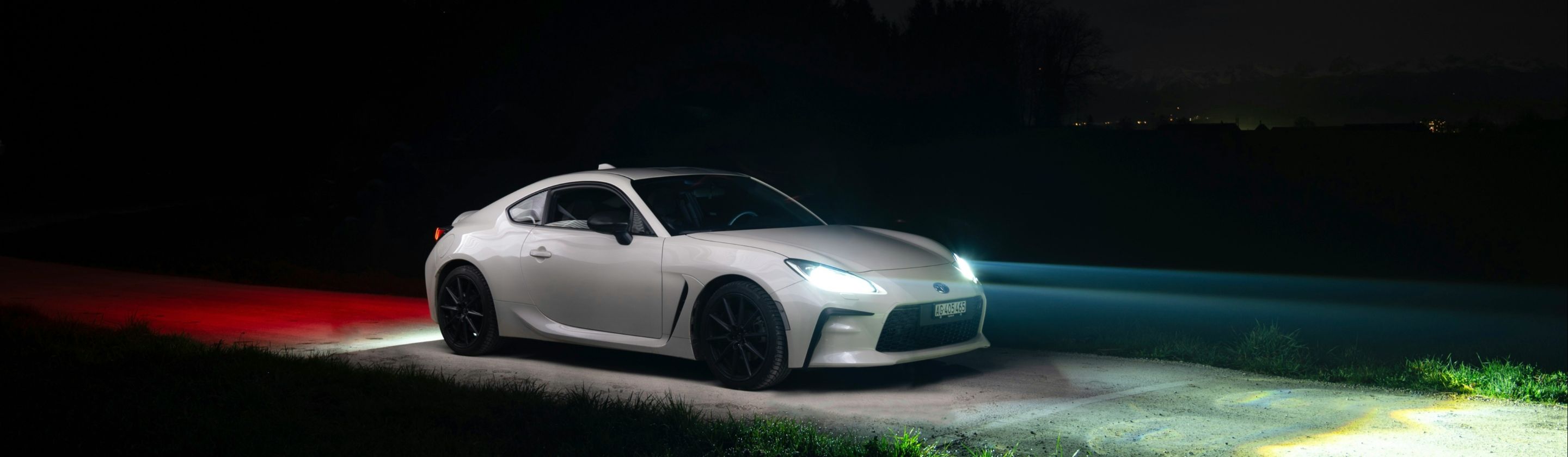
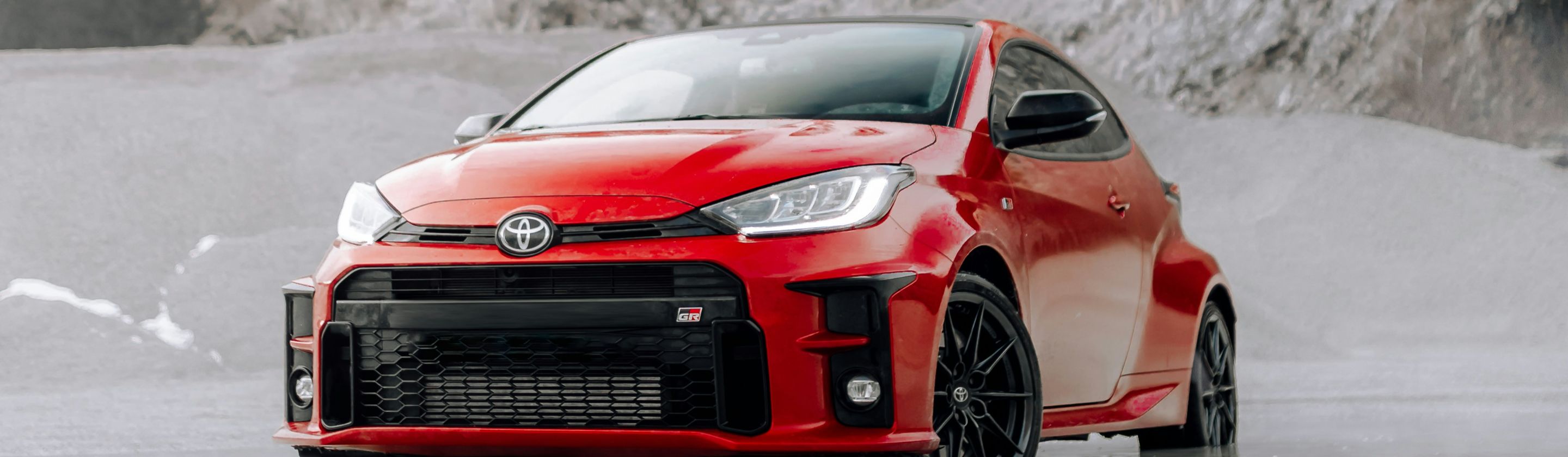
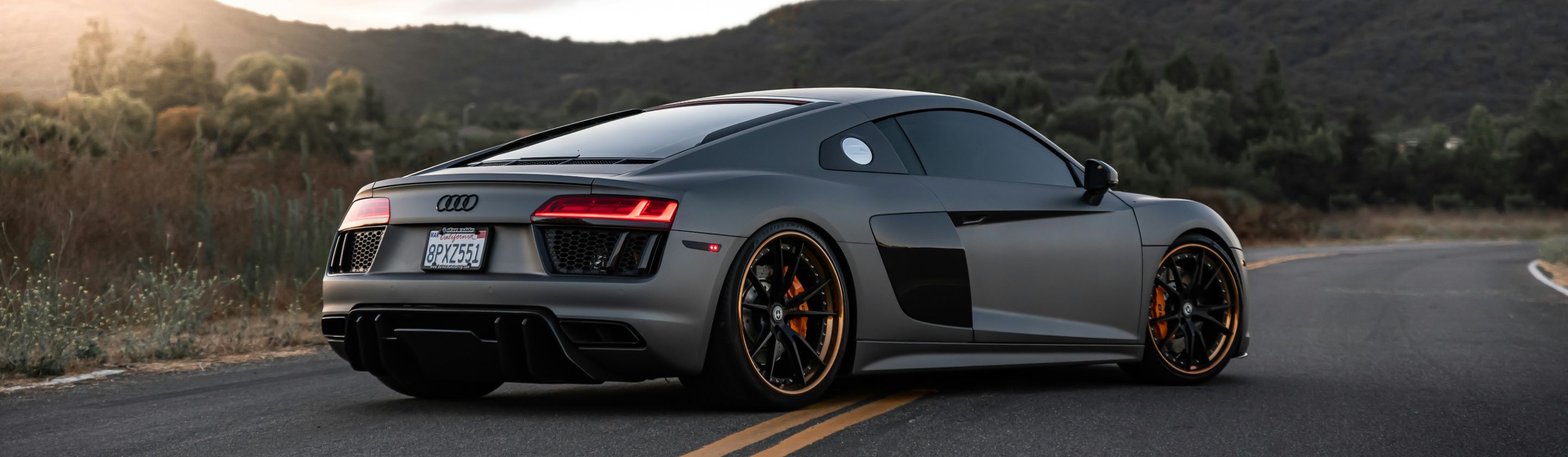
Even among new cars still offered with three pedals, the choices tend to be concentrated in enthusiast-oriented models. For the current model year, examples include vehicles such as the Honda Civic Si and Type R, Mazda MX-5 Miata, BMW M2, and Nissan Z—which goes to show that there's a very niche market out there for drivers who still want to drive stick. Your average buyer, however, is unlikely going to be looking for an ordinary family sedan or crossover with a stick shift; they'll choose a vehicle with an automatic transmission just like everyone else.
Learning Stick Still Gives You Useful Skills
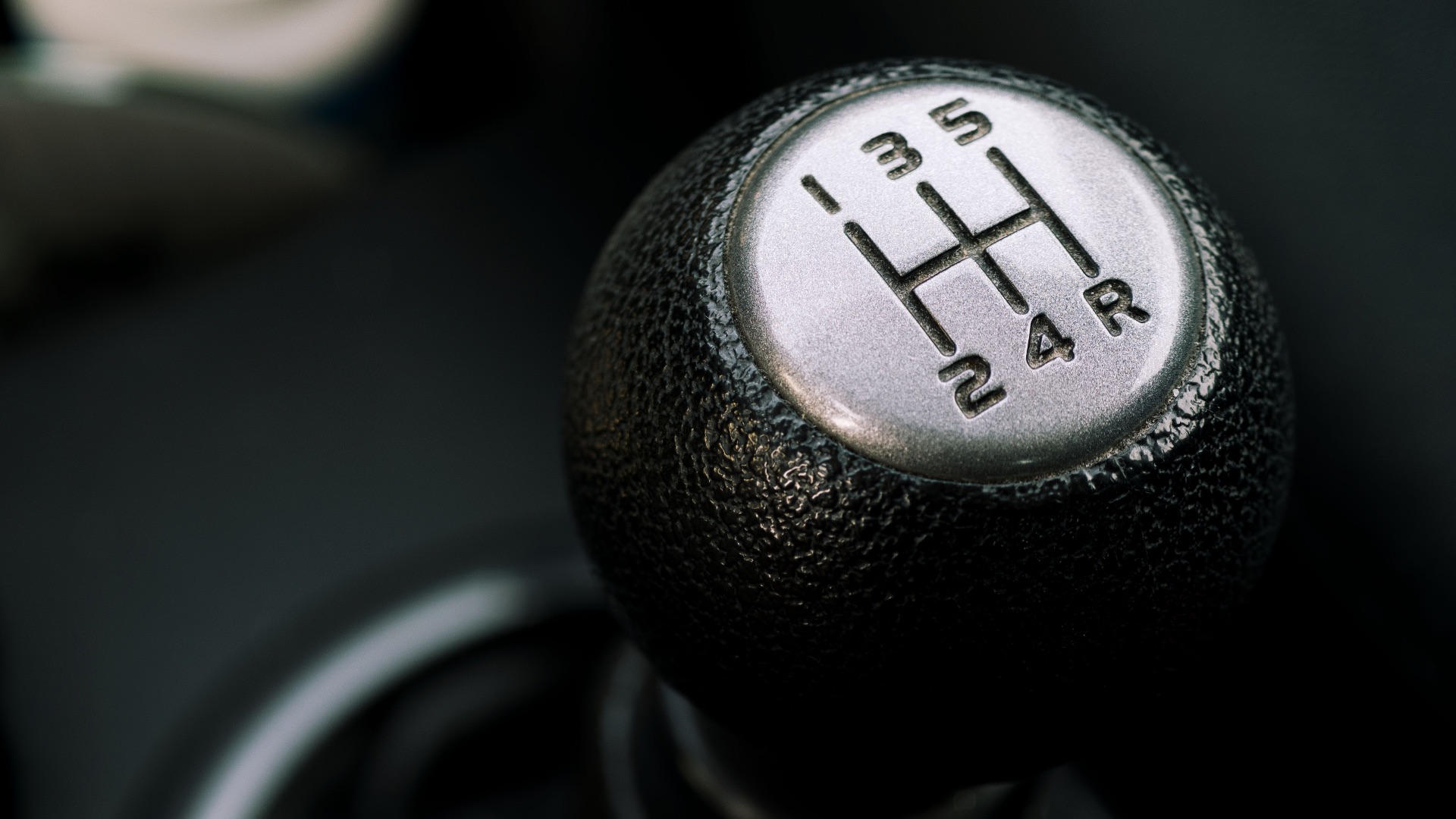
Despite the fact that you're unlikely to find manual cars on the road, that doesn't mean it's impossible to find one for sale, and more importantly, it doesn't mean you shouldn't learn it just because of that. After all, there are plenty of perks that come with driving stick: for one, it requires you to pay attention to things an automatic normally handles on your behalf. You have to coordinate the clutch, accelerator, gear lever, engine speed, and vehicle speed while remaining aware of everything happening around you. It's not hard to see that it's a nifty skill to have, especially when it's a skill not a lot of people have these days.
Another advantage? You’ll be able to drive more vehicles. Sure, most people may drive an automatic, but if you have that one friend who drives a manual, encounter a manual rental abroad, or eventually become interested in a sports car with a traditional gearbox, you'll be able to jump in and go with no problems.
If you're an avid car enthusiast, there's also more reason for you to learn how to drive stick. A manual lets you decide when to shift gears and makes clutch operation a key part of the driving process, which means you have considerably more involvement every trip you take, and certainly much more interesting than simply selecting Drive. That distinction is likely why manuals still haven't completely disappeared from the mainstream market.
The Skill May Be Worth More Than the Transmission
Another thing that's worth thinking about is what you want to get out of the vehicles you drive, as well as what vehicles you're usually around. If a car is purely transportation to you and every vehicle you’re likely to own is automatic, there’s little reason to make manual driving a priority. As we've mentioned, the market has already moved overwhelmingly toward transmissions that require no clutch pedal and constant gear changes, and it's unlikely that trend will ever reverse in the opposite direction among ordinary passenger vehicles.
So, ask yourself: What do you expect to get from driving? While learning doesn’t require you to commit to owning a manual car forever, it certainly opens you to more possibilities. It can simply become another driving skill you possess, giving you more flexibility when shopping for used cars, traveling, or borrowing vehicles from other car enthusiasts. There’s also satisfaction in becoming comfortable with something that initially demands more coordination and attention. Plus, it's a fun thing to brag about.
At the end of the day, though, whether or not you should learn how to drive stick is up to your budget and preferences. If an automatic already works well for your day-to-day, why alter your routine? On the other hand, if you've been eyeing a specific model with manual transmission and you're itching to get more involved behind the wheel, knowing how to drive stick can be an incredibly valuable skill to have. Learning stick can be well worth the effort so long as you're prepared for it.