The Badge Isn't Enough
Rolls-Royce has spent over a century selling the idea that nobody builds a better car than them. That claim held up beautifully for long stretches and collapsed in others, usually when the company was broke or wearing someone else's badge. The Spirit of Ecstasy ended up on a few cars that were barely engineered at all. Here's 10 Rolls-Royces worth the reputation, followed by 10 that were mostly expensive metal.
1. Silver Ghost
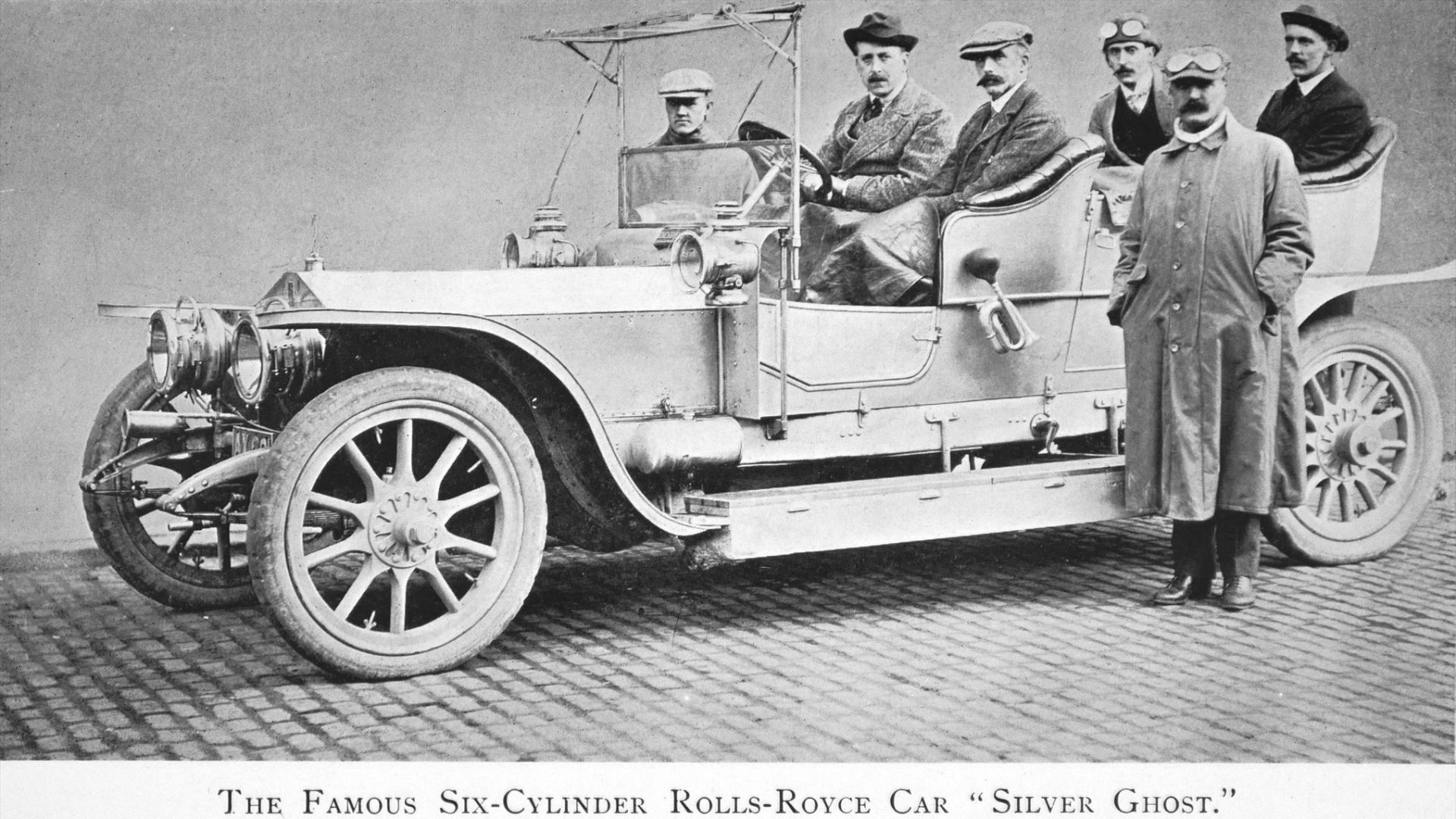
The car that built the whole legend ran 14,371 miles nonstop in a 1907 reliability trial, then got stripped down and inspected. The wear amounted to a few pounds' worth of parts, at a time when rivals broke down weekly. Autocar called it the best car in the world, and the marketing department has leaned on that line ever since.
 Unknown authorUnknown author on Wikimedia
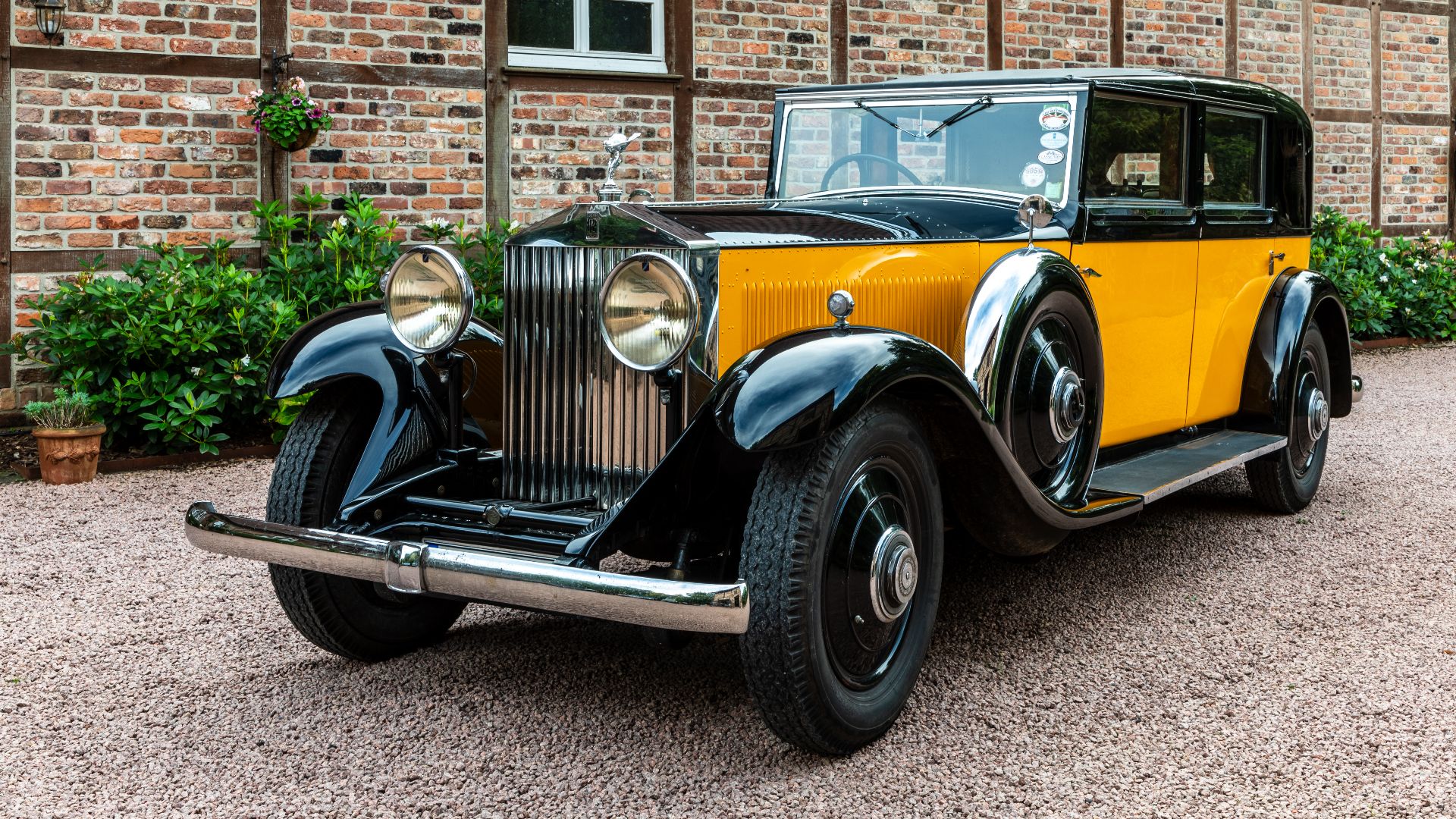
2. Phantom II Continental
Short-chassis Continentals from 1930 came the closest any prewar Rolls got to a driver's car. A lower frame and stiffer springs made the thing properly quick down a country road. Some of the finest coachbuilt bodies of the era went onto this chassis, including work by Gurney Nutting.
3. Silver Cloud
The 1955 Silver Cloud gave Rolls its most recognizable postwar shape, and the later V8 versions finally supplied the power to match. It rides better than many cars built decades later. Enough survive that you can find one for the price of a new Toyota, and that's how many people get into old Rolls ownership.
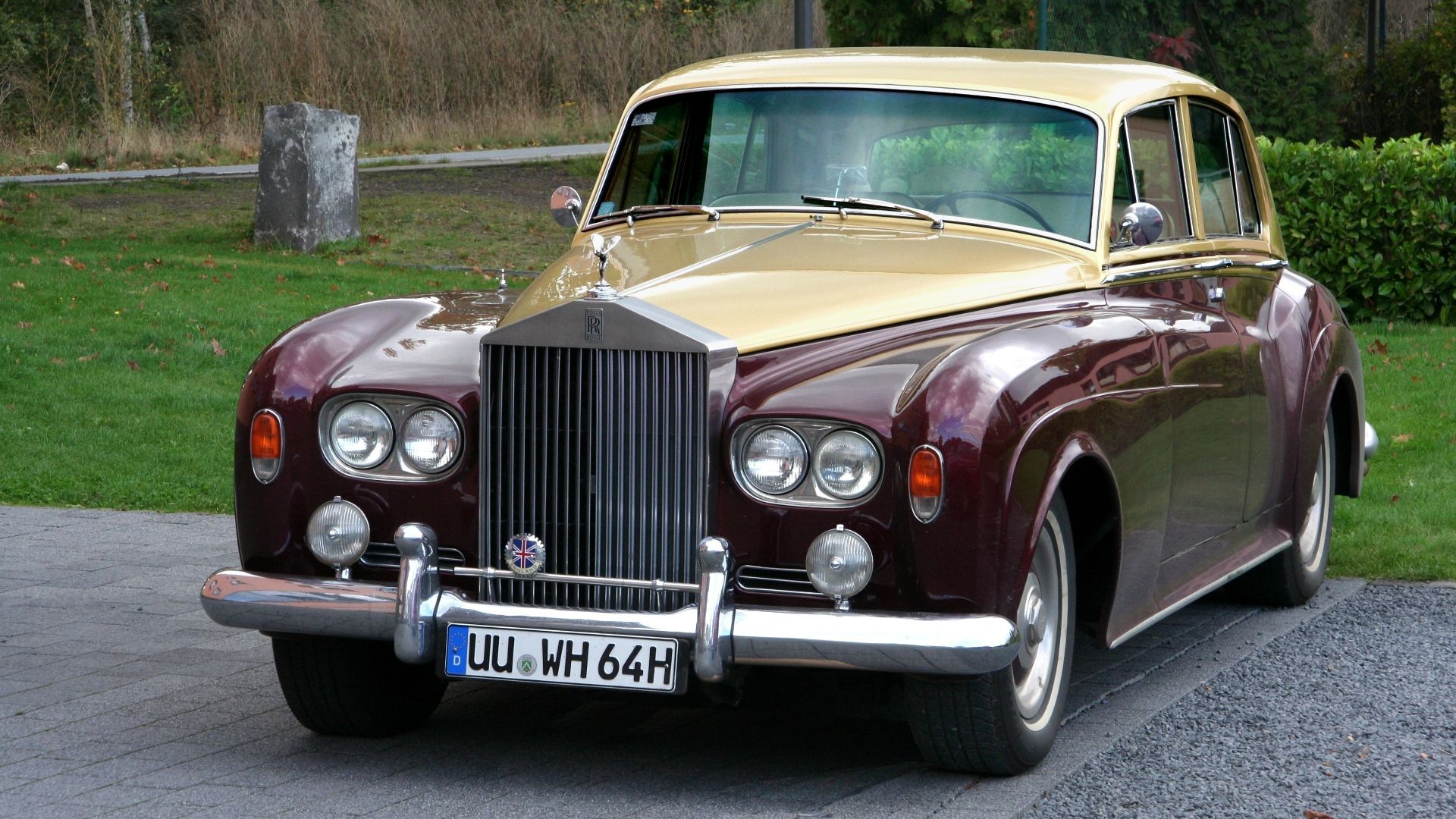 Spurzem - Lothar Spurzem on Wikimedia
4. Phantom V
Only 516 Phantom Vs left the works between 1959 and 1968, most of them headed for heads of state. John Lennon had his repainted in psychedelic swirls in 1967, which scandalized exactly the people you'd expect. Queen Elizabeth used one for state occasions across several decades.
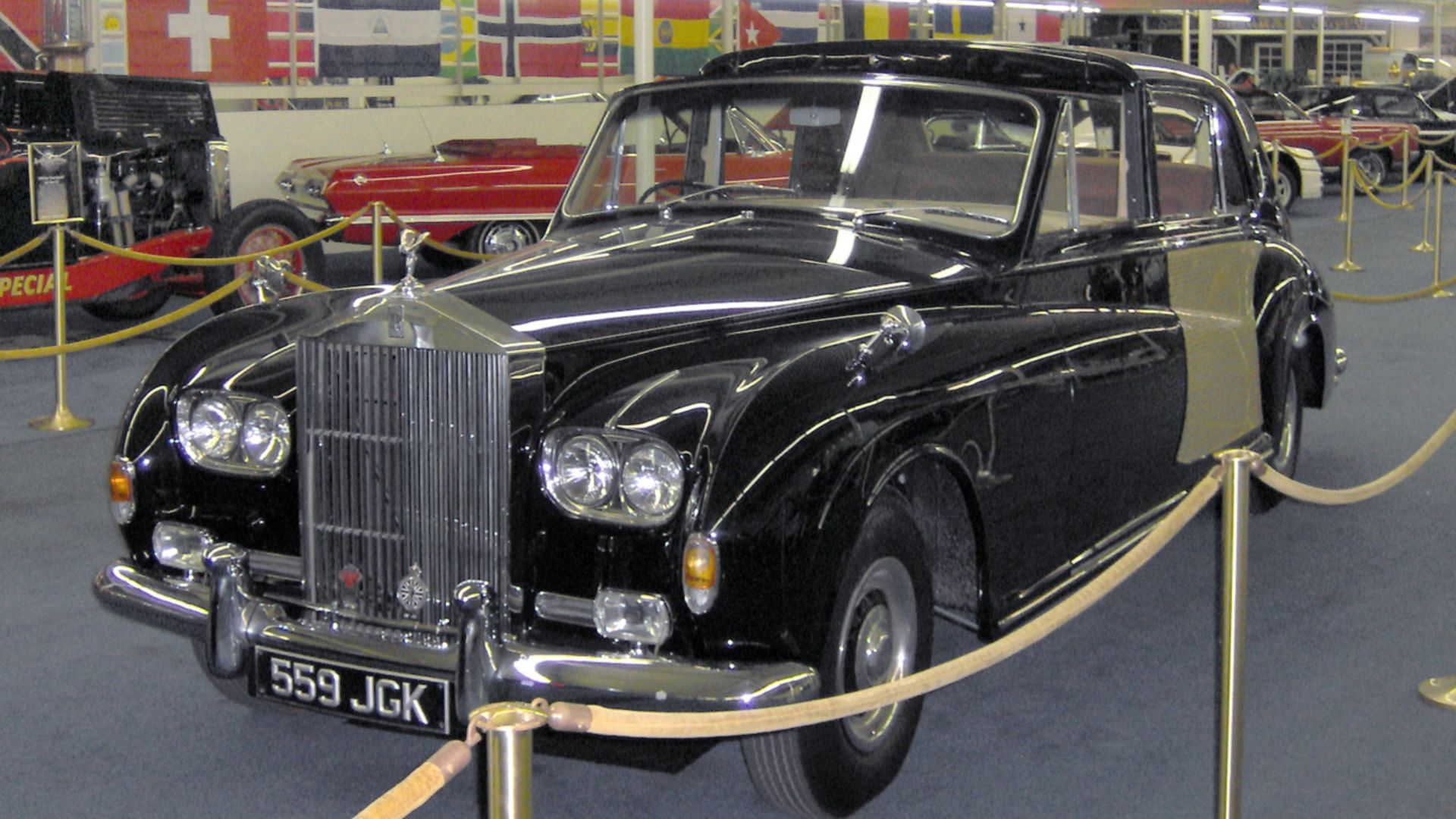 Stephen Foskett (Wikipedia User: sfoskett) on Wikimedia
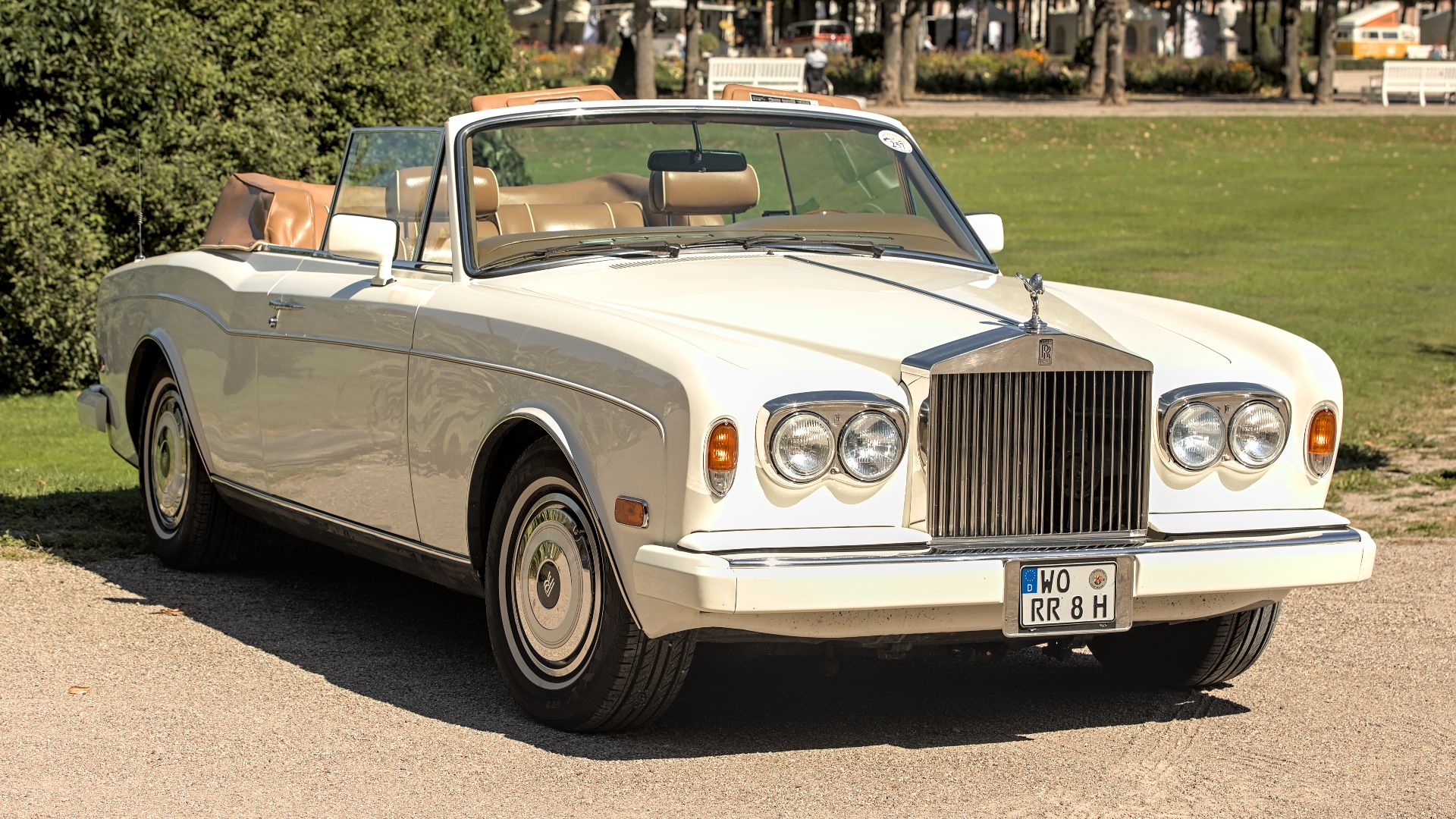
5. Corniche Convertible
The Corniche took the Silver Shadow underpinnings and dressed them in a body Mulliner Park Ward hand-built over months. Production ran from 1971 to 1995 with only mild changes. The convertible remains among the few Rolls models that look better with the roof folded away.
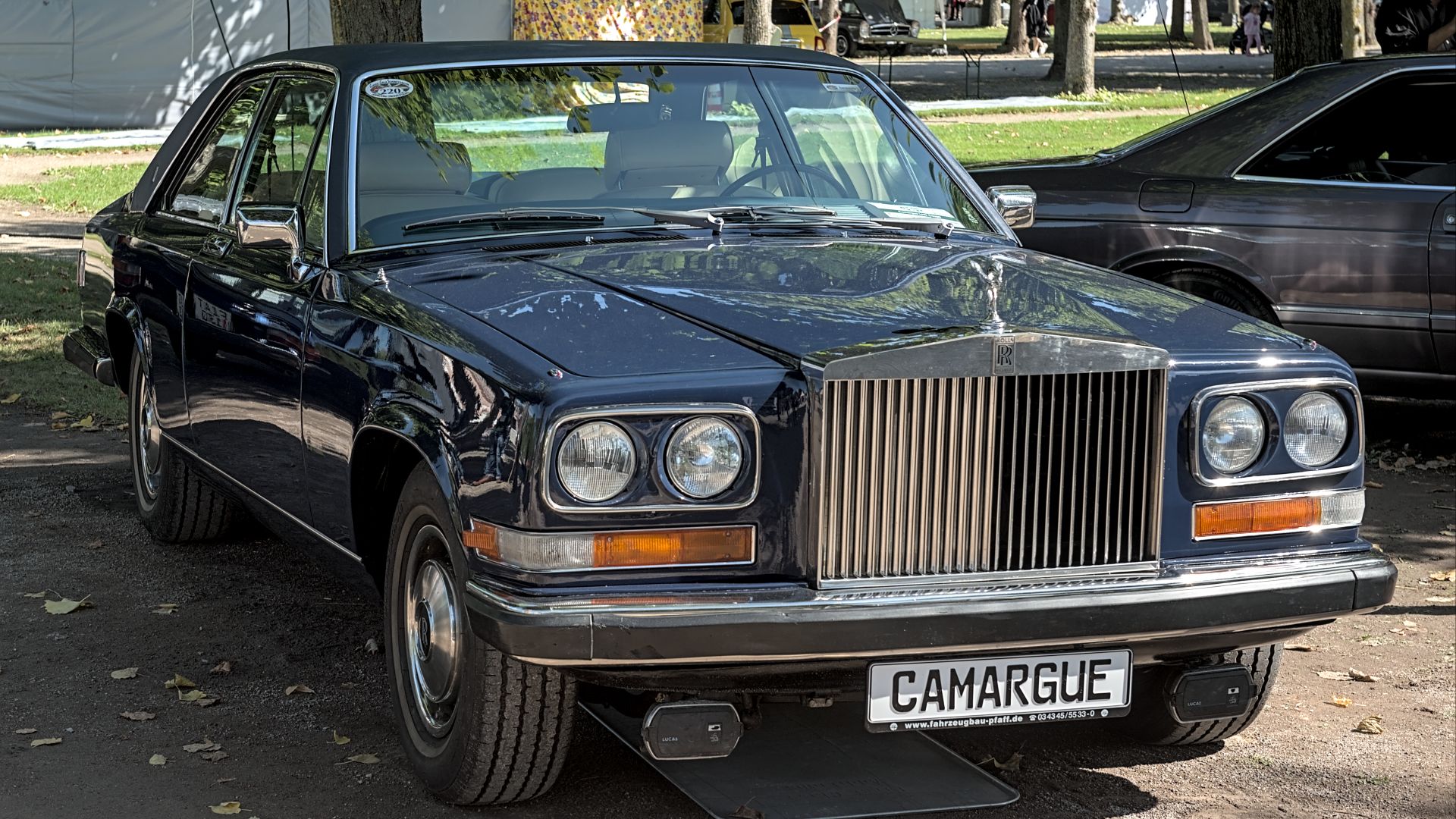
6. Camargue
No Rolls divides opinion harder, and that's partly the point. Pininfarina drew it, the factory built 531, and it carried the highest price tag of any production car on sale at its 1975 launch. Its split-level climate control reportedly cost about as much to develop as a small car.
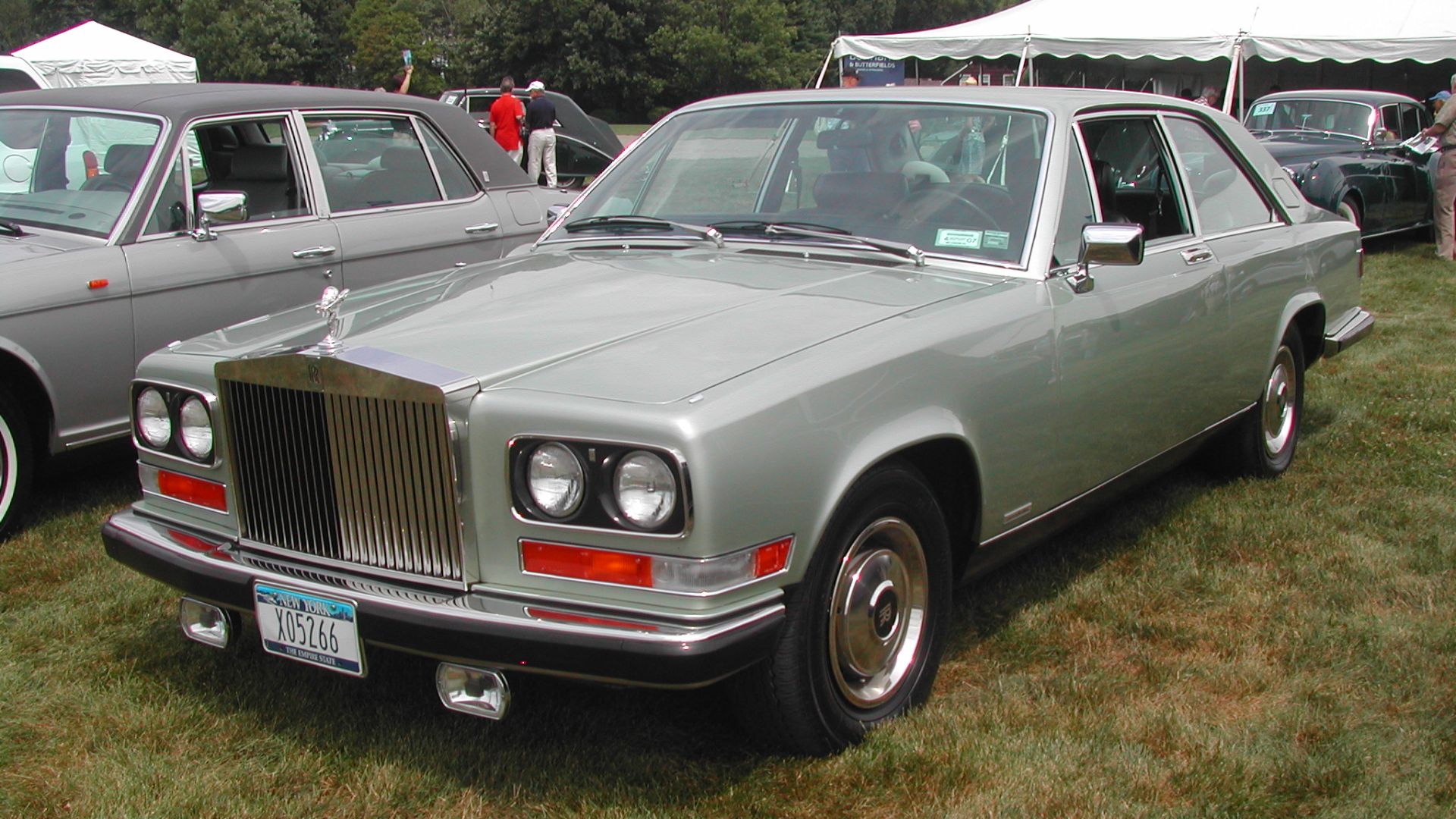 User Jagvar on en.wikipedia on Wikimedia
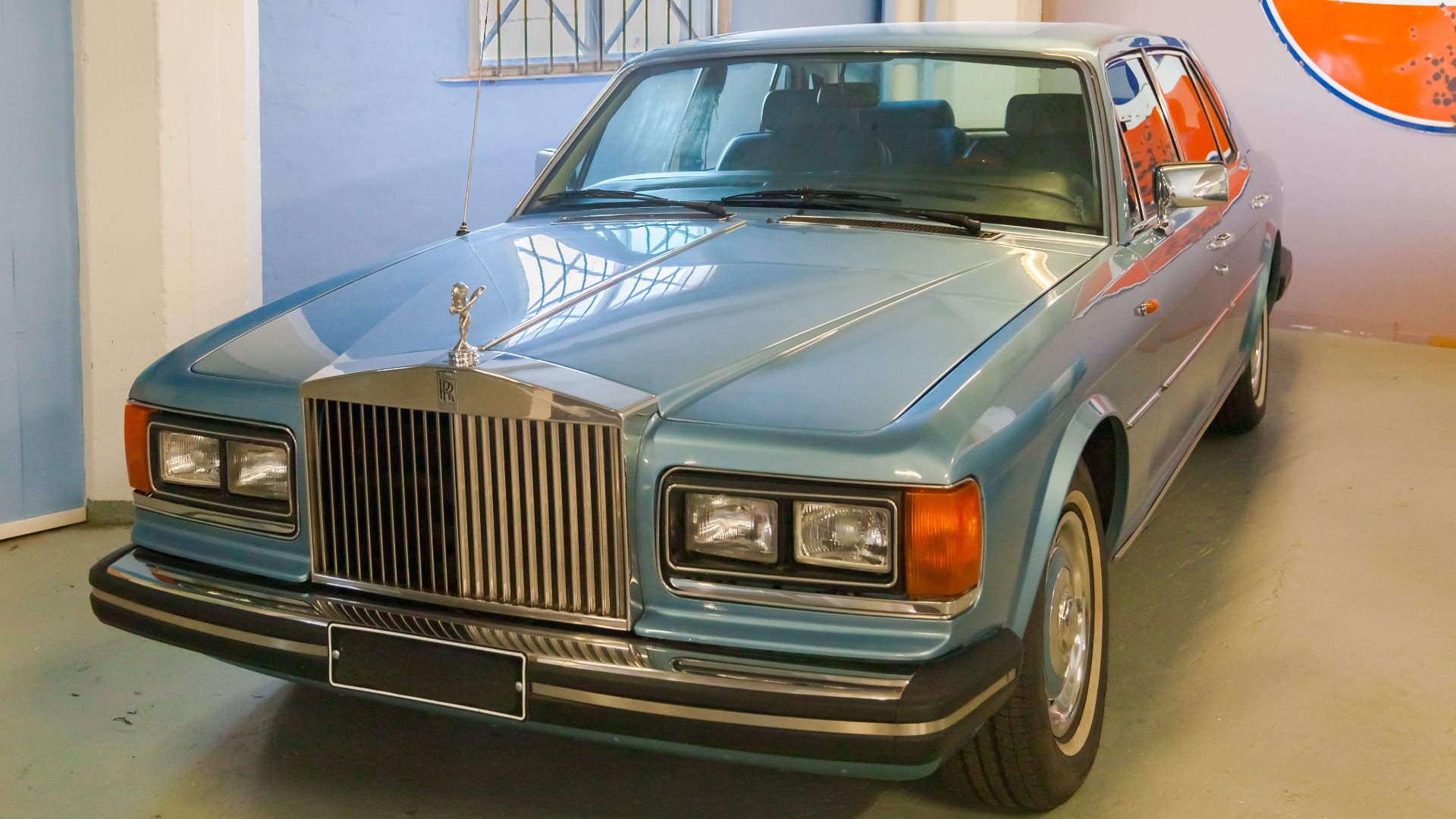
7. Silver Spirit
The Silver Spirit arrived in 1980 with a self-leveling rear suspension that made rough roads disappear. It stayed in production, in one form or another, until 1999. Values bottomed out so low in the 2000s that plenty of them got scrapped for parts, which leaves the good survivors worth chasing today.
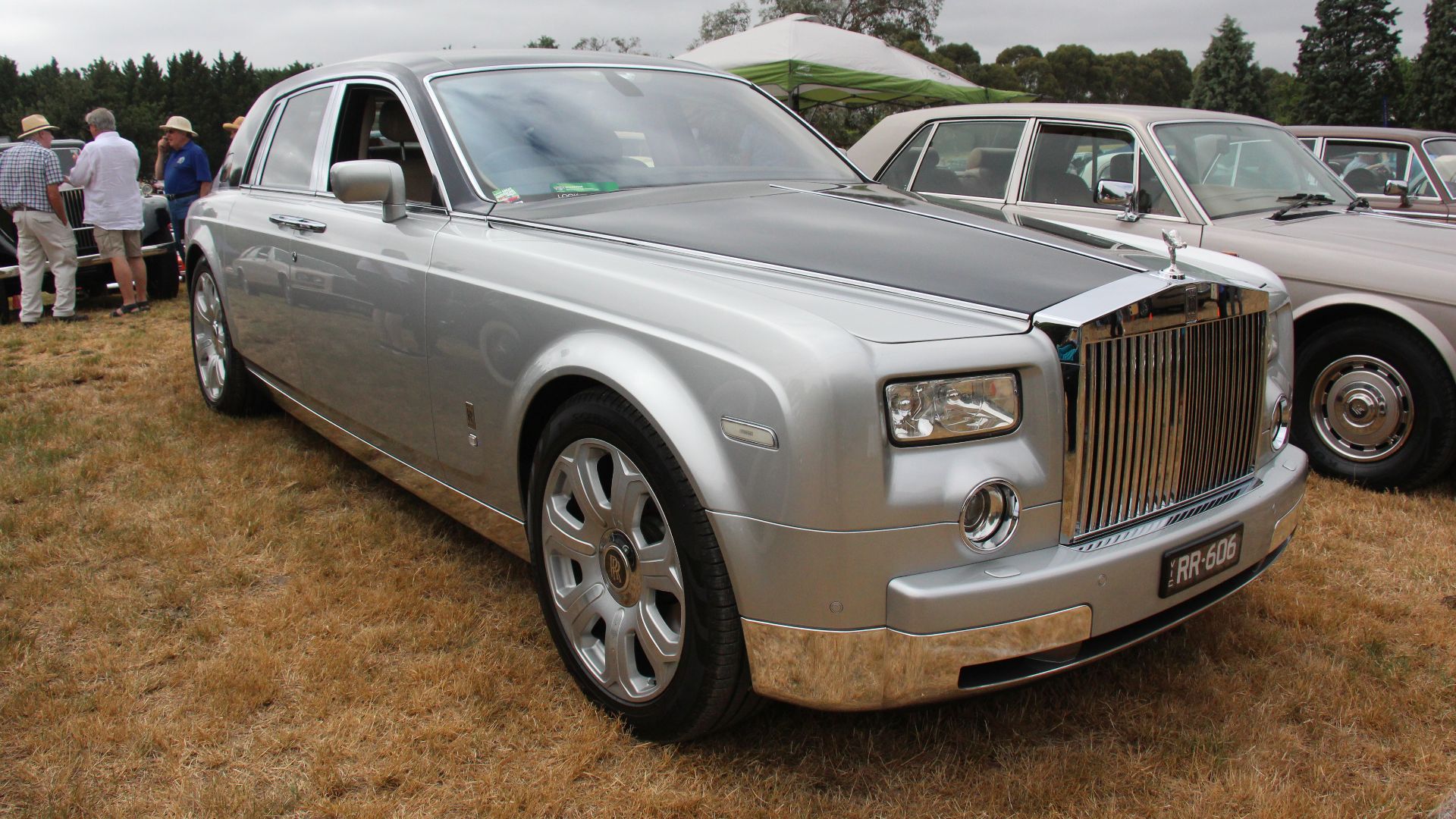
8. Phantom VII
BMW's first Rolls landed in 2003 on an aluminum spaceframe, and it worked from day one. The 6.75-liter V12, the rear-hinged doors, and the ride quality all arrived fully sorted. It rescued a brand that had spent 30 years coasting on its own history.
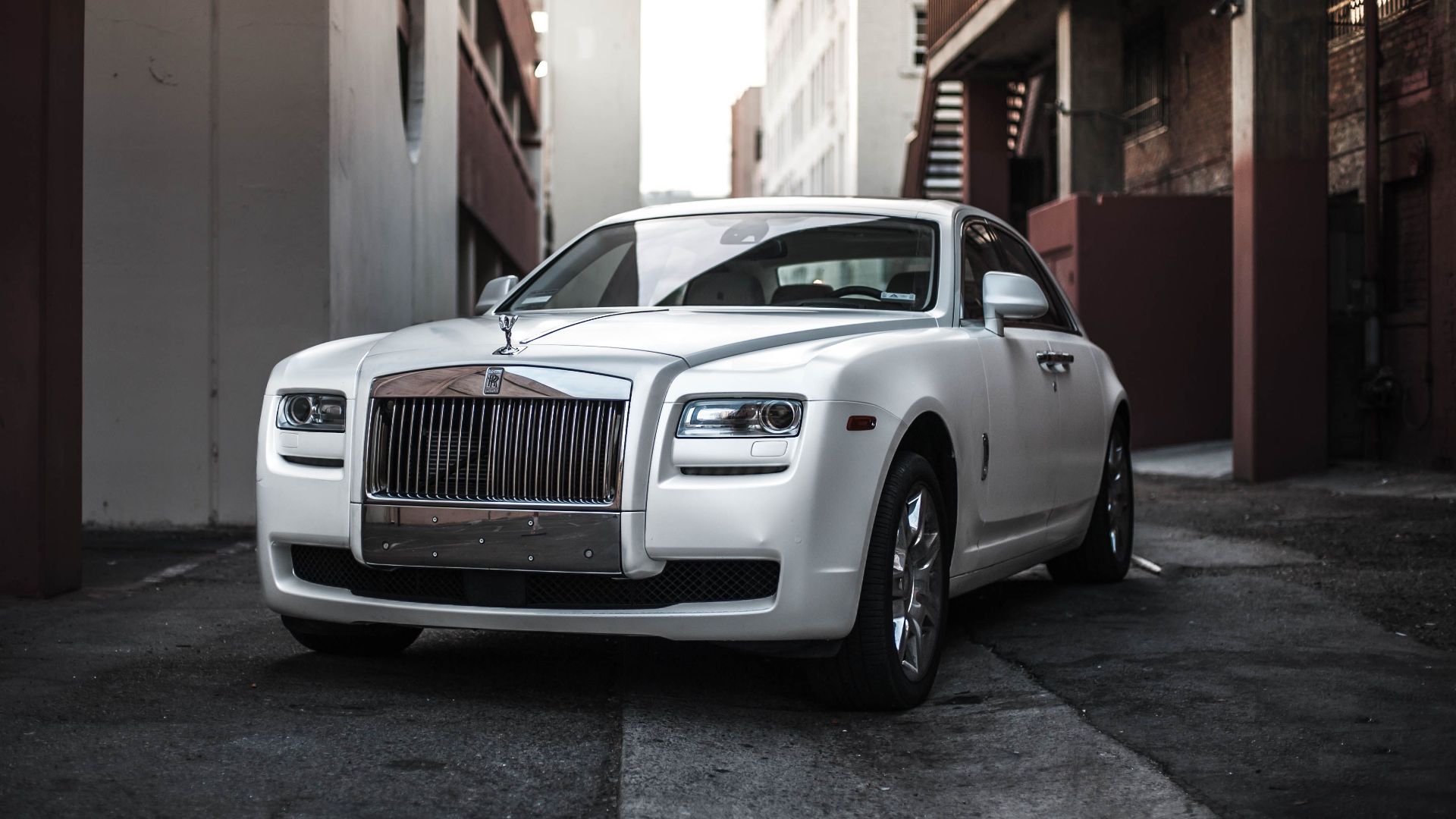
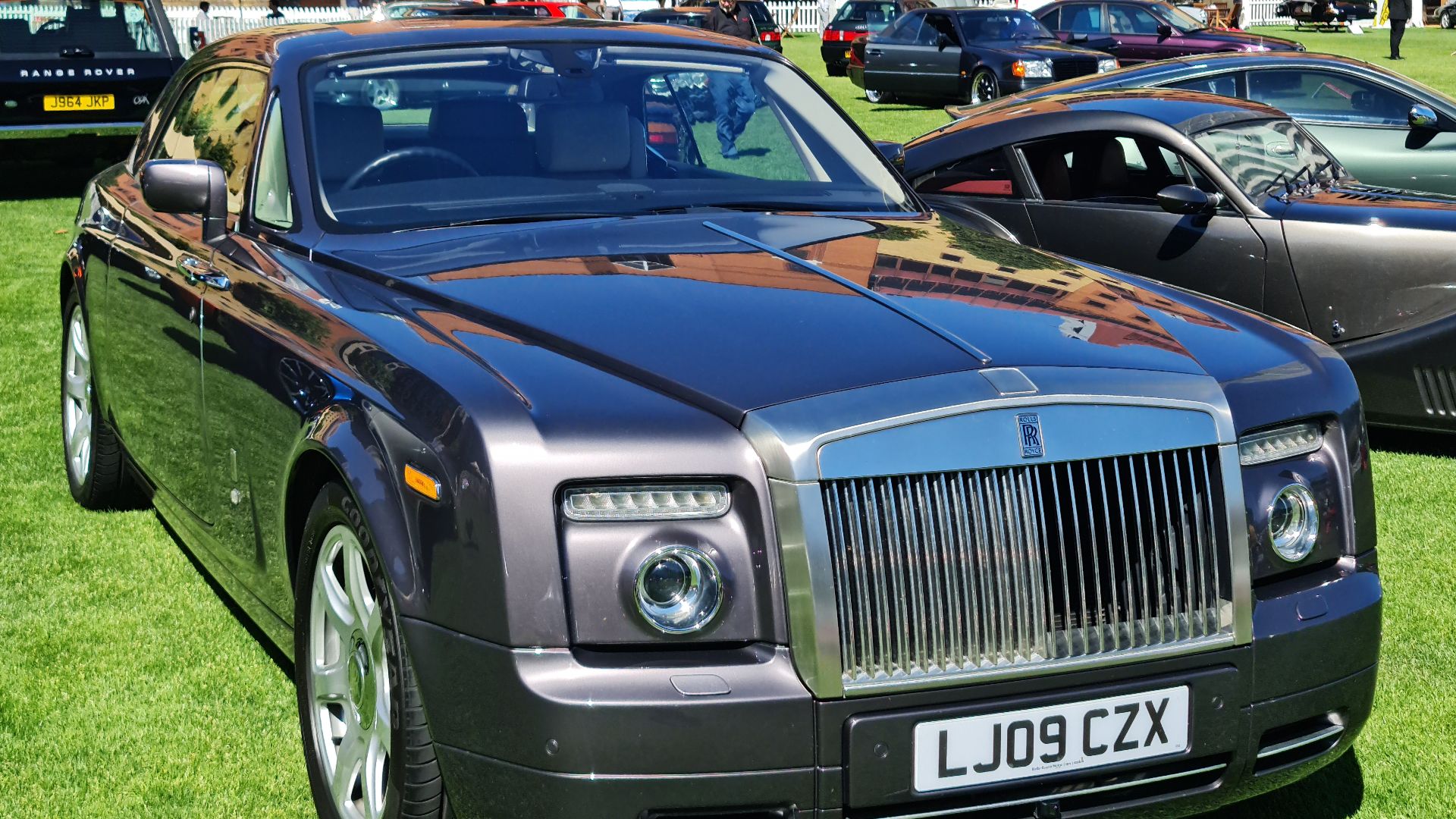
9. Ghost
The 2009 Ghost was supposed to be the accessible Rolls, and it outsold everything else in the lineup. Underneath sat serious BMW engineering rather than a parts-bin compromise. The second generation added a camera that reads the road ahead and preloads the dampers before a bump arrives.
 commons.wikimedia.org on Google
10. Cullinan
A Rolls-Royce SUV sounded like a bad joke until people drove one. The Cullinan has genuine off-road hardware and the same quiet cabin as the sedans. It now accounts for a large share of company sales, which tells you how the joke landed.
Now, here's 10 that were closer to jewelry than engineering.
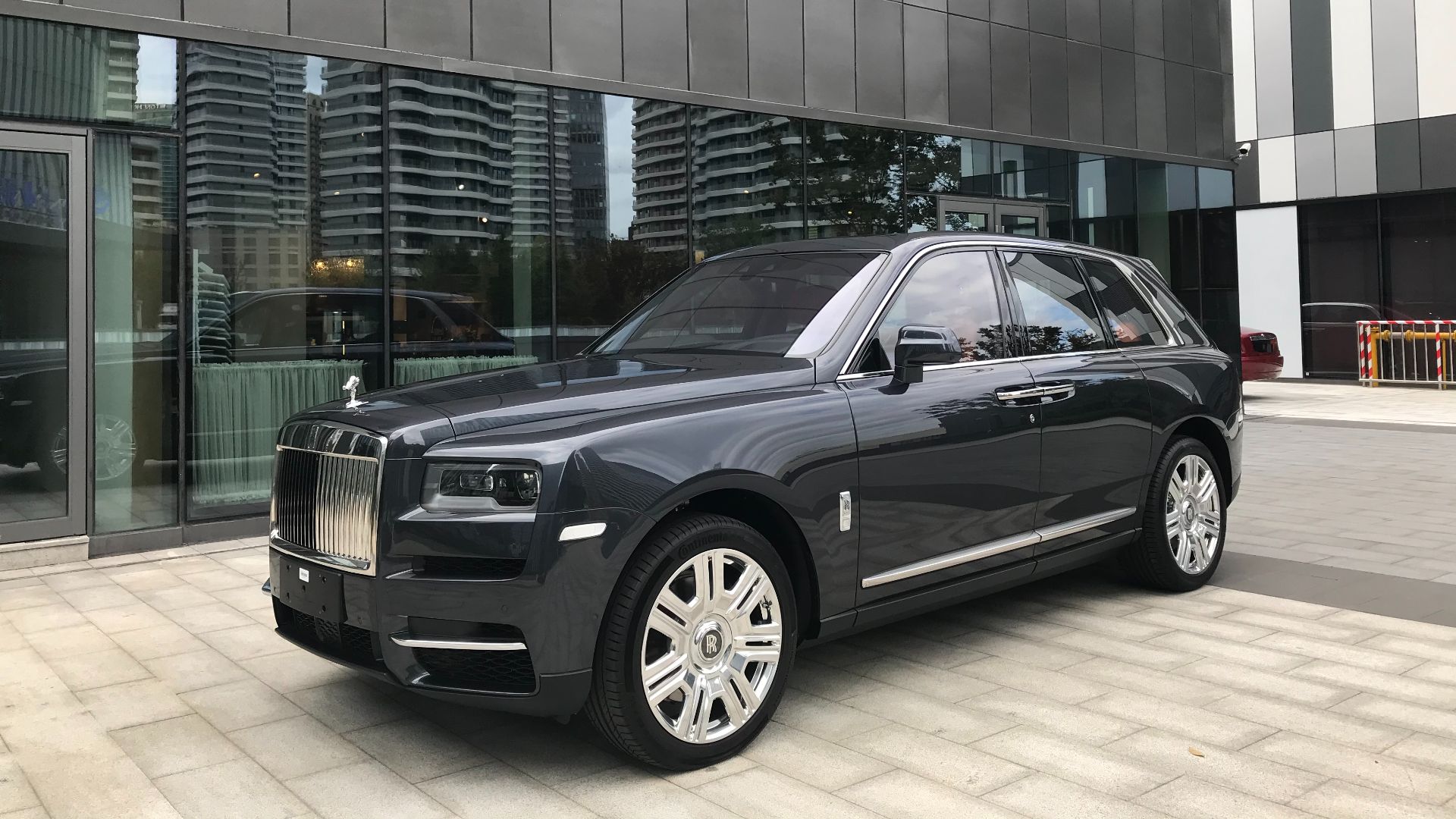
1. Silver Dawn
Lift the badge off a 1949 Silver Dawn and you have a Bentley Mark VI, built mainly for export markets. This was the first Rolls offered with a factory body instead of a coachbuilt one. Buyers paying Rolls money got a car their neighbor could have as a Bentley for less.
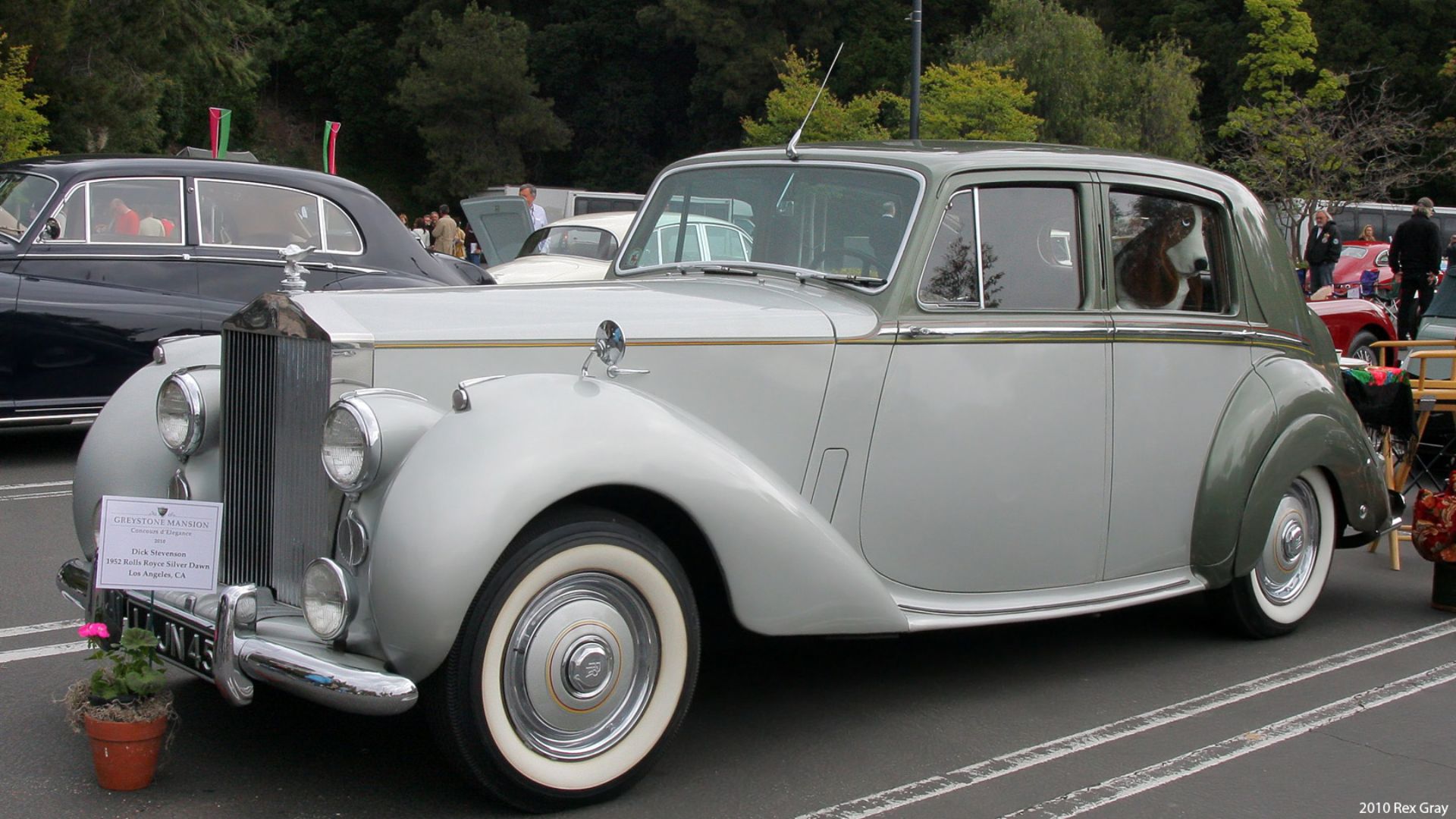
2. Silver Wraith II
Announced in 1977 as an update to the original Wraith II, it added rack-and-pinion steering and a new dashboard to a car from 1965. The Shadow it shared parts with had already been replaced. Rolls kept selling it alongside newer models until 1980.
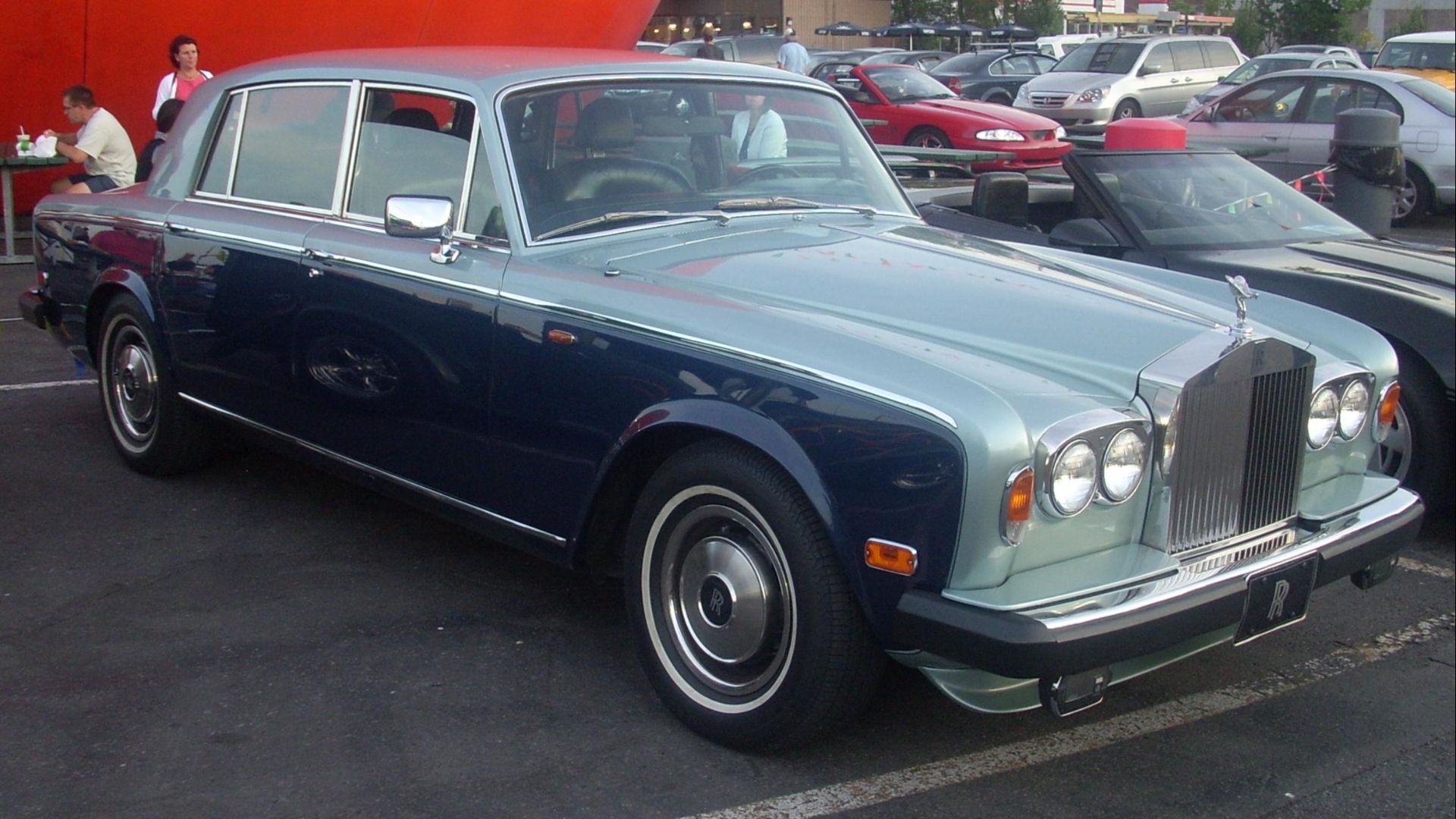
3. Silver Shadow I
Monocoque construction and disc brakes arrived at Rolls in 1965, which sounds impressive until you meet the hydraulic system. It runs mineral oil at high pressure through components that fail expensively. A cheap Shadow ranks among the fastest ways to lose money in the car hobby.
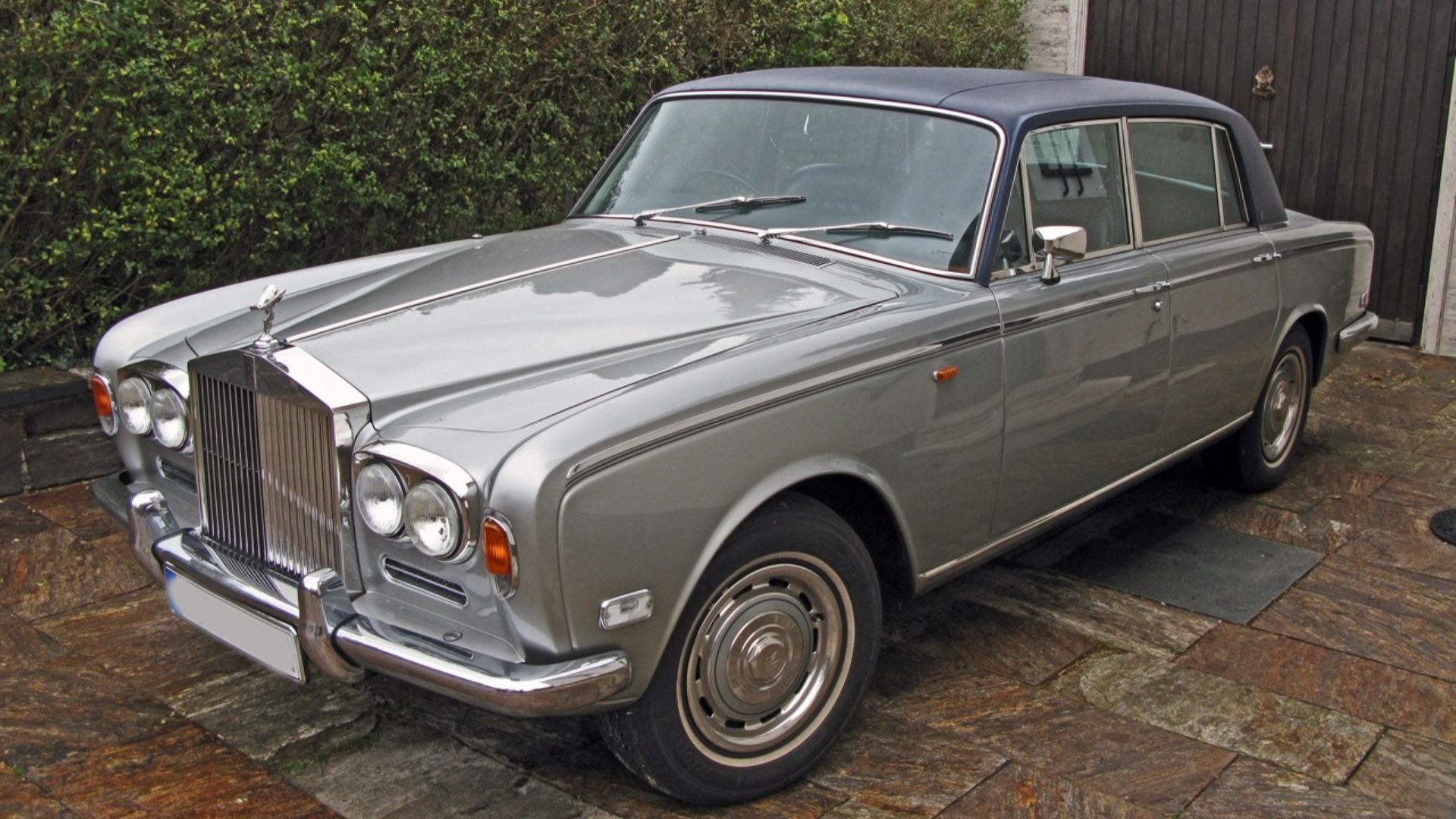
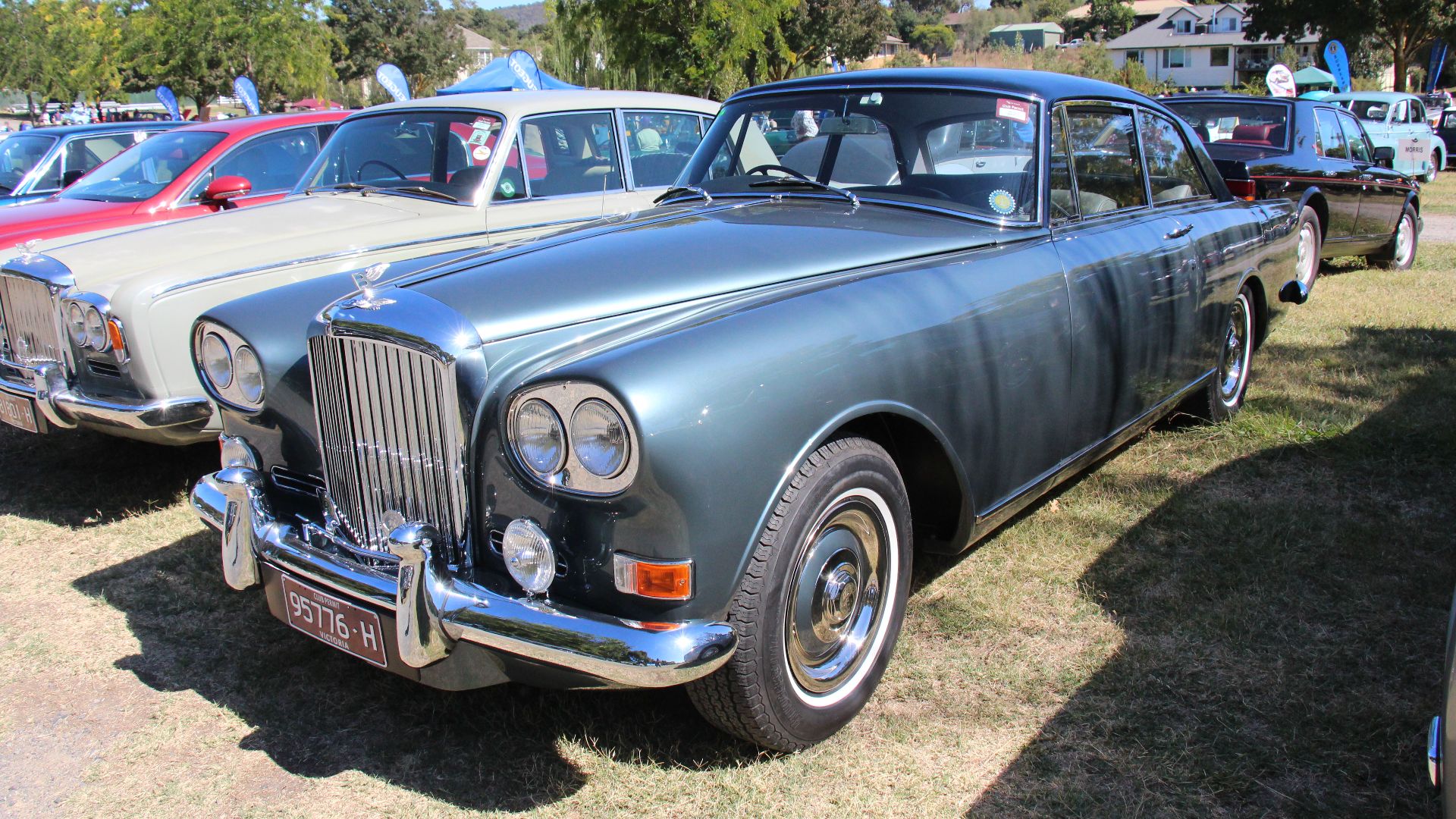
4. Bentley-Badged Twins
Through the 1970s and 1980s, the factory sold nearly identical cars under both badges, with the Bentley version priced lower. The T-series was a Shadow wearing a rounded radiator shell. Paying the Rolls premium bought a grille and a hood ornament, and nothing under the skin.
5. Camargue's Later Years
The same car that showed real engineering in 1975 was still being sold in 1986, largely unchanged, at a price that kept climbing. Rolls built fewer than 40 in some later years. Buyers paid for an exclusivity that came from slow sales rather than deliberate scarcity.
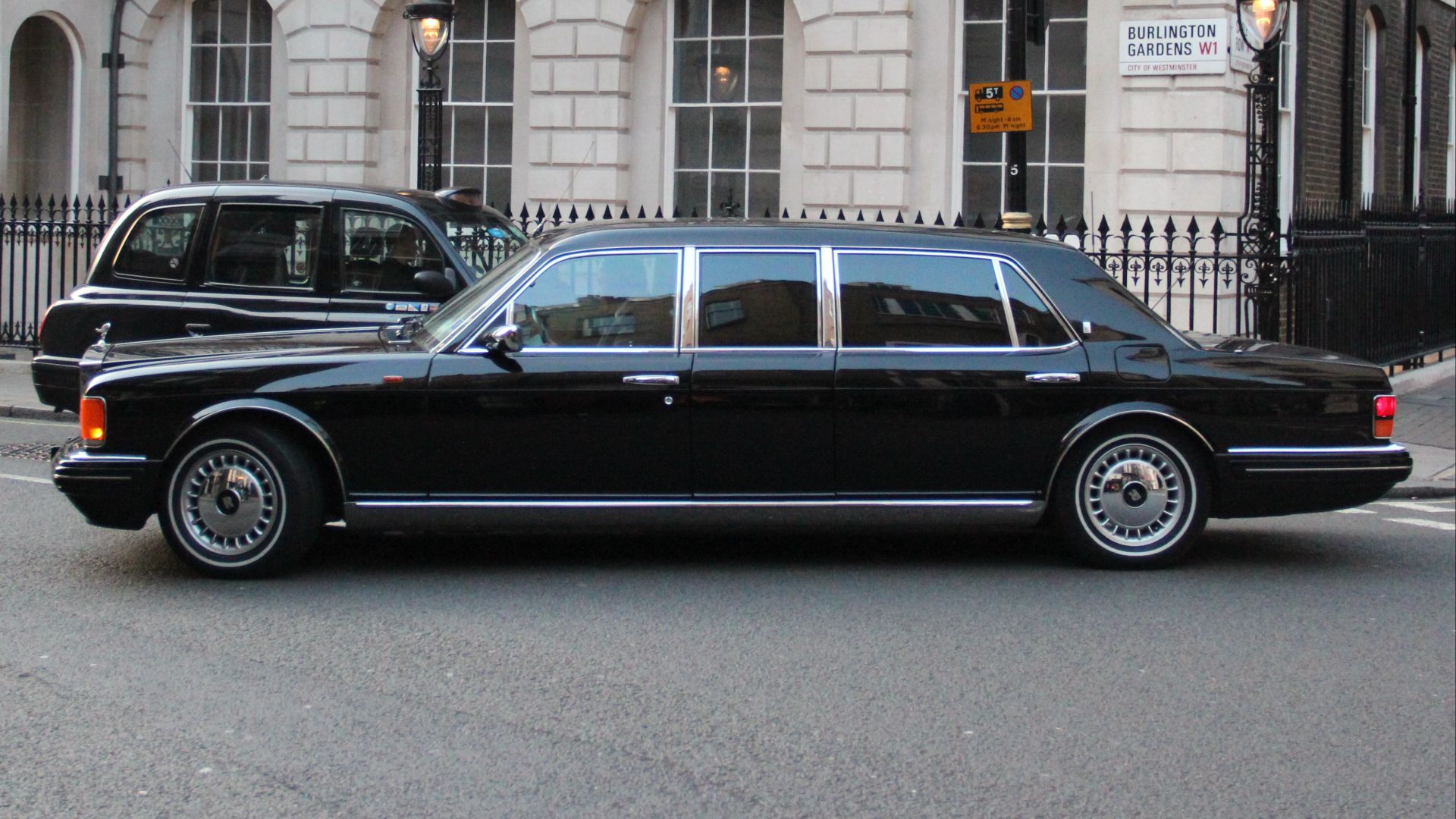
6. Silver Spur Limousine
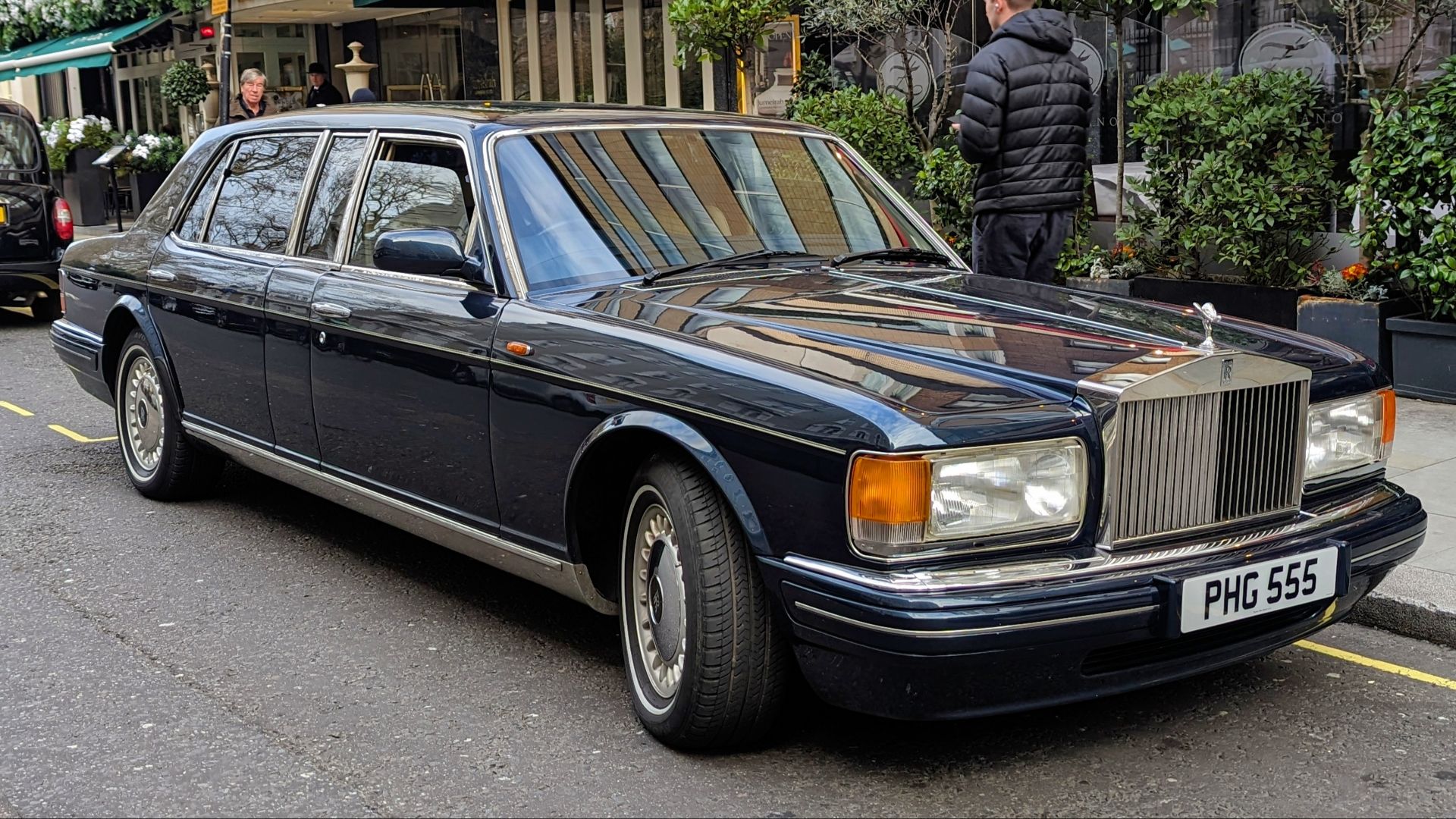
Stretching the Spur by six inches and adding a division window created a car that mainly served hotel fleets. The extra length did nothing for the way it drove. Many ended up in airport livery service, where they aged badly under hard use.
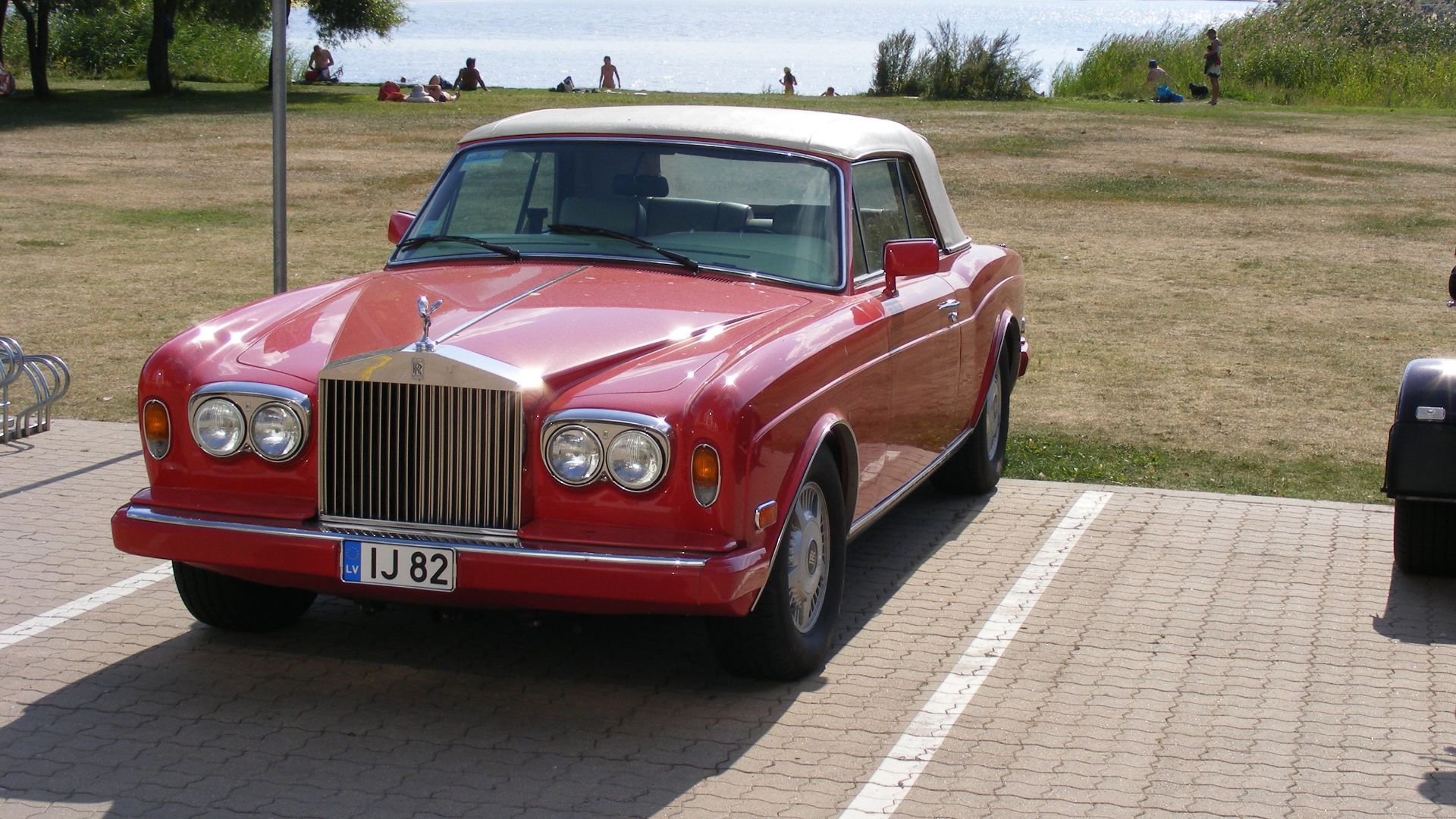
7. Corniche IV
By 1992 the Corniche body was two decades old, and the fourth version added an electric roof and airbags to a design conceived under a different owner. Rolls was losing money on every car by then. The final run sold on nostalgia and little else.
8. Park Ward Limousine
The 2000 Park Ward was a stretched Silver Seraph built in tiny numbers during the last days of the old company. Vickers was selling Rolls-Royce to BMW while it was on sale. The car exists mainly as a footnote to a corporate handover.
 commons.wikimedia.org on Google
9. Silver Seraph
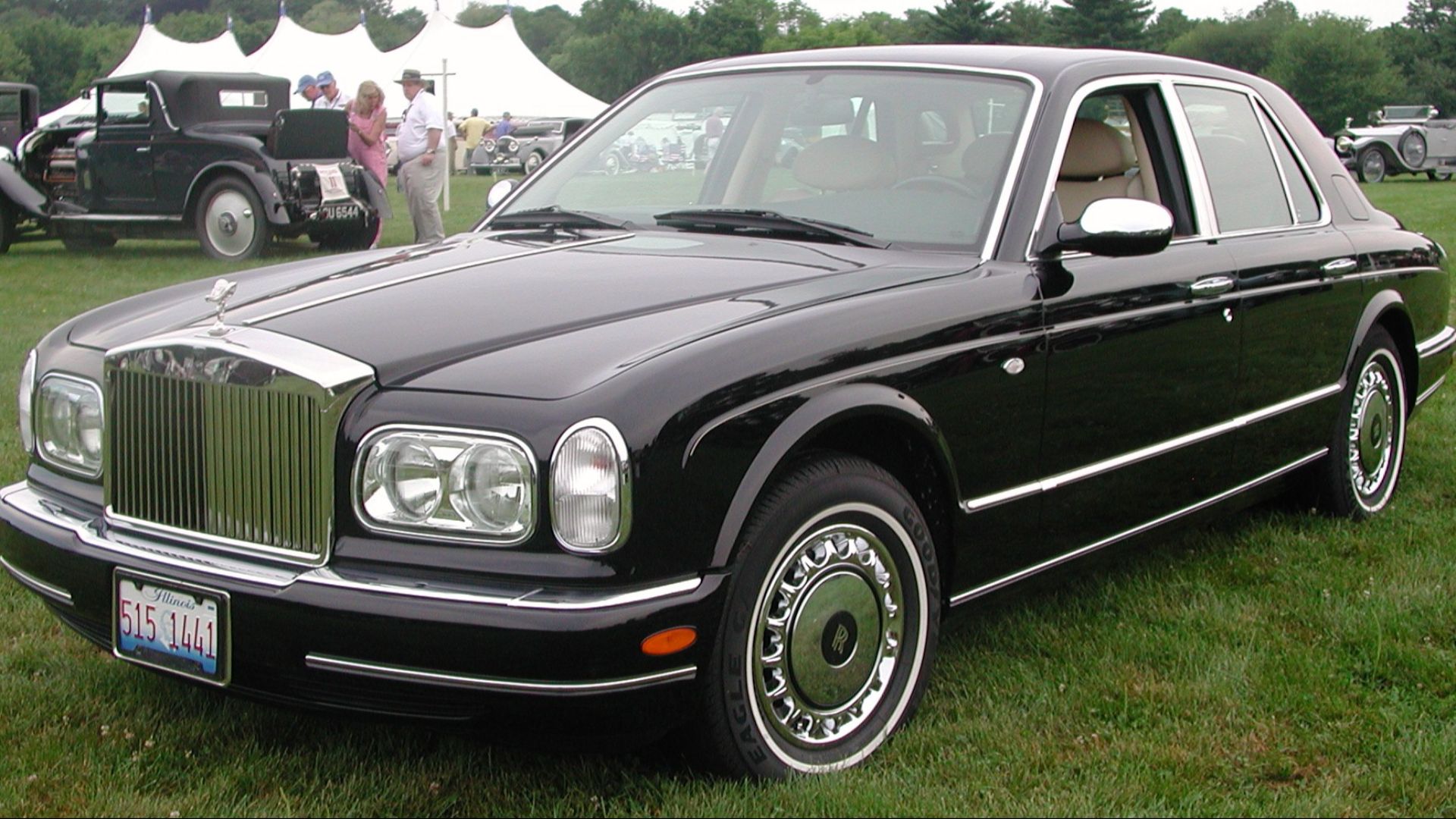
A BMW V12 went into the 1998 Seraph, bolted into a body still riding on a platform from 1980. It lasted four years before the Phantom replaced everything above it. Anyone who bought one owned an orphan within 24 months.
10. Phantom Drophead Waterspeed
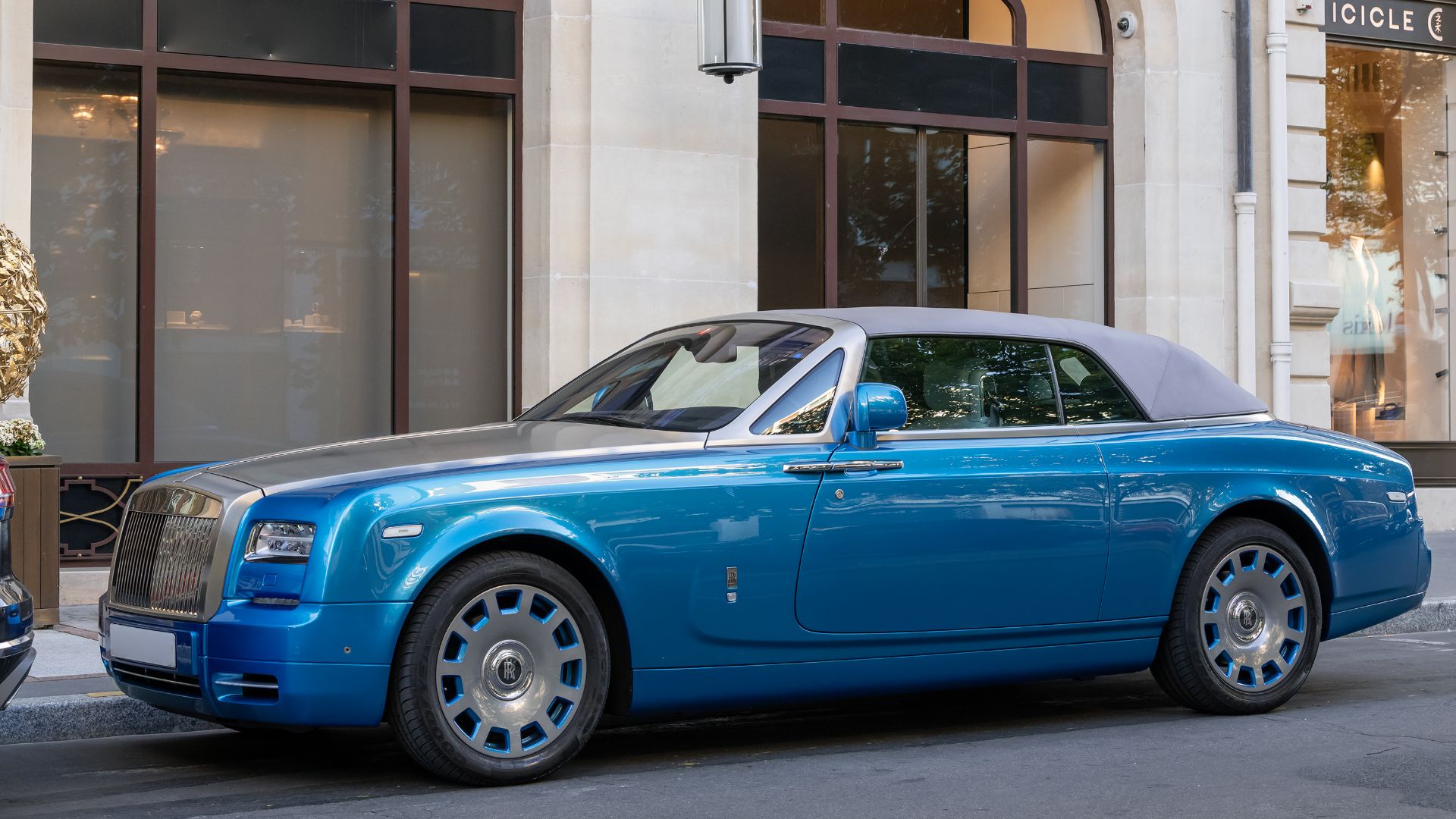
Thirty-five cars made up the 2014 Waterspeed collection, built to honor Donald Campbell's speed records, with a brushed steel hood and a plaque on the dash. Mechanically it was a standard Drophead Coupe. Editions like this sell a story more than a car.
 Alexandre Prevot from Nancy, France on Wikimedia