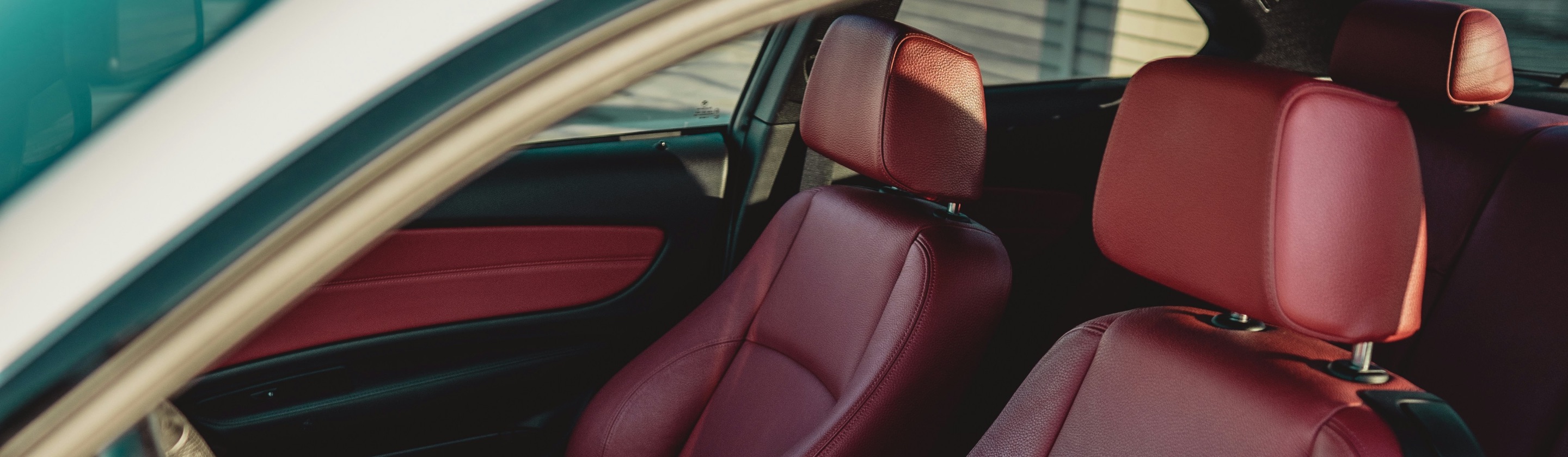
Car Seats Weren’t Afraid to Be Interesting
There was a time when opening a car door didn’t just mean boring leather or vinyl. Oh, no—old-school cars came fully equipped with plaid, houndstooth, striped velour, denim-look cloth, or enough brown fabric to instantly identify the decade. It’s because automakers treated upholstery as a part of a car’s personality, giving even fairly ordinary models patterns you’d remember years later. And remember we did. These 20 factory fabrics prove that older interiors weren't boring.
1. Chevrolet Camaro Houndstooth
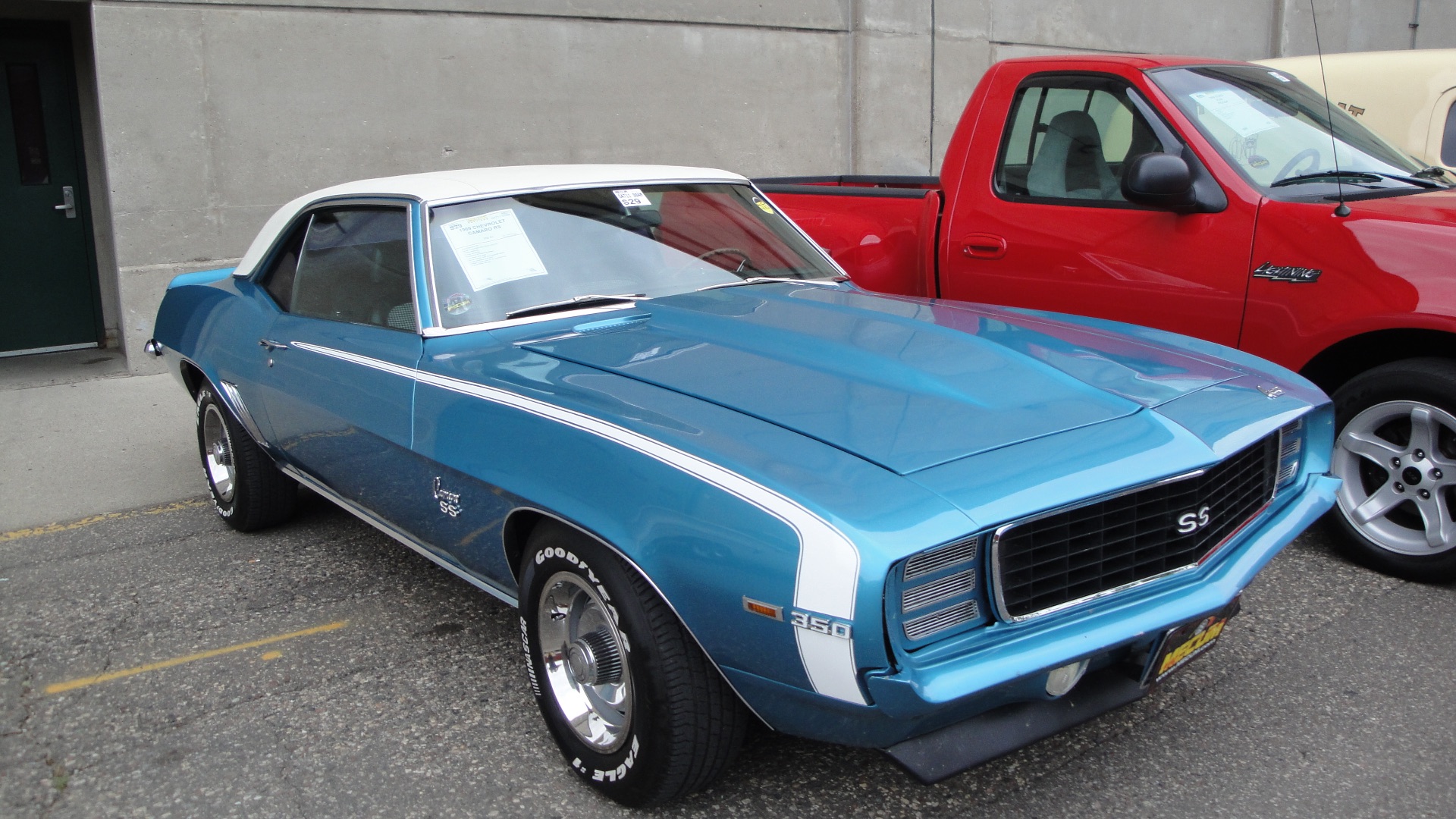
The 1968 and 1969 Camaro was already cool enough, but did you know that it could also be ordered with houndstooth cloth inserts? It was part of its Deluxe interior, giving Chevrolet’s pony car a far more dressed-up cabin. Today, that original-style houndstooth is one of those details that can make a restored Camaro instantly recognizable.
 Greg Gjerdingen from Willmar, USA on Wikimedia
2. Porsche Pepita
Long before modern Porsche buyers rediscovered patterned seat centers, cars like the early 911 used the black-and-white pattern all the time. It was called Pepita, and its small checks broke up the dark vinyl without making the cabin too flashy. Porsche has revived the look on later models, but seeing it inside an early 911 still feels like you stepped back in time.
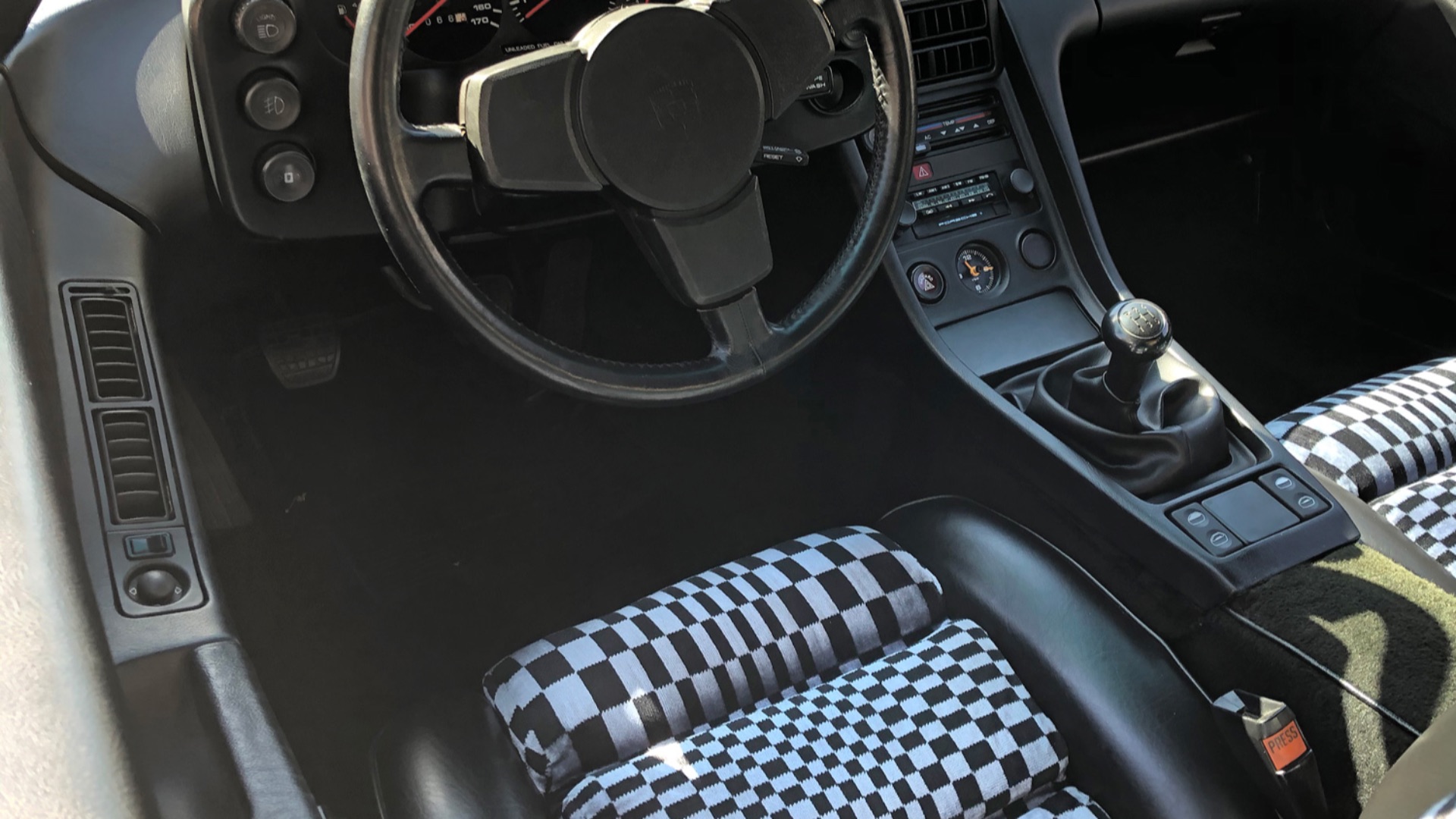
3. Porsche Pasha
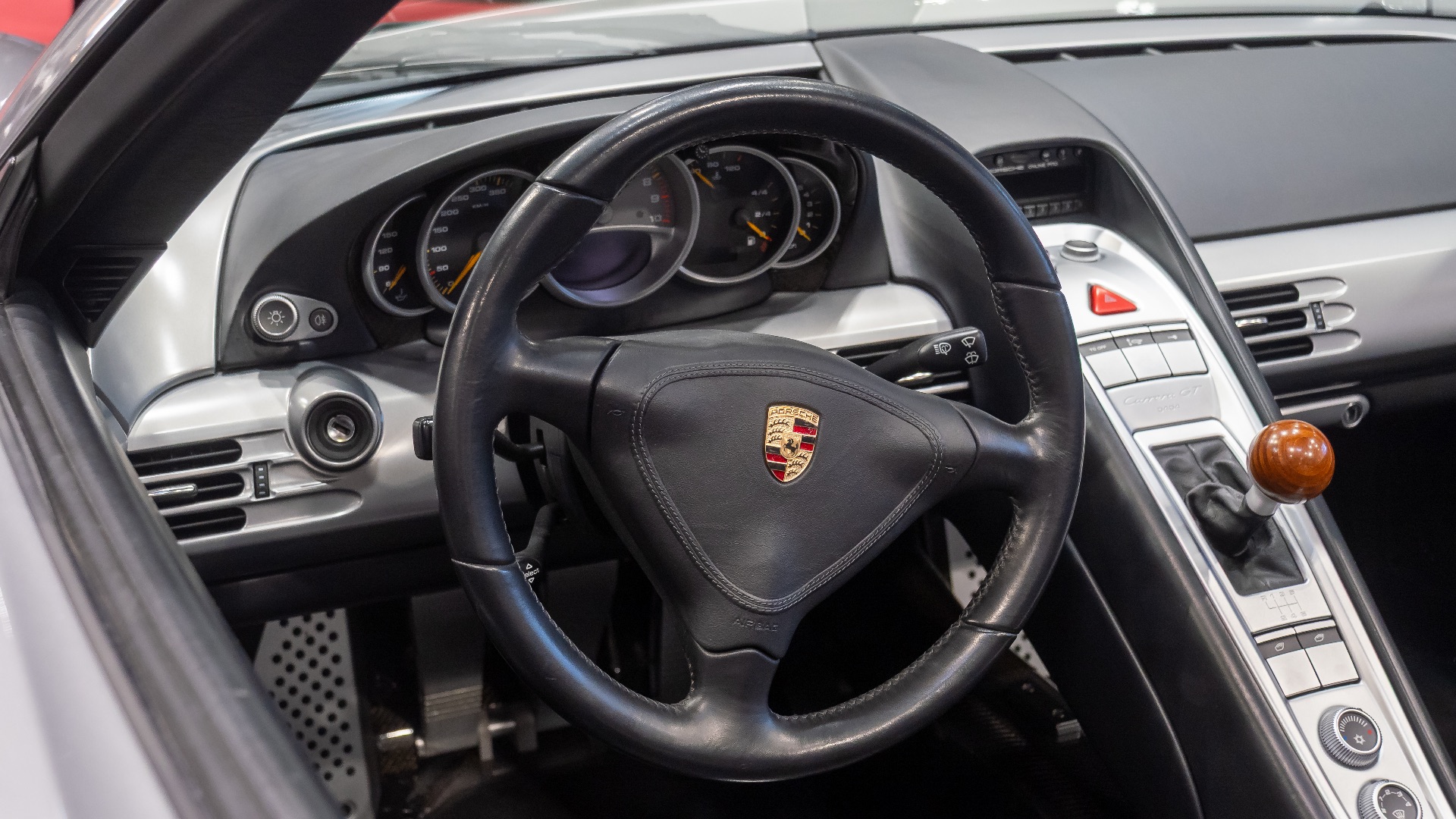
Few patterns demand attention quite like Porsche’s Pasha cloth, which appeared in cars including the 928, 911, and 924. That’s the late 1970s and early 1980s we’re talking about! The coolest thing about it was that the repeating design seems to shift as you look across the seat. It was unapologetically busy, which is why collectors still talk about it.
4. Volkswagen GTI Tartan Plaid
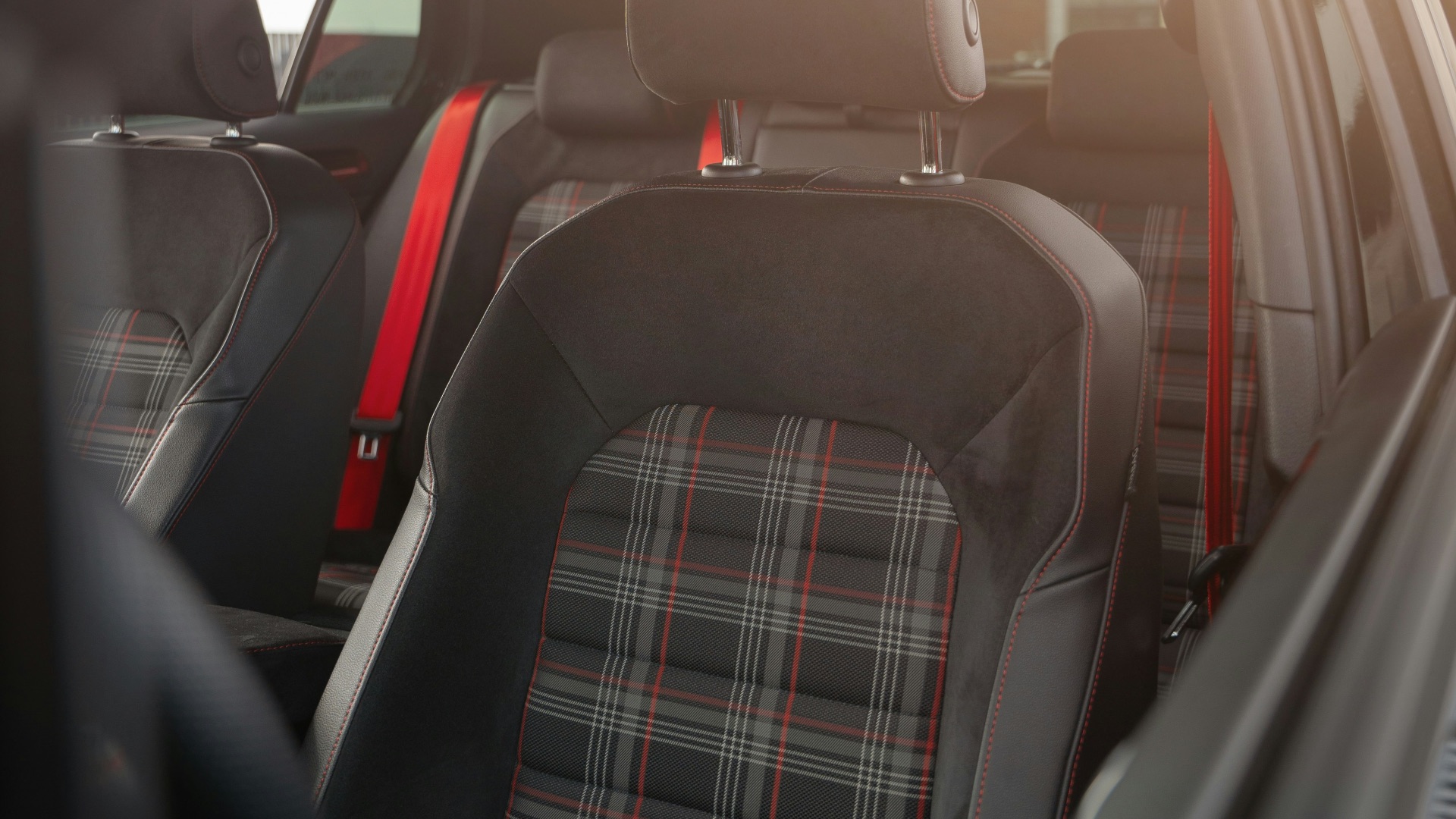
The original Golf GTI established several traditions, but its tartan seat fabric became one of the longest-lasting. It was so popular that even later GTIs continued using plaid in different forms, including the famous Clark pattern that so often shows up in recent generations. There’s a reason enthusiasts notice when those patterned centers are present.
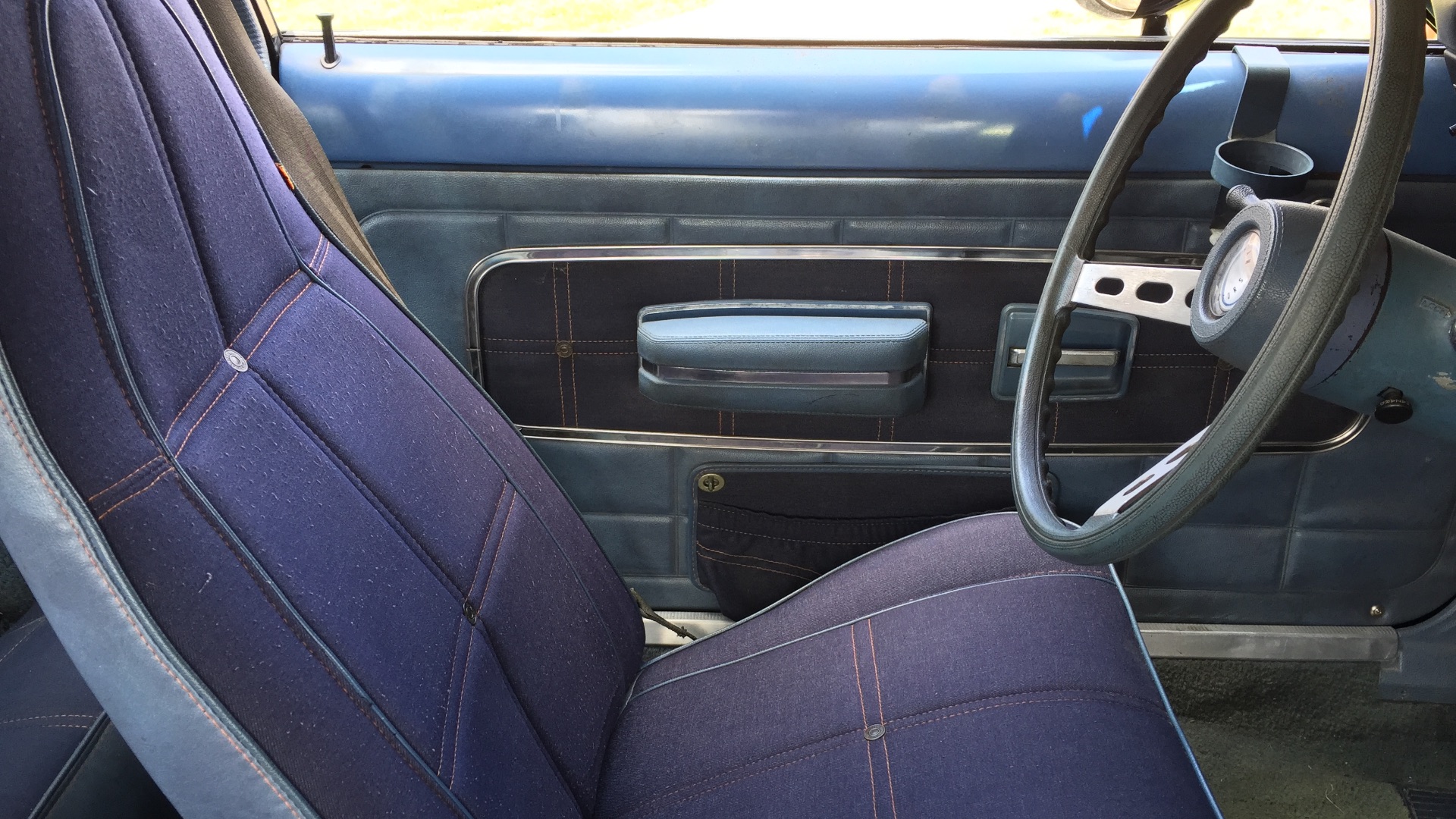
5. AMC Gremlin Levi’s Upholstery
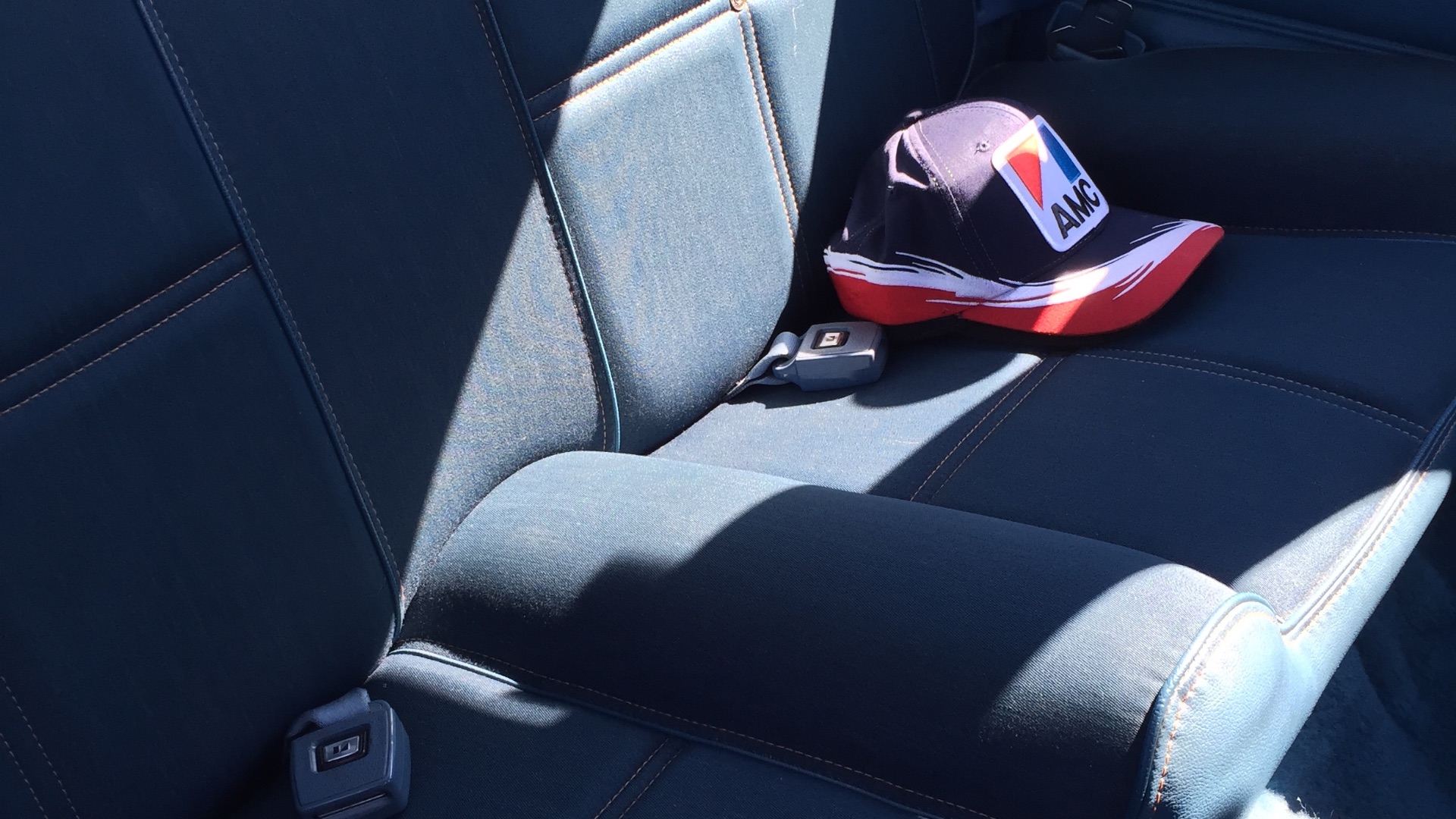
AMC partnered with Levi Strauss for a special Gremlin package introduced for the 1973 model year, and the interior was the star of the show. Those pesky regulations prevented the seats from using actual denim, but that didn’t really stop AMC. They installed a nylon fabric designed to resemble it, complete with familiar Levi’s-style details and orange stitching.
 CZmarlin — Christopher Ziemnowicz on Wikimedia
6. Jeep Levi’s Edition Fabric
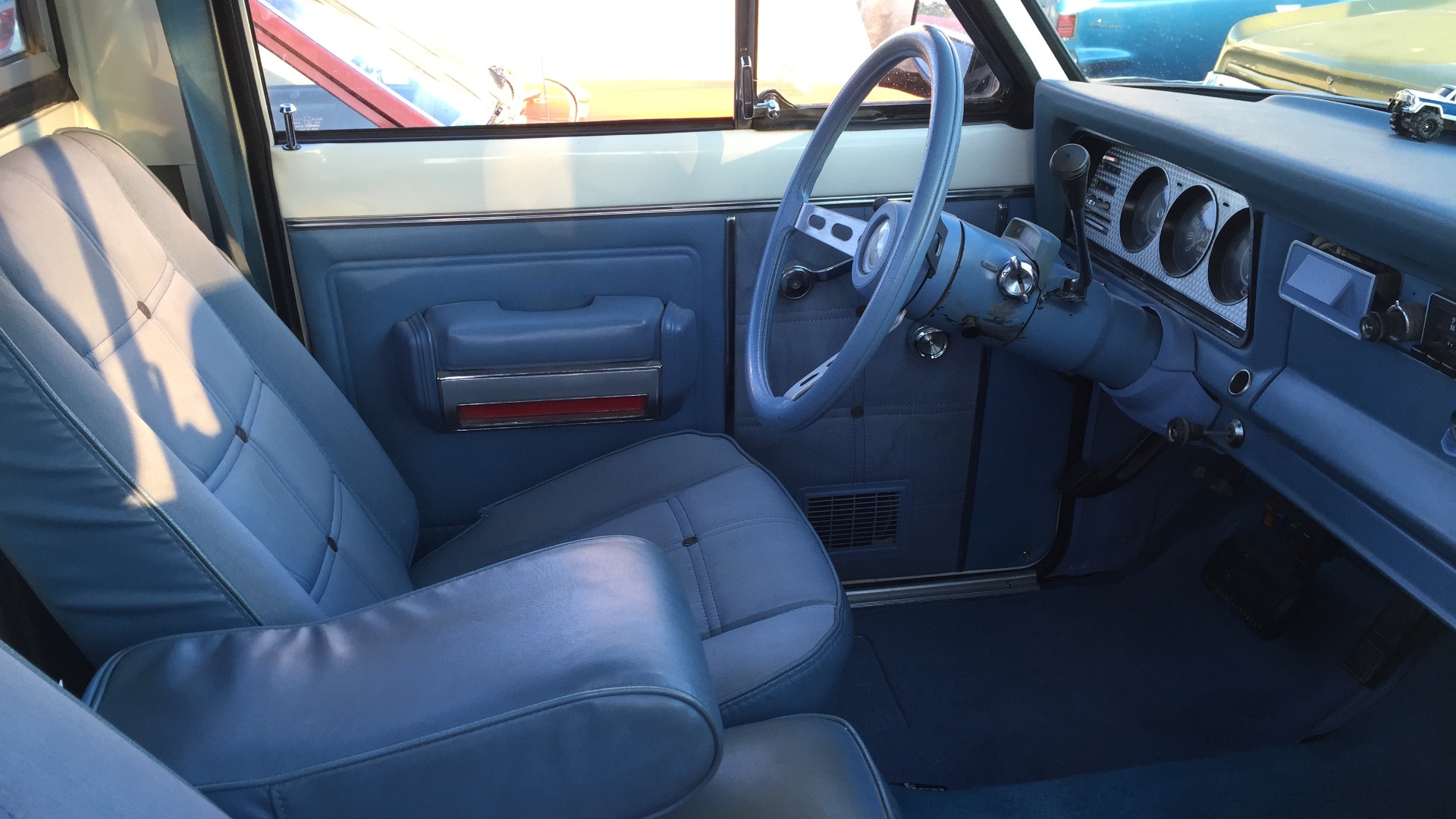
Jeep also got involved with Levi Strauss, bringing the denim-inspired treatment to popular vehicles, like the CJ during the 1970s. You had all the kooky traits you could ask for: blue upholstery, contrasting stitching, and matching trim. Say what you want about it, but the combo made these versions much more distinctive than an ordinary Jeep.
 CZmarlin — Christopher Ziemnowicz on Wikimedia
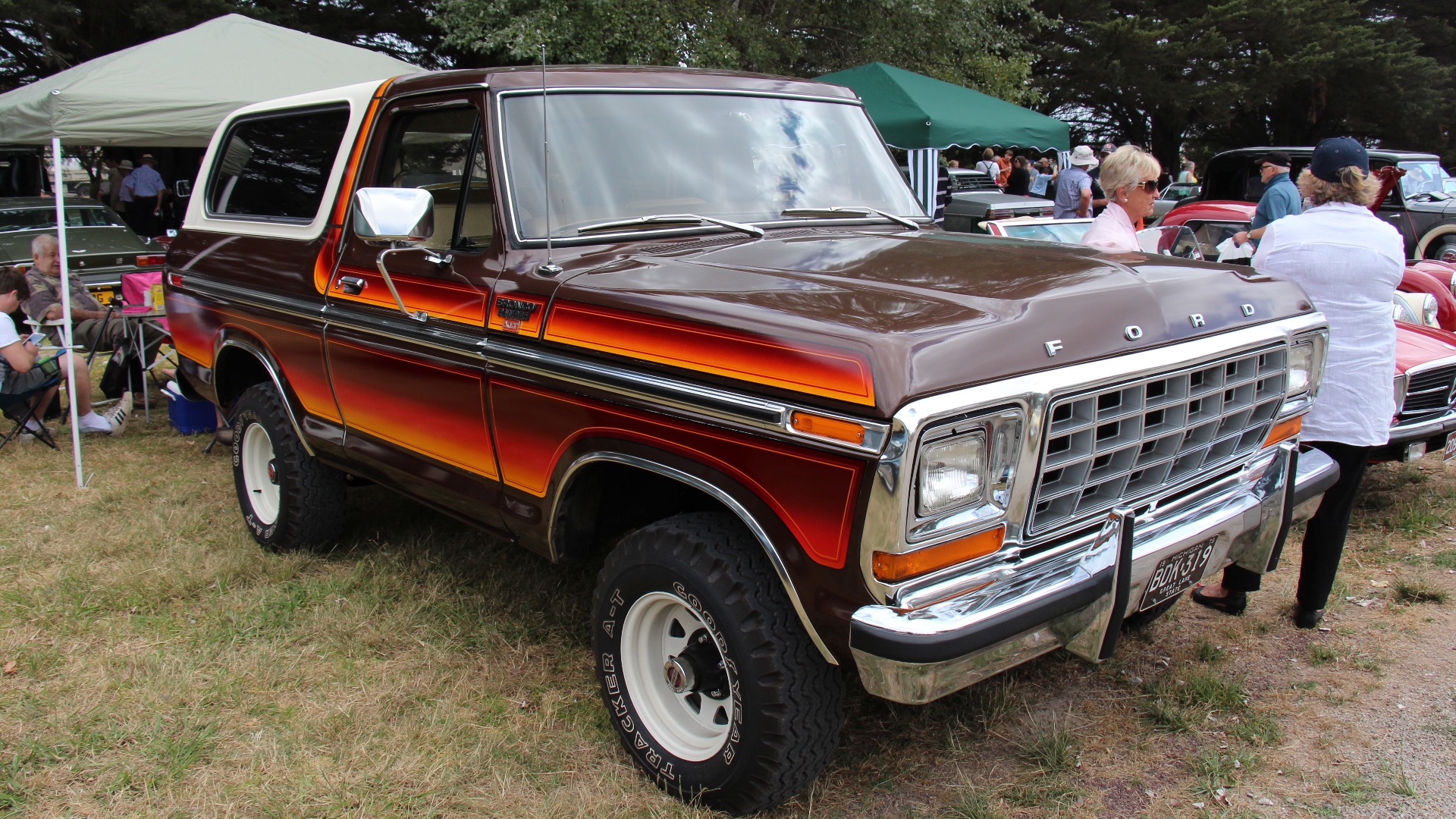
7. Ford Bronco Ranger Plaid
Some first-gen Broncos ordered with the Ranger package had period plaid upholstery during the 1970s. Yes, it was as amazing and old-timey as you’re picturing! Find an original example today, and the seats often reveal its decade before anything else does.
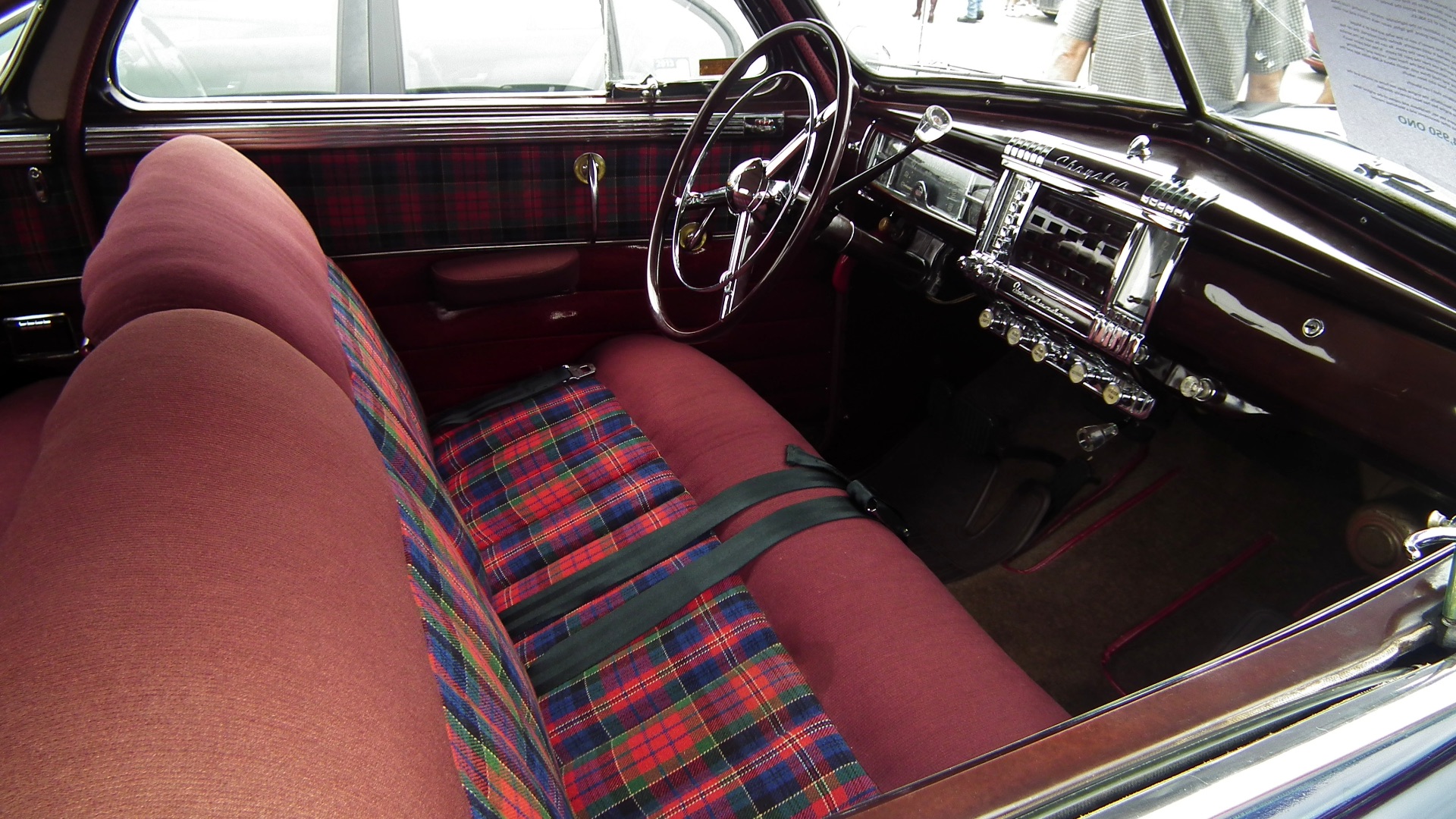
8. Chrysler Highlander Plaid
Chrysler went bold with its Highlander interiors in the 1940s, and we can’t say we blame them. The colorful fabric could pop up alongside leather or complementary trim, giving large Chrysler models an unusually memorable cabin, too. Even now, it’s just proof that attention-grabbing factory cloth existed long before the wild interiors of the 1970s hit the scene.
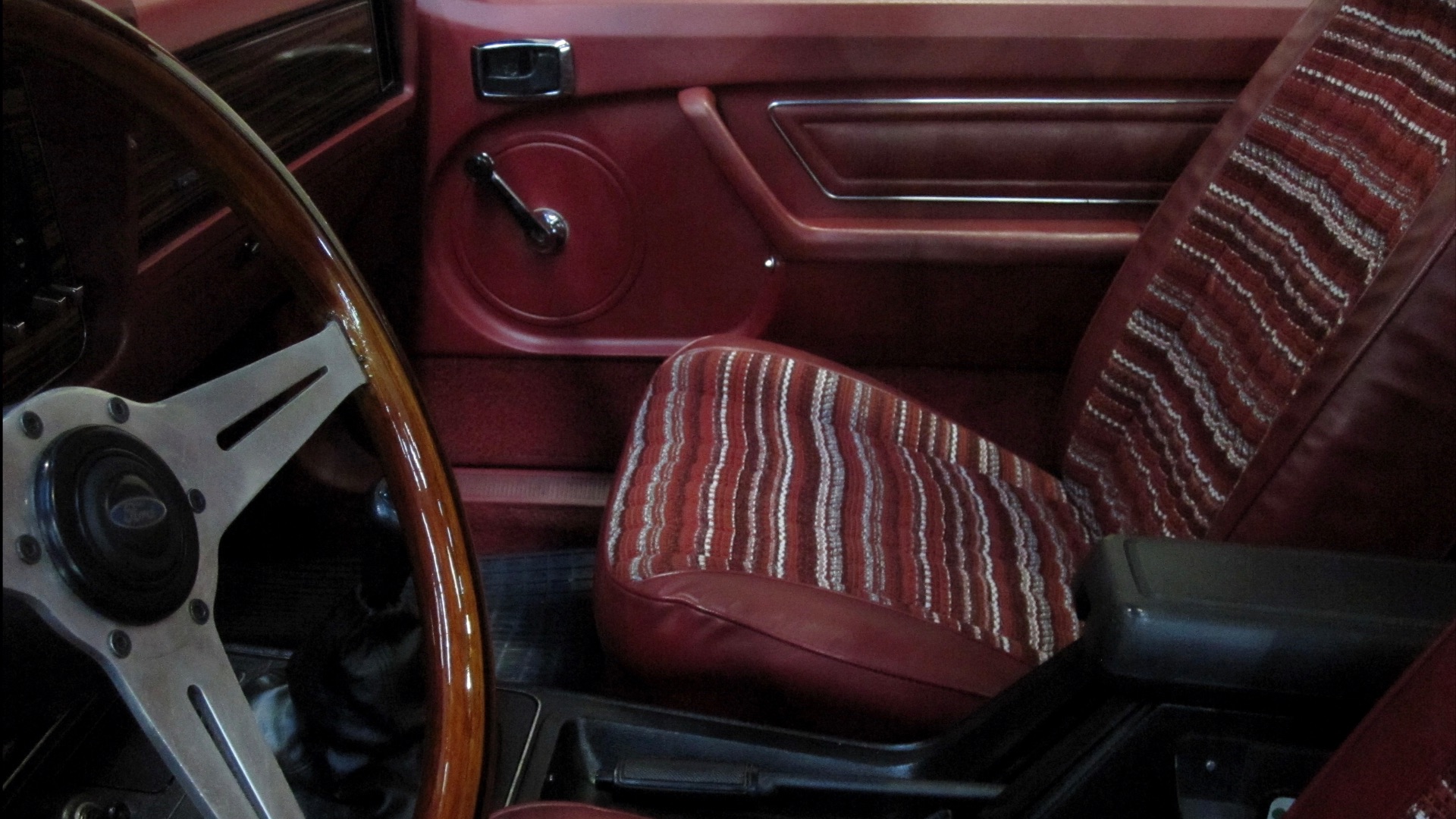
9. Ford Mustang Comfortweave
Comfortweave wasn't a loud printed cloth, but its woven-looking texture gave Ford interiors a character that plain vinyl couldn't. The knitted vinyl showed up in all sorts of Ford models, and it became especially familiar to fans of late-1960s and early-1970s Mustangs. Don’t assume that models speak for themselves, either—even on a Mach 1, the seating helped reinforce that unmistakable appearance.
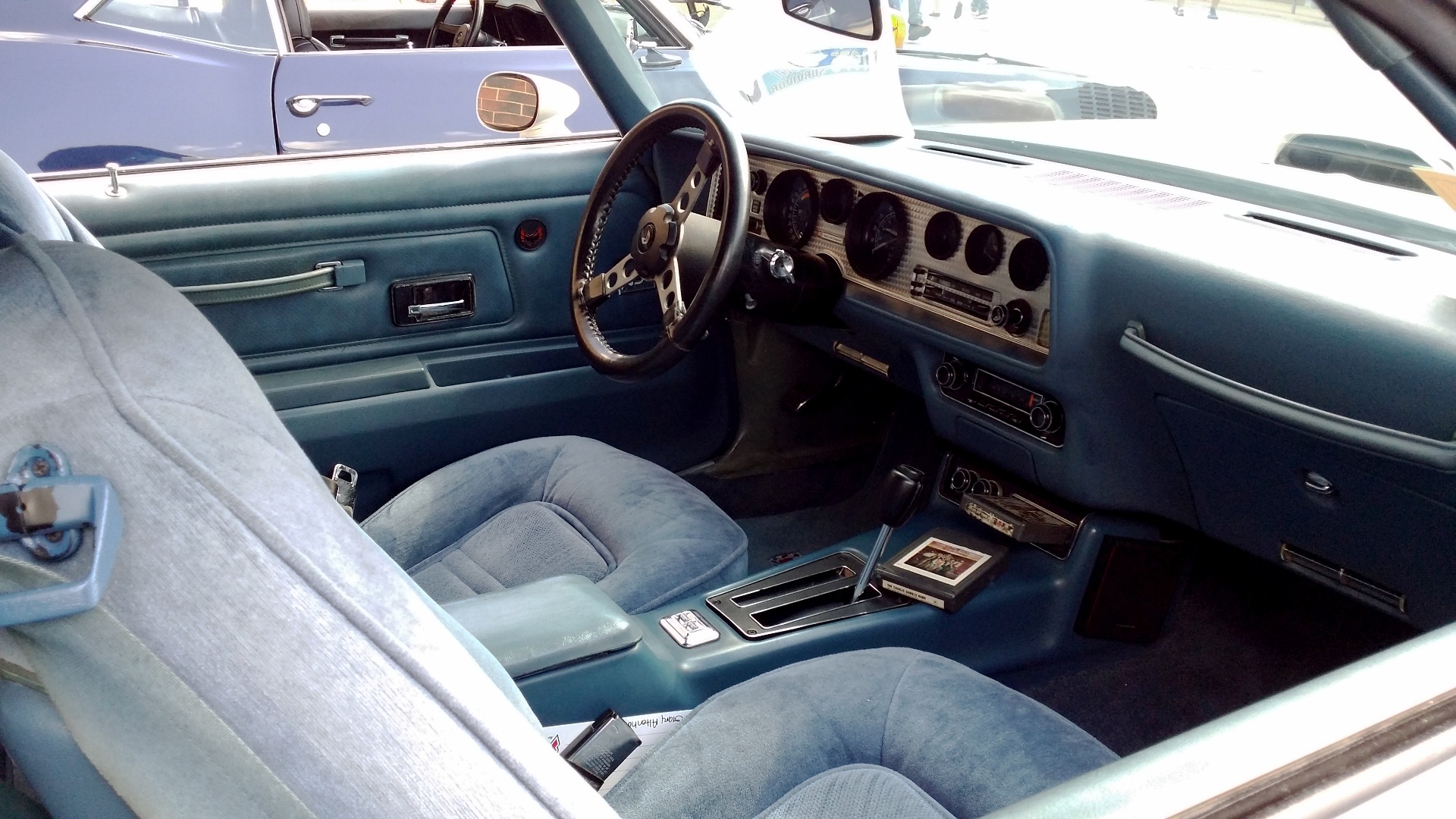
10. Pontiac Trans Am Hobnail Cloth
Pontiac offered a distinctive cloth commonly known among enthusiasts as hobnail. It first showed up in the late-1970s and early-1980s Firebirds and Trans Ams. Sure, it might look weird by today’s standards, but those tiny raised patterns added texture while remaining far less slippery than the vinyl seats found in many earlier muscle cars.
11. General Motors Crushed Velour
If you want luxury, look no further than these guys! For a stretch of the 1970s and 1980s, GM buyers could climb into large sedans and coupes upholstered in acres of thick velour. Everyone from Buick and Oldsmobile to Chevrolet and Cadillac embraced plush cloth seating, often in rich colors, too, like burgundy or green.
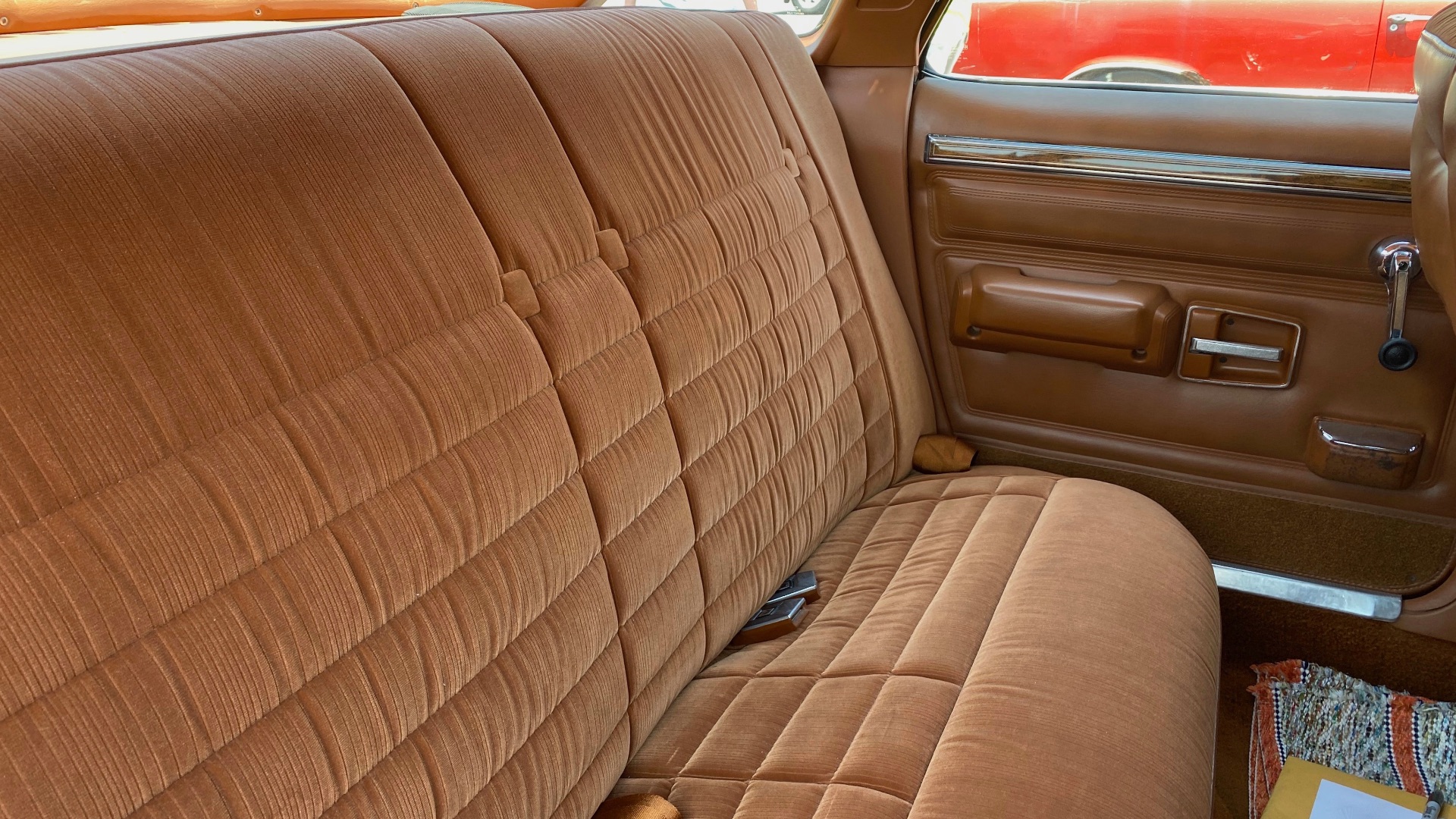 CZmarlin — Christopher Ziemnowicz on Wikimedia
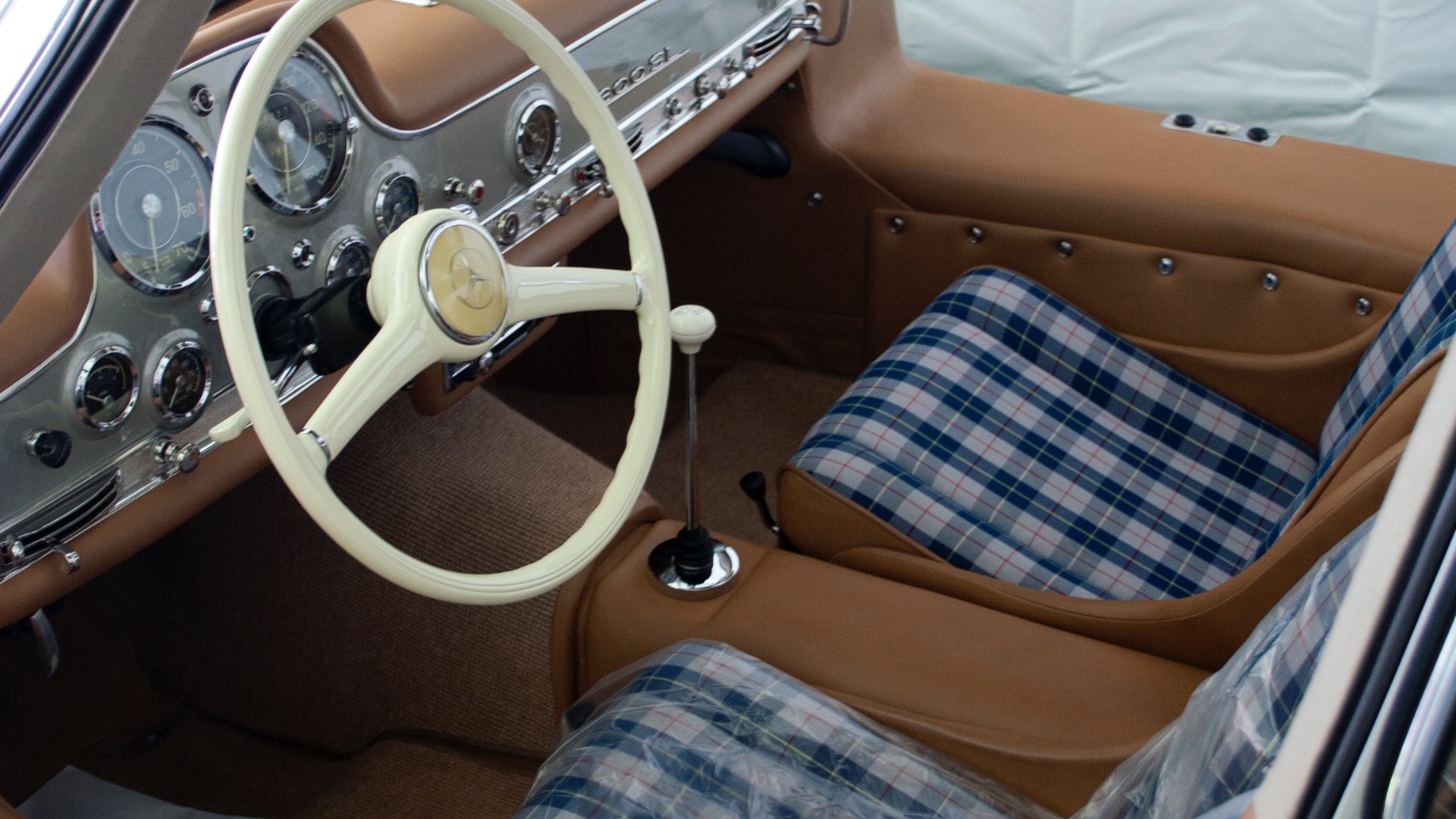
12. Mercedes-Benz Checkered Cloth
Not every classic Mercedes left the factory with leather, particularly in the European market. Models like the W123 could be ordered with patterned cloth interiors featuring checks and other woven designs that gave the cabin its own character. They’re less familiar to many Americans, which makes surviving cloth-equipped cars so interesting today.
13. BMW Pinstriped Cloth
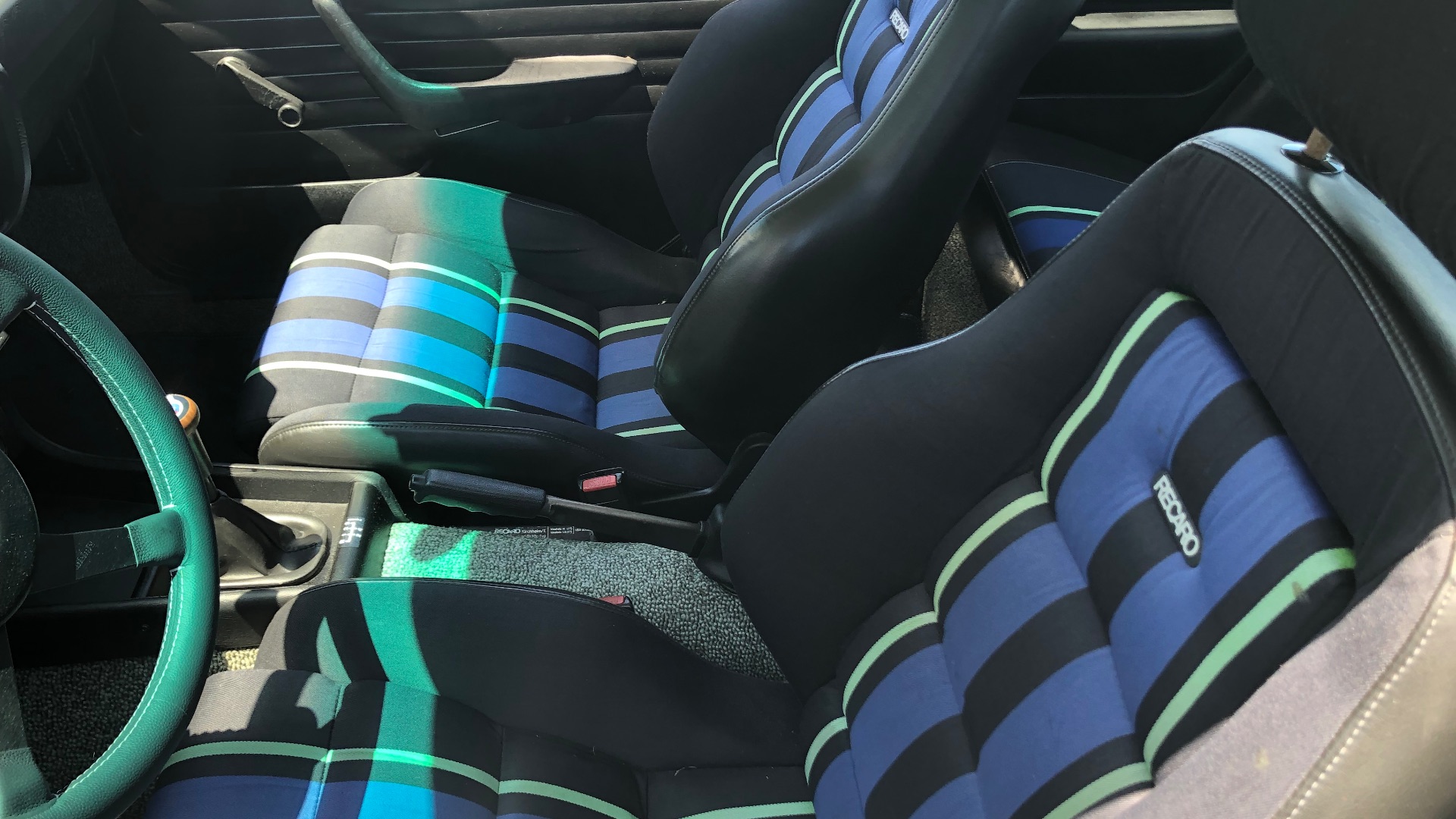
Older BMWs frequently demonstrated that a sporty seat didn't have to be covered in leather. Cars from the 1970s and 1980s sometimes came with narrow stripes running through the cloth seat centers. To get really wild with it, they were sometimes paired with heavily bolstered sport seats, too.
14. Saab Striped Velour
Classic Saabs weren't shy about unusual materials, and striped or ribbed velour fit their unconventional personality nicely! The Saab 99 and early 900 were especially bold, and they could rock richly textured cloth in shades that immediately place them in the 1970s or 1980s.
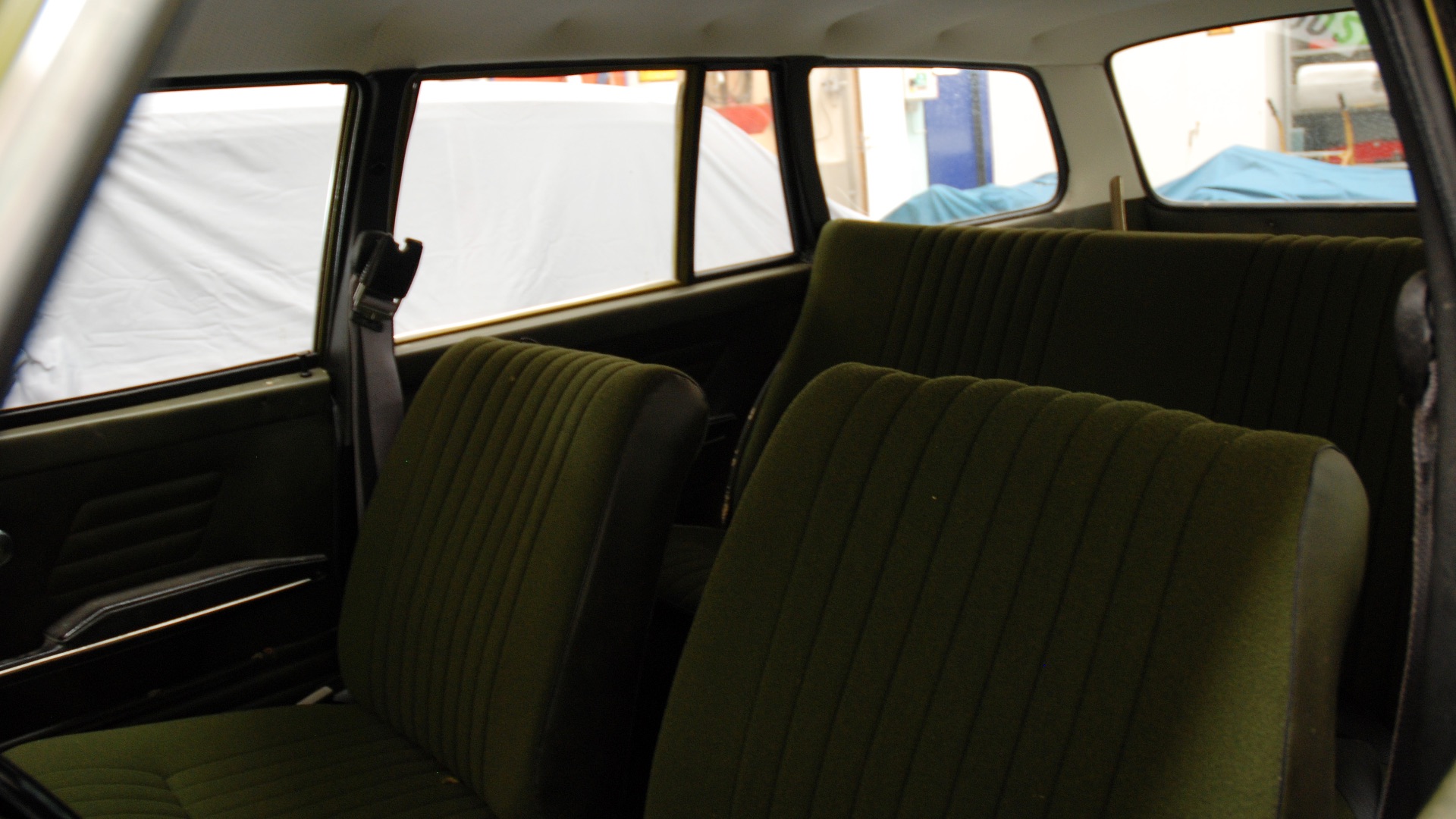 Jelger Groeneveld on Wikimedia
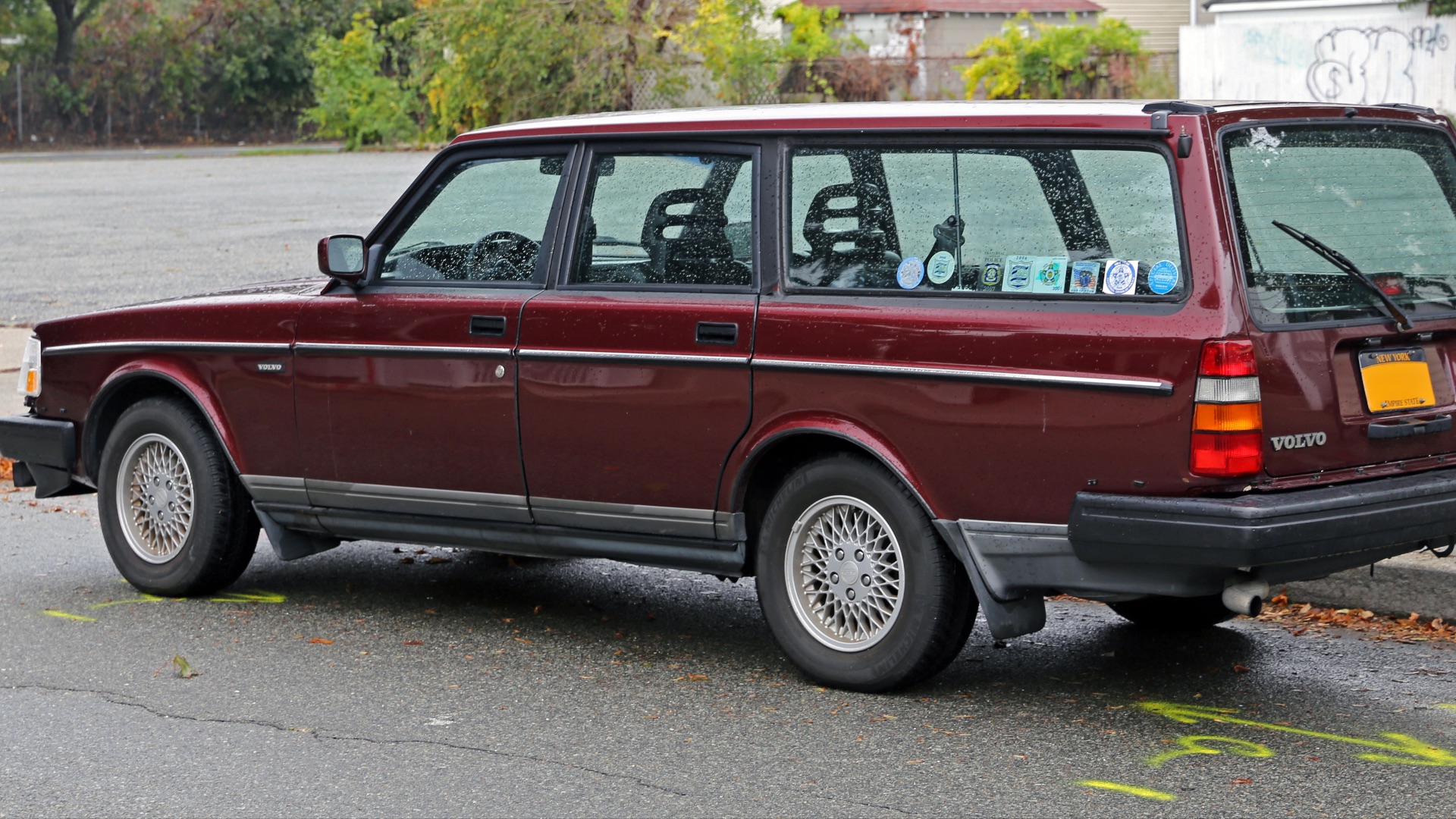
15. Volvo Striped Cloth
Volvo's boxy sedans and wagons may have looked serious on the road, but their upholstery had way more spunk. Certain 200-series cars featured striped or patterned cloth inserts in earthy browns, blues, and tans—and those fabrics became part of the experience of riding in an old 240.
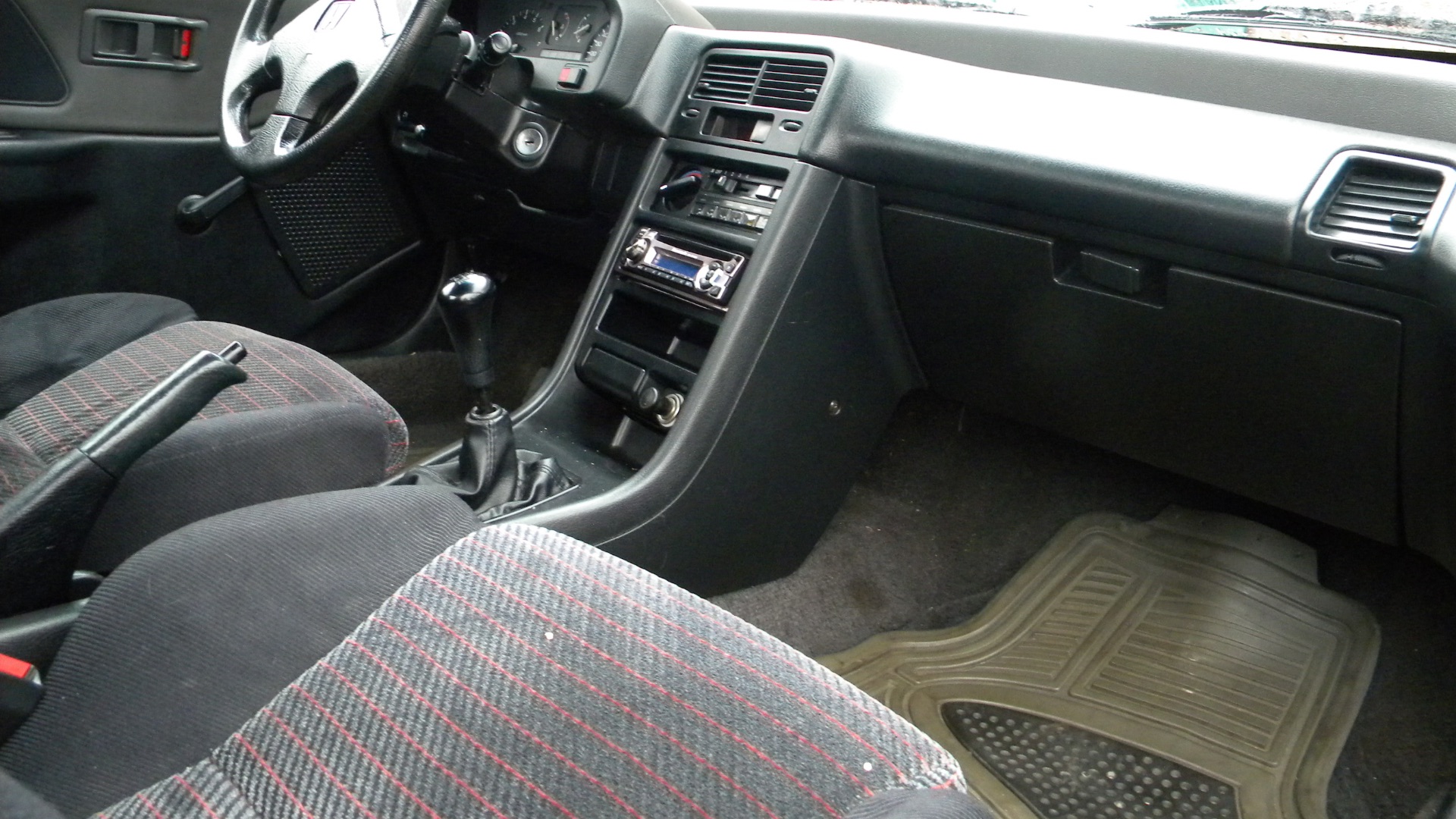
16. Honda CRX Striped Cloth
Early Honda CRXs were perfectly acceptable, but they needed a little juice to them. That’s where the patterned cloth came in! They brought some energy into cabins that otherwise kept things pretty simple, and the result suited a lightweight little coupe that never needed luxury materials to feel special.
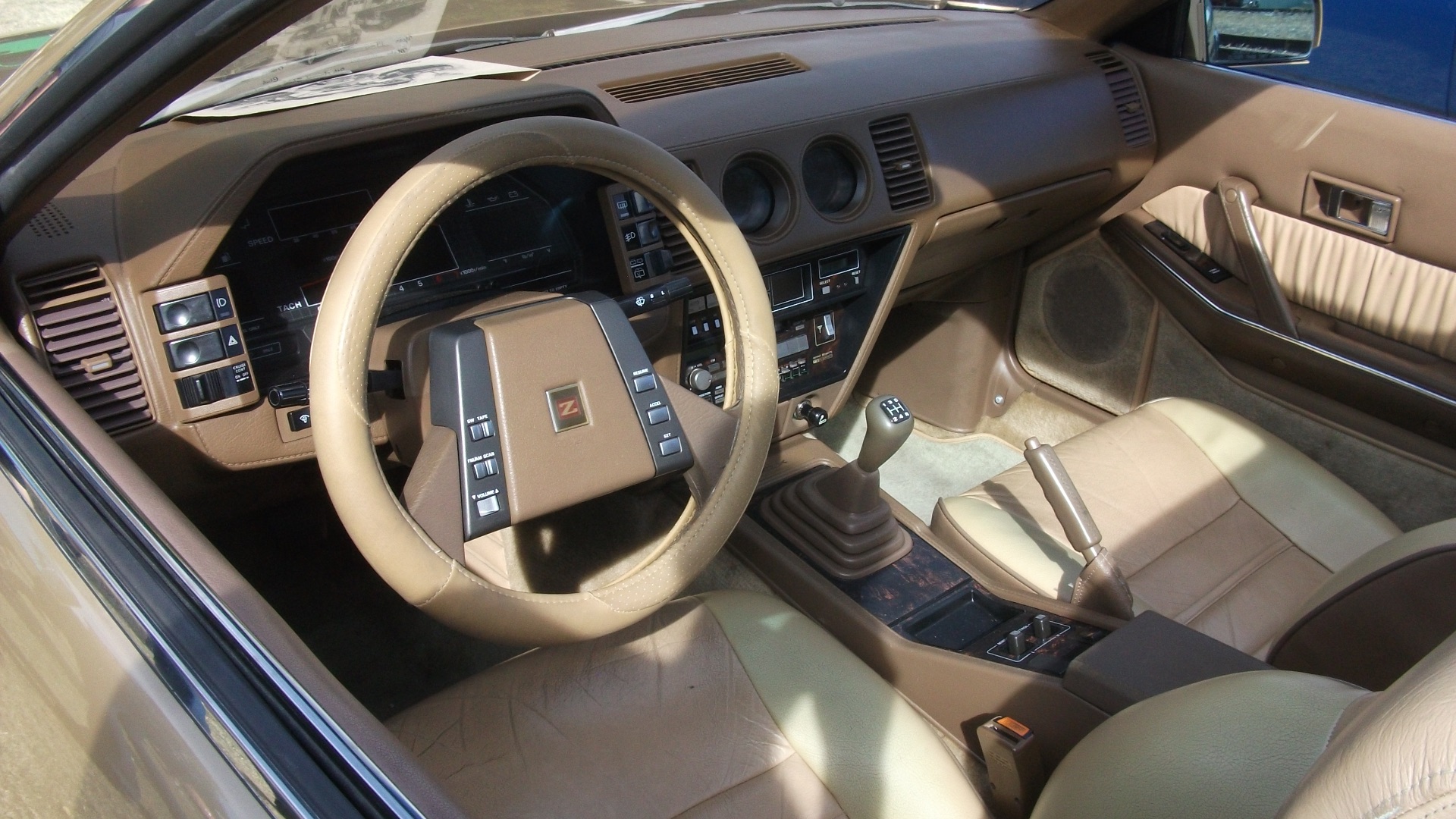
17. Nissan 300ZX Tweed
If you climbed into certain Japanese cars during the 1980s, there was a good chance you'd park your behind on tweed. That’s right—the material wasn’t just for fancy suits back in the day. Between that material and the available digital instrumentation, there was little chance of mistaking the cabin for one built a decade later.
 dave_7 from Lethbridge, Canada on Wikimedia
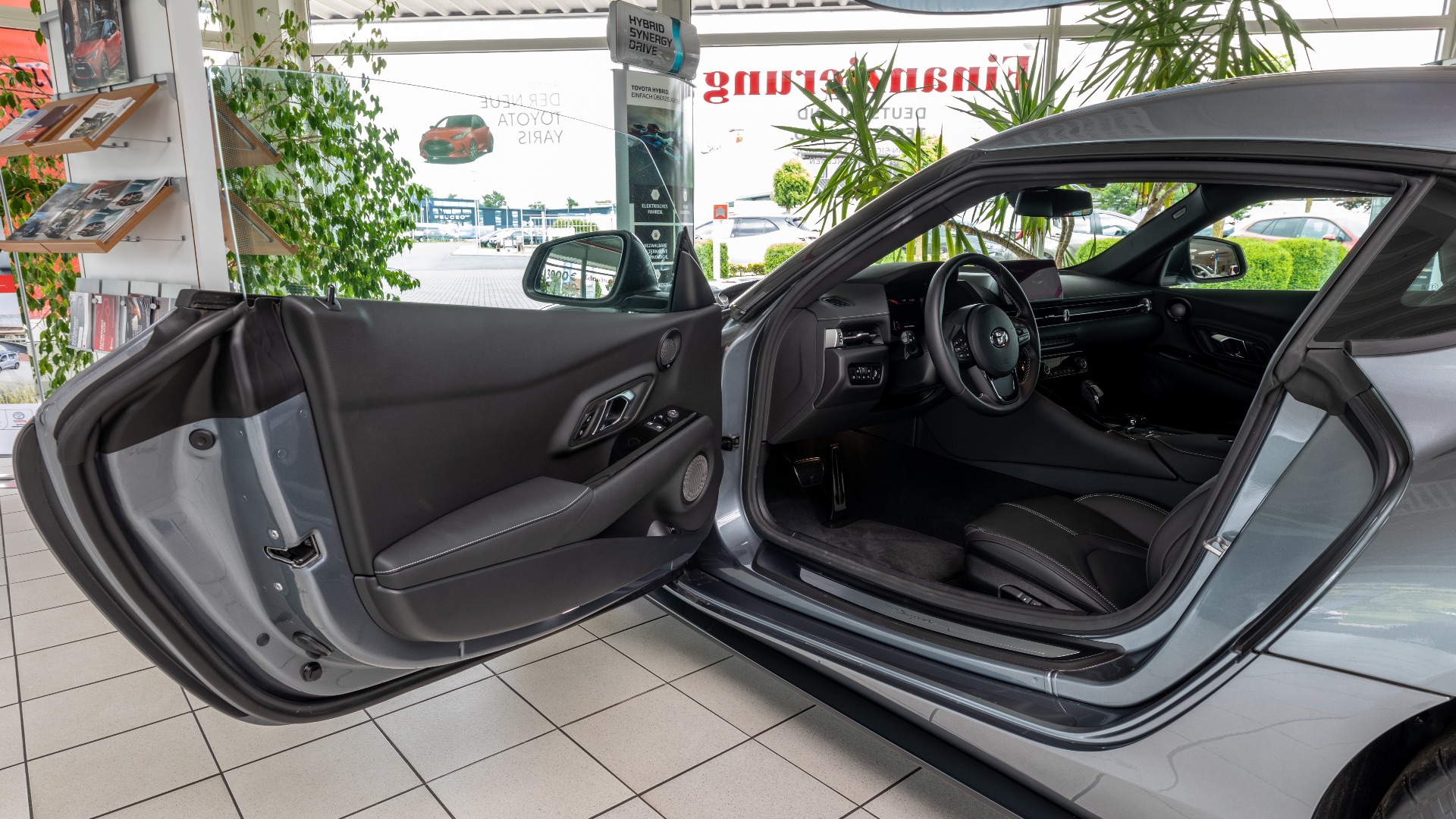
18. Toyota Supra Striped Sport Cloth
Before leather became practically mandatory, Toyota fitted Supras with highly visible patterned cloth. Early generations, including Celica Supra models, used striped and two-tone seat designs that made the cabin look every bit as sporty as buyers expected. Don’t assume it lost its cool, either; original upholstery is increasingly valuable.
19. Renault 5 Patterned Cloth
Small European hatchbacks were best at turning inexpensive cloth into something memorable, and the Renault 5 was no exception. Various versions boasted all kinds of crazy choices, like bright stripes, geometric designs, and contrasting seat panels that added personality. They might not be your cup of tea, but a basic hatchback looked a lot less basic when its seats were covered in colorful patterns.
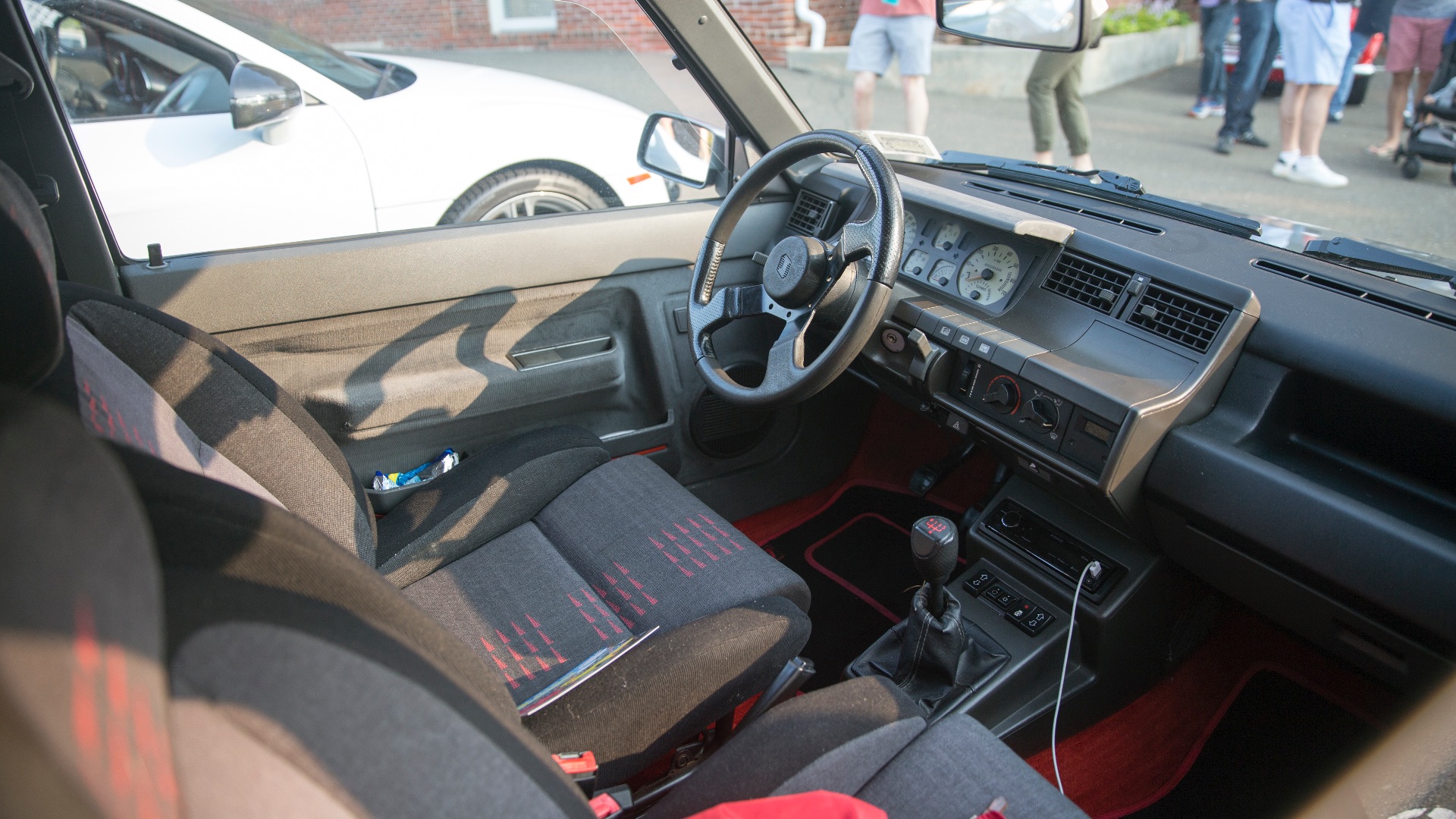
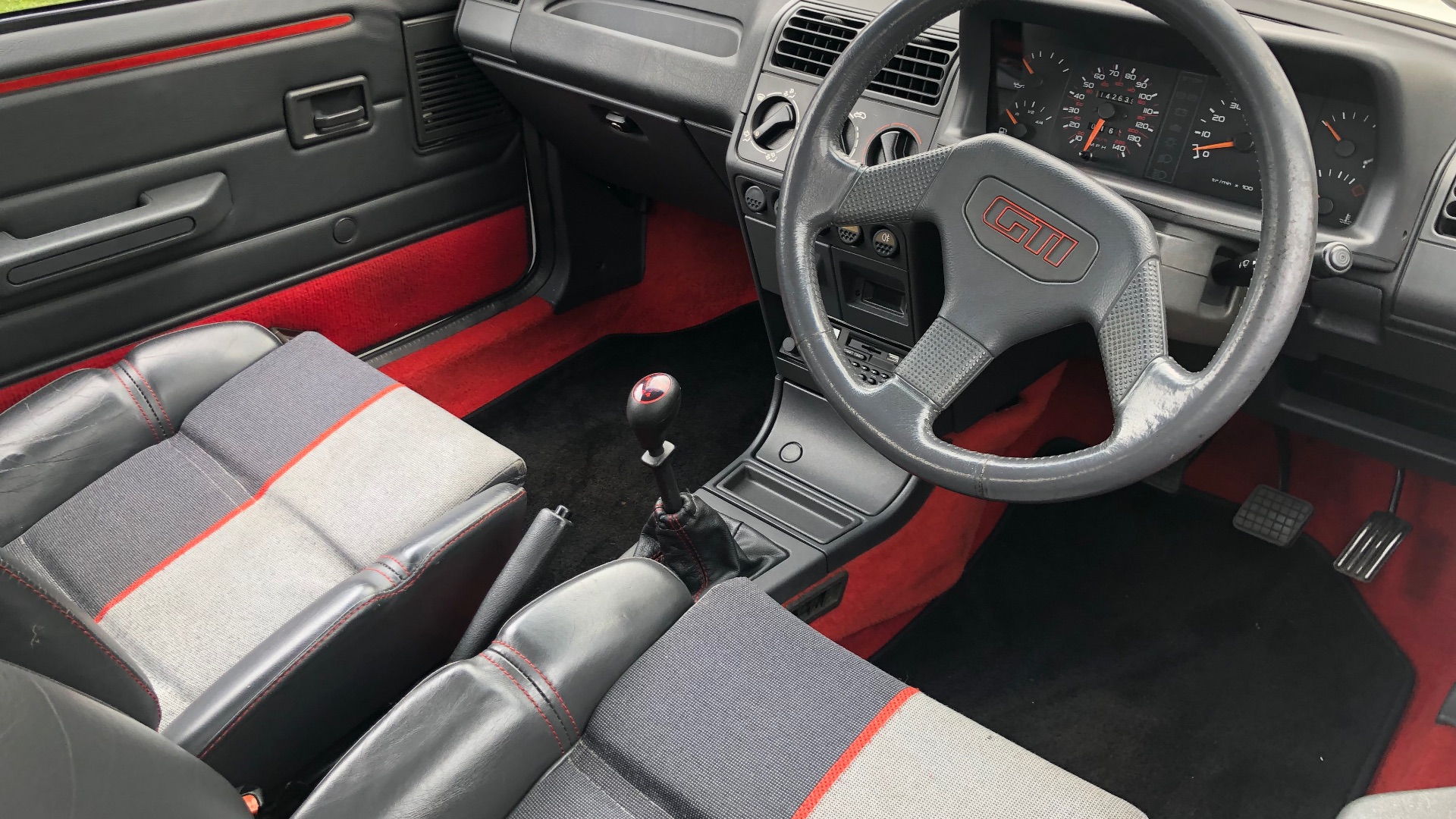
20. Peugeot 205 GTI Checked Cloth
The Peugeot 205 GTI paired compact performance credentials with playful seats, a combo that worked in its favor! Depending on year and market, its bolstered seats combined patterned or checked cloth centers with contrasting side materials and signature red details. It's the sort of upholstery that enthusiasts now work hard to preserve; they recognize personality when they see it.