Not too long ago, many of the world's largest automakers were preparing for a future in which gasoline-powered vehicles would gradually disappear from their showrooms. Manufacturers announced ambitious electrification targets, poured billions of dollars into battery production, and introduced electric versions of some of their most recognizable models. However, the transition to electric vehicles hasn't gone quite as smoothly as many industry executives had hoped.
Several automakers have since reconsidered their timelines, delayed the release of new electric models, and devoted more resources to hybrid technology. While there's still plenty of interest in electric vehicles, manufacturers are realizing that convincing the average driver to give up gasoline is going to take longer than expected. Financial pressures, changing government policies, and practical concerns are all influencing how car companies approach the next decade.
Consumer Demand Hasn't Met Expectations in Certain Markets
One of the biggest challenges facing automakers is that the enthusiasm surrounding electric vehicles doesn't always translate into sales. According to the International Energy Agency, electric cars, including plug-in hybrids, accounted for nearly 55 percent of new car sales in China in 2025, compared to just under 10 percent in the U.S. As a result, manufacturers selling vehicles internationally are having to cater to vastly different consumer preferences.
Affordability remains a particularly significant obstacle for American consumers who might otherwise be interested in going electric. Although electric vehicles can save drivers money on fuel and certain maintenance expenses, their upfront costs can be difficult to justify, especially when comparable gasoline-powered models are available for less. For households already dealing with rising living expenses, the promise of saving money several years down the road isn't always enough to make a larger monthly car payment worthwhile.
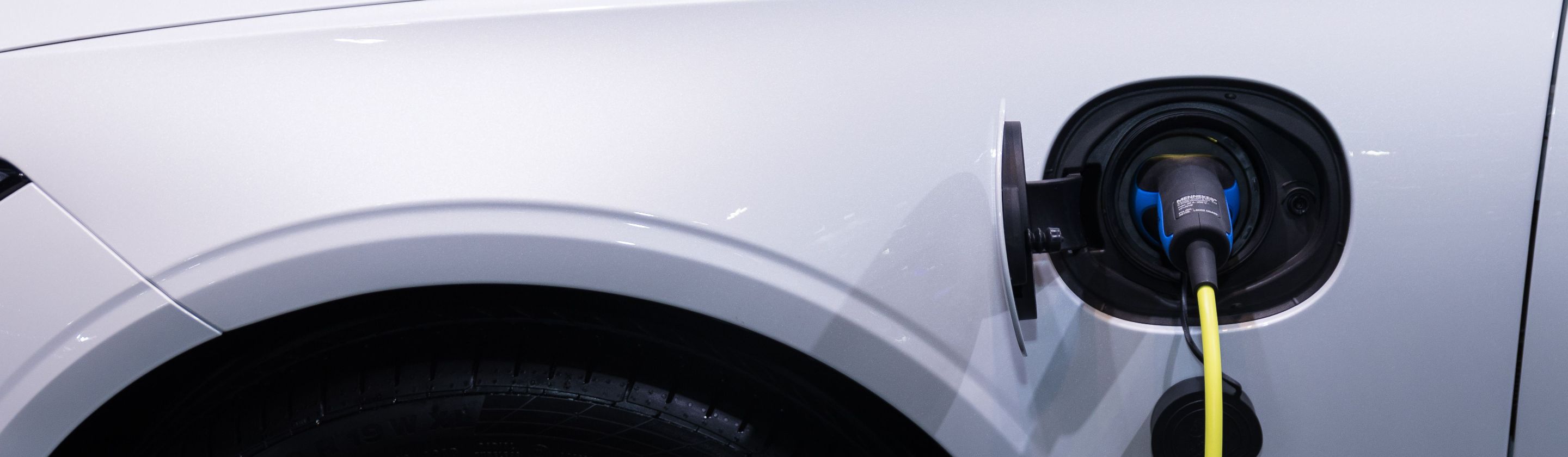
There's also the question of whether owning an electric vehicle makes sense for every driver. Someone with a private garage and a relatively short daily commute might find an EV far more convenient than a gas-powered car, whereas someone living in an apartment building without dedicated charging facilities could have a very different experience. Concerns about charging availability, winter driving range, and long-distance travel continue to influence purchasing decisions, even as the technology improves.
Developing Electric Vehicles Has Proven Expensive
Building an electric vehicle involves much more than replacing a conventional engine with a battery and an electric motor. Traditional automakers have had to redesign vehicle platforms, establish new supply chains, modify manufacturing facilities, and train employees to work with unfamiliar technology. Recovering the money spent on these investments becomes particularly difficult when manufacturers aren't selling enough vehicles to bring their production costs down.
Ford is among the companies that have experienced the financial consequences of betting heavily on electrification, while General Motors has also revised portions of its electric vehicle strategy. Both manufacturers have adjusted production plans and reconsidered investments as the American market hasn't developed quite the way they'd originally anticipated. Continuing to pour money into vehicles that aren't generating sufficient returns simply because they were part of an earlier corporate commitment doesn't make much business sense.
Changing government policies have further complicated matters, particularly in the U.S., where federal electric vehicle purchase tax credits ended on September 30, 2025. Manufacturers that previously benefited from these incentives to make their vehicles more affordable are now facing the prospect of having to offer their own discounts to attract buyers. Given that developing a new vehicle typically takes several years, unpredictable government policies make it hard for automotive executives to anticipate how profitable a model will be by the time it reaches dealerships.
Hybrids Are Proving to Be an Attractive Alternative
Rather than abandoning electrification altogether, some manufacturers are turning more of their attention toward vehicles that combine gas engines with electric motors. Conventional hybrids allow drivers to enjoy better fuel economy without having to install charging equipment or plan longer trips around charging stations. They also require considerably smaller battery packs than fully electric vehicles, meaning manufacturers don't have to use nearly as much expensive battery material for each car they produce.
Toyota's longstanding commitment to offering multiple powertrain options looks increasingly sensible under these circumstances. While the Japanese manufacturer previously faced criticism for being relatively cautious about embracing fully electric vehicles, the growing popularity of hybrids in the U.S. suggests that plenty of consumers aren't ready to give up gasoline entirely. Other manufacturers, including Ford, Mercedes-Benz, and Stellantis, have similarly reconsidered how much of their future lineup should consist of fully electric vehicles and models that retain combustion engines.
None of this necessarily means the automotive industry is giving up on electric cars. Global electric car sales exceeded 20 million in 2025, and manufacturers that neglect electric vehicle development altogether risk losing customers to increasingly competitive Chinese brands. What's changing is the assumption that every market and vehicle segment will embrace fully electric transportation at roughly the same pace. For the foreseeable future, giving consumers a greater variety of powertrain options may make more financial sense than trying to persuade everyone to make the same transition at once.