For much of American automotive history, luxury sedans and expensive sports cars were among the clearest indicators of financial success. Pickup trucks, meanwhile, were primarily associated with farming, construction, and other occupations that required dependable vehicles capable of carrying heavy loads. However, the modern pickup has evolved considerably, with premium models offering sophisticated interiors, advanced technology, and price tags comparable to those of traditional luxury vehicles.
A pickup may say many things about its driver: that they're affluent, enjoy the outdoors, love freedom, and so on. Clearly, there are many people who have little or no use for the hauling and towing capabilities of these vehicles yet still want one. Given all of the luxurious models and options available from most manufacturers, it wouldn't be surprising if the pickup established itself as the ultimate American status symbol.
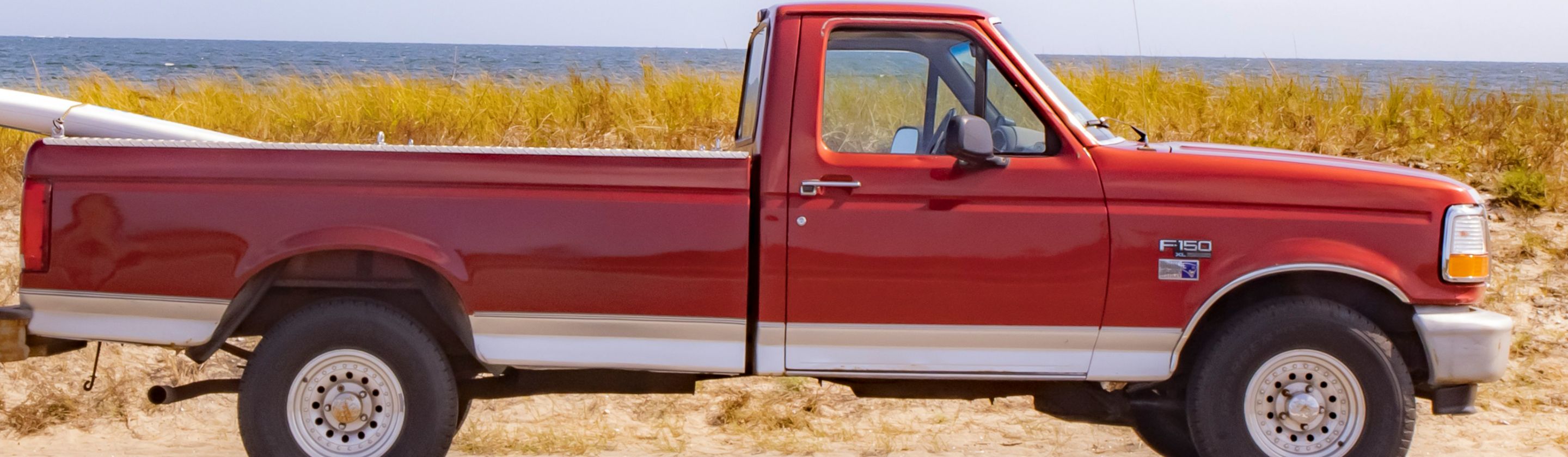
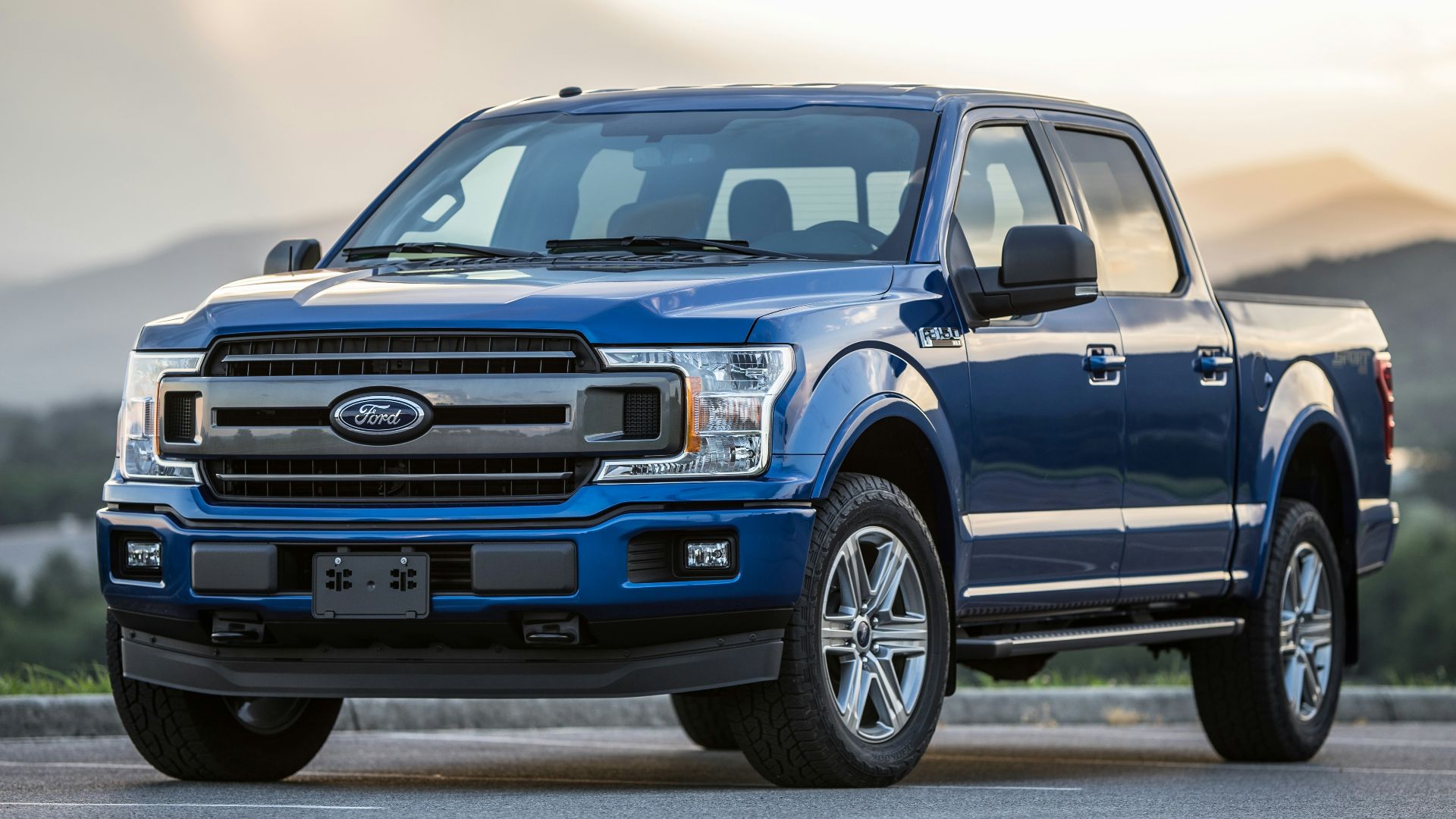
The popularity of pickup trucks in the United States is hardly a recent development, but their continued dominance is impressive. Ford reported selling 828,832 vehicles in its F-Series lineup in 2025, securing its position as America's best-selling truck for the 49th consecutive year. These figures demonstrate how deeply pickups are embedded in American automotive culture, even as consumer preferences and vehicle technology continue to evolve.
Arguably, the greatest changes have been within the cabin. Very Spartan conditions are now largely a thing of the past, with many models offering heated and ventilated leather seats, high-quality audio systems, sunroofs, and very large color screens. There's much to be said for the level of comfort and opulence that can be enjoyed in a top-of-the-line pickup as an alternative to buying a comparable luxury European vehicle.
Many vehicles at the upper end of the range are quite distinct from their cheaper counterparts. For example, all aspects of the finish of a GMC Sierra Denali Ultimate, both inside and out, serve to set it apart from base models. The Denali lineup is credited by Edmunds with pioneering the market for upscale trucks, prompting other manufacturers to follow suit.
The financial commitment involved in purchasing these vehicles further illustrates their changing position in the automotive market. According to data reported by ABC News in 2025, approximately 12% of truck sales that year involved transaction prices exceeding $70,000. Spending that much on a pickup demonstrates that at least some customers are willing to treat these vehicles as luxury purchases rather than simply practical transportation.
Why Pickup Trucks Have Such Strong Cultural Appeal
American culture has long celebrated independence, self-sufficiency, and the ability to accomplish things without relying heavily on others. Owning a pickup can reflect these values because the vehicle offers considerable flexibility for transporting furniture, hauling recreational equipment, or tackling home improvement projects. Even drivers who rarely need these capabilities might enjoy knowing that they're available whenever the occasion arises.
Some buyers of the more upscale truck models will be attracted by outdoor pursuits. It's therefore no surprise that many models, including the F-150 Raptor, are promoted with off-road capabilities in mind and have various features to facilitate this. All of Ford's off-road models, including both trucks and SUVs, accounted for over 20% of its total US sales in 2025.
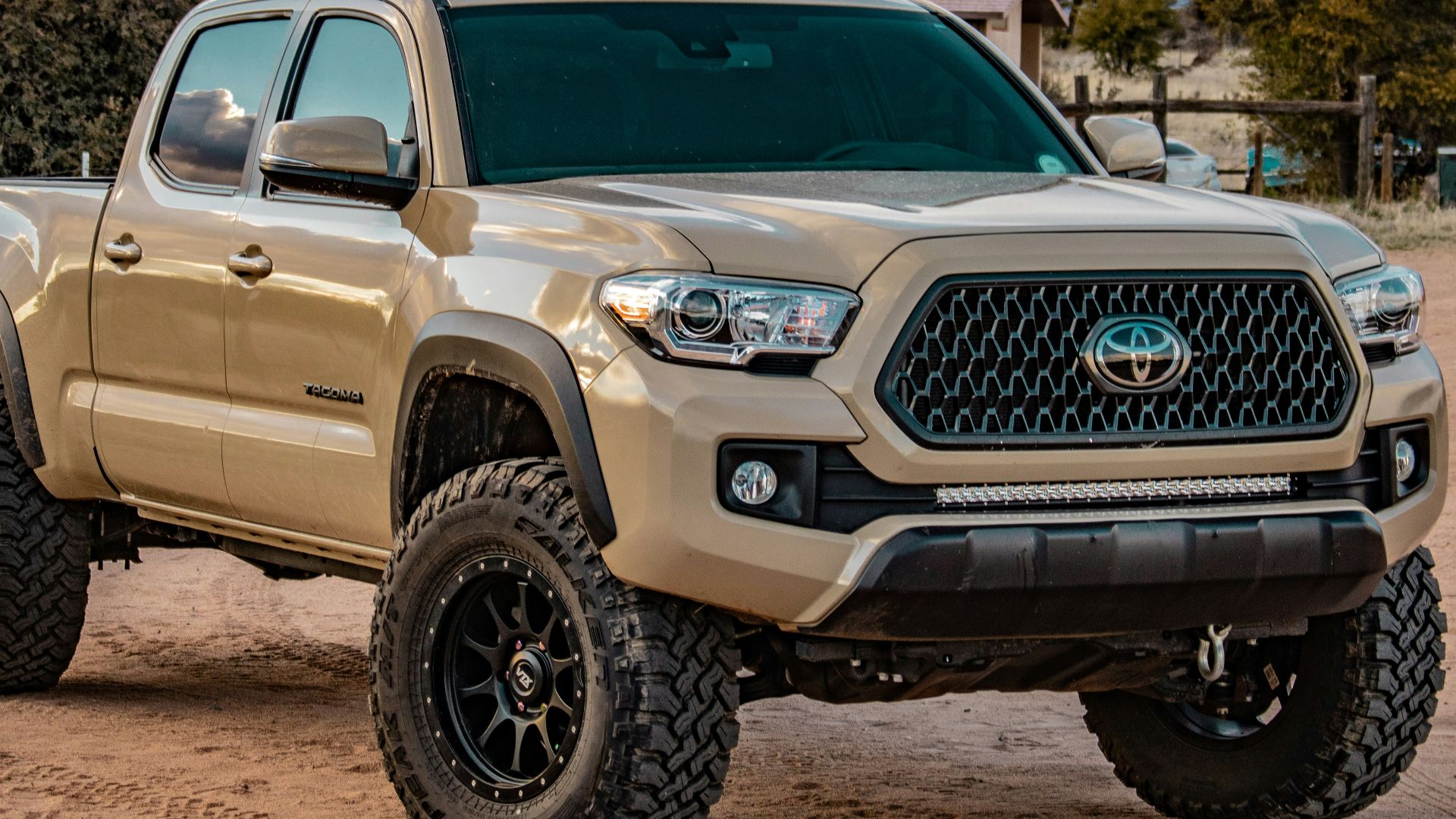
Many people wish to tailor the look of their truck to their own preferences and financial means. Wheels, lift kits, lights, paint, and a host of other additions and attachments are all available at widely varying costs and can radically transform the vehicle. So, for some, the purchase price of the truck may be just the first and smallest expenditure on their project.
A pickup may also appeal to people wishing to flaunt their wealth and success, but in a truck rather than another type of status symbol, such as a fast sports car. A very high-priced version of a vehicle traditionally driven by blue-collar workers therefore offers the best of both worlds. There's clearly an attraction for some purchasers in being able to spend this much on such a "humble" vehicle.
Will Pickup Trucks Overtake Traditional Luxury Cars?
One factor working in the pickup's favor is its versatility as an everyday vehicle. Four-door crew cab configurations provide comfortable passenger accommodations, allowing families to use their trucks for school drop-offs, shopping trips, and vacations. Buyers who previously needed separate vehicles for recreational activities and daily transportation may find that a well-equipped pickup satisfies both requirements.
On the other hand, there are clearly limits to the demand for very expensive, large trucks, as cost is a major consideration for many. A total of 155,051 compact Ford Maverick trucks were sold in 2025, up 18.2% over the previous 12 months. Clearly, a sizable number of people would enjoy having a pickup but would prefer to avoid the higher prices or larger dimensions of some other models.
There are many benefits to be gained from a traditional sports car or other performance vehicle. There's also the relative ease of driving most passenger cars around town to consider. Although it will depend on the particular models and the amount of use, there may be greater fuel and other operating costs associated with a sizable truck.
Ultimately, pickup trucks have already established themselves as prominent American status symbols, although declaring them the definitive replacement for traditional luxury cars remains subjective. Their combination of premium amenities, impressive capabilities, cultural significance, and customization opportunities makes them unusually versatile expressions of personal identity. Whether your ideal vehicle belongs on a racetrack or a remote mountain trail, it's clear that the American pickup has come a remarkably long way from its humble working origins.