Loud Is Not the Same as Good
Lamborghini has never built a quiet car or a modest one. The company exists because a tractor magnate got annoyed with Enzo Ferrari and decided he could do it better, which set the tone for everything that followed. Some of what came out rewrote what a road car could be, and some of it was an older model with new panels and a seven-figure price. The badge covers both. Here's 10 that earned every bit of the noise they made, and 10 that were only ever the noise.
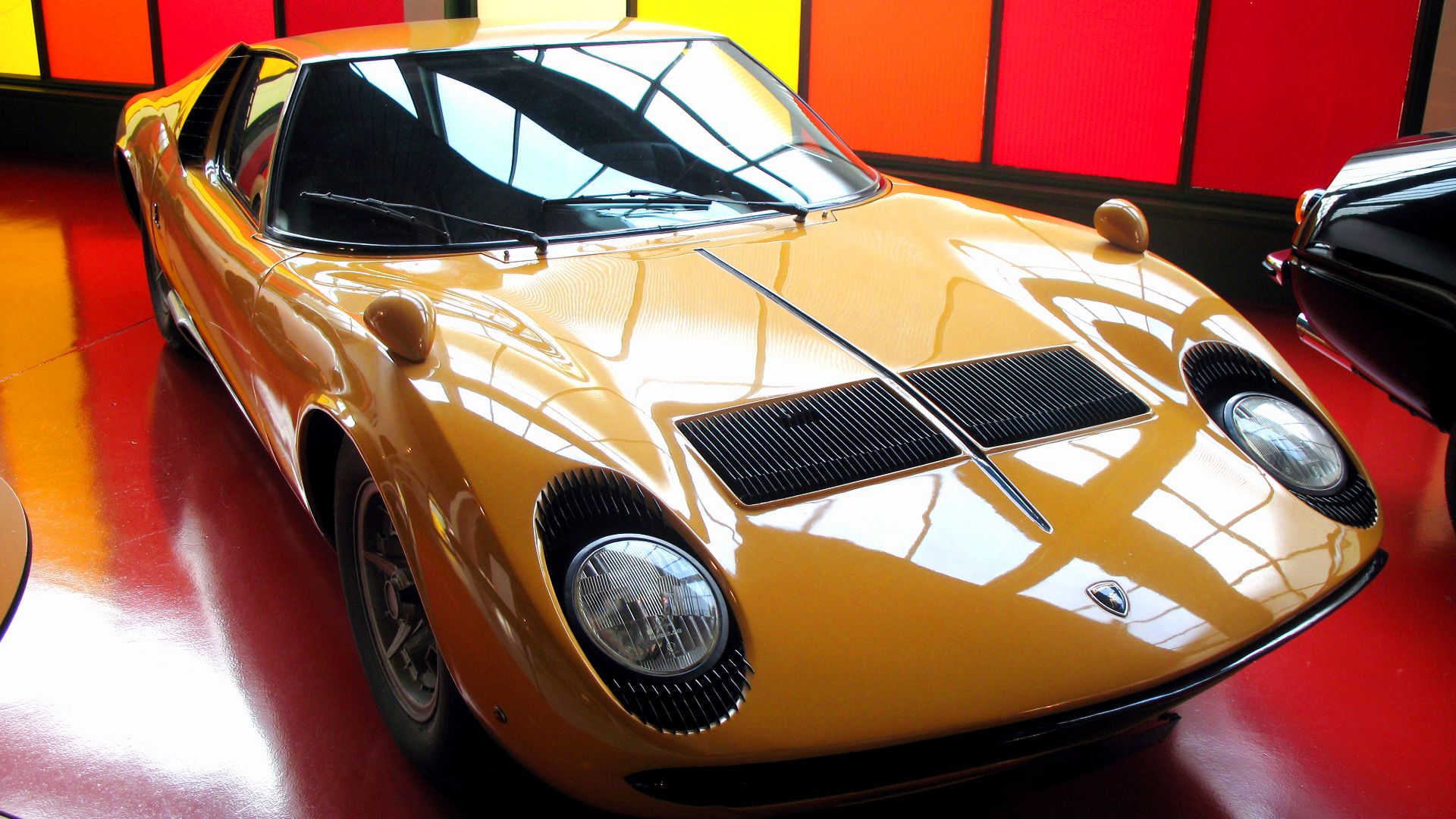
1. 350 GT
Ferruccio's first production car carried a V12 drawn up by Giotto Bizzarrini and then detuned, because the boss wanted a grand tourer rather than something that lived at a racetrack. Touring of Milan wrapped it in hand-formed aluminum. Around 120 were built, and that engine architecture stayed in service for decades.
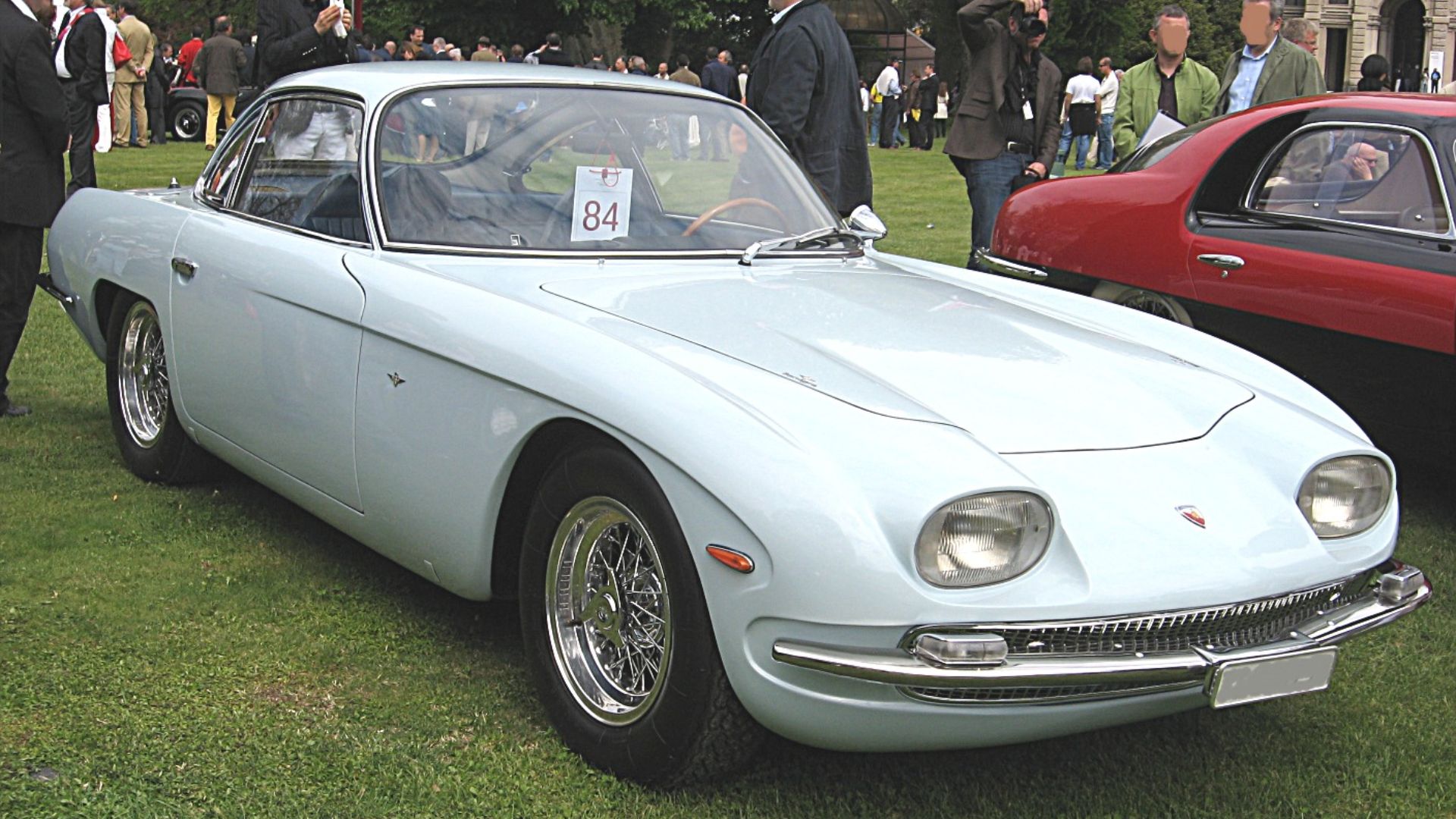
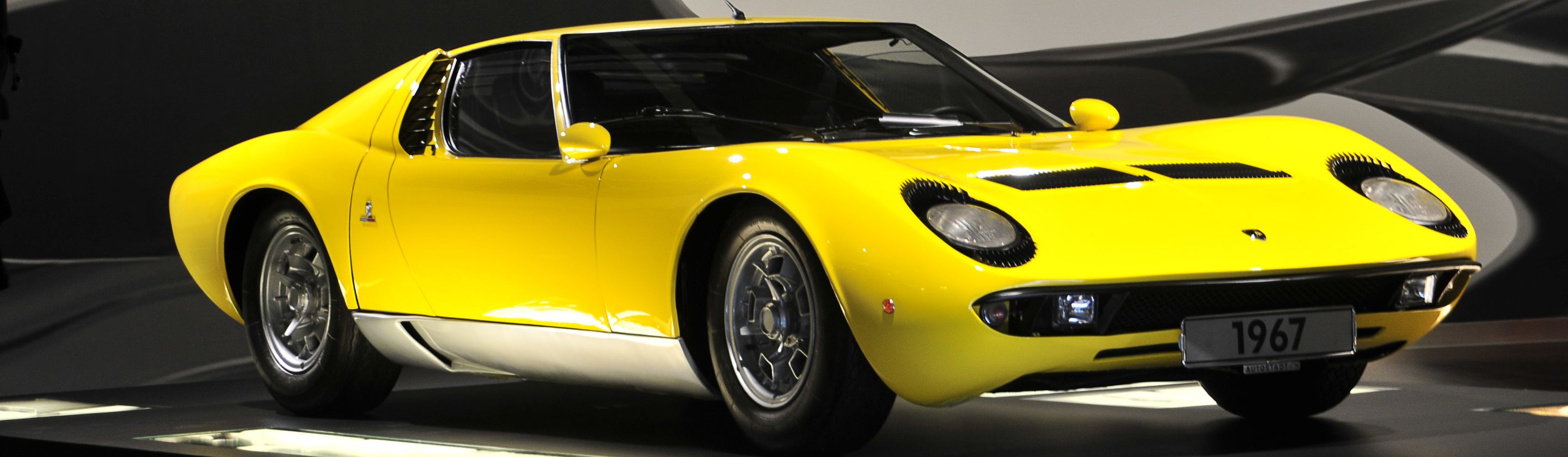
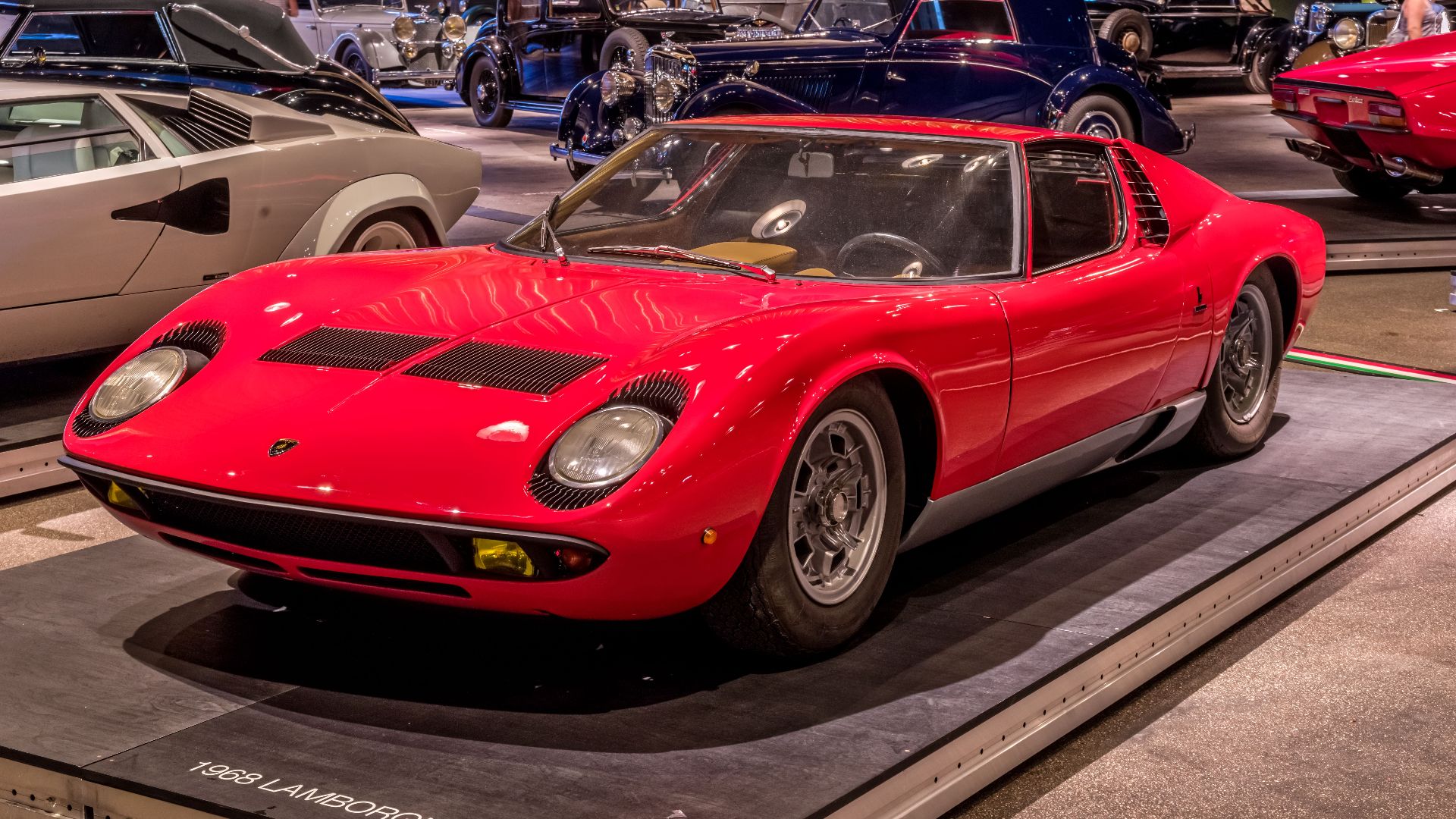
2. Miura
Putting a V12 behind the driver and turning it sideways had not been done in a production road car before 1966. Gandini's body reached Geneva that spring and the order book filled before the engineering was finished. Roughly 764 were built, and every mid-engine supercar since owes it something.
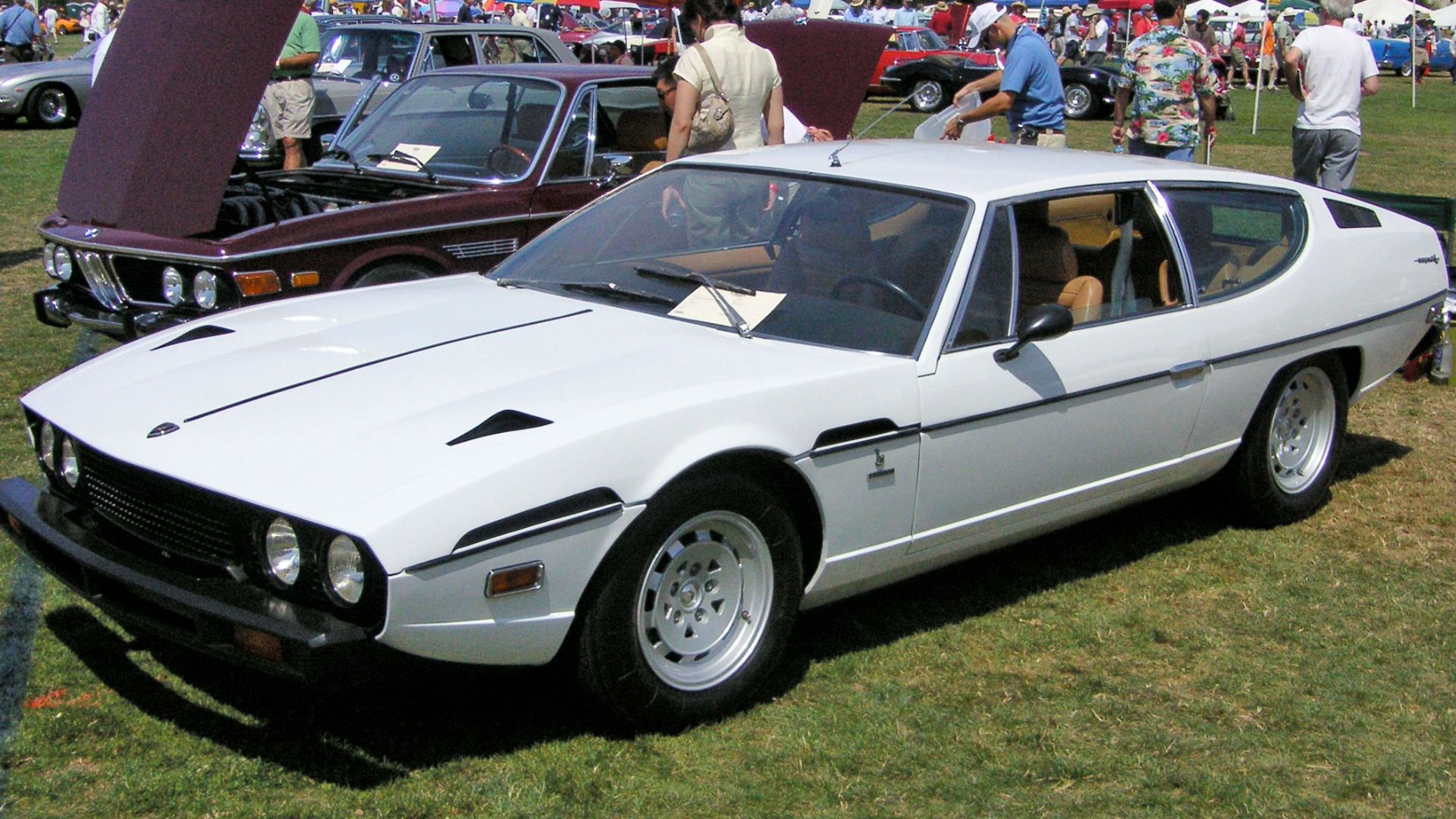
3. Espada
Four real seats and a front-mounted V12, under a roofline low enough to start an argument. The Espada outsold everything else Lamborghini made in that era, finding around 1,200 buyers across ten years, and it stays the most usable twelve-cylinder the company ever produced.
 No machine-readable author provided. Mobius assumed (based on copyright claims). on Wikimedia
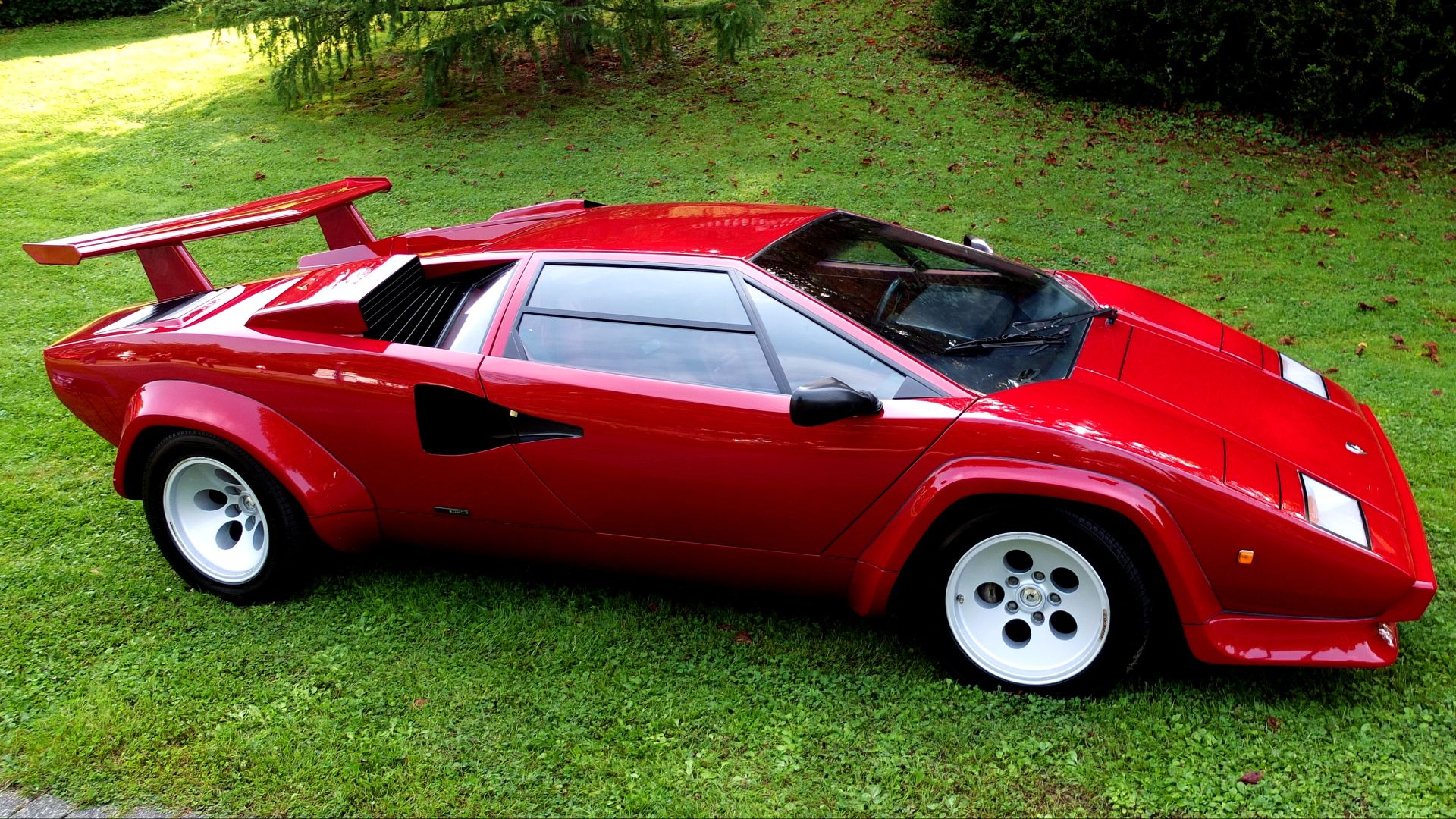
4. Countach
Gandini followed the Miura with a wedge so severe it looks like a drafting error. Rear visibility was poor enough that owners learned to reverse by opening the scissor door and perching on the sill. It hung on bedroom walls for two decades and stayed in production for sixteen years.
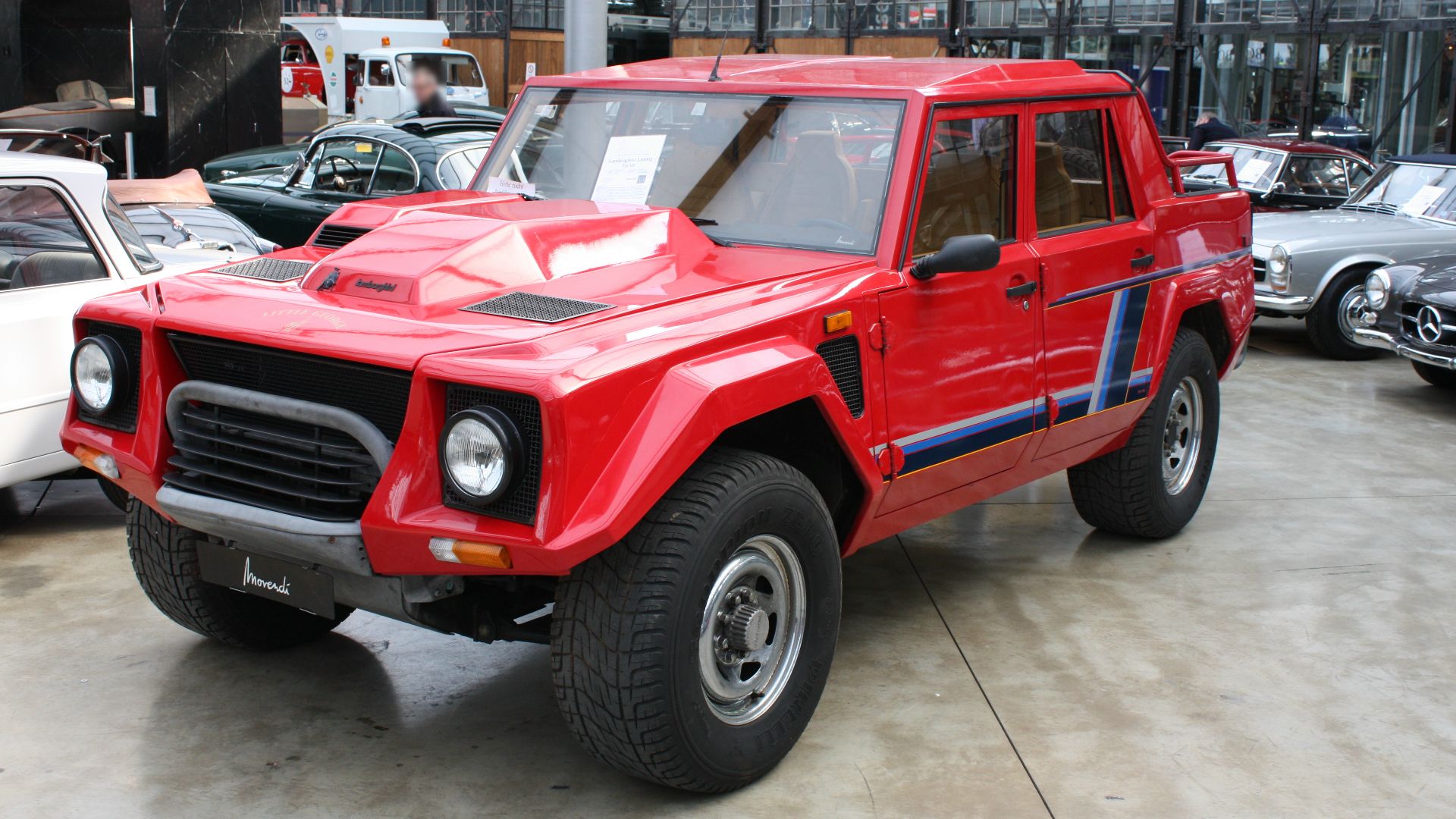
5. LM002
Lamborghini dropped the Countach V12 into a military-derived off-roader and sold it to people who wanted twelve cylinders in the desert. Roughly 300 were built across seven years. Every luxury performance SUV on the road descends from that idea, whether or not it admits to the family connection.
 Detectandpreserve on Wikimedia
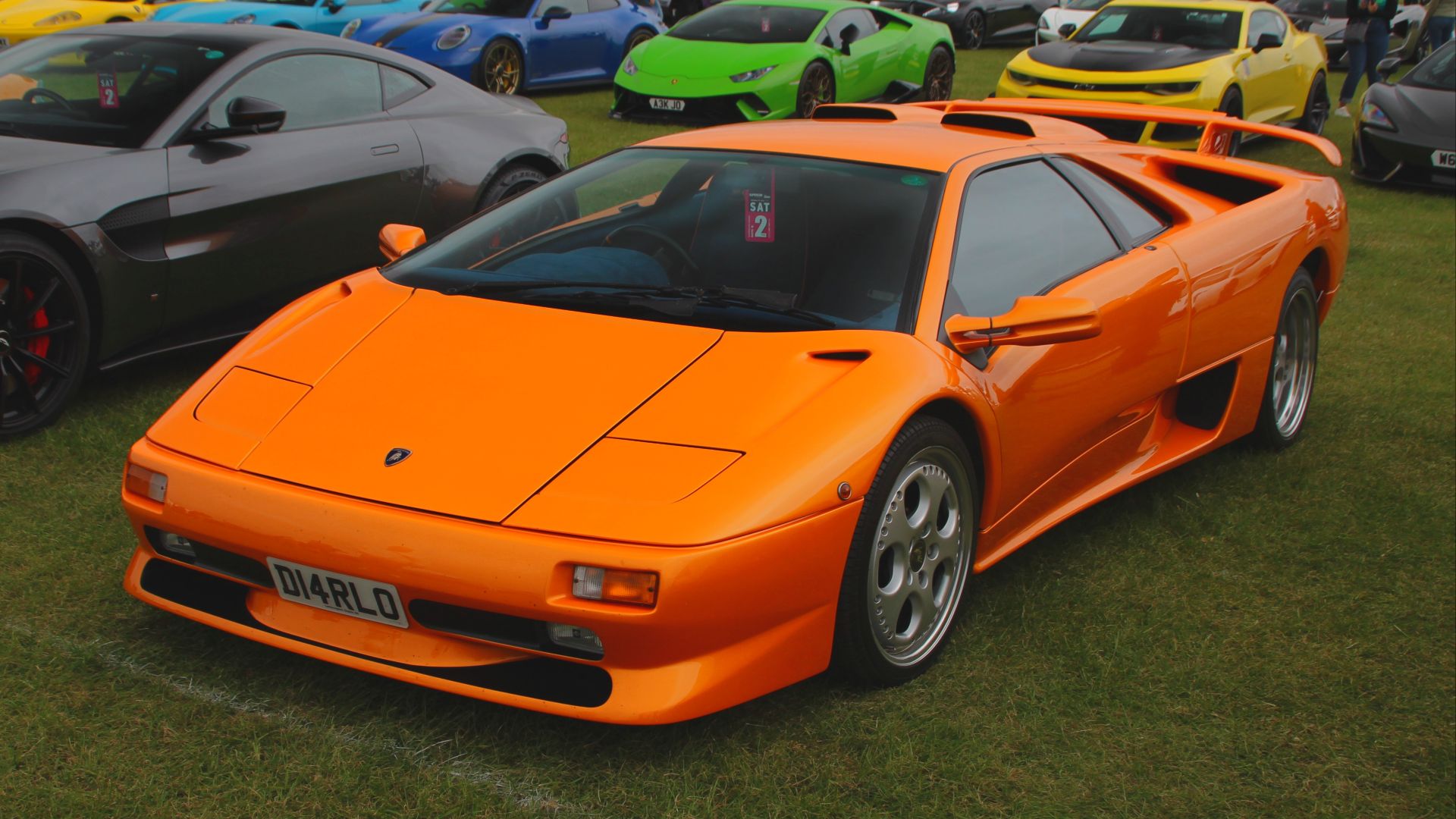
6. Diablo
The Diablo was the first Lamborghini past 200 mph, running a 5.7-liter V12 and almost nothing in the way of driver aids. Early cars arrived without power steering, which owners describe as a workout rather than a feature. Chrysler owned the company and softened Gandini's original lines, to his lasting irritation.
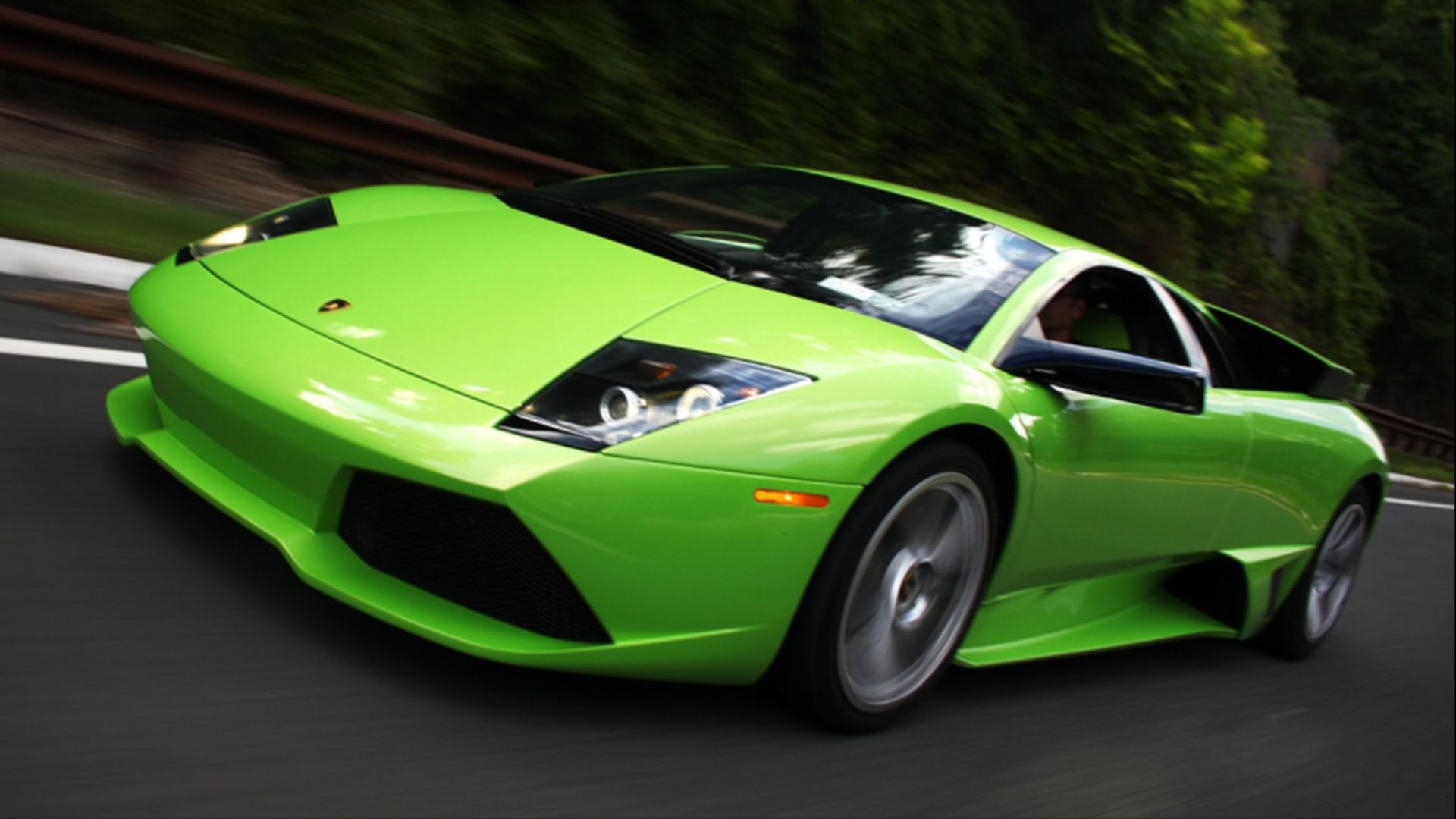
7. Murciélago
Audi bought Lamborghini in 1998, and the Murciélago was the first all-new car built under that ownership. Doors still went up and the V12 still sat behind the seats, but now the panel gaps lined up. Reliability stopped being a talking point.
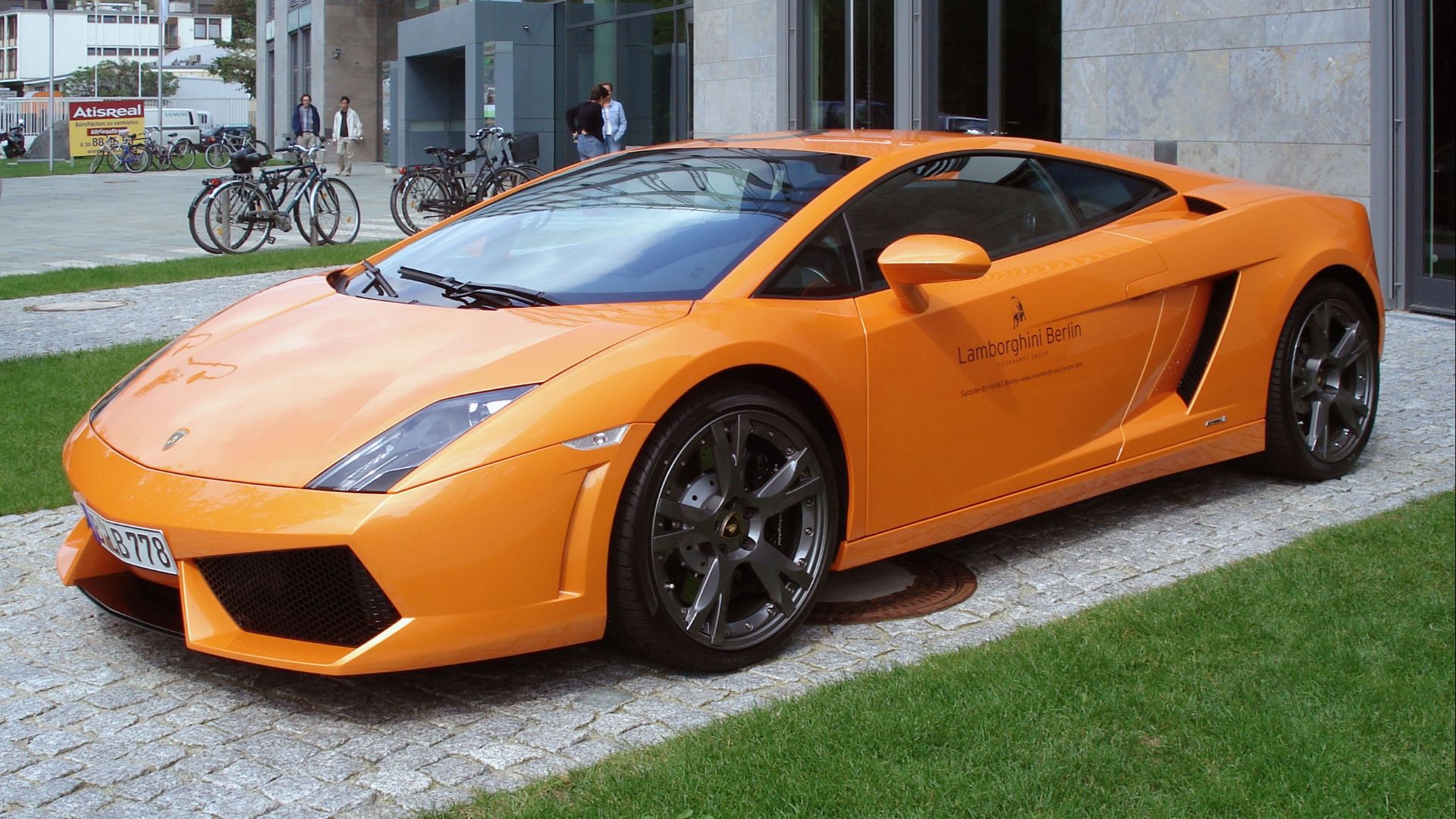
8. Gallardo
The Gallardo turned Lamborghini into a functioning business rather than a rescue project. It became the first model to pass 10,000 units and held the company's production record until the Huracán overtook it. A V10 and an Audi parts supply proved a workable combination.
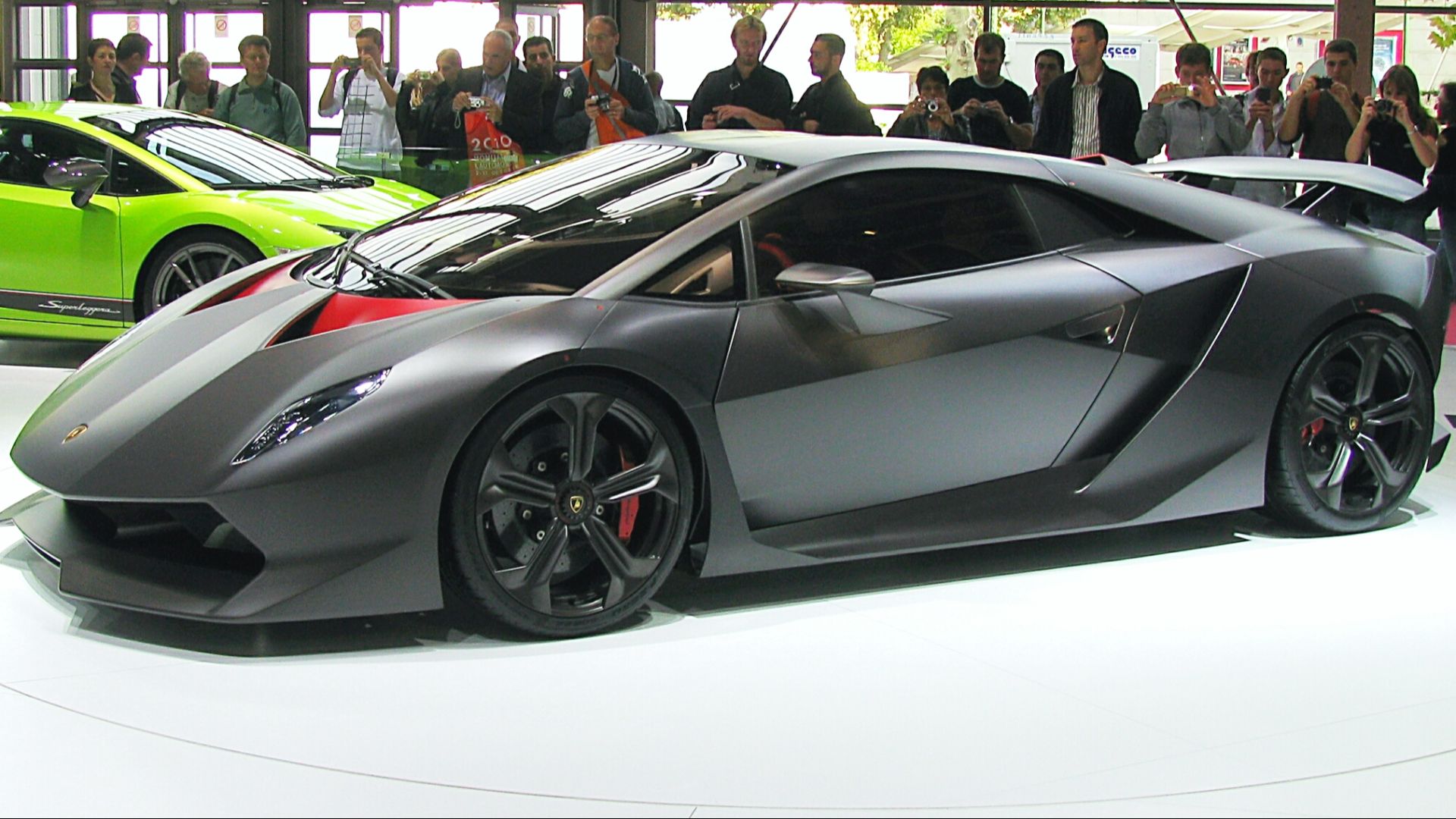
9. Sesto Elemento
Twenty were built and every one came in under 1,000 kilograms, achieved by making almost everything from carbon fiber including the wheels and parts of the suspension. None were road legal, and the name means sixth element, which is carbon.
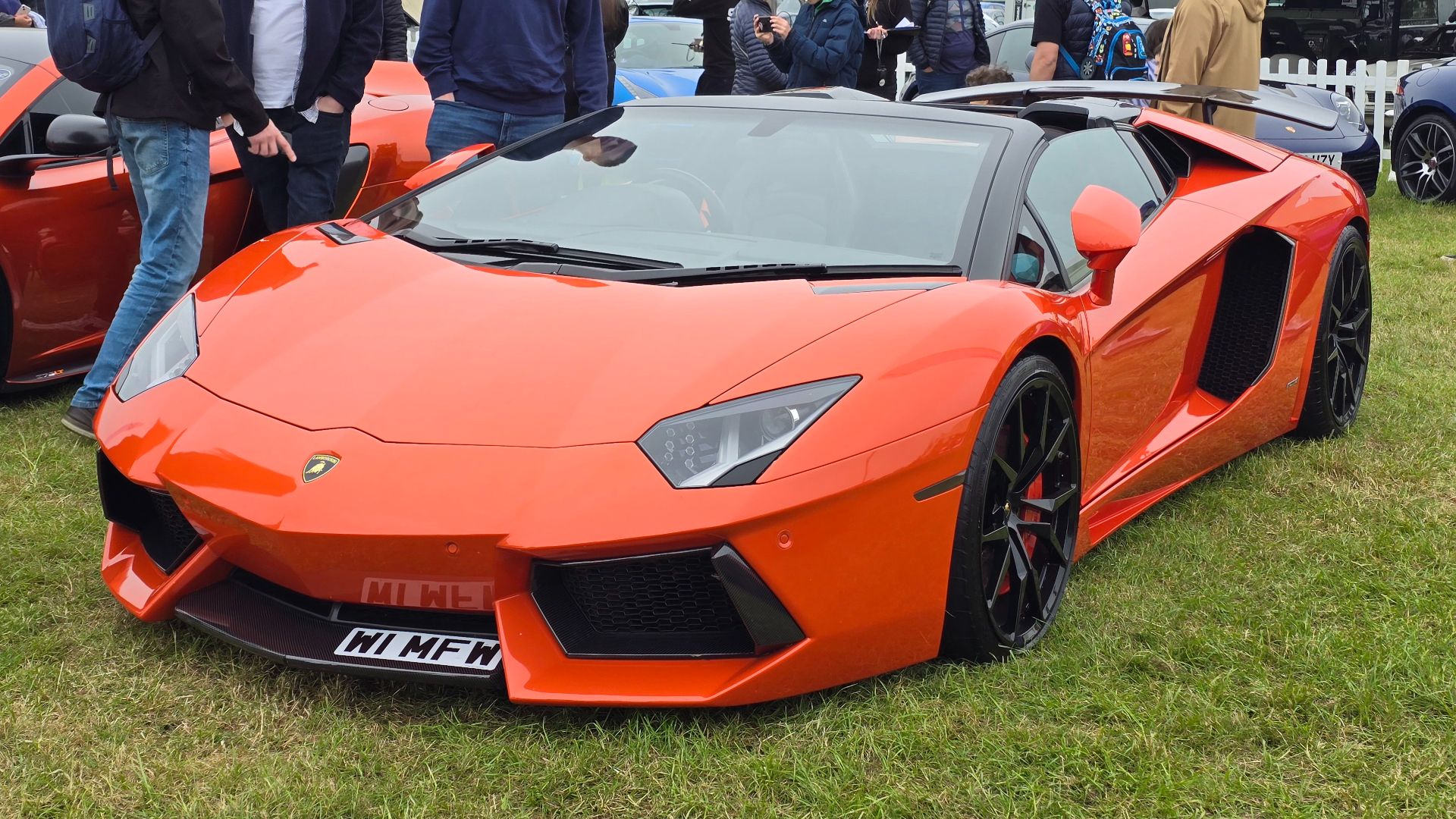
10. Aventador
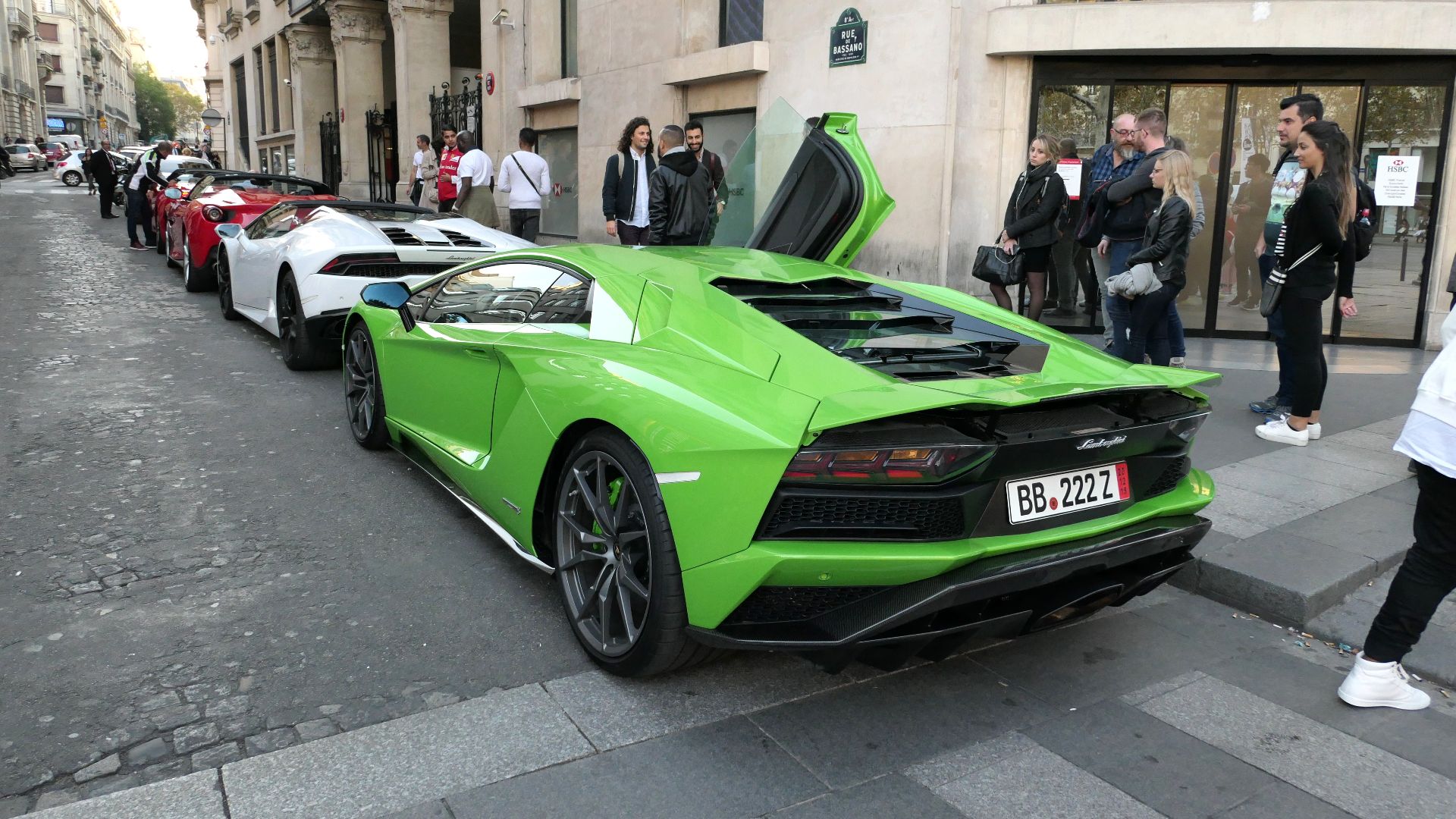
A carbon fiber monocoque and a fresh 6.5-liter V12 made the Aventador the first clean-sheet twelve since the 1963 original. Production ran to roughly 11,000 cars before it ended in 2022. That engine lives on in the Revuelto.
Now, here's 10 that were mostly noise.
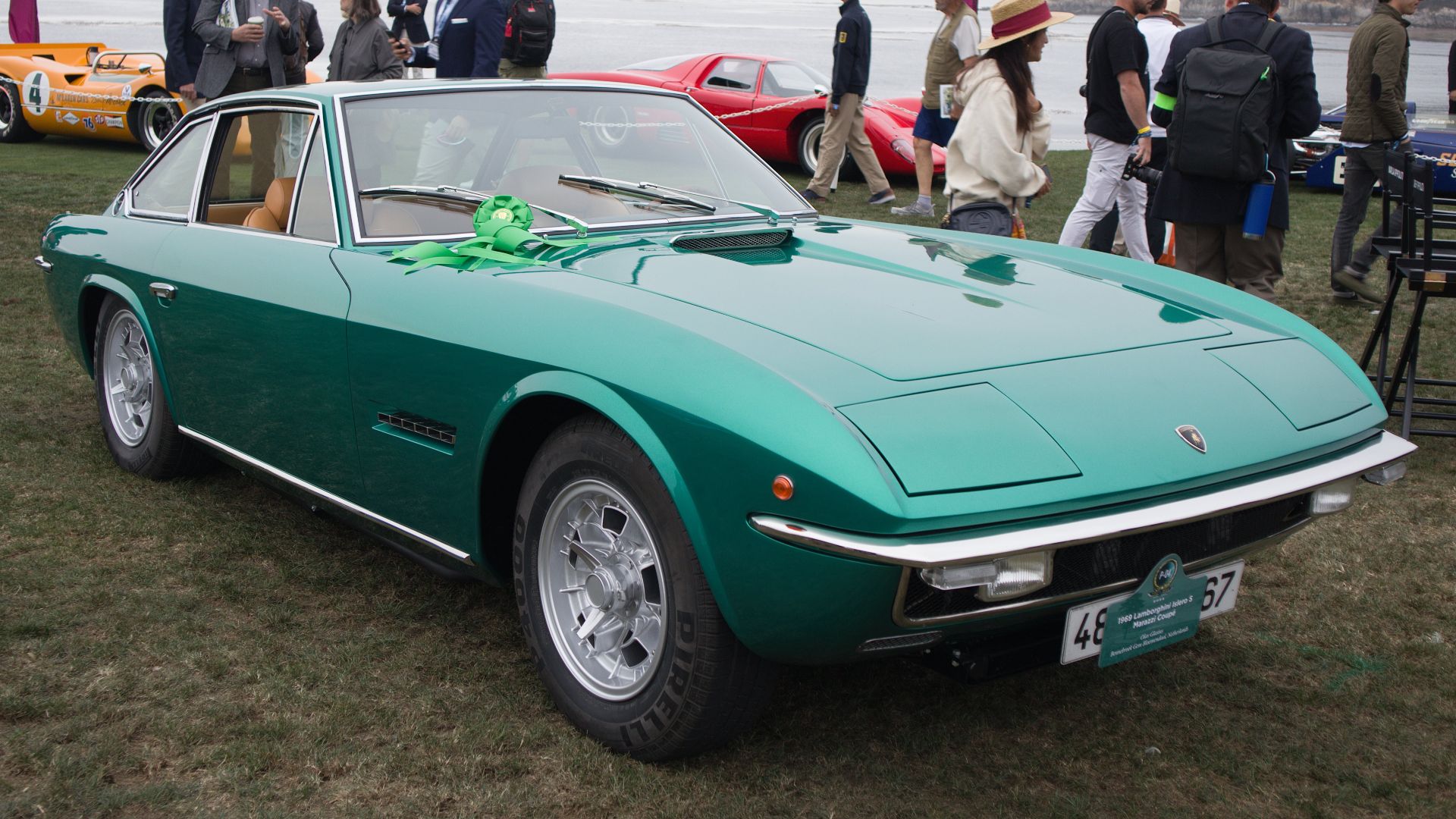
1. Islero
Ferruccio wanted a discreet V12 he could drive without drawing a crowd, and the Islero delivered precisely that. The styling attracted little comment then and less since. Around 225 were built before it vanished from the catalog.
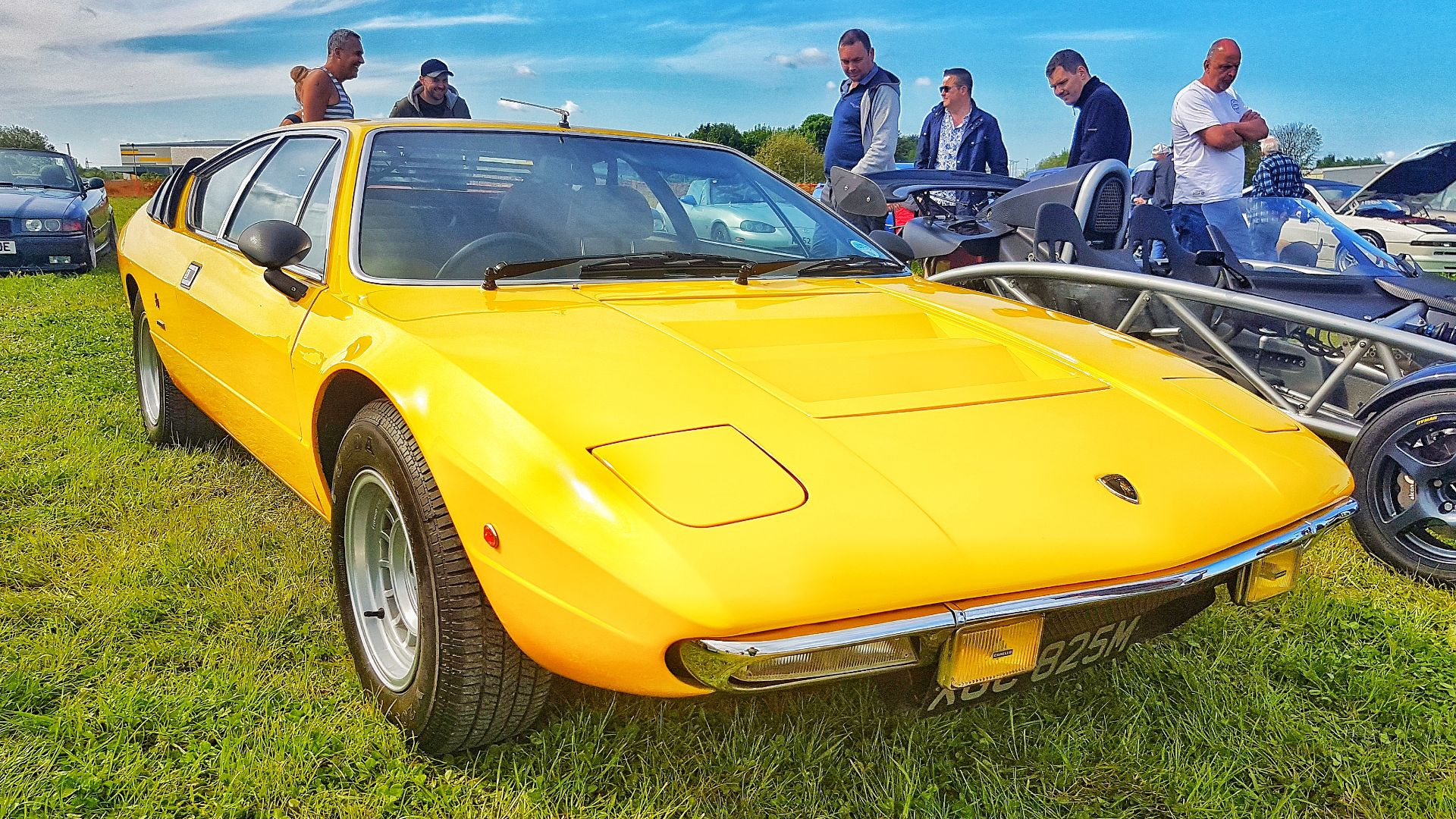
2. Urraco
The Urraco was supposed to sell in the thousands and take the Porsche 911 head on, using a small V8 and a pair of rear seats. Build quality problems and the oil crisis arrived at roughly the same moment. Fewer than 800 left the factory.
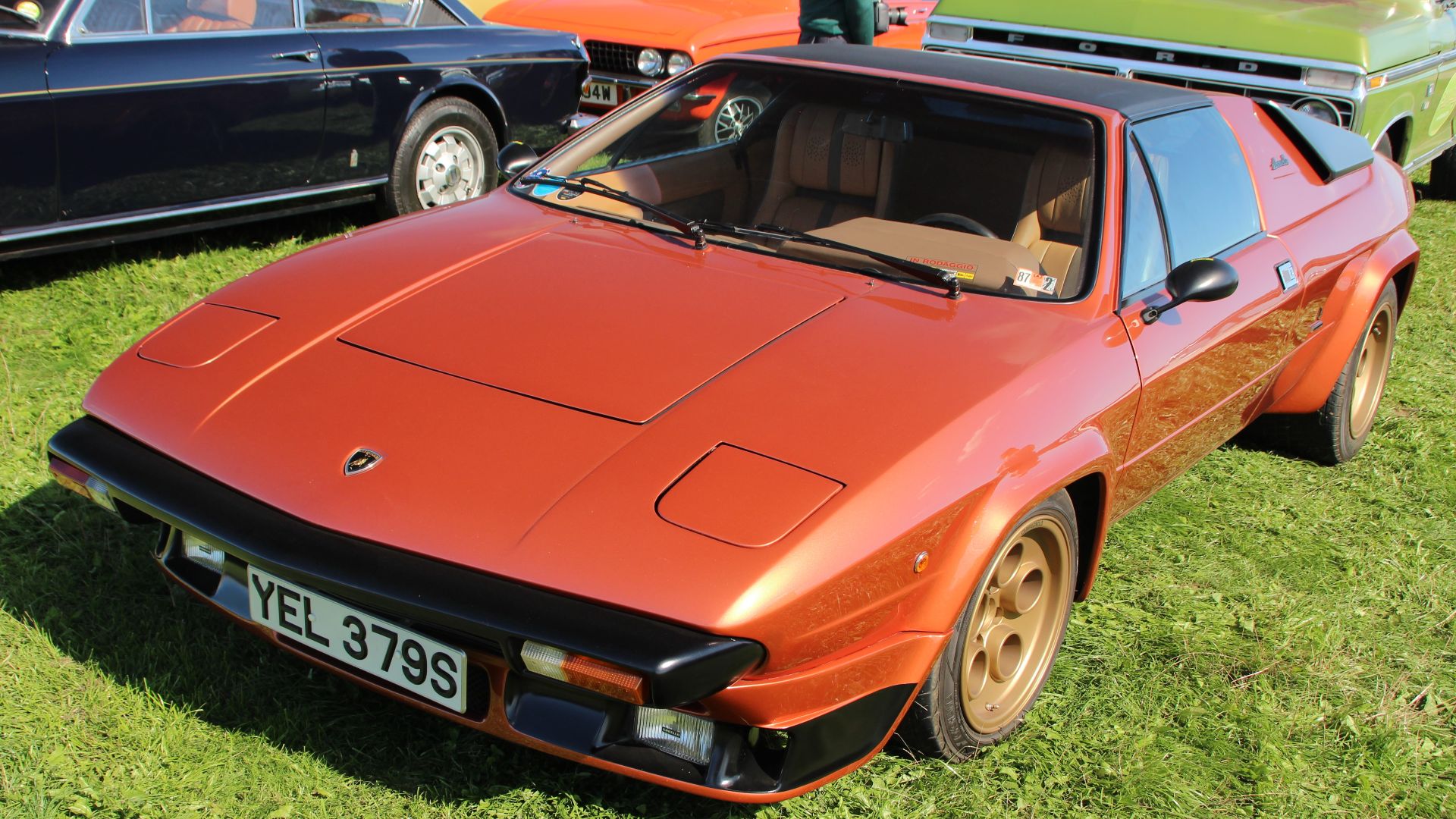
3. Silhouette
An Urraco with its roof panel removed became the Silhouette, and fifty-four of those were built. The company was close enough to collapse by then that finishing cars at all had become the difficult part.
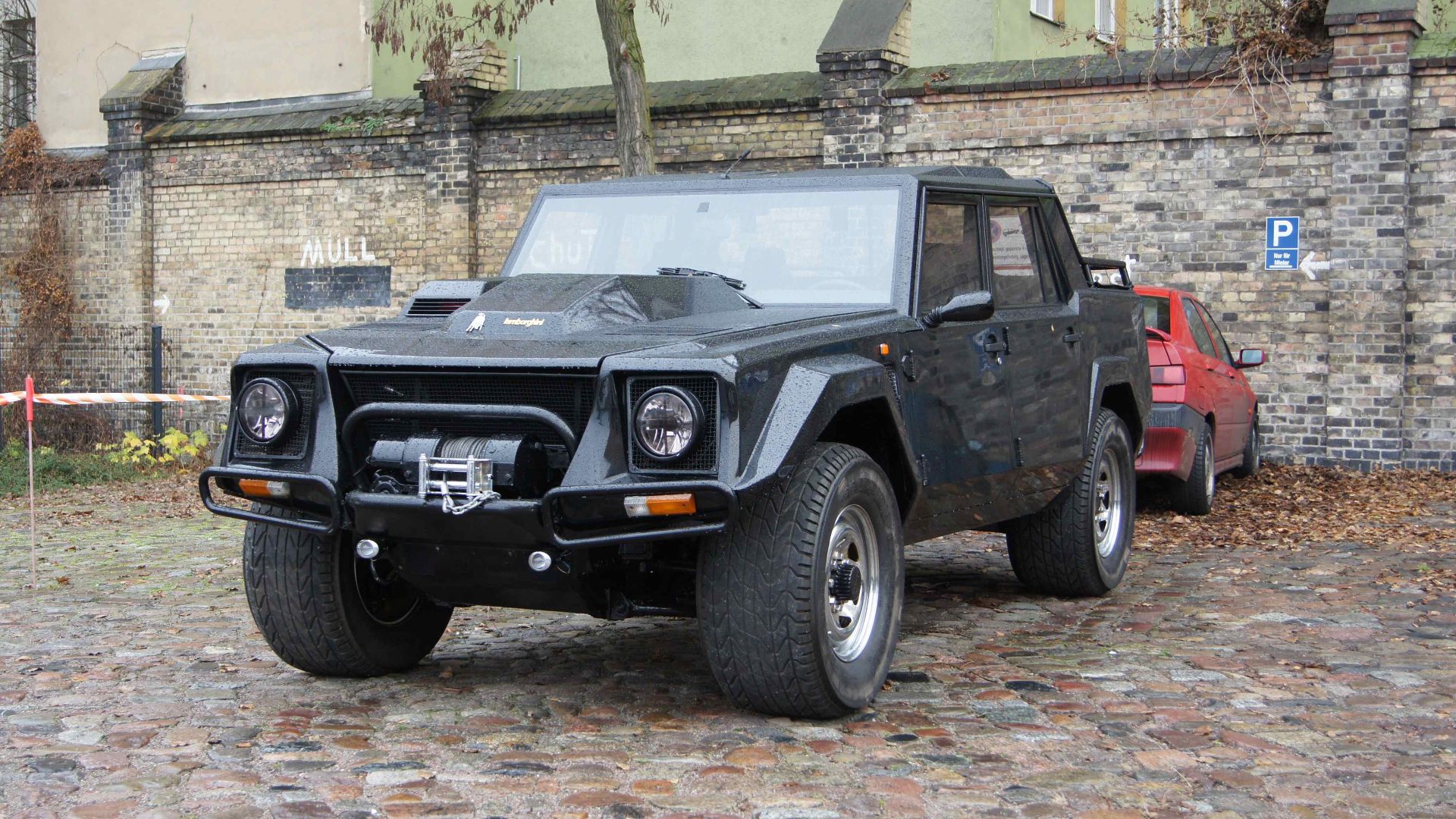
4. Cheetah
A Chrysler V8 hanging off the back of a military 4x4 produced exactly the handling that layout suggests. The US Army passed, and the prototype did not survive testing. The contract Lamborghini wanted went to the Humvee instead.
 Berlin13407 at de.wikipedia on Wikimedia
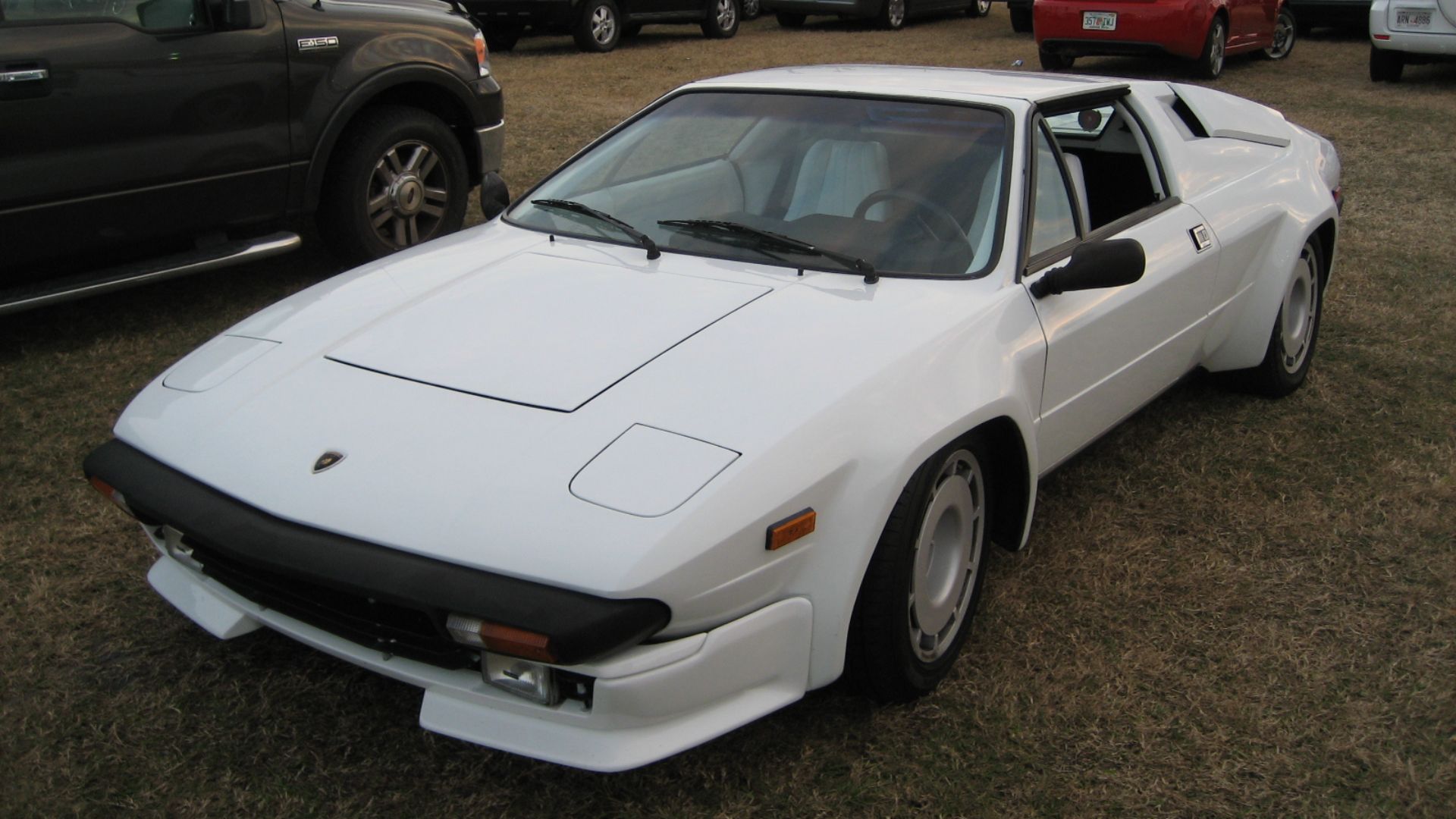
5. Jalpa
The Jalpa was the last run at a small Lamborghini before Audi money arrived, fitting a 3.5-liter V8 into a reworked Silhouette body. It was the most reliable car the company built at the time, which says more about the others than about it. There were roughly 410 found owners.
6. Portofino
Chrysler owned Lamborghini and showed a four-door concept called the Portofino at Frankfurt in 1987. It was never going to reach production, and its actual legacy was handing its styling to a generation of Dodge sedans. Lamborghini got nothing out of the exercise.
 Jean-Pierre Bazard Jpbazard on Wikimedia
7. Reventón
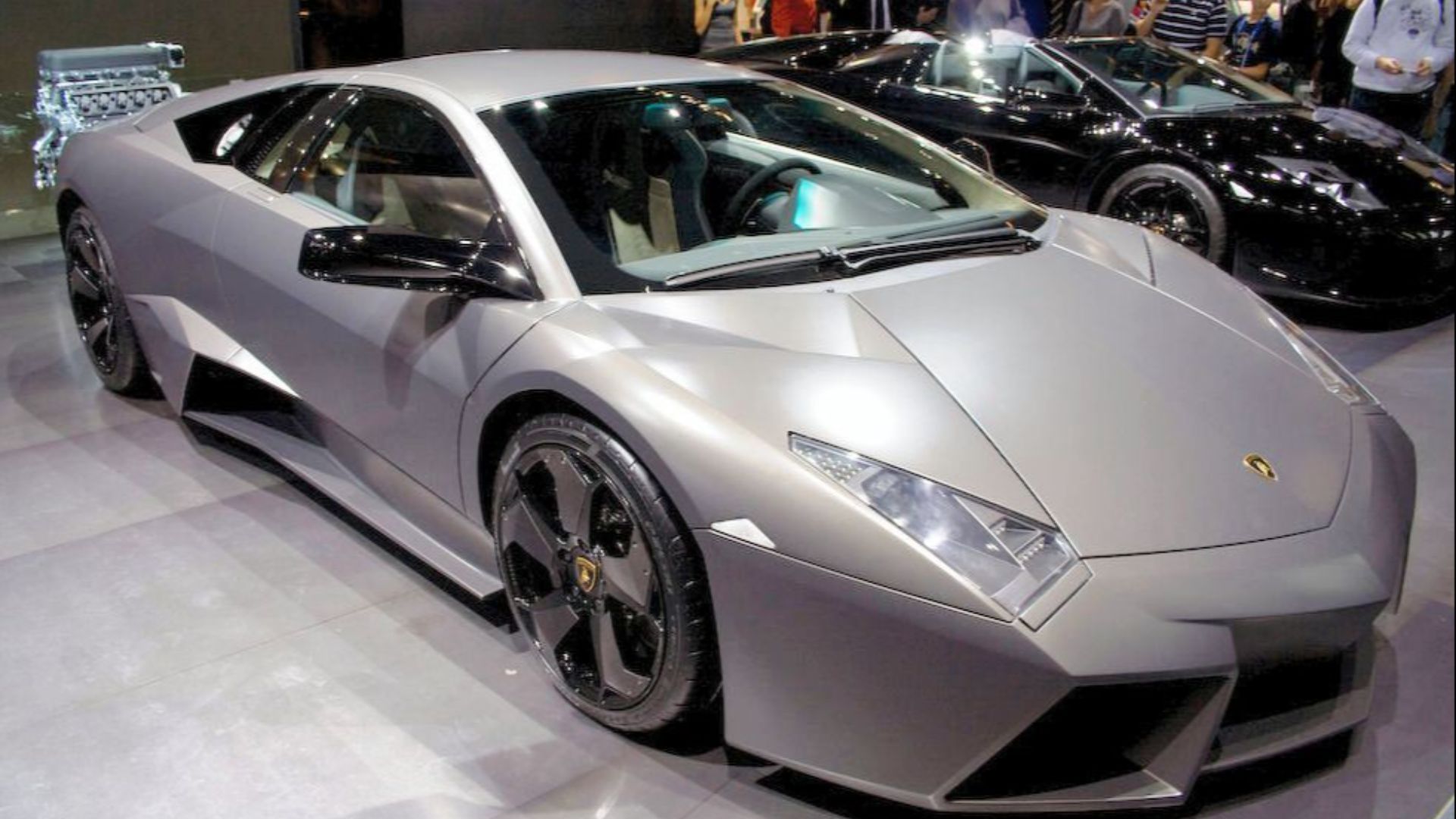
Twenty coupes with a fighter jet theme asked roughly a million euros each for a Murciélago wearing different bodywork. The mechanical package underneath went untouched. All of them sold before the covers came off.
 Taco Ekkel from Amsterdam on Wikimedia
8. Veneno
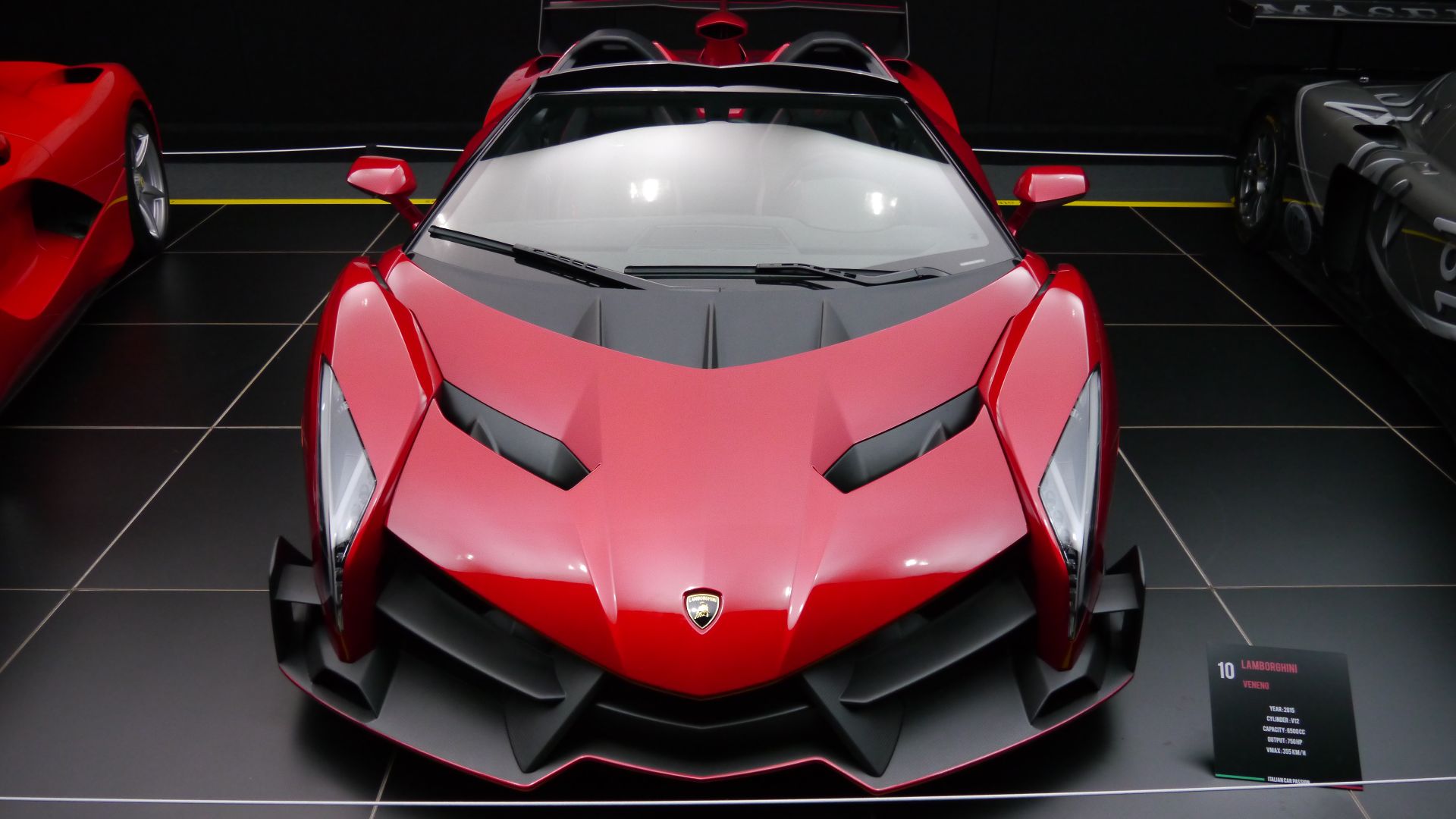
The Veneno asked around three million euros for what was, underneath, an Aventador with angrier bodywork and a rear wing large enough to serve dinner on. Lamborghini built just three coupes for customers, then followed them with nine roadsters. The rarity was easy enough to understand. Reviewers had a harder time explaining where the extra millions had gone.
9. Sián FKP 37
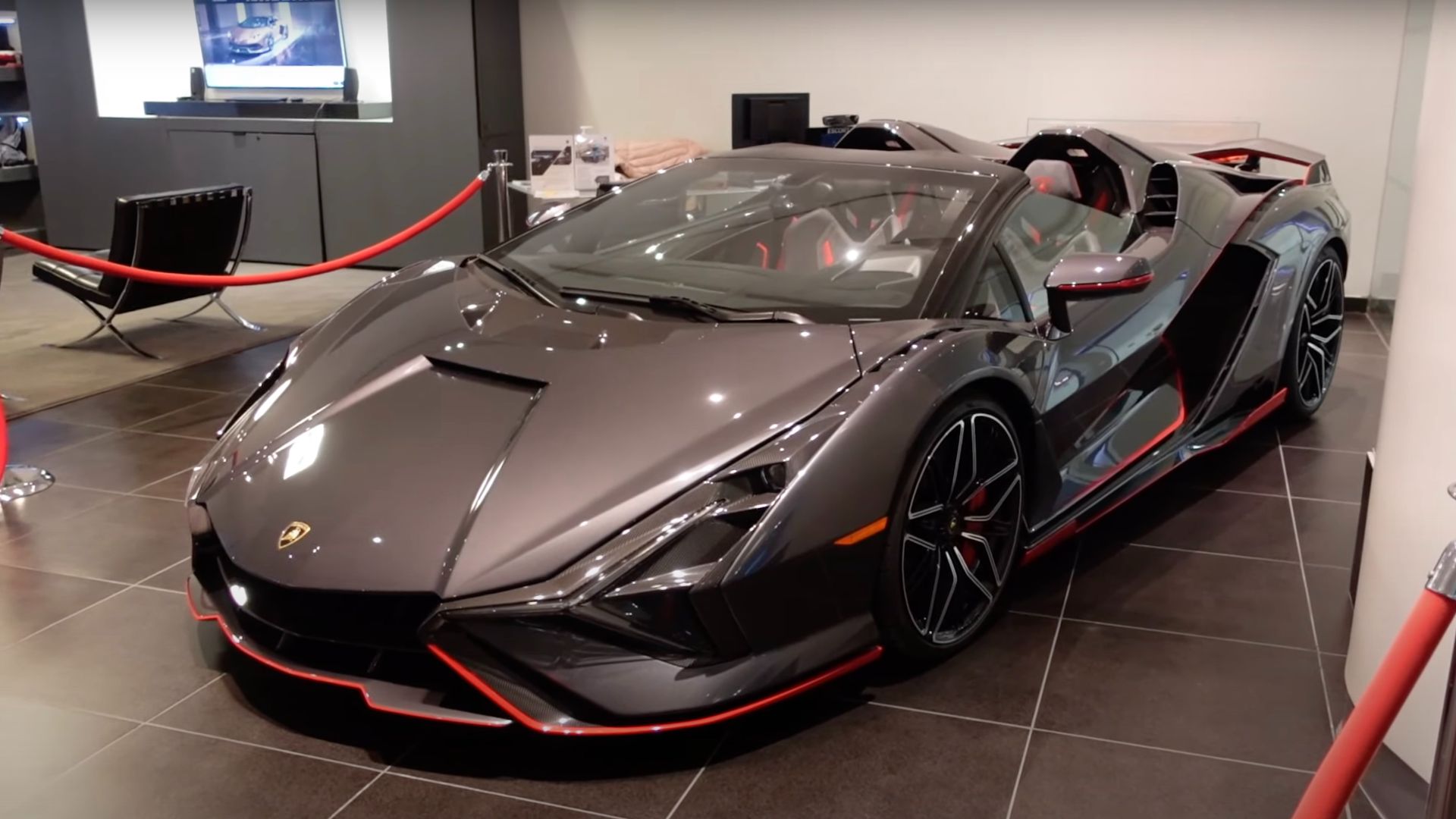
The Sián introduced a supercapacitor hybrid system across 63 cars, the number chosen for the year Lamborghini was founded. Underneath the bodywork it remained an Aventador. The electrical assistance contributed about 34 horsepower.
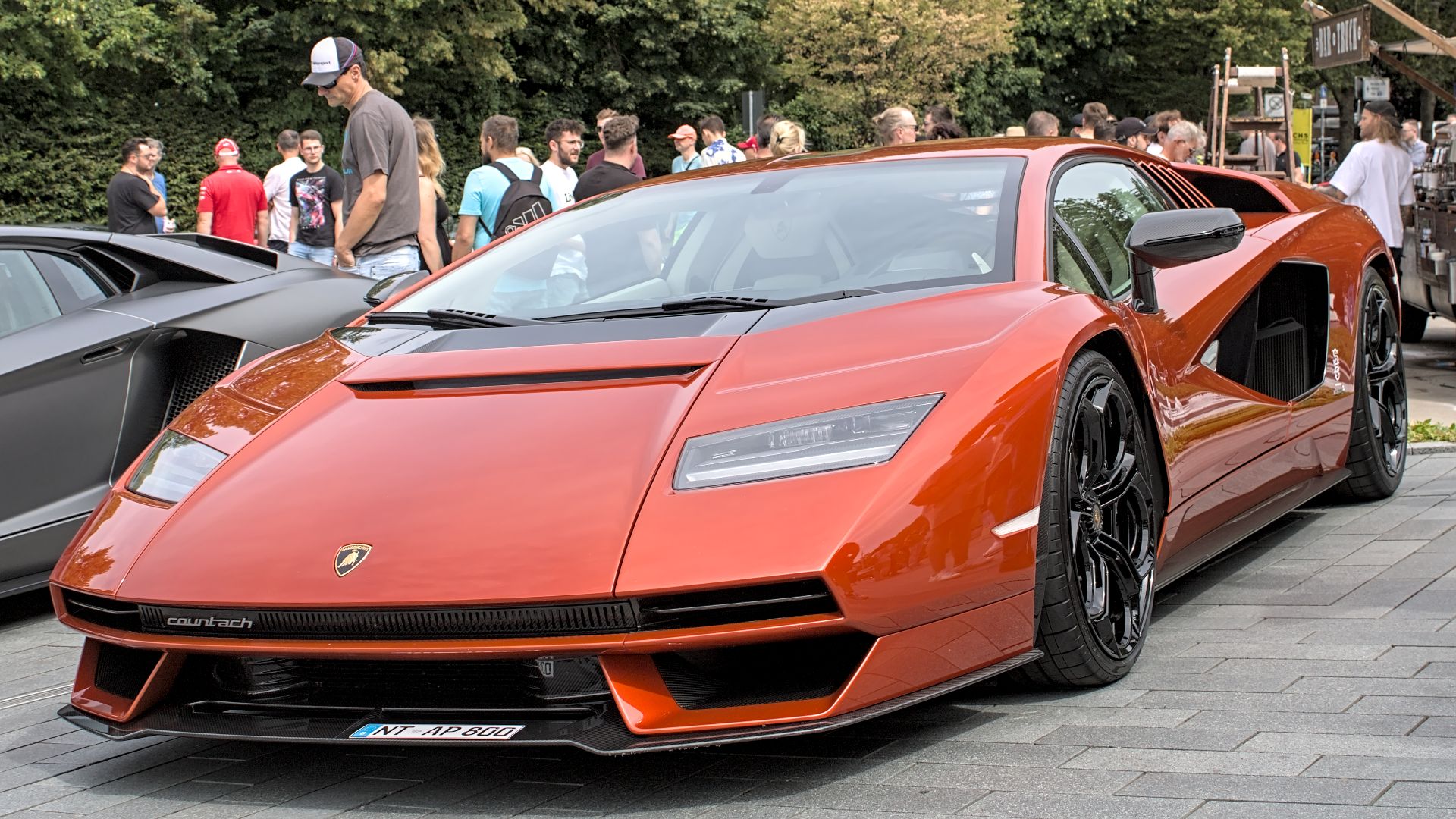
10. Countach LPI 800-4
Lamborghini revived the Countach name for 112 cars built on Sián running gear, and the reaction from people who owned an original ran cold. Nothing about it was new apart from the badge and the price.