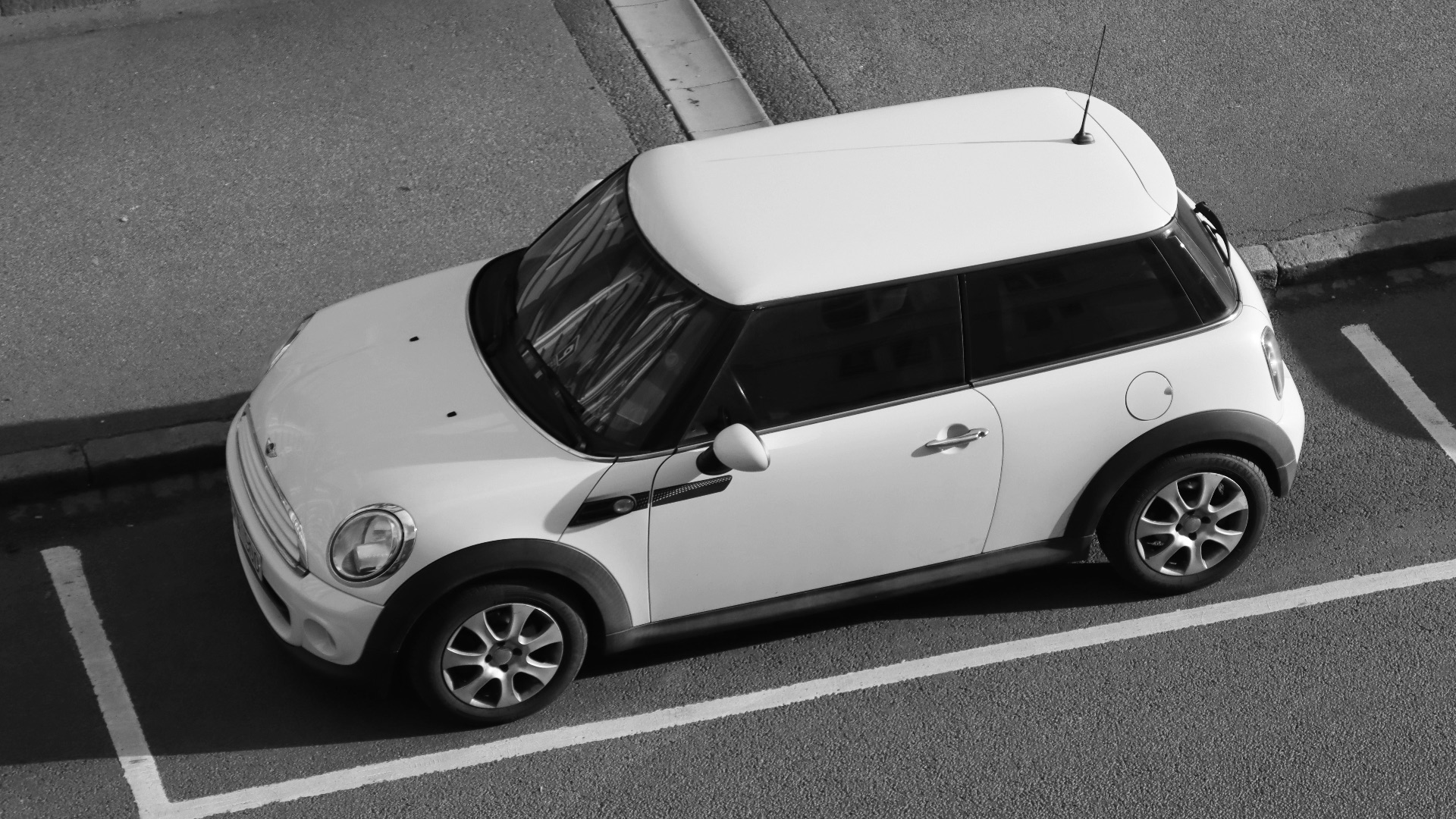
Chances are, parallel parking has never come easy for you. Sure, after years on the road, the maneuver has gotten much easier, but when you were a beginner? It was a complete nightmare. Unlike pulling into an ordinary parking stall, you need to reverse into a severely restricted space while steering at several different points, monitoring nearby cars, and judging distances that can be difficult to make out from the driver's seat. Even when you think you've mastered all the steps, it just takes one mistake to send you spiraling.
Perhaps the worst part is that there's very little room for error. Turn too early, and you may end up too close to the curb; turn too late and the front of your vehicle might swing dangerously close to the car ahead. You never win! If this is a parking skill that you still stress out about, you're (thankfully) not alone.
You're Controlling Several Things at the Same Time
One of the biggest challenges is that parallel parking isn't really a single maneuver. It's more like 20 moves in one. You first have to position your vehicle beside another car, begin reversing, stop at a certain point, straighten the wheels, change the steering direction, reverse some more, adjust your final position... You get the point.
Plus, if reversing is already something you struggle with, parallel parking doesn't really make it any easier. You'll constantly have to monitor what's happening around you and how to turn your wheels, and that can become another source of confusion. You might accidentally rotate the wheel too much or too little, or even struggle to tell when the wheels are straight. In other words, it's a mess.
Speed, too, matters. Move too slowly and you might get in at the wrong angle; move too fast and you risk swerving into other parked cars. That combination of steering, braking, reversing, and observation creates a much heavier workload than simply pulling forward into a wide parking space.
Your View Is Limited
Steering and reversing aside, unless your car is equipped with modern cameras and sensors, your view is severely limited. Judging where a car actually ends isn't always easy from inside it. You can't directly see every section of curb or how close (or far) you are from the cars behind or in front, so you're always estimating distances through windows and mirrors instead. Vehicle dimensions also vary considerably, meaning if you drive a long SUV or pickup, you can bet the maneuver will be 10 times harder.
Even if you do have the proper sensors and cameras, they don't eliminate the need to understand the vehicle's position. A camera may make the curb or car behind you easier to see, while parking sensors can warn that something is close, but neither automatically tells you whether you're guaranteed to make it in.
On top of that, the available parking space itself can be hard to judge before you begin. A gap that looks enormous from the road may feel surprisingly small once you're halfway into it, especially when you can't easily see the bumpers surrounding you. Of course, learning the dimensions of your own vehicle makes this easier, but that awareness develops through repetition—which means you've gotta practice more parallel parking.
Too Much Pressure
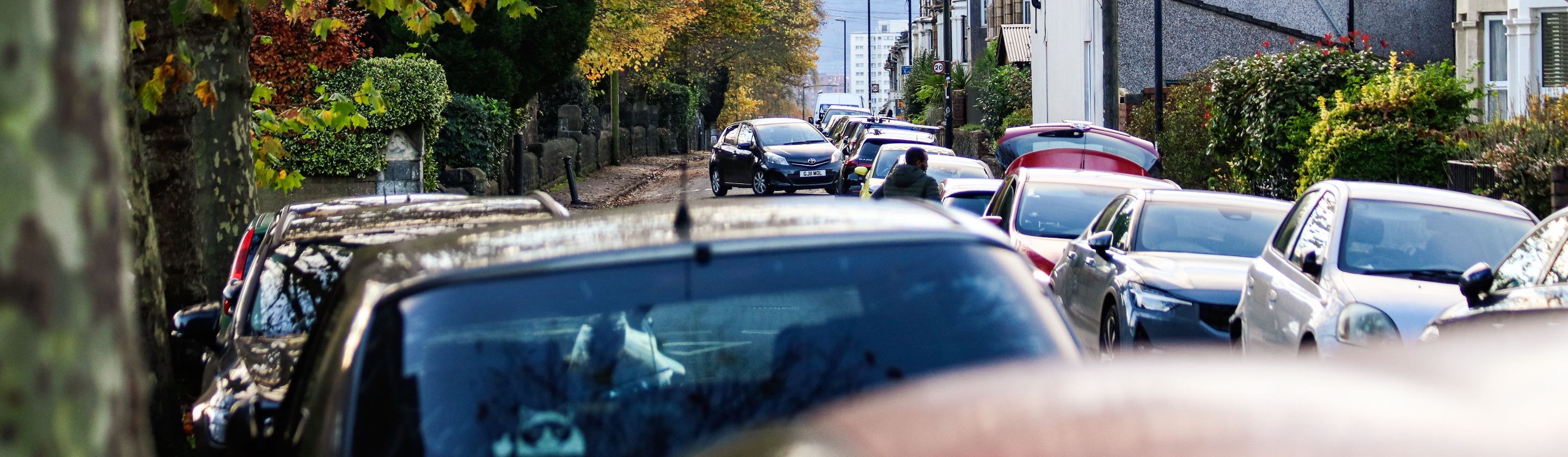
Let's say everything else is easy-peasy: you know how to reverse, you know how to steer, you know how to judge distances. But parallel parking rarely happens under ideal practice conditions. On an actual street, dozens of other drivers might be stuck waiting behind you while you complete your maneuver. All of a sudden, you face performance anxiety—how can you perfect this maneuver when you've got an audience scrutinizing your every move?
It's no surprise, then, that the pressure can encourage you to rush through steps that may normally come easily. You might turn the wheel too soon, reverse faster than intended, or abandon a reasonable attempt just because you think other drivers are becoming impatient. But good parking technique requires deliberate movements, so speeding up the process (or doing it under pressure) often makes accurate positioning far worse.
The more you avoid doing it in non-ideal situations, though, the harder it gets. Your confidence will drop every time you avoid doing it or choose another, "easier" parking spot. Over time, it'll only get more difficult, and you'll end up stunting your development of the spatial judgment and muscle memory skills that would've made the process feel more familiar.
And yet, there's a silver lining. Tricky as parallel parking is, there's one thing that will help: practice. Yep, practice makes perfect. The more you avoid something, the harder it'll get, but the more you do something, the easier it'll get. So go out there and parallel park, no matter how tedious or challenging! Repeated practice will help you recognize all the factors you need to take into account every time. With enough repetition, you'll even be able to do it with your eyes closed (don't actually do that).