
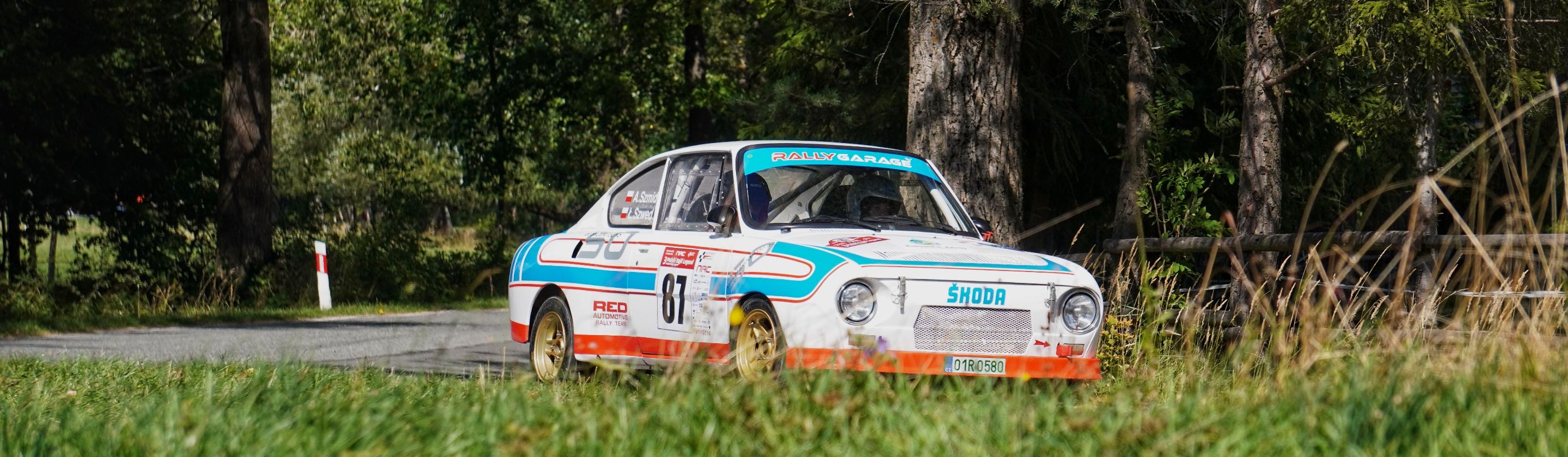
Punchline to Podium and Back
For years, Skoda was less a car brand than a running joke, usually involving breakdowns and pushing one home. Some of that reputation was deserved, but plenty of it came from decades spent building cars inside a planned economy where engineers had limited budgets and materials. Volkswagen took control in 1991, yet it still took well over a decade for the old jokes to stop landing. Here are 10 Skodas that were far better than their reputation, followed by 10 that helped create it.
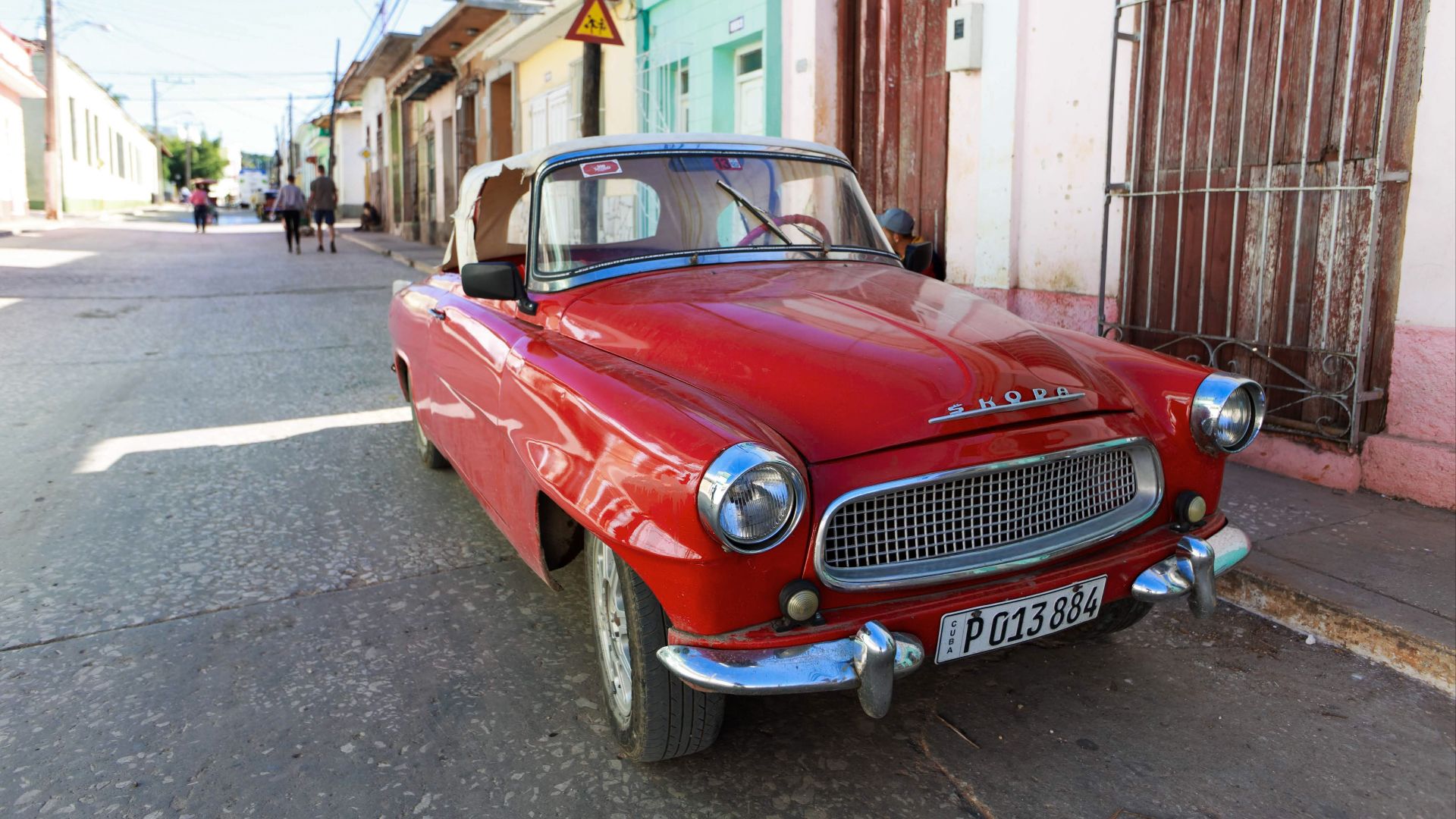 Mehmet Turgut Kirkgoz on Pexels
1. The 1000 MB
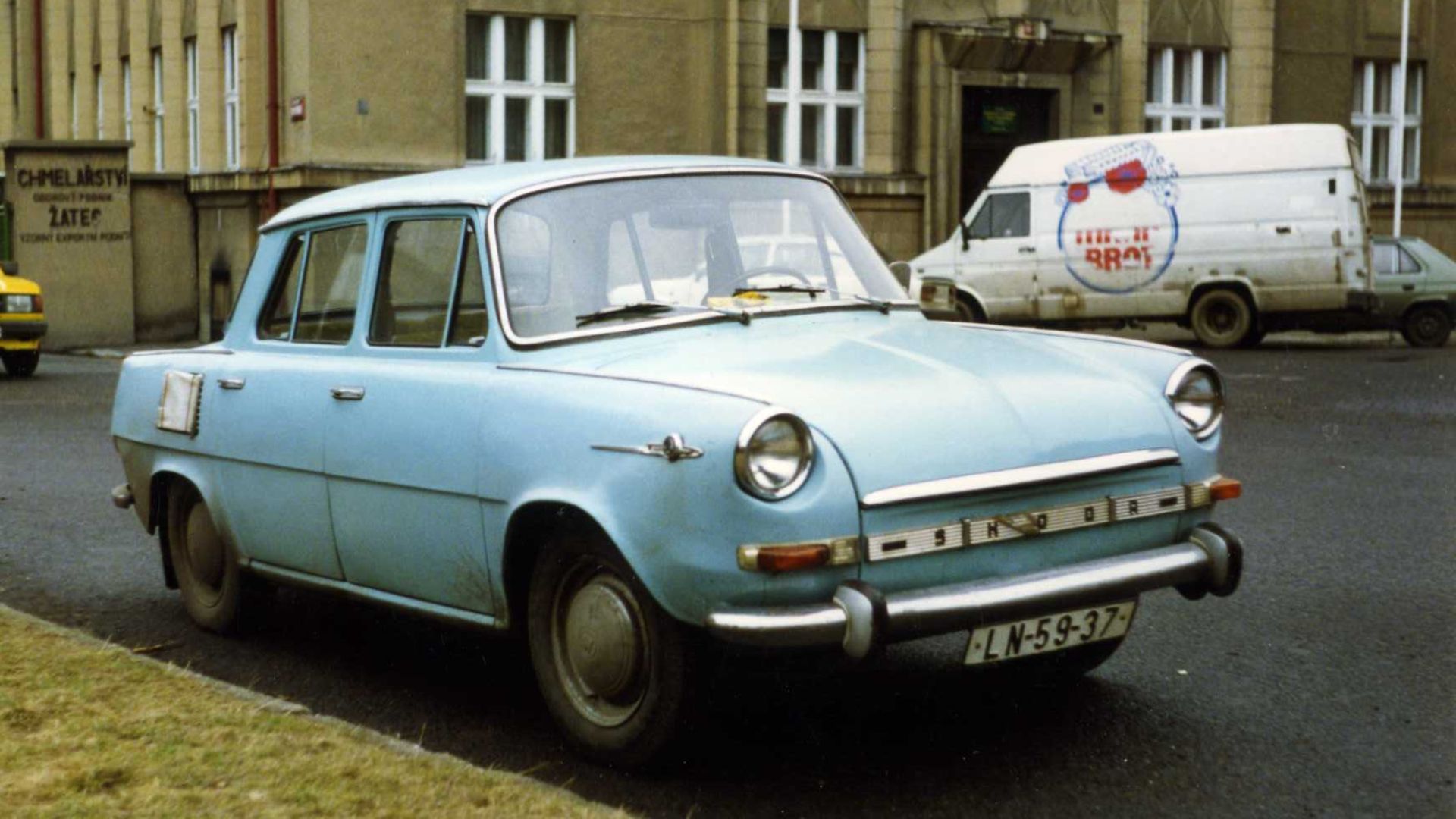
Mladá Boleslav built its first unibody car in 1964 with a water-cooled aluminum engine hanging behind the rear wheels. The alloy block came from a pressure die-casting process developed in house, serious engineering for a state-owned factory working with rationed materials. Around 440,000 left the line before production wound up in 1969, and the design underpinned Skoda's rear-engine cars for the next twenty years.
2. The 130 RS
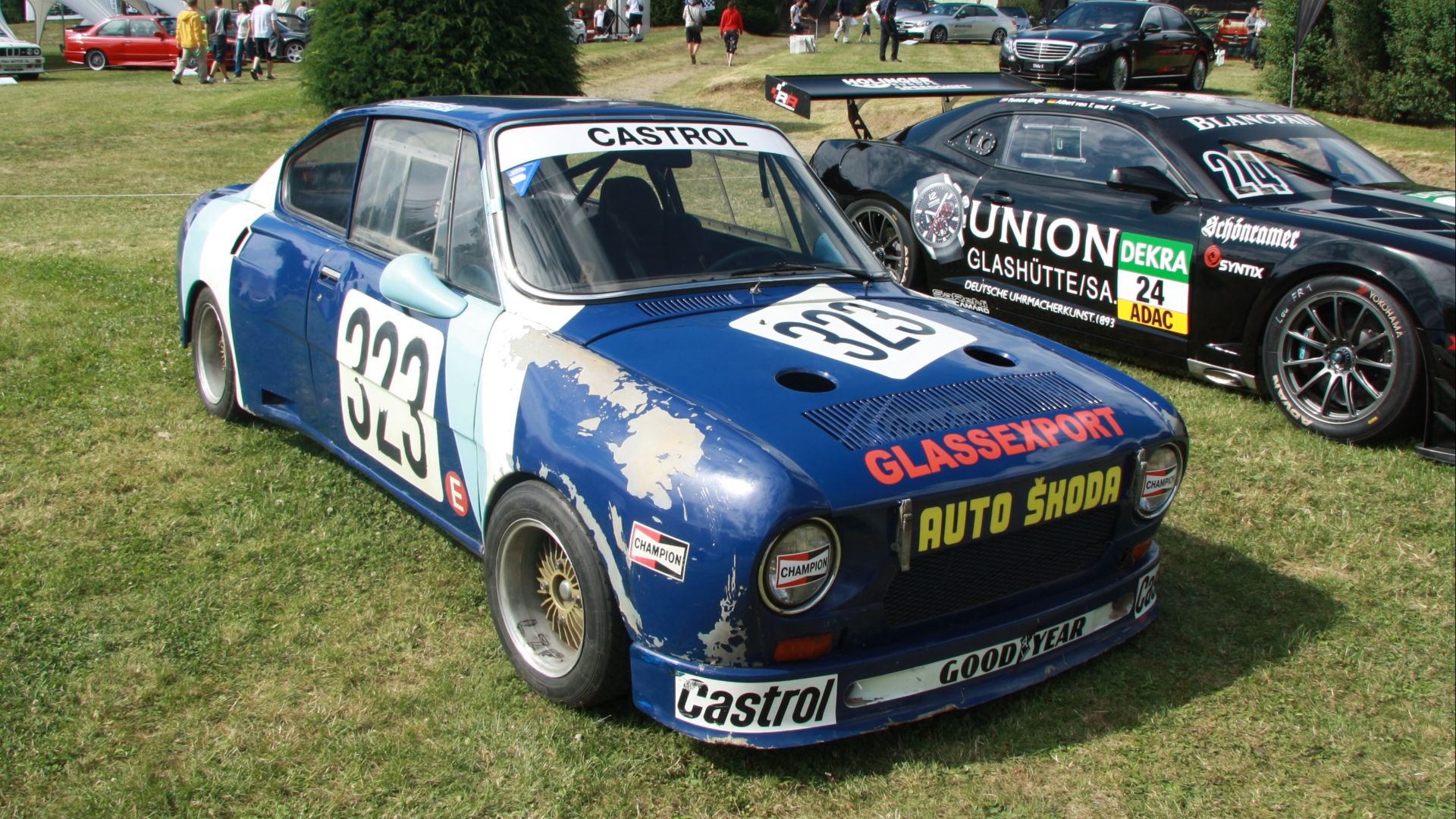
The factory rally coupe weighed roughly 720 kilograms and carried its engine behind the rear axle, a layout that suited tight tarmac stages beautifully. Two of them finished first and second in class at the 1977 Monte Carlo Rally, on a route that eliminated far more expensive machinery. The works cars went on to take a manufacturers' title in the 1981 European Touring Car Championship against factory-backed opposition.
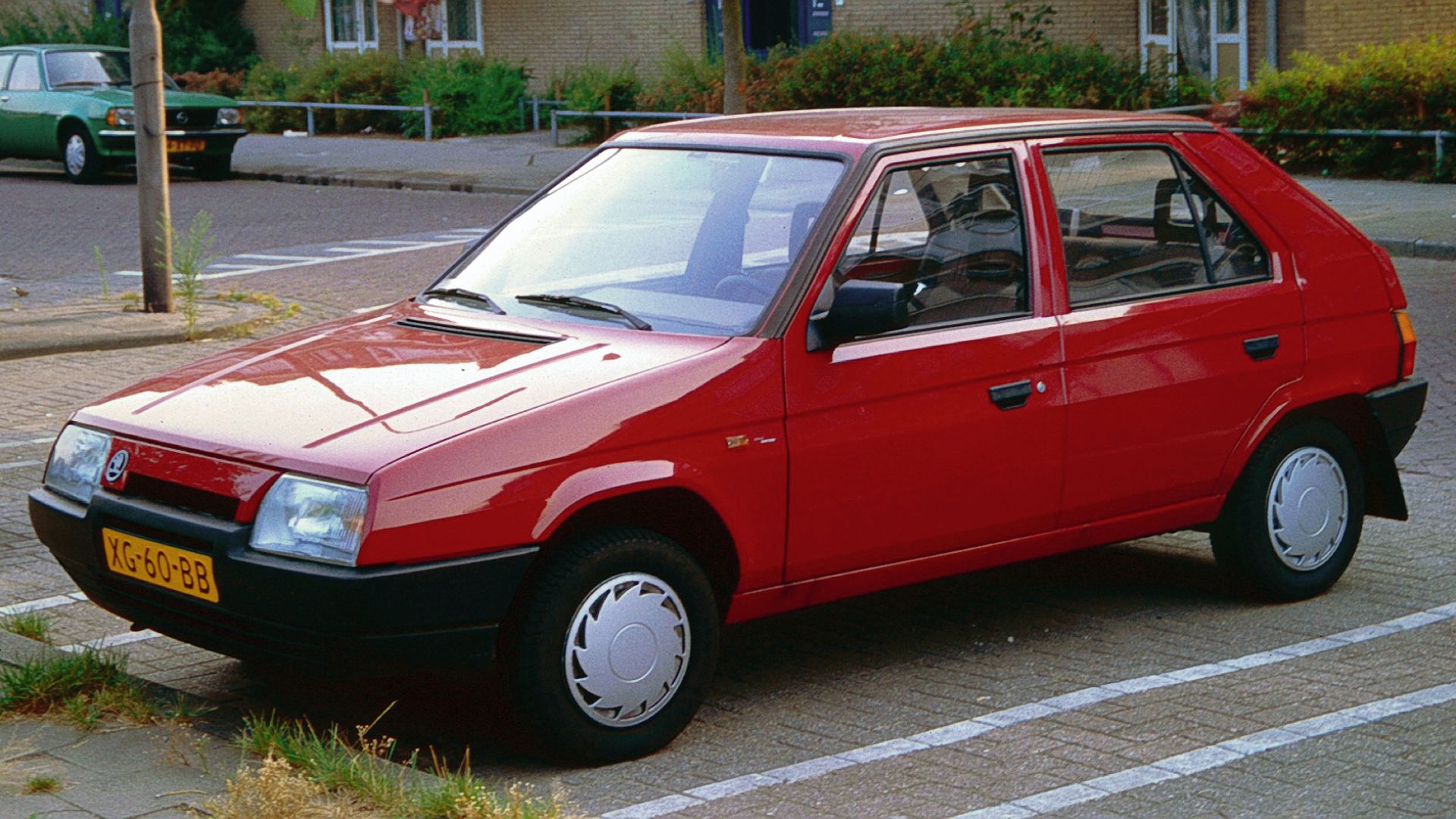
3. The Favorit
Front-wheel drive arrived in 1987 with a hatchback body shaped with help from Bertone in Italy. Reviewers expecting nothing found tidy handling and a gearbox that worked in the cold. Sales across Europe were healthy enough to make the company worth buying when Volkswagen came shopping at the end of the decade.
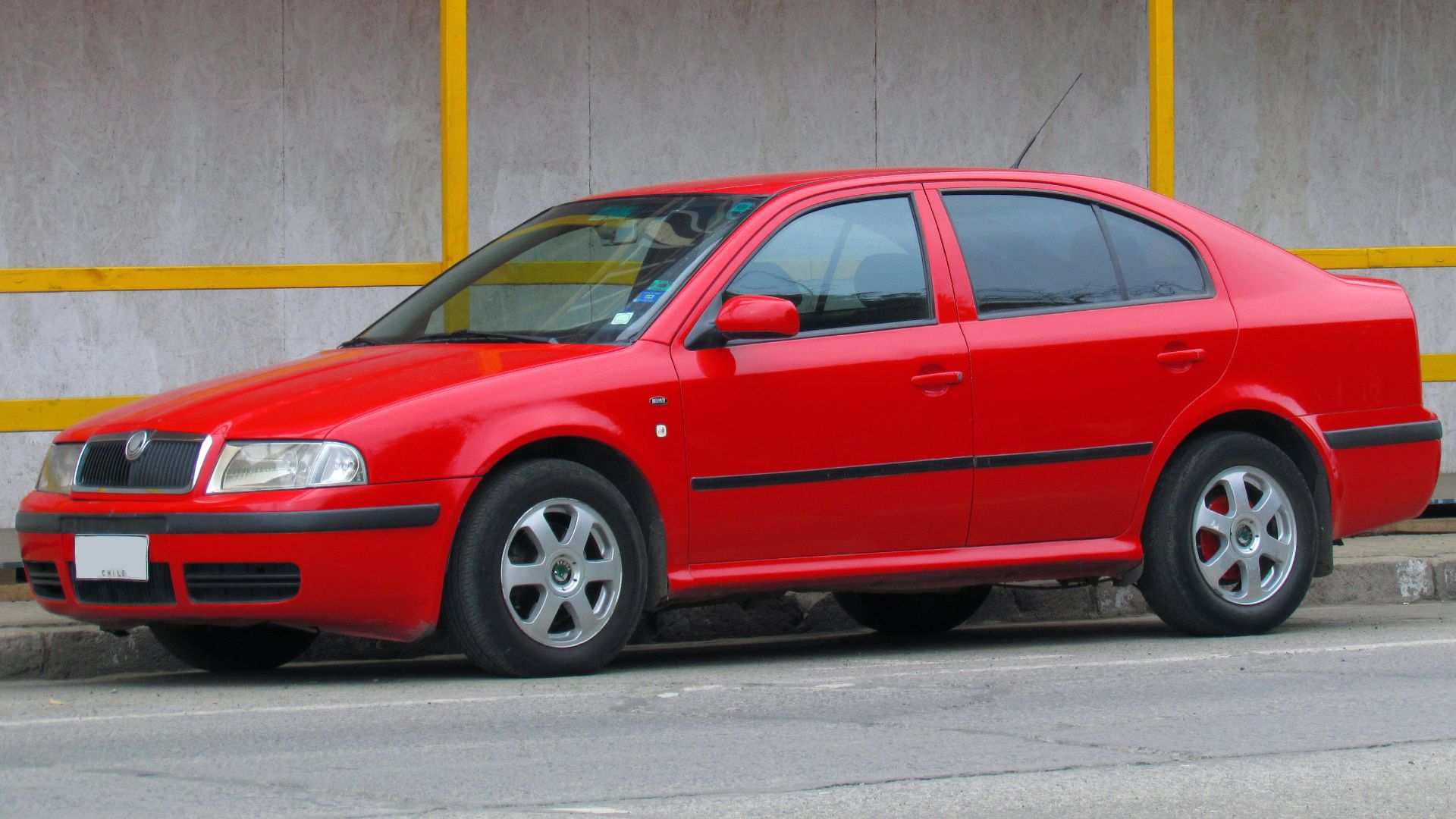
4. The Octavia Mk1
The first Volkswagen-era Octavia shared its floorpan with the Golf Mk4 and cost noticeably less to buy. Customers got identical engines and a much bigger boot for the inconvenience of a different badge on the grille. Production carried on as the Octavia Tour until 2010, a full six years after its replacement had reached showrooms.
 commons.wikimedia.org on Google
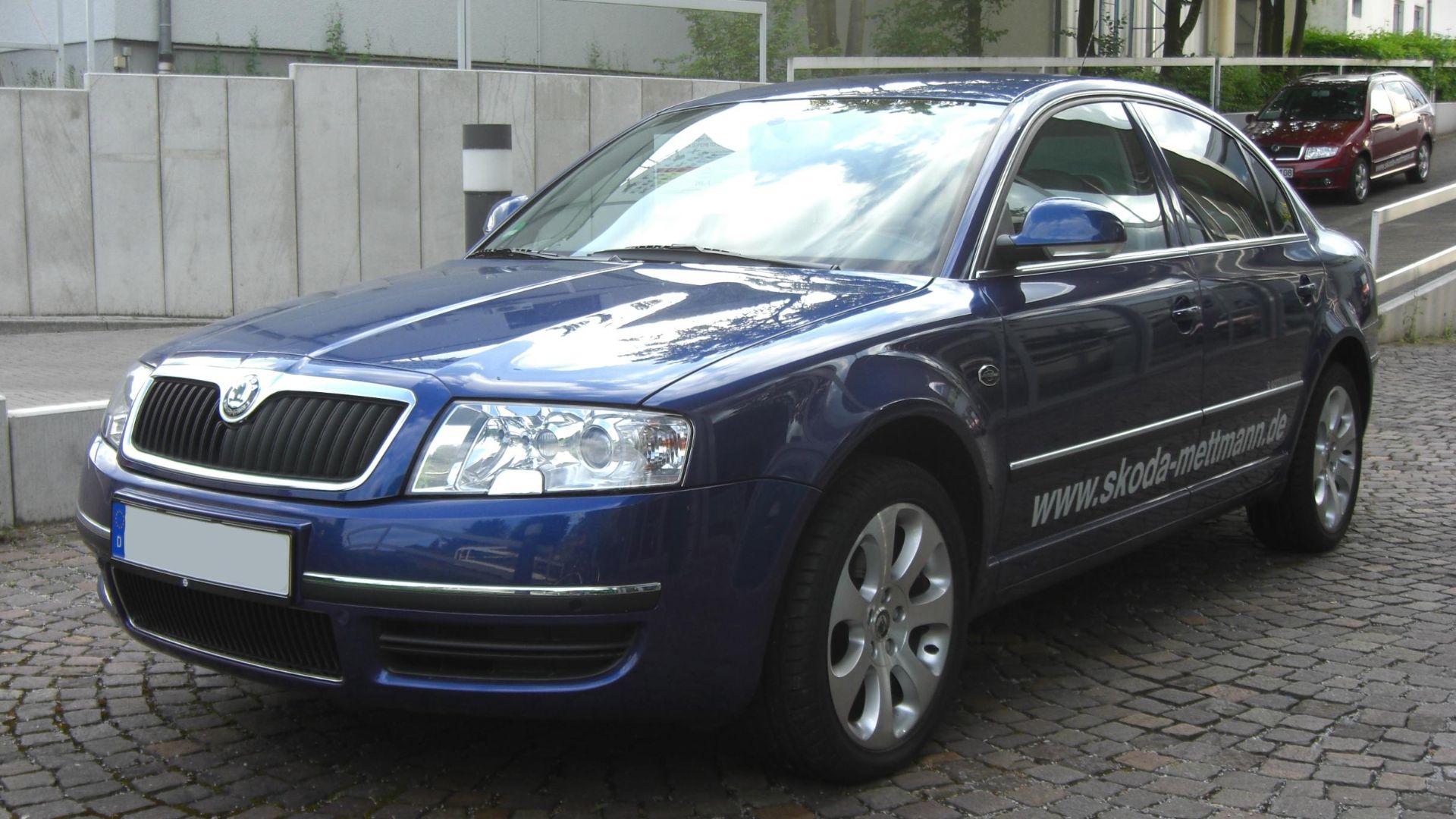
5. The Superb Mk1
Engineers took the long-wheelbase Passat built for the Chinese market and rebuilt it as a limousine aimed squarely at European taxi drivers. Rear passengers got legroom that embarrassed cars costing twice the money. Minicab firms bought them by the fleet, and word of mouth from those drivers did more for the badge than any advertising campaign of the period.
 commons.wikimedia.org on Google
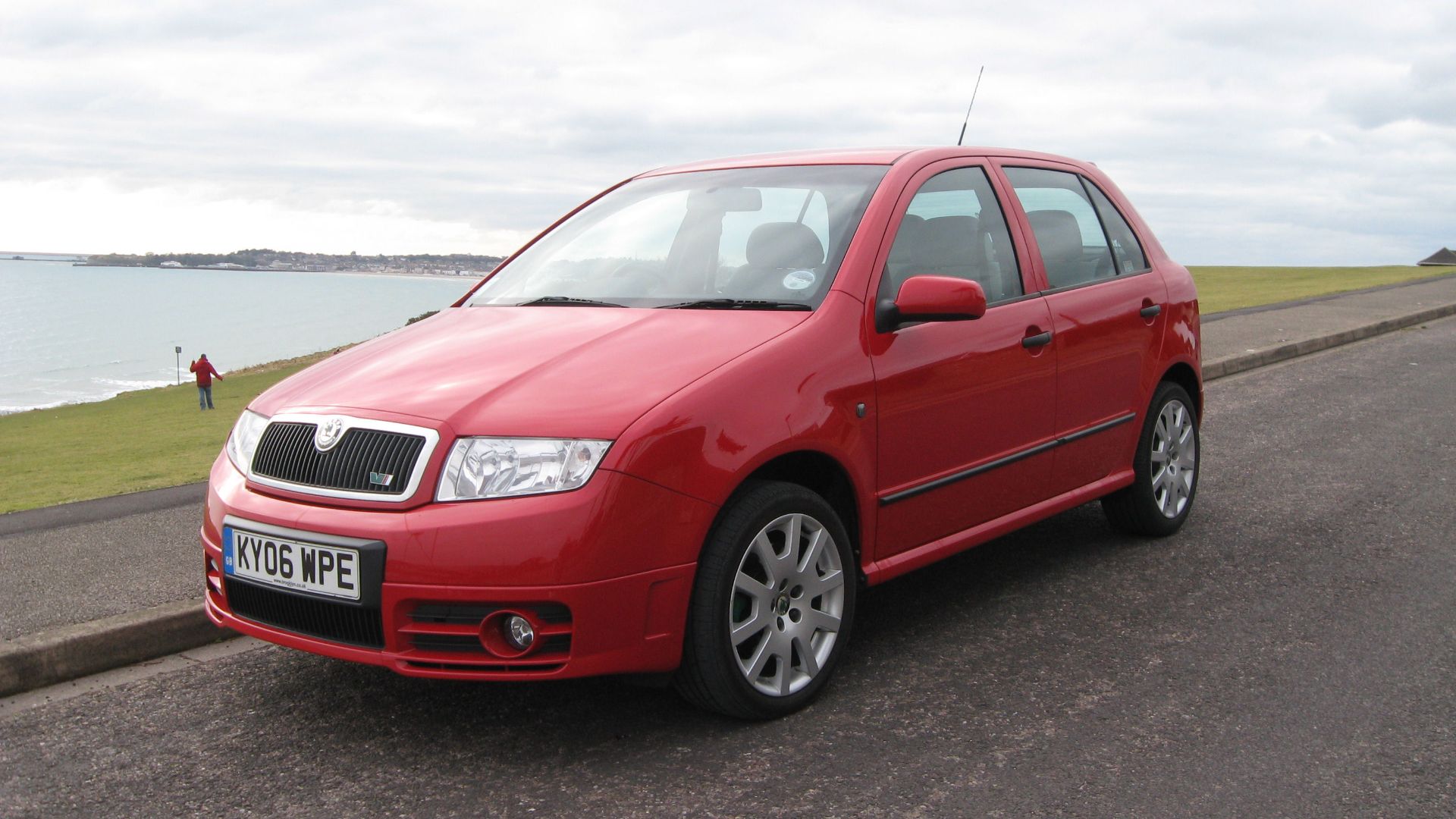
6. The Fabia vRS
A diesel hot hatch read like a contradiction in 2003. The 130 PS 1.9-liter TDI went into a Fabia bodyshell, where around 310 Nm of torque let it walk away from petrol rivals between corners. Owners reported fuel economy good enough to run the thing as an only car, which no petrol hot hatch of the period could match.
 Andrew Bone from Weymouth, England on Wikimedia
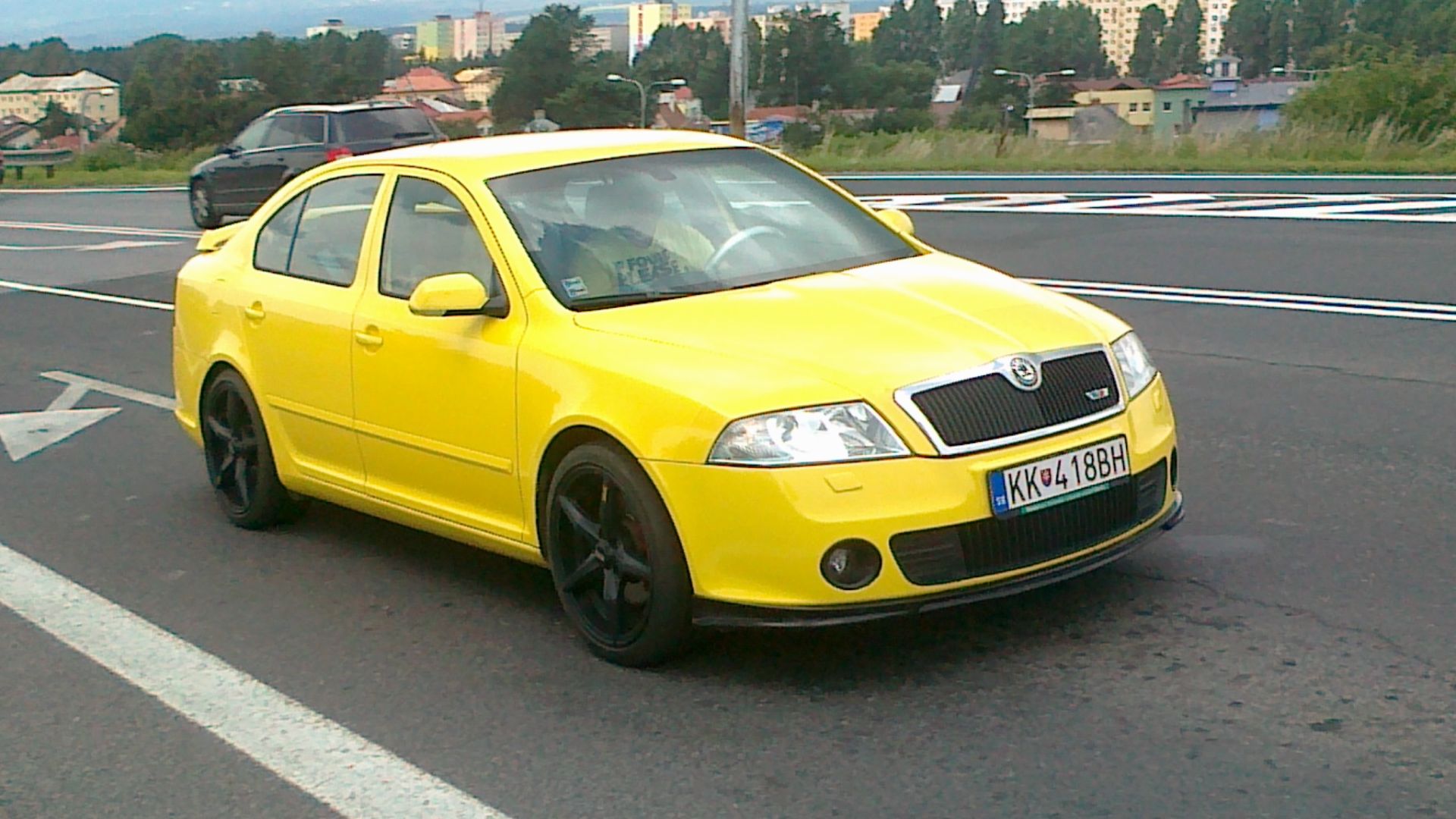
7. The Octavia vRS Mk2
The 200 PS 2.0-liter turbo engine from the Golf GTI went into a body with a far larger boot, sold for less money. Nobody needed the appeal explained to them twice. The estate became a standing recommendation for anyone who needed one car to handle the school run and the occasional track day.
 commons.wikimedia.org on Google
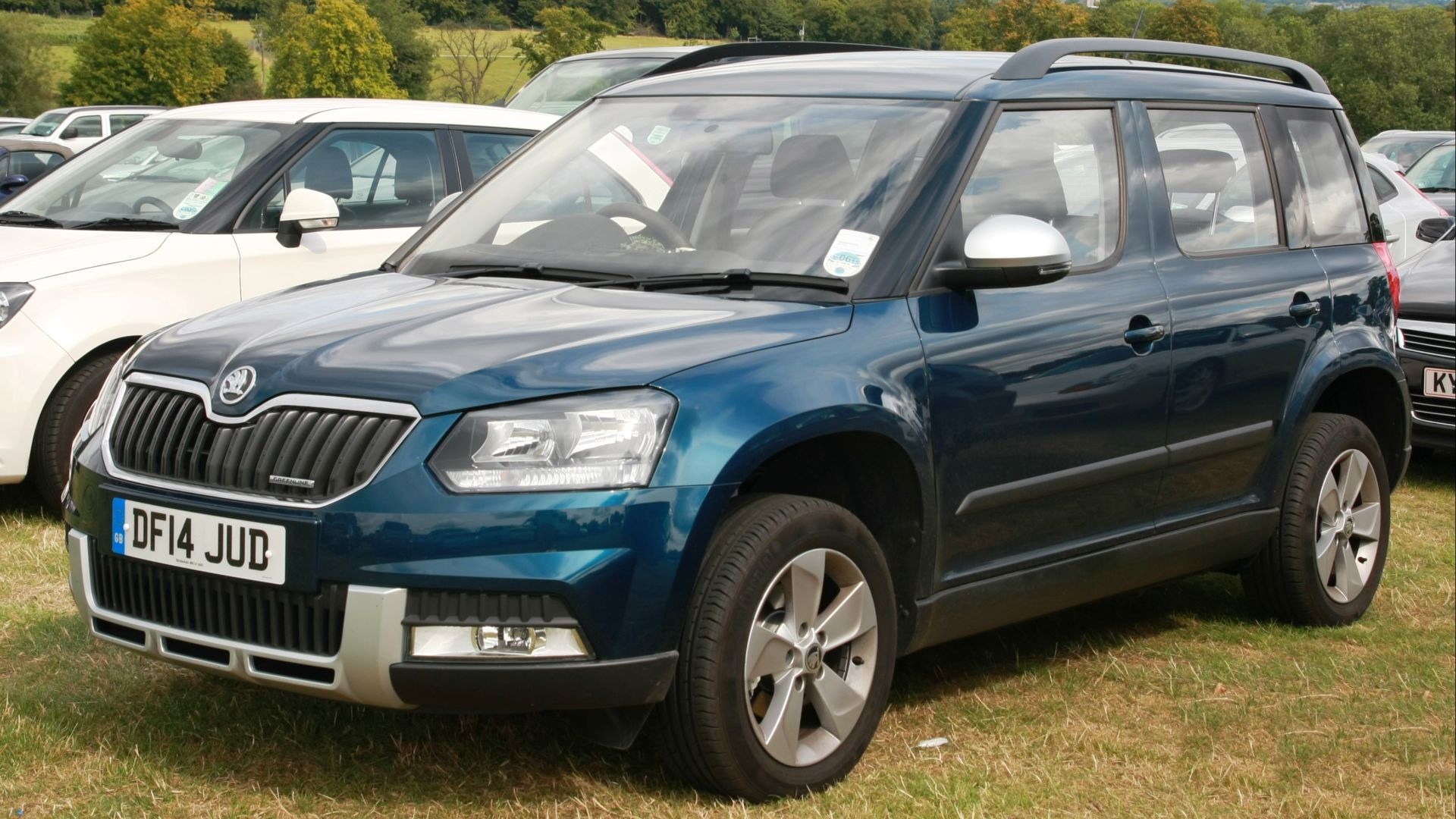
8. The Yeti
The company's first crossover looked like a shrunken van and drove far better than the shape suggested it would. The rear seats lifted out entirely, and the Haldex all-wheel-drive option gave it real ability on a muddy track. Owners hung onto them for years, and the boxy styling now reads as deliberate next to a car park full of rounded crossovers.
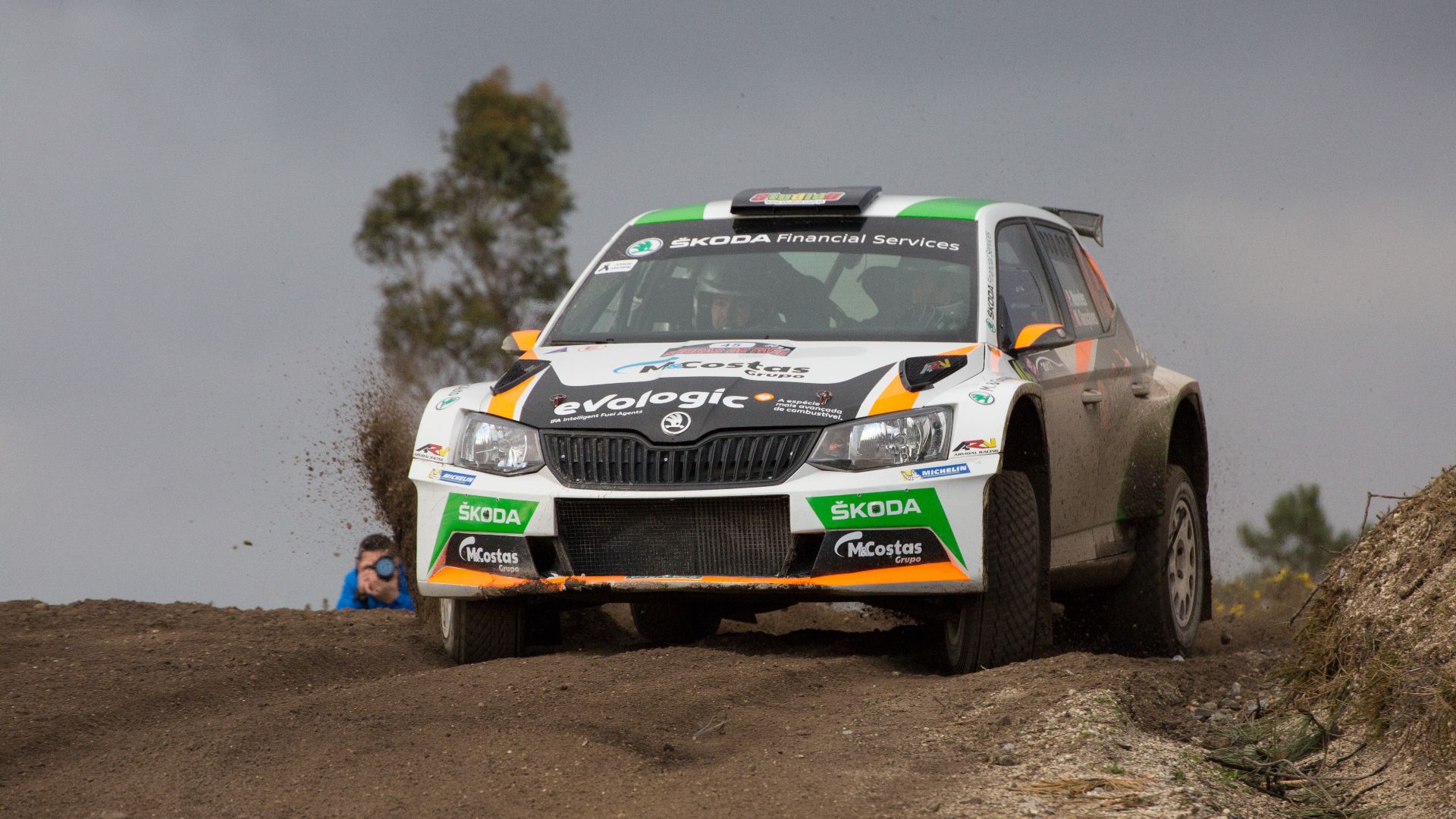
9. The Fabia R5
Here was a customer rally car built to the R5 formula, and privateers won with it across three continents. The Fabia collected WRC2 manufacturers' titles and filled national championship podiums for most of a decade. Teams kept buying it because the thing finished rallies, the only endorsement a customer car ever needs.
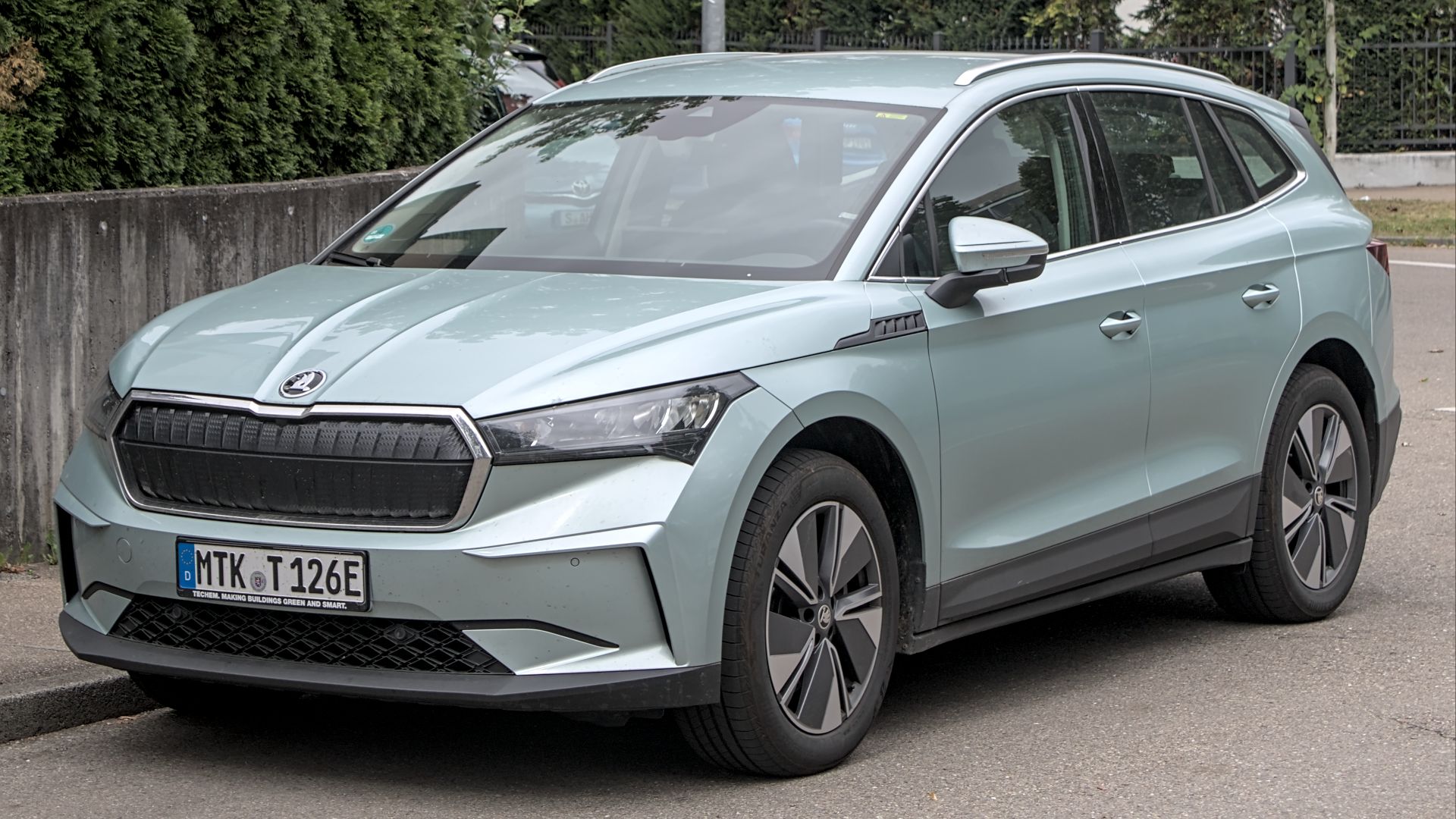
10. The Enyaq
Volkswagen's electric platform let the company do what it does best and sell interior space for less money than anyone else in the group. The Enyaq offers a family-sized cabin plus a boot that swallows a pram without anything needing to fold down first. It shares that platform with the Volkswagen ID.4 and undercut its sibling on price at launch.
Now, here's 10 that explained the jokes.
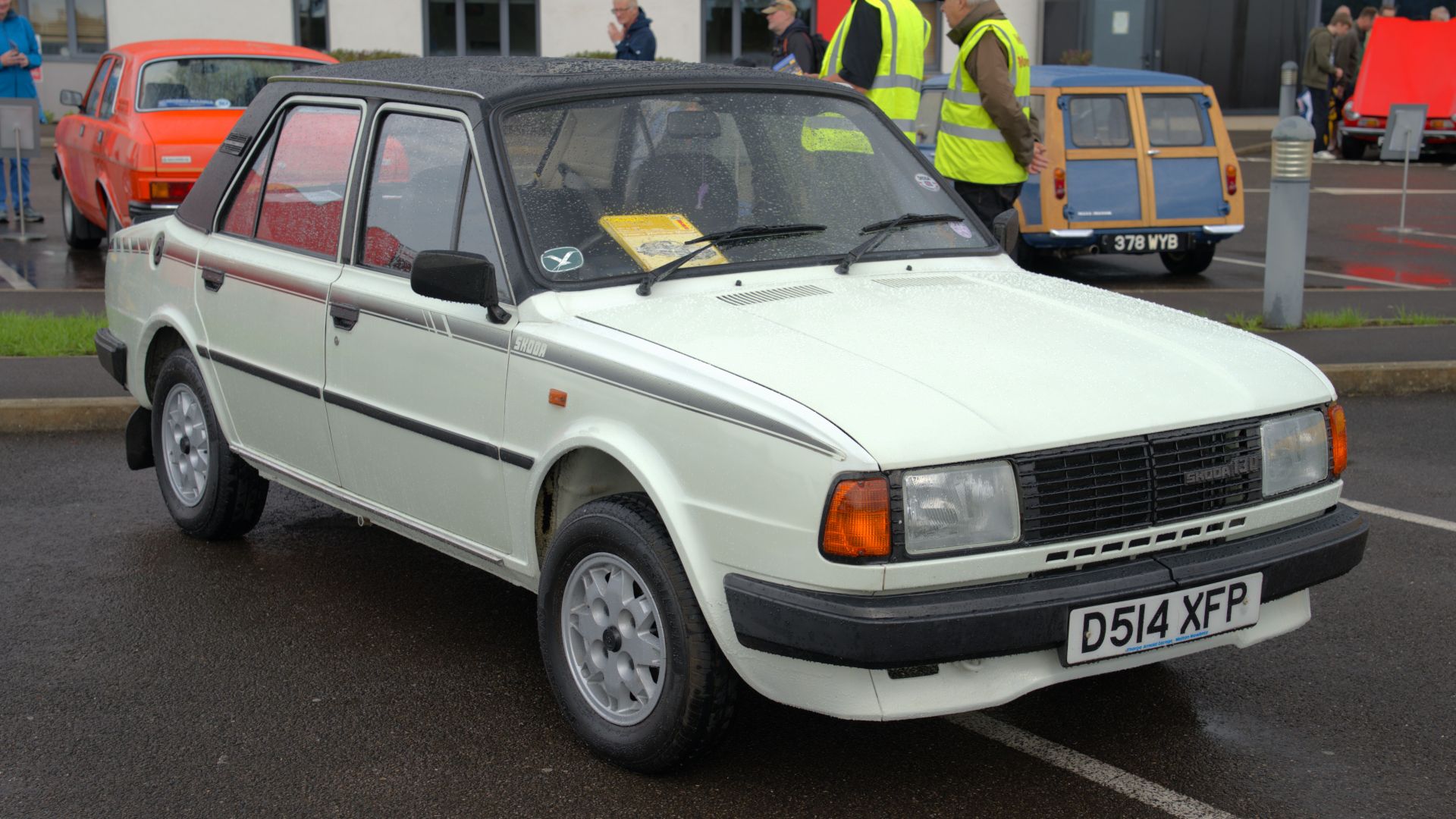
1. The Estelle
The engine stayed in the back for thirteen years after the rest of Europe had moved to front-wheel drive. Swing-axle rear suspension would tuck a wheel underneath in a fast corner and spin the car with very little warning. British comedians got a solid decade of material out of the results, and the heated rear window line dates from exactly this car.
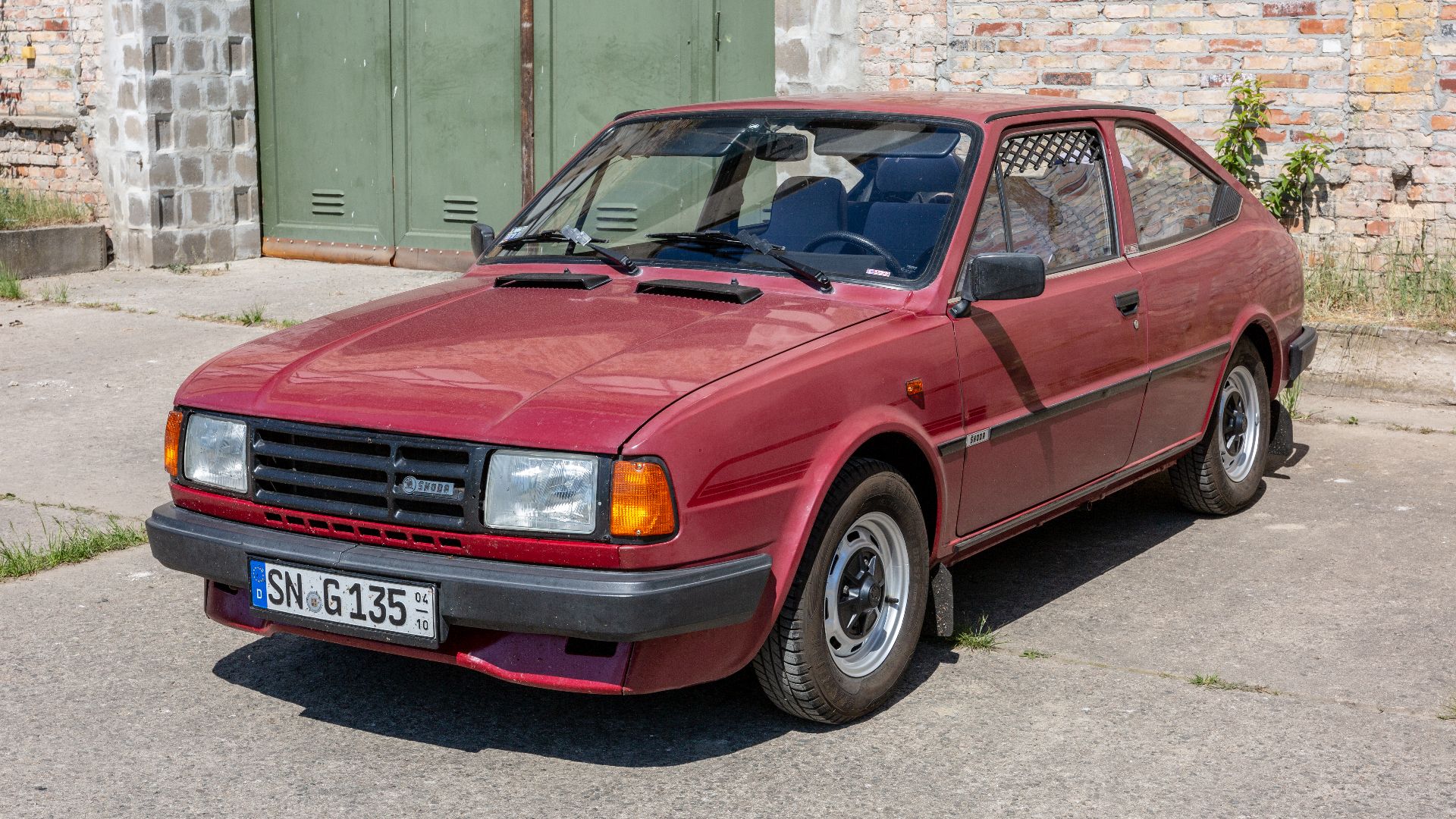
2. The Rapid Coupe
Badging a 62-horsepower rear-engined coupe as the Rapid took nerve. Enthusiasts nicknamed it the poor man's Porsche, a compliment about the engine layout and a dig at everything else. It cornered exactly the way an Estelle did, only with a roofline implying otherwise.
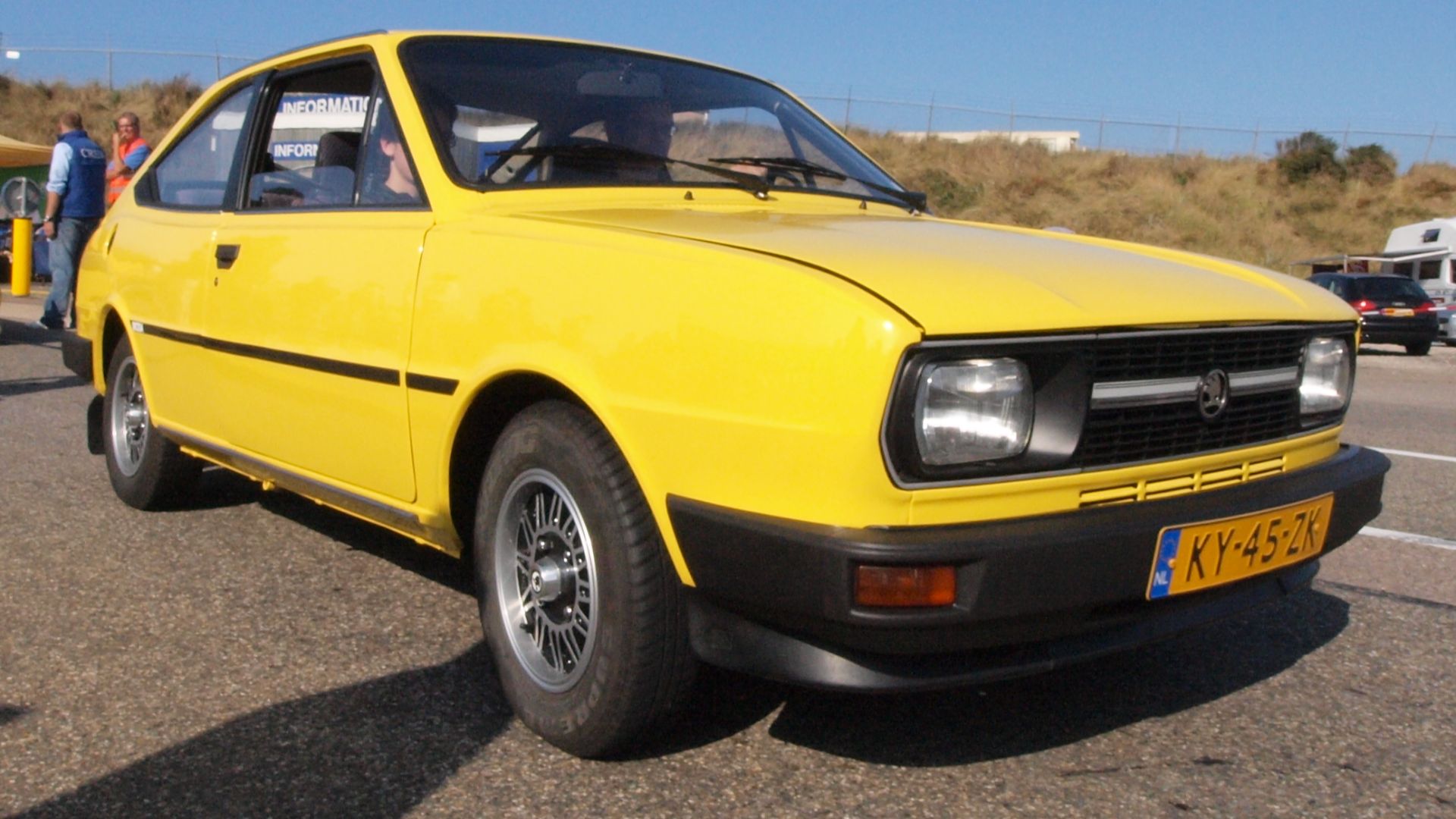
3. The Garde
The Rapid's fastback body had already been sold under the Garde name. Panel fit and trim quality were inconsistent enough that dealers found themselves adjusting brand new cars before handover, which is a poor way to build a reputation in an export market. Sales stayed modest and the badge was gone inside four years.
 commons.wikimedia.org on Google
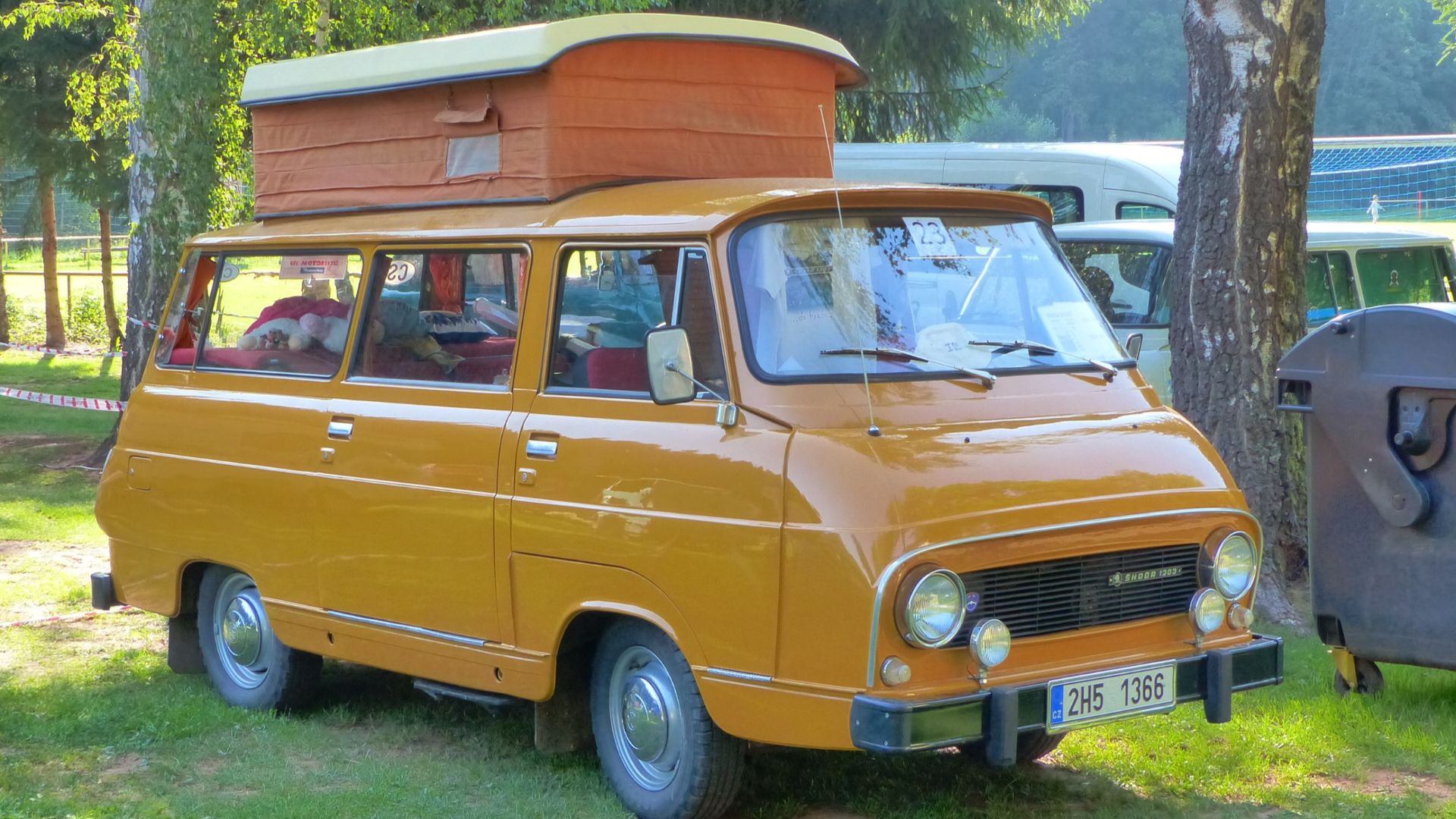
4. The 1203
Skoda's forward-control van hid its four-cylinder engine under the floor, and reaching any useful speed took patience plus a long stretch of road. Drivers sat above the front wheels with very little metal between themselves and whatever they were about to hit. Various forms stayed in production into the 1990s, which says more about supply than demand.
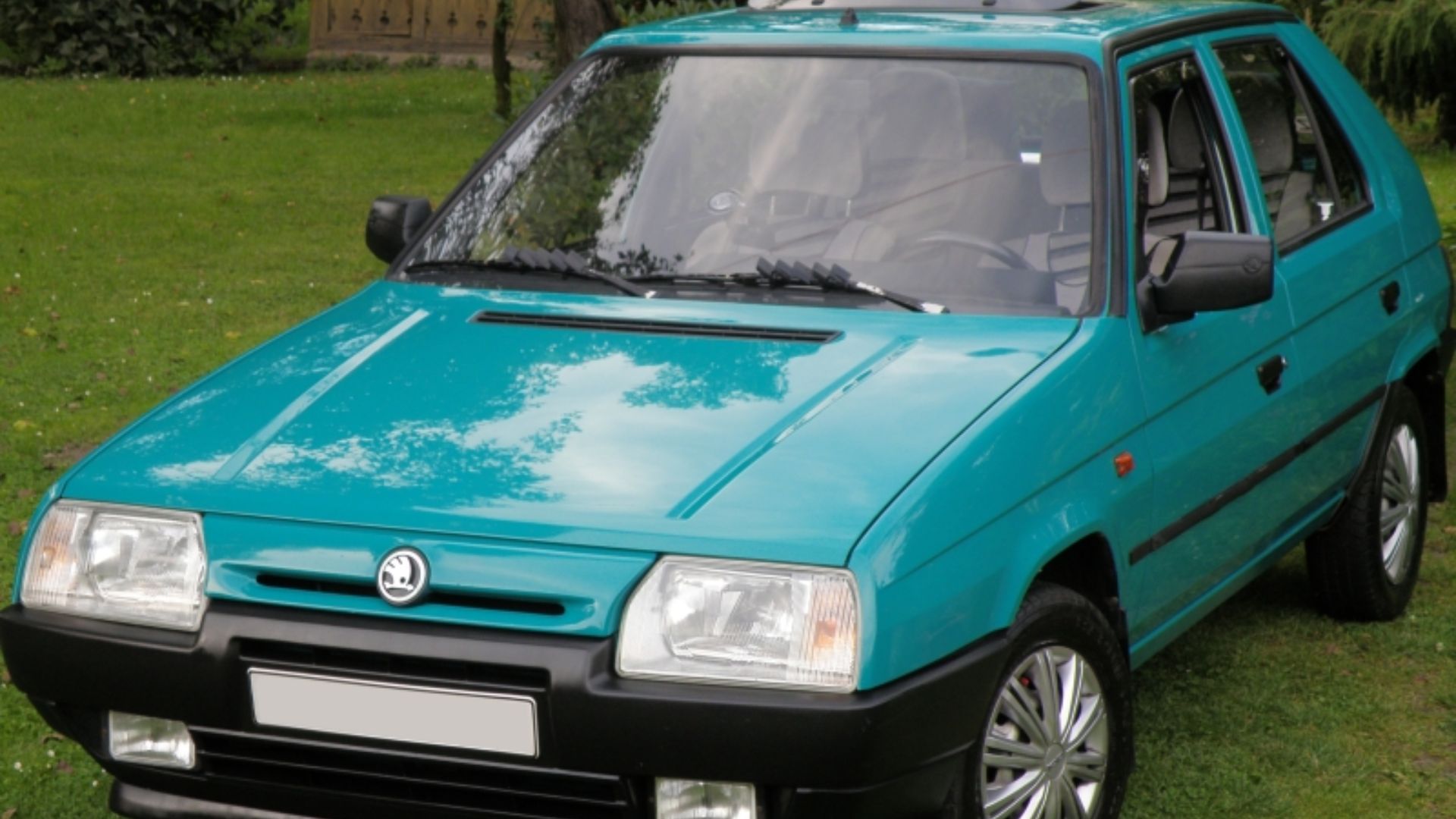
5. The Forman
Bolting an estate body onto the Favorit produced a handy load bay from a platform already working hard. The rear end looked like it had arrived from another design brief entirely, drawn by somebody who had not seen the front. Bodywork of that era also had no answer at all for salted winter roads.
 commons.wikimedia.org on Google
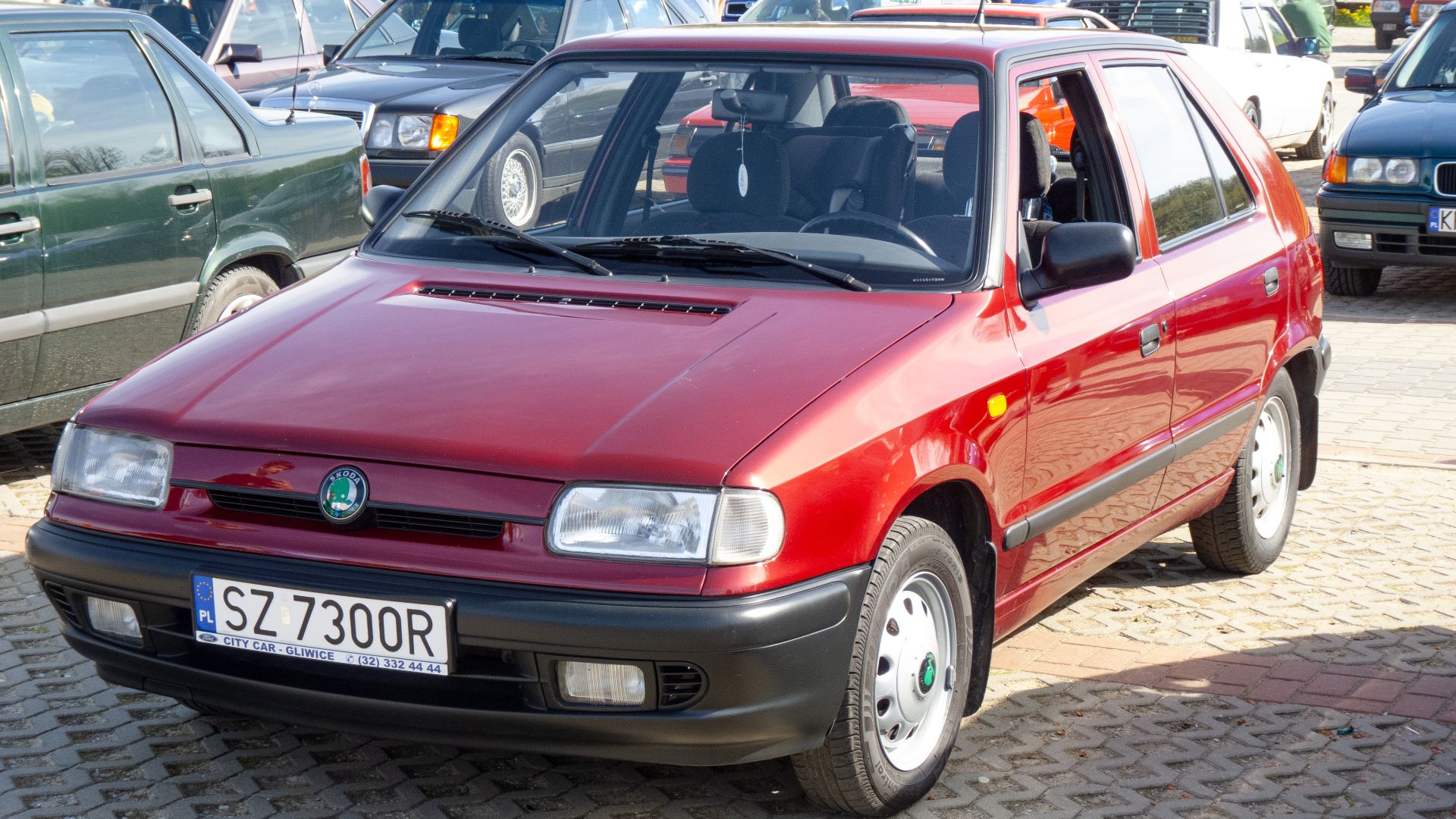
6. The Felicia
Fixing the Favorit was Volkswagen's first job in Mladá Boleslav, and the Felicia was that fix. Switches improved and a VW engine became available, while underneath everything sat a chassis drawn up in the mid-1980s. People who wanted cheap transport bought one, and nobody at the dealership pretended it was anything more.
7. The Citigo
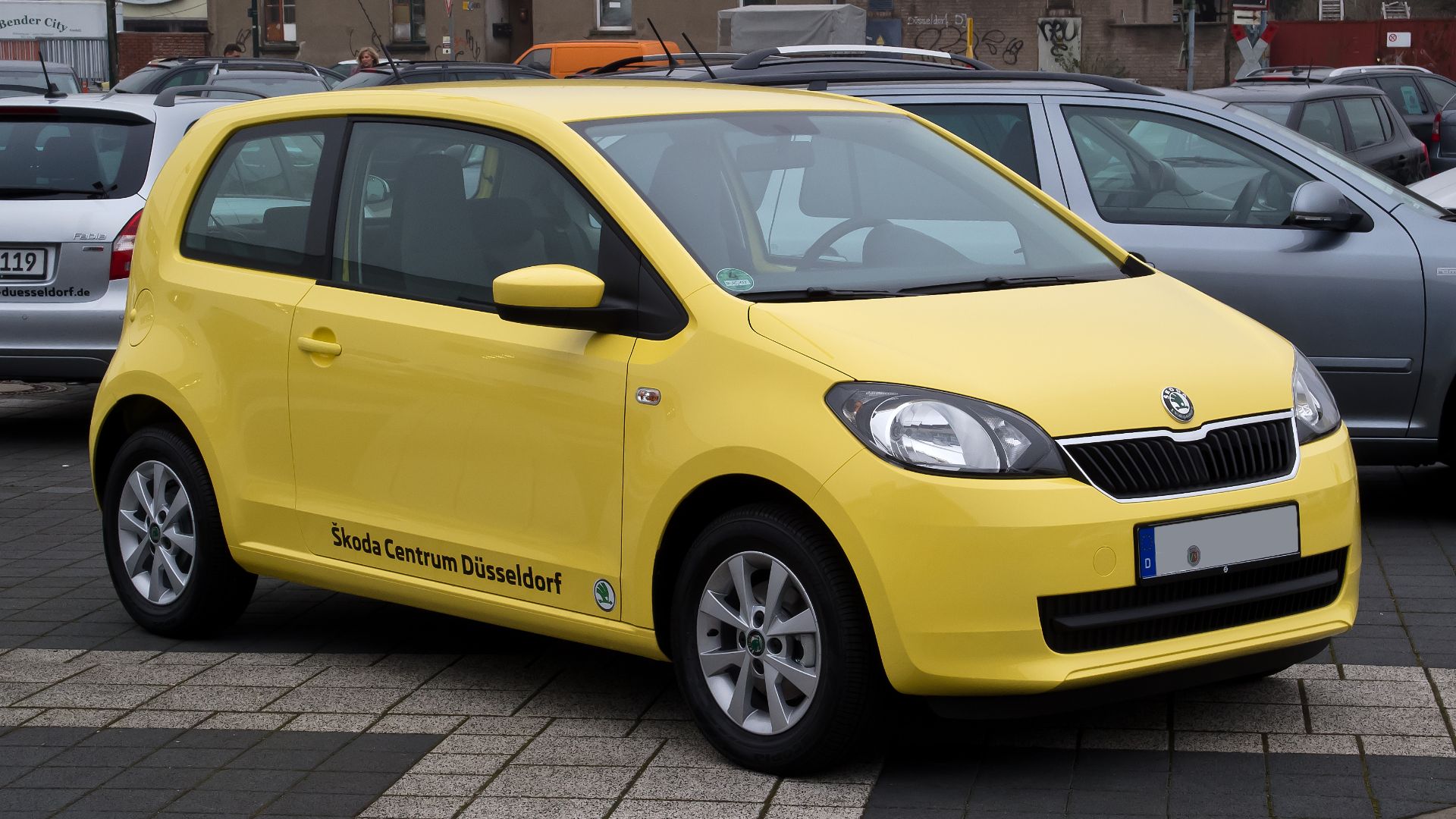
Built on the same Bratislava line as the Volkswagen Up, with a different grille bolted to the front, the Citigo was a perfectly good small car. The exercise also reminded everyone exactly where Skoda sat in the group hierarchy. It disappeared in 2020 without a replacement, and the cheapest Skoda got considerably more expensive.
8. The Rapid Hatchback
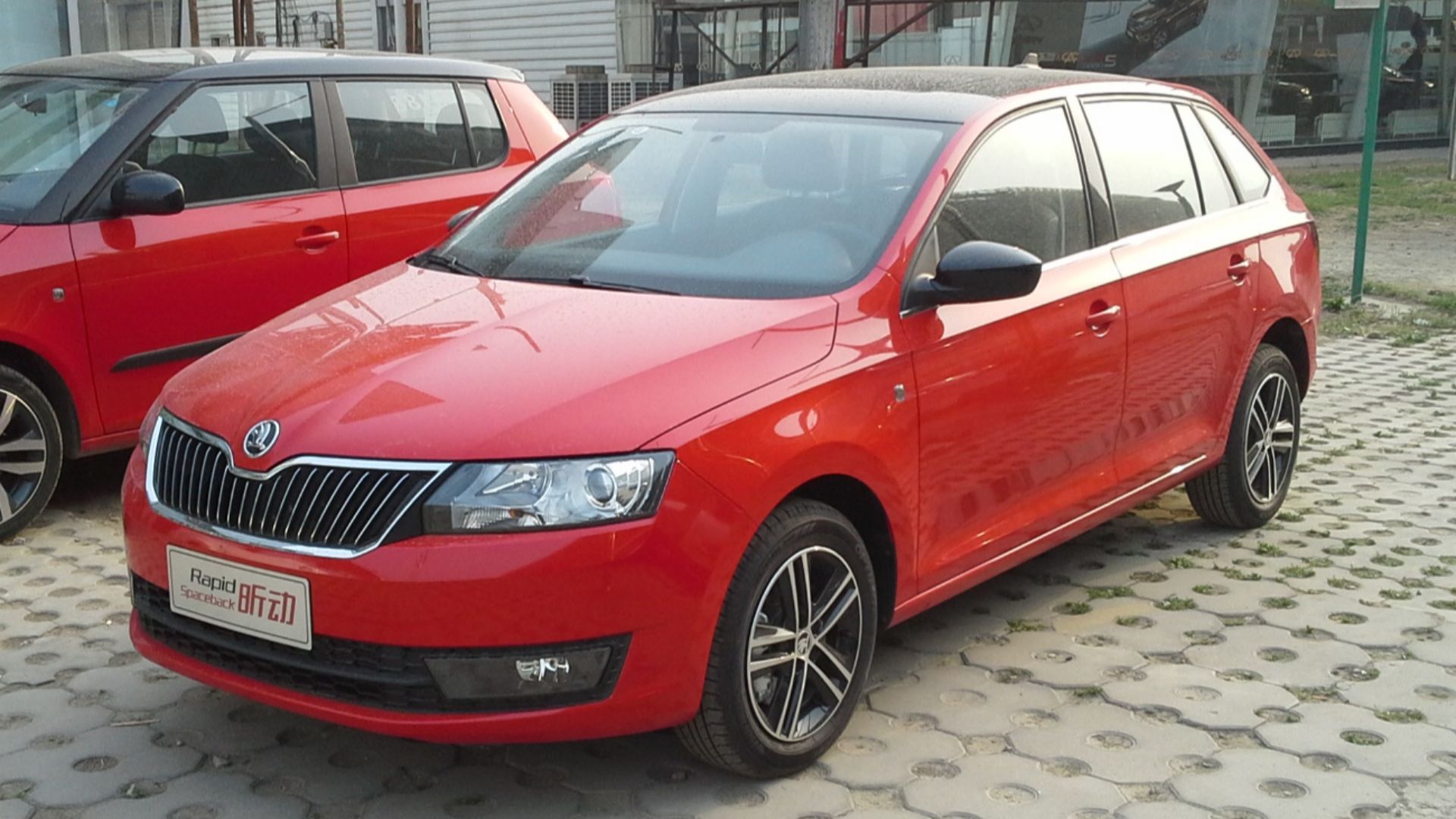
Reviving the Rapid name in 2012 for a budget hatchback aimed at emerging markets was a decision somebody had to defend. Hard interior plastics and a flat driving experience meant the car sold almost entirely on its price tag. The Scala that replaced it in 2019 was a clear improvement.
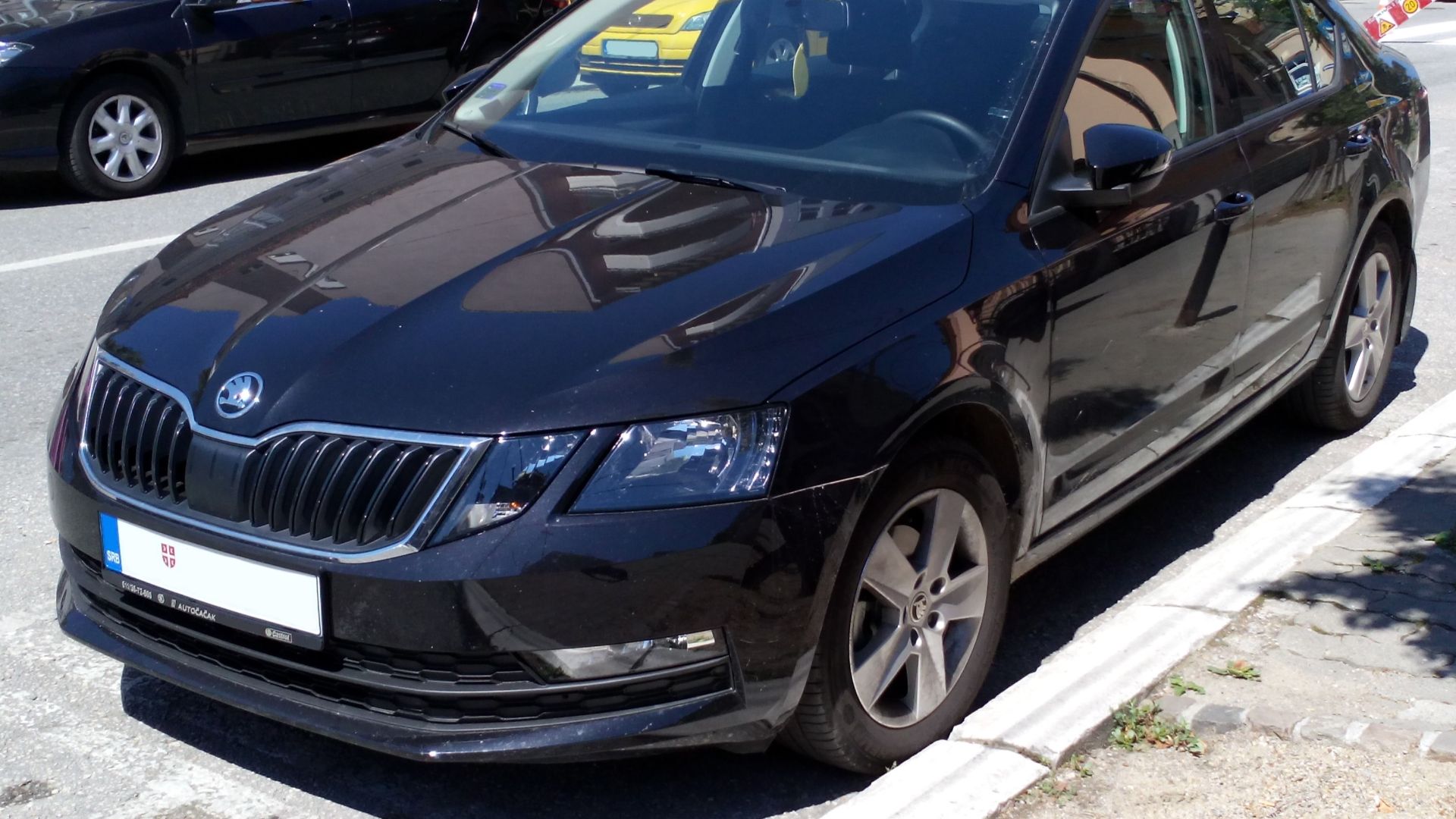
9. The Octavia Mk3 Facelift
Somebody at the design office split the Octavia's headlights into two separate units per side in 2017, handing the car a four-eyed stare. The press reaction was unkind and owner forums were worse still. A single lamp per side returned with the Mk4 two years later.
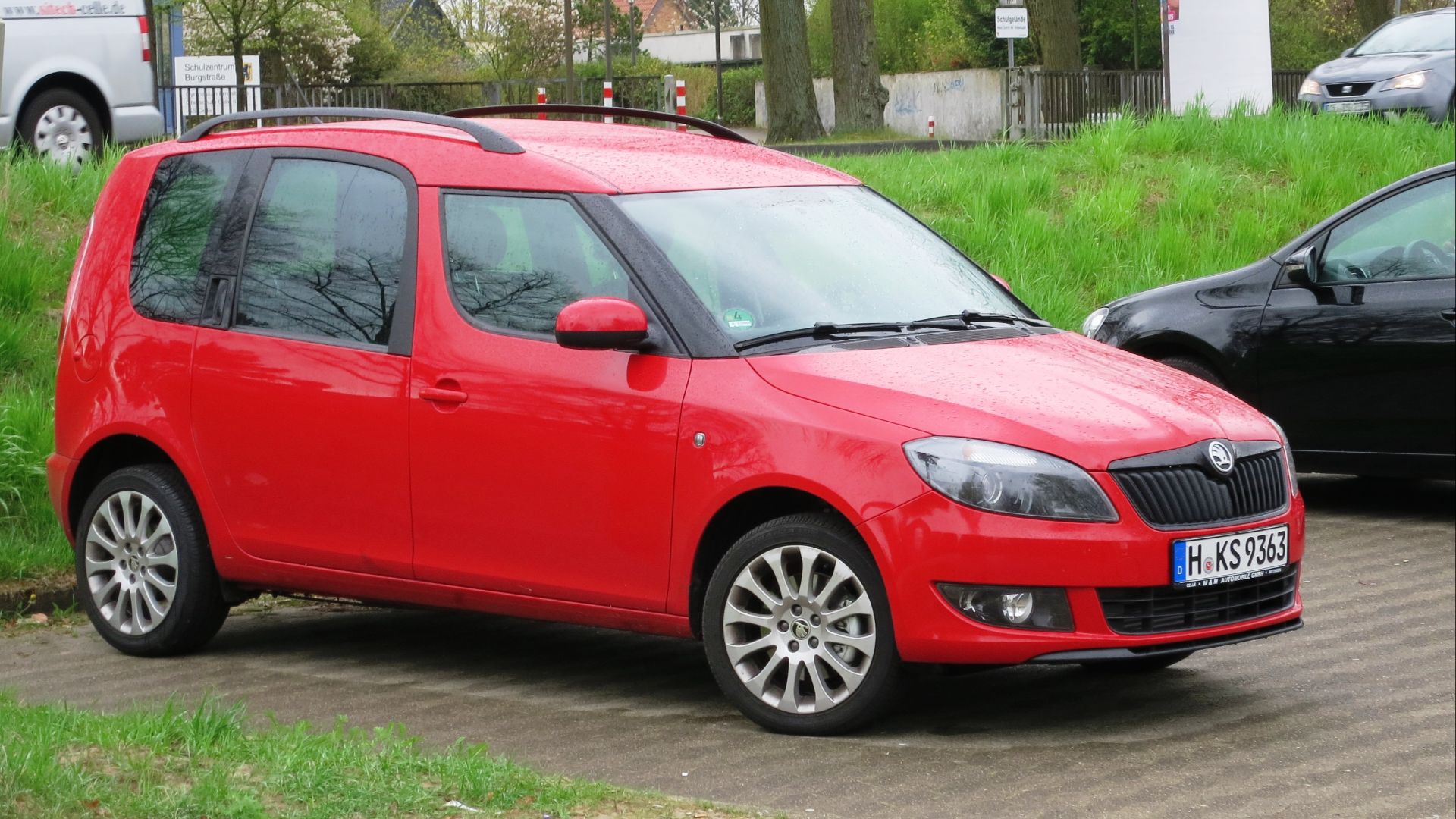
10. The Roomster
The Roomster combined a hatchback nose with a raised rear greenhouse and an asymmetric window line that fought itself. The packaging was clever and the cabin was hard to fault on practicality. Almost nobody wanted to look at the outside of it, and nine years of production ended with no direct successor.

.jpg)


