
How Dense Cities Are Addressing Parking Space Shortages
 Stanislav Kondratiev on Pexels
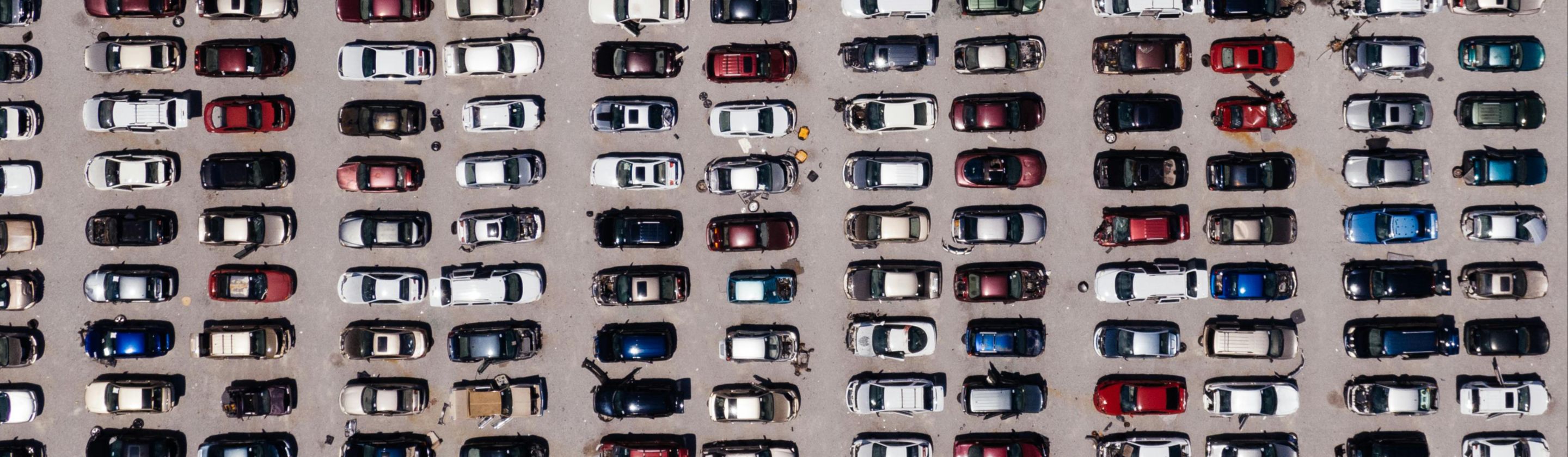
In dense cities, parking shortages have become one of those problems that seems small until it affects nearly every part of daily life. Residents circle blocks looking for a space, delivery drivers double-park, and new developments immediately run into the question of where all the cars are supposed to go. When land is limited, and demand stays high, cities can’t keep treating parking like an endless resource.
That’s why many urban areas are rethinking the issue instead of simply trying to squeeze in more spaces wherever they can. Rather than relying on the old approach of building bigger lots and wider garages, city planners are using technology, zoning changes, and transportation alternatives to reduce pressure on the curb. In practice, the goal is not just to fit more cars into tight neighborhoods, but to manage space in a way that works better for everyone.
Smarter Parking Management Is Replacing the Old First-Come System
One of the biggest changes in dense cities is that parking is no longer being treated as a static system. Instead of leaving prices and rules unchanged for years, many local governments are using demand-based strategies that respond to how crowded certain streets actually are. When a block is constantly full, higher rates or stricter time limits can help create turnover and make parking less chaotic.
San Francisco’s SFpark remains one of the best-known examples of this approach. The Federal Highway Administration explains that the program used demand-responsive pricing, stronger enforcement, and parking information systems to manage availability targets across a large share of the city’s metered spaces and garages. The goal is to make parking easier to find, reduce circling, and use data to set the lowest rates possible while still maintaining open spaces.
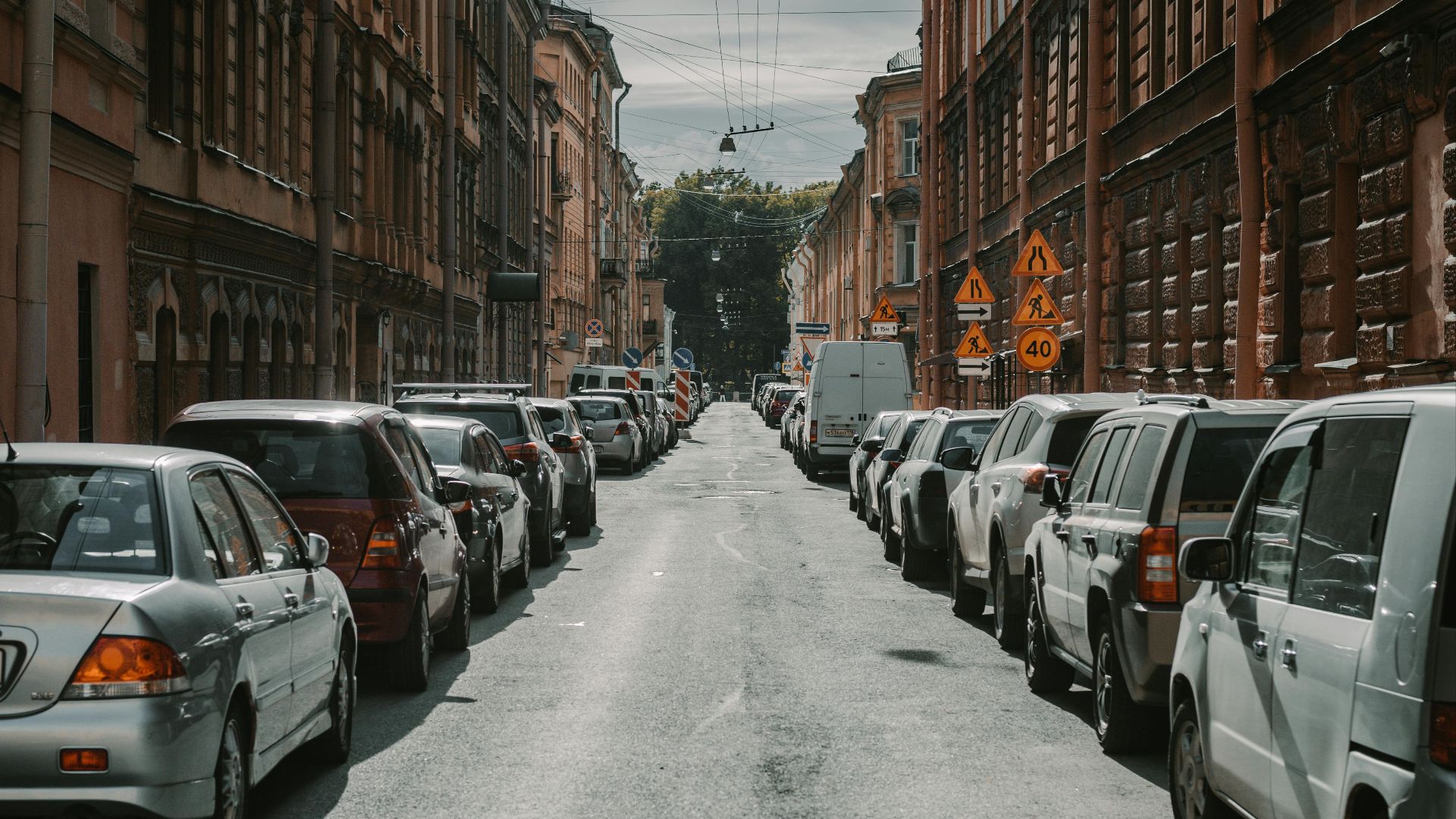
This can make a noticeable difference in neighborhoods where drivers spend far too long hunting for a spot. If you’ve ever seen a line of cars crawling behind one another, all hoping someone will pull out, you’ve already seen what happens when parking is managed too loosely. Cities are learning that availability often improves when they focus on circulation rather than simply maximizing occupancy.
Technology is helping this shift along as well. Federal ITS guidance says parking and curb management strategies increasingly rely on tools such as pricing systems, phone applications, reservations, and other digital management tools to optimize scarce curb and parking resources. That means drivers can get better information, while cities can respond to actual usage.
Residential permit systems are being updated as well. In many dense areas, cities are tightening eligibility rules, adjusting permit costs, or limiting the number of permits allowed per household. Those changes can be unpopular, but they reflect a broader reality that curb space is too valuable to be managed casually.
Cities Are Changing the Way Buildings Handle Parking
Another major shift is happening through zoning and development policy. For decades, many cities required new buildings to include a minimum number of parking spaces, even in neighborhoods with transit access and limited land. That standard is now being questioned because mandatory parking often makes housing more expensive and uses valuable space for cars instead of people.
As a result, some dense cities are reducing or eliminating parking minimums, especially near train stations, bus corridors, and mixed-use districts. This gives developers more flexibility to match parking supply to actual demand rather than outdated assumptions. In practical terms, it can lead to smaller garages, lower construction costs, and projects that fit more naturally into urban neighborhoods.
That doesn’t mean cities are ignoring parking altogether. In many cases, they are encouraging shared parking arrangements to better utilize the existing supply. A garage that sits half-empty for most of the week is no longer viewed as efficient planning when land is scarce and expensive.
Design innovation is also playing a role in places where some parking is still necessary. Automated parking systems, stackers, and more compact garage layouts are helping cities fit vehicles into smaller urban footprints. These options are not a magic fix for every neighborhood, but they show how urban planning is moving toward precision rather than sheer volume.
Fewer Parking Problems Often Start With Fewer Necessary Car Trips
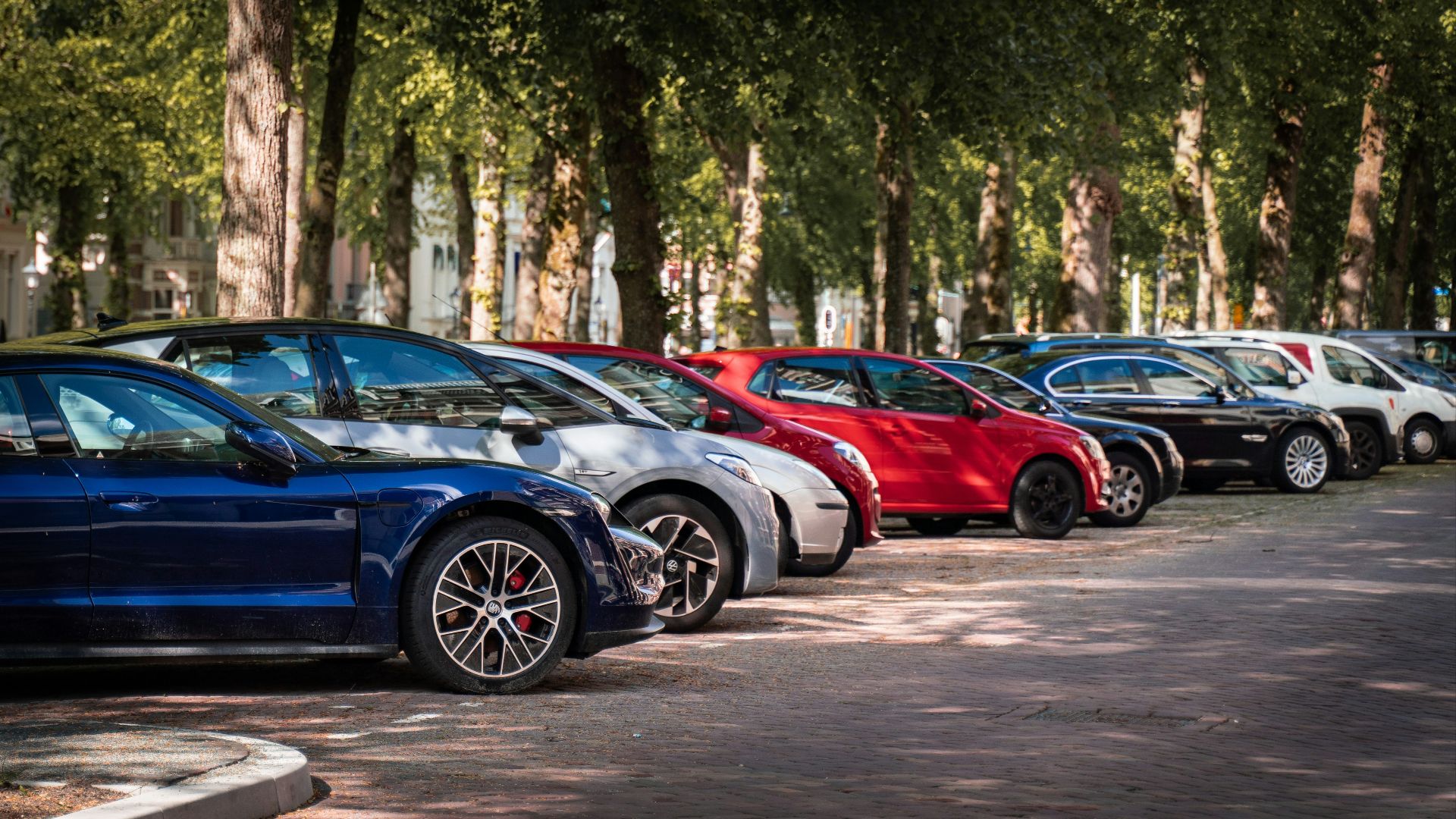
Dense cities are also addressing parking shortages by working on the demand side of the equation. If every resident, commuter, and visitor feels they need a private car for every trip, parking pressure will remain severe no matter how efficiently spaces are managed. That's why many cities are pairing parking reform with investments in transit, biking infrastructure, and walkable neighborhood design.
Better public transportation can make a direct difference because it gives people a realistic alternative to driving into the most crowded parts of a city. When buses, trains, and connections are made to be even more convenient, comfortable, and reliable than driving, people will choose not to bring a car in the first place.
Cities are also rethinking what curb space should be used for. In many neighborhoods, the curb now has to serve deliveries, pickups, bike lanes, bus stops, outdoor dining, and accessibility needs in addition to private vehicle parking. Once you think about all the things that space is used for, it becomes harder to justify using every desirable curb location as long-term vehicle storage by default.
Dense cities aren't really solving parking shortages by chasing unlimited supply. They're addressing the problem by managing existing spaces more intelligently, updating development rules, and reducing the number of trips that require parking in the first place. If you live in a crowded city, that may not mean parking suddenly becomes effortless, but it does mean the system is becoming more realistic about how urban space actually works.