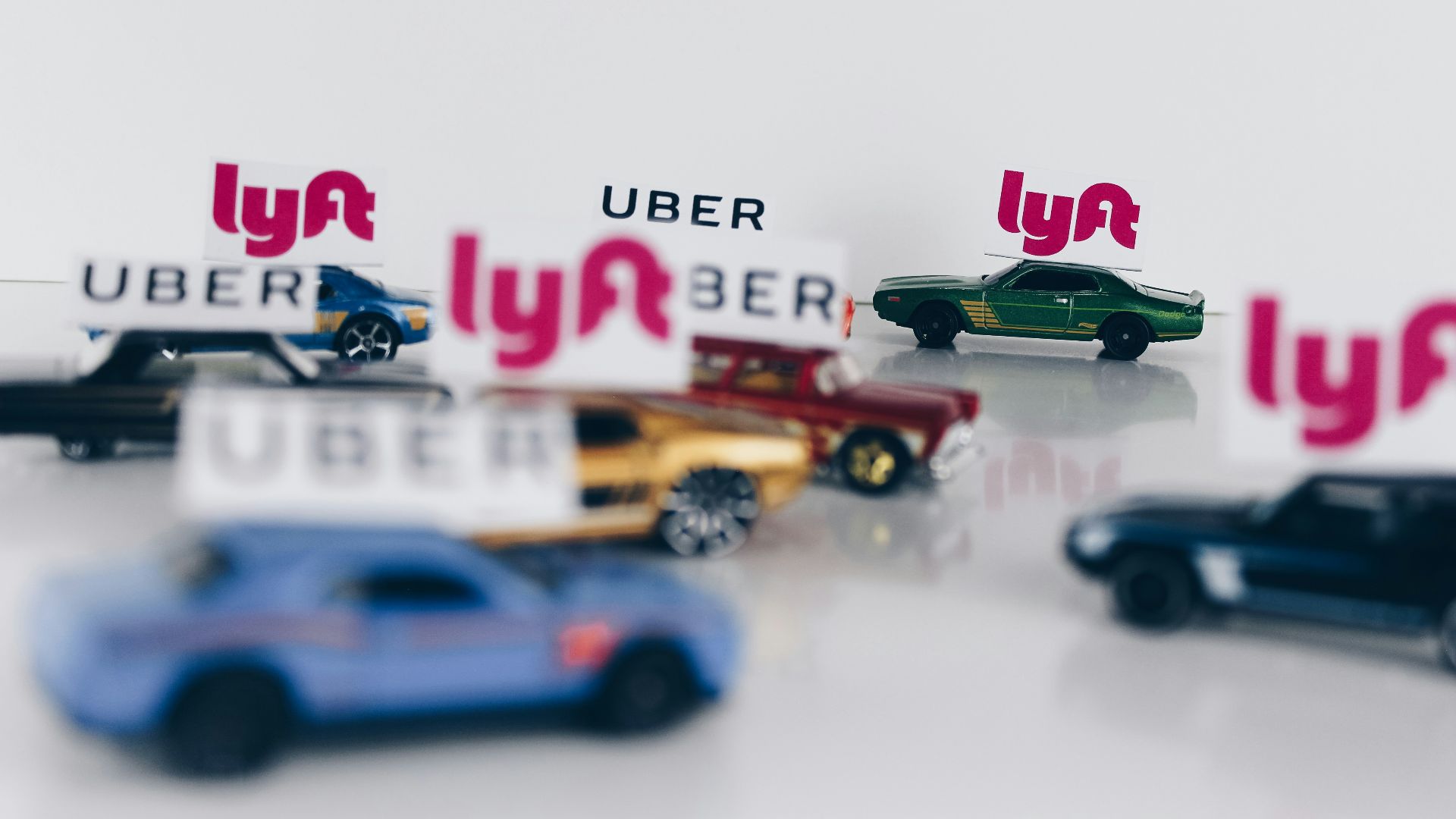
If you’ve ever driven for Uber or Lyft, or even considered signing up, you’ve probably heard the term “rideshare insurance.” It sounds technical, but in reality, it’s the invisible safety net that could save you thousands of dollars in case things go wrong.
So, let’s find out what rideshare insurance really means, why it matters, and how to make sure you’re fully protected before you pick up your next passenger.
Understanding The Coverage Gaps

Here’s where most drivers get caught off guard—personal car insurance isn’t built for commercial use. The moment you turn on your rideshare app, your coverage changes. Insurance companies view that as a “business activity,” which means your standard personal policy can deny a claim if you’re involved in an accident during that time.
Rideshare platforms like Uber and Lyft do provide their own coverage, but it only applies at certain stages of your driving activity. For instance, if your app is off, you’re on your own—only your personal insurance applies. Once you turn on the application and wait for a ride request, Uber offers limited liability coverage. Then, once you accept a ride or have a passenger in the car, their commercial policy kicks in more fully.
It sounds straightforward until you realize there’s still a gray area between your personal policy and the rideshare company’s. This is the gap rideshare insurance is designed to fill.
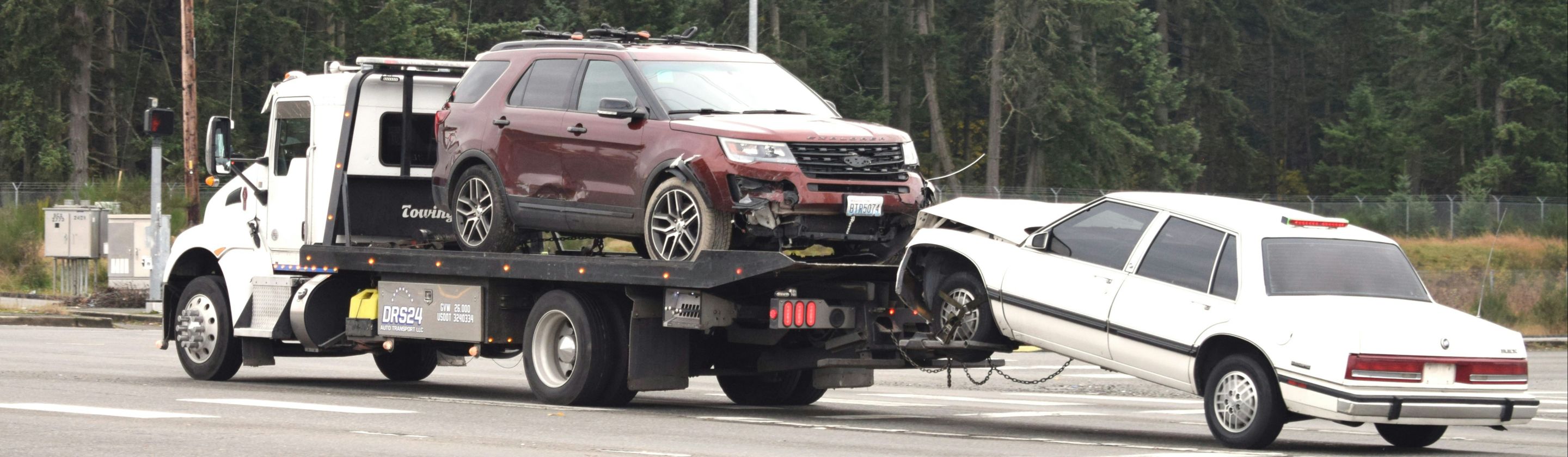
That “gap” might not sound like a big deal until you imagine getting into an accident while waiting for a request. Without proper coverage, you could be responsible for medical bills, repairs, or even lawsuits.
Why You Can’t Rely On Platform Insurance Alone
Here’s the tricky part: Uber and Lyft’s policies are meant to protect them first, not you. Yes, they provide liability coverage when you’re working, but that doesn’t always include comprehensive or collision protection for your own car unless you’ve already purchased that on your personal plan.
In simpler terms, their insurance might pay for the other driver’s damage but not yours. And even when they do cover you, there’s often a hefty deductible. Uber, for example, has a $2,500 deductible before its collision coverage even starts, according to American Deductible. That’s money you’d need to pay up front before they step in.
This is where adding a rideshare endorsement becomes essential. It ensures that no matter which “phase” of driving you’re in, you’re fully covered without worrying about legal loopholes.
The Road Ahead: Protecting Your Future

As ridesharing continues to grow, so does the conversation around insurance. States are tightening laws, insurers are refining policies, and drivers are becoming more aware of their risks. What once seemed like a side hustle has evolved into a legitimate profession, and that means your insurance needs to evolve, too.