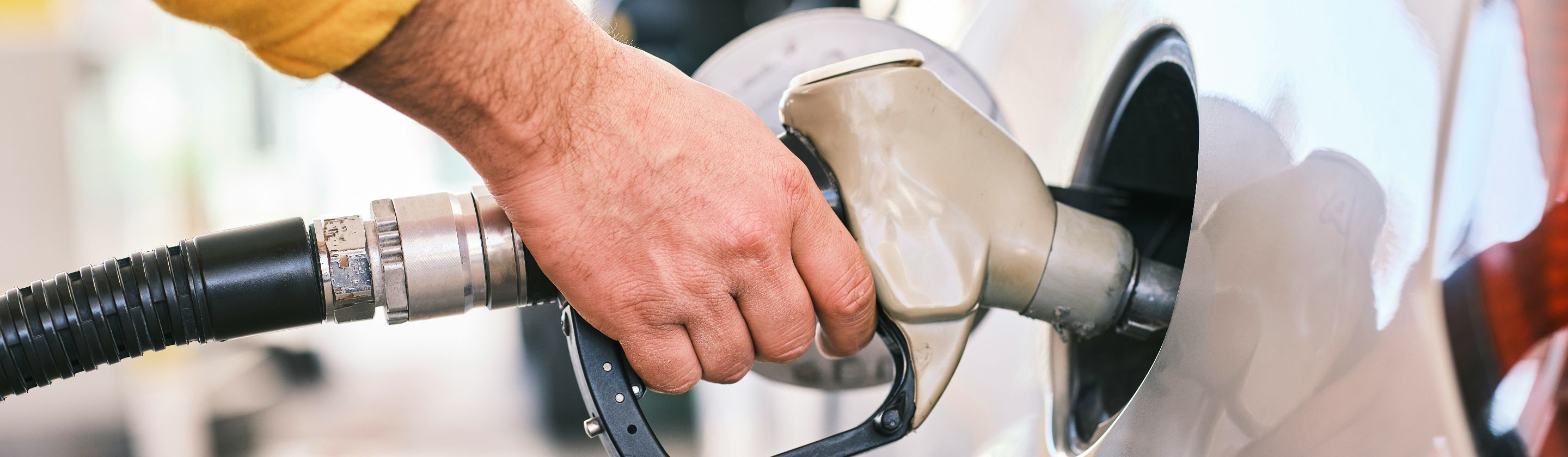
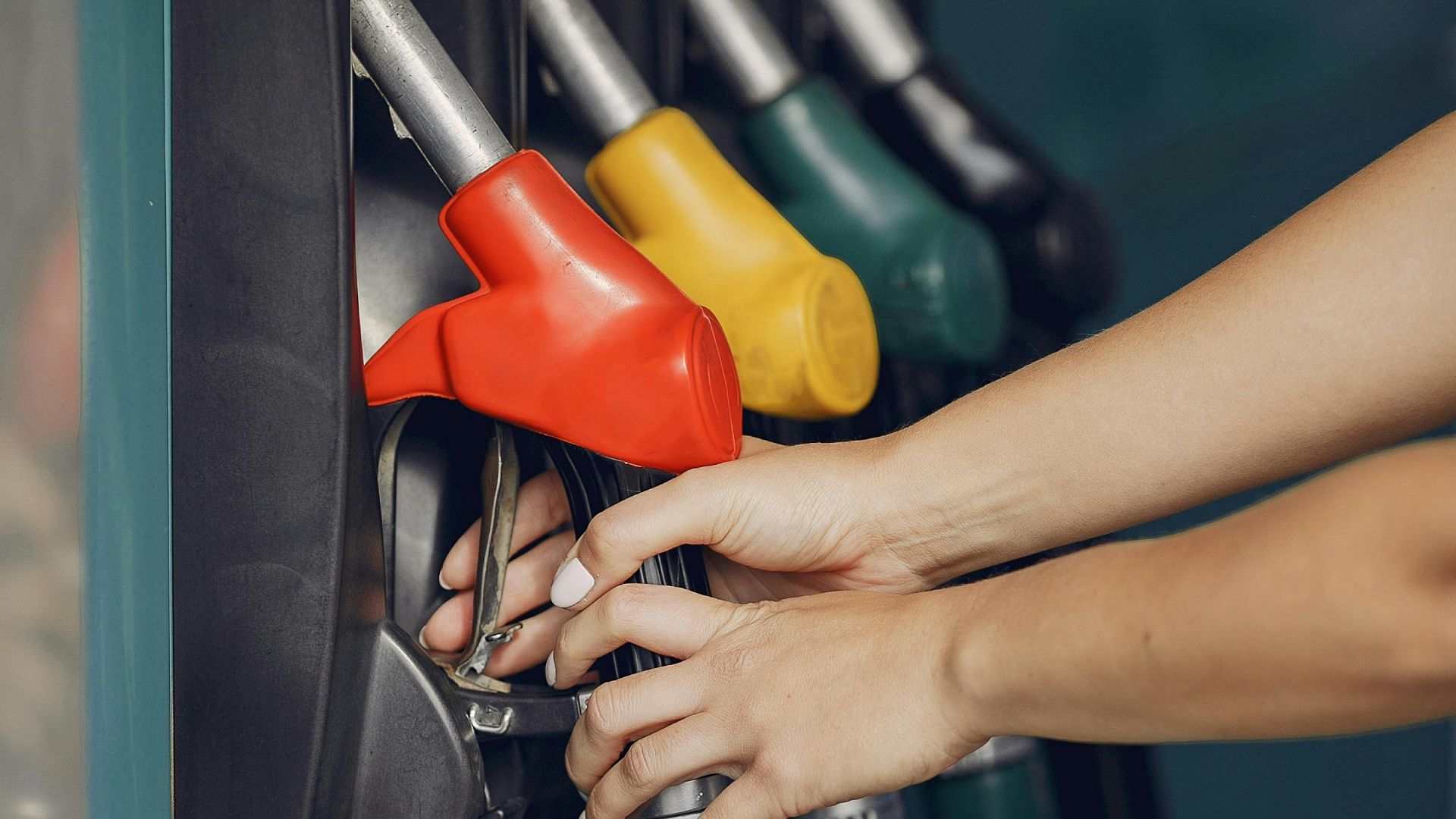
Every time you gas up, you're faced with the decision. Do you press the "regular" or "premium" button at the pump? Are you ruining your car when you opt to save a few bucks, or are you pouring money down the drain for no reason when you think you're buying something that's better quality?
With fuel prices fluctuating and car technology evolving, understanding the difference between premium and regular gasoline matters more than ever. While many assume premium is simply “better” fuel, the truth is more nuanced. Whether premium gasoline benefits your car depends entirely on the engine under your hood.
What's different about it?
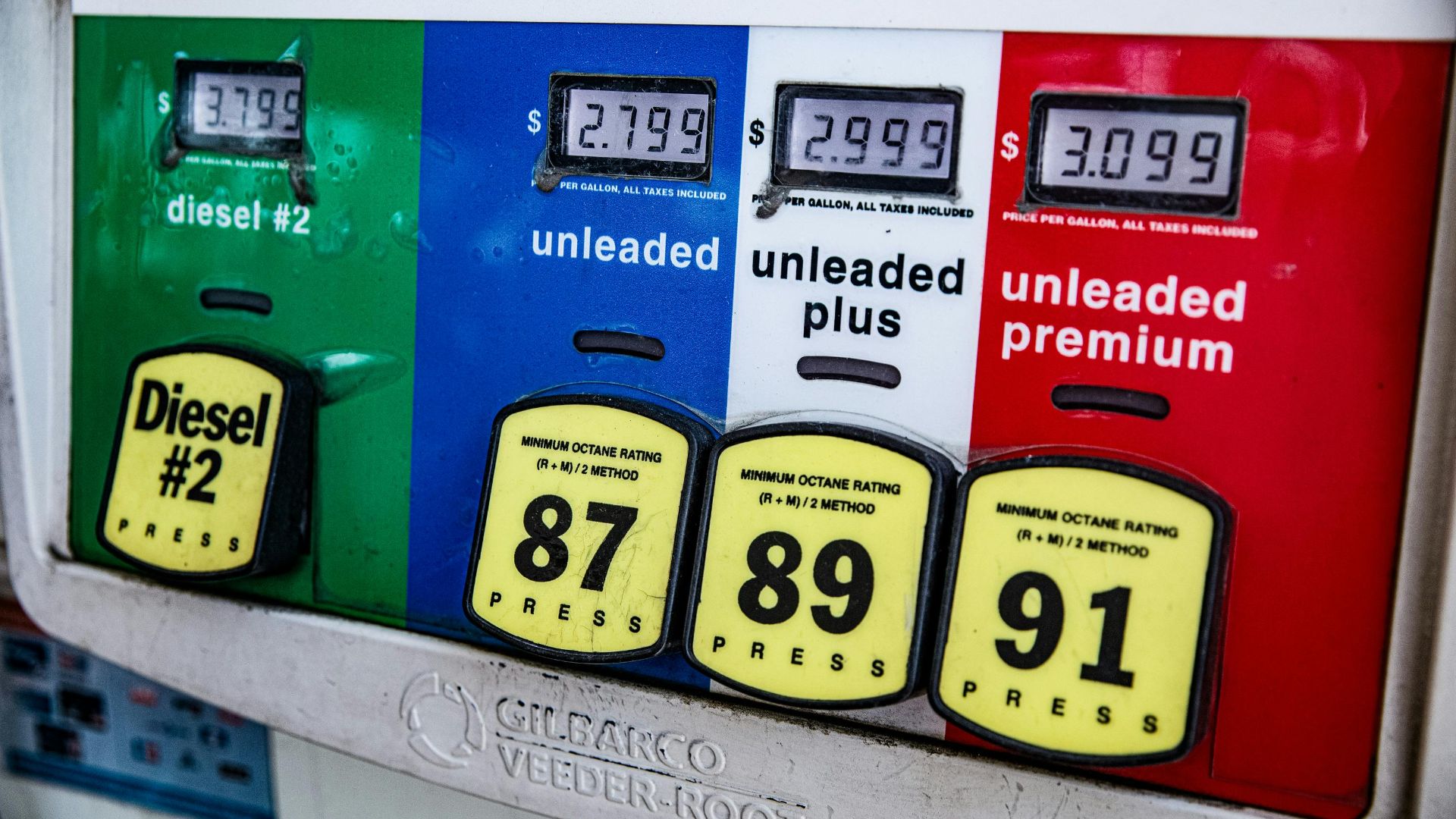
The core difference between regular and premium gasoline is the octane rating, which is a measure of a fuel's resistance to engine knock, or premature ignition in an engine. Regular gas in North America usually has an octane rating of 87, while premium sits at 91 at least. Fuels with a higher octane rating can be compressed more before igniting, which is necessary for high-performance engines.
When premium gas really makes a difference
 Ekaterina Belinskaya on Pexels
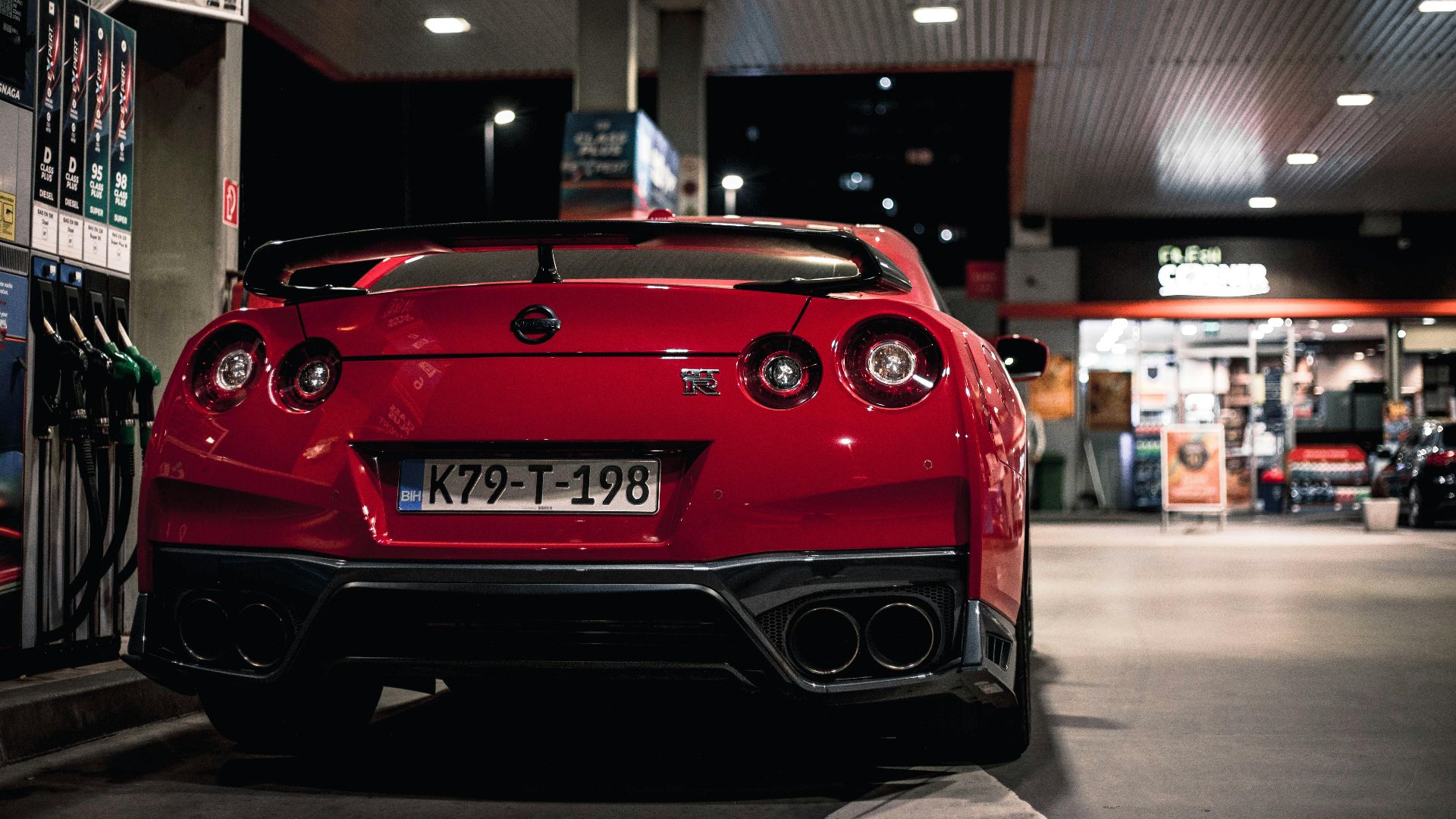
In certain cars, premium gas isn't just a suggestion; it's a requirement. These are cars with turbochargers, superchargers, or high compression ratios. Gasing these engines with regular gas could cause damage and void your car's warranty. If your car requires premium, you’ll see it written clearly in the owner’s manual or on the inside of your fuel door.
Even if it doesn't cause irreversible engine damage, you'll notice a difference in performance. Premium will give you better acceleration, smoother operation, and even improved fuel economy, making that higher price worthwhile.
When it's optional
For some car, premium gasoline isn't a requirement, but a recommendation. In these engines, premium fuel allows the engine to achieve its maximum potential horsepower, acceleration, and torque, but regular gasoline won't do any harm for normal, everyday driving.
Modern engines have sensors and advanced computer systems that can detect lower octane and automatically adjust the engine's timing to prevent damage. So, you can be selective about when you gas up with premium, using regular most of the time to save money.
When it really doesn't make a difference
For vehicles specifically designed for regular gasoline, no need to spend extra on "fancy" gas. There's a common misconception that premium gasoline somehow cleans your engine, boosts performance, or improves mileage, but it isn't the case. The engine simply isn’t built to take advantage of the extra octane. In this case, filling up with premium is essentially paying more for no benefit.
Cleanliness
Another aspect affecting gasoline are the additives. Both regular and premium gas are required by law to include detergent additives that keep engines clean. Some brands include higher-quality additive blends in their premium fuel, but “top tier” gasoline brands use strong detergents across all grades—including regular. This means that the cleanliness advantage premium once held is far less significant today.
So does premium gas really make a difference? Yes—but only for the right engine. For high-performance or luxury vehicles engineered around higher-octane fuel, premium is crucial. For cars that merely recommend it, premium can provide a slight edge, but for most everyday vehicles, regular gasis exactly what your car needs.