The saying "don't judge a book by its cover" doesn't just apply to literature. Case in point: congestion pricing. It sounds absolutely awful—like you're going to be charged for getting stuck in traffic—however, the benefits of congestion pricing far outweigh the negatives.
To understand the benefits of congestion pricing, we first need to understand congestion pricing itself. Put simply, congestion pricing is a surcharge for vehicles using busy roadways, whether it be during specific hours or on specific roads. It's similar to the $3 fee ATMs charge you to withdraw your own money.
What Is Congestion Pricing?
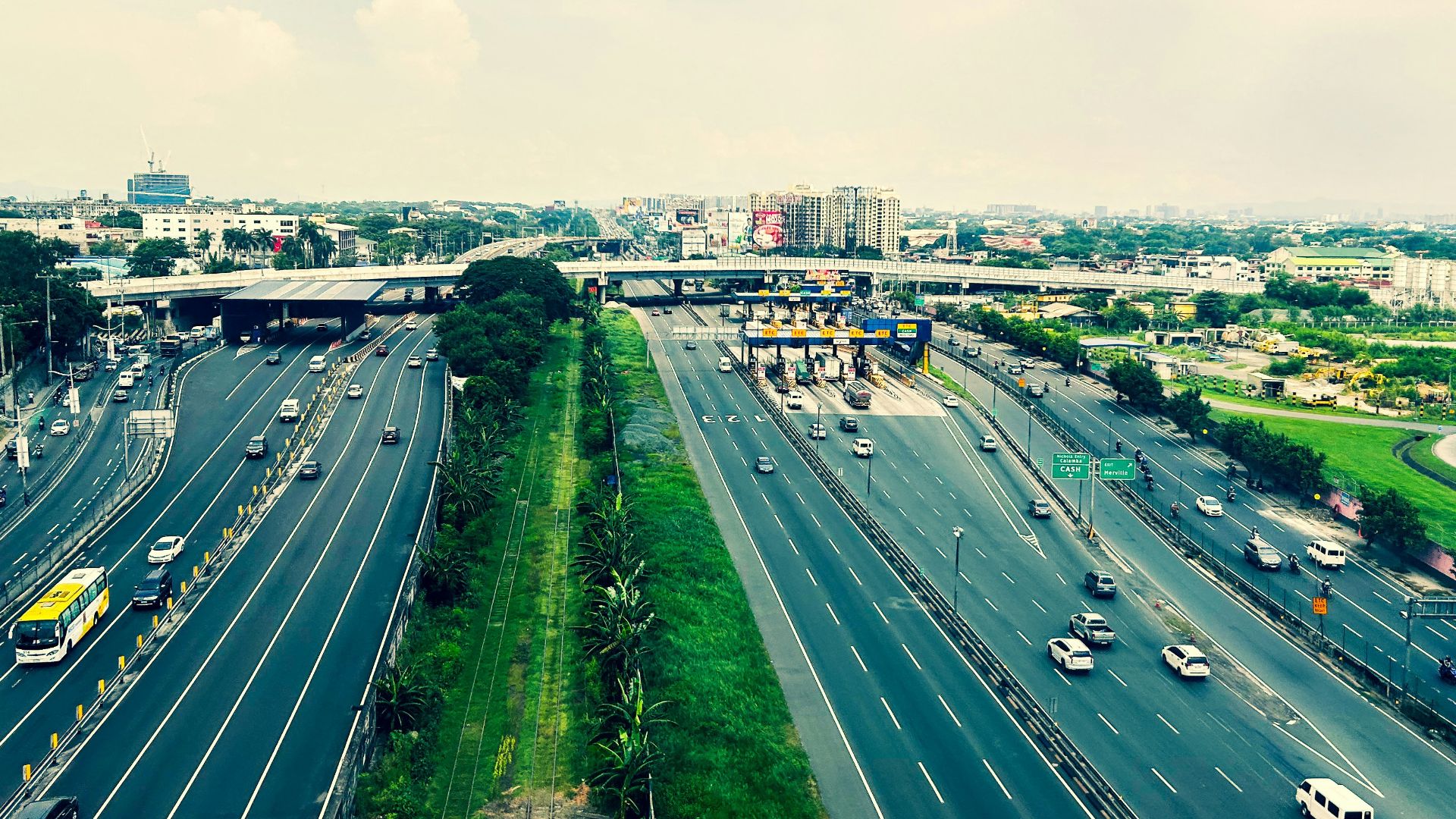
So far, all this sounds like a bad thing. After all, should commuters really be punished for commuting? No, but congestion pricing isn't meant to punish drivers—it's meant to encourage alternate forms of transit and reduce gridlock.
More people living in an urban center means more problems. There's the smog from cars idling in traffic, the noise of everyone honking their horns, not to mention all the time and gas wasted sitting around in traffic. Congestion pricing seeks to solve all these problems.
If you've driven on toll roads—which many people have, especially during cross-country road trips—congestion pricing isn't too different. Congestion pricing can take many forms so, even if you rely on corridors affected by congestion pricing, you may not necessarily be subject to congestion pricing. Let's look at a few examples.
One form of congestion pricing targets drivers using high-occupancy vehicle lanes—intended for vehicles with more than two passengers—without meeting the occupancy requirements. This defeats the purpose of these lanes, delaying even more people in their travels. After all, if you and a coworker live nearby and are going to the same place, doesn't it benefit both of you to save time and take one car rather than two?
More Drivers, More Problems
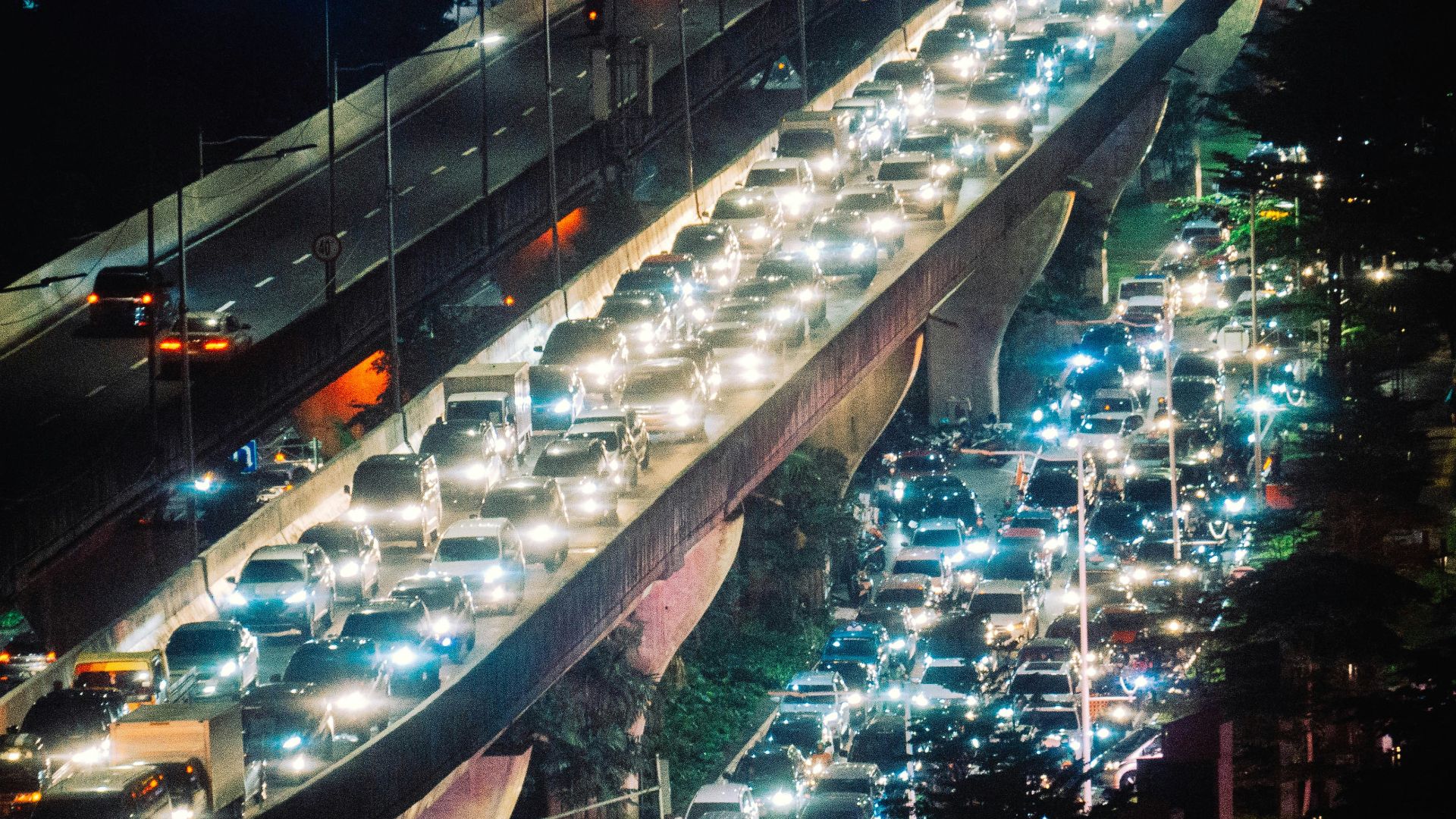
Another way drivers may contribute to congestion is by taking express lanes solely to avoid busy sections. Ultimately, this does the same as using HOV lanes with a single driver: creating congestion in a lane sought to decrease it. You aren't saving time, nor are you saving money by clogging up these lanes.
It's already been proven that expanding highways is never going to reduce traffic the way some people assume it will. If anything, more lanes just mean more opportunities for traffic. Expanding highways only to increase the commuter crush is a gross misuse of taxpayer dollars.
Singapore, the most crowded country on earth, was the first to introduce congestion pricing on urban roads in 1975. Since its introduction and refinement, traffic has reduced by about 25,000 vehicles or 13%. While traffic rates have decreased, average road speeds have increased by 20%.
If you look at the list of cities to implement congestion pricing—London, New York, and Stockholm, just to name a few examples—you'll notice that they all have one thing in common: public transit. Frankly, many of the cars driven into city centers do not need to be there. Drivers would save both time and money by walking, cycling, or using public transit that's already in place.
Let's look at some other results a little closer to home.
Congestion Pricing In Manhattan
New York City was the first city in North America to introduce congestion pricing in January 2025. Vehicles who enter the central business district during 5 am to 9 pm on weekdays and 9 am to 9 pm on weekends are charged $9. This price may seem steep, especially given that a parking spot can set you back up to $30.
In the 11 months since implementation, Manhattan has seen traffic speeds increase by 15%, while pollution, pedestrian fatalities, and noise complaints have all seen significant decreases! Small businesses have also reported more walk-ins, leading to higher revenue.
Only time will tell if other cities will follow New York's lead and introduce congestion pricing for gridlocked urban areas. Prior to Covid, similar measures were considered in Boston, San Francisco, and Washington. Perhaps we will see those plans implemented in time.